How I Cut My Grocery Bill to $300 a Month

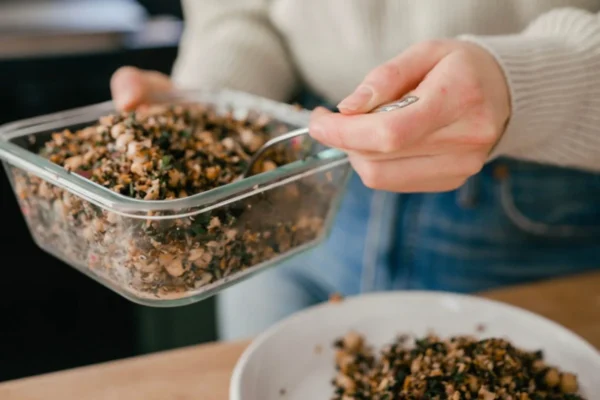
As the global economy grapples with persistent inflationary pressures, the rising cost of living has become a primary concern for households worldwide. According to recent data from the United States Department of Agriculture (USDA), the average American couple now spends approximately $800 per month on groceries, which translates to a weekly expenditure of $200. This…

Read More

6 Best Non Toxic Diapers For Babies

The modern diaper industry is undergoing a significant transformation as parents increasingly prioritize dermatological safety and environmental sustainability over the convenience of traditional disposable options. For the average newborn, the consumption rate of 10 to 12 diapers per day translates into approximately 3,600 to 4,300 diapers in the first year alone. This high volume of…

Read More

8 Best Non Toxic Rugs For a Sustainable Home

The modern residential environment has undergone a silent chemical transformation over the last half-century, with synthetic polymers replacing natural fibers in nearly every category of home decor. Recent environmental health assessments reveal that a significant majority of contemporary area rugs are manufactured using polyester, a petroleum-based plastic that contributes to indoor air pollution and microplastic…

Read More

50 DIY Christmas Presents Anyone Can Make

The 2025 holiday season marks a significant pivot in global consumer behavior as the "handmade holiday" movement gains unprecedented momentum. Emerging from a decade defined by hyper-commercialization and rapid-delivery e-commerce, a growing demographic of consumers is opting for "presence over presents." This shift, characterized by a return to 1990s-style festivities—emphasizing simplicity, craft-based activities, and low-pressure…

Read More

What is Planned Obsolescence? +6 Ways to Combat It

Planned obsolescence, a manufacturing strategy where products are intentionally designed to have a limited functional lifespan or to become perceived as unfashionable within a short period, has become a cornerstone of modern industrial economics. While the practice ensures consistent consumer demand and fuels economic growth, it has increasingly come under fire from environmental advocates, consumer…

Read More

Can You Recycle Computers? Comprehensive Guide to Sustainable E-Waste Management and Data Security

The rapid acceleration of technological advancement has created a dual-edged sword for modern society: while computing power continues to expand, the lifespan of individual devices has contracted. As millions of laptops and desktop computers reach the end of their functional utility each year, the question of their disposal has transitioned from a personal inconvenience to…

Read More

Petrochemicals and the Human Cost Examining the Environmental and Public Health Crisis in Americas Industrial Sacrifice Zones

The 85-mile corridor along the Mississippi River between Baton Rouge and New Orleans, Louisiana, has long been a focal point of American industrial productivity. Known historically for its fertile soil and plantation economies, the region has transformed over the last century into one of the world’s most densely concentrated hubs for the petrochemical industry. Today,…

Read More

8 Best Non Toxic Lotion Options For Smooth Skin

The Scientific Context of Dermal Absorption and Ingredient Safety The premise of non-toxic skincare is rooted in the understanding of how the integumentary system interacts with synthetic chemicals. Research indicates that certain low-molecular-weight compounds used in lotions can bypass the stratum corneum, the outermost layer of the skin, and enter systemic circulation. This has led…

Read More

Ditch the Plastic Pouf: Try This All-Natural Shower Sponge Instead

The Environmental Crisis in the Modern Bathroom The traditional plastic shower pouf, or "loofah," is typically manufactured from polyethylene, a type of plastic that does not biodegrade. According to environmental research, these synthetic sponges are designed for a functional lifespan of only two months before they become breeding grounds for bacteria and mold, necessitating disposal….

Read More