
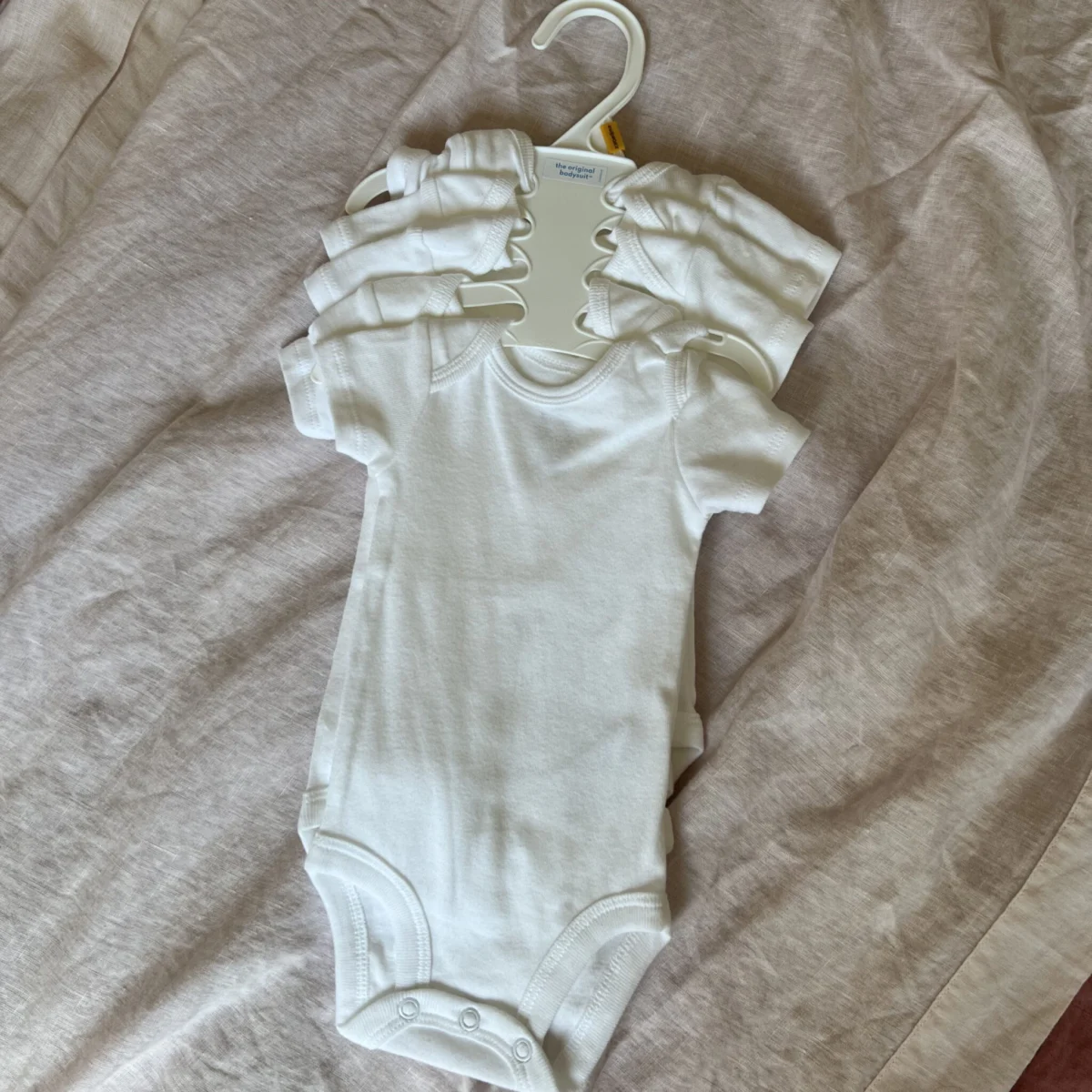
The modern nursery is increasingly defined by synthetic polymers, with plastic components found in everything from rattles and bottles to polyester clothing and the core structure of disposable diapers. While these materials offer convenience and cost-effectiveness, a growing body of scientific research suggests that the chemical additives within these plastics, particularly phthalates, pose significant risks to infant health. Phthalates, primarily utilized as plasticizers to increase the flexibility and durability of polyvinyl chloride (PVC), are known endocrine disruptors. Because infants and toddlers explore their environment through tactile and oral engagement, their exposure to these chemicals is disproportionately high compared to adults, leading to a rising demand for non-toxic alternatives in the childcare industry.
The Chemical Landscape of Infant Care
The primary concern regarding plastic exposure in early childhood centers on the leaching of phthalates. These chemicals are not chemically bound to the plastics they soften, meaning they can easily migrate into the air, dust, or directly into a child’s system through ingestion or dermal contact. For infants, the risk is amplified by their developmental stage. Common items such as teethers, squeeze toys, and even waterproof bath books are frequent sources of exposure. Furthermore, as infants begin to crawl, they are in constant proximity to household dust and synthetic carpet fibers, both of which serve as reservoirs for microplastics and chemical additives.
A 2021 study published in the journal Healthcare highlighted the physiological impact of this exposure, noting that children’s contact with phthalates significantly affected levels of reproductive hormones and thyroid function. The study also observed changes in anogenital distance, a clinical marker for endocrine disruption. Because the brain and metabolic systems are in a state of rapid flux during the first years of life, even low-level exposure to these "forever chemicals" can have long-lasting implications for developmental health.
A Chronology of Plastic Awareness in Childcare
The transition toward plastic-free or "low-plastic" infant care has evolved over several decades, driven by both regulatory changes and consumer advocacy.
- The 1990s: Initial concerns regarding the safety of PVC in toys led to voluntary pullbacks by major manufacturers, though regulatory oversight remained limited.
- 2008: The Consumer Product Safety Improvement Act (CPSIA) was passed in the United States, permanently banning several types of phthalates in children’s toys and childcare articles.
- 2010-2015: The "BPA-Free" movement took hold after studies linked Bisphenol A, found in hard polycarbonate plastics, to developmental issues. This led to a massive shift in the manufacturing of baby bottles and sippy cups.
- 2020-Present: Research has shifted toward microplastics. A landmark 2020 study in Nature Food revealed that plastic baby bottles shed millions of microplastic particles when heated, sparking a new wave of interest in glass and silicone alternatives.
The Diaper Dilemma: Balancing Convenience and Safety
Perhaps the most pervasive source of plastic exposure for an infant is the disposable diaper. On average, a child will use between 2,500 and 3,000 diapers in their first year of life. Most conventional disposables rely heavily on petroleum-based plastics, including polypropylene and polyethylene, to provide the waterproof barrier and structural integrity required for modern performance.
While reusable cloth diapers offer a plastic-free alternative, they present logistical challenges. High upfront costs, the requirement for consistent access to laundry facilities, and the refusal of many daycare centers to handle cloth diapers due to sanitation protocols make them inaccessible for many families. This has created a market gap for "hybrid" or "eco-friendly" disposables that minimize plastic contact without sacrificing the convenience of a single-use product.
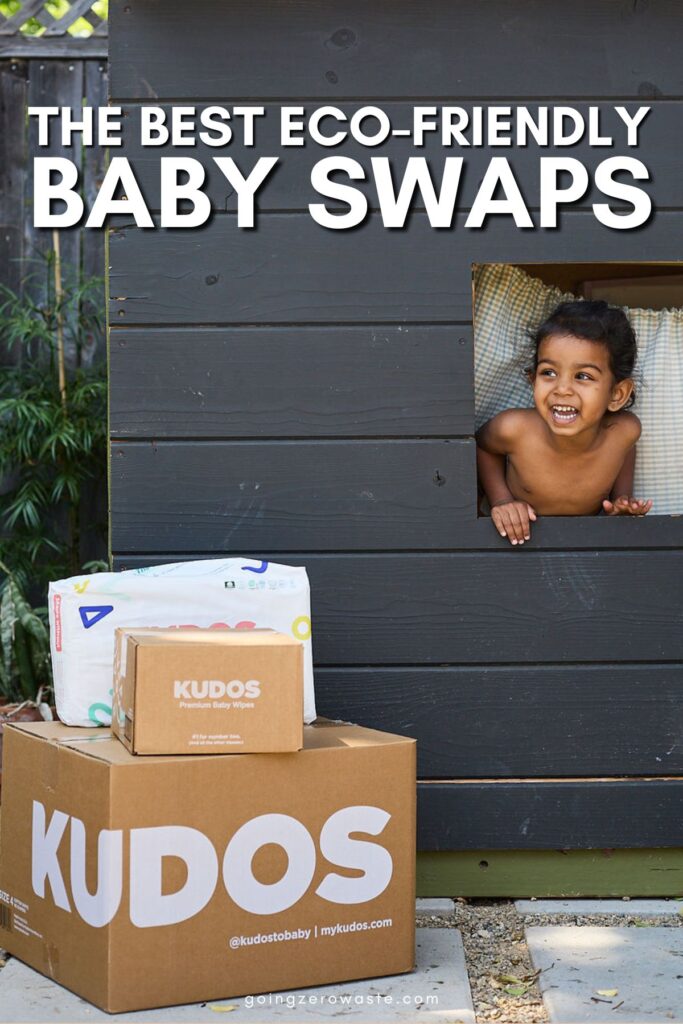
Industry innovators like Kudos have addressed this by introducing the first disposable diaper featuring a 100% cotton liner. While the outer waterproof layers of these diapers still contain necessary plastic components, the "topsheet"—the layer in direct, constant contact with the infant’s skin—is replaced with dry-processed, U.S.-sourced cotton. This shift is significant because it eliminates the presence of synthetic liners treated with lotions or fragrances, which are often used to mask chemical odors but can contribute to skin irritation and systemic absorption.
Supporting Data and Industry Certifications
To navigate the complex market of "green" baby products, parents and health advocates increasingly rely on third-party certifications. These labels provide a standardized metric for evaluating the chemical safety and environmental impact of infant goods.
- OEKO-TEX STANDARD 100: This certification ensures that every component of a product, from the thread to the buttons and linings, has been tested for harmful substances. It is considered one of the most rigorous standards for textile safety.
- FSC (Forest Stewardship Council): Often found on diaper packaging, this indicates that the wood pulp used in the absorbent core is sourced from responsibly managed forests.
- TCF (Totally Chlorine Free): Many conventional diapers use elemental chlorine for bleaching, which can leave traces of dioxins—highly toxic environmental pollutants. TCF products use oxygen or peroxide, eliminating this risk.
- GOTS (Global Organic Textile Standard): This is the gold standard for organic fibers, ensuring not only organic farming practices but also socially responsible manufacturing and the absence of toxic dyes.
Mitigating Microplastic Ingestion During Feeding
Feeding remains a critical point of intervention for reducing plastic exposure. The 2020 study by Trinity College Dublin researchers found that the high temperatures required for sterilization and formula preparation cause polypropylene bottles to degrade, releasing up to 16 million microplastic particles per liter.
Health experts now recommend several tactical shifts for bottle-fed infants. Glass bottles, while heavier and more fragile, are chemically inert and do not shed particles when heated. For families who prefer the durability of plastic, the "transfer method" is recommended: heating formula or breastmilk in a glass or stainless steel container, allowing it to cool to feeding temperature, and then transferring it to the plastic bottle. Furthermore, the use of microwaves for heating is strongly discouraged, as the uneven heating can create "hot spots" that accelerate plastic degradation.
As infants transition to solid foods, the use of silicone molds for homemade purees has become a popular alternative to store-bought jars lined with plastic films. High-quality, FDA food-grade silicone is increasingly viewed as a safer alternative to traditional plastics because it is more resistant to heat and less likely to leach chemicals into fatty foods.
Broader Environmental and Health Implications
The movement to reduce plastic in infant care is not merely a matter of individual health but also one of environmental sustainability. The diaper industry alone contributes billions of pounds of waste to landfills annually, where plastic components can take centuries to decompose. By opting for products that utilize natural fibers like cotton, hemp, and wool, consumers are effectively lowering the demand for virgin plastic production.
However, market analysts point out a significant "green premium" associated with these products. Non-toxic, plastic-free alternatives often cost 20% to 50% more than conventional options, creating a socioeconomic divide in chemical exposure. Public health advocates argue that systemic change—such as stricter federal regulations on phthalates and microplastics—is necessary to ensure that all infants, regardless of their family’s income, are protected from endocrine-disrupting chemicals.
Conclusion and Future Outlook
The reduction of plastic exposure in infancy requires a multi-faceted approach involving informed consumer choices, industry innovation, and rigorous scientific inquiry. While it is virtually impossible to eliminate all plastic from a newborn’s environment, prioritizing natural fibers for clothing, choosing inert materials for feeding, and selecting diapers with natural liners can significantly decrease the "body burden" of synthetic chemicals.
As the industry continues to evolve, the focus is expected to shift toward fully biodegradable disposables and the elimination of PFAS (per- and polyfluoroalkyl substances) in moisture-wicking baby gear. For now, the integration of traditional materials like cotton and glass with modern engineering represents the most effective strategy for safeguarding the next generation against the pervasive influence of plastic. Through a combination of individual vigilance and support for transparent brands, parents can navigate the complexities of modern childcare while fostering a safer, less toxic environment for their children’s development.


