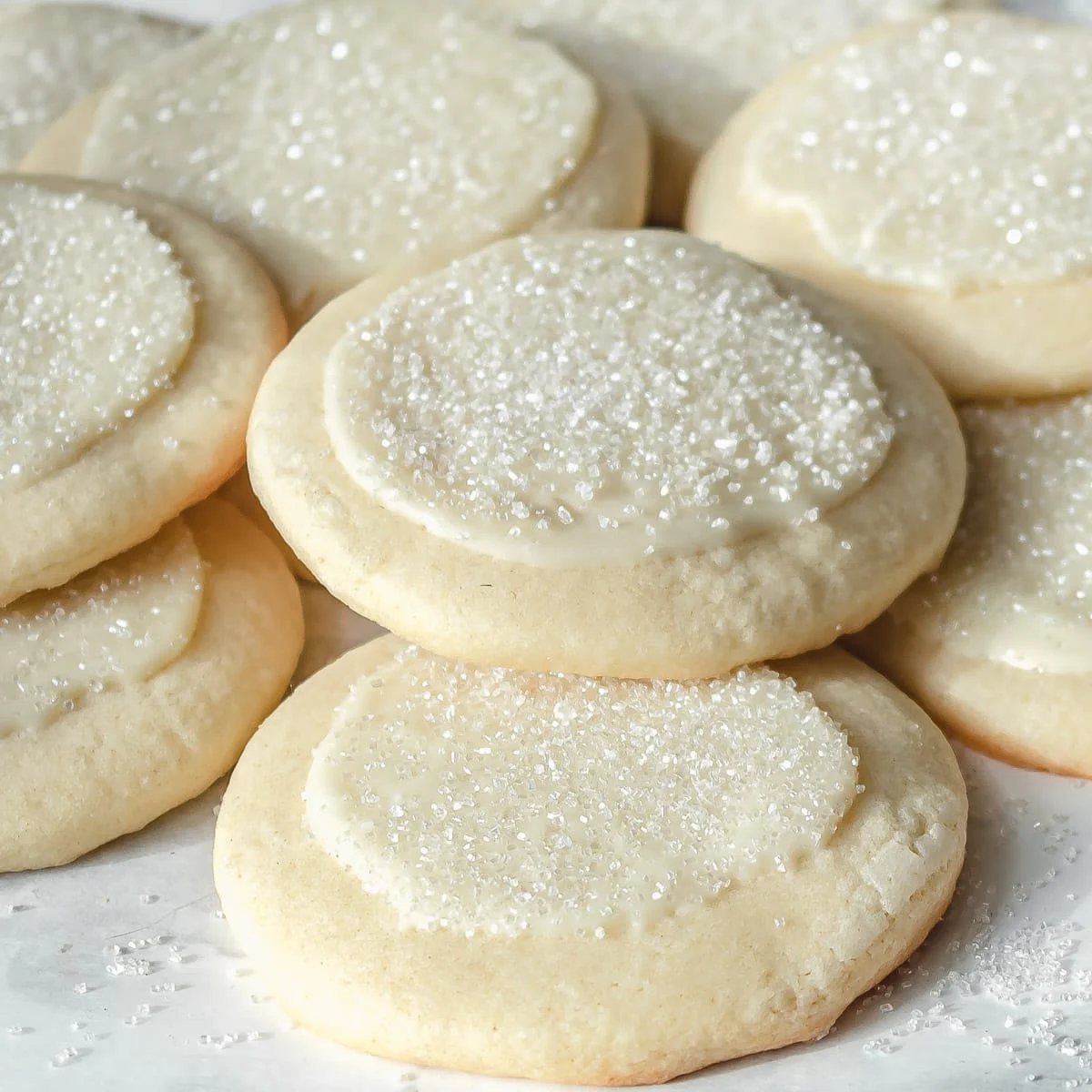
For aspiring bakers and seasoned enthusiasts alike, the allure of perfectly crafted sugar cookies, reminiscent of a high-end bakery, is undeniable. Now, achieving this culinary feat at home is more accessible than ever with a meticulously developed recipe for foolproof cut-out sugar cookies. This guide delves into the creation of cookies that boast a delightful crispness around the edges and a tender, yielding center, complemented by a smooth, easy-to-pipe buttercream frosting that holds its shape with remarkable precision, making it ideal for intricate decorating.

The Art of the Perfect Sugar Cookie
The quest for the ideal sugar cookie recipe often leads to a compromise between texture, flavor, and ease of execution. This particular recipe, however, is designed to eliminate that compromise. The foundation of this delightful treat lies in a robust cut-out sugar cookie dough, engineered for optimal structure and flavor. This dough is specifically formulated to withstand intricate cutting and baking without spreading excessively, ensuring that the carefully shaped cookies retain their intended forms. The result is a cookie that offers a satisfying crunch upon first bite, gradually giving way to a tender crumb that melts in the mouth.

Mastering the Buttercream Frosting
Complementing the exceptional cookie base is a meticulously crafted American-style buttercream. This frosting is celebrated for its simplicity, requiring only a handful of common ingredients and a minimal preparation time of approximately five minutes. Its creamy texture and stable consistency are paramount for decorative piping. Unlike more delicate frostings, this buttercream is designed to maintain its structure, allowing for the creation of sharp lines, delicate swirls, and intricate patterns without the risk of collapse or excessive spreading. This makes it an invaluable asset for anyone looking to elevate their homemade cookies from simple treats to edible works of art.
Demystifying Frosting Techniques for Beginners
For many home bakers, the prospect of piping frosting can evoke a sense of trepidation, often likened to facing an intimidating culinary challenge. The image of a piping bag, coupled with the mental soundtrack of suspenseful music, can deter even the most enthusiastic novice. However, this recipe aims to dismantle that fear by providing a straightforward yet highly effective decorating method. By utilizing a few essential frosting tips and a spectrum of buttercream colors, bakers can transform their cookies into creations that rival those found in the most esteemed bakeries.

The "Wreath" Technique and Beyond
The versatility of this cookie dough is highlighted by its adaptability to various shapes and decorating styles. While the featured recipe utilizes scalloped cutters to create a "wreath" effect, a testament to its decorative potential, any cookie cutter shape can be employed. This adaptability ensures that the cookies can be customized for any occasion, from holidays and birthdays to everyday celebrations. The simple yet elegant "wreath" design, achieved through strategic piping, serves as an excellent starting point for those new to decorative frosting.

Ingredients and Equipment: The Foundation of Success
The success of any baking endeavor hinges on the quality of ingredients and the suitability of the equipment. This recipe emphasizes using readily available, high-quality components to ensure both flavor and structural integrity.
Essential Ingredients for Sugar Cookies:
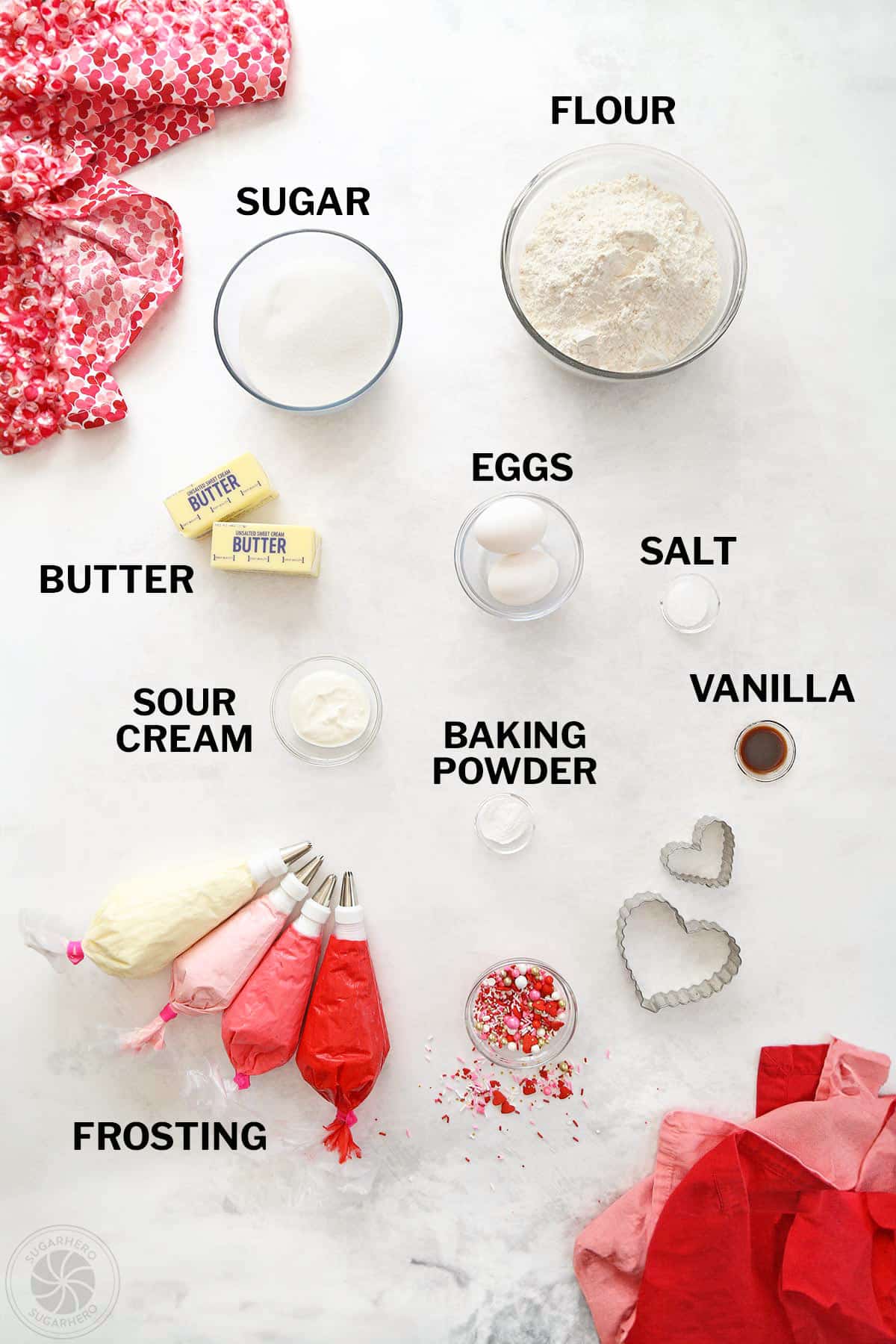
- All-Purpose Flour: The primary structure of the cookie. Precision in measuring is key.
- Baking Powder: A leavening agent that provides a slight lift without causing excessive spread.
- Salt: Enhances the overall flavor profile and balances sweetness.
- Unsalted Butter, Softened: The fat component, crucial for texture and richness. Using unsalted butter allows for better control over the salt content.
- Granulated Sugar: Provides sweetness and contributes to the cookie’s crispness.
- Eggs: Act as a binder and contribute to the cookie’s structure and richness.
- Vanilla Extract: A classic flavor enhancer that complements the sweetness of the cookie.
- Sour Cream: Adds moisture and tenderness, contributing to a softer interior texture.
Essential Ingredients for Buttercream Frosting:
- Unsalted Butter, Softened: The creamy base of the frosting.
- Powdered Sugar (Confectioners’ Sugar): Provides sweetness and creates the smooth, thick consistency. Sifting is recommended to prevent lumps.
- Heavy Cream or Milk: Used to achieve the desired frosting consistency.
- Vanilla Extract: For flavor enhancement.
- Salt: A pinch of salt helps to balance the sweetness.
Essential Equipment:
- Mixing Bowls: For combining dry and wet ingredients.
- Electric Mixer (Stand or Handheld): Essential for creaming butter and sugar and for whipping the frosting to the correct consistency.
- Whisk: For thoroughly combining dry ingredients.
- Measuring Cups and Spoons: For accurate ingredient measurement, though a kitchen scale is recommended for flour.
- Rolling Pin: For evenly rolling out the cookie dough.
- Cookie Cutters: Various shapes and sizes to create desired cookie designs.
- Baking Sheets: Lined with parchment paper for even baking and easy cleanup.
- Parchment Paper: Prevents sticking and ensures easy removal of cookies.
- Cooling Racks: For allowing cookies to cool completely before frosting.
- Piping Bags: For holding and dispensing the buttercream.
- Piping Tips: Small star tips are ideal for the decorative piping technique described.
A Step-by-Step Guide to Baking and Decorating
The process of creating these perfect sugar cookies can be broken down into distinct stages, each contributing to the final, beautiful outcome.
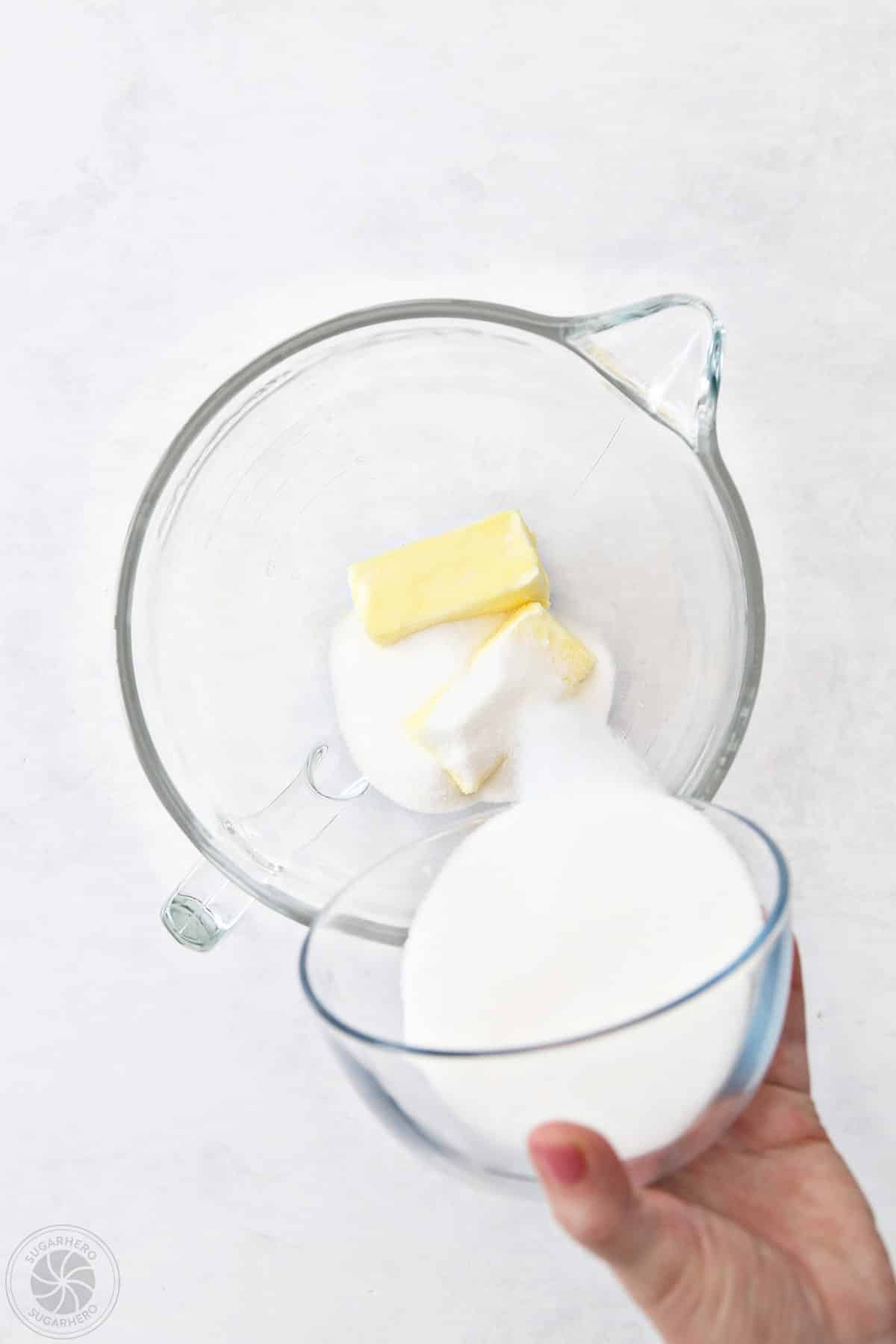
To Make the Sugar Cookies:
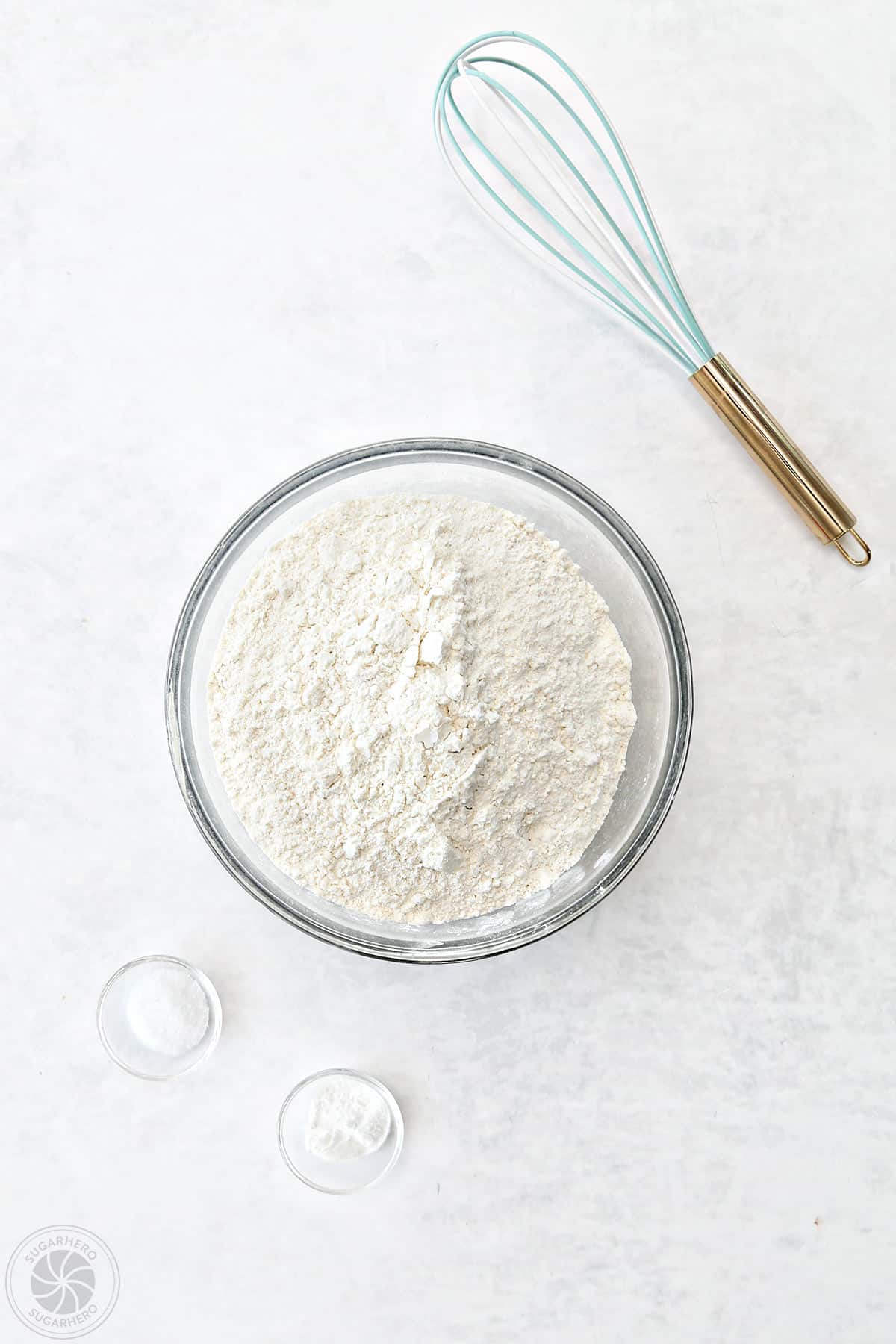
- Combine Dry Ingredients: In a medium bowl, whisk together the all-purpose flour, baking powder, and salt. Set aside.
- Cream Butter and Sugar: In a large bowl, using an electric mixer, beat the softened unsalted butter and granulated sugar on medium-high speed until light and fluffy, typically 3-5 minutes. This process, known as creaming, incorporates air into the mixture, which is vital for cookie texture.
- Add Eggs and Vanilla: Beat in the eggs one at a time, ensuring each is fully incorporated before adding the next. Stir in the vanilla extract.
- Incorporate Sour Cream: Add the sour cream and beat on low speed until just combined.
- Gradually Add Dry Ingredients: With the mixer on low speed, gradually add the dry ingredients to the wet ingredients, mixing until just combined. Be careful not to overmix, as this can lead to tough cookies.
- Divide and Chill Dough: Divide the dough into two equal portions. Flatten each portion into a disc, wrap tightly in plastic wrap, and refrigerate for at least 1 hour, or until firm enough to handle. Chilling the dough is crucial for preventing excessive spread during baking.
- Preheat Oven and Prepare Baking Sheets: Preheat your oven to 350°F (175°C). Line baking sheets with parchment paper.
- Roll Out the Dough: On a lightly floured surface, roll out one disc of chilled dough to approximately 1/4-inch thickness. For best results, rotate the dough periodically to ensure even rolling.
- Cut Out Cookies: Using your chosen cookie cutters, cut out shapes from the dough. Reroll scraps as needed, chilling the dough again if it becomes too soft.
- Bake the Cookies: Carefully transfer the cut-out cookies to the prepared baking sheets, leaving about 1 inch between them. Bake for 9-12 minutes, or until the edges are lightly golden brown. The baking time will vary depending on the size and thickness of your cookies.
- Cool the Cookies: Allow the cookies to cool on the baking sheets for a few minutes before transferring them to a wire rack to cool completely. Cookies must be entirely cool before frosting.
To Make the Cookie Frosting:
- Cream the Butter: In a large bowl, beat the softened unsalted butter with an electric mixer on medium-high speed until light and fluffy, about 3-5 minutes.
- Gradually Add Powdered Sugar: With the mixer on low speed, gradually add the sifted powdered sugar, about a cup at a time, beating until incorporated after each addition. Scrape down the sides of the bowl as needed.
- Add Vanilla and Salt: Beat in the vanilla extract and salt.
- Adjust Consistency: Add the heavy cream or milk, one tablespoon at a time, beating on medium-high speed until the frosting reaches a smooth, creamy, and pipeable consistency. You want it thick enough to hold its shape but fluid enough to pass through a piping tip.
- Divide and Color Frosting: Divide the frosting into separate bowls for coloring. Use gel food coloring for vibrant hues without altering the frosting’s consistency. For this recipe, separate portions were colored red, pink, and a lighter pink by mixing pink and white.
To Decorate the Sugar Cookies:
- Prepare Piping Bags: Fit piping bags with small star tips and fill each bag with a different color of buttercream.
- Embrace the "Chaos": This decorating technique thrives on joyful, spontaneous application. There is no "wrong" way to pipe. Encourage freeform piping of swirls, dots, and lines in various colors, allowing them to touch and overlap. The goal is to cover the cookie surface with a playful, colorful design.
- Add Sprinkles (Optional): For an extra touch of festive flair, add a few sprinkles to the wet frosting before it sets.
- Allow Frosting to Set: Let the decorated cookies sit at room temperature until the frosting has set slightly.
Tips for Cookie Success: Ensuring Perfection Every Time
- Room Temperature Ingredients: Ensure butter and eggs are at room temperature for optimal creaming and emulsification.
- Accurate Flour Measurement: Spoon flour into your measuring cup and level it off with a straight edge. Over-measuring flour can lead to dry, crumbly cookies. Using a kitchen scale is the most accurate method.
- Don’t Overmix the Dough: Overmixing develops gluten, resulting in tough cookies. Mix until just combined.
- Chill the Dough Thoroughly: This step is critical for cut-out cookies, preventing them from spreading and losing their shape.
- Even Rolling: Roll the dough to a consistent thickness for uniform baking.
- Preheat Your Oven: A properly preheated oven ensures even baking from the moment the cookies are placed inside.
- Cool Cookies Completely: Frosting warm cookies will cause the frosting to melt and slide off.
- Gel Food Coloring: Use gel food coloring for vibrant colors without adding excess liquid to the frosting.
Broader Implications and Accessibility
The development of such a comprehensive and user-friendly recipe holds significant implications for home bakers. It democratizes the art of decorative cookie making, transforming it from a potentially intimidating skill into an achievable and enjoyable pastime. The emphasis on simplicity in both the cookie dough and the frosting techniques ensures that individuals of all skill levels can participate and achieve impressive results. This accessibility fosters a sense of accomplishment and creativity, encouraging more people to engage in baking as a form of personal expression and a means of connecting with loved ones through shared culinary experiences. The availability of detailed instructions, including a photo tutorial, further demystifies the process, providing a visual roadmap for success. This approach not only caters to beginners but also offers a refreshing and reliable method for experienced bakers seeking a consistently excellent sugar cookie recipe.