
The blackberry crisp has emerged as a cornerstone of the North American summer culinary landscape, representing a synthesis of seasonal foraging traditions and fundamental baking techniques. Defined by its juxtaposition of tart, macerated fruit and a structured, oat-based topping, the dessert serves as a primary vehicle for utilizing the peak harvest of the Rubus genus. As consumer interest in "slow food" movements and "grandma-core" aesthetics continues to rise, the blackberry crisp has moved beyond simple domesticity to become a subject of interest for culinary historians and agricultural analysts alike. The preparation of this dish, which requires specific ratios of lipids, starches, and sugars, highlights the chemical complexities of fruit-based desserts while celebrating the simplicity of the summer harvest.
The Anatomy of the Blackberry Crisp: Culinary Mechanics and Definitions
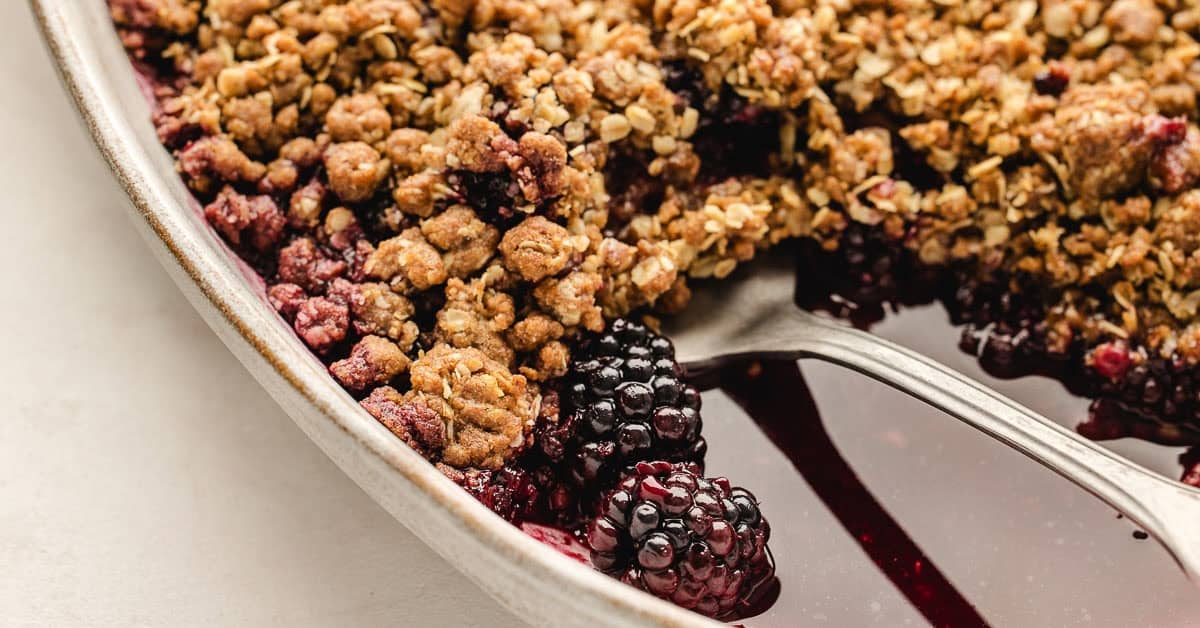
In the hierarchy of fruit desserts, the "crisp" occupies a specific niche defined by its texture and ingredient composition. While often confused with the cobbler or the crumble, the crisp is distinguished primarily by the inclusion of oats in its topping. A cobbler is characterized by a biscuit-style dough or cake-like batter that creates a "pebbled" surface, whereas a crumble typically utilizes a streusel-like mixture of flour, sugar, and butter without the structural reinforcement of whole grains.
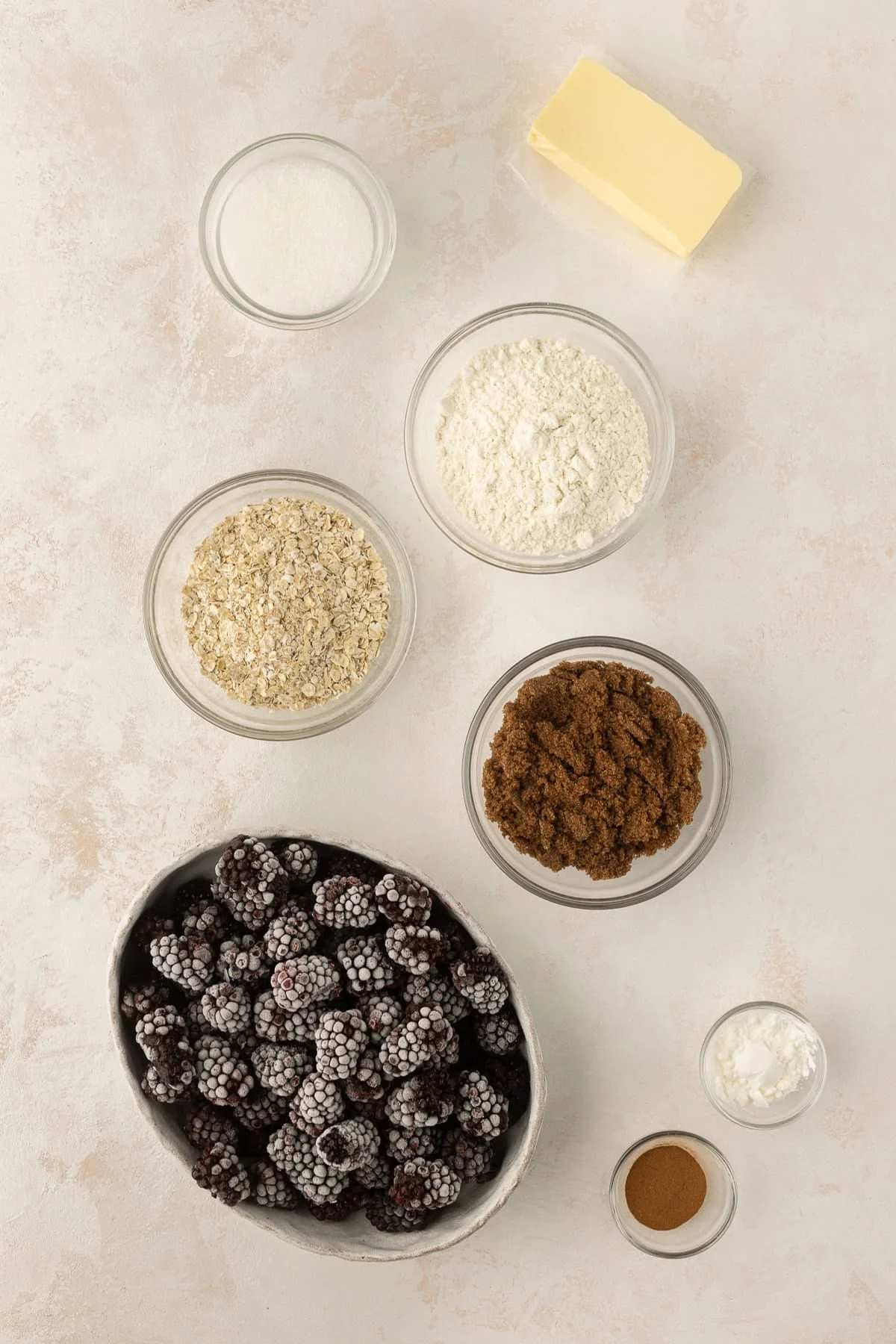
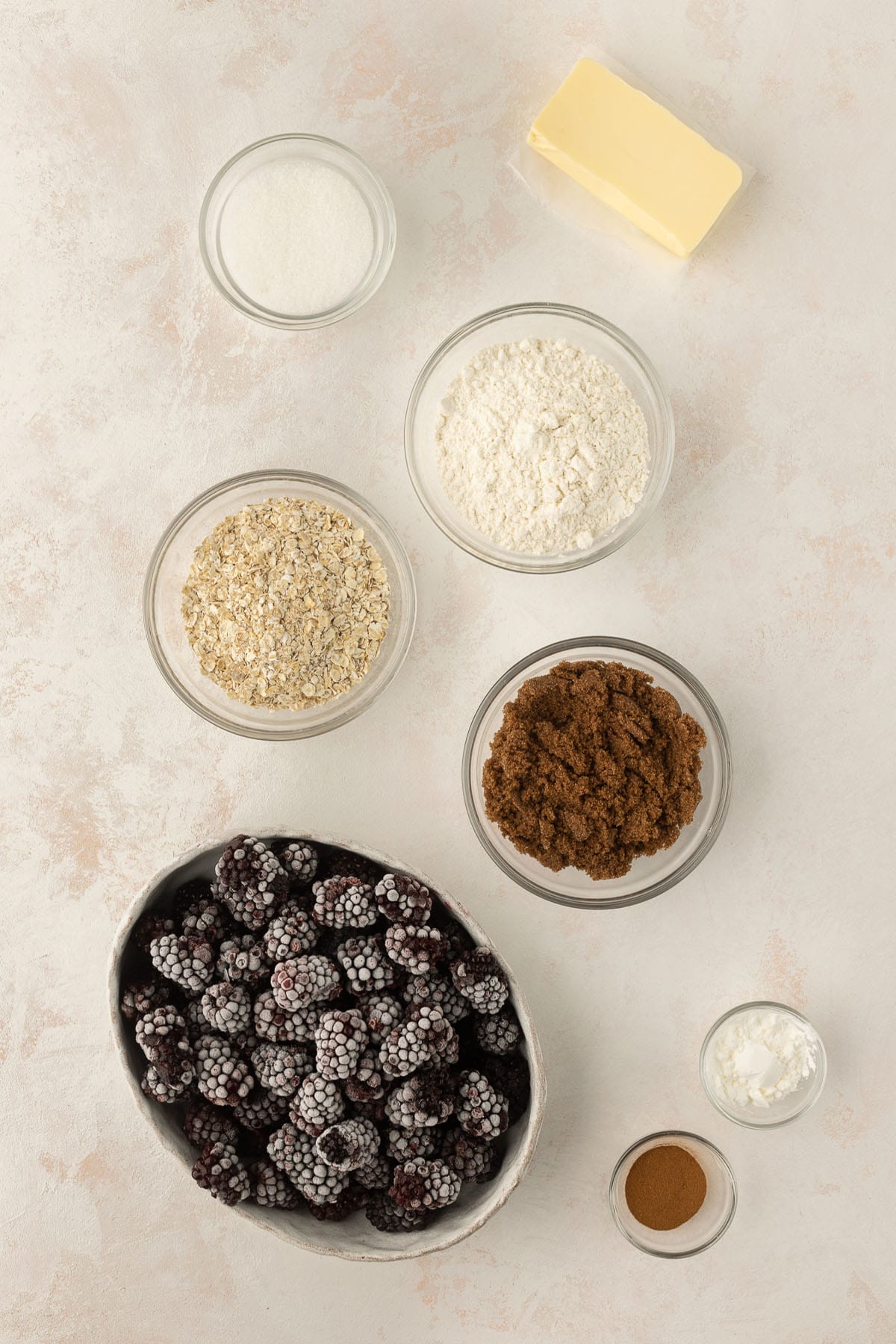
The blackberry crisp relies on a specific chemical interaction to achieve its signature consistency. The fruit base, consisting of approximately 24 ounces of berries, is combined with organic cane sugar and a thickening agent—typically cornstarch or arrowroot powder. During the baking process at a standard 350°F (175°C), the heat causes the berries to release their juices. The thickening agent reacts with these juices to create a viscous syrup, preventing the dessert from becoming overly aqueous.
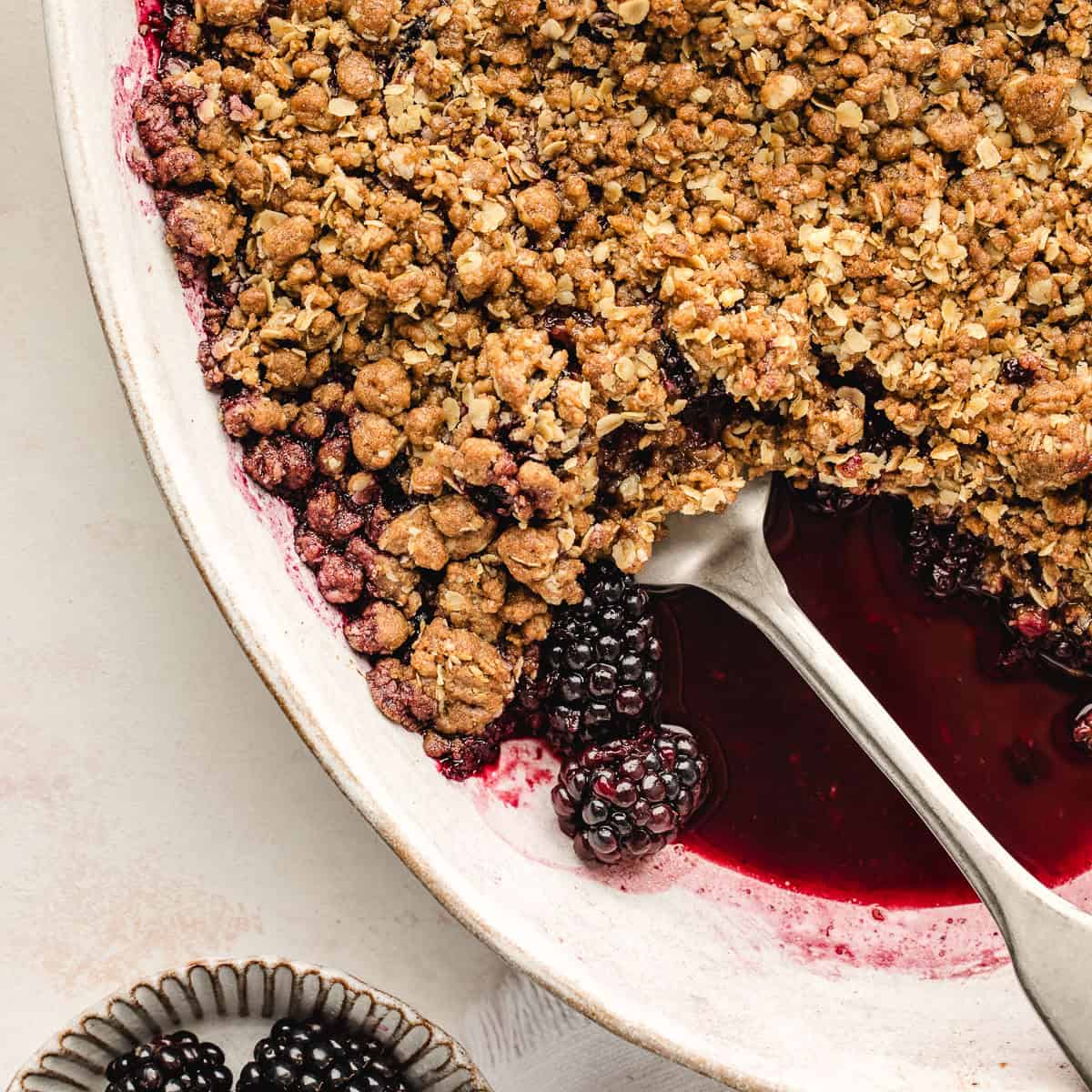
The topping represents a study in lipid management. By utilizing cold, cubed butter worked into a mixture of all-purpose flour, brown sugar, and ground cinnamon, the baker creates small pockets of fat. When exposed to oven heat, the water in the butter evaporates, creating steam that lifts the flour and sugar, while the oats provide a toasted, crunchy matrix. Culinary experts note that the use of old-fashioned rolled oats is essential; unlike quick-cook varieties, which are steamed and rolled thinner, old-fashioned oats maintain their integrity under prolonged heat, ensuring the "crisp" remains true to its nomenclature.
Chronology of the Blackberry Harvest and Foraging Traditions
The availability of the blackberry crisp is dictated by the phenology of the blackberry plant. In the Northern Hemisphere, the season typically spans from late June through August, depending on the specific hardiness zone. The berries belong to the Rosaceae family and are technically aggregate fruits, composed of small drupelets.
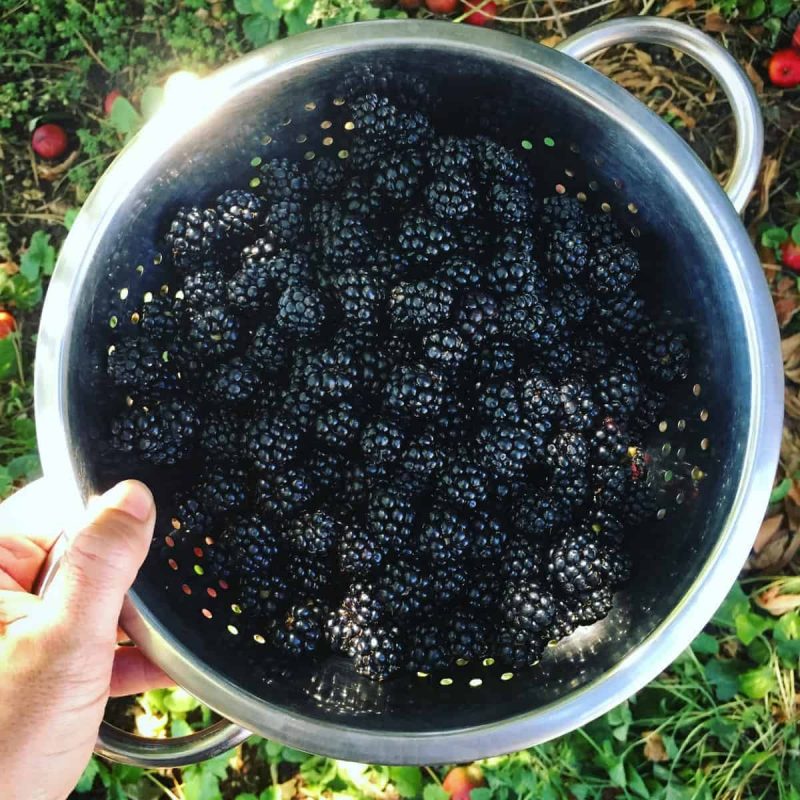
The ritual of foraging for wild blackberries remains a significant cultural touchstone. Historical data suggests that wild picking has served as an entry point for foraging education for generations of families. This seasonal activity typically occurs at dusk, when temperatures drop and the berries are less likely to bruise from heat. Agricultural experts emphasize that while wild blackberries (such as the Himalayan blackberry, which is considered invasive in parts of North America) are abundant, foragers must adhere to safety protocols, including the identification of the plant and the avoidance of areas treated with chemical pesticides.
The transition from the field to the kitchen is a time-sensitive process. Fresh blackberries have a high respiration rate and a short shelf life, often beginning to degrade within 24 to 48 hours of harvest. This reality has solidified the blackberry crisp’s status as a "peak season" dessert, though the modern ability to freeze berries has extended the dish’s relevance into the winter months. When frozen, blackberries retain their nutritional profile and structural acidity, though they release more moisture upon thawing, making the role of cornstarch even more critical in off-season preparations.

Nutritional Profile and Supporting Agricultural Data
From a nutritional perspective, the blackberry is one of the most nutrient-dense fruits available during the summer months. According to data from the United States Department of Agriculture (USDA), one cup of raw blackberries contains approximately 62 calories, 14 grams of carbohydrates, and nearly 8 grams of dietary fiber. The high fiber content is significant for digestive health and glycemic control.
Furthermore, blackberries are rich in anthocyanins—the pigments responsible for their deep purple hue. These compounds are potent antioxidants that have been studied for their role in reducing oxidative stress and inflammation. The inclusion of whole oats in the crisp topping adds a secondary layer of nutritional value, providing beta-glucans, which are known to support heart health by lowering LDL cholesterol levels.

The agricultural impact of the blackberry industry is substantial. Global market reports indicate that the demand for fresh and frozen berries has seen a compound annual growth rate (CAGR) of approximately 5% over the last decade. While commercial production in regions like Oregon, California, and Mexico ensures year-round availability, the "u-pick" farm model remains a vital economic driver for small-scale agricultural operations during the summer months.
The Psychological and Cultural Impact of Traditional Baking
The resurgence of the blackberry crisp in contemporary food media is often attributed to a psychological longing for "nostalgia-based consumption." Sociologists suggest that in an era of rapid technological advancement and processed food dominance, the act of picking wild fruit and baking a "from-scratch" dessert serves as a grounding mechanism. The "grandma-core" trend, which celebrates traditional domestic skills, has found a perfect mascot in the blackberry crisp.
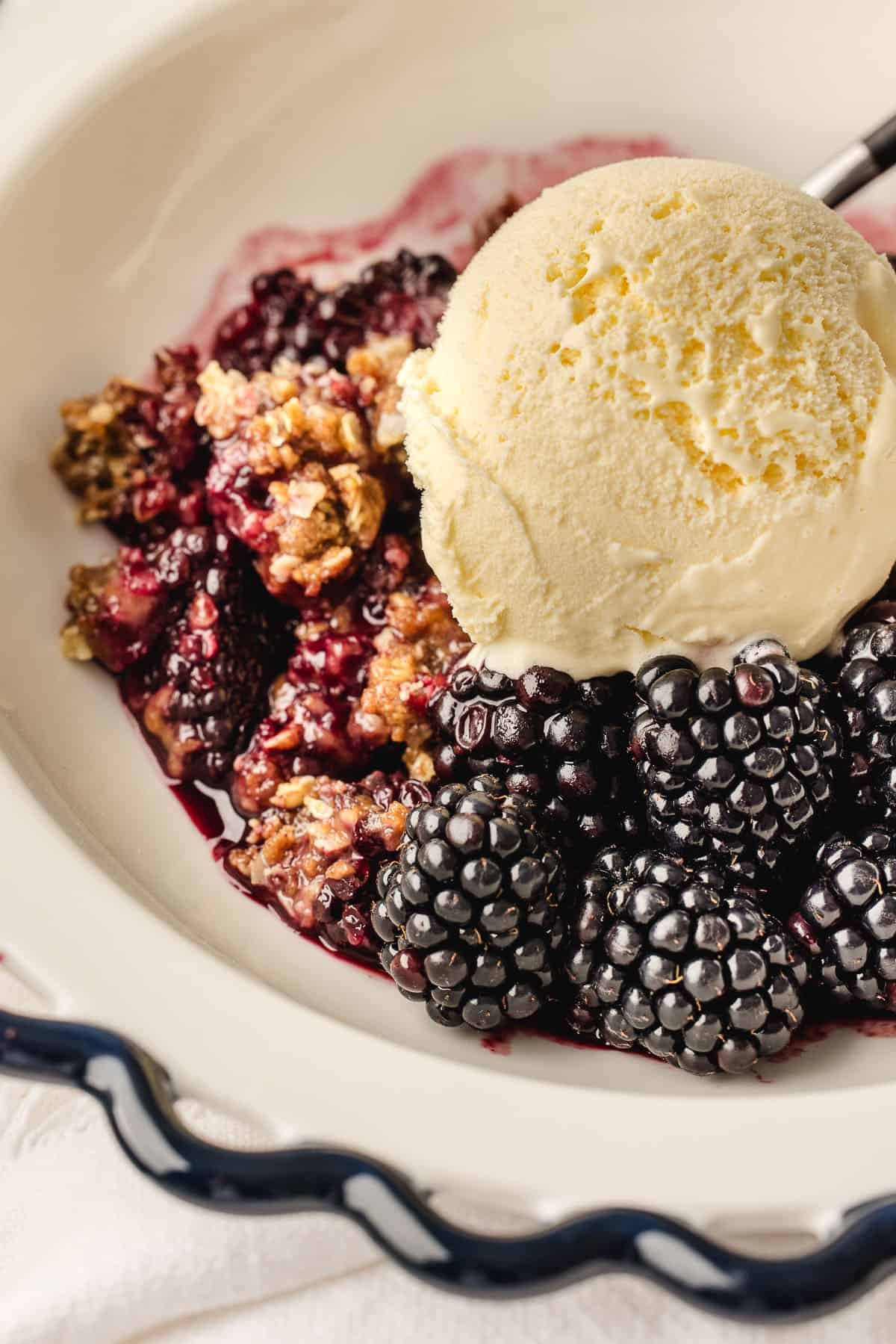
Market research into consumer behavior shows that "comfort foods" see a spike in popularity during times of social or economic uncertainty. The sensory experience of a blackberry crisp—the smell of bubbling fruit, the warmth of the oven, and the contrast of cold vanilla ice cream against hot berries—triggers positive emotional responses associated with home and security. This "slow-living" vibe is not merely an aesthetic choice but a reaction to the acceleration of modern life.
Formal Preparation and Storage Protocols
To ensure the highest quality output, professional test kitchens recommend a disciplined approach to the recipe’s execution. The standard procedure involves:
- Oven Calibration: Preheating to exactly 350°F (175°C) to ensure even caramelization of the sugars in the topping.
- Fruit Preparation: Ensuring berries are clean and dry before being tossed with cornstarch and sugar to prevent premature clumping.
- Topping Integration: Using fingertips to rub cold butter into the flour/sugar mix until "large crumbs" form. This prevents the topping from becoming a homogenous, tough mass.
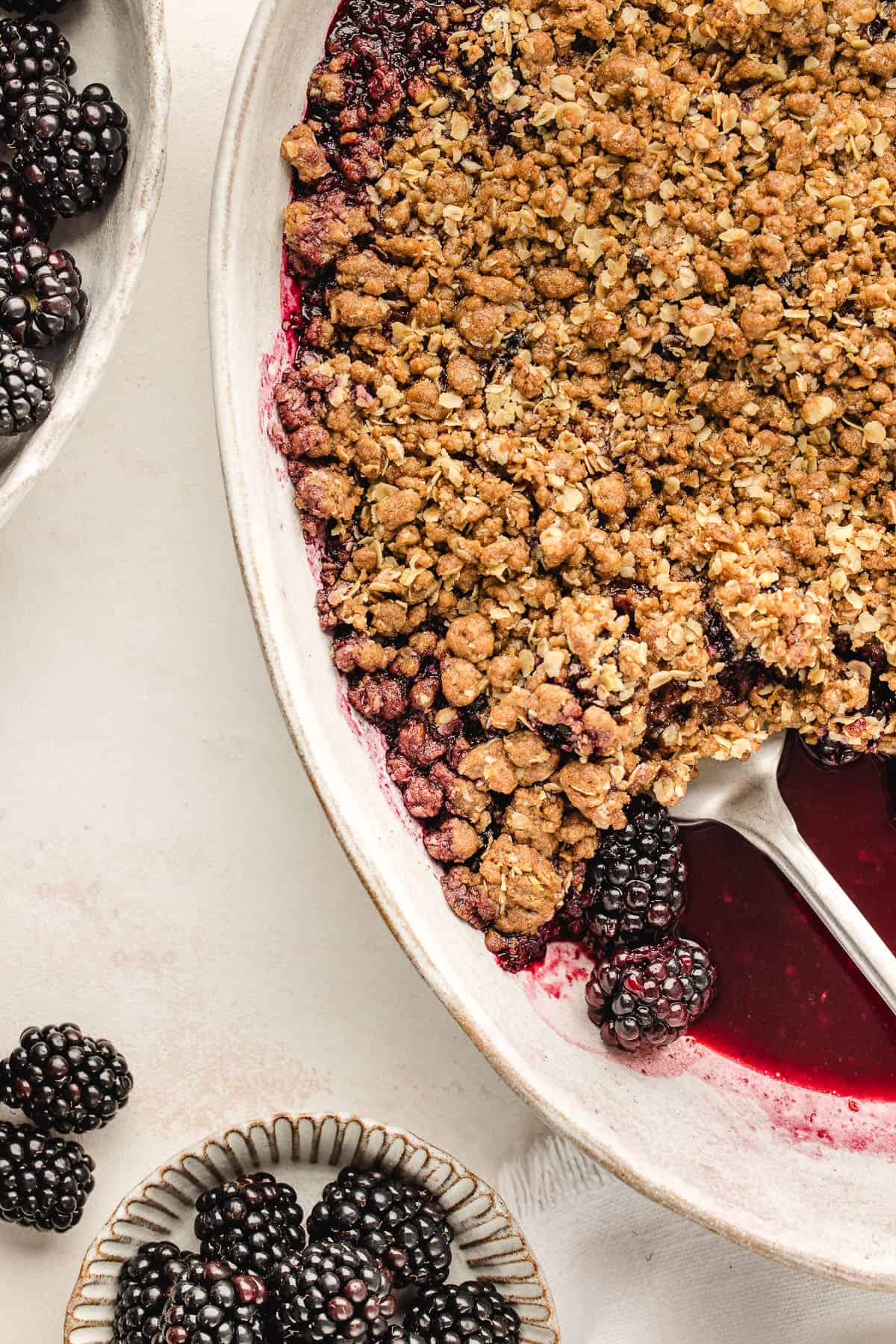
- Baking Duration: A 35-minute bake time is standard, but visual cues—such as a golden-brown hue on the oats and bubbling purple juice at the edges—are the primary indicators of doneness.
Post-baking storage is equally vital for maintaining the integrity of the dish. While the crisp is traditionally served warm, it must be stored in an airtight container under refrigeration to prevent the growth of mold, given the high moisture content of the fruit. Under proper conditions, the dessert remains viable for four to five days. Analysts note that the "leftover" crisp has developed its own cultural following, often consumed chilled or repurposed as a breakfast component when paired with high-protein yogurt.
Implications for the Future of Seasonal Baking
As climate patterns shift, the timing of the blackberry harvest is becoming less predictable. Agriculturalists have noted that unseasonable heat waves can lead to "berry scorch," while late-season frosts can kill off blooms before they fruit. These environmental factors may eventually impact the accessibility of wild foraging, making commercial cultivation and frozen storage more vital than ever.
However, the blackberry crisp remains a resilient icon of the culinary world. Its ability to adapt—substituting blackberries for blueberries, raspberries, or mixed berries while maintaining the same 24-ounce weight ratio—ensures its versatility. As long as the desire for seasonal, tactile cooking persists, the blackberry crisp will likely remain a fixture of the summer kitchen, bridging the gap between the wild landscapes of the outdoors and the structured comforts of the home.
In conclusion, the blackberry crisp is more than a simple end-of-summer treat; it is a complex intersection of botany, chemistry, and cultural history. By adhering to traditional methods and utilizing wholesome ingredients, bakers continue to preserve a culinary legacy that celebrates the slow, sweet, and tart essence of the summer season. Whether served as a late-night snack under the light of fireflies or as a pragmatic breakfast on a lazy morning, the crisp stands as a testament to the enduring power of the harvest.


