
The practice of food dehydration has seen a significant resurgence in recent years as households seek to mitigate the rising costs of fresh produce and reduce the environmental impact of food waste. While common fruits such as apples, bananas, and grapes have long been staples of the home-drying movement, the dehydration of melons—specifically the honeydew melon—is emerging as a sophisticated method for extending the shelf life of high-sugar, high-moisture fruits. This process transforms a seasonal, highly perishable fruit into a shelf-stable, nutrient-dense snack that can be utilized throughout the winter months, in school lunches, or as lightweight sustenance for outdoor activities such as hiking.
The Context of Modern Food Preservation
Agricultural data indicates that approximately 30% to 40% of the food supply in the United States goes to waste, with fresh fruits and vegetables being the most susceptible to spoilage. Honeydew melon (Cucumis melo Inodorus group), characterized by its pale green flesh and high water content, typically has a short window of peak ripeness. Once sliced, its shelf life in a refrigerated environment is limited to mere days. Dehydration offers a viable solution to this logistical challenge by removing the moisture required for microbial growth while concentrating the fruit’s natural sugars and flavors.
The shift toward home preservation is also driven by a growing consumer demand for "clean label" snacks. Commercial dried fruits often contain sulfur dioxide to preserve color or added sugars and oils to enhance texture. By dehydrating honeydew at home, individuals can ensure a product free from additives, catering to the health-conscious demographic and those with specific dietary requirements.
Technical Specifications and Preparation Chronology
The successful dehydration of honeydew melon requires a systematic approach to ensure both safety and quality. Unlike hardier fruits, the high water content of melons (approximately 90%) necessitates precise temperature control to prevent "case hardening," a condition where the exterior of the fruit dries too quickly, trapping moisture inside and leading to internal spoilage.
Phase 1: Selection and Preparation
The process begins with the selection of a ripe honeydew melon. A fruit that is slightly under-ripe may lack the necessary sugar concentration for a flavorful result, while an over-ripe melon may become too mushy to slice effectively. The fruit must be thoroughly washed to remove any soil-borne pathogens from the rind before slicing.
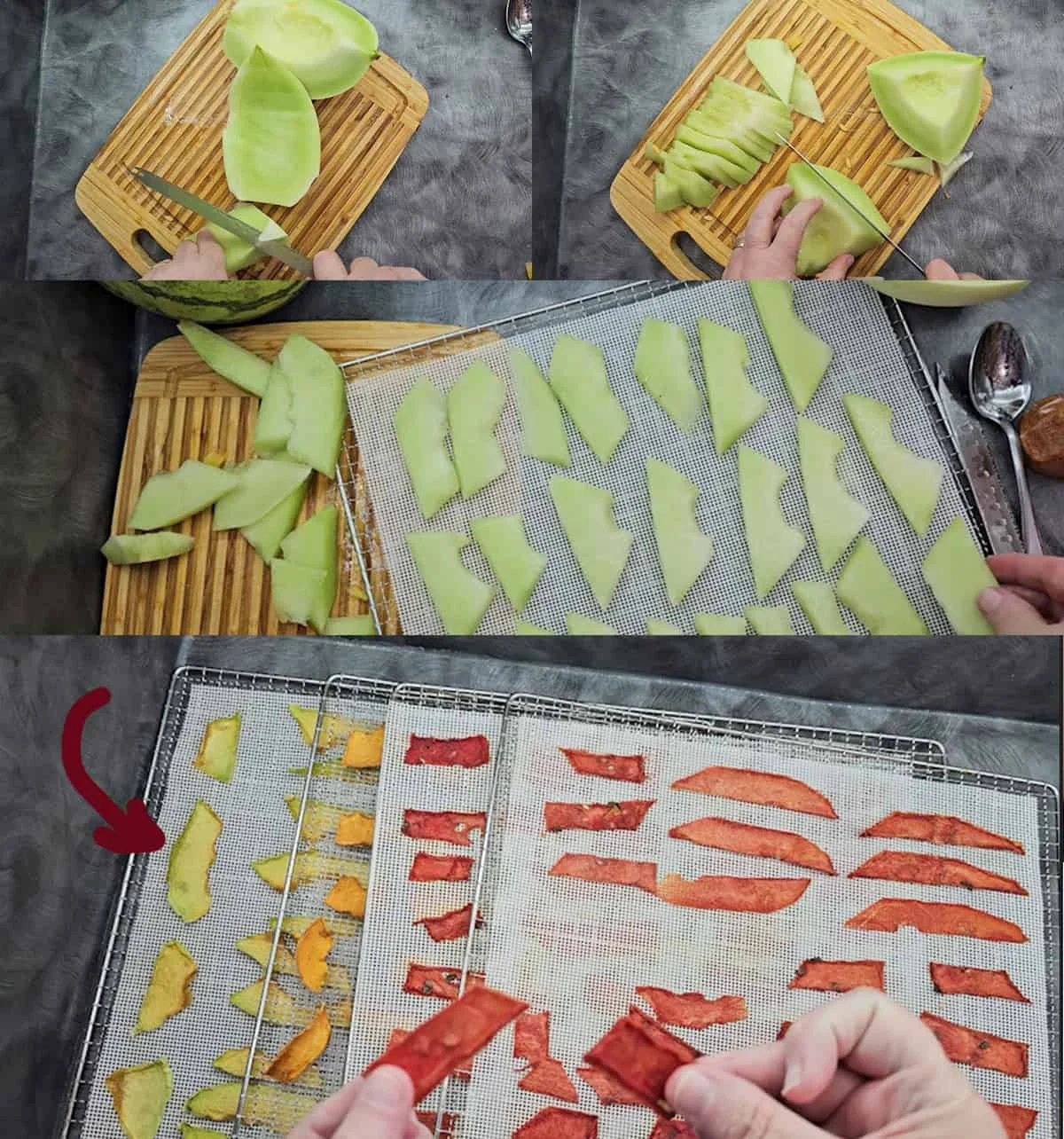
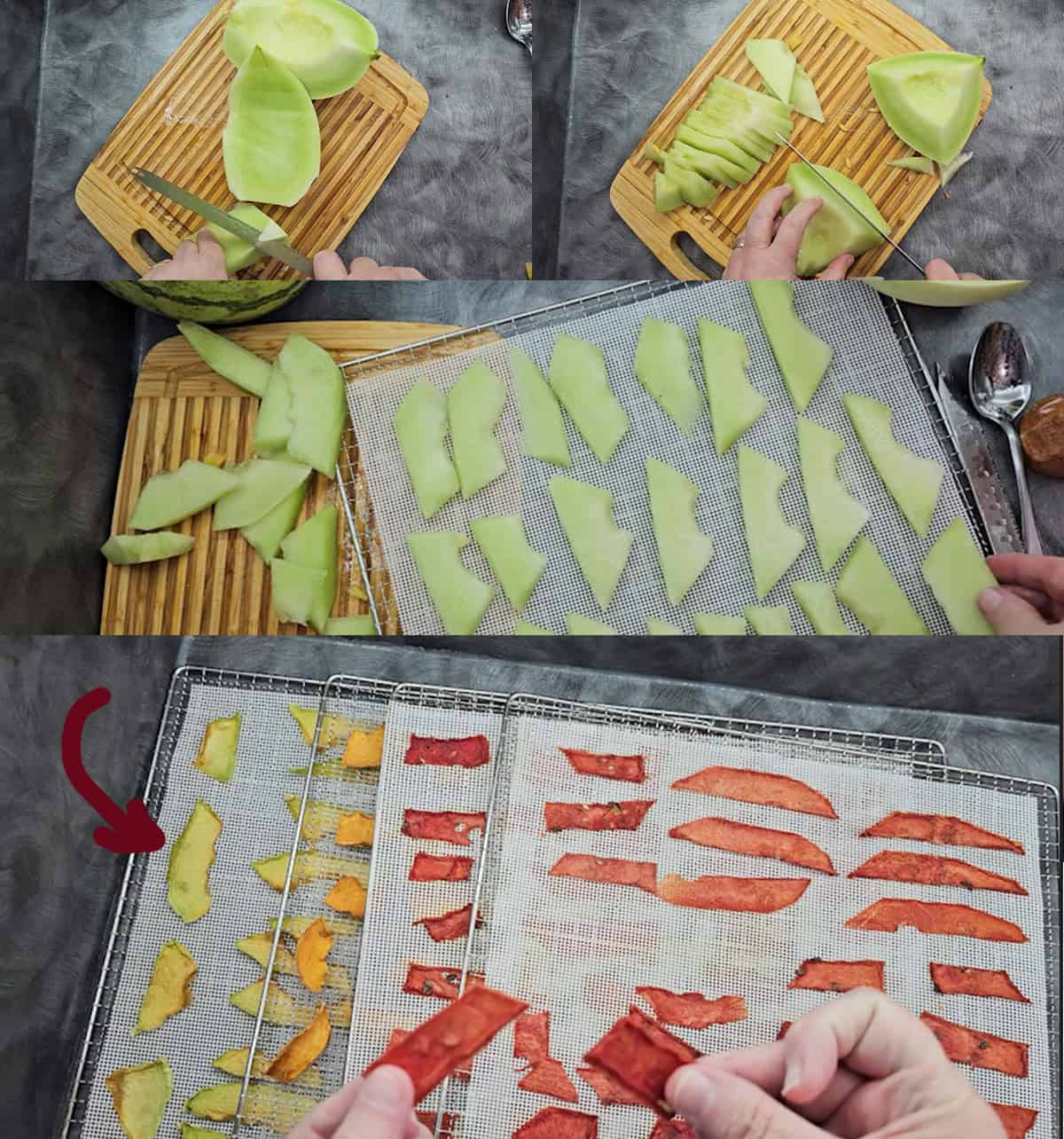
- Slicing: The melon is halved, and seeds are removed. The flesh is then separated from the rind and sliced into uniform pieces approximately 1/4-inch (6 mm) thick. Uniformity is critical to ensure that all pieces dry at the same rate.
- Pre-treatment (Optional): While honeydew does not oxidize as rapidly as apples, some practitioners choose to spritz slices with lemon juice to maintain the vibrant green hue, though the natural transition to a deeper, more translucent shade is expected.
Phase 2: The Dehydration Cycle
The standard protocol for honeydew dehydration involves a low and slow heat application.
- Temperature: The dehydrator should be set to 135°F (57°C). This temperature is high enough to inhibit the growth of bacteria during the initial drying phase but low enough to preserve the fruit’s vitamins and enzymes.
- Duration: The drying cycle typically lasts between 10 and 14 hours. This variance depends on the ambient humidity of the room and the specific water content of the individual melon.
- Physical Indicators: The process is complete when the melon reaches a "leathery" or "pliable" state. It should not be sticky to the touch, and when bent, it should not snap (which would indicate over-drying) or exude any moisture.
Equipment and Alternative Methods
While specialized electric dehydrators—such as those featuring horizontal airflow (e.g., Excalibur or Sahara models)—are preferred for their consistency, the process can be adapted for conventional ovens.
Oven Dehydration Protocol
For individuals without a dedicated dehydrator, the oven method is a functional alternative, provided safety measures are observed.
- Temperature Setting: The oven should be set to its lowest possible temperature, ideally 170°F (77°C) or lower.
- Airflow Management: To facilitate moisture escape, the oven door should be propped open slightly (approximately 1-2 inches).
- Safety Advisory: This method requires constant supervision, particularly in households with small children or pets, due to the exposed heat source and the potential for the oven to fluctuate in temperature.
Conditioning: The Critical Quality Control Step
A frequently overlooked aspect of the dehydration process is "conditioning." This step is essential for fruit with high sugar content, which can retain microscopic pockets of moisture even when appearing dry.
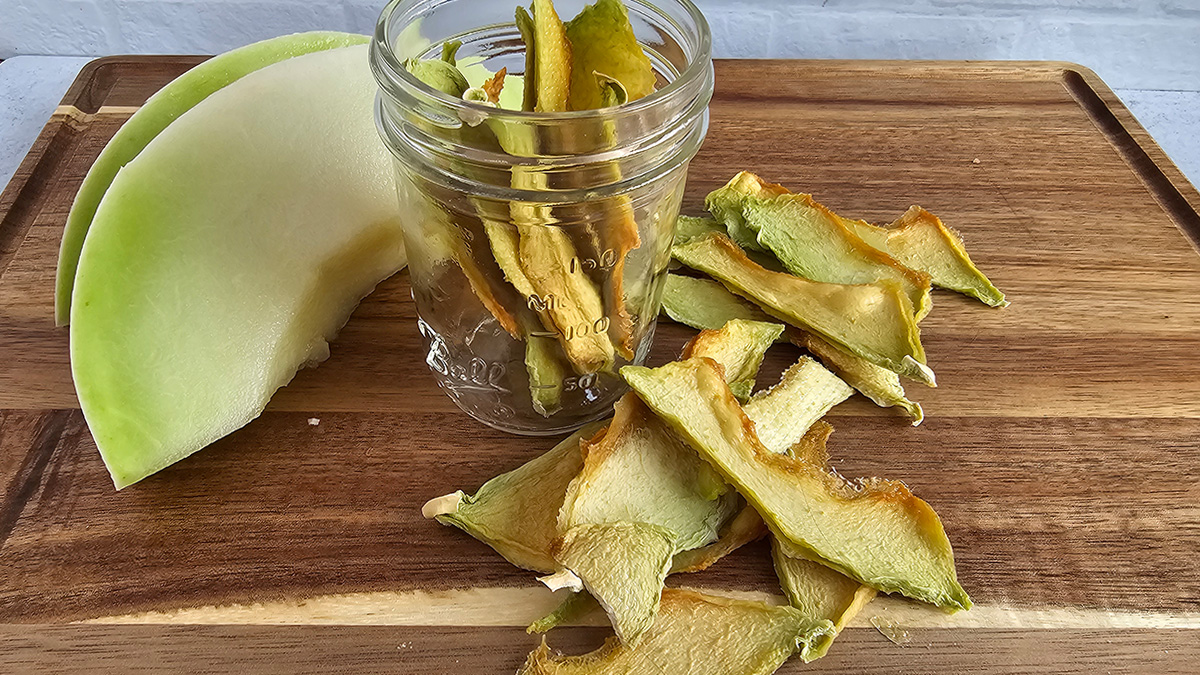
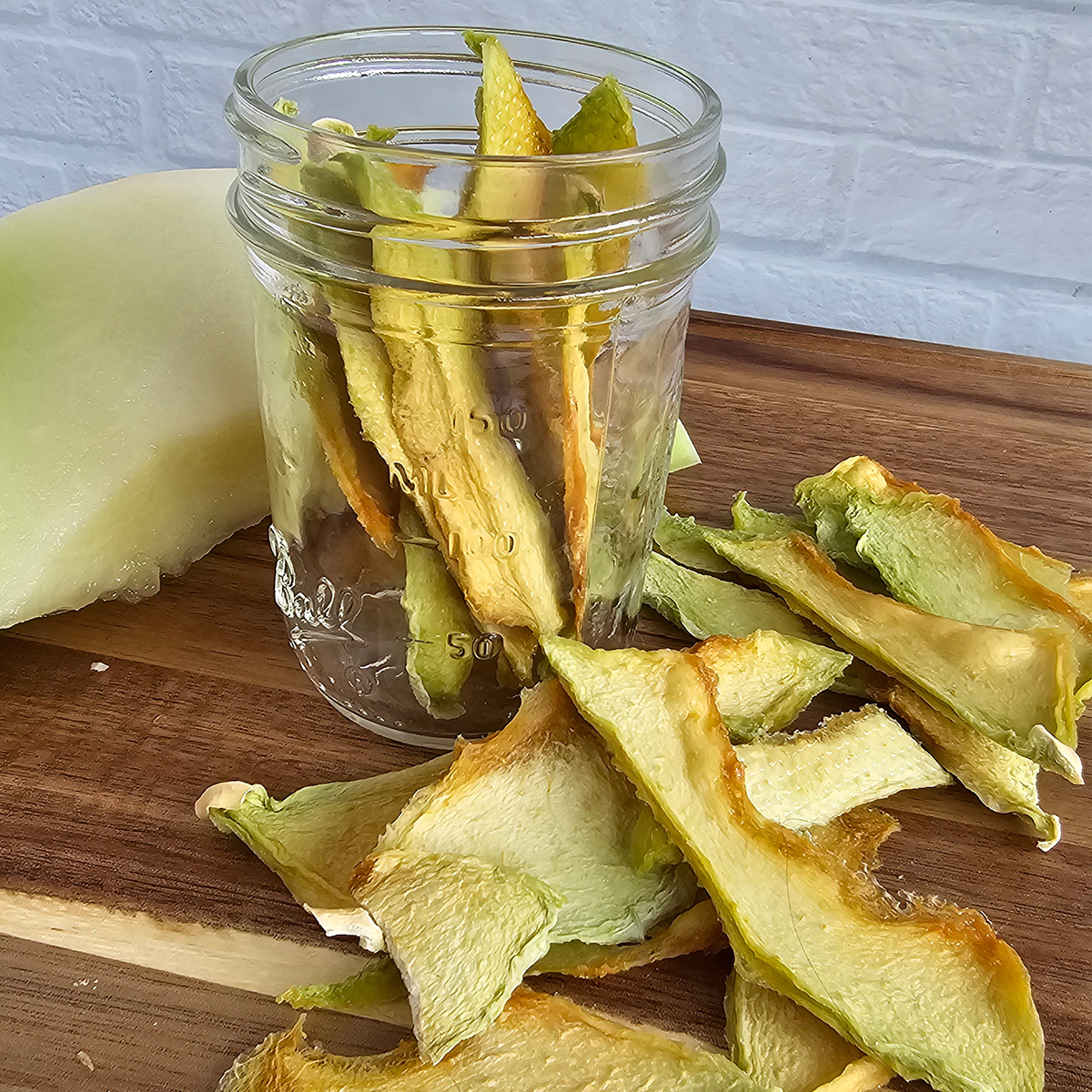
To condition the dried honeydew, the cooled slices are placed in a clear, airtight glass jar, filled about two-thirds full. For a period of seven to ten days, the jar is shaken daily. If any condensation appears on the glass, the fruit must be returned to the dehydrator for further processing. If the pieces clump together significantly, this is also an indicator of residual moisture. Proper conditioning ensures that the product is truly shelf-stable and will not develop mold during long-term storage.
Storage Science and Shelf Life
Once conditioned, dehydrated honeydew melon should be stored in an airtight container, such as a vacuum-sealed bag or a Mason jar with a tight-fitting lid.
- Environmental Factors: Light, heat, and oxygen are the primary enemies of dehydrated food. Storing the containers in a cool, dark pantry will maximize nutrient retention.
- Hygroscopic Nature: Because of its high sugar content, dried honeydew is hygroscopic, meaning it readily absorbs moisture from the air. In high-humidity environments, the use of a food-grade silica gel desiccant pack is recommended to maintain the fruit’s leathery texture.
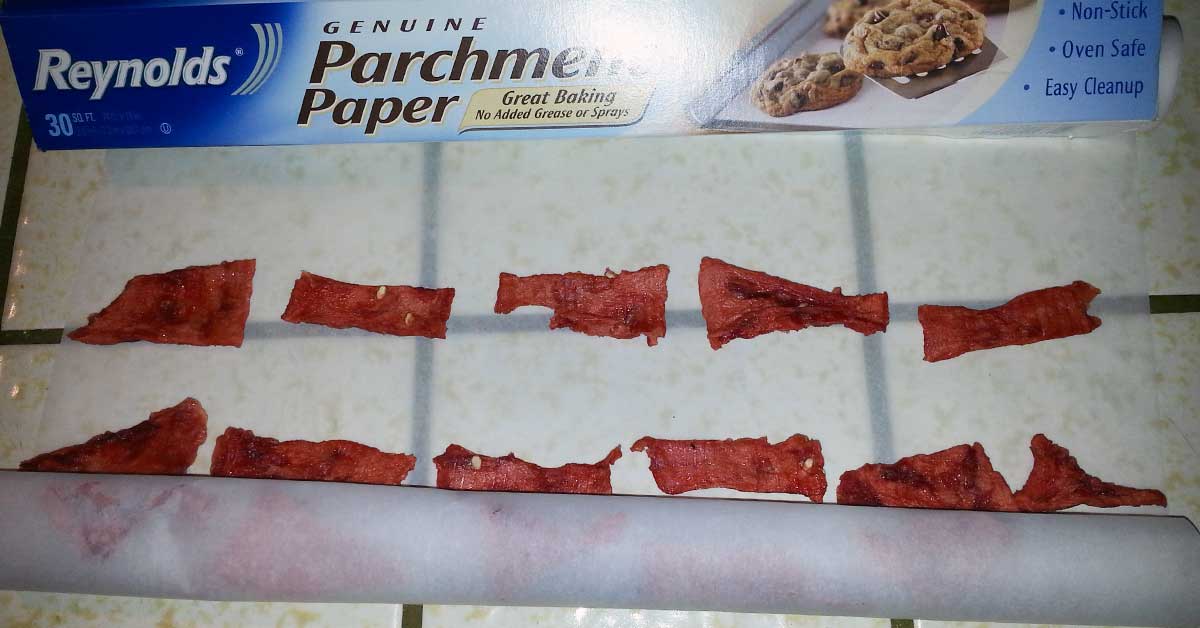
- Longevity: When stored correctly, dehydrated honeydew can remain viable for up to one year. For short-term use, such as hiking trips, parchment paper wrapping can prevent individual slices from sticking together.
Nutritional Analysis and Culinary Applications
The dehydration process concentrates the nutritional components of the honeydew. Based on standard nutritional estimates, a 1/4-cup serving of dehydrated honeydew contains approximately 14 calories, 3 grams of carbohydrates, and 63 mg of potassium. It is important for consumers to note that while the volume of the fruit decreases, the sugar concentration remains the same as the fresh equivalent; thus, four cups of fresh melon yield approximately one cup of dried fruit with the same total sugar content.
Flavor Enhancement
While the natural sweetness of honeydew is often sufficient, culinary experts suggest several seasoning options to diversify the flavor profile:
- Tajin or Chili-Lime: Adds a savory, acidic contrast to the melon’s sweetness.
- Ginger Powder: Provides a warm, spicy undertone.
- Mint: Dried mint leaves can be crushed and tossed with the melon prior to dehydration for a refreshing finish.
Comparative Analysis: Honeydew vs. Other Melons
The methodology for honeydew is largely applicable to other members of the melon family, though the results vary by variety:

- Watermelon: Becomes exceptionally sweet, often compared to "candy" or taffy. It requires a similar temperature but may take longer due to higher water volume.
- Cantaloupe: Dries into a deep orange, musky snack that holds its shape well.
- Galia or Canary Melons: These can be treated identically to honeydew, offering slight variations in floral notes.
Broader Impact on Home Economics and Sustainability
The adoption of home dehydration techniques represents a shift toward more resilient household management. By purchasing melons in bulk during the peak of the summer season—when prices are at their lowest—and preserving them for winter consumption, households can significantly reduce their annual grocery expenditures.
Furthermore, the environmental impact of reducing food waste cannot be overstated. By utilizing the entirety of a melon crop, consumers reduce the methane emissions associated with decomposing organic matter in landfills. The dehydrated product is also significantly lighter than its fresh counterpart, reducing the energy required for transport if used for camping or travel.
Conclusion
Dehydrating honeydew melon is more than a culinary trend; it is a practical application of food science that addresses modern challenges of waste, nutrition, and economic efficiency. Through careful preparation, precise temperature management, and diligent conditioning, the honeydew melon can be transformed from a fleeting summer luxury into a versatile, year-round staple of the purposeful pantry. As food security remains a primary concern for many, these traditional preservation methods, supported by modern equipment, provide a robust framework for sustainable living.


