
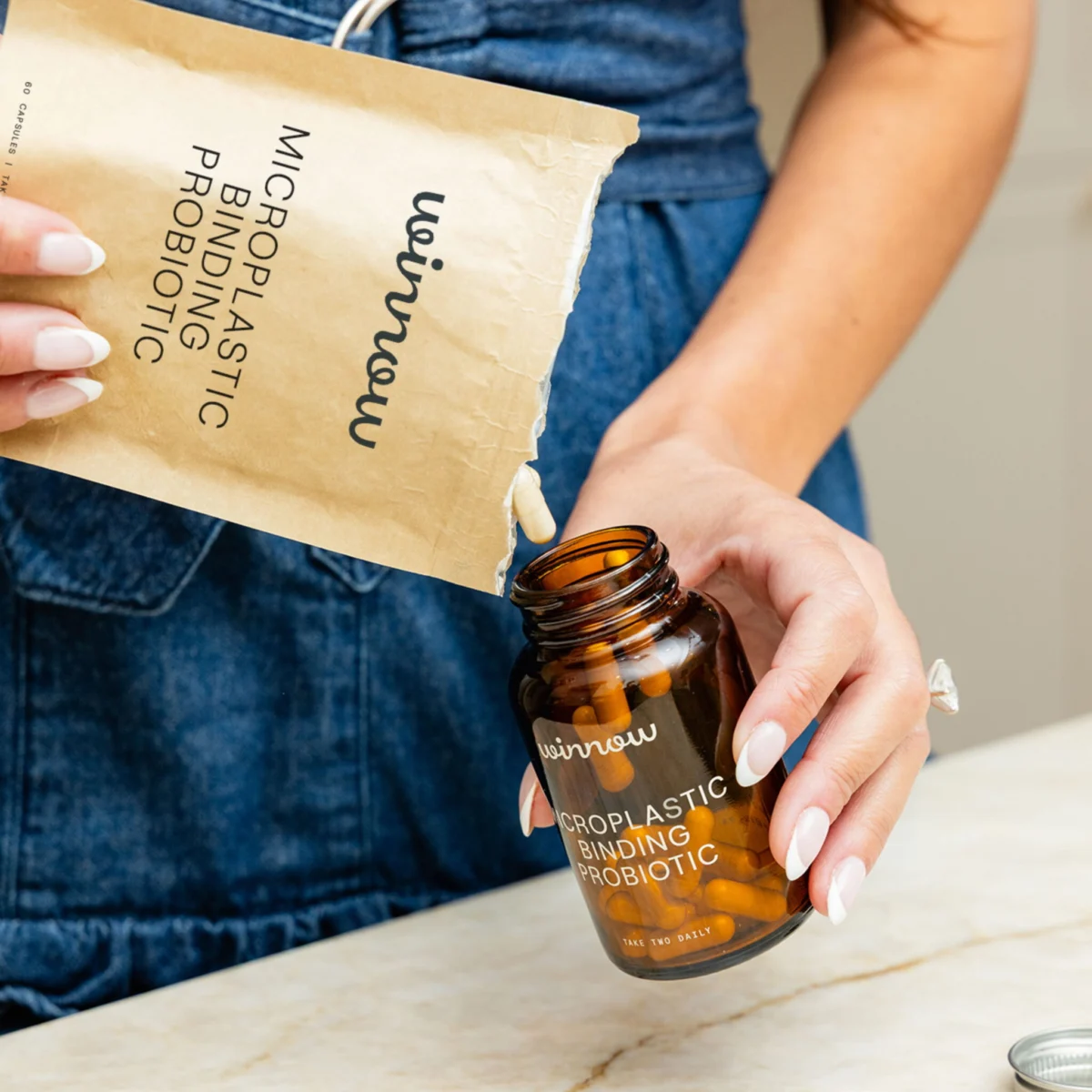
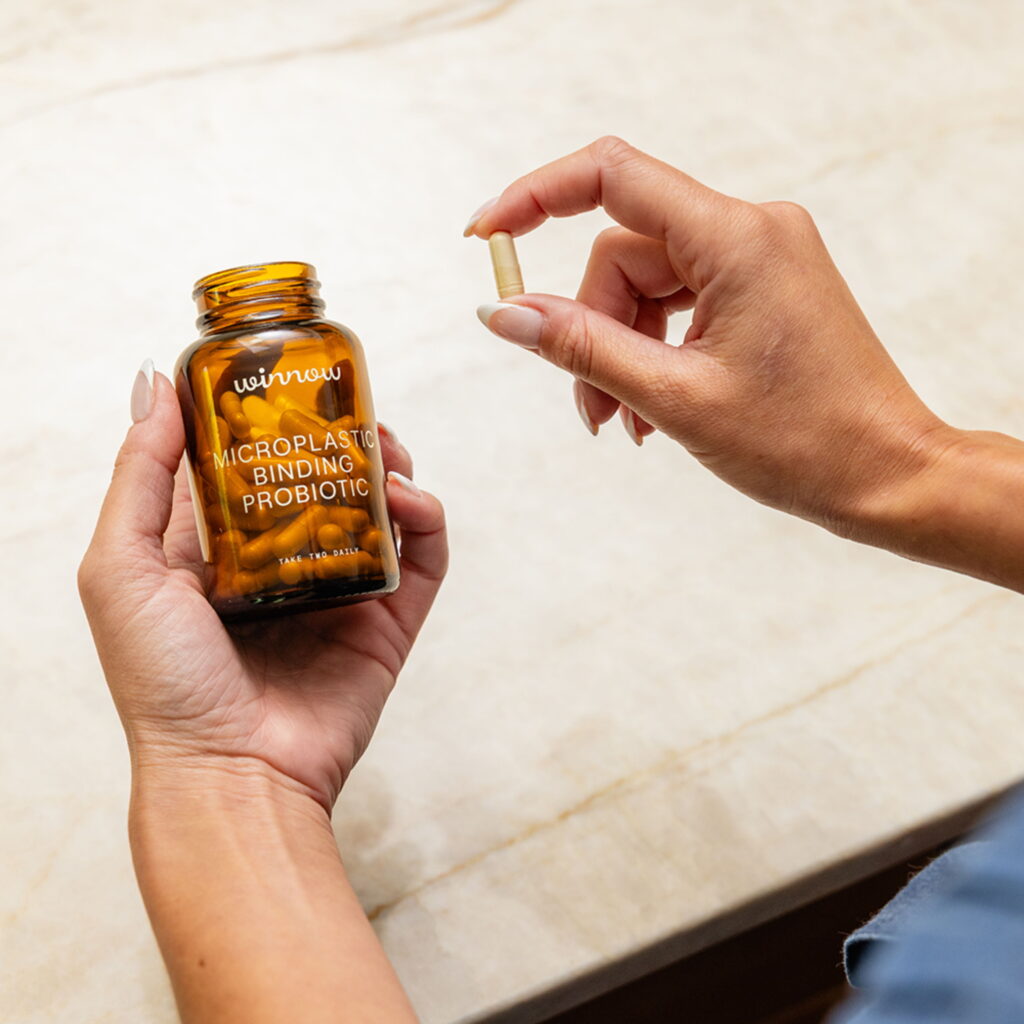
The escalating ubiquity of microplastics within the global ecosystem has transitioned from an environmental niche concern to a critical public health priority, as recent data confirms the presence of synthetic polymers in human blood, lung tissue, and even placental matter. Against this backdrop of pervasive contamination, the biotechnology sector has begun exploring internal bioremediation strategies, most notably through the development of specialized probiotics designed to sequester these particles before they can permeate the intestinal barrier. Winnow, a new entrant in the digestive health market, has introduced a daily probiotic formula specifically engineered to bind ingested microplastics, leveraging preclinical research to address a problem that has historically been viewed as unavoidable. While environmental advocates maintain that systemic reduction of plastic production remains the only definitive solution, the emergence of microplastic-binding supplements represents a significant shift in how consumers and scientists approach the biological impact of the "Plasticene" era.
The Pervasiveness of Microplastic Contamination
Microplastics, defined as plastic particles less than five millimeters in diameter, are now considered a permanent fixture of the modern environment. These particles originate from two primary sources: primary microplastics, which are manufactured for specific industrial uses (such as microbeads or industrial abrasives), and secondary microplastics, which result from the degradation of larger plastic items like synthetic textiles, automotive tires, and single-use packaging.
Current environmental data suggests that the average individual may ingest between 39,000 and 52,000 microplastic particles annually through food and water alone, with that number increasing significantly when inhalation of household dust and synthetic fibers is factored in. Common vectors for ingestion include bottled water, which can contain hundreds of thousands of nanoplastic particles per liter, and seafood, which bioaccumulates plastics from oceanic environments. Furthermore, everyday household activities, such as using plastic cutting boards or heating food in synthetic containers, contribute to a continuous "drip" of polymer exposure. The health implications of this chronic exposure remain a subject of intense scientific scrutiny, with preliminary studies linking microplastic accumulation to oxidative stress, inflammatory responses, and the disruption of the gut microbiome.
The Development of Microbial Binding Technology
The concept of using bacteria to manage environmental toxins is not new; bioremediation has been used for decades to clean up oil spills and heavy metal contamination in soil. However, applying this principle to the human gastrointestinal tract requires a highly specialized approach. Winnow’s development team focused on the intersection of traditional probiotic benefits—such as regularity and immune support—and the physical property of surface adsorption.
The mechanism of action relies on the structural characteristics of specific bacterial strains. Research indicates that certain probiotics possess exopolysaccharides (EPS) and S-layer proteins on their cell surfaces. These structures act as biological "magnets," allowing microplastic particles to physically adhere to the bacteria. Once bound, these particles are theoretically prevented from crossing the intestinal lining into the bloodstream, instead remaining within the digestive tract until they are excreted through normal bowel movements.
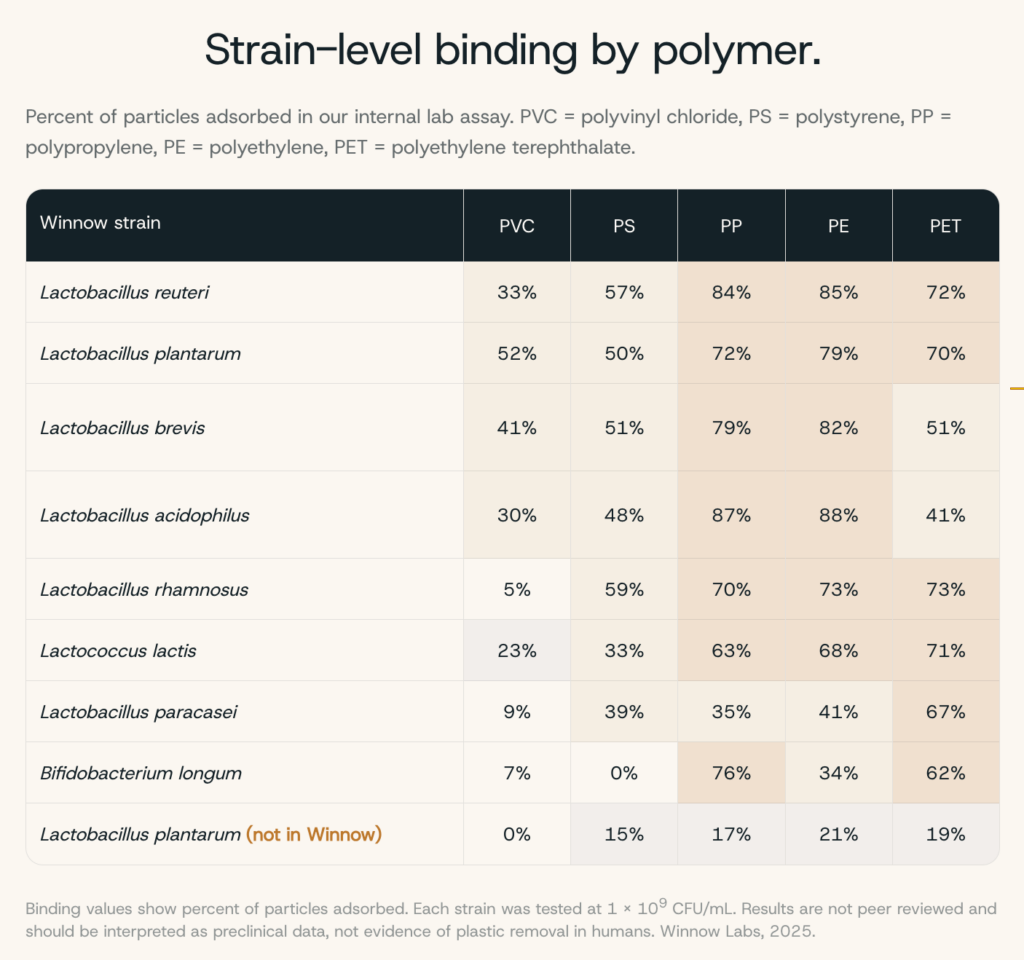
Winnow’s formulation utilizes a multi-strain approach, incorporating clinically studied bacteria such as L. rhamnosus ATCC 53103, L. reuteri DSM 17938, and L. acidophilus ATCC SD5212. These strains were selected not only for their documented history in supporting gut barrier integrity but also for their performance in preclinical binding assays. According to internal laboratory data, the synergistic effect of the full multi-strain formula resulted in a binding capacity 1.8 times higher than that of any single strain tested against a blended mix of common polymers.
Chronology of Microplastic Research and Intervention
The journey from environmental discovery to supplemental intervention has unfolded over several decades, marked by increasing precision in detection technology.
- 1970s–1990s: Early marine biology studies identify "plastic pellets" in the North Atlantic, though the term "microplastics" is not yet coined. The focus remains on macro-debris and its impact on marine megafauna.
- 2004: Professor Richard Thompson and his team at the University of Plymouth officially coin the term "microplastics" in a seminal paper describing the accumulation of microscopic plastic fragments in marine sediments.
- 2015–2018: Research pivots toward human exposure. Studies confirm microplastics in salt, honey, and bottled water. In 2018, the first study identifying microplastics in human stool samples is presented at a gastroenterology conference in Vienna, confirming that plastics are transiting the human digestive system.
- 2022: Scientists at Vrije Universiteit Amsterdam detect microplastics in human blood for the first time, suggesting that particles are small enough to be absorbed into the circulatory system.
- 2024–2025: Peer-reviewed research, including a significant 2025 study that screened nearly 800 bacterial strains, identifies specific probiotics with high adsorption potential. This research provides the scientific foundation for commercial products like Winnow.
- Present Day: The launch of Winnow represents the commercialization of this research, transitioning microplastic mitigation from a laboratory concept to a consumer-facing health routine.
Supporting Data: Polymer-Specific Binding Efficiency
The efficacy of microbial binding is not uniform across all types of plastic. Because different polymers—such as Polyethylene (PE), Polypropylene (PP), and Polyvinyl Chloride (PVC)—possess different surface charges and hydrophobicities, the ability of a probiotic to "catch" these particles varies.
Winnow’s internal testing evaluated binding efficiency across five major plastic categories:
- Polyethylene (PE): Commonly found in grocery bags and plastic films.
- Polypropylene (PP): Used in takeout containers and bottle caps.
- Polystyrene (PS): Found in foam packaging and plastic cutlery.
- Polyethylene Terephthalate (PET): The primary material for beverage bottles.
- Polyvinyl Chloride (PVC): Used in some food packaging and medical tubing.
The data revealed that while individual strains showed affinity for specific plastics, the blended Winnow formula outperformed the average single strain in every category. This suggests that a diverse microbial profile is essential for addressing the "cocktail" of plastics typically found in the human diet. Furthermore, the 2025 peer-reviewed study mentioned previously corroborated these findings in animal models, demonstrating that specific probiotic strains increased the rate of microplastic excretion and significantly reduced the accumulation of particles in intestinal tissues.
Industry and Regulatory Responses
The introduction of microplastic-binding probiotics has elicited a range of responses from the scientific and environmental communities. Regulatory bodies, such as the FDA, classify these products as dietary supplements, meaning they are not subject to the same rigorous pre-market approval process as pharmaceutical drugs. Consequently, experts emphasize the importance of distinguishing between "preclinical" results (lab and animal studies) and "human clinical" results.
Environmental organizations, while acknowledging the innovation, have expressed concerns that "pill-based" solutions might diminish the perceived urgency for systemic plastic reform. A spokesperson for a leading ocean conservancy group noted, "While we support any technology that reduces the toxic load on the human body, we must be careful not to treat probiotics as a license to continue our reliance on single-use plastics. The goal must remain the elimination of the source."
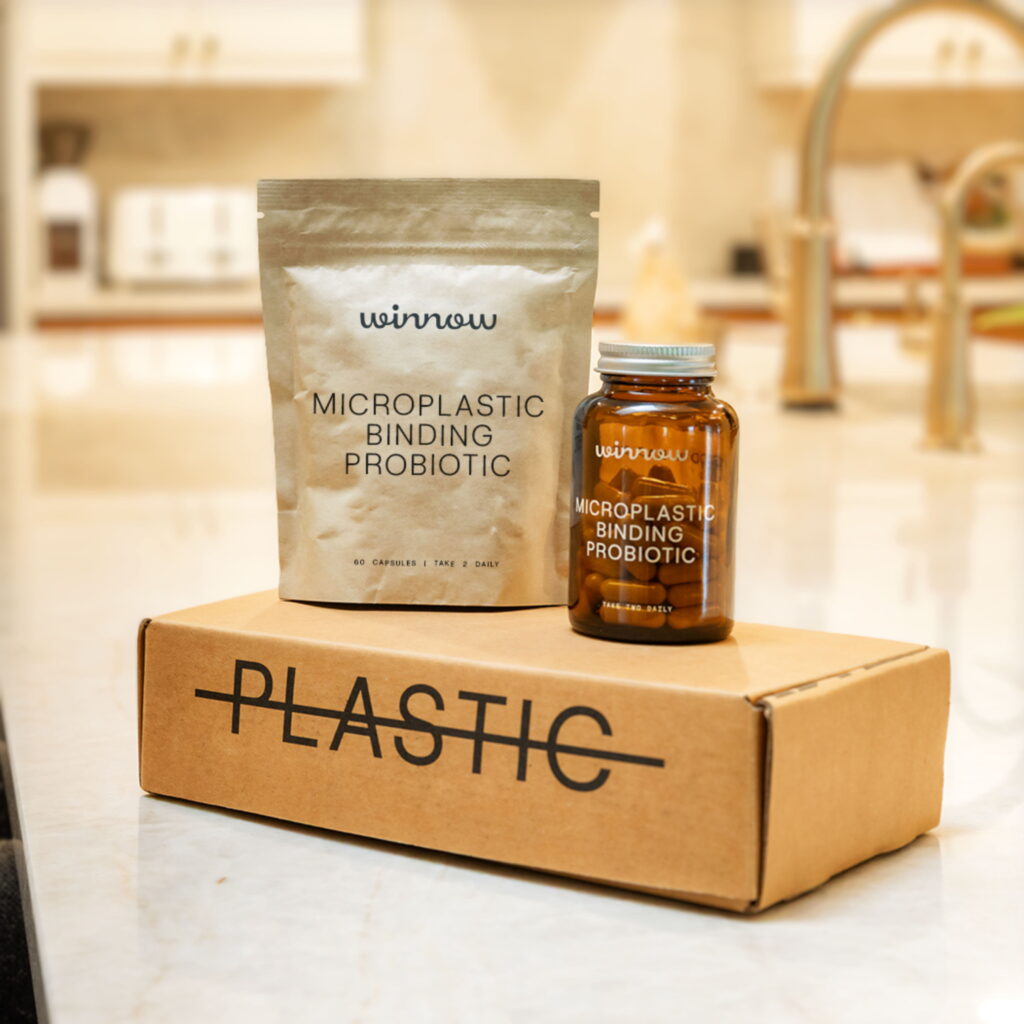
Winnow Labs has addressed these concerns by positioning their product as a "tool for the world we actually live in" rather than a magic bullet. The company’s own corporate philosophy mirrors this, utilizing entirely plastic-free packaging—glass jars and aluminum lids—to ensure that the product does not contribute to the very problem it seeks to mitigate.
Broader Impact and Future Implications
The emergence of Winnow and similar biotechnological interventions signals a new era in preventative medicine. As the environmental "background noise" of industrial pollutants grows louder, the health and wellness industry is increasingly moving toward "defensive" supplementation.
Future research is expected to expand beyond the gut. Scientists are currently investigating whether similar microbial strategies can be used to address nanoplastics—particles even smaller than microplastics that can cross the blood-brain barrier. Additionally, there is growing interest in whether these probiotics can bind not just the plastic polymers themselves, but also the "hitchhiker" chemicals—such as Bisphenol A (BPA) and phthalates—that often leach from plastics and act as endocrine disruptors.
For the average consumer, the decision to utilize a microplastic-binding probiotic often stems from a desire for agency in an environment that feels increasingly out of control. While the long-term health outcomes of these interventions will take years to fully quantify, the current data suggests a promising pathway for reducing the internal burden of synthetic waste.
Ultimately, the rise of Winnow highlights a paradox of modern life: the same industrial ingenuity that created the "miracle" of plastic is now being called upon to engineer the biological antidotes to its persistence. As society grapples with the legacy of the plastic age, the fusion of microbiology and environmental science may provide one of the most viable defenses for human health in a contaminated world.


