
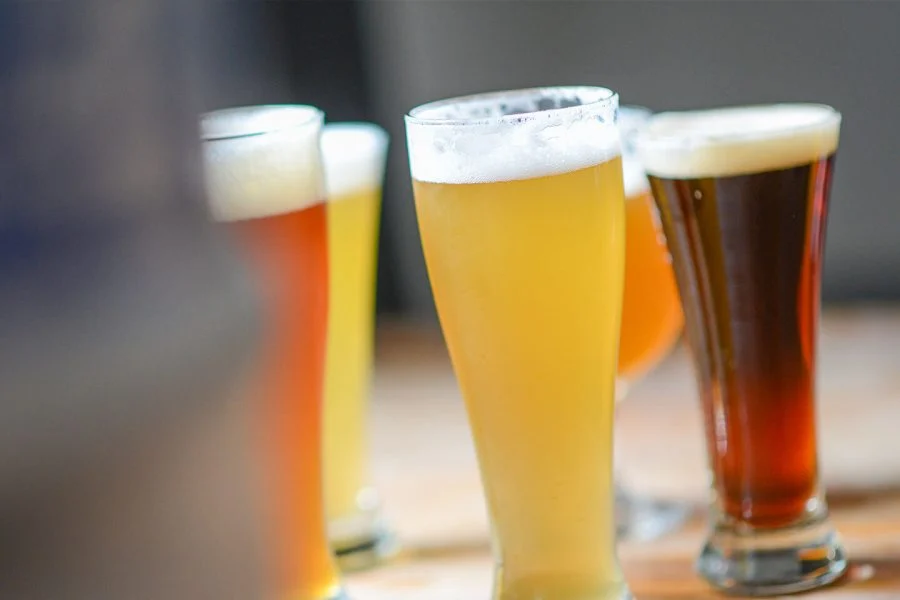
Russell Berger of Portland, Oregon, a dedicated member of the Portland Brewers Collective, has achieved a significant honor in the craft brewing community, securing a gold medal in Category 4: German Pilsner at the prestigious 2026 National Homebrew Competition. His expertly crafted German Pilsner triumphed over a competitive field of 64 entries in the final round, showcasing exceptional brewing skill and dedication. This achievement places Berger among the nation’s elite homebrewers, highlighting the continuous evolution and growing sophistication of the homebrewing movement.
A Legacy of Excellence: The National Homebrew Competition
The National Homebrew Competition (NHC), organized by the American Homebrewers Association (AHA), stands as one of the largest and most respected amateur brewing competitions globally. Established in 1979, the NHC has been instrumental in fostering innovation, celebrating craftsmanship, and elevating the standards of homebrewed beer. Each year, thousands of homebrewers from across the United States and beyond submit their creations, vying for recognition in a wide array of beer categories, meticulously designed to represent the vast spectrum of brewing styles. The competition serves not only as a platform for individual achievement but also as a barometer for emerging trends and advancements within the homebrewing and broader craft beer landscapes.
The NHC operates through a multi-tiered judging process. Initial rounds are typically held at regional club competitions, where beers are evaluated by certified judges according to the Beer Judge Certification Program (BJCP) guidelines. Medal winners from these regional events then advance to the national finals. The final round judging is a rigorous affair, where the most exceptional beers from across the country are meticulously assessed by panels of highly experienced judges, including professional brewers, industry experts, and seasoned BJCP-certified individuals. This stringent process ensures that only the most outstanding brews rise to the top, earning their place on the winners’ podium. The competition’s commitment to objectivity and detail has solidified its reputation as a true test of brewing prowess.
The Winning Brew: A Masterclass in German Pilsner
Russell Berger’s gold medal-winning German Pilsner represents a triumph in a style that demands precision and balance. German Pilsners are characterized by their clean, crisp malt profile, subtle hop bitterness, and a dry, refreshing finish. They are known for their delicate balance, where the malt backbone, typically derived from Pilsner malt, provides a light, bready sweetness that is artfully complemented by noble hop varietals such as Saaz, Hallertau, or Tettnang. These hops contribute floral, spicy, and herbal notes, adding complexity without overpowering the beer’s inherent drinkability.
The success of Berger’s German Pilsner in a field of 64 entries underscores the brewer’s mastery of fermentation control, ingredient selection, and adherence to traditional brewing techniques. Achieving a gold medal in this category signifies an exceptional execution of the style’s nuanced requirements, including proper clarity, effervescence, and the absence of off-flavors. The judges would have evaluated the beer on its adherence to style guidelines, technical execution, sensory appeal, and overall impression. A gold medal indicates that Berger’s Pilsner met or exceeded all these criteria, standing out for its exemplary quality and authenticity.
Portland Brewers Collective: A Hub for Brewing Excellence
Berger’s affiliation with the Portland Brewers Collective is a notable aspect of his achievement. Homebrewing clubs play a vital role in the development of amateur brewers, providing a community for knowledge sharing, peer feedback, and collaborative learning. These clubs often foster an environment where brewers can refine their techniques, experiment with new ingredients, and gain valuable insights from more experienced members. The Portland Brewers Collective, like many successful homebrew clubs, likely offers its members access to shared brewing equipment, educational workshops, and regular tasting sessions, all of which contribute to the elevation of brewing skill. Berger’s success is a testament to the supportive and enriching environment that such organizations provide.
The thriving craft beer scene in Portland, Oregon, known for its innovative breweries and passionate homebrewing community, undoubtedly provides fertile ground for brewers like Berger to hone their craft. The city’s deep-rooted appreciation for quality beer and its vibrant ecosystem of brewers, both professional and amateur, create a culture that encourages excellence and continuous improvement.
![“German Pils” [previously “String of Perles”]](https://homebrewersassociation.org/wp-content/uploads/aha_logo_lg.png)
The Path to Victory: A Chronology of the Competition
While specific details of Russell Berger’s journey to the gold medal are not publicly elaborated in the initial announcement, the typical progression through the National Homebrew Competition provides a framework for understanding his achievement. The competition season generally begins with local or regional club-level events, often held throughout the fall and winter months. Homebrewers submit their beers to these initial rounds, where they are judged against peers and style guidelines.
Successful entries then advance to the national stage. The AHA typically hosts the final round judging in the spring or early summer. This phase involves shipping carefully packaged beers to a central location where they undergo the final, most rigorous evaluations by a panel of expert judges. The announcement of medal winners, culminating in the naming of gold, silver, and bronze recipients for each category, usually occurs shortly after the final judging concludes. Berger’s win in the 2026 competition signifies that his German Pilsner successfully navigated these multiple stages of intense scrutiny, proving its mettle against a vast number of submissions. The timeline implies a sustained effort and dedication to perfecting his recipe and execution over an extended period.
Supporting Data and Analysis: The Landscape of Homebrewing
The homebrewing community is a significant contributor to the broader craft beer industry. According to data from the American Homebrewers Association, millions of individuals engage in homebrewing across the United States. This hobby not only provides a creative outlet for enthusiasts but also serves as a pipeline for talent and innovation that often finds its way into professional breweries. Many renowned craft brewers began their careers as homebrewers, honing their skills and developing their palates through competitions like the NHC.
The German Pilsner style, while a classic, is not always the easiest to execute flawlessly. Its delicate nature means that subtle imperfections in fermentation, ingredient quality, or process can be readily apparent. A gold medal in this category suggests that Berger’s brew possesses exceptional clarity, a clean fermentation profile with no detectable esters or phenols beyond what is appropriate for the style, a well-balanced hop and malt character, and a crisp, dry finish. The fact that his beer outperformed 63 other entries indicates a high degree of technical proficiency and a deep understanding of the style’s intricacies. This level of success in a historically significant and technically demanding style is a strong indicator of exceptional brewing skill.
The growth of homebrewing has also been fueled by increased access to high-quality ingredients, advanced brewing equipment, and a wealth of information available through online resources and brewing literature. Competitions like the NHC provide invaluable feedback to brewers, allowing them to identify areas for improvement and to benchmark their beers against the best. The AHA’s mission to promote the advancement and enjoyment of homebrewing is significantly supported by events like the NHC, which foster a culture of learning and friendly competition.
Official Responses and Broader Implications
While specific statements from Russell Berger and the Portland Brewers Collective are not yet available, the implications of such an award are significant. For Berger, it represents a personal pinnacle of achievement in his brewing journey, validating years of practice and dedication. For the Portland Brewers Collective, it brings recognition to the club and its members, potentially inspiring others and reinforcing its reputation as a hub for brewing excellence.
The American Homebrewers Association, through its competitions, consistently highlights the passion and talent within the homebrewing community. Each medal awarded at the NHC contributes to the collective knowledge base and inspires a new generation of brewers. The success of German Pilsner also points to the enduring appeal of classic beer styles and the brewer’s ability to interpret and execute them with modern precision.
The broader implications of this win extend to the craft beer industry as a whole. High-profile homebrew competitions often bring attention to specific styles or innovative approaches that can influence professional brewing trends. The continued success of homebrewers in mastering diverse and challenging styles like German Pilsner underscores the democratization of high-quality beer production and the vibrant, evolving nature of beer culture. It reinforces the idea that exceptional beer can be crafted by dedicated individuals in their own homes, pushing the boundaries of what is possible and contributing to the rich tapestry of the global beer landscape. The NHC continues to be a crucial platform for identifying and celebrating these emerging talents, ensuring the ongoing innovation and excellence within the homebrewing world.


