
The 2025 holiday season has marked a significant shift in consumer behavior, as a growing number of households move away from mass-produced retail goods in favor of artisanal, handmade gifts. This movement, often characterized by the philosophy of "presence over presents," reflects a broader societal trend toward sustainability, economic prudence, and a nostalgic return to the "slow living" practices of the late 20th century. Market analysts observe that the "handmade Christmas" movement is no longer a niche subculture but a mainstream response to both environmental concerns and the rising cost of living. As consumers seek to reduce their carbon footprints and navigate fluctuating retail prices, the appeal of DIY (Do-It-Yourself) gifting has reached a decade-high peak.
The Economic and Environmental Drivers of the DIY Movement
The resurgence of handmade gifting is supported by compelling economic data and environmental imperatives. According to the National Retail Federation and environmental advocacy groups, the period between Thanksgiving and New Year’s Day typically sees a 25% increase in household waste in the United States, amounting to approximately one million extra tons of trash per week. This waste includes non-recyclable wrapping paper, plastic packaging, and discarded low-quality "gag" gifts.
Simultaneously, inflation in the consumer goods sector has prompted a reevaluation of holiday budgets. Financial experts note that the average household expenditure for Christmas gifts in 2024 exceeded $900, a figure that many are seeking to halve in 2025 by utilizing materials already on hand or purchasing raw ingredients in bulk. The shift toward "zero-waste" gifting—presents that are either consumable or biodegradable—addresses both the financial burden and the ecological impact of the season.
The 90s Nostalgia and the "Slow Christmas" Philosophy
A driving cultural force behind the 2025 holiday trend is a phenomenon termed "90s Nostalgia." This involves a conscious effort to replicate the lower-pressure, craft-oriented holiday experiences of the 1990s. Sociologists suggest that in an era of digital saturation, the tactile nature of crafting offers a "mental health premium." By engaging in activities like knitting, baking, or woodworking, individuals report lower levels of holiday-related stress and a higher sense of connection to the recipients of their gifts.
This philosophy prioritizes the time spent creating a gift over the monetary value of the item. It fosters a "presence-based" holiday where the act of making becomes a communal or meditative event, rather than a frantic commercial pursuit.
Categorized Analysis of 50 DIY Gift Ideas
To facilitate this transition toward handmade gifting, experts have identified 50 accessible projects that range from culinary items to home utility goods. These projects are categorized by skill level and material requirements, ensuring that even those with minimal crafting experience can participate.
Culinary and Consumable Gifts
Consumable gifts are considered the gold standard of zero-waste gifting because they do not contribute to long-term household clutter.
- Homemade Vanilla Extract: Created by infusing vodka with whole vanilla beans over several weeks.
- Infused Olive Oils: Utilizing rosemary, chili, or garlic for gourmet cooking.
- Custom Nut Butters: Roasted almonds or cashews blended with sea salt and honey.
- Artisanal Jams and Preserves: Seasonal fruit spreads packaged in upcycled glass jars.
- Seasoned Salt Blends: Combinations of sea salt with dried citrus zest or smoked paprika.
- Dry Soup Mixes in Jars: Layered lentils, beans, and spices for an easy meal.
- Homemade Granola: Oats, nuts, and dried fruit baked with maple syrup.
- Hot Cocoa Spoons: Chocolate-dipped wooden spoons for stirring into warm milk.
- Sourdough Starter Kits: A portion of active starter paired with a printed instruction card.
- Pickled Vegetables: Red onions, cucumbers, or carrots in a vinegar brine.
- Dehydrated Fruit Slices: For snacking or garnishing cocktails.
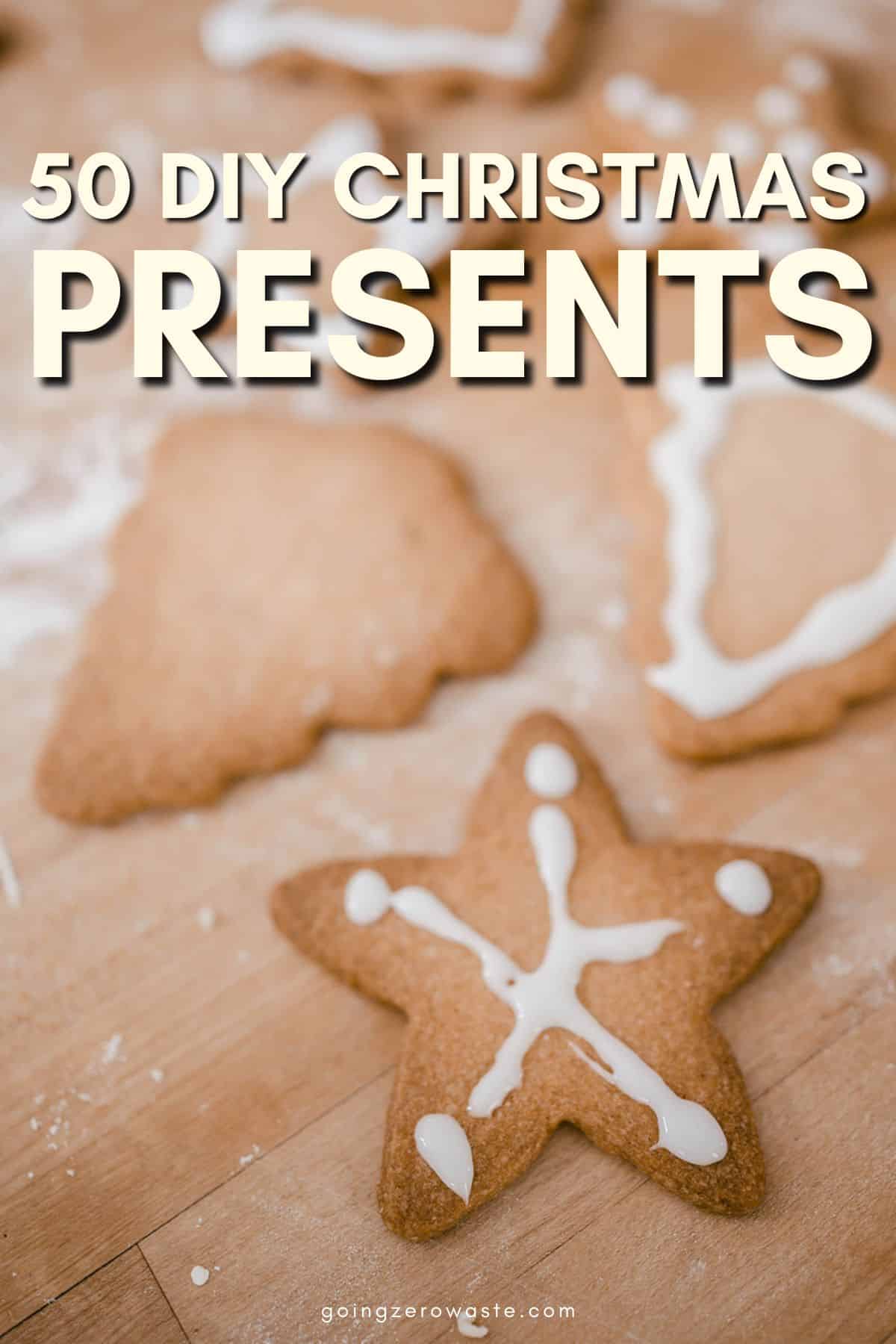
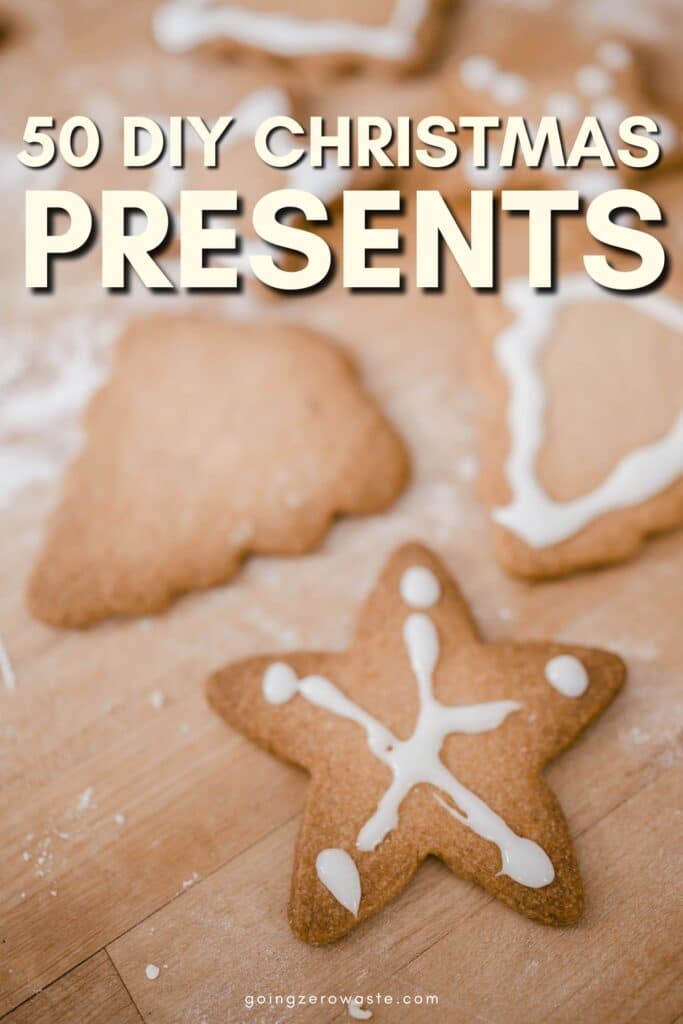
- Vegan Sugar Cookies: Plant-based holiday treats decorated with natural dyes.
Personal Care and Apothecary
Handmade beauty products allow the maker to control ingredients, avoiding synthetic fragrances and microplastics.
- Epsom Salt Bath Soaks: Blended with essential oils like lavender or eucalyptus.
- Coffee Body Scrubs: Utilizing repurposed coffee grounds and coconut oil.
- Beeswax or Soy Candles: Poured into thrifted teacups or mason jars.
- Handmade Lip Balms: A mixture of shea butter, beeswax, and peppermint oil.
- Shower Steamers: Citric acid-based tablets that release scent in the steam.
- Solid Perfumes: Essential oils carried in a base of beeswax and jojoba oil.
- Rose Water Toner: Distilled water infused with organic rose petals.
- Hand-Poured Soap Bars: Utilizing the melt-and-pour method with natural botanicals.
- Beard Oil: A blend of argan and cedarwood oils for grooming.
- Clay Face Masks: Dry bentonite clay mixed with powdered charcoal.
- Reusable Makeup Remover Pads: Crocheted or sewn from organic cotton scraps.
- Herbal Bath Tea: Dried herbs like chamomile and calendula in muslin bags.
- Whipped Body Butter: A fluffy blend of cocoa butter and almond oil.
Home Utility and Decor
Practical gifts provide long-term value and reduce the need for store-bought plastic alternatives.
- Beeswax Food Wraps: Cotton fabric infused with beeswax to replace plastic wrap.
- Upcycled Cardboard Dollhouses: Elaborate play structures made from shipping boxes.
- Wooden Tablet Holders: Simple slotted wood blocks for hands-free kitchen use.
- Macramé Plant Hangers: Decorative cordage for indoor gardening enthusiasts.
- Linen Produce Bags: Sewn from old tablecloths to reduce plastic bag use.
- Customized Coasters: Made from cork, ceramic tiles, or reclaimed wood.
- Potpourri Blends: Dried orange peels, cinnamon sticks, and star anise.
- Knitted Dishcloths: Durable, washable alternatives to synthetic sponges.
- Fabric Draft Stoppers: Sewn tubes filled with rice or dried beans to save energy.
- Hand-Painted Flower Pots: Terracotta pots decorated with minimalist designs.
- Rope Baskets: Coiled cotton rope zig-zag stitched into storage containers.
- Pressed Flower Frames: Seasonal blooms preserved between glass panes.
- Magnetic Knife Strips: Reclaimed wood with embedded neodymium magnets.
Textiles, Fashion, and Specialized Crafts
These items often require more time but offer a high degree of personalization.
- Hand-Knitted Scarves: Utilizing bulky wool for a quick, warm gift.
- Crocheted Beanies: Essential winter wear made with sustainable fibers.
- Tote Bags from Scraps: Patchwork bags created from leftover fabric remnants.
- Embroidered Handkerchiefs: Monogrammed vintage linens.
- Tie-Dye Socks: Utilizing natural dyes like indigo or turmeric.
- Jewelry Trays: Small ceramic or polymer clay dishes for rings and watches.
- Personalized Photo Albums: Scrapbooks featuring printed memories and handwritten notes.
- Recipe Boxes: Hand-painted boxes filled with family culinary secrets.
- Pet Treats: Homemade peanut butter and oat biscuits for dogs.
- Catnip Toys: Small fabric scraps stuffed with organic catnip.
- Cornstarch Ornaments: A simple dough of cornstarch and baking soda for tree decor.
- Furoshiki Wrapping Cloths: Hemmed fabric squares used for sustainable gift wrapping.
Methodology for Sustainable Presentation
The shift toward DIY gifting extends to the packaging process. Professional organizers and environmentalists advocate for the "Furoshiki" method, a Japanese tradition of using fabric to wrap gifts. This eliminates the need for paper waste entirely, as the wrap itself becomes part of the gift or a reusable household item.

Other recommended sustainable packaging techniques include:
- Upcycled Paper: Using brown kraft paper from shipping boxes, decorated with hand-stamps or botanical sprigs.
- Reusable Containers: Placing gifts inside thrifted baskets, tins, or glass jars.
- Natural Adornments: Replacing plastic ribbons with jute twine, dried citrus, or evergreen cuttings.
Broader Impact and Societal Implications
The move toward 50 DIY Christmas presents is indicative of a larger cultural "unplugging." Psychologists note that the rise in DIY gifting correlates with a desire for more meaningful social interactions. When a gift is handmade, it carries a narrative of the effort and intention behind it, which often strengthens social bonds more effectively than a high-value retail purchase.
From a macro-economic perspective, this trend challenges the traditional reliance on global supply chains. By sourcing materials locally or repurposing existing items, consumers are exercising a form of "quiet activism" against the excesses of fast consumerism.
As the 2025 holiday season concludes, data suggests that the "Handmade Holiday" is not merely a passing fad but a structural change in how society celebrates. The combination of economic necessity, environmental awareness, and a yearning for nostalgic simplicity has solidified DIY gifting as a cornerstone of the modern festive experience. The success of these 50 projects demonstrates that thoughtfulness and creativity remain the most valuable currencies in the holiday exchange.