The environmental necessity for this shift is supported by data from the Environmental Protection Agency (EPA), which notes that household waste in the United States increases by approximately 25 percent between Thanksgiving and New Year’s Day. This surge results in an additional one million tons of trash per week entering landfills, much of it consisting of single-use packaging and low-durability gift items. In response, the 2025 sustainable gift market has expanded to offer a diverse range of products that cater to fitness enthusiasts, beauty aficionados, and home-centric consumers without contributing to the seasonal waste crisis.

The Evolution of the Zero Waste Holiday Market
The transition toward a circular holiday economy has been a decade in the making. Beginning with the rise of the minimalism movement in the early 2010s, consumer interest moved toward "experience gifts" and eventually settled into the "Zero Waste" lifestyle popularized by environmental advocates. By 2025, major retailers and boutique brands alike have adopted rigorous standards for transparency, focusing on biodegradable materials, plastic-free shipping, and fair-labor certifications.
Current market analysis from McKinsey & Company suggests that Gen Z and Millennial consumers are 70 percent more likely to purchase from brands that demonstrate a commitment to environmental social governance (ESG). This has forced a pivot in the stocking stuffer category, which was historically dominated by "gag gifts" and cheap plastics. Today, the category is defined by practical self-care, sustainable stationery, and durable apparel.
Practical Self-Care and Clean Beauty
The beauty and personal care industry has historically been one of the largest contributors to plastic pollution, with over 120 billion units of packaging produced globally every year. However, the items featured in this year’s sustainable guide reflect a move toward "cleaner" formulations and reusable or recyclable housing.
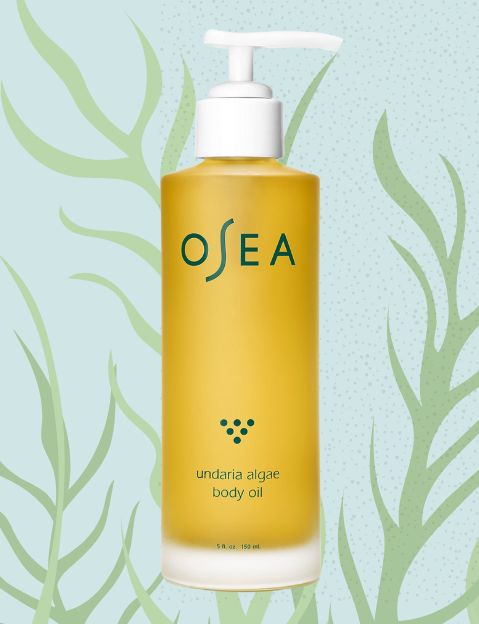
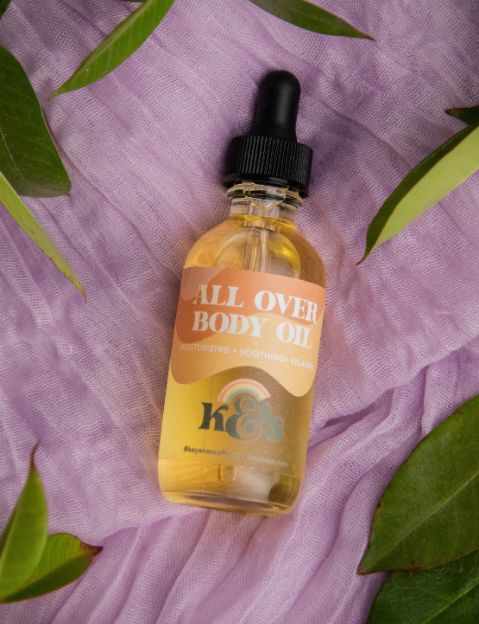
Key products in this category include the Josie Maran Face Babies set, which utilizes argan oil-based formulations in travel-sized, recyclable containers. Similarly, the Osea Body Oil has gained traction for its use of seaweed-based ingredients and glass packaging, which is infinitely recyclable compared to plastic.
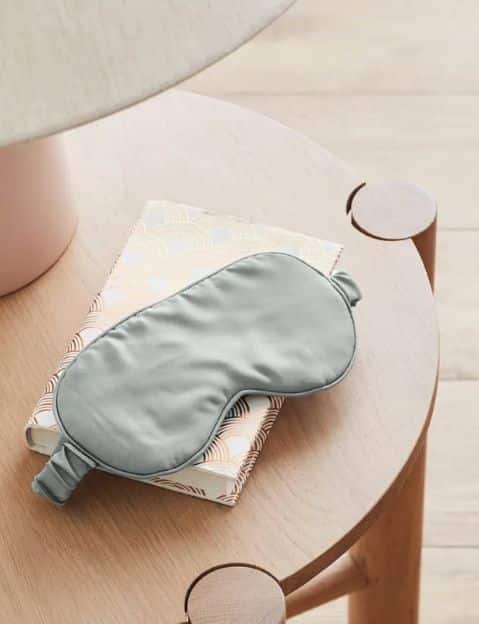
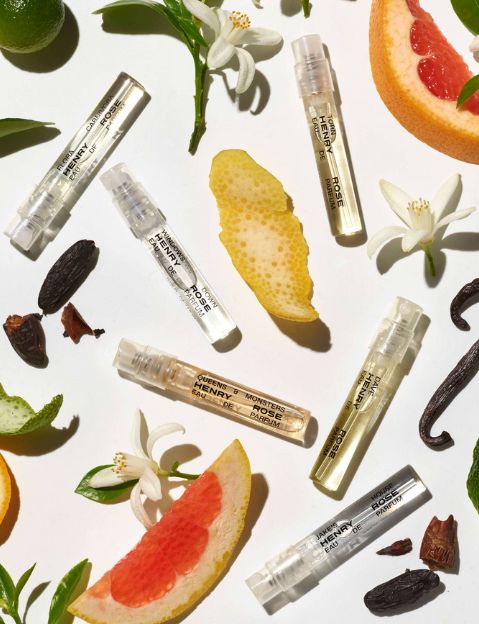
In the realm of textiles, the Ettitude sateen eye mask represents the shift toward regenerative materials. Made from bamboo lyocell, these products require significantly less water to produce than traditional cotton and are biodegradable at the end of their lifecycle. For fragrance, the Henry Rose Discovery Set offers a transparent look at ingredient lists, holding the "EWG Verified" and "Cradle to Cradle" certifications, which ensure that every ingredient has been vetted for human health and environmental impact.

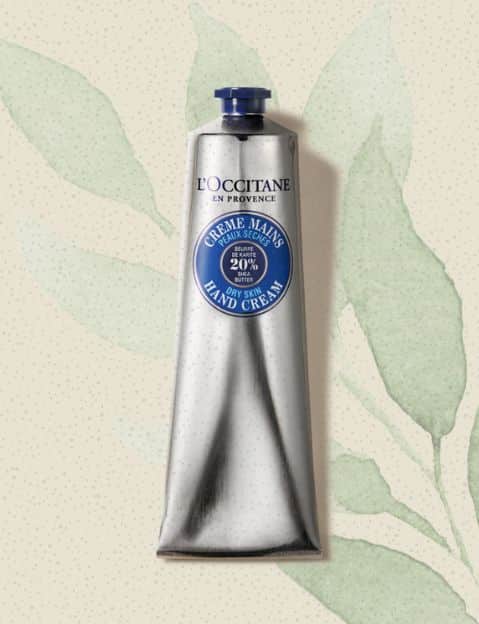
Other notable mentions in the 2025 self-care lineup include L’Occitane hand creams, which have transitioned toward aluminum tubes and refillable models, and Savannah Friedkin hoops, which represent the "slow jewelry" movement by using recycled metals and ethically sourced stones.
Sustainable Stationery and Intellectual Gifts
The stationery sector has seen a resurgence as consumers seek "digital detox" opportunities. However, traditional paper production is often linked to deforestation and chemical-heavy dyeing processes. The 2025 guide highlights products that mitigate these impacts through the use of recycled content and soy-based inks.

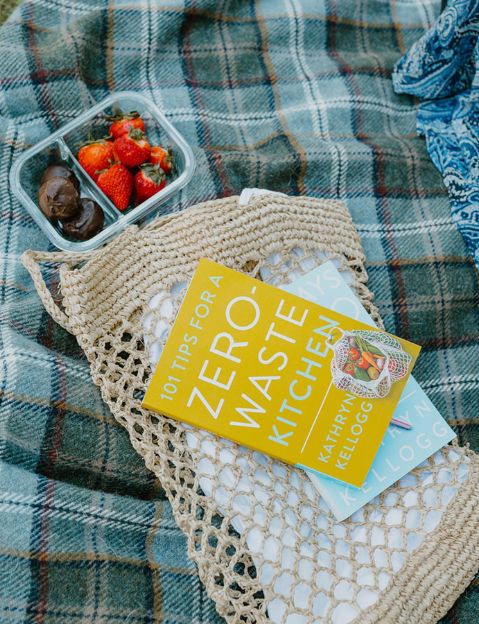
The "Cards Against Climate Change" game serves as both an entertainment piece and an educational tool, printed on FSC-certified (Forest Stewardship Council) paper. For those looking to reduce waste in the kitchen, "101 Tips for a Zero Waste Kitchen" provides actionable data on food waste reduction—a critical issue considering that 30 to 40 percent of the U.S. food supply is wasted annually.
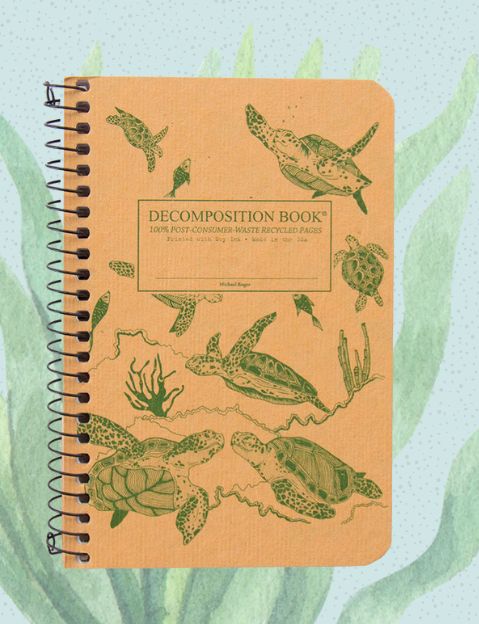
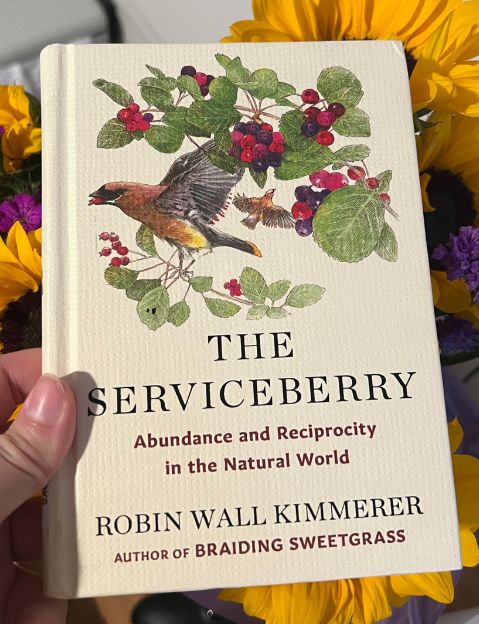
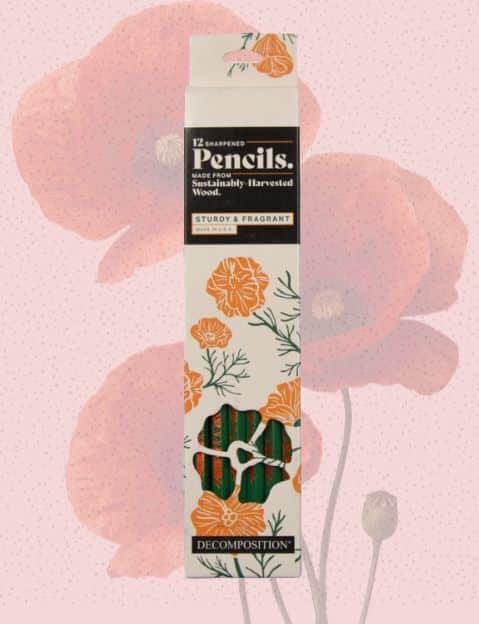
Decomposition Pocket Notebooks and Pencils have become staples in the eco-friendly market. These notebooks are made from 100 percent post-consumer waste recycled paper, and the pencils are produced without the use of toxic lacquers or glues. Additionally, titles like "The Serviceberry" emphasize indigenous wisdom regarding the gift economy and reciprocity with nature, aligning with the broader cultural shift toward environmental stewardship.
Home Wellness and Cozy Essentials
The "cozy" category remains a holiday favorite, but the focus has shifted toward non-toxic home environments. The Grove Passive Diffuser, for instance, offers a plastic-free way to utilize essential oils without the need for electricity or synthetic aerosols.
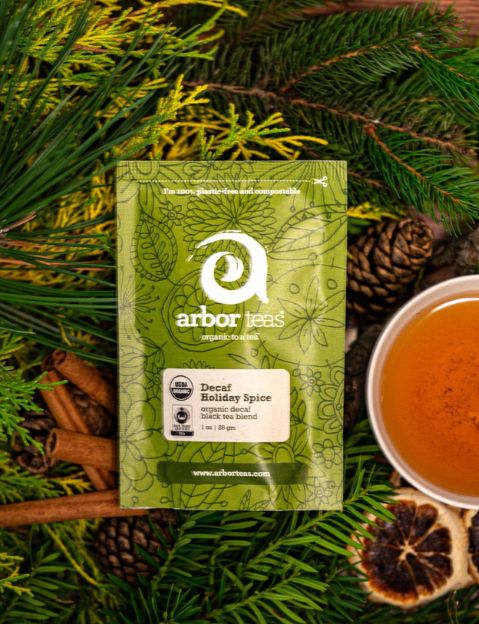
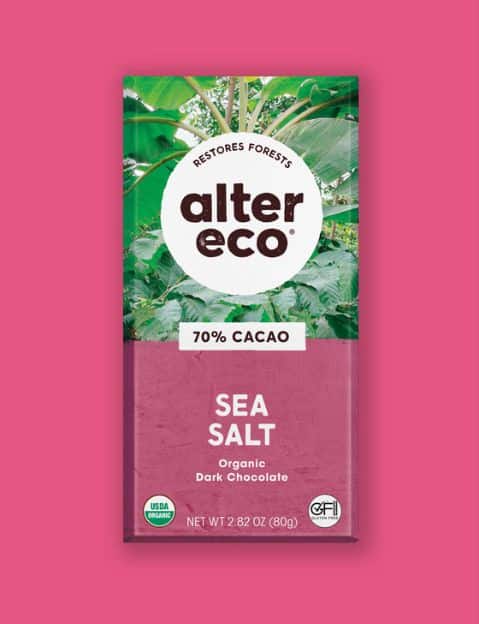
In terms of consumables, Arbor Tea’s Holiday Spice blend highlights the importance of compostable packaging. While many tea bags contain microplastics that shed into hot water, Arbor Tea utilizes backyard-compostable cellulose packaging. Food items like the Alter Eco Sea Salt Bar are also leading the way in regenerative agriculture; Alter Eco is a B-Corp that focuses on reforestation and carbon sequestration within its cacao supply chain.
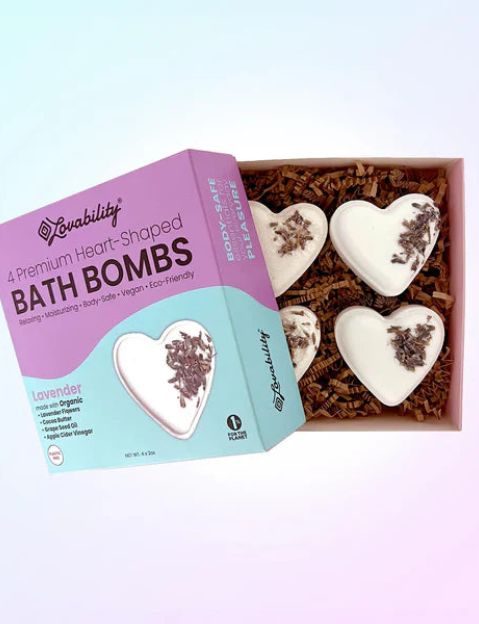
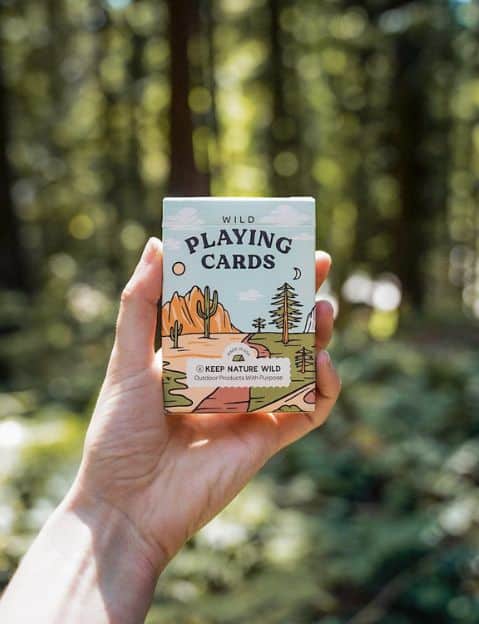
For home entertainment, "Keep Nature Wild" playing cards and Lovability bath bombs offer waste-free fun. The latter focuses on vegan ingredients and avoids the plastic glitter that often plagues conventional bath products and ends up in water systems as microplastics.

Cold Weather Gear and Active Lifestyle
As the "New Year, New You" sentiment begins in late December, fitness and outdoor gear are top-of-mind for gift-givers. The 2025 selections emphasize recycled synthetics and natural fibers that perform under pressure without releasing high levels of microfibers.
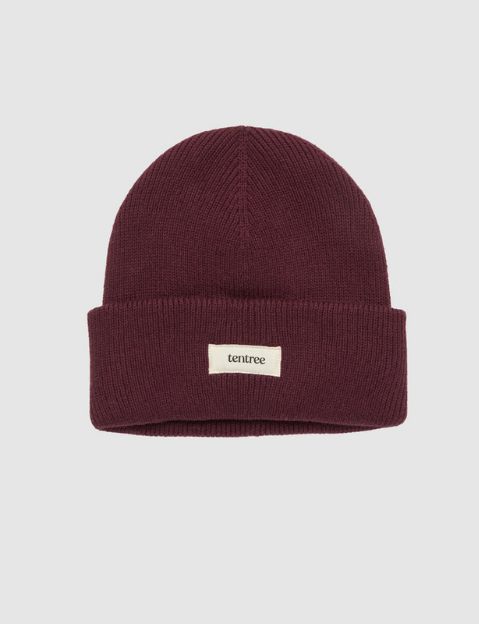
Brands like Tentree and Cotopaxi have become industry leaders in this space. Tentree’s beanies are not only made from sustainable fibers but also fund the planting of ten trees for every item sold, a business model that has resulted in over 100 million trees planted to date. Cotopaxi’s "Del Dia" line, including gloves and hip packs, utilizes remnant fabric that would otherwise be discarded by other manufacturers, ensuring that no two pieces are identical and reducing textile waste.
In the apparel sector, Wolven and Organic Basics are addressing the environmental impact of activewear. Wolven’s Chai Top is made from recycled P.E.T. plastic bottles, while Organic Basics utilizes Tencel and recycled nylon. For health and hygiene, MegaFood B12 vitamins (certified B-Corp) and Brixy Deodorant bars offer plastic-free alternatives to daily essentials. Brixy, in particular, avoids the plastic tubes associated with traditional deodorants, saving millions of units from landfills annually.
Economic and Environmental Implications
The rise of sustainable stocking stuffers has broader implications for the global economy and environmental policy. Economically, the growth of these brands suggests a decoupling of retail success from environmental degradation. Investors are increasingly looking at "Circular Economy" metrics as a sign of long-term brand viability.
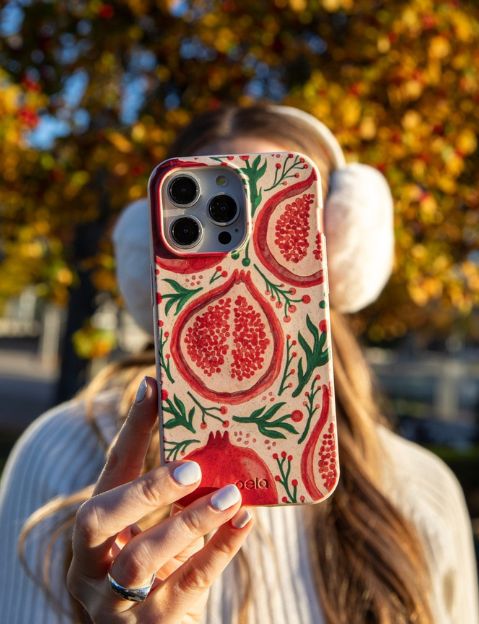
From an environmental standpoint, the cumulative effect of choosing zero waste stocking stuffers is measurable. If 10 percent of the U.S. population opted for one plastic-free gift this season, it would prevent hundreds of tons of plastic from entering the waste stream. Furthermore, by supporting brands that use regenerative agriculture (like Alter Eco) or carbon-neutral shipping (like Pela), consumers are effectively voting for a lower-carbon future with their holiday spending.
FAQ: Navigating the Sustainable Market
As the market grows, so does the risk of "greenwashing"—a practice where companies make misleading claims about the environmental benefits of their products. Experts suggest three key ways to verify a product’s eco-friendly status:
- Check for Certifications: Look for third-party seals such as B-Corp, FSC, EWG Verified, or 1% for the Planet. These indicate that the company has undergone independent auditing.
- Examine the Ingredients: Truly sustainable brands are transparent about their materials. Avoid products with "fragrance" (an umbrella term for undisclosed chemicals) or non-recyclable multi-material packaging (like plastic-lined paper).
- Assess the Durability: A sustainable product is one that lasts. High-quality materials like glass, stainless steel, and organic natural fibers are preferable to "bioplastics," which often require industrial composting facilities to break down.
Regarding the perceived higher cost of sustainable goods, retail analysts note that while the upfront price may be higher, the "cost per use" is often lower due to better durability. Furthermore, the environmental "externalities"—the hidden costs of pollution and waste management—are not factored into the price of cheap plastic goods but are paid for by society through taxes and health costs.
Conclusion
The 2024-2025 holiday season marks a turning point in the tradition of gift-giving. By opting for the 30+ zero waste and eco-friendly stocking stuffers outlined in this guide, consumers are participating in a larger movement toward environmental restoration. Whether through a bar of regenerative chocolate, a recycled-plastic hip pack, or a compostable tea bag, these small choices represent a significant collective effort to celebrate the holidays in harmony with the planet. As the industry continues to innovate, the goal remains clear: a holiday season where the only thing that remains is the memory of the celebration, not the waste it left behind.