The question of how long fermented foods remain safe and enjoyable is among the most frequently posed queries in culinary workshops worldwide, reflecting a growing global interest in these ancient preservation techniques. While a simple answer often points to "a long time"—a testament to fermentation’s historical role in extending food utility—a more precise response acknowledges significant variability. The shelf life of fermented foods is profoundly influenced by an array of factors, including storage conditions, ambient temperature, and the specific characteristics of the food or beverage in question. Moreover, individual palates possess differing tolerances for what is colloquially termed "funkiness," underscoring the subjective dimension of food enjoyment. Experts universally advise relying on one’s innate sensory perception to determine the edibility of any food, fermented or otherwise.
The Ancient Art and Science of Fermentation as Preservation
Fermentation stands as one of humanity’s oldest and most effective methods for food preservation, predating refrigeration and modern canning techniques by millennia. Archaeological evidence suggests that humans have been intentionally fermenting foods and beverages for at least 10,000 years, with practices ranging from the production of alcoholic drinks in ancient China to sourdough bread in ancient Egypt and fermented vegetables across numerous cultures. This biological transformation, orchestrated by beneficial microorganisms such as bacteria, yeasts, and molds, converts complex organic compounds into simpler ones. Beyond preservation, fermentation often enhances flavor, nutritional value, and digestibility, turning perishable ingredients into stable, nutrient-dense staples.
The scientific underpinning of fermentation as a preservative lies primarily in the creation of an environment hostile to spoilage-causing pathogens. Lactic acid bacteria, for instance, produce lactic acid, which lowers the pH of the food, inhibiting the growth of most undesirable bacteria and molds. Other byproducts, such as acetic acid, ethanol, and various antimicrobial peptides, further contribute to this protective effect. The removal of oxygen in anaerobic fermentations also plays a critical role, as many spoilage organisms are aerobic. This combination of factors allows fermented foods to resist decay for extended periods, making them invaluable resources in eras without advanced food storage technologies and increasingly relevant in contemporary efforts to reduce food waste.
Factors Influencing Fermented Food Longevity
While the general principle of extended shelf life holds true for fermented foods, the precise duration varies considerably. Austin Durant, author and founder of Fermenters Club, a prominent resource for fermentation enthusiasts, emphasizes that "it depends" is the most honest answer. Key variables include:
- Storage Conditions: Refrigeration significantly slows down microbial activity, thereby extending shelf life. Most active ferments continue to subtly change even in the cold, but at a much reduced rate. Room temperature storage, while suitable for some shelf-stable products like certain hot sauces or miso, generally accelerates degradation.
- Temperature Consistency: Fluctuations in temperature can stress the microbial community and compromise the integrity of the food. Stable, cool temperatures are ideal.
- Salt Concentration: Salt acts as a powerful preservative by drawing out water (inhibiting microbial growth) and selectively promoting beneficial lactic acid bacteria. Higher salt concentrations typically lead to longer shelf lives.
- Acidity (pH Level): A lower pH (higher acidity) is a hallmark of many ferments and a primary mechanism of preservation. Foods with lower pH levels are inherently more stable.
- Nature of the Fermented Food/Beverage: Different foods have different compositions (water content, sugar levels, fiber), which influence how long they last. Dairy ferments, for example, behave differently from vegetable ferments or grain-based products.
- Sealing and Packaging: Airtight containers are crucial for maintaining anaerobic conditions where appropriate and preventing contamination from external microbes.
- Post-Fermentation Processing: Some commercial fermented foods are pasteurized (heat-treated) to halt fermentation and stabilize the product, which can extend shelf life but often reduces probiotic content. Home ferments are typically raw and active.
Determining "Done" Fermenting
Before discussing shelf life, it’s important to understand when a fermentation process is considered "done." For many vegetable ferments, this is often a subjective decision based on taste preference—how sour or tangy one desires the product to be. Objectively, signs include a significant reduction or cessation of active bubbling, a stable pH reading (often below 4.5 for safe vegetable ferments), and a desired flavor profile. Once these criteria are met, the food is typically transferred to colder storage to slow down further fermentation and maturation. However, "done" doesn’t mean inert; many ferments continue to slowly age and evolve in flavor, especially in the refrigerator.
Specific Shelf Life Guidelines for Common Fermented Foods
While individual variation exists, the following guidelines, largely based on recommendations from experts like Austin Durant, provide a general framework for the refrigerated shelf life of common home-fermented products:
- Kimchi: Typically lasts 3 months in the refrigerator. Over time, kimchi will soften and become more intensely sour. While its fresh appeal might diminish, older, softer kimchi is highly prized in Korean cuisine for use in hearty stews (kimchi jjigae), pancakes, or fried rice, where its robust flavor adds depth.
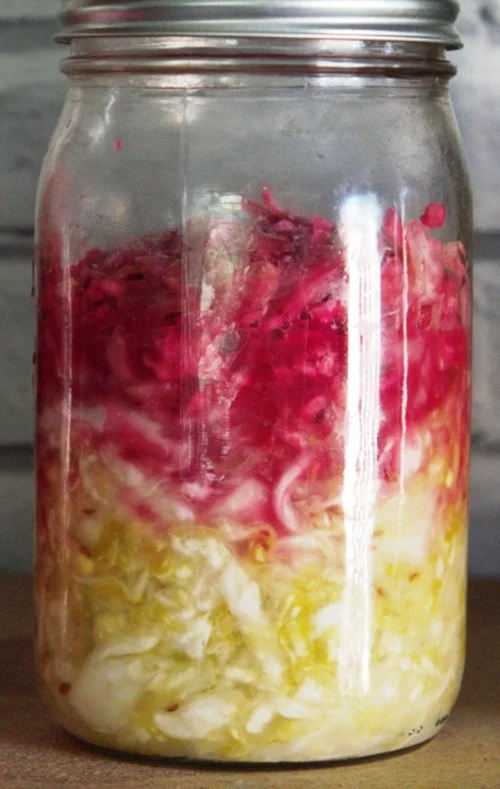
- Sauerkraut: Similar to kimchi, sauerkraut maintains optimal quality for about 3 months when refrigerated. Like many lacto-fermented vegetables, its texture will gradually soften, and its acidity will deepen. It remains safe to eat beyond this period, though its texture and vibrant crunch may be reduced. It can also be incorporated into cooked dishes.
- Cucumber Pickles: Fermented cucumber pickles generally last about 2 months in the refrigerator. The shelf life can be influenced by the initial salt concentration and whether the cucumbers were fermented whole or sliced. Whole cucumbers, with less surface area exposed, tend to last longer and retain their crispness better than sliced varieties. Maintaining a good brine level is also critical.
- Pickled Vegetables (e.g., Beans, Escabeche, Giardiniera): These diverse mixes of fermented vegetables, including carrots, cauliflower, green beans, and bell peppers, often hold up exceptionally well, lasting 4-6 months in the refrigerator. Denser vegetables like carrots and cauliflower tend to maintain their texture and integrity for longer periods compared to softer ones. The varied textures and flavors in these mixes can continue to evolve pleasantly over several months.
- Kombucha: This fermented tea beverage is best enjoyed within 1 month when refrigerated. However, certain flavors, particularly those infused with delicate fruits like watermelon or strawberry, are more ephemeral. These fruit-forward kombuchas are often at their peak within 2 weeks to capture their fresh aroma and taste before they fade or the fermentation process overtakes them. Longer storage can lead to increased acidity and a more pronounced vinegary flavor.
- Kefir (Milk): Milk kefir remains palatable for drinking for about 1 month in the refrigerator. Beyond this period, it becomes increasingly sour, often too tart for direct consumption. However, overly sour milk kefir is not spoiled; it can be repurposed into other culinary products, such as making soft cheeses (kefir cheese), using it as a buttermilk substitute in baking, or in marinades, showcasing its versatility even past its prime drinking stage.
- Miso: One of the most remarkable examples of fermented food longevity, properly sealed miso can boast an "unlimited" shelf life, easily lasting 10 years or more, even outside refrigeration once opened, though refrigeration is often recommended for opened containers to slow flavor changes. Its high salt content and slow fermentation process contribute to its incredible stability. Miso’s flavor deepens and complexifies with age, much like fine wine, developing rich umami notes. Different types of miso (e.g., white, red, barley) age at different rates and develop distinct flavor profiles.
- Water Kefir (Tibicos): Similar to kombucha, water kefir is best consumed within 1 month when refrigerated. And much like kombucha, delicate fruit infusions, such as watermelon or strawberry, are more ephemeral and should ideally be enjoyed within 2 weeks to capture their peak freshness and flavor. Beyond these periods, it will become increasingly tart.
- Hot Sauce: Fermented hot sauces offer impressive longevity, lasting up to 2 years when refrigerated. Some varieties can even be stored in a pantry, though this may reduce their overall shelf life somewhat. If stored in a pantry, there is a possibility that surface yeast may re-form, appearing as a harmless white film (kahm yeast), which can be scraped off. The combination of fermentation, chili peppers, and often added vinegar contributes to its robust preservation.
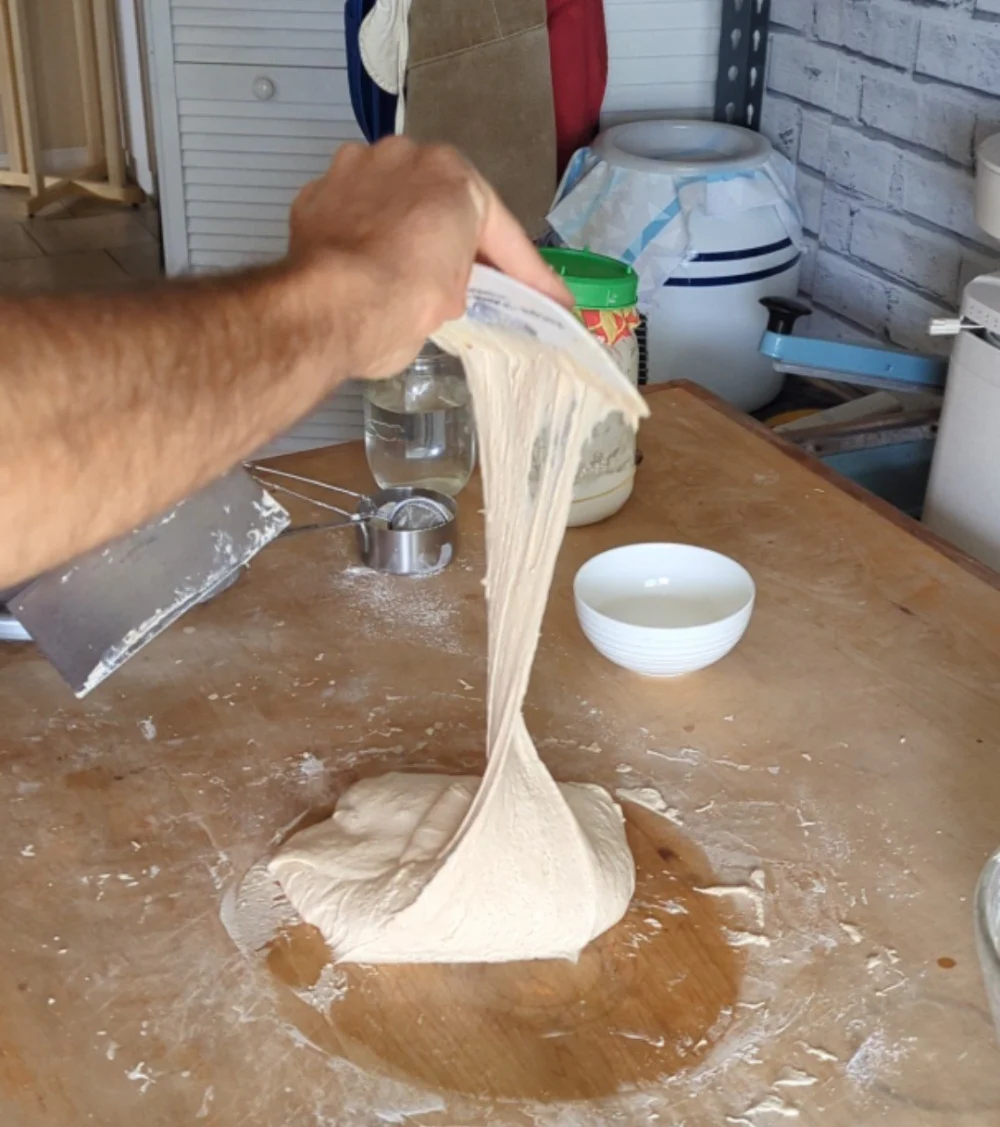
- Sourdough Bread: This category presents a unique case. Unlike the other items, sourdough bread is not typically stored for extended periods as an active ferment. At room temperature, it lasts 3-4 days. A critical piece of advice from bakers and experts like Durant is: Never store bread in the refrigerator! Refrigeration accelerates the retrogradation of starch, leading to rapid staling and a dry, crumbly texture. For longer preservation, freezing is the optimal method. Sourdough bread can be stored in the freezer for up to 2 months. For convenience, it is highly recommended to pre-slice the bread before freezing and store it in a sealed plastic bag, allowing for easy retrieval of individual slices as needed.
The Indispensable Principle: Trust Your Senses!
Regardless of guidelines, the ultimate arbiter of a food’s edibility remains your own body’s sensory equipment. Austin Durant’s advice to "Trust your Senses!" is paramount when dealing with fermented foods. While fermentation is a preservation method, it does not make food impervious to spoilage, especially if contamination occurs or storage conditions are compromised.
Here’s a breakdown of what your senses can tell you:
- Sight: Look for obvious signs of spoilage. Mold, particularly fuzzy, colored mold (green, black, pink) that is not part of the expected culture (like a healthy kombucha SCOBY or kefir grains), is a clear indicator of spoilage. Discoloration that seems unnatural or greyish film on vegetables can also be warning signs. However, some white surface yeast (kahm yeast) on vegetable ferments is generally harmless and can be skimmed off.
- Smell: A pleasant, sour, tangy, or yeasty aroma is characteristic of healthy ferments. A putrid, rotten, ammonia-like, overwhelmingly sulfurous, or otherwise offensive smell is a strong indication that the food has spoiled and should be discarded.
- Taste: If sight and smell pass the test, a small taste can confirm edibility. A spoiled ferment will often taste distinctly off—bitter, metallic, overtly chemical, or just plain unpleasant and not matching the expected fermented profile. Discard if the taste is unequivocally bad.
- Texture: Fermented vegetables should generally retain some crispness, though they will soften over time. A slimy, excessively mushy, or stringy texture that is uncharacteristic of the food (e.g., not the natural sliminess of nattō) suggests spoilage.
It’s crucial to distinguish between spoilage and the natural evolution of flavor and texture that comes with aging. A very sour kimchi or an intensely tart kombucha might be beyond your preferred taste but is not necessarily spoiled. Your senses, honed by experience, will be your best guide.
Broader Implications and Modern Context
The understanding of fermented food shelf life has significant implications beyond individual consumption. In a world increasingly conscious of food waste, the extended longevity offered by fermentation presents a sustainable solution for preserving harvests and reducing spoilage. Moreover, the renewed interest in fermented foods is largely driven by their perceived health benefits, particularly for gut health due to their probiotic content. For consumers seeking these benefits, understanding how long ferments remain active and beneficial is key.
The market for fermented foods has seen robust growth, with commercial products often using pasteurization or specific packaging to guarantee a longer, more predictable shelf life, sometimes at the expense of live cultures. Home fermenters, conversely, prioritize raw, live products, embracing the variability and nuanced aging process. This dichotomy highlights the diverse approaches to managing and utilizing the natural preservative power of fermentation.
In conclusion, while the answer to "how long do fermented foods last?" is inherently complex and multifaceted, understanding the underlying science, adhering to best storage practices, and, critically, trusting one’s sensory judgment provides a robust framework for enjoying these ancient, health-promoting, and delicious foods safely for extended periods. From miso that endures decades to sourdough that graces tables for days, fermentation continues to prove its timeless value in the culinary landscape.