Masa, the properly processed corn flour integral to a vast array of Mexican cuisine, is experiencing a global resurgence, drawing renewed attention to its profound cultural significance and superior nutritional profile. This staple ingredient, the foundation for everything from traditional tortillas to hearty tamales, owes its unique properties and health benefits to an ancient Mesoamerican technique known as nixtamalization. This meticulous process, involving the cooking and steeping of dried corn in an alkaline solution, transforms ordinary corn into a powerhouse of bioavailable nutrients and a versatile culinary medium. The increasing interest in traditional food preparation methods, coupled with a growing consumer demand for authentic and nutrient-dense ingredients, has propelled masa and the art of nixtamalization back into the culinary spotlight, moving it beyond niche circles into mainstream appreciation.
A Journey Through Time: The Mesoamerican Origins of Nixtamalization
The origins of nixtamalization stretch back thousands of years to ancient Mesoamerica, a testament to the ingenuity and scientific understanding of civilizations like the Olmecs, Mayans, and Aztecs. Corn, or maize, was not merely a food source but a sacred crop, deeply embedded in their cosmologies and daily lives. The discovery of nixtamalization, believed to have occurred as early as 1500-1200 BCE, was likely an accidental yet transformative breakthrough. Early peoples may have noticed that corn cooked with wood ash (which contains alkali) or limewater produced a more pliable dough and a more satisfying meal. This seemingly simple discovery revolutionized the way corn was consumed, turning it into a truly sustainable and nourishing dietary cornerstone.
The process, passed down through generations, involved soaking and cooking dried corn kernels in an alkaline solution, traditionally made with slaked lime (calcium hydroxide), known as "cal," or wood ashes. After cooking, the corn, now called nixtamal, was steeped for several hours before being rinsed and ground into a wet dough—masa. This labor-intensive method, refined over centuries, was not only about improving the texture and workability of the corn but, crucially, about enhancing its nutritional value.
The Nutritional Imperative: Preventing Pellagra
One of the most significant, albeit initially unknown, benefits of nixtamalization was its role in preventing severe nutritional deficiencies. Unprocessed corn, while rich in various nutrients, has its niacin (Vitamin B3) locked in a bound form, making it largely unavailable for human absorption. Populations relying solely on untreated corn as a primary food source often suffered from pellagra, a debilitating disease characterized by dermatitis, diarrhea, dementia, and eventually death.
As Dr. Sofia Ramirez, a food anthropologist specializing in Mesoamerican diets, explains, "Nixtamalization was not just a culinary technique; it was a public health marvel. It literally saved countless lives by unlocking the niacin in corn, a nutrient essential for metabolic functions. The civilizations that adopted nixtamalization thrived, while those that did not, particularly after corn was introduced to other parts of the world without the accompanying processing method, often faced widespread pellagra epidemics." This historical context underscores the profound impact of this ancient technology on human health and societal development.
The Science Behind the Staple: Unpacking Nixtamalization
The scientific underpinnings of nixtamalization are complex and multifaceted, involving a series of chemical and physical transformations that fundamentally alter the corn kernel. When dried corn is cooked and steeped in an alkaline solution, several key changes occur. The kernels hydrate, absorbing water and expanding significantly. Simultaneously, they absorb calcium or potassium from the cooking liquid, enriching the corn with these essential minerals.
Perhaps most critically, the alkaline environment breaks down hemicellulose in the corn’s pericarp (outer layer), loosening the hull and allowing it to be easily removed. This process also liberates bound niacin, making it bioavailable. The starches within the kernel swell and gelatinize, contributing to the distinctive pliable texture of masa. Furthermore, certain nutrients in the germ are released, which not only improves the nutritional profile but also makes the cooked corn easier to grind. The changes in the corn’s protein matrix result in improved protein digestibility and create a dough that is less prone to tearing and breaking, ideal for forming thin tortillas. The prepared corn, nixtamal, is then dried and ground into masa harina, the finely textured corn flour used by home cooks and industrial producers alike.
Beyond Nutrients: Enhanced Flavor and Texture
Beyond its nutritional advantages, nixtamalization significantly enhances the organoleptic qualities of corn. The process imparts a distinctive earthy, slightly sweet, and complex flavor that is absent in products made from untreated corn flour. This unique taste profile is often described as "cornier" or more authentic. The texture of masa is also unparalleled; it yields a dough that is incredibly pliable, elastic, and smooth, crucial for producing tortillas that are soft, flexible, and robust enough to hold fillings without crumbling. These textural properties are directly attributable to the gelatinization of starches and the modification of proteins during nixtamalization, making masa a superior ingredient for a wide range of culinary applications.
Masa’s Enduring Legacy in Global Cuisine
Masa’s influence extends far beyond its native Mesoamerica, establishing itself as a cornerstone of global cuisine. While tortillas and tamales are perhaps the most widely recognized masa-based dishes, its versatility allows for an astonishing array of culinary creations. From the thick, boat-shaped sopes and plump pupusas of El Salvador to the stuffed gorditas and savory atole (a warm, thick beverage) popular throughout Mexico, masa provides the foundational texture and flavor.
The increasing global appreciation for Mexican cuisine has, in turn, fueled interest in authentic ingredients like masa. Restaurants worldwide, from high-end establishments to bustling street food vendors, are increasingly prioritizing nixtamalized masa for its superior flavor and texture. This culinary migration highlights not only the adaptability of masa but also its ability to connect diverse cultures through shared gastronomic experiences.
The Humble Tortilla: A Culinary Canvas
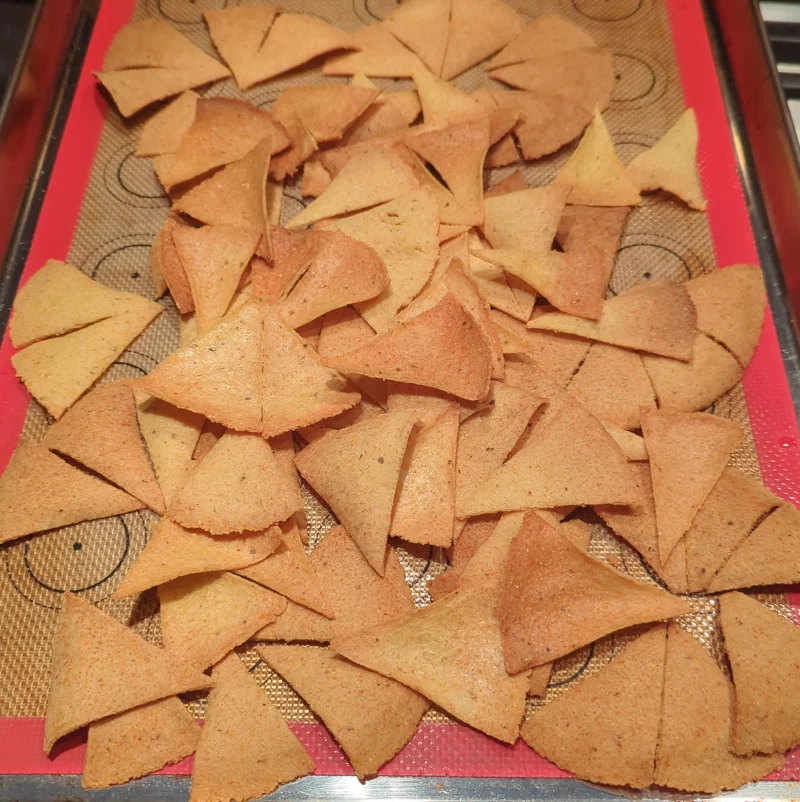
The tortilla, arguably masa’s most iconic form, serves as a blank canvas for countless dishes. Its simplicity belies its importance, acting as a spoon, a plate, and a flavor enhancer. Freshly made tortillas, whether destined for tacos, enchiladas, or quesadillas, offer an unparalleled taste and texture experience that pre-packaged alternatives simply cannot replicate. The process of transforming masa dough into a perfectly round, evenly cooked tortilla is an art form in itself, revered in Mexican households and increasingly explored by home cooks globally. The ability to transform these same tortillas into crispy, golden corn chips further exemplifies masa’s versatility, offering a delightful contrast in texture and application.
The Artisanal Revival: Bringing Traditional Masa Production Home
In recent years, there has been a significant surge in interest among home cooks and culinary enthusiasts in preparing traditional foods from scratch. This artisanal revival extends to masa production, with more individuals seeking out high-quality masa harina and even attempting the nixtamalization process at home. This movement is driven by a desire for greater control over ingredients, a commitment to healthier eating, and a deep appreciation for culinary heritage.
Enthusiasts, much like Austin Durant, founder of Fermenters Club, are part of this broader trend, championing traditional foodways and educating others on the benefits of processes like nixtamalization. Durant, with 14 years of experience in fermenting food and author of "Fearless Fermenting," embodies this commitment to ancestral culinary techniques. His exploration of masa, as highlighted by his use of an antique, wooden tortilla press from his housemate’s abuela, signifies a growing movement to reconnect with the roots of food preparation. This interest extends to the tools required, emphasizing quality and durability over convenience.
Selecting the Right Tools for Authentic Preparation
For those venturing into homemade tortillas, a key piece of equipment is the tortilla press. This device is crucial for creating uniformly flat and thin tortillas, which are essential for proper cooking and texture. Traditional presses are often made of durable cast iron or robust wood, favored for their ability to evenly distribute pressure and their longevity. While aluminum presses exist, they are generally advised against due to their lighter weight, which often results in unevenly pressed tortillas and can be less durable. The preference for heavy, well-built presses, like the antique wooden one described by Durant, underscores the importance of quality tools in achieving authentic culinary results. The resurgence of interest in these traditional tools mirrors the growing appreciation for the meticulous craft involved in masa preparation.
Economic and Health Implications of Masa Production
The market for masa and its derivatives is substantial and continues to grow. Globally, the tortilla market alone is valued in the tens of billions of dollars, with corn chips and other masa-based products adding significantly to this figure. This industry encompasses everything from large-scale industrial producers that supply supermarkets and restaurants to smaller, artisanal mills that cater to niche markets focused on organic and traditionally processed masa.
The economic impact extends to corn growers, who provide the raw material, and to the various businesses involved in processing, distribution, and culinary application. The demand for organic and non-GMO masa harina is particularly on the rise, reflecting consumer preferences for sustainably sourced and minimally processed foods. Specialty food suppliers, such as Azure Standard, play a crucial role in making these high-quality ingredients accessible to home cooks and small businesses, often through affiliate networks that support food educators and enthusiasts.
Public Health and Dietary Advantages
From a public health perspective, the widespread adoption of nixtamalization has had a profound positive impact. Beyond the prevention of pellagra, the process enhances the bioavailability of calcium, a critical mineral for bone health, nerve function, and blood clotting. The improved digestibility of proteins and starches in nixtamalized corn also contributes to better overall nutrient absorption, making masa a more efficient and beneficial food source.
In contemporary diets, where processed foods often dominate, the return to traditional ingredients like nixtamalized masa offers a pathway to more wholesome and nutrient-dense eating. Nutritionists advocate for the inclusion of traditionally prepared masa in diets, highlighting its natural goodness compared to highly processed alternatives. The inherent fiber content in whole corn, combined with the changes induced by nixtamalization, can also contribute to digestive health.
Preserving Culinary Heritage: Expert Perspectives and Future Outlook
The renewed interest in masa and nixtamalization is not just a culinary trend; it’s a movement toward cultural preservation and an acknowledgment of indigenous wisdom. Culinary historians, like Dr. Emilia Sanchez from the National University of Mexico, emphasize the importance of maintaining traditional nixtamalization methods. "These techniques are living heritage," she states. "They connect us to our ancestors and provide a blueprint for sustainable and nutritious eating that is just as relevant today as it was millennia ago."
Chef Ricardo Morales, known for his innovative approach to traditional Mexican cuisine, adds, "Working with freshly nixtamalized masa is a game-changer. The depth of flavor, the texture—it elevates everything. It’s about respecting the ingredient and the process, and that translates directly to a superior culinary experience for the diner."
Looking Ahead: Sustaining a Rich Tradition
Despite the growing appreciation, challenges remain. The nixtamalization process is time-intensive and requires specific knowledge and tools, which can be barriers for widespread adoption in home kitchens. Educating consumers about the distinct advantages of nixtamalized masa over untreated corn flour is crucial. Furthermore, ensuring the sustainability of corn farming practices and the availability of high-quality, ethically sourced corn kernels are ongoing concerns for the industry.
However, the future for masa appears bright. With increasing consumer awareness, a growing market for artisanal and organic products, and a renewed emphasis on traditional foodways, nixtamalized masa is poised to reclaim its rightful place as a celebrated and essential ingredient in kitchens around the world. Efforts by educators, chefs, and enthusiasts like Austin Durant are instrumental in demystifying the process and encouraging more people to explore the rich history and vibrant flavors that masa offers.
Conclusion: A Testament to Ingenuity and Flavor
Masa, born from the ancient and scientifically sophisticated process of nixtamalization, stands as a testament to humanity’s ingenuity in transforming raw ingredients into nourishing and delicious staples. From its origins as a life-saving nutritional intervention in Mesoamerica to its current status as a globally appreciated culinary foundation, masa embodies a powerful blend of history, science, and flavor. Its journey from a sacred crop to a modern culinary darling underscores the enduring value of traditional food processing techniques. As more individuals and chefs embrace the art of masa preparation, they are not only creating exceptional dishes but also preserving a vital piece of cultural heritage and promoting a more wholesome approach to food. The humble corn kernel, through the magic of nixtamalization, continues to offer a rich tapestry of taste, tradition, and health benefits, promising to delight palates and nourish bodies for generations to come.