The resurgence of interest in ancestral skills and sustainable living has propelled the practice of foraging and wildcrafting from a niche survivalist hobby into a mainstream lifestyle movement. As the holiday season approaches, the demand for specialized equipment, educational resources, and lifestyle products tailored to the needs of wild-food enthusiasts has seen a significant uptick. This comprehensive guide examines the essential tools and items that facilitate the safe and effective collection of wild edible and medicinal plants, as well as the broader cultural and economic implications of the foraging trend.
The Evolution of Foraging Gear: From Utility to Sustainability
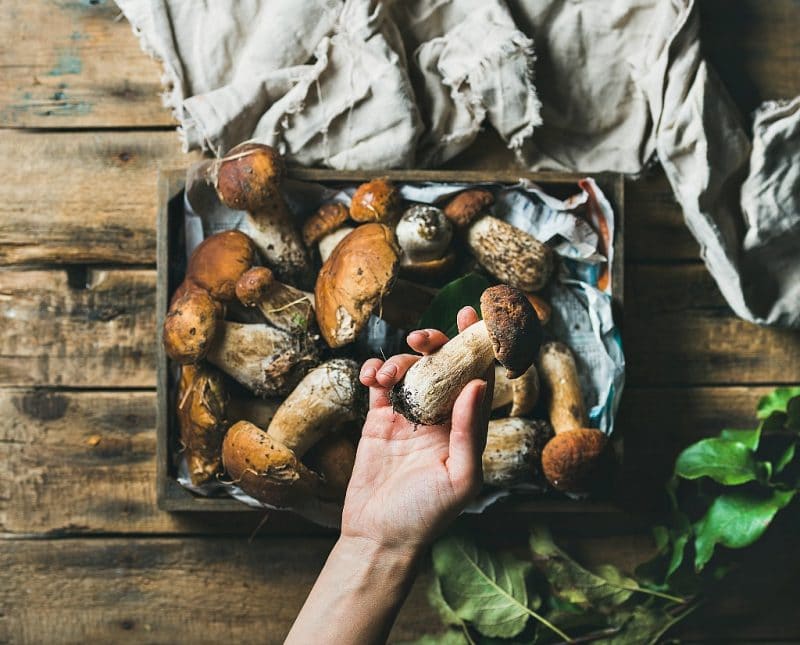
Foraging, the act of identifying and harvesting wild resources, requires a unique blend of botanical knowledge and practical hardware. The modern market for foraging gear has shifted toward a synthesis of traditional craftsmanship and ecological responsibility.
Specialized Transportation: Baskets and Bags
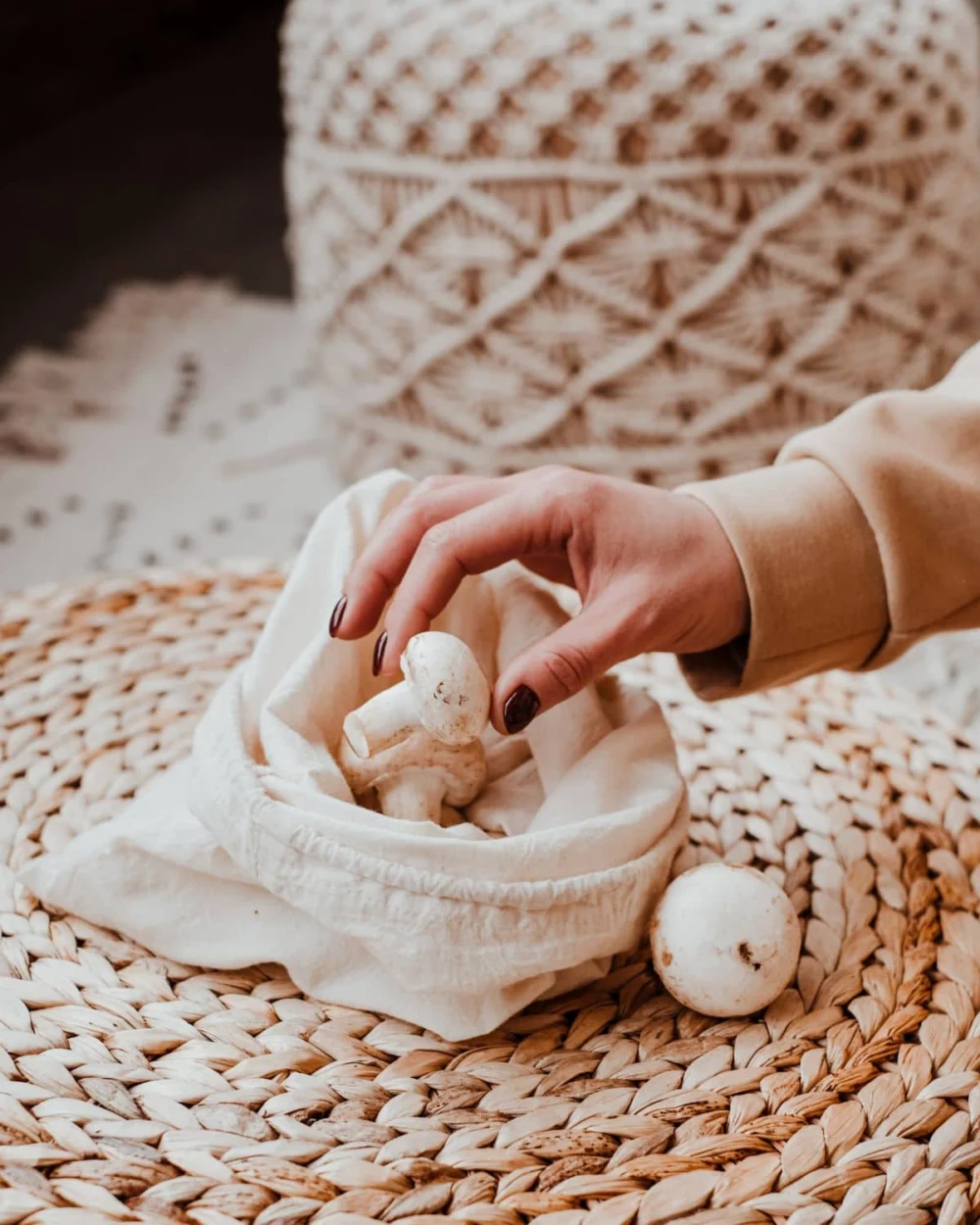
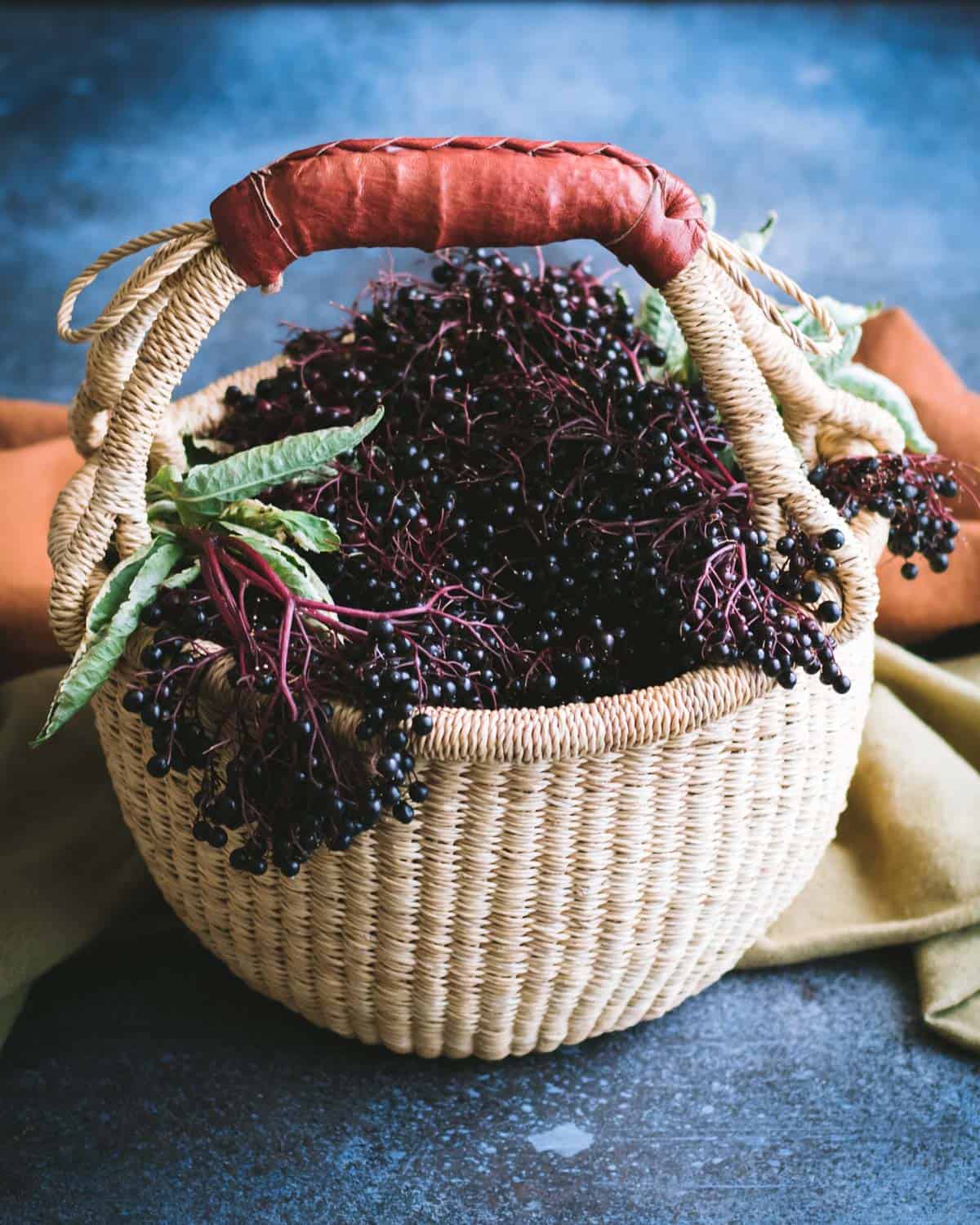
Central to the forager’s toolkit is the method of transport. Unlike standard grocery bags, foraging containers must allow for airflow and, in the case of mushrooms, the dispersal of spores to ensure future growth. Fair trade market baskets have become a preferred choice for practitioners. These items, often hand-woven from natural fibers, serve a dual purpose: they provide a sturdy, breathable structure for delicate plants and fungi while supporting ethical labor practices in artisan communities.
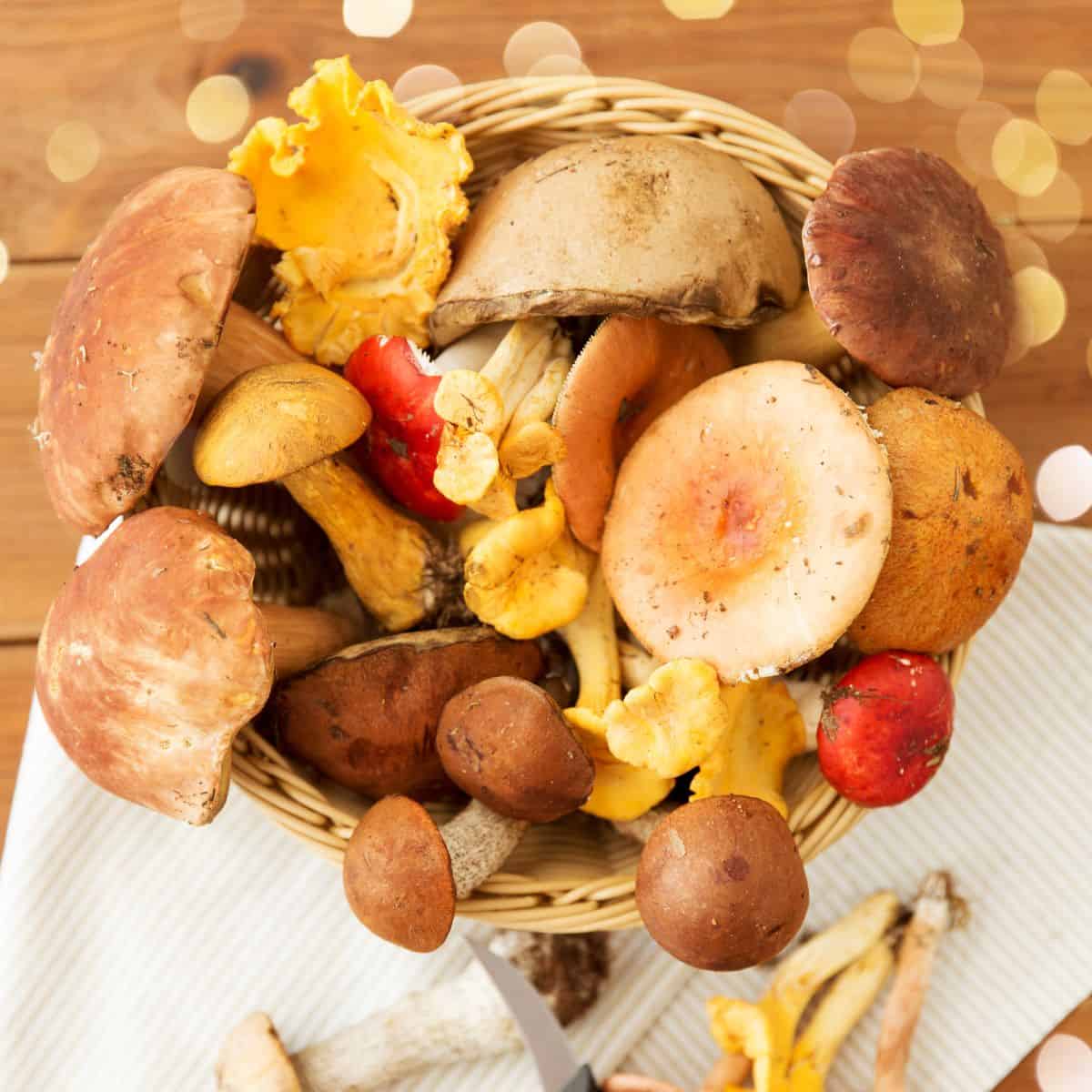
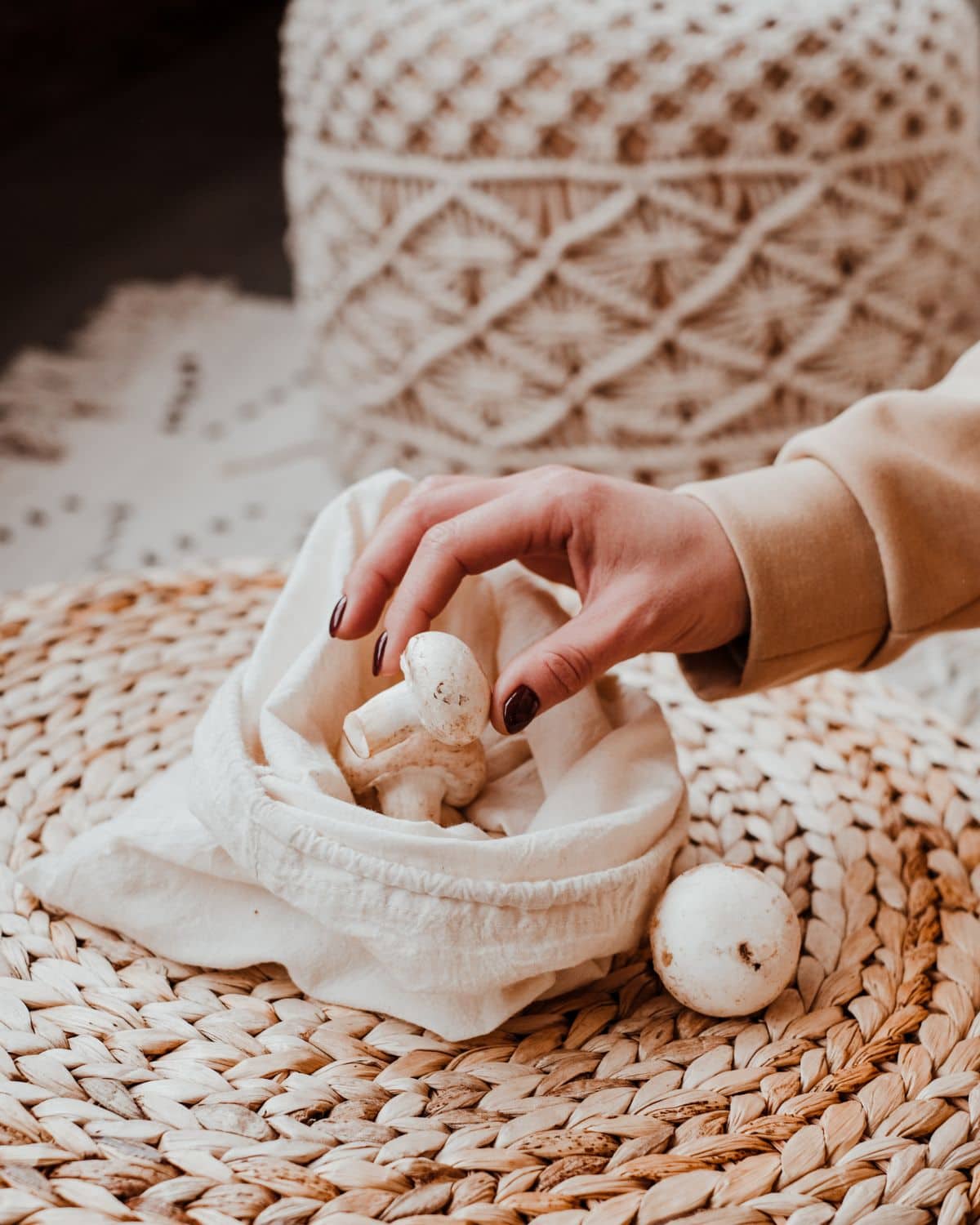
For those prioritizing portability, lightweight cloth bags have emerged as a primary alternative. Often constructed from unbleached cotton or mesh, these bags are designed to be stowed in backpacks for spontaneous harvests. Market analysis suggests a growing consumer preference for these reusable options over single-use plastics, aligning with the broader environmental ethos of the wildcrafting community.
Precision Cutting Tools: The Technical Requirements
The selection of a foraging knife is a matter of both efficiency and safety. Two distinct philosophies dominate the field: specialized mycological tools and general-purpose fixed blades.
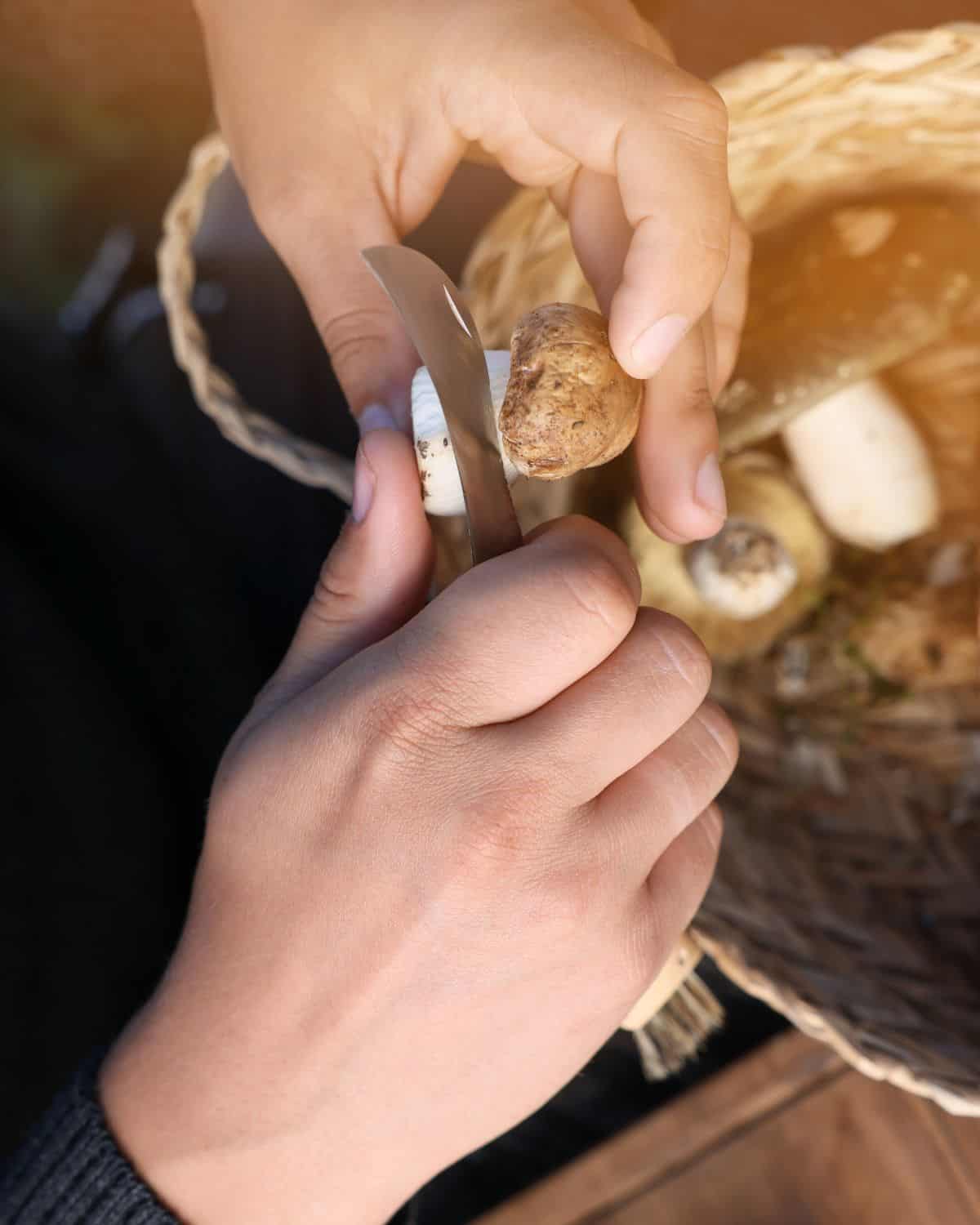
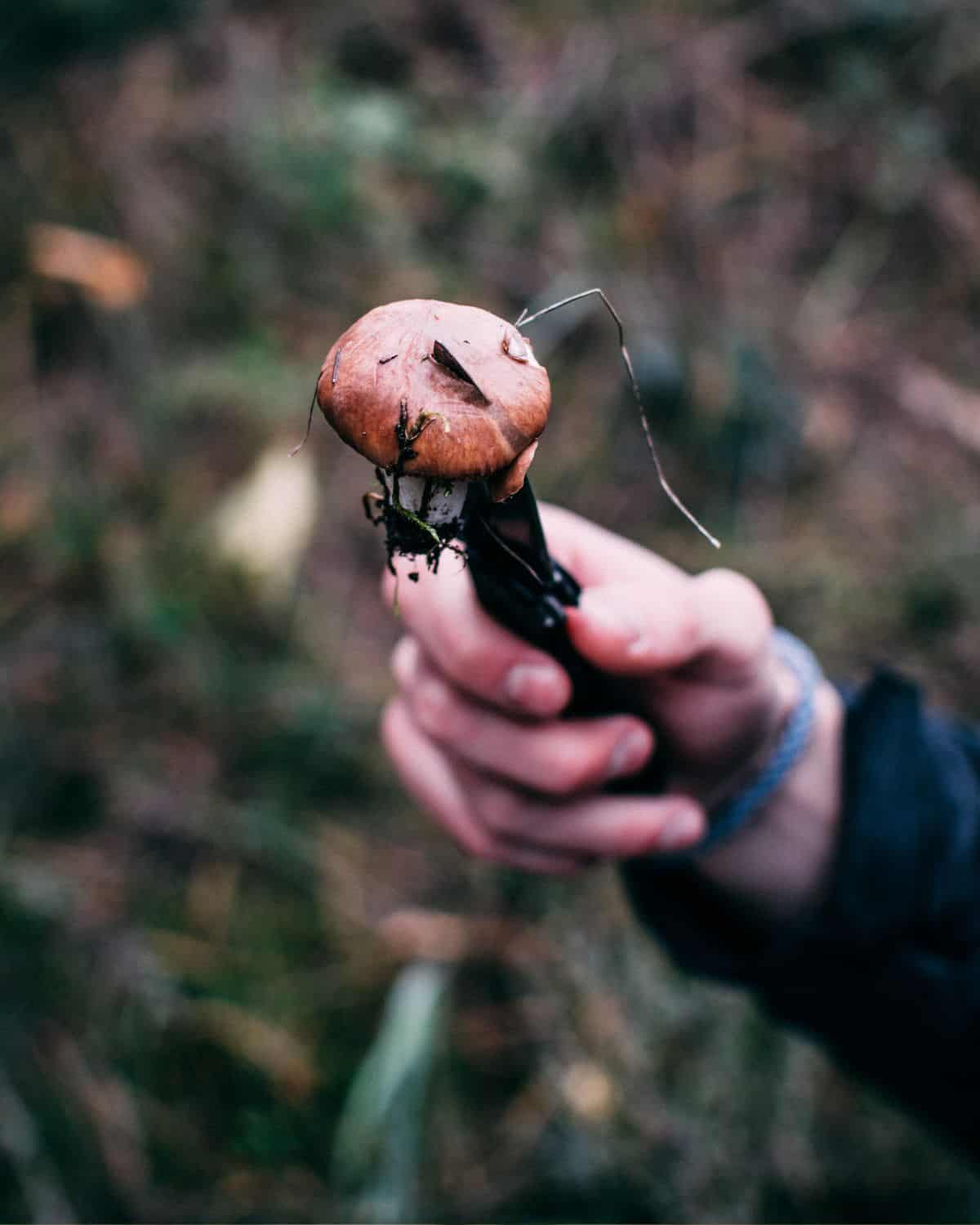
The Opinel Mushroom Knife represents the pinnacle of specialized design. Originating from the French Alps, this tool features a curved Sandvik stainless steel blade designed for clean cuts at the base of the fungal stipe. The inclusion of a boar-hair brush on the handle allows for the immediate removal of soil and debris, a critical step in field processing.
Conversely, many experienced wildcrafters advocate for the versatility of a fixed-blade knife, such as the Morakniv Companion. Industry data indicates that the "bushcraft" segment of the knife market has grown as users seek tools that can handle both delicate plant harvesting and more intensive tasks like processing bark or wood. These knives are characterized by their ergonomic polymer grips and high-performance carbon or stainless steel, offering a balance of durability and affordability that appeals to both novices and professionals.
The At-Home Mycology Market: Accessibility and Education
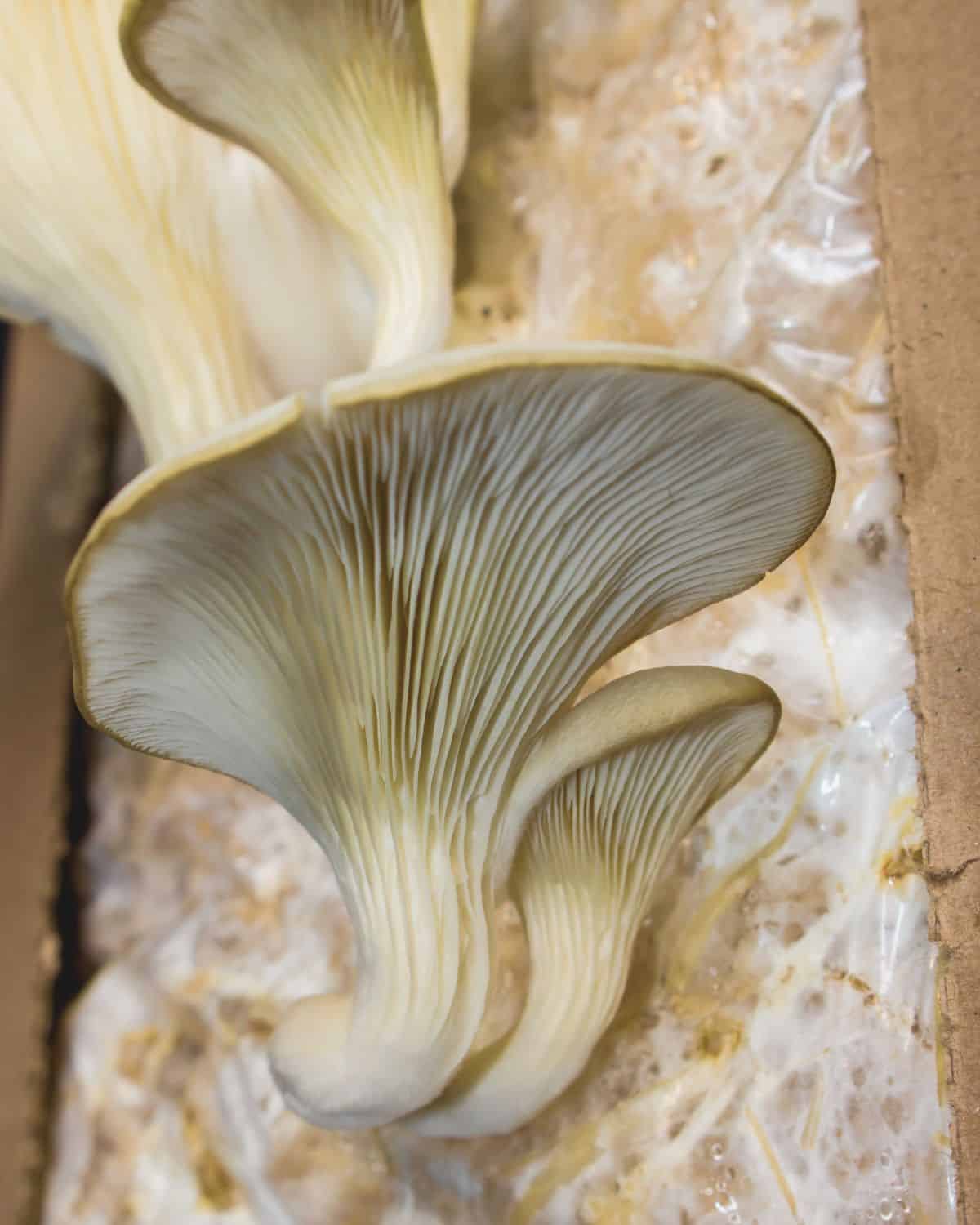
For many enthusiasts, the barrier to entry for foraging is the risk associated with misidentification. This has led to the rapid expansion of the indoor mushroom cultivation market. Mushroom growing kits, such as those produced by "Back to the Roots," have democratized the experience of mycology. These kits typically utilize recycled agricultural waste as a substrate, allowing users to grow oyster mushrooms in a controlled environment.
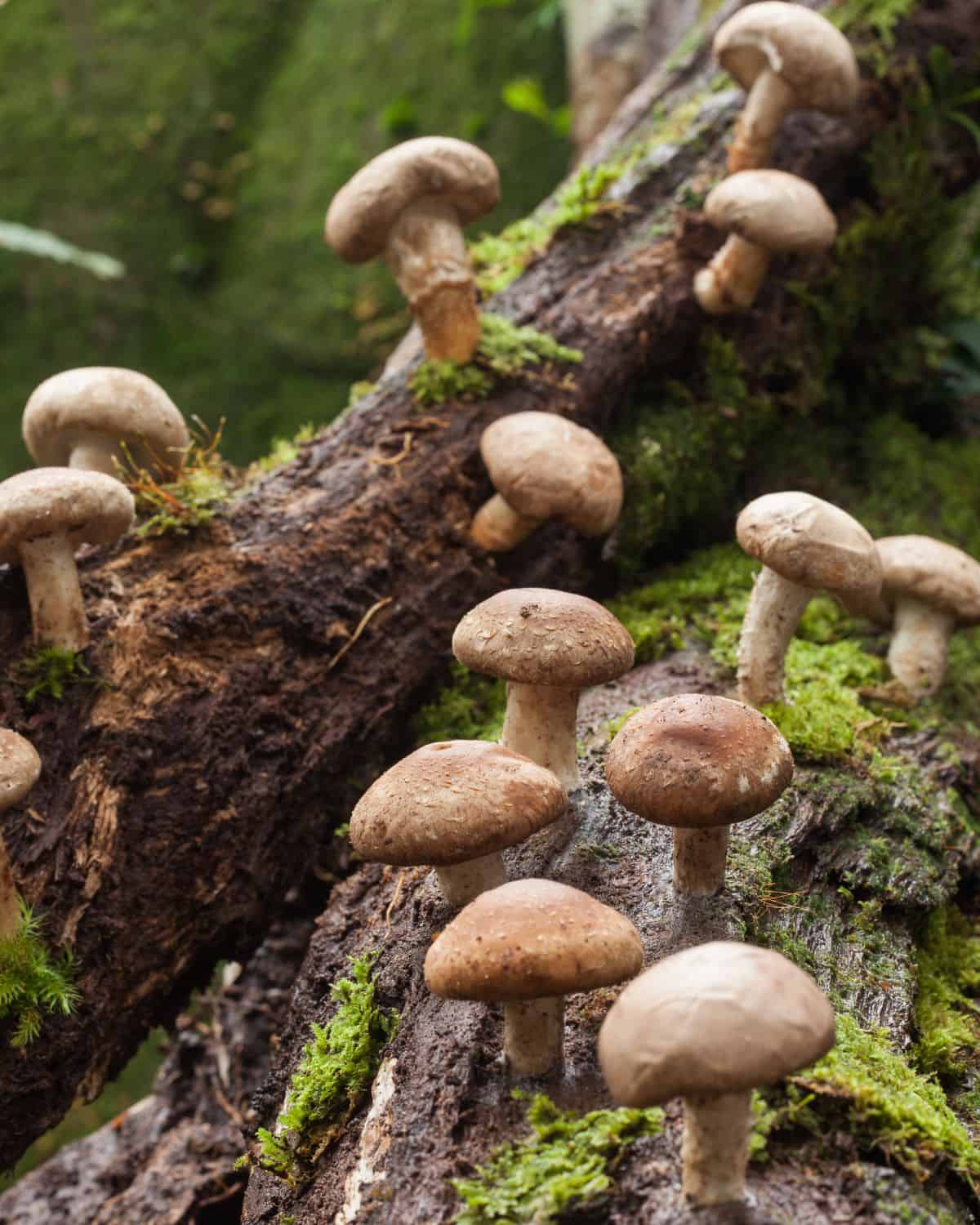
More advanced practitioners have turned to log inoculation using spawn plugs. By introducing shiitake or lion’s mane mycelium into hardwood logs, wildcrafters can simulate natural forest conditions in their own backyards. This segment of the industry reflects a broader trend toward "permaculture," where individuals seek to integrate wild-style food production into residential landscapes.
Functional Consumables and the Rise of Nootropics
The commercialization of wild flavors has moved beyond the forest and into the kitchen. Functional beverages, particularly those infused with medicinal mushrooms, have become a cornerstone of the modern health-and-wellness sector.
Mushroom-Infused Beverages
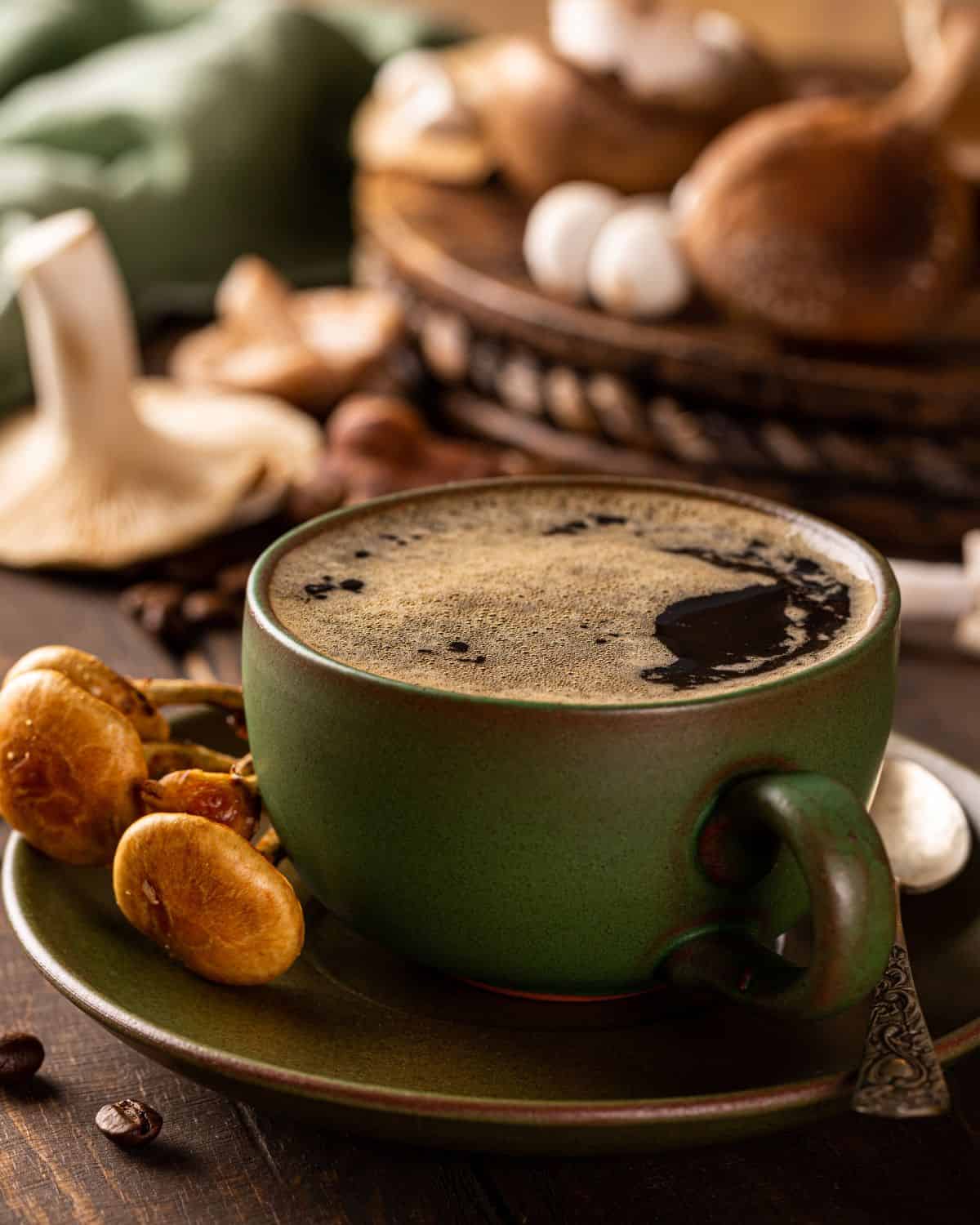
Companies like Four Sigmatic have successfully marketed "mushroom coffee" and hot cocoa blends featuring extracts of Lion’s Mane, Chaga, Cordyceps, and Reishi. These products are often marketed as nootropics—substances that may improve cognitive function. While clinical research is ongoing, the market for functional mushrooms is projected to continue its upward trajectory, driven by consumer interest in adaptogens and natural stress-relief solutions.
Botanical Aesthetics in the Home
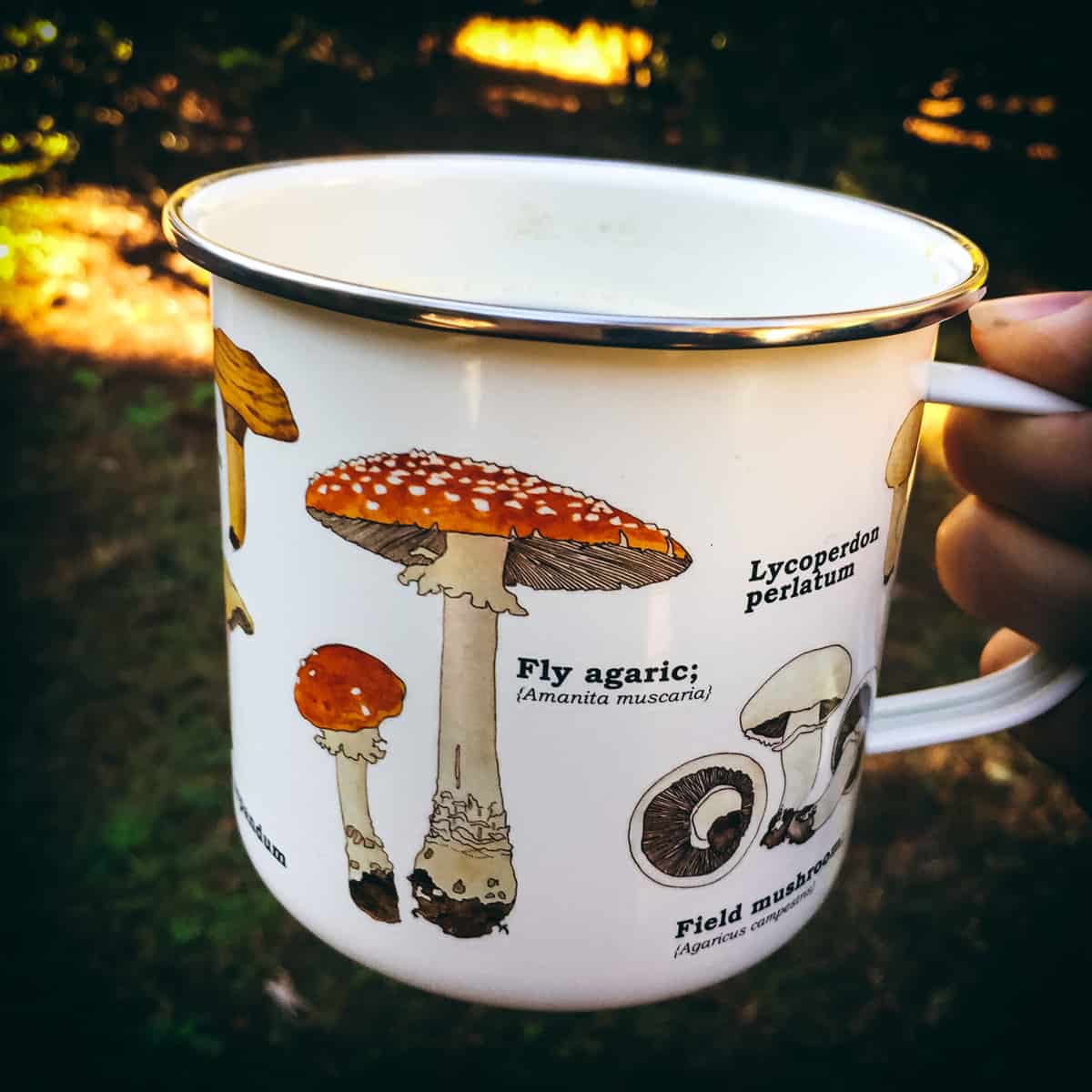
The foraging lifestyle has also permeated interior design and kitchenware. From ceramic mugs featuring vintage mycological illustrations to mushroom-themed textiles, the "cottagecore" aesthetic has driven sales of products that celebrate botanical diversity. These items serve as cultural markers, allowing enthusiasts to express their affinity for the natural world within the domestic sphere.
Literature and the Critical Importance of Field Guides
In the realm of foraging, information is the most vital tool. The holiday season typically sees a spike in the sale of field guides, which are essential for the safe identification of wild species.
Taxonomic Standards
Literature by David Arora, specifically Mushrooms Demystified and the pocket-sized All That the Rain Promises and More, remains the gold standard for mycological identification in North America. These texts are praised for their rigorous scientific accuracy combined with accessible, often humorous, prose.
For edible plants, the works of Samuel Thayer—such as Nature’s Garden and The Forager’s Harvest—are considered foundational. Thayer’s research is noted for its focus on the "phenology" of plants, or the timing of their life cycles, which is crucial for determining the optimal window for harvest.
Pedagogical Tools for Youth
Educational outreach to children is a growing subset of the wildcrafting movement. Books such as The Dandelion Seed and In a Nutshell introduce young readers to the life cycles of plants and the interconnectedness of ecosystems. Furthermore, board games like Wildcraft! An Herbal Adventure Game utilize cooperative play to teach plant identification and medicinal uses, reflecting a shift toward experiential learning in environmental education.
Market Analysis and Economic Context
The surge in foraging interest can be traced to several converging socio-economic factors. Following the global disruptions of 2020, there was a documented increase in outdoor recreation and a renewed focus on food security. According to data from the Outdoor Industry Association, participation in "nature-based" activities reached record highs during this period.
Furthermore, the "Experience Economy" has led consumers to value the process of procurement as much as the product itself. Foraging provides a low-cost, high-engagement activity that aligns with values of self-reliance and environmental stewardship. This has created a robust secondary market for the tools and resources mentioned in this guide.
Ecological Ethics and Sustainability
As foraging gains popularity, environmental advocates have raised concerns regarding the potential for over-harvesting. The "Leave No Trace" philosophy and the "Honorable Harvest" (a concept rooted in Indigenous wisdom) are increasingly emphasized in foraging literature. These ethical frameworks dictate that one should never take the first plant found, never take more than is needed, and always leave enough for the plant to reproduce and for local wildlife to thrive.
The gift of a foraging tool, therefore, carries with it an implicit responsibility. Professional foragers emphasize that the best gift for a novice is often a membership to a local mycological society or a guided walk with an expert, ensuring that the practice remains sustainable for generations to come.
Conclusion: The Broader Impact of Wildcrafting
The holiday gift guide for foragers is more than a list of products; it is a reflection of a cultural shift back toward the land. By equipping individuals with the tools to interact with their local ecosystems, these items facilitate a deeper understanding of biodiversity and environmental health.
Whether through a high-carbon steel knife, a hand-woven basket, or a meticulously researched field guide, the act of wildcrafting encourages a slower, more intentional way of living. As the market for these items continues to grow, it signals a collective desire to move away from disconnected consumption and toward a more participatory relationship with the natural world. In an era of digital saturation, the tangible, earthy reality of foraging offers a profound sense of connection that remains the ultimate gift for the modern wildcrafter.