
As the global economy grapples with persistent inflationary pressures, the rising cost of living has become a primary concern for households worldwide. According to recent data from the United States Department of Agriculture (USDA), the average American couple now spends approximately $800 per month on groceries, which translates to a weekly expenditure of $200. This figure highlights a significant portion of household income dedicated solely to food. Furthermore, the economic outlook for the near future suggests that relief is not imminent. The USDA predicts that in 2026, prices for all food categories will increase by an additional 3.6 percent, continuing a trend of upward price adjustments that have characterized the mid-2020s.
Despite these daunting projections, a growing movement of consumers is adopting strategic budgeting and lifestyle changes to mitigate the impact of rising prices. By transitioning to a low-waste, nutrient-dense, and plant-forward diet, some households have successfully reduced their monthly grocery expenditures to as little as $300—less than half the national average. This reduction is achieved not through deprivation, but through a combination of meticulous planning, strategic sourcing, and a return to home-based food production.
The Economic Landscape of Food Inflation (2021–2026)
To understand the current urgency of grocery budgeting, it is essential to examine the trajectory of food costs over the last several years. The period between 2021 and 2025 saw unprecedented volatility in the food supply chain. Factors such as extreme weather events affecting crop yields, rising labor costs in the manufacturing sector, and increased transportation expenses have all contributed to the "sticky" nature of food inflation.
A chronology of recent food price trends illustrates the challenge:
- 2021–2022: Post-pandemic supply chain disruptions and surges in energy prices led to the sharpest increase in food-at-home prices in decades.
- 2023–2024: While general inflation began to cool, food prices remained elevated due to avian flu impacting poultry and egg prices, alongside global grain shortages.
- 2025–2026: Structural shifts in agriculture, including the costs of transitioning to more sustainable farming practices and continued labor shortages, have led to the projected 3.6 percent increase for the 2026 fiscal year.
In this context, the ability to maintain a $300 monthly budget for two people is an anomaly that requires a radical departure from conventional shopping habits.
Strategic Budgeting and the Psychology of Spending
The foundation of a reduced grocery bill lies in a disciplined budgeting framework. Financial experts often suggest that the primary reason for overspending is the lack of a concrete plan before entering a retail environment. A successful strategy involves several psychological and practical components.
The Cash-Only Limitation
One of the most effective methods for adhering to a budget is the use of physical currency. Behavioral economics research suggests that consumers spend significantly less when paying with cash compared to credit or debit cards. The "pain of paying" is more acute with physical bills, which serves as a natural deterrent to impulse purchases. By setting a hard limit—for example, $75 per week—and bringing only that amount to the store, consumers are forced to prioritize essential items over luxuries.
Categorical Allocation
A structured grocery budget for a family of two aiming for a $100 weekly limit might be categorized as follows:
- Produce: $30 (focusing on seasonal and bulk items)
- Grains and Pantry Staples: $20 (rice, flour, dry beans)
- Proteins: $25 (plant-based proteins or inexpensive meat cuts)
- Dairy or Alternatives: $15
- Miscellaneous/Specialty Items: $10
By tracking expenditures within these categories after each shopping trip, households can identify where they are overspending and adjust their habits for the following week.
Sourcing Strategies: Beyond the Traditional Supermarket
Where a consumer shops is often as important as what they buy. Achieving a $300 monthly budget requires a multi-channel sourcing strategy that bypasses the high margins of traditional grocery chains.
Bulk Acquisitions and Wholesale Clubs
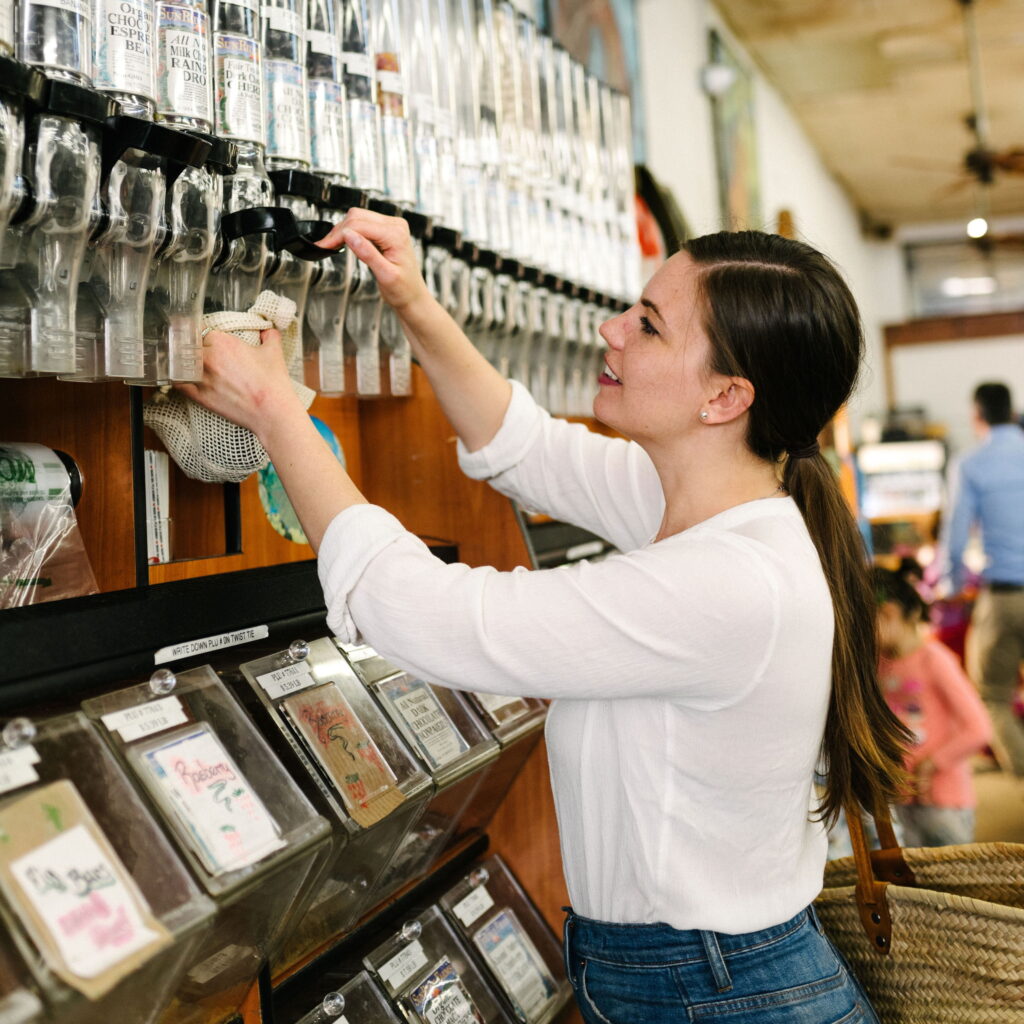
Wholesale retailers like Costco provide significant savings on non-perishable staples. Buying 25-pound bags of rice, flour, or oats reduces the price per unit drastically. Similarly, purchasing spices at local ethnic markets or in bulk bins is often 70 to 80 percent cheaper than buying individual glass jars at a standard supermarket.
The Dry Bean Revolution
One of the most impactful "hacks" for reducing food costs is the substitution of canned goods with dry alternatives. Dry beans, for instance, are a fraction of the cost of canned beans. A single bag of dry chickpeas or black beans can yield the equivalent of several cans after soaking and boiling. These can be prepared in large batches and frozen, providing the same convenience as canned goods without the added cost of packaging and processing.
Seasonal and Imperfect Produce
Shopping at farmers’ markets during peak seasons can result in lower prices for fresh produce. During the summer and fall, when crops like tomatoes, berries, and squash are prolific, farmers often lower prices to move inventory quickly. Furthermore, many retailers have begun selling "imperfect" produce—fruits and vegetables that are aesthetically flawed but nutritionally sound—at a steep discount. This practice not only saves money but also addresses the global issue of food waste, which sees nearly one-third of all food produced globally go to landfills.
The Resurgence of Home Production and DIY Staples
A significant portion of the modern grocery bill is attributed to "convenience fees"—the cost added by manufacturers for processing, slicing, and packaging food. By reclaiming these tasks, consumers can realize substantial savings.
The Economics of Bread Making
A standard loaf of artisanal sourdough or whole-wheat bread can cost between $5 and $8 at a bakery. For a household that consumes two loaves a week, this adds up to over $700 per year. In contrast, making bread at home using flour, water, salt, and yeast costs less than $1 per loaf. The use of automated bread makers, often acquired second-hand through "Buy Nothing" community groups, minimizes the labor involved, making home production sustainable for busy households.
Homemade Pantry Staples
Beyond bread, several other kitchen staples can be produced at home for a fraction of their retail price:
- Vegetable Broth: Made by simmering kitchen scraps (onion skins, carrot tops, celery ends) that would otherwise be discarded.
- Oat Flour: Created by blending bulk oats in a food processor.
- Nut Butters: Processed from bulk-purchased roasted peanuts or almonds.
- Condiments: Simple mixtures of vinegar, spices, and base ingredients like tomato paste or mustard seeds.
Versatile Ingredients
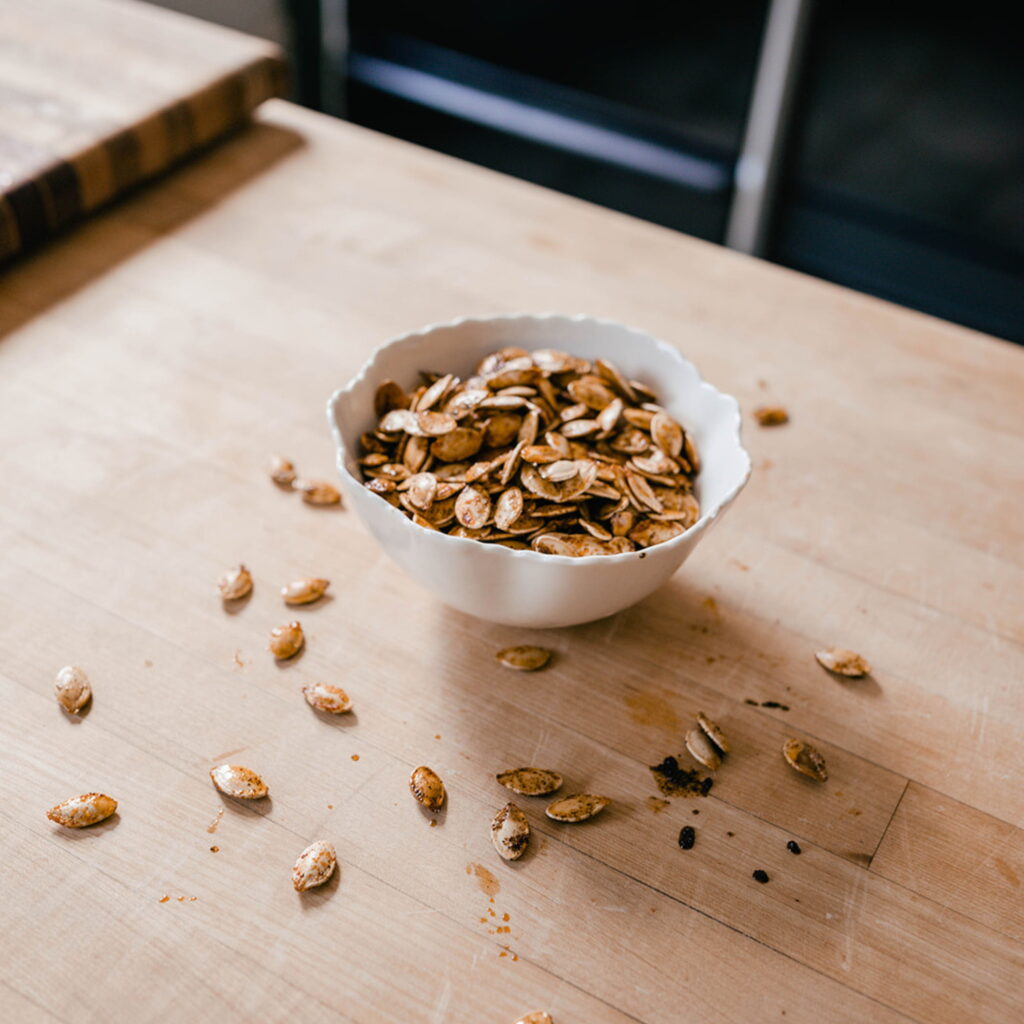
Utilizing ingredients that serve multiple purposes is a key tenet of low-waste living. For example, a whole pumpkin purchased for autumn decoration can be processed into homemade puree for pies and breads, while its seeds are roasted for a high-protein snack. This "nose-to-tail" approach to produce ensures that every cent of the grocery budget is utilized.
Leveraging Technology and Surplus Markets
In the digital age, several tools have emerged to help consumers find discounted food. Apps such as "Too Good To Go" connect users with local restaurants and grocers that have surplus food at the end of the day. These items are typically sold at one-third of their original price, allowing consumers to "rescue" high-quality meals or ingredients while staying within a tight budget.
Additionally, many grocery stores now offer mobile apps with digital coupons and "last-chance" notifications for items nearing their expiration date. Savvy shoppers can plan their weekly meals around these sales, stocking up on items like potatoes, carrots, and onions when they are offered at bulk-clearance prices.
Analysis of Broader Implications
The shift toward a $300-a-month grocery budget represents more than just individual financial prudence; it reflects a broader socio-economic trend toward sustainability and resilience. As the USDA’s 2026 projections suggest, the era of cheap, easily accessible food may be ending.
Health and Longevity
The "plant-forward" diet required to maintain such a low budget aligns with the eating habits found in "Blue Zones"—regions of the world where people live significantly longer lives. These diets are characterized by high consumption of legumes, whole grains, and seasonal vegetables, with minimal processed meats and sugars. Thus, the economic necessity of a lower grocery bill may inadvertently lead to improved public health outcomes.
Environmental Impact
The low-waste aspect of this budgeting style significantly reduces a household’s carbon footprint. By avoiding plastic packaging, reducing food waste, and lowering demand for resource-intensive meat products, budget-conscious consumers are contributing to environmental conservation.
Financial Resilience
In an era of economic uncertainty, the ability to slash a major living expense by 60 percent provides a significant buffer against job loss or other financial emergencies. The "DIY" skills acquired—such as preserving food, baking bread, and strategic meal planning—are intangible assets that increase a household’s self-sufficiency.
Conclusion
The challenge of feeding a household on $300 a month in 2026 is significant, but as demonstrated by a growing number of practitioners, it is achievable through a combination of discipline, resourcefulness, and a shift in dietary priorities. By viewing grocery shopping not as a passive chore but as a strategic operation, consumers can navigate the complexities of food inflation while maintaining a high standard of nutrition and quality of life. As the USDA continues to monitor price fluctuations, the lessons learned from low-waste, plant-forward budgeting will likely become essential tools for the modern household.


