The global resurgence of interest in plant-based wellness and traditional apothecary practices has created a burgeoning market for herbalism-related products and education. As consumers increasingly prioritize self-sufficiency and natural health, the demand for specialized tools, high-quality botanical ingredients, and comprehensive educational resources has reached unprecedented levels. This guide serves as a comprehensive overview of the essential components required to build a functional home apothecary, ranging from raw botanical materials to sophisticated laboratory equipment and academic literature.

The Growth of the Global Herbal Market and Consumer Trends
Recent market analysis indicates that the global herbal medicine market is projected to grow significantly over the next decade. Driven by a shift toward preventative healthcare and a rising preference for organic products, the industry is seeing a diversification of consumer needs. This shift is not limited to finished supplements; rather, there is a distinct trend toward "DIY herbalism," where individuals seek to formulate their own tinctures, salves, and infusions.
The rise of the "home herbalist" has created a specific niche for gift-giving and professional procurement. For the aspiring practitioner, the acquisition of foundational materials is a critical first step. For the seasoned herbalist, the focus shifts toward precision equipment, rare botanical specimens, and advanced dermatological formulations. This guide categorizes these needs into logical sectors: raw botanicals, infusion equipment, storage solutions, and intellectual resources.
Foundational Materials: The Apothecary’s Raw Ingredients
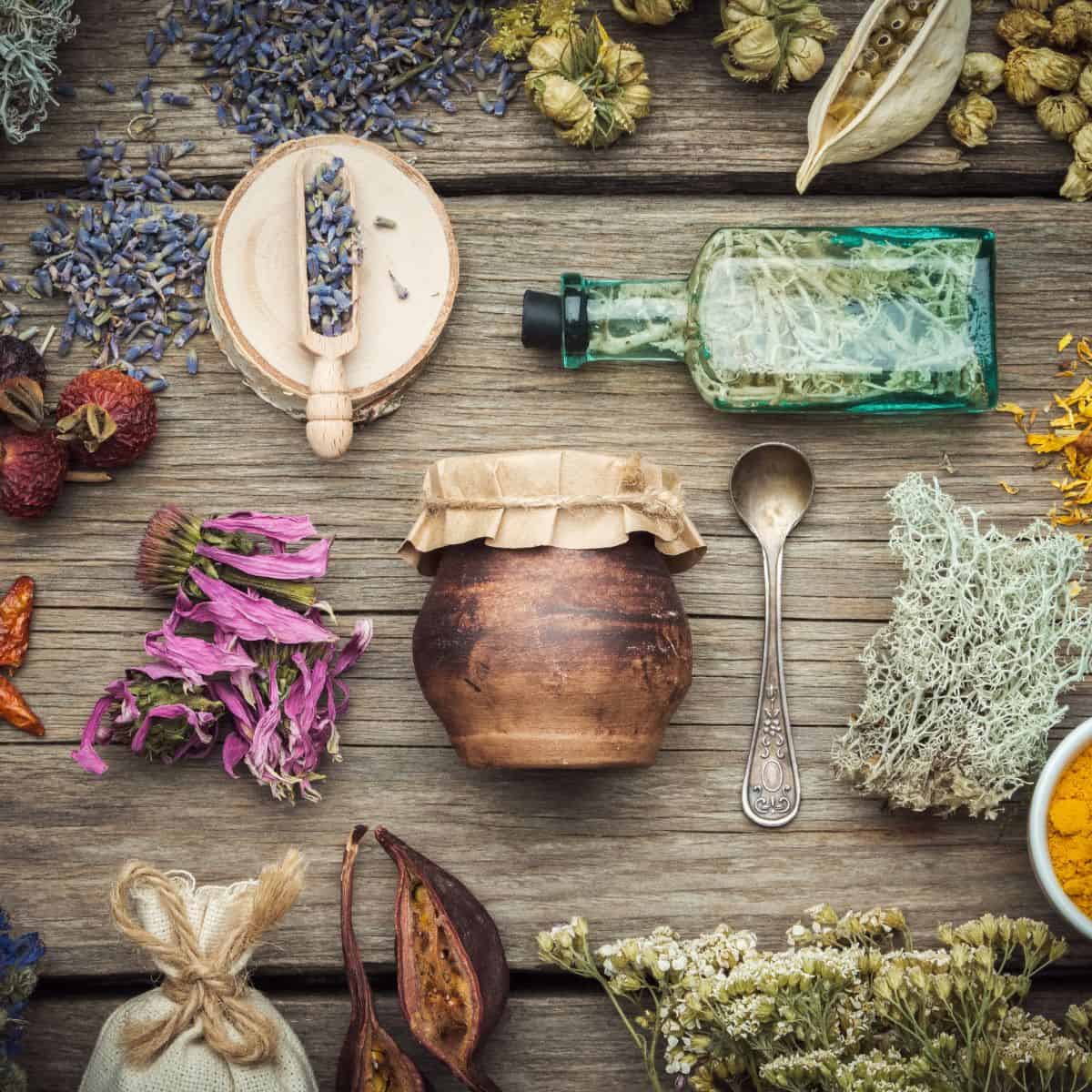
The efficacy of any herbal preparation is fundamentally dependent on the quality of the raw materials used. Professional herbalists emphasize the importance of sourcing organic, sustainably harvested, and ethically traded dried herbs. Mountain Rose Herbs has emerged as a primary benchmark for quality in the North American market, offering a vast catalog of botanicals that meet rigorous purity standards.
Essential Bulk Botanicals
A well-stocked apothecary typically begins with a selection of versatile "workhorse" herbs. These include:
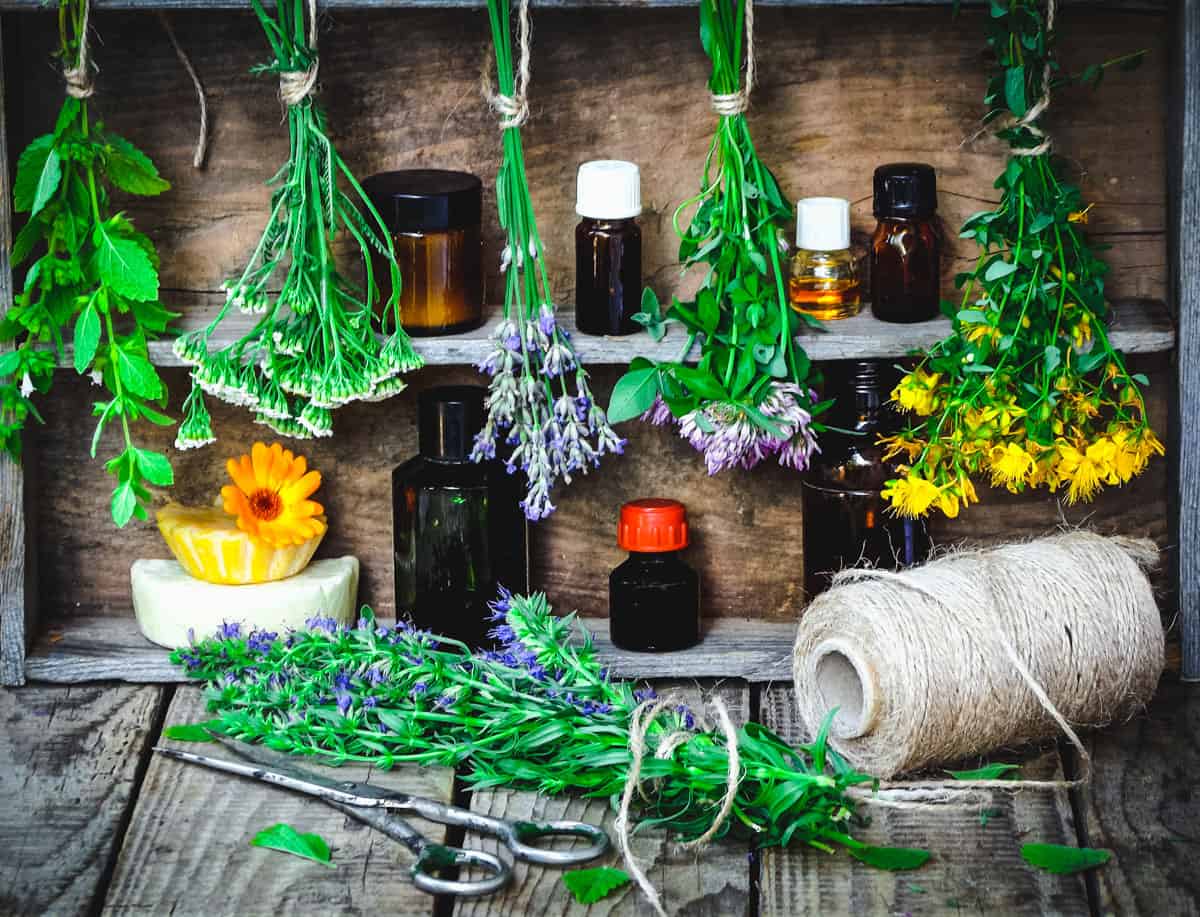
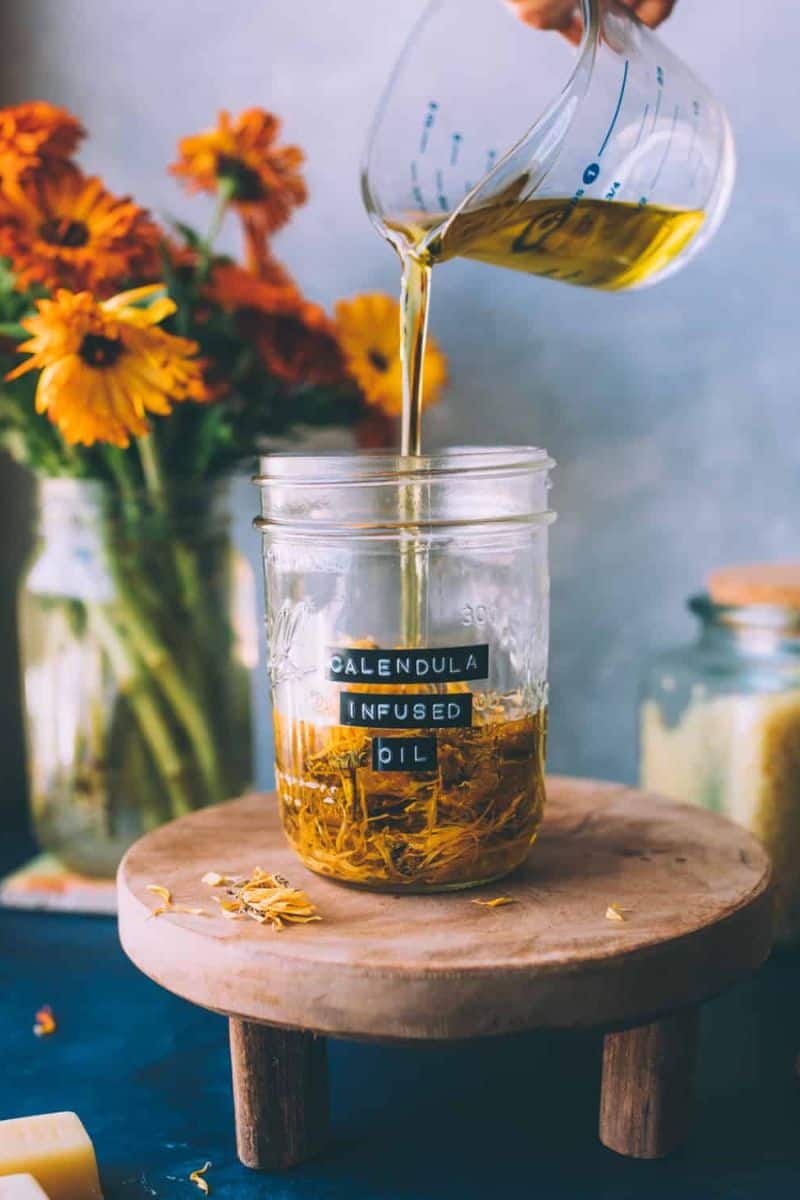
- Calendula (Calendula officinalis): Highly valued for its anti-inflammatory and skin-soothing properties, making it a staple for topical salves.
- Lavender (Lavandula angustifolia): Utilized for its nervine qualities and aromatic appeal in both teas and cosmetic applications.
- Elderberry (Sambucus nigra): A critical ingredient for immune-supportive syrups, particularly during the winter season.
- Chamomile (Matricaria chamomilla): Frequently used in digestive and sedative formulations.
- Rosemary (Salvia rosmarinus): A potent antioxidant used in culinary, medicinal, and hair-care preparations.
For those looking to provide a comprehensive gift, "themed kits" have become a popular entry point. These kits are often organized by physiological systems, such as digestive health, nervous system support (nervines), or respiratory wellness. By grouping specific herbs like ginger, peppermint, and fennel for digestion, or ashwagandha and lemon balm for stress management, the herbalist can begin practicing targeted formulation immediately.
The Science of Infusion: Tea and Extraction Equipment
Herbal delivery systems most commonly involve aqueous extractions (teas and decoctions) or hydro-ethanolic extractions (tinctures). The equipment used in these processes must facilitate maximum constituent extraction while maintaining the integrity of the plant material.
Advanced Brewing Vessels
While a standard mug suffices for casual consumption, the serious herbalist requires vessels that allow for long infusion times and controlled temperatures. Glass teapots with integrated infusers are preferred for visual monitoring of the infusion process, allowing the practitioner to observe color changes that indicate strength.
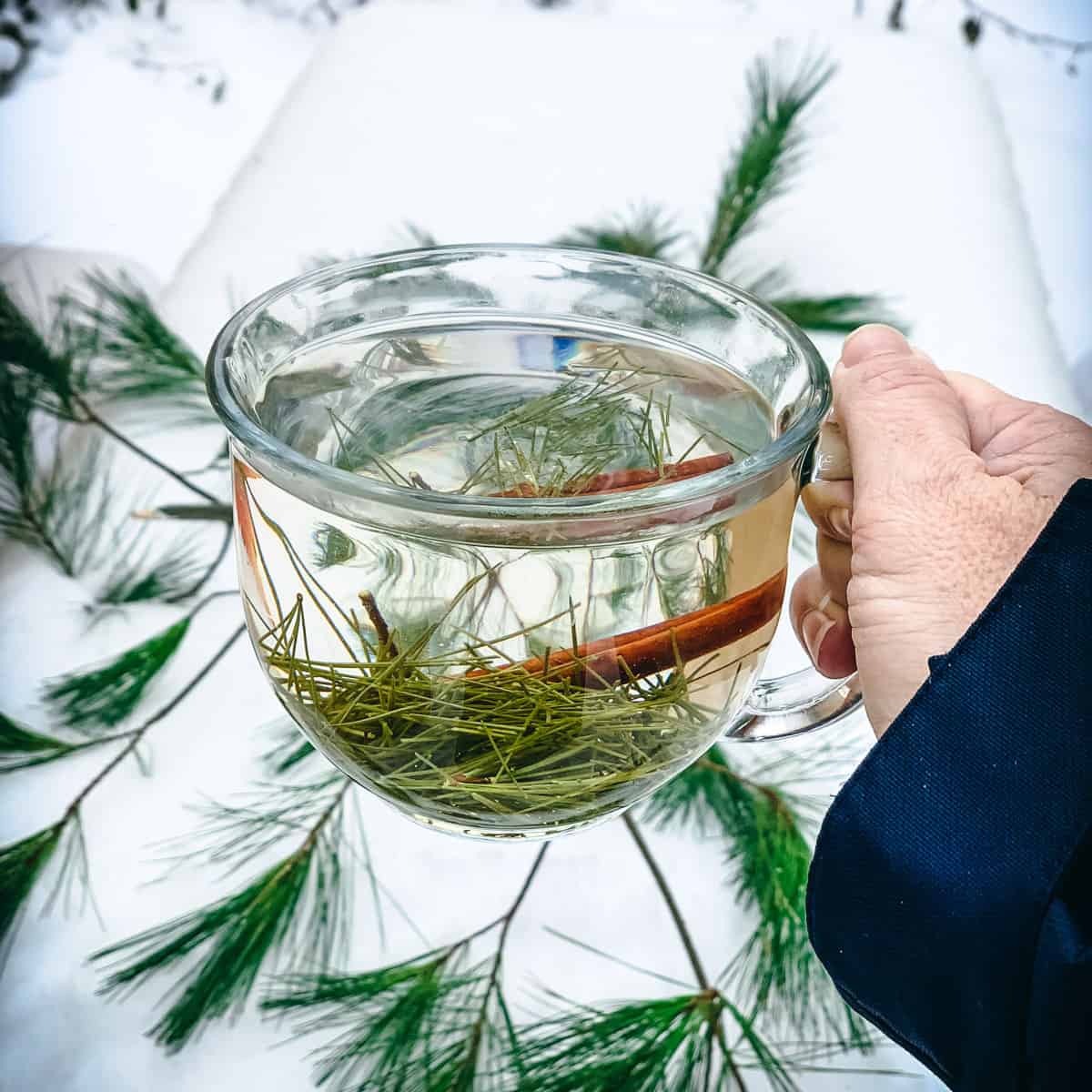
Cast iron teapots, particularly Japanese tetsubin-style vessels, are favored for their heat retention capabilities, which is essential for "long-steep" nutritive infusions like stinging nettle or oatstraw. For individual use, ceramic infuser mugs with fitted lids are critical; the lid prevents volatile oils—the aromatic compounds containing much of the medicinal value—from escaping via steam.
Sustainable Filtration Solutions
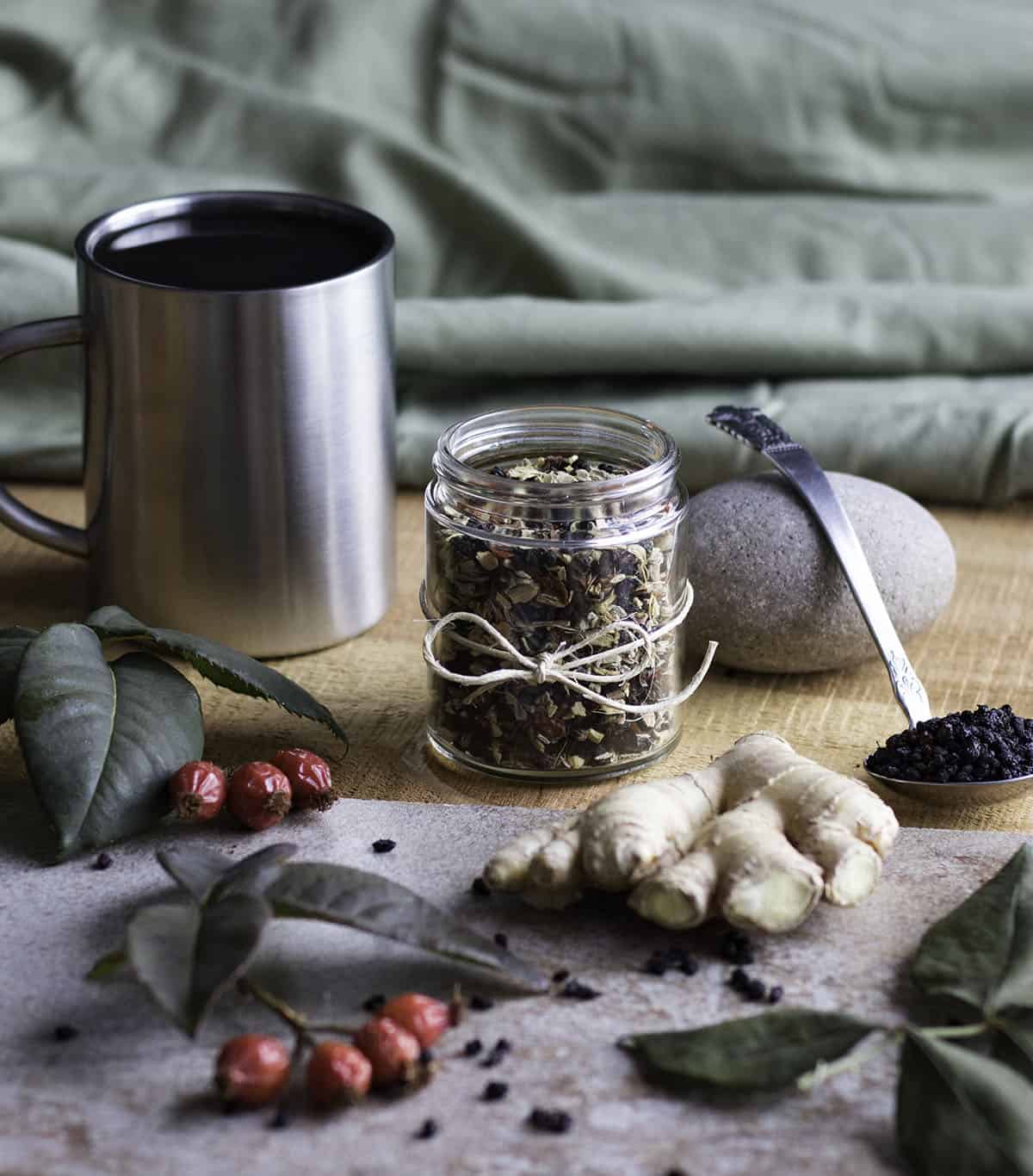
The move away from single-use plastics and bleached paper has led to a preference for stainless steel mesh strainers and reusable cloth tea bags. Fine mesh strainers are essential for removing small botanical particles from finished teas or oils. Stainless steel is the industry standard due to its non-reactive nature, ensuring that the chemical profile of the herb is not altered by metallic leaching.
Storage and Preservation: The Hardware of the Apothecary
Proper storage is the most overlooked aspect of herbalism. Light, heat, and oxygen are the primary catalysts for the degradation of medicinal compounds. Therefore, the selection of jars and bottles is a matter of pharmaceutical preservation rather than mere aesthetics.
Glassware and Airtight Sealing
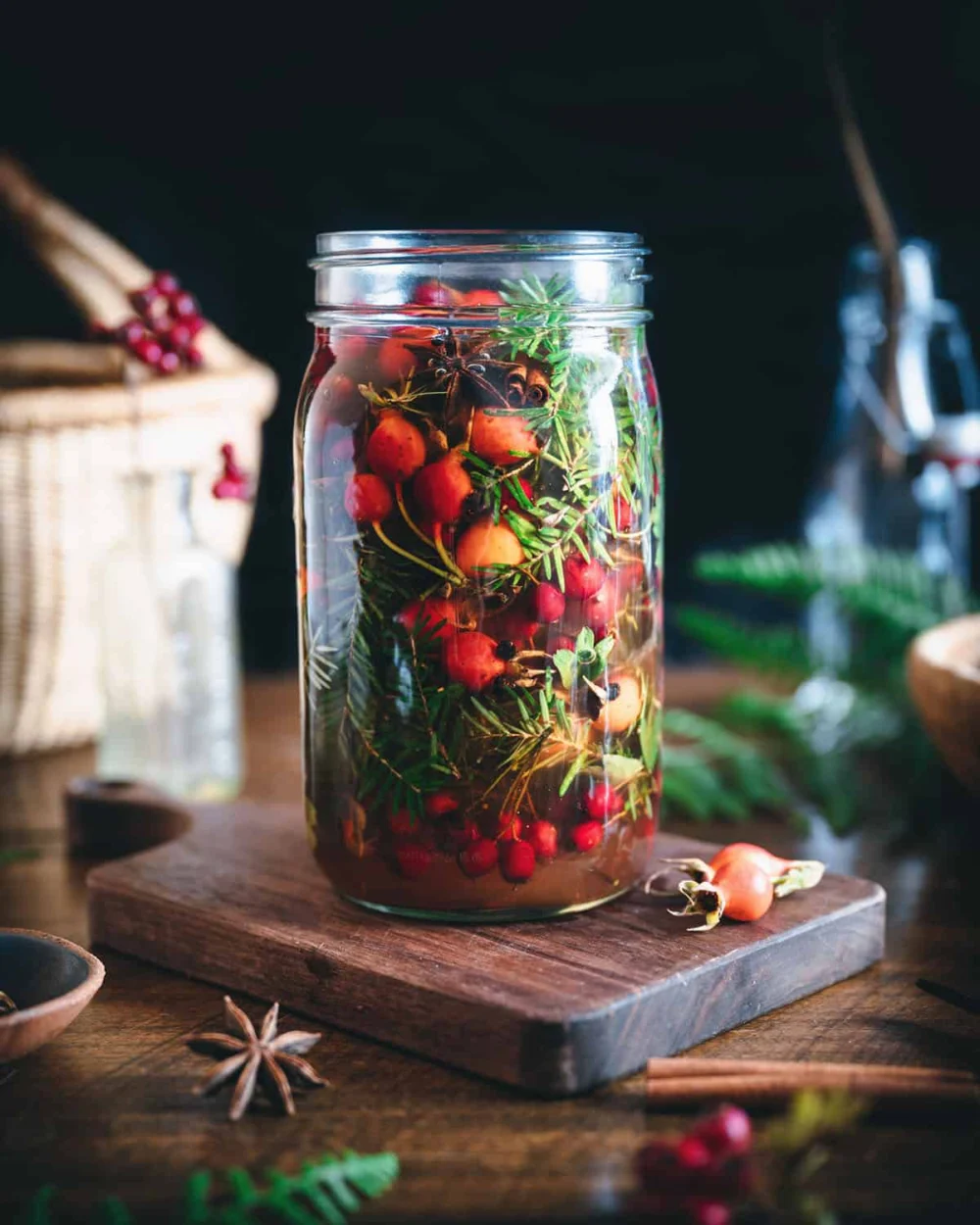
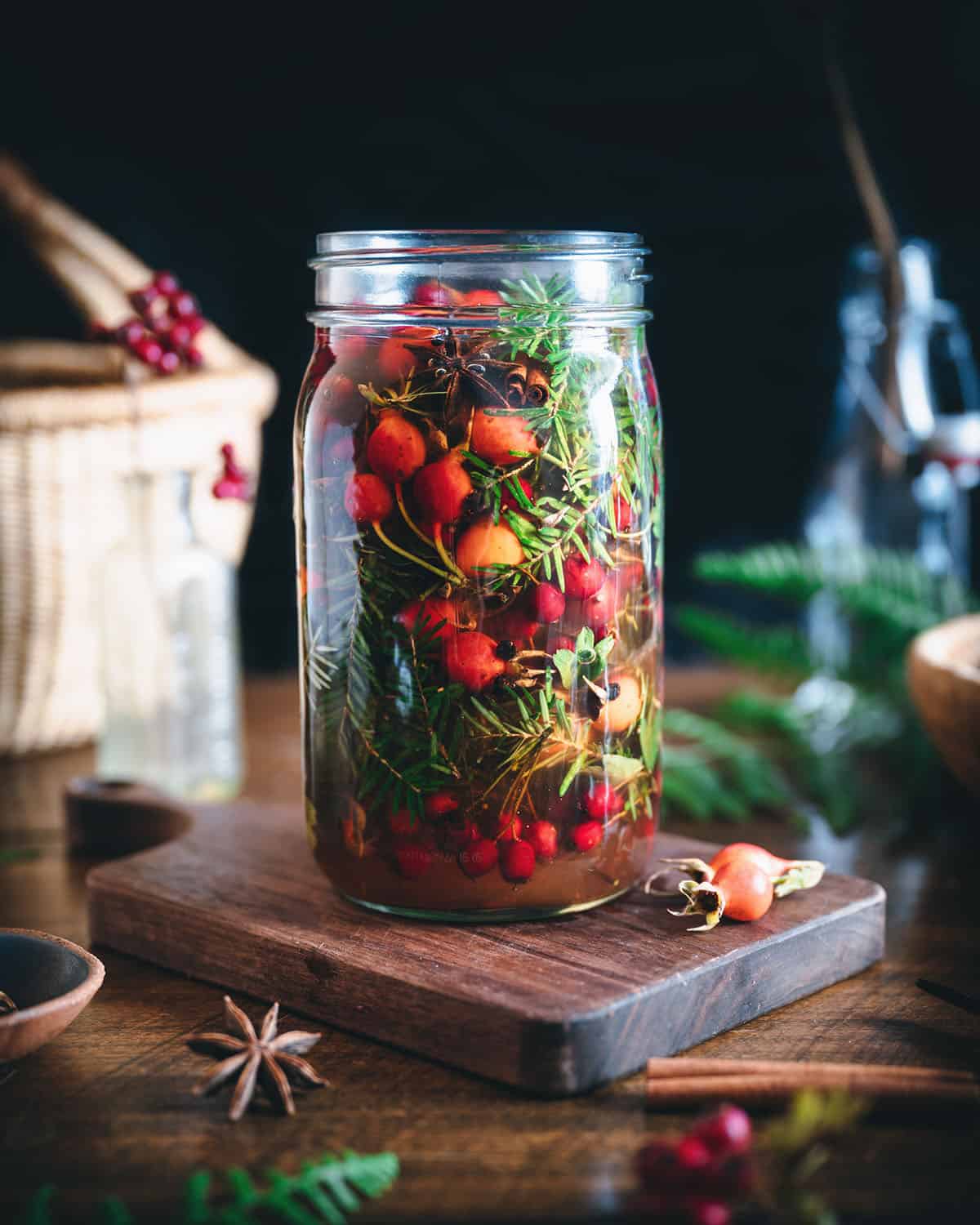
Mason jars remain the industry standard for solar infusions and bulk herb storage. However, the introduction of specialized leak-proof storage lids has revolutionized the process. Unlike traditional metal canning lids, which can rust or react with acidic vinegars and tinctures, BPA-free plastic leak-proof lids allow for the vigorous agitation of macerations without risk of contamination or leakage.
For finished extractions, specific glass types are required:
- Amber Glass Tincture Bottles: The dark tint filters out UV rays, extending the shelf life of alcohol-based extracts for several years.
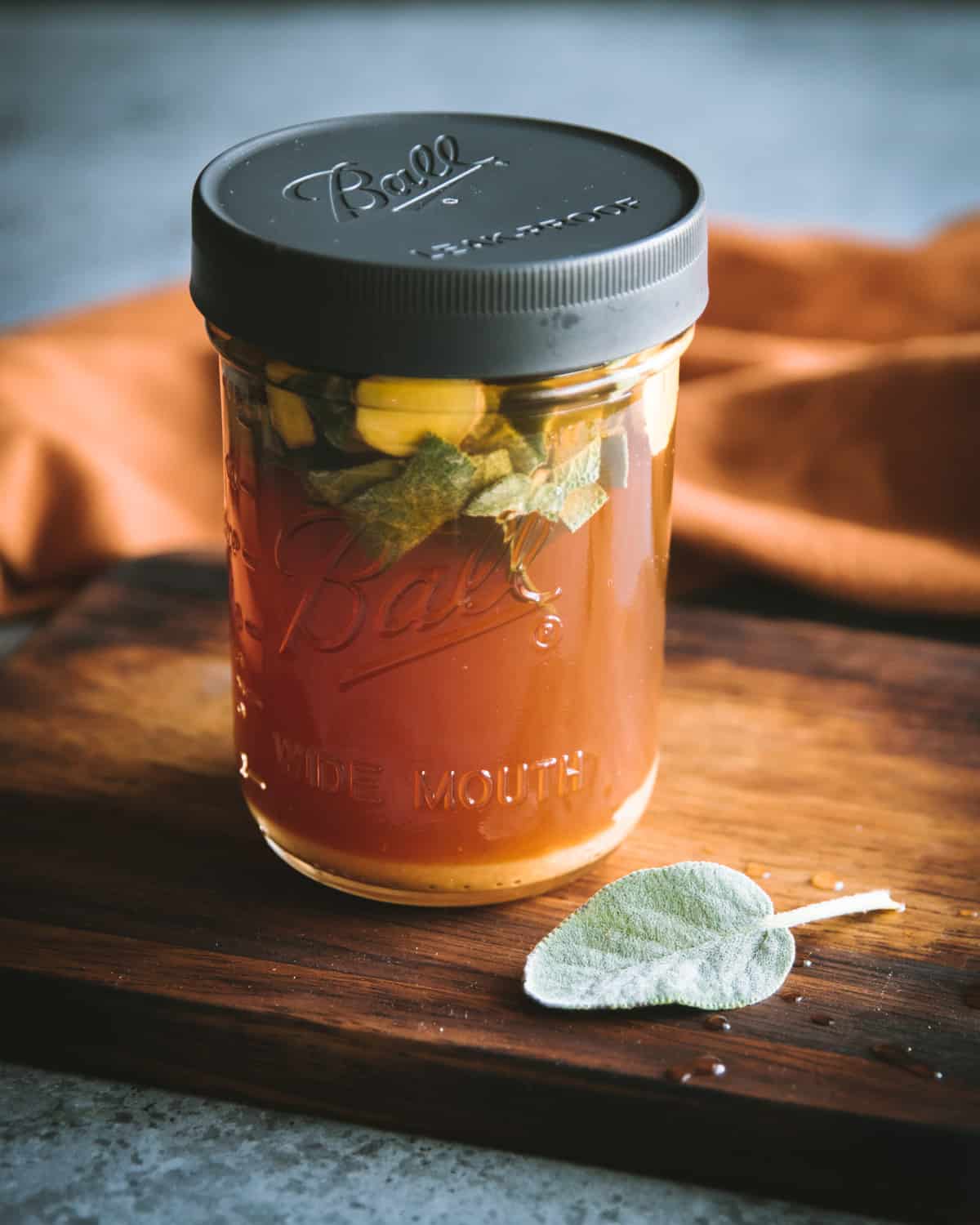
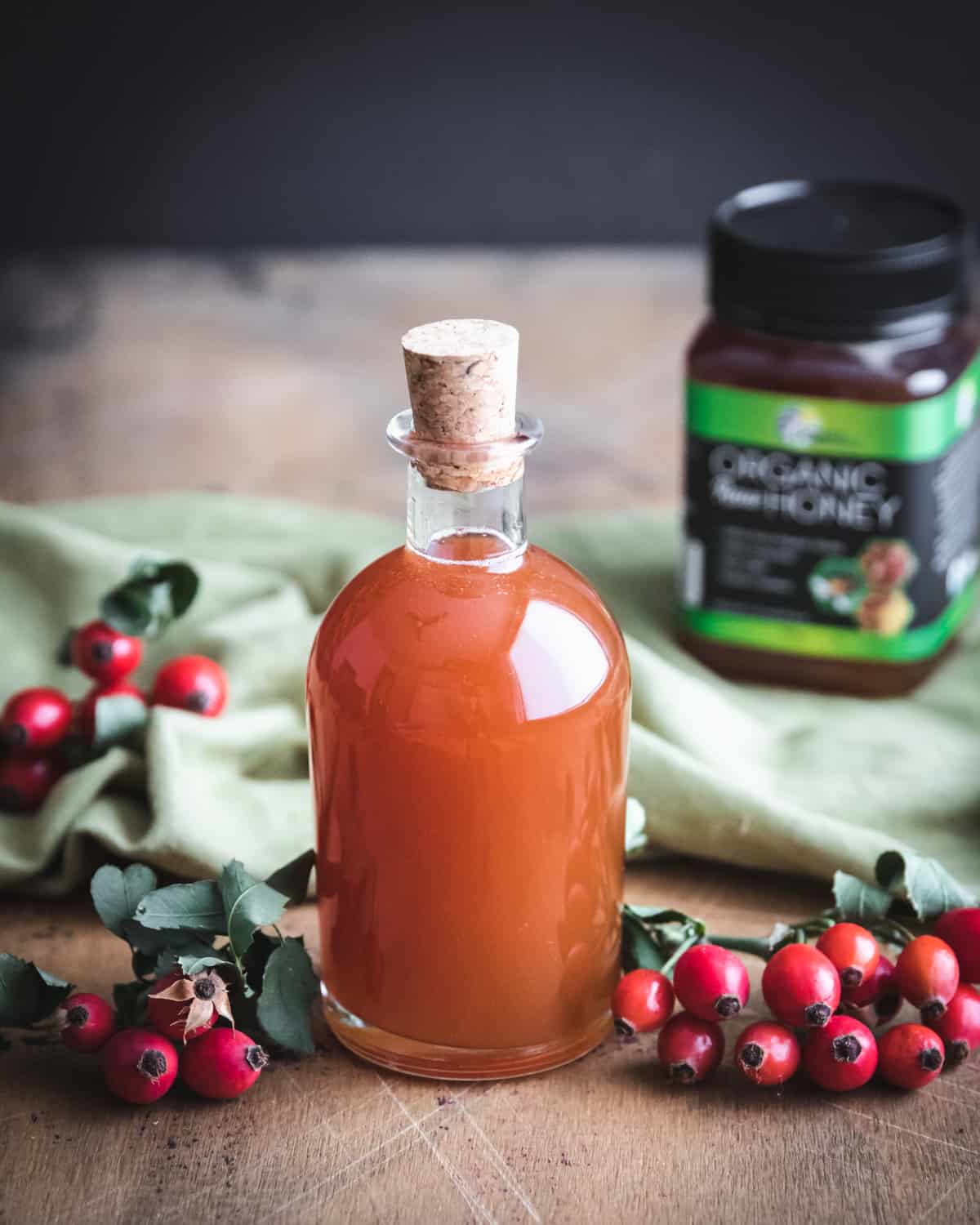
- Boston Round Bottles: Often used for syrups and herbal vinegars, these bottles are designed for easy pouring and can be fitted with corks or phenolic caps.
- Metal Tins and Small Glass Jars: These are indispensable for salves, lip balms, and creams. Tins are particularly popular for travel-sized products and holiday gift-giving.
Topical Formulations: Carrier Oils and Skin-Care Bases
Herbalism extends beyond internal consumption into the realm of botanical skincare. This requires a separate inventory of lipid-based ingredients and emulsifiers.
Carrier Oils and Butters
The base of any herbal salve or lotion is a carrier oil, such as jojoba, sweet almond, or avocado oil. Professional-grade oils must be cold-pressed and unrefined to retain their nutrient density. For thicker topical applications, herbalists utilize plant butters like shea or cocoa butter, which provide a protective barrier on the skin.
Beeswax and Emulsifiers
Beeswax is the primary thickening agent used to turn infused oils into solid salves. High-quality yellow beeswax pellets are preferred for their ease of measurement and natural honey aroma. In the "clean beauty" sector, there is a significant demand for these raw materials as consumers move away from petroleum-based skin products.
Education and Intellectual Property: From Amateur to Practitioner
The transition from hobbyist to professional herbalist requires a structured educational foundation. As the field is largely self-regulated in many regions, the quality of one’s source material is paramount.

Online Curricula and Institutional Learning
The Herbal Academy has become a leading institution for online botanical education. Their courses range from introductory levels to professional clinical herbalism. These programs often cover botany, phytochemistry, and the legalities of herbal labeling, providing a comprehensive framework for safe practice.
Essential Literature
A robust herbal library is a prerequisite for any practitioner. Key texts that have shaped modern herbalism include:
- Healing Herbal Infusions by Colleen Codekas: A practical guide focusing on accessible home remedies.
- Rosemary Gladstar’s Medicinal Herbs: A Beginner’s Guide: Often considered the "gold standard" for those entering the field.
- The Herbal Medicine-Maker’s Handbook by James Green: A technical manual focused on the "how-to" of extractions.
- Botanical Skin Care Recipe Book: A specialized resource for formulating high-end natural beauty products.
Economic and Environmental Implications of Modern Herbalism
The surge in herbalism is not merely a lifestyle trend; it has significant economic and environmental implications. The "Green Consumer" demographic is willing to pay a premium for transparency in the supply chain. This has forced suppliers to adopt more rigorous sustainability standards, such as the "FairWild" certification, which ensures that wild-collected plants are harvested in a way that maintains the survival of the species and the health of the ecosystem.
Furthermore, the rise of domestic herbalism contributes to a decentralized healthcare model. By learning to manage minor ailments—such as skin irritations, digestive upset, or mild sleep disturbances—at home, individuals reduce the burden on primary care systems. Analysts suggest that this "self-care" economy will continue to grow as healthcare costs rise and interest in holistic wellness persists.
Conclusion: The Future of the Herbalist’s Craft
The modern herbalist sits at the intersection of ancient tradition and contemporary science. The tools and resources outlined in this guide represent the physical requirements of the craft, but the broader impact lies in the empowerment of the individual to take charge of their own wellness. Whether through the brewing of a simple nutritive tea or the complex formulation of a clinical tincture, the use of botanical medicine remains one of the most enduring human practices.
As the holiday season approaches, the procurement of these items serves as an investment in both health and heritage. By prioritizing quality ingredients, durable equipment, and verified education, the herbalist is equipped to navigate the complexities of the natural world with precision and efficacy. This guide underscores the reality that herbalism is not just a collection of recipes, but a disciplined study of the relationship between the plant kingdom and human physiology.