The Shift Toward Ethical Consumerism in 2025
The release of the 2025 sustainable gift guide follows a decade of shifting consumer sentiment. Data from the Global Sustainability Study indicates that approximately 85% of consumers have shifted their purchase behavior toward being more sustainable over the past five years. This transition is particularly evident during the fourth quarter, where the "circular economy"—a model of production and consumption that involves sharing, leasing, reusing, repairing, refurbishing, and recycling—has begun to displace traditional linear retail models.
The guide prioritizes items that facilitate a "zero-waste" lifestyle, an movement that has evolved from a niche environmentalist pursuit into a mainstream consumer category. By categorizing recommendations into specific lifestyle segments—new environmentalists, home-focused consumers, and frequent travelers—the guide addresses the diverse needs of a population increasingly concerned with the longevity and origin of their purchases.
Strategies for the Budding Environmentalist
For individuals beginning their transition toward low-impact living, the 2025 guide emphasizes "gatekeeper" products—items that replace high-volume single-use plastics with durable, aesthetically pleasing alternatives. Market research suggests that the most effective way to encourage sustainable habits is through the provision of high-quality alternatives that do not sacrifice functionality for ethics.
Artisanal Craftsmanship and Waste Reduction
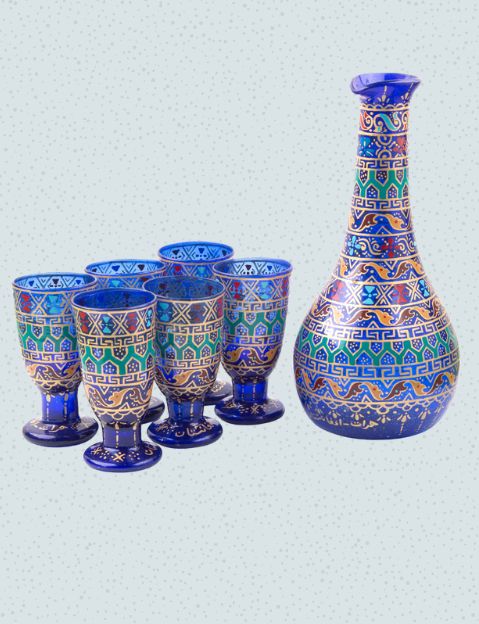
One of the primary recommendations in the 2025 guide is the Herati glassware collection from Aseel. This selection highlights the importance of supporting traditional artisanal techniques that utilize recycled materials. Hand-blown glass not only reduces the energy consumption associated with industrial manufacturing but also supports local economies in regions where traditional crafts are under threat from mass-produced imports.
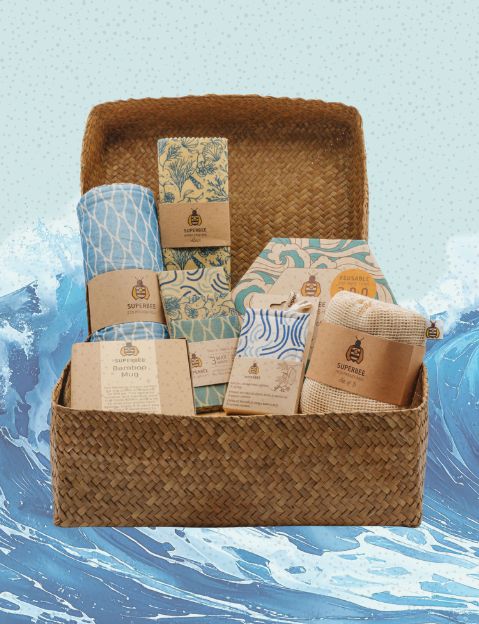
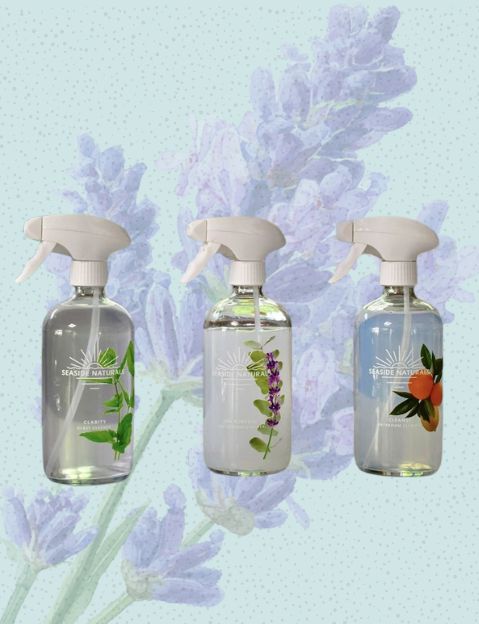
Similarly, the guide highlights the Seaside Naturals Start-Up Kit and Superbee Ocean Action Bundles. These collections are designed to address the "plastic crisis" in the kitchen and bathroom—the two rooms responsible for the highest output of household plastic waste. The Superbee bundle, in particular, targets the reduction of plastic wrap and single-use cleaning supplies, utilizing beeswax and organic cotton. Data from the Environmental Protection Agency (EPA) suggests that replacing single-use food wraps with reusable alternatives could prevent thousands of pounds of plastic from entering landfills over a single family’s lifetime.
Reusable Textiles in Daily Commerce
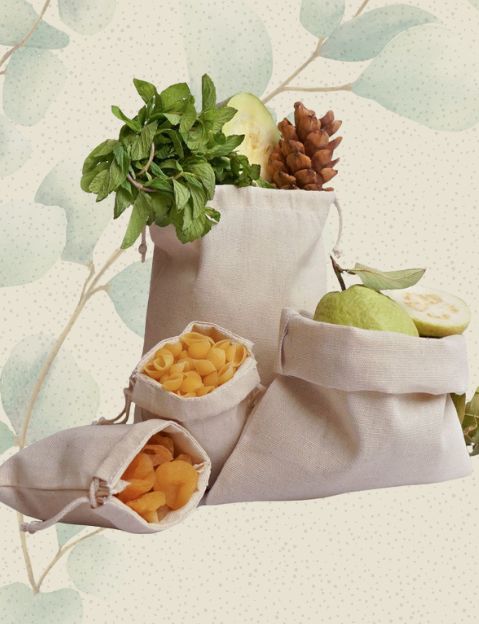
The inclusion of BigLotBags muslin bags addresses the significant environmental toll of plastic produce bags. While many consumers have adopted reusable grocery totes, produce bags remain a major source of thin-film plastic waste, which is notoriously difficult to recycle. Muslin alternatives represent a biodegradable and washable solution that aligns with the "zero-waste" philosophy of eliminating plastic at the source.
Cozy Living: Sustainable Textiles and Ethical Home Goods
The "Cozy Living" segment of the 2025 guide focuses on the textile industry, which is currently the second-largest industrial polluter globally. The guide advocates for a transition to organic fibers and ethical manufacturing processes to mitigate the environmental impact of home decor and apparel.

The Impact of Organic Cotton and Linen
The guide features Delilah Home organic cotton bath towels and Piglet in Bed linen bedsheets as primary recommendations for the 2025 season. The environmental data supporting these choices is substantial: organic cotton uses 91% less water than conventional cotton and eliminates the use of synthetic pesticides and fertilizers. Linen, derived from the flax plant, is even more sustainable, requiring minimal irrigation and often being processed without harsh chemicals.
In the apparel sub-category, the guide identifies Pact no-show socks and Organic Basics pajamas as essential sustainable gifts. Both brands utilize Global Organic Textile Standard (GOTS) certified cotton. Industry reports from 2024 indicate that GOTS-certified products ensure not only environmental standards but also fair labor practices throughout the supply chain, addressing the "social" pillar of sustainability.

Clean Atmosphere and Energy Efficiency
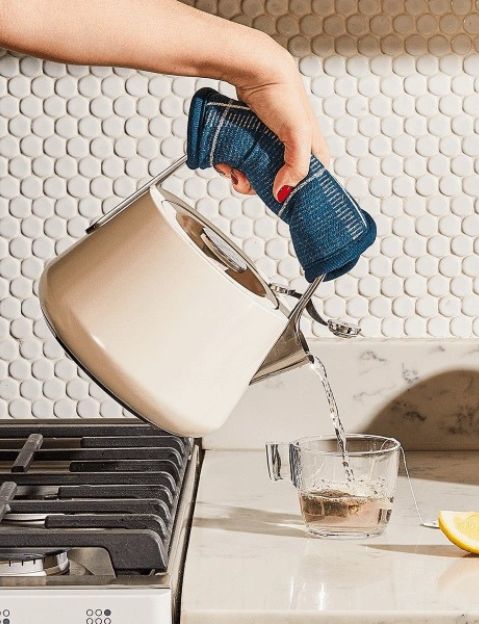
The PF Candle Co. and Caraway tea kettles represent the guide’s focus on indoor air quality and energy-efficient kitchenware. Traditional paraffin candles are petroleum-derived and can release volatile organic compounds (VOCs) when burned. The guide’s recommendation of soy-based or beeswax alternatives reflects a growing awareness of "cleaner" home environments. Meanwhile, the Caraway tea kettle emphasizes the move toward non-toxic, ceramic-coated cookware, which avoids the "forever chemicals" (PFAS) often found in traditional non-stick surfaces.
The Sustainable Traveler: Portability and Low Impact
As global tourism returns to and exceeds pre-pandemic levels, the 2025 guide addresses the "traveler’s footprint." Sustainable travel gear is defined by its durability, weight-efficiency, and ability to eliminate the need for single-use amenities.
Personal Care on the Move
A significant portion of the guide is dedicated to solid-state personal care products, such as EcoRoots shampoo bars and the Leaf Shave razor kit. According to data from the plastic-free movement, over 550 million shampoo bottles are thrown away annually in the United States alone. Shampoo bars eliminate the need for plastic packaging and reduce the carbon emissions associated with transporting liquid products, which are primarily composed of water.
The Leaf Shave razor is highlighted for its "buy-it-for-life" engineering. Unlike disposable plastic razors, which contribute to the 2 billion razors ending up in landfills each year, all-metal safety razors are infinitely recyclable and significantly more cost-effective over a long-term horizon.
Durable Goods and First Aid
The Coalatree Quest duffle bag and Patch on-the-go travel kit round out the traveler’s recommendations. Coalatree’s use of recycled materials for its luggage lines exemplifies the "upcycling" trend in the outdoor industry. Patch bandages, made from bamboo fibers, address a frequently overlooked source of plastic waste: the medical and first aid category. Bamboo is a highly renewable resource that biodegrades significantly faster than the plastic or fabric-plastic blends used in traditional adhesive bandages.
Regenerative Gifting: Beyond Sustainability
A notable trend in the 2025 guide is the shift from "sustainable" (maintaining the status quo) to "regenerative" (actively improving the environment). This is best exemplified by the inclusion of Trees for a Change and TenTree.

Reforestation and Carbon Sequestration
Trees for a Change allows gift-givers to fund the planting of trees in areas devastated by wildfires. This model provides a tangible environmental benefit, contributing to carbon sequestration and habitat restoration. TenTree, an apparel company, operates on a similar "buy one, plant ten" model. As of early 2025, these initiatives have collectively contributed to the planting of hundreds of millions of trees globally. Climate scientists suggest that large-scale reforestation remains one of the most effective tools for mitigating the effects of global warming.
Chronology of the Sustainable Gifting Movement (2015–2025)
The evolution of the sustainable gift guide can be traced through a decade of changing retail landscapes:

- 2015–2017: The movement was largely characterized by "DIY" solutions and niche Etsy shops. Sustainable gifting was often synonymous with homemade items or high-priced luxury eco-goods.
- 2018–2020: The "Blue Planet Effect" led to a surge in demand for reusable straws, water bottles, and beeswax wraps. Major retailers began introducing small "eco-friendly" sections.
- 2021–2023: Post-pandemic supply chain disruptions highlighted the importance of local and ethical sourcing. The "circular economy" became a corporate buzzword, and brands like Patagonia and Pact gained significant market share.
- 2024–2025: Sustainability is now integrated into product design from the outset. The 2025 guide reflects a market where high-performance, aesthetically pleasing, and ethically produced goods are the standard rather than the exception.
Broader Implications and Market Impact
The 2025 Sustainable Gift Guide is more than a list of consumer products; it is a reflection of a systemic change in how value is defined in the modern economy. Economic experts suggest that the "Green Holiday" trend is forcing traditional manufacturers to re-evaluate their packaging and material choices to remain competitive.
"The 2025 guide highlights a critical shift," says a retail industry analyst. "Consumers are no longer just buying a product; they are buying the ethics of the supply chain. If a brand cannot prove its environmental credentials, it risks obsolescence during the most important quarter of the fiscal year."
Furthermore, the guide addresses the "waste of wrapping." Traditional wrapping paper is often laminated with plastic or foil, making it unrecyclable. The 2025 guide’s advocacy for Furoshiki (fabric wrapping), upcycled paper, and reusable boxes is part of a broader movement to eliminate the 2.3 million tons of wrapping paper waste generated annually in the U.S.
As the 2025 holiday season approaches, the transition toward sustainable gifting represents a rare alignment of consumer desire, corporate responsibility, and environmental necessity. By choosing gifts that are durable, ethical, and regenerative, consumers are exercising their most powerful tool for environmental change: their purchasing power.