
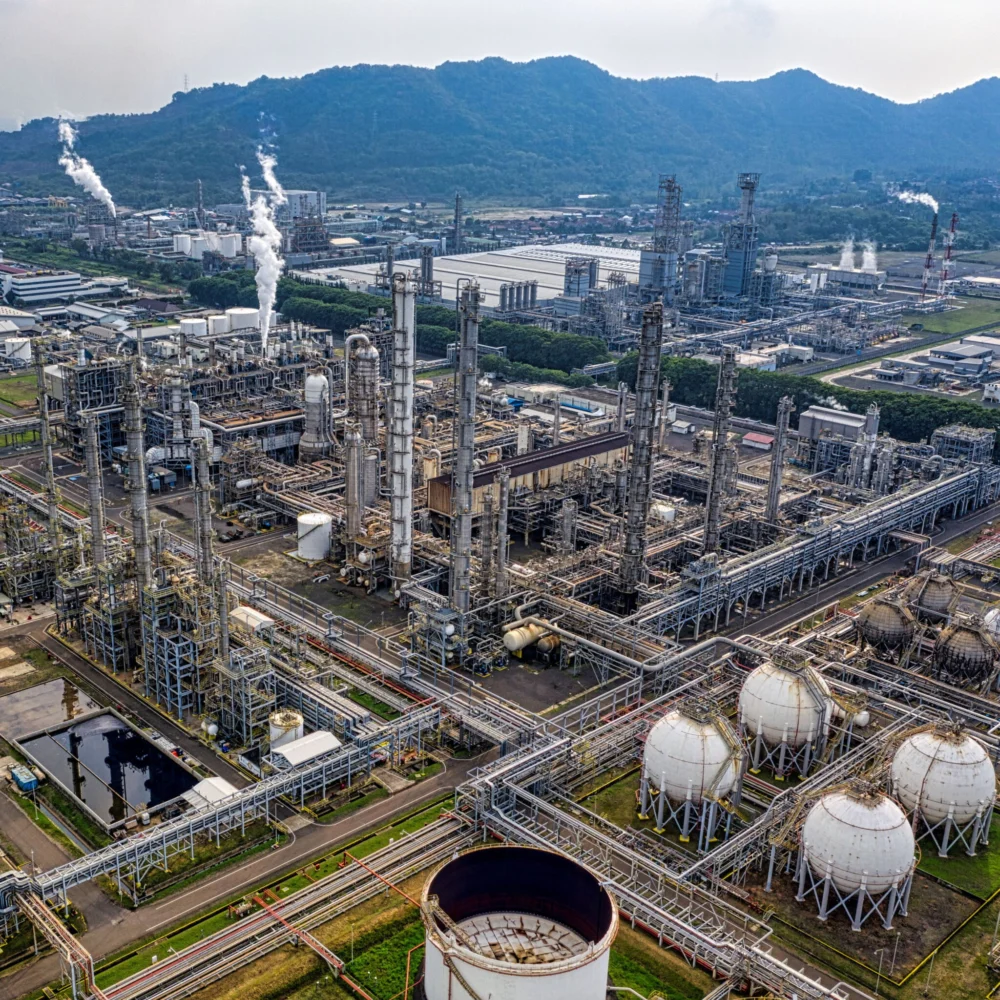
In the 85-mile industrial corridor stretching along the Mississippi River between New Orleans and Baton Rouge, a dense concentration of approximately 200 fossil fuel and petrochemical facilities operates in close proximity to residential neighborhoods. This region, colloquially known as Cancer Alley, has become a global flashpoint for debates regarding industrial regulation, public health, and environmental racism. Residents in these communities are exposed to health risks from hazardous air pollutants at levels exceeding ten times the average for the rest of Louisiana. These communities are predominantly composed of Black, Indigenous, and People of Color (BIPOC) and low-income populations, raising significant questions about the equitable distribution of industrial burdens and the efficacy of current environmental protections.
Understanding the Petrochemical Infrastructure
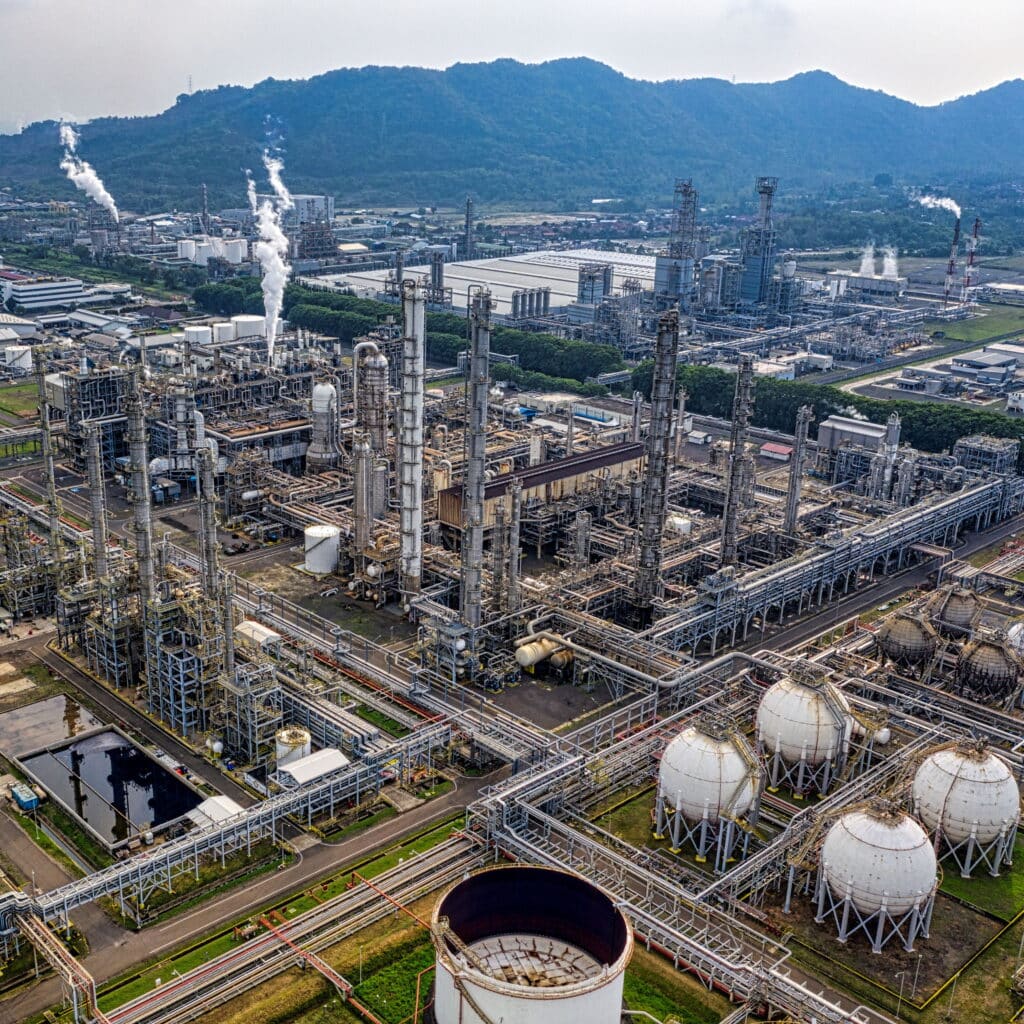
Petrochemical plants are industrial facilities designed to process crude oil and methane—often sourced from hydraulic fracturing, or fracking—into the building blocks of modern commerce. These plants transform hydrocarbons into essential chemicals used to manufacture plastics, synthetic fibers, industrial detergents, pesticides, and pharmaceuticals. Typically situated near petroleum refineries to minimize transportation costs, these facilities are often integrated into massive industrial complexes that dominate the local landscape and economy.
The manufacturing process is categorized by the type of chemical output. Olefin plants, for instance, utilize a high-heat process known as steam cracking to produce ethylene and propylene. Ethylene is the most widely produced petrochemical globally and serves as the primary raw material for polyethylene, the plastic resin used in everything from milk jugs (High-Density Polyethylene or HDPE) to grocery bags (Low-Density Polyethylene or LDPE). Aromatic plants focus on producing benzene, toluene, and xylene, which are precursors for dyes and synthetic rubbers. Meanwhile, syngas plants convert natural gas or coal into synthetic gas to create ammonia for fertilizers and methanol for industrial solvents.
The production of these chemicals is one of the most energy-intensive sectors of the global economy. Beyond the carbon footprint associated with extracting raw fossil fuels, the refining and cracking processes release significant volumes of greenhouse gases and localized pollutants, creating a dual crisis of global climate change and regional health degradation.
The Evolution of Cancer Alley: A Historical Context
The industrialization of the Mississippi River corridor began in earnest during the post-World War II economic boom. The region’s access to deep-water shipping lanes and proximity to Gulf Coast oil fields made it an ideal location for the burgeoning chemical industry. Over several decades, the landscape shifted from agricultural plantations to a sprawling industrial grid.
The term "Cancer Alley" gained prominence in the late 1980s as residents and health advocates noticed a suspicious clustering of rare cancers and respiratory ailments among those living near the plants. Despite decades of anecdotal evidence, systemic change has been slow. In recent years, the region has seen a surge in proposed expansions as the fossil fuel industry pivots toward petrochemicals to offset the declining demand for gasoline and coal in the transition to renewable energy. This shift has turned the Gulf Coast into a primary theater for the petrochemical industry’s survival strategy, often at the expense of the local populace.
Public Health Implications and Toxicological Profiles
The health risks associated with living in proximity to petrochemical operations are documented by a growing body of peer-reviewed research. A landmark analysis published in the New England Journal of Medicine linked petrochemical exposure to a range of chronic conditions, including various forms of cancer, cardiovascular disease, and developmental issues.
The primary vectors of harm are Volatile Organic Compounds (VOCs) and particulate matter released during the manufacturing process and through "flaring"—the burning of waste gases. These pollutants are known carcinogens and respiratory irritants. In Cancer Alley, the risk is compounded by the sheer density of the facilities; residents are not exposed to a single source of pollution, but a "toxic soup" of overlapping emissions.
Water contamination is an equally pressing concern. An Environmental Integrity Project (EIP) report revealed that nearly 70 petrochemical companies across the United States discharge millions of pounds of pollutants into public waterways annually. In many cases, these discharges occur under outdated or non-existent regulations. In Louisiana, testing has revealed the presence of Per- and Polyfluoroalkyl Substances (PFAS), commonly known as "forever chemicals," in drinking water at levels hundreds of times higher than the safety thresholds suggested by the Environmental Protection Agency (EPA).
The human cost of this exposure is reflected in the reproductive health of the region. Interviews conducted by Human Rights Watch with 70 residents in Cancer Alley documented a harrowing pattern of miscarriages, high-risk pregnancies, and neonatal health complications. Local activists, such as Robert Taylor of Concerned Citizens of St. John, have described their communities as "sacrifice zones"—areas where the health of the population is deemed an acceptable trade-off for industrial output and economic gain.
The Intersection of Climate Change and Petrochemicals
As the global community seeks to decarbonize, the petrochemical industry has emerged as a significant obstacle to climate goals. The International Energy Agency (IEA) has noted that petrochemicals are set to become the largest driver of global oil demand, potentially accounting for more than a third of the growth in oil demand to 2030.
The environmental impact is intersectional. The massive energy requirements of petrochemical plants contribute to global warming, which in turn intensifies the hurricanes and flooding events that plague the Gulf Coast. When these industrial facilities are hit by extreme weather, they often experience "upset events" or emergency shutdowns that result in the massive, unregulated release of toxic chemicals into the atmosphere and surrounding soil. This cycle of climate-induced industrial accidents creates a feedback loop of environmental degradation that disproportionately affects the marginalized communities residing on the industrial fence-line.
Legal Challenges and Regulatory Retraction
The struggle for environmental justice in Cancer Alley has seen significant legal volatility. Under the Biden administration, the EPA initially signaled a renewed commitment to civil rights and environmental enforcement. In 2021, EPA Administrator Michael Regan conducted a "Journey to Justice" tour through the region, promising to use federal authority to address the disproportionate impact of pollution on BIPOC communities.
However, these efforts have faced substantial pushback. A civil rights investigation into the Louisiana Department of Environmental Quality and the Department of Health was abruptly dropped by the EPA in 2023 following a lawsuit from the state of Louisiana. More recently, federal lawsuits aimed at curbing toxic emissions in the region have been withdrawn or stalled, leading many local leaders to feel abandoned by the federal government.
The situation is mirrored in neighboring Texas, where state regulators recently cleared the way for significant petrochemical expansions despite warnings from health experts. The prioritization of industrial growth over public health is often justified by the promise of jobs and tax revenue, though critics point out that the economic benefits rarely trickle down to the residents living closest to the smokestacks.
Grassroots Resistance and the Path Forward
In the absence of robust federal or state protection, residents have organized their own resistance. Sharon Lavigne, a retired special education teacher, founded Rise St. James to oppose the construction of new facilities in her parish. Her organization successfully fought against the multi-billion dollar Formosa Plastics complex, which was slated to be built in a predominantly Black district. Lavigne’s work, which earned her the prestigious Goldman Environmental Prize, highlights the power of grassroots mobilization in the face of industrial giants.
The demands of these organizations are centered on fundamental human rights: the right to breathe clean air and the right to access safe drinking water. They advocate for a moratorium on new petrochemical permits, the implementation of fence-line monitoring systems that provide real-time data to the public, and the relocation of residents who wish to move away from the most hazardous areas.
Broader Implications and Global Context
The crisis in Cancer Alley is not an isolated phenomenon but a symptom of a global reliance on plastic and chemical products. As long as the global demand for polyethylene and other petrochemical derivatives remains high, the pressure to expand production in "sacrifice zones" will persist.
The ongoing negotiations for a Global Plastics Treaty represent a potential turning point. International advocates are pushing for a treaty that addresses the full lifecycle of plastic, including the toxic impacts of production. Such a framework could provide the regulatory teeth needed to protect communities like those in Louisiana and Texas.
The future of the petrochemical industry is inextricably linked to the broader transition toward a circular economy. Reducing the consumption of single-use plastics and shifting toward bio-based alternatives are essential steps in mitigating the demand that fuels industrial expansion. However, for the residents of Cancer Alley, these systemic shifts cannot come soon enough. The legacy of industrial pollution in the Mississippi River corridor remains a stark reminder of the cost of unregulated industrial growth and the urgent need for a more equitable approach to environmental management.


