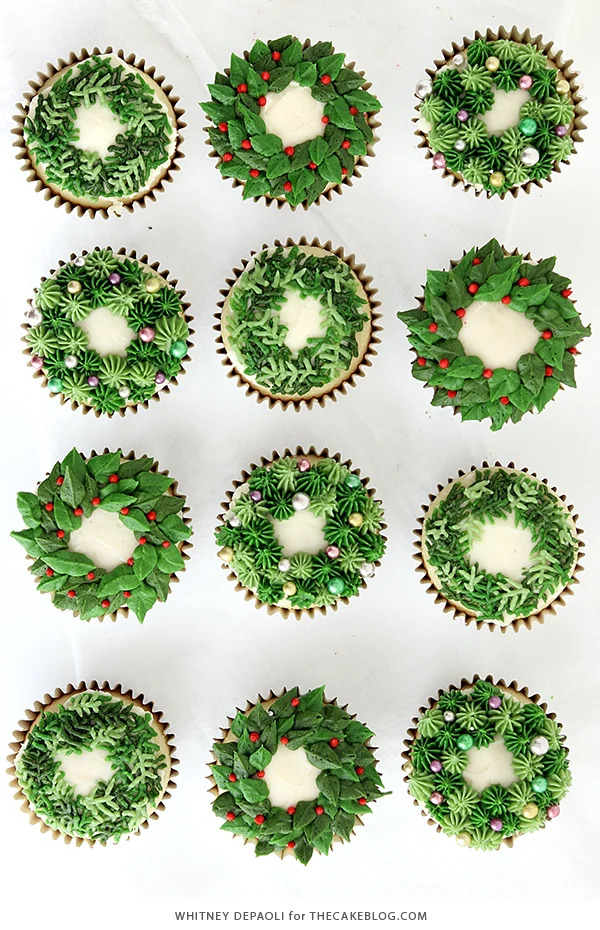
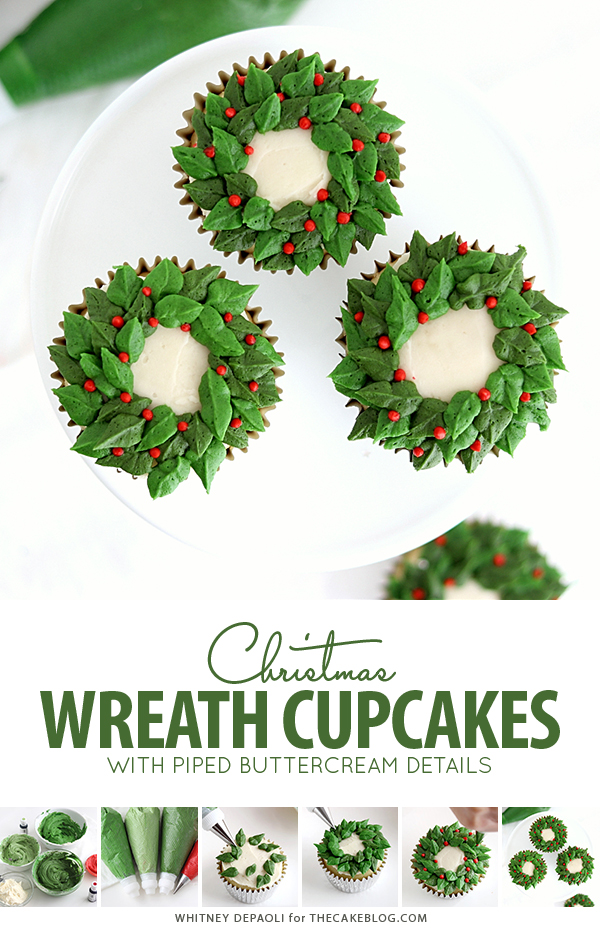
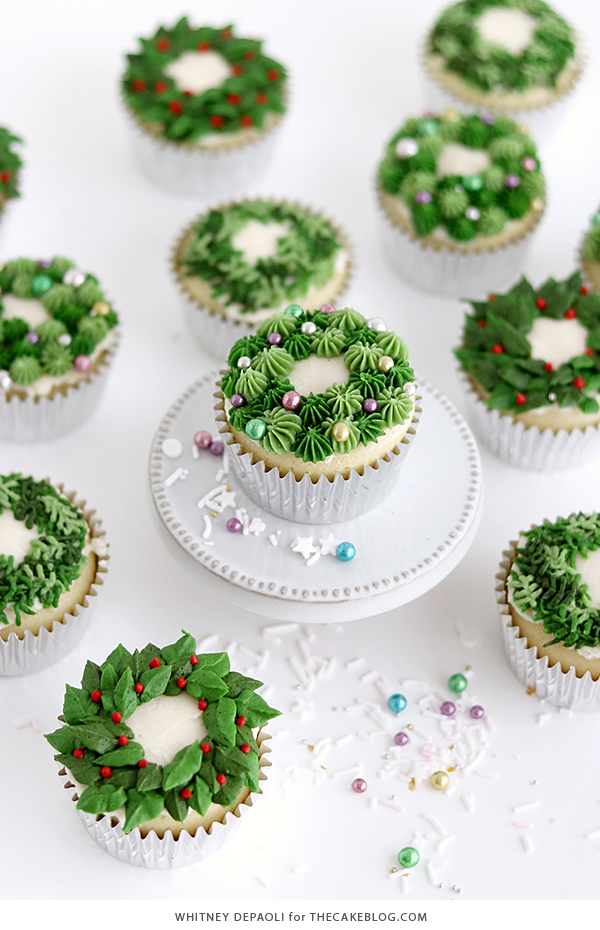
The holiday season, a time synonymous with festive gatherings and culinary creativity, has once again inspired innovative dessert designs. This year, baker and contributor Whitney DePaoli, in collaboration with TheCakeBlog.com, has unveiled a captivating tutorial for "Christmas Wreath Cupcakes." These delightful treats feature intricately piped buttercream wreaths, showcasing three distinct designs that capture the essence of holiday cheer. The tutorial, released amidst the peak of holiday preparations, offers a detailed guide for home bakers and professional decorators alike to recreate these charming confections.
The genesis of this festive design, as explained by DePaoli, stemmed from observing the ubiquitous holiday decorations that adorn public spaces. "As shopping centers everywhere string their Holiday lights and hang their festive wreaths, it dawned on me that wreath designs would make the perfect cupcake toppers for the season," she notes. This spark of inspiration, cultivated through sketching and experimentation, led to the creation of visually appealing and thematically appropriate cupcakes that have quickly become a sought-after addition to holiday dessert tables.
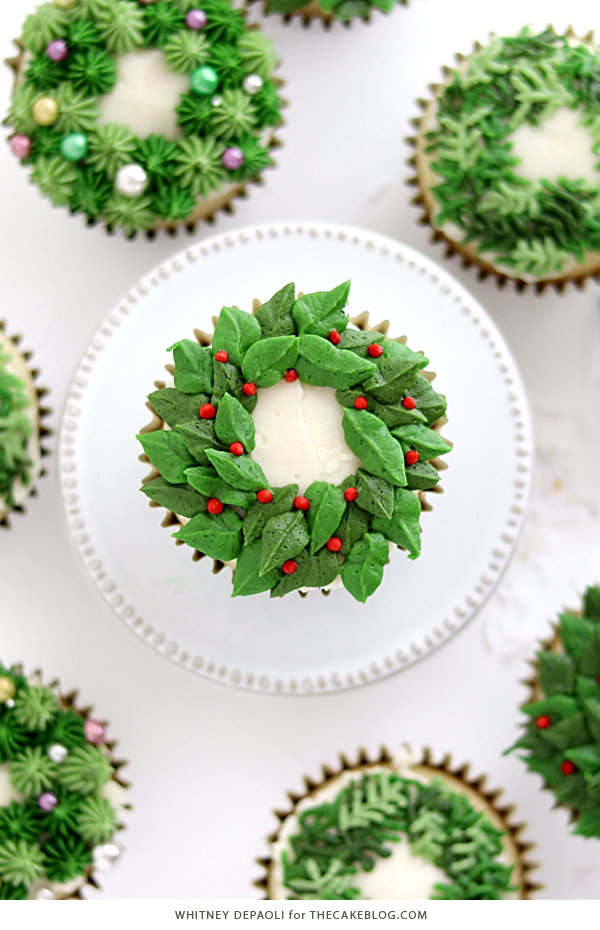
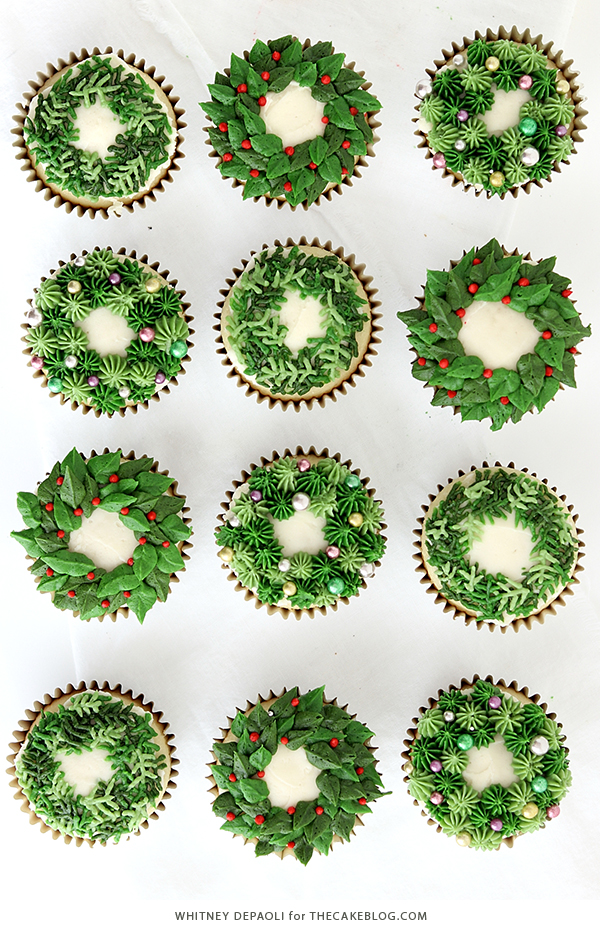
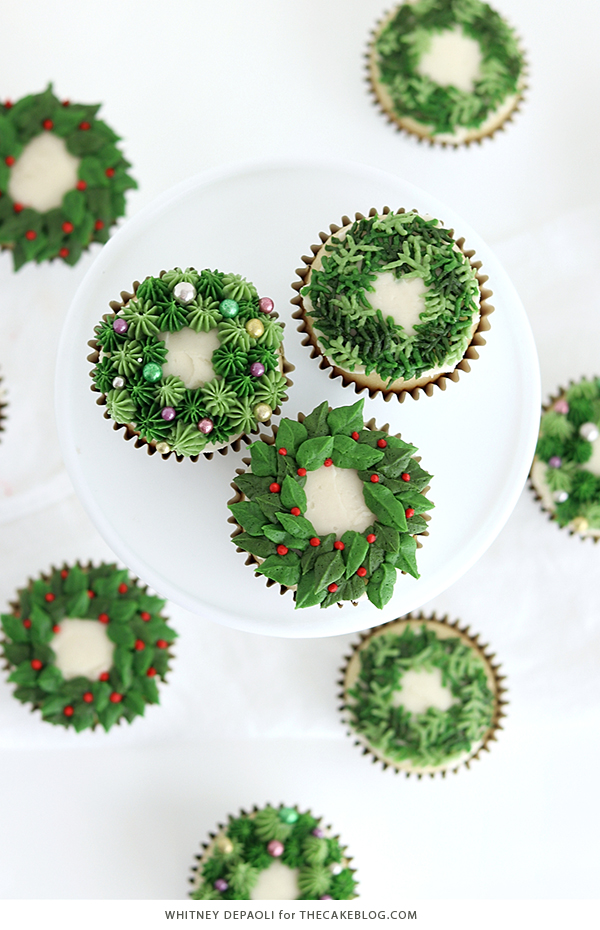
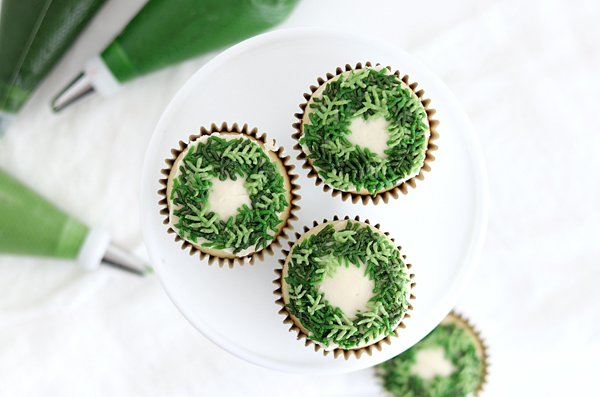
DePaoli’s approach emphasizes versatility and visual appeal, presenting three unique wreath styles. This variety, she suggests, allows for a richer and more engaging presentation, particularly when displayed together. The differing textures and color gradients within each design contribute to a dynamic and appealing assortment, proving that even a single dessert can offer a spectrum of visual interest. The underlying message is one of inclusivity; while the full assortment is recommended for maximum impact, bakers are encouraged to adapt the designs to their preferences and available resources.
The Art of Buttercream: Essential Tools and Techniques
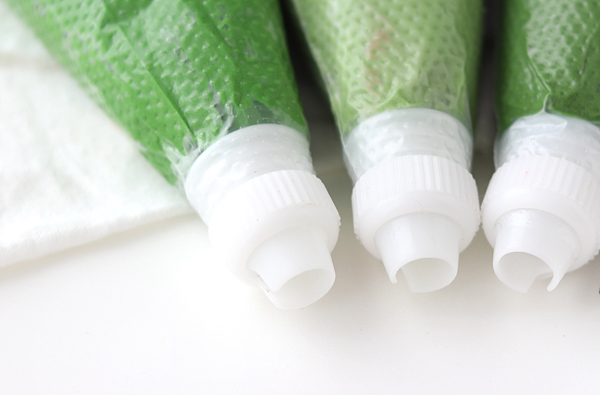
Creating these festive wreaths hinges on mastering the art of buttercream piping. DePaoli’s tutorial highlights the necessity of having a selection of piping tips and, crucially, couplers. Couplers are presented not merely as tools but as essential time-savers, facilitating the seamless transition between different piping tips and colors. This efficiency is particularly valuable when working with multiple shades of green buttercream, as required for the varied wreath designs.
The mechanics of using couplers are explained with clarity, emphasizing their role in simplifying the decorating process. By allowing bakers to switch tips without emptying and refilling piping bags, couplers significantly reduce both material waste and the time investment, contributing to a more environmentally conscious and less stressful baking experience. This practical advice underscores DePaoli’s commitment to making advanced decorating techniques accessible to a wider audience.
While DePaoli favors American Buttercream for its adaptability, she assures readers that any pipeable buttercream formulation will yield successful results. This flexibility empowers bakers to utilize their preferred recipes, ensuring that the tutorial remains relevant across a broad spectrum of baking skill sets and ingredient preferences. The underlying principle is that the quality of the buttercream’s texture and its ability to hold shape are paramount for achieving the desired decorative effects.
Crafting the Holiday Palette: Coloring the Buttercream
The visual impact of the Christmas Wreath Cupcakes is significantly enhanced by the strategic use of color. DePaoli outlines a precise method for achieving a vibrant and varied palette, primarily focusing on shades of green and a festive red for accents. The process begins with portioning buttercream into bowls, with a small amount reserved for a subtle base frosting and the remainder divided for coloring.
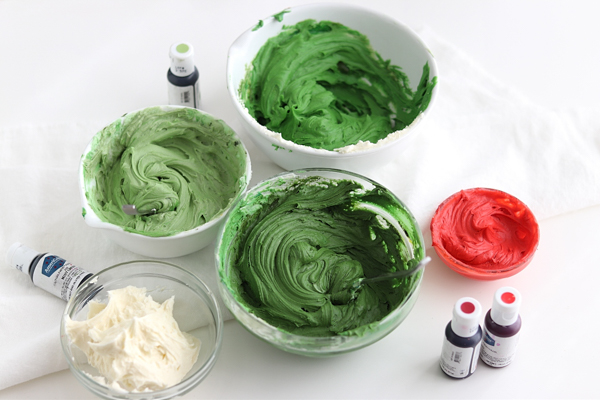
The tutorial specifically recommends using gel food coloring for its concentrated pigmentation, which allows for rich colors without altering the buttercream’s consistency. DePaoli shares her preferred brands and color combinations, suggesting Americolor Super Red for the berry accents and a blend of Americolor Forest Green and Avocado for the nuanced greens. The objective is to create a spectrum of greens – light, medium, and dark – to mimic the natural variations found in evergreen foliage and to add depth to the piped wreaths.
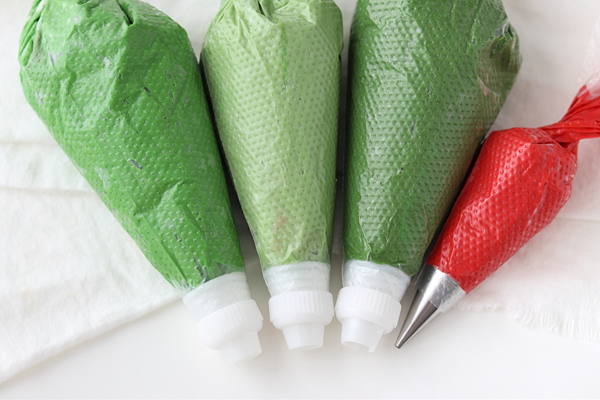
The preparation extends to filling piping bags. A small piping tip, such as a #3, is designated for the red buttercream, intended for the delicate berry details. For the green hues, the use of couplers is reiterated, allowing for efficient swapping of piping tips as different wreath designs are executed. This methodical approach to color preparation and bag filling is foundational to the tutorial’s success, ensuring that the subsequent piping stages are fluid and productive.
A Symphony of Green: Executing the Wreath Designs
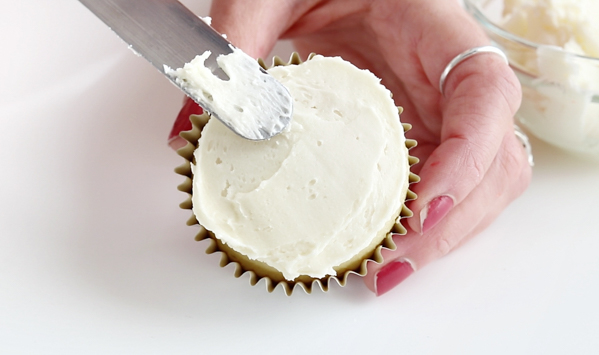
The core of the tutorial lies in the step-by-step instructions for creating the three distinct wreath designs. Each design begins with a light, even base layer of uncolored buttercream, providing a smooth canvas for the piped decorations. This foundational step is crucial for ensuring the final aesthetic is polished and professional.
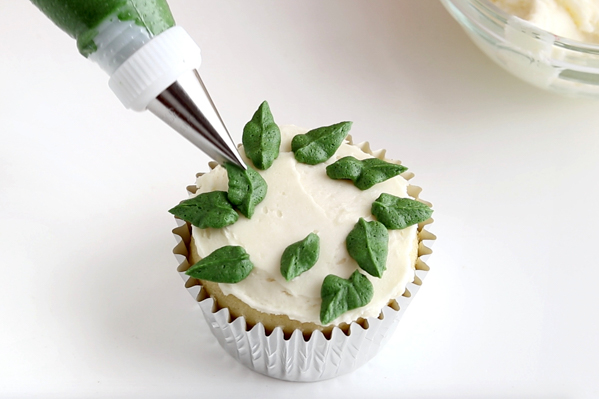
The Berry Wreath Design
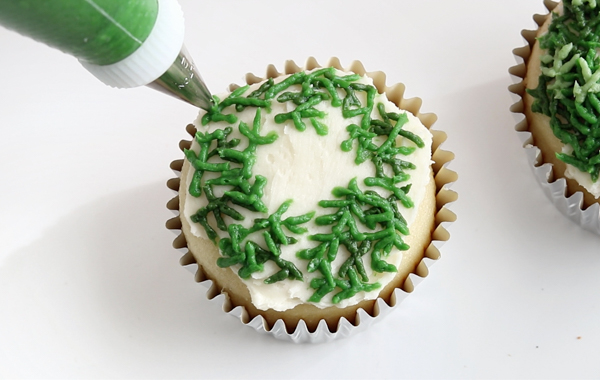
This design leverages a leaf piping tip (#352) to create a lush, verdant base reminiscent of holly or evergreen branches. The technique involves holding the tip parallel to the cupcake surface, creating a "leaf" shape with each squeeze and pull. DePaoli instructs bakers to alternate between two shades of green, systematically filling the cupcake’s perimeter. The visual texture is enhanced by leaving intentional gaps, which are then filled with the second shade of green, resulting in a multi-tonal wreath.
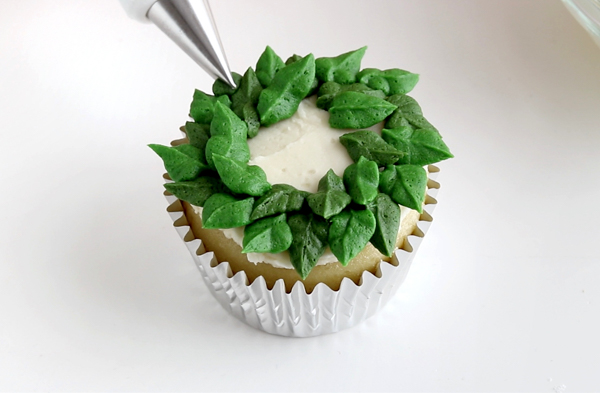
The finishing touch for this design involves piping small red dots with a #3 tip to represent festive berries. This accent color provides a classic holiday contrast and completes the charming berry wreath aesthetic. The tutorial guides the reader through repeating this process to create a set of these vibrant cupcakes.
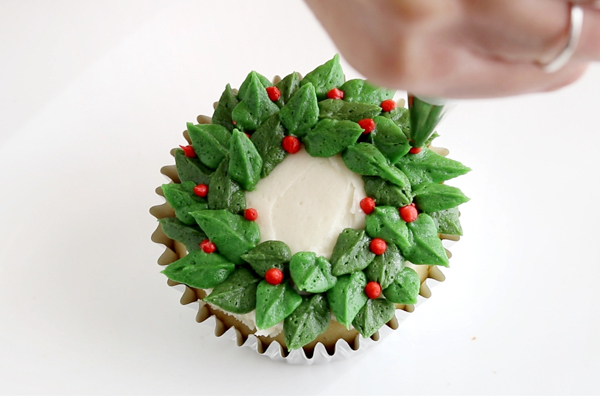
The Pine Sprig Wreath Design
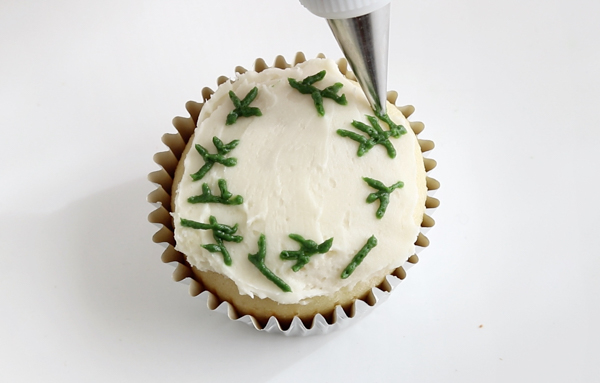
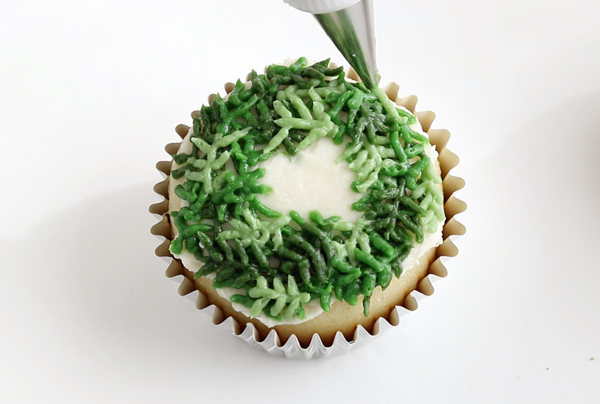
This more intricate design aims to replicate the delicate appearance of pine needles. It requires a #3 piping tip and a patient hand. Bakers are instructed to pipe individual pine sprigs, which are characterized by a central line with small "v" shapes emanating from it. This technique is applied across the perimeter of the cupcake, utilizing all three shades of green to build a dense and realistic-looking wreath.
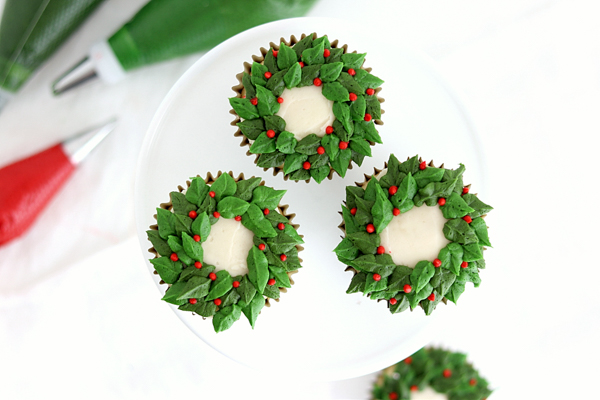
The emphasis here is on layering and coverage. By strategically placing sprigs of different green hues, bakers can create a visually complex and authentic pine wreath. The tutorial stresses the importance of filling in any remaining white space to achieve a full and cohesive design, culminating in a set of these detailed pine sprig wreaths.
The Sprinkled Wreath Design
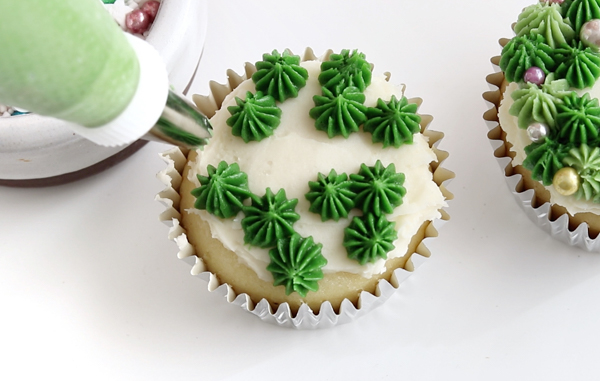
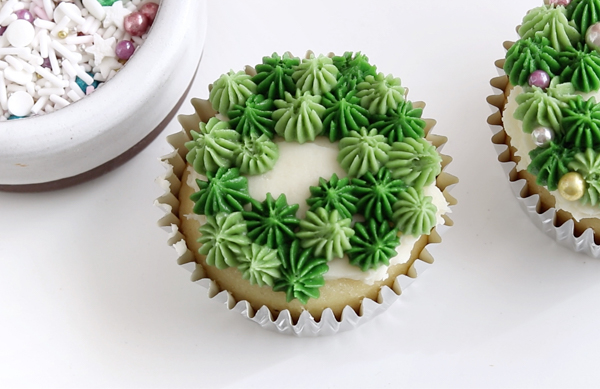
The third design offers a more modern and playful take on the wreath motif, incorporating sprinkles to evoke the look of ornaments. This design utilizes a #199 piping tip, which creates small, star-like drop shapes. Bakers are instructed to pipe these drops around the cupcake’s edge, alternating between two darker shades of green.
Following the piped decorations, the application of sprinkles adds a festive sparkle. DePaoli suggests using spherical sprinkles, likening them to miniature ornaments. The "Serendipity" mix from Fancy Sprinkles is mentioned as an example, highlighting the potential for using various sprinkle combinations to achieve a personalized look. This design offers a quicker yet equally impactful method for creating eye-catching holiday cupcakes.
Context and Implications: The Growing Trend of Themed Baking
The release of Whitney DePaoli’s Christmas Wreath Cupcakes tutorial arrives at a time when home baking and elaborate dessert decorating continue to surge in popularity. The COVID-19 pandemic, in particular, saw a significant uptick in individuals engaging with baking as a hobby and a form of stress relief. According to industry reports, sales of baking ingredients and equipment saw substantial growth during lockdown periods, a trend that has, to some extent, persisted. This enduring interest in home baking creates a receptive audience for tutorials like DePaoli’s, which offer both creative inspiration and practical guidance.
Furthermore, the rise of social media platforms has democratized the sharing of culinary creations. Platforms like Instagram, Pinterest, and TikTok have become virtual galleries for intricate cakes and beautifully decorated desserts, inspiring a new generation of home bakers to experiment with more advanced techniques. Tutorials that are visually appealing and easy to follow, often accompanied by high-quality photography and video content, are particularly successful in capturing this audience. The detailed, step-by-step nature of DePaoli’s tutorial aligns perfectly with these trends, providing the visual cues and clear instructions that social media-savvy bakers seek.
The implication of such tutorials extends beyond individual enjoyment. They contribute to the broader cultural landscape of holiday celebrations, offering accessible ways for people to participate in festive traditions. The ability to recreate visually stunning desserts like these wreath cupcakes can foster a sense of accomplishment and enhance the celebratory atmosphere of gatherings, whether virtual or in-person. Moreover, these creations can serve as conversation starters and focal points, adding a personal and artistic touch to holiday feasts.
The Cake Blog, as a platform, plays a significant role in this ecosystem. By featuring contributors like DePaoli, it provides a curated space for high-quality baking content, reaching an engaged audience actively seeking new ideas and techniques. The continued success of such platforms underscores the sustained public interest in baking as a creative outlet and a means of connection, especially during celebratory periods. The Christmas Wreath Cupcakes, therefore, represent not just a recipe, but a reflection of current trends in culinary arts and consumer engagement with food.