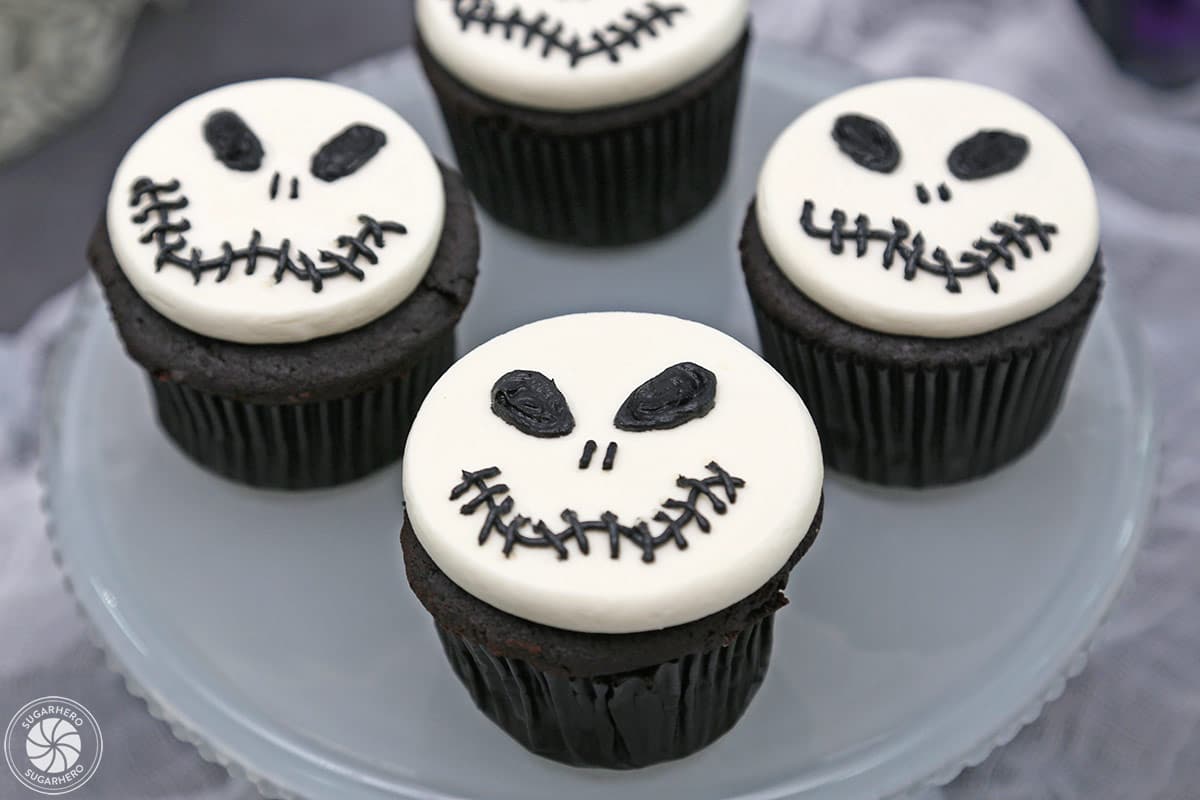
Making these creepy-cute Skull Cupcakes is easier than you think. Learn how to create a simple skull design out of buttercream for Halloween — complete with a photo tutorial. Bone-appetit!
The arrival of autumn brings with it a heightened sense of anticipation for Halloween, a holiday celebrated for its blend of spooky themes and festive treats. Among the myriad of confections designed to delight and perhaps slightly unnerve, the Skull Cupcake has emerged as a popular and surprisingly accessible option for home bakers. This guide delves into the creation of these visually striking treats, offering a straightforward method for achieving a charmingly macabre aesthetic with buttercream frosting.
The allure of Skull Cupcakes lies in their ability to embody the spirit of Halloween without demanding advanced pastry skills. Unlike some elaborate seasonal decorations that require specialized tools and extensive practice, these cupcakes are designed for simplicity and immediate gratification. The core of the design relies on the strategic application of two contrasting colors of buttercream frosting, allowing for a clear and recognizable skull motif. This approach makes them an ideal choice for both novice bakers and seasoned decorators looking for a quick yet impactful Halloween offering.
For those seeking a starting point for the cupcake base itself, the recipe acknowledges the flexibility of using a store-bought cake mix as a convenient shortcut. However, it also points towards a wealth of homemade cupcake recipes for individuals who prefer to bake from scratch, emphasizing the foundational importance of a well-made cupcake in the overall success of the decorated treat.
The Anatomy of a Skull Cupcake: Ingredients and Equipment
The creation of these festive Halloween cupcakes hinges on a curated selection of ingredients and essential tools, ensuring both flavor and form are expertly balanced. The recipe prioritizes accessibility, allowing bakers to source most items readily from their local grocery stores or online retailers.
Core Ingredients:
- Baked Cupcakes: The foundation of the dessert. While the recipe accommodates store-bought mixes for convenience, a preference for homemade cupcakes is also encouraged. A standard batch of 24 cupcakes is the target for this recipe.
- Buttercream Frosting: This serves as the primary medium for the skull design. The recipe typically calls for a generous amount, usually around 4 cups, to ensure ample coverage and detail work. The base of the buttercream is generally composed of unsalted butter, powdered sugar, and a touch of vanilla extract, forming a stable and sweet canvas.
- Food Coloring: Two key colors are indispensable:
- White or Off-White: This forms the base layer of the skull, representing the bone structure.
- Black: This is crucial for defining the facial features of the skull – the eye sockets, nose cavity, and mouth. Achieving a true, vibrant black can be a challenge and often requires specialized gel or powdered food coloring, as liquid colorants tend to dilute the frosting and may not achieve the desired intensity.
Essential Equipment:
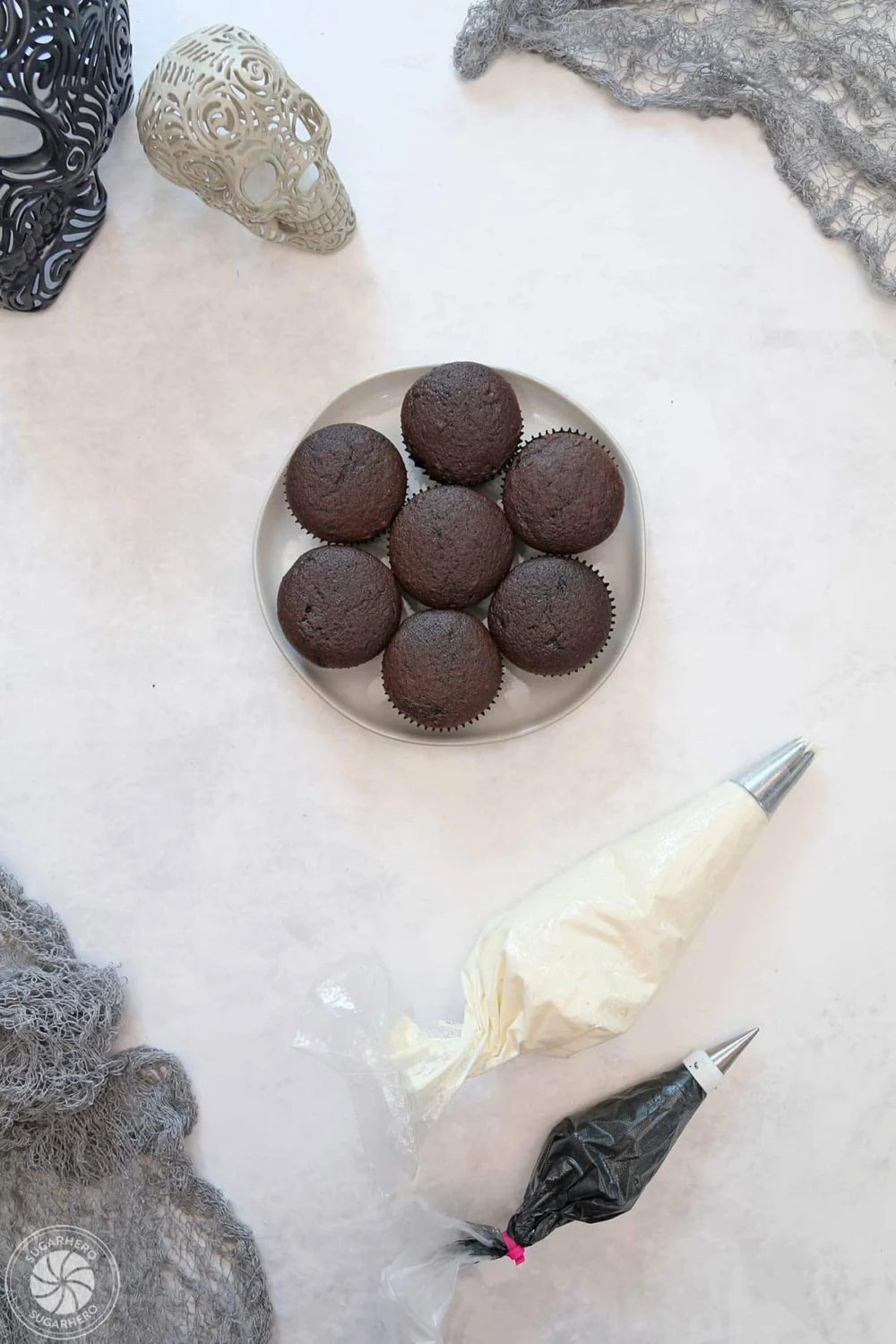
- Piping Bags: These are vital for precise application of the frosting. Disposable or reusable piping bags can be used.
- Piping Tips: Specific tips are recommended for different elements of the design. A round tip (such as a Wilton #12) is often used for piping the main facial features, while a smaller round tip (like a Wilton #5 or #3) might be employed for finer details or outlining.
- Offset Spatula: Useful for smoothing the base layer of white frosting onto the cupcakes, creating a uniform surface for the skull features.
- Baking Sheets and Parchment Paper: For preparing and holding the cupcakes during the decorating process. Parchment paper ensures easy cleanup and prevents sticking.
Ingredient and Equipment Considerations:
The recipe’s emphasis on using high-quality gel or powdered food coloring for the black frosting is a critical point. Achieving a deep, saturated black without compromising the frosting’s texture or flavor can be difficult with standard liquid food colorings. The use of black cocoa powder is also suggested as an alternative or supplement to food coloring, as it can contribute to a darker hue while adding a subtle chocolate note.
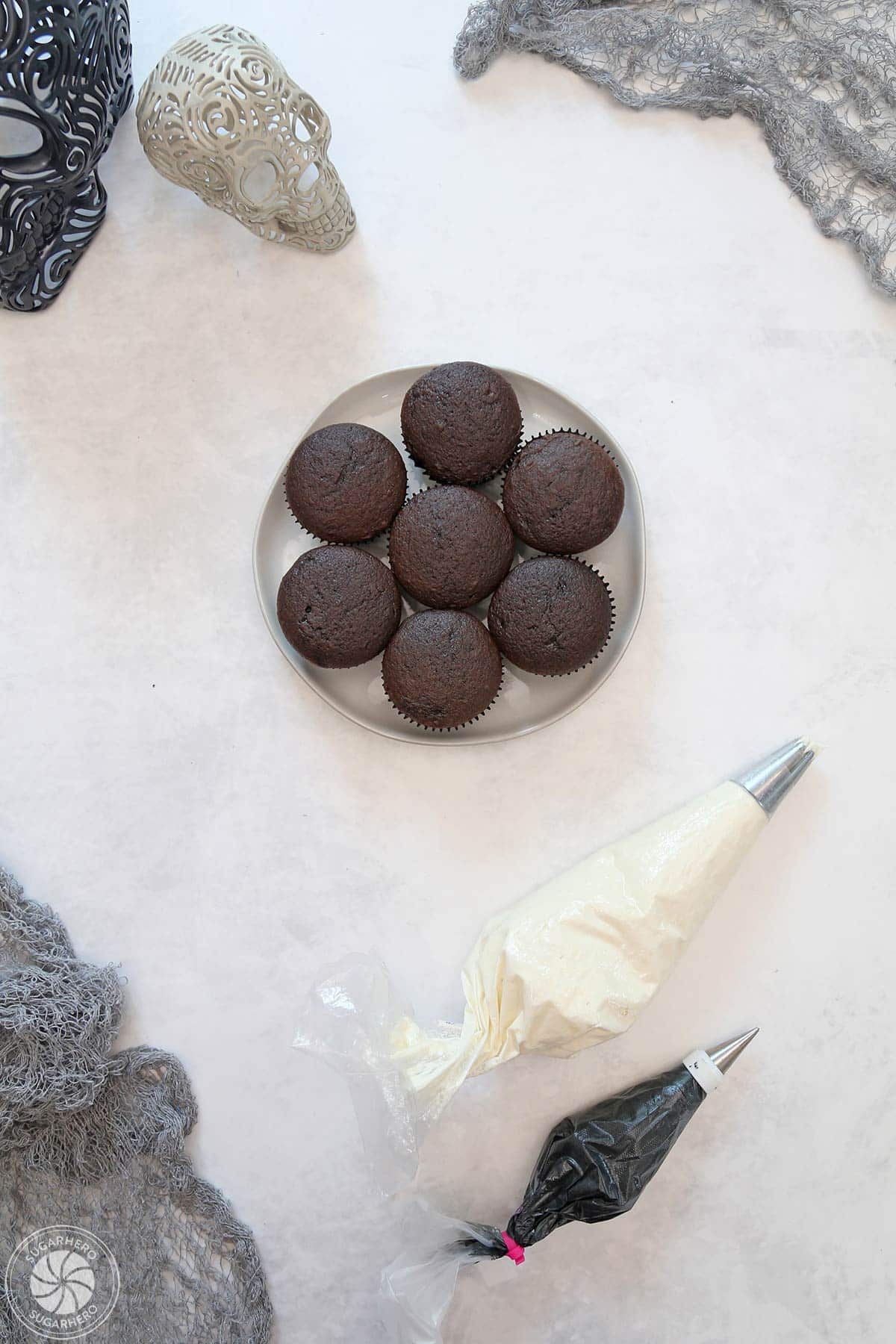
Regarding piping tools, the recipe offers a practical alternative for those without specialized equipment. Ziploc bags, with a small corner snipped off, can effectively serve as makeshift piping bags, allowing for the creation of the skull’s features. This adaptability ensures that the project remains accessible to a wider audience, regardless of their existing baking arsenal.
Mastering the Black: Achieving True Black Frosting
The creation of a deep, true black frosting is often cited as one of the more challenging aspects of cake decorating, and the Skull Cupcakes are no exception. The recipe provides crucial insights into achieving this elusive shade, highlighting both the importance of ingredient selection and the necessity of patience.
The Color Development Process:
A key piece of advice for achieving ultra-black frosting is to allow the colored buttercream to rest. The recipe strongly recommends making and coloring the frosting at least 24 hours in advance of its intended use. This resting period, often referred to as "blooming," allows the color molecules to fully develop and deepen, resulting in a more vibrant and intense black. Without this crucial step, bakers may find themselves adding excessive amounts of food coloring, which can negatively impact the frosting’s texture and taste.
Coloring Agents:
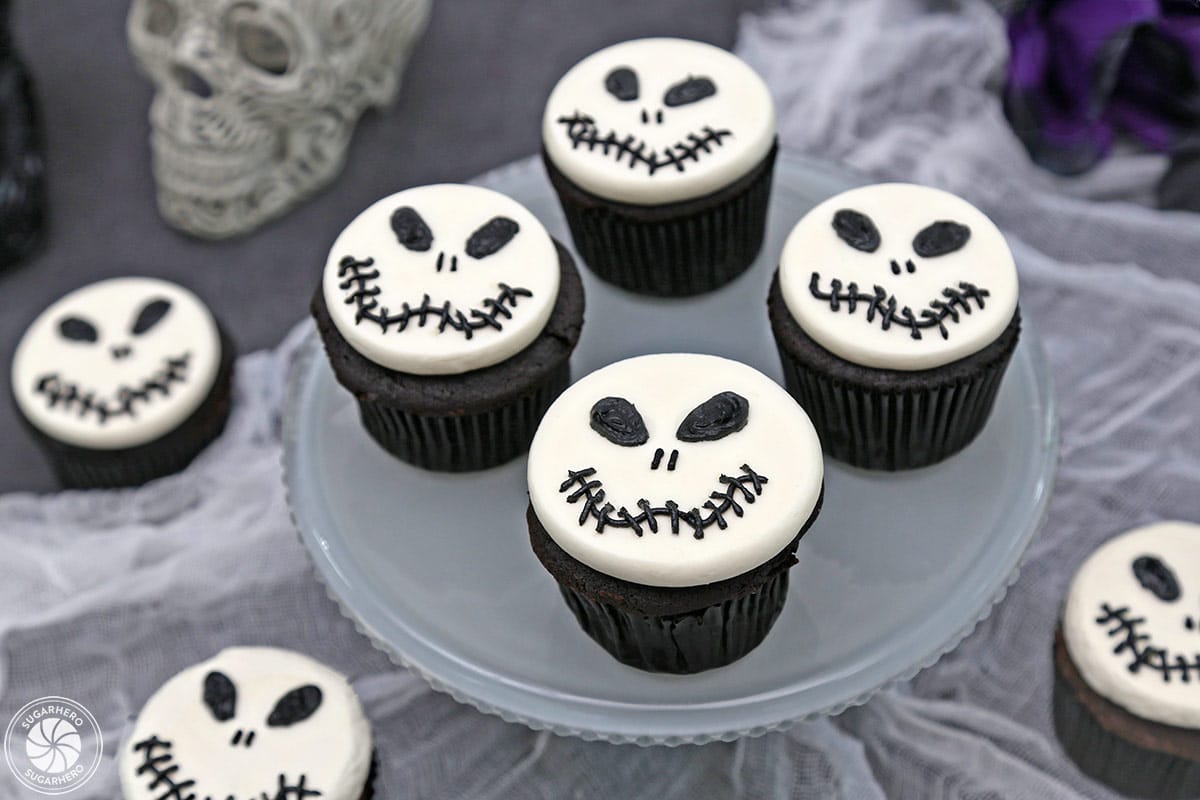
- Gel or Powdered Food Coloring: The recipe explicitly advises against using liquid food colorings. These are less concentrated and require a significantly larger volume to achieve a dark shade, which can lead to a diluted flavor and a thinner frosting consistency. Instead, high-quality gel or powdered food colorings are recommended. Brands like Americolor Ultra Black are specifically mentioned for their efficacy.
- Black Cocoa Powder: For those who wish to minimize the use of artificial coloring or enhance the depth of the black, incorporating black cocoa powder is a viable strategy. Adding 2 to 3 tablespoons of black cocoa powder to the frosting can significantly contribute to a darker hue while also imparting a rich chocolate flavor. This dual benefit makes it an attractive option for many bakers.
Storage and Rejuvenation:
Once the frosting has been colored and has had sufficient time to develop its hue, it can be stored effectively. The recipe suggests placing the colored frosting in an airtight container and pressing a layer of cling wrap directly onto the surface of the frosting. This prevents a crust from forming. The frosting can be stored in the refrigerator for several days, or even up to a week. When ready to use, it is essential to allow the frosting to return to room temperature. Subsequently, beating it on medium speed will help to restore its light, creamy texture, making it ready for application.
The Step-by-Step Decoration Process: A Visual Guide
The transformation of a plain cupcake into a festive Skull Cupcake is a multi-step process that, while requiring a degree of precision, is fundamentally straightforward. A detailed photo tutorial accompanies the recipe, offering visual guidance at each stage.
Step 1: Frosting the Base
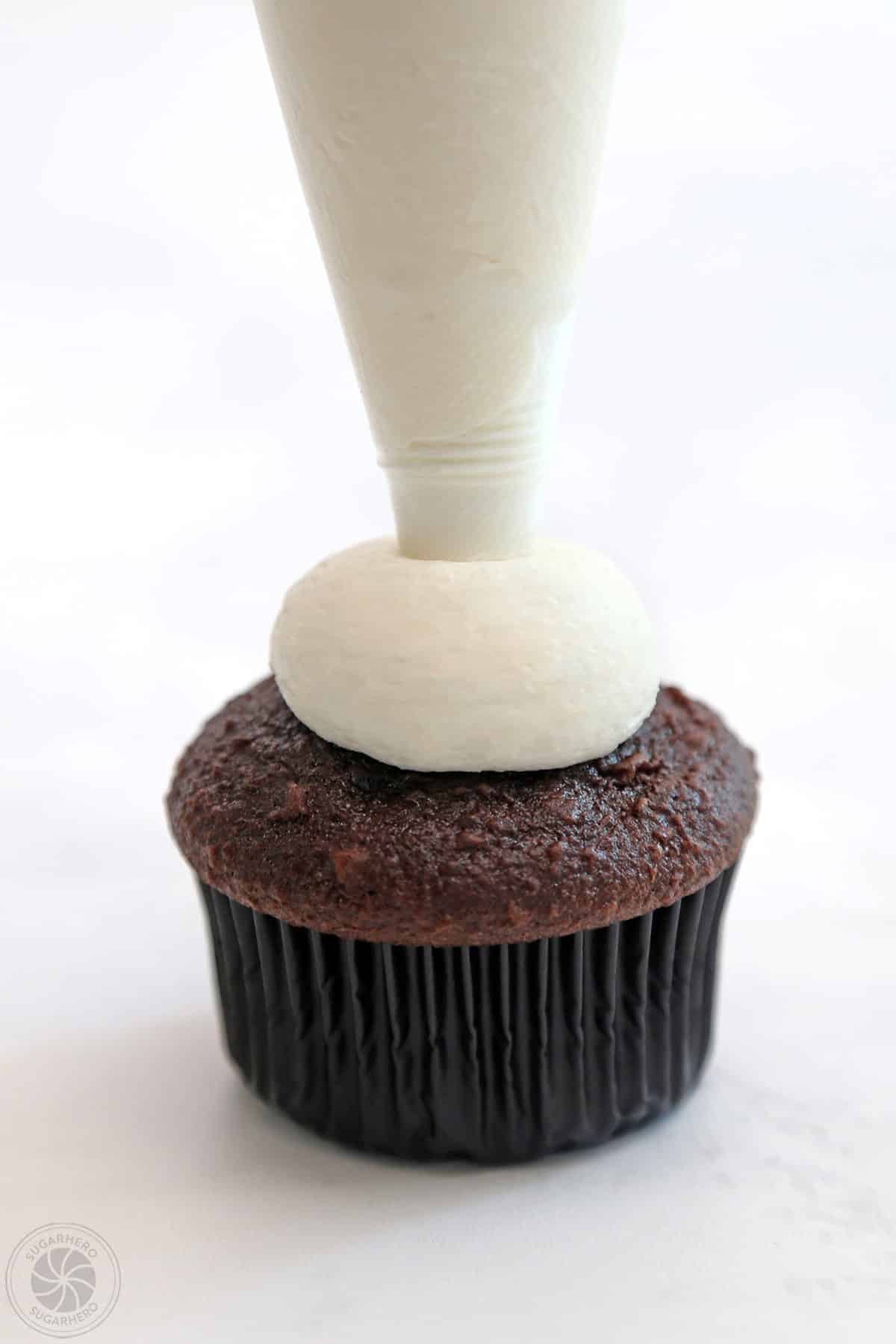
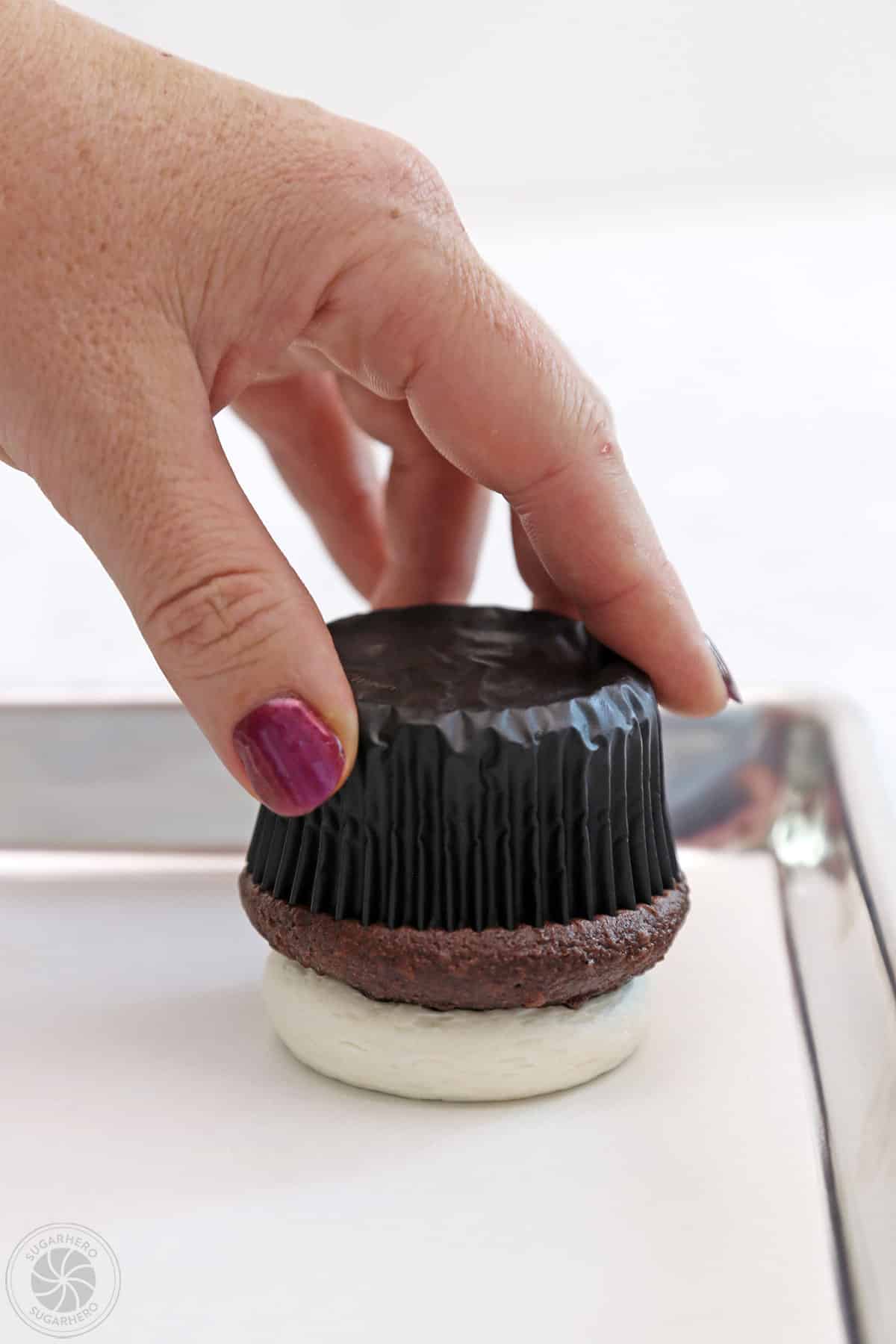
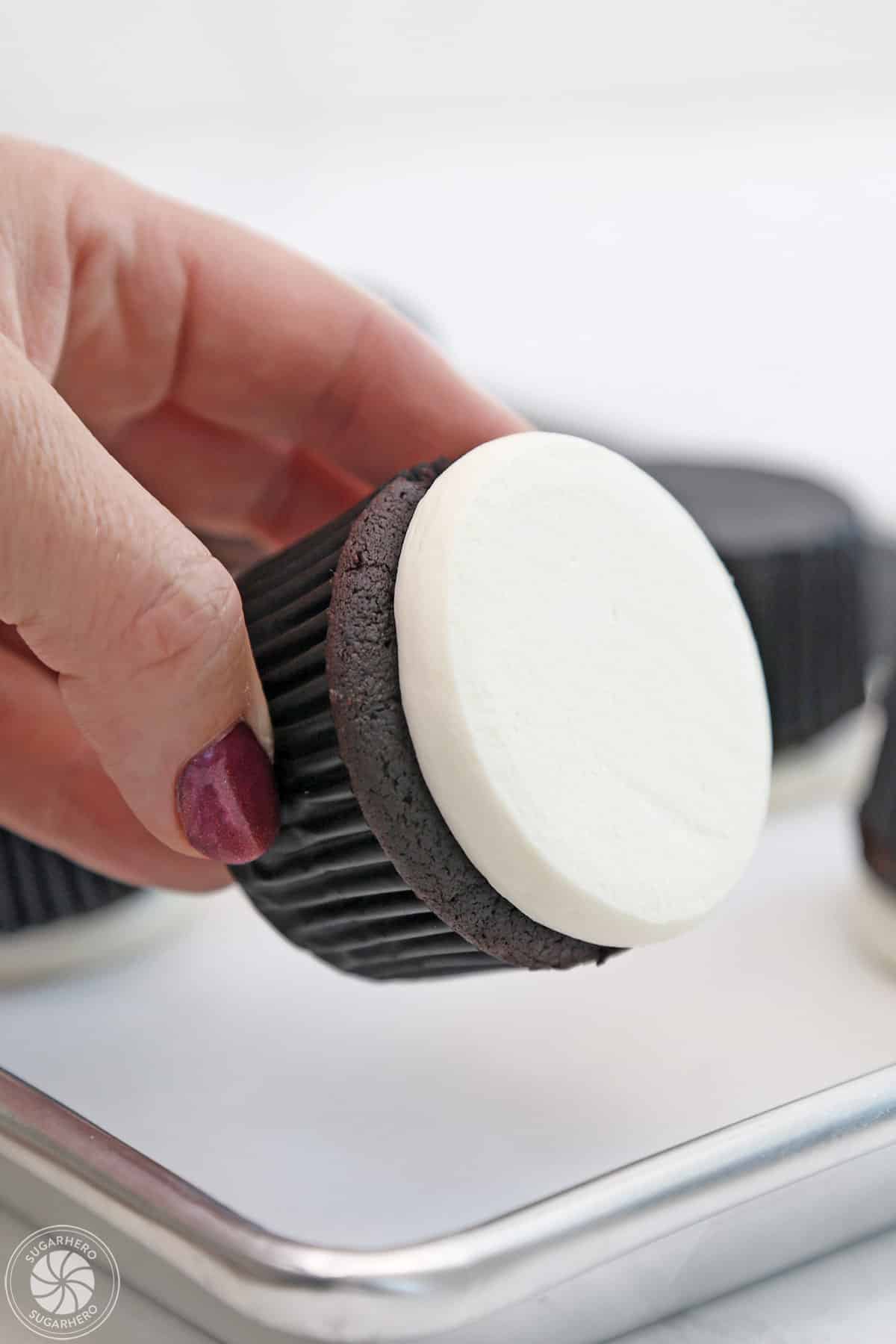
The first step involves applying a generous layer of the white or off-white buttercream frosting to the top of each baked and cooled cupcake. This is typically done using an offset spatula to create a smooth, even surface. This white layer will serve as the canvas for the skull’s features. The aim is to create a slightly domed effect, which will mimic the rounded shape of a skull.
Step 2: Creating the Skull Features
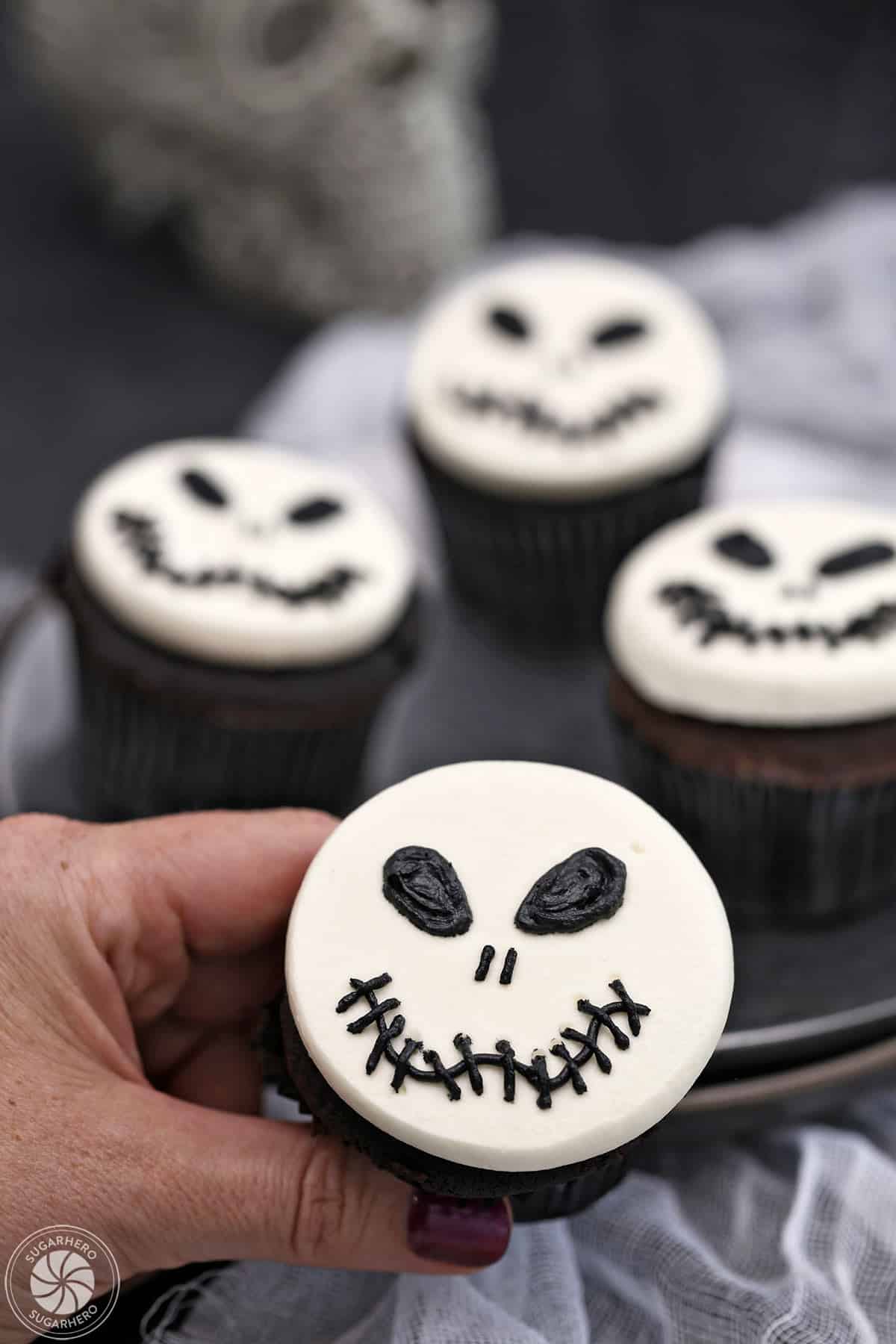
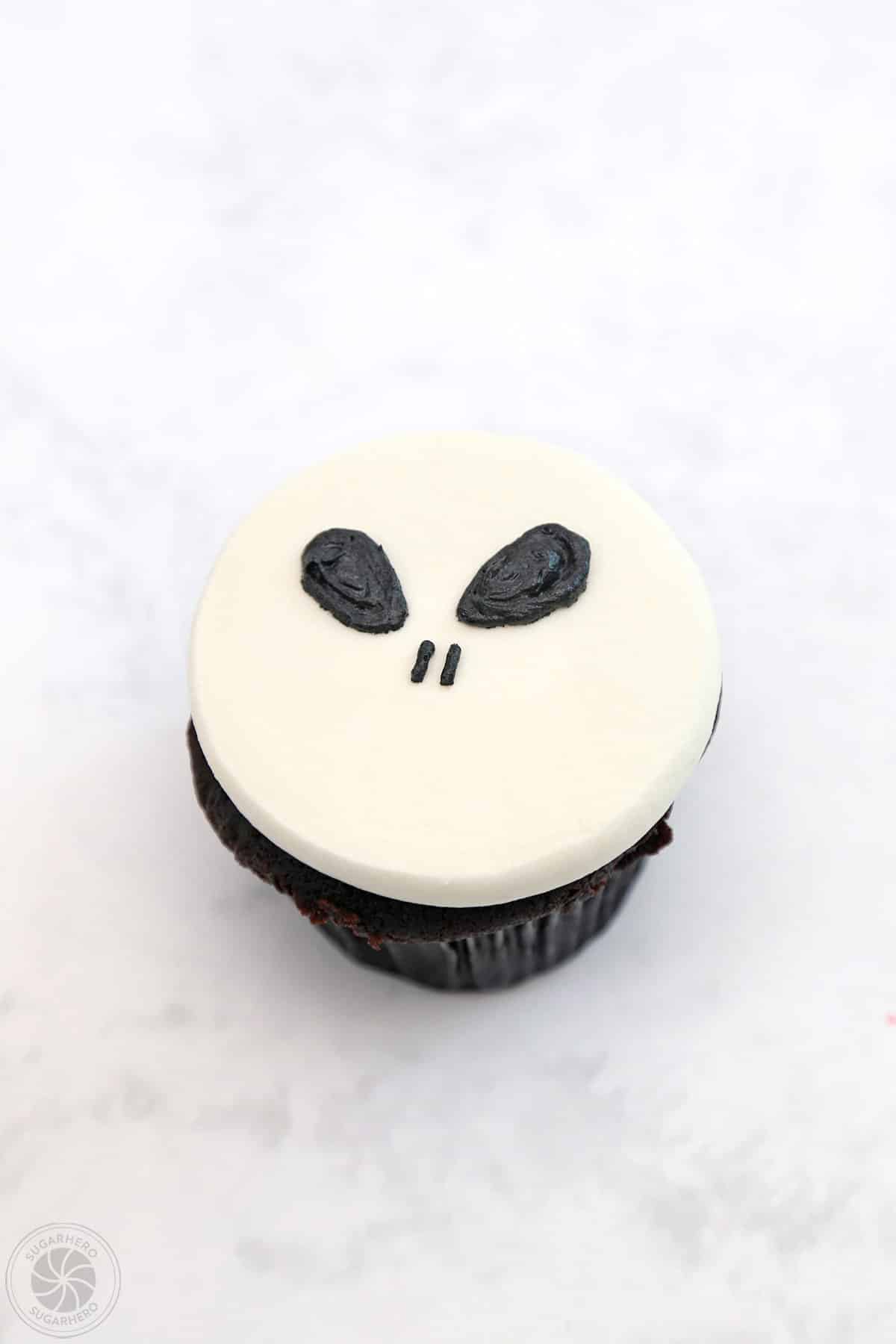
This is where the black frosting comes into play. Using a piping bag fitted with a round tip, the iconic features of a skull are carefully piped onto the white frosting base.
- Eye Sockets: Two large circles are piped to represent the eye sockets. These are typically placed symmetrically on the upper half of the cupcake’s surface.
- Nose Cavity: A smaller, inverted triangle or a similar shape is piped below and between the eye sockets to form the nasal opening.
- Mouth and Teeth: A line is piped to suggest the division of the mouth. Depending on the desired level of detail, small lines or dots can be added to represent teeth.
The size and placement of these features are key to achieving a recognizable skull. The recipe’s visual aids demonstrate the optimal proportions and positioning for a classic skull appearance.
Step 3: Refining the Design (Optional)
For those who wish to add further detail or a slightly more nuanced look, additional piping can be incorporated. This might include subtle shading around the eye sockets or nose cavity, or perhaps a more defined jawline if the frosting allows. However, the core appeal of this recipe lies in its ability to achieve a striking effect with minimal, well-placed details.
The entire process, from frosting the base to piping the final features, is designed to be completed relatively quickly, making it an ideal activity for Halloween parties or as a family baking project.
A Look at the Recipe Details and Nutritional Information
The provided recipe for Skull Cupcakes offers a comprehensive breakdown of ingredients, quantities, and preparation steps, alongside valuable nutritional data. This ensures that bakers have all the necessary information for successful execution.
Recipe Yield and Servings:
The recipe is typically designed to yield approximately 24 standard-sized cupcakes. This quantity is suitable for larger gatherings, parties, or for ensuring a generous supply of these festive treats.
Nutritional Breakdown:
For each serving (presumably one cupcake), the estimated nutritional information is as follows:
- Calories: Approximately 420 kcal
- Carbohydrates: 58g
- Protein: 3g
- Fat: 21g
- Saturated Fat: 11g
- Polyunsaturated Fat: 2g
- Monounsaturated Fat: 6g
- Trans Fat: 1g
- Cholesterol: 42mg
- Sodium: 192mg
- Potassium: 49mg
- Fiber: 0.3g
- Sugar: 48g
- Vitamin A: 497 IU
- Vitamin C: 0.1mg
- Calcium: 62mg
- Iron: 1mg
It is important to note that these figures are estimates and can vary based on the specific ingredients and brands used, particularly for the cupcakes themselves and the frosting components. The high sugar content is characteristic of most frosted cupcakes.
Baking Measurement Recommendations:
The recipe authors emphasize the accuracy of weight measurements for baking and highly recommend the use of a kitchen scale. While volume measurements (cups) are provided as an alternative, users are cautioned that the common conversion of "8 oz = 1 cup" does not accurately apply to weight measurements, especially for dry ingredients. This recommendation underscores the importance of precision in achieving consistent baking results.
Tips and Frequently Asked Questions: Enhancing the Baking Experience
To further assist bakers in their quest for the perfect Skull Cupcakes, the article includes a dedicated section addressing common queries and offering practical advice.
Alternative Piping Methods:
For individuals who may not have specialized piping bags and tips, a simple and effective alternative is presented: Ziploc bags. By placing frosting into a sturdy Ziploc bag and snipping a small opening in one corner, bakers can create a makeshift piping tool. The size of the opening can be adjusted to control the flow and thickness of the piped lines, making it a versatile solution for achieving the skull’s features.
Achieving True Black Frosting (Revisited):
This section reiterates the critical advice for achieving a deep black hue. It emphasizes the use of high-quality gel or powdered food coloring over liquid alternatives and stresses the importance of allowing the colored frosting to rest for at least 24 hours for color development. The inclusion of black cocoa powder as a flavor and color enhancer is also highlighted.
Make-Ahead Strategies:
The recipe is designed with flexibility in mind, allowing for components to be prepared in advance.
- Frosting: The buttercream frosting can be made up to a week ahead of time. It should be stored in an airtight container with cling wrap pressed directly onto the surface to prevent crusting. Refrigeration is recommended. Before use, the frosting needs to be brought back to room temperature and then whipped to restore its creamy consistency.
- Cupcakes: Baked and cooled cupcakes can be frozen for longer storage. They should be placed in airtight containers to prevent freezer burn. Thawing should occur on the countertop within their containers to maintain optimal texture.
Storage Information:
Leftover Skull Cupcakes can be stored at room temperature in an airtight container for 2 to 3 days. For longer storage, refrigeration is advised, where they can be kept for up to a week. It is recommended to allow chilled cupcakes to return to room temperature before serving to ensure the best taste and texture.
Conclusion: A Celebratory and Creative Halloween Endeavor
The Skull Cupcakes offer a delightful and accessible way to embrace the spirit of Halloween. Their charmingly spooky aesthetic, combined with a straightforward decorating process, makes them an ideal project for bakers of all skill levels. By following the detailed instructions, utilizing the provided tips, and understanding the nuances of achieving vibrant frosting colors, anyone can create these memorable treats that are sure to be a hit at any Halloween gathering. The recipe’s blend of convenience and creative potential ensures that the magic of Halloween baking is within reach for everyone.