The humble Health Salad, a ubiquitous fixture of East Coast delicatessen culture, is currently taking center stage in the latest iteration of the Community Canning Challenge, an initiative aimed at fostering home food preservation skills and culinary exploration. This month, participants are focusing on brassicas and root vegetables, a theme that has inspired many to tackle this iconic sweet and sour cabbage dish, traditionally served as a palate cleanser or appetizer in Jewish delis. The challenge, organized by a prominent food preservation community, leverages online platforms like Substack and Facebook to connect home cooks, share techniques, and document innovative methods for extending the shelf life of seasonal produce.
The Enduring Legacy of Health Salad in Deli Culture

Health Salad, despite its somewhat ironic name given its notable sugar content, holds a cherished place in the culinary landscape of the northeastern United States. It is essentially a quick-pickled medley of shredded cabbage and other vegetables, bathed in a tangy, sweet-and-sour vinaigrette. Its presence on deli tables alongside pickles is not merely incidental; it is a foundational element, an unspoken welcome that prepares diners for the hearty fare to come. The dish is celebrated for its crisp texture, refreshing acidity, and a balanced flavor profile that cuts through the richness of traditional deli sandwiches and platters.
Culinary historians trace the origins of Health Salad to the early 20th century, emerging from the vibrant immigrant communities, particularly Jewish, that shaped the food scene of cities like New York, Philadelphia, and Baltimore. These communities brought with them traditions of pickling and preserving vegetables, a necessity born of practical economics and a desire to make the most of seasonal bounty. The salad quickly became a staple, valued for its affordability, ease of preparation, and ability to keep well, making it ideal for the high-volume environment of a busy deli. While the exact genesis of the "Health Salad" moniker remains somewhat debated, it likely reflects a mid-century perception of vegetables and vinegar as inherently wholesome, a marketing appeal that has persisted despite evolving nutritional understanding.
One prominent example of its cultural entrenchment comes from establishments like Philadelphia’s Famous Fourth Street Deli, whose outposts have long served as touchstones for authentic deli experiences. Diners often recount their first encounters with Health Salad as a memorable part of their introduction to this distinct culinary tradition, highlighting its role beyond mere sustenance to that of a cultural artifact.

Dissecting the Core Components and Regional Variations
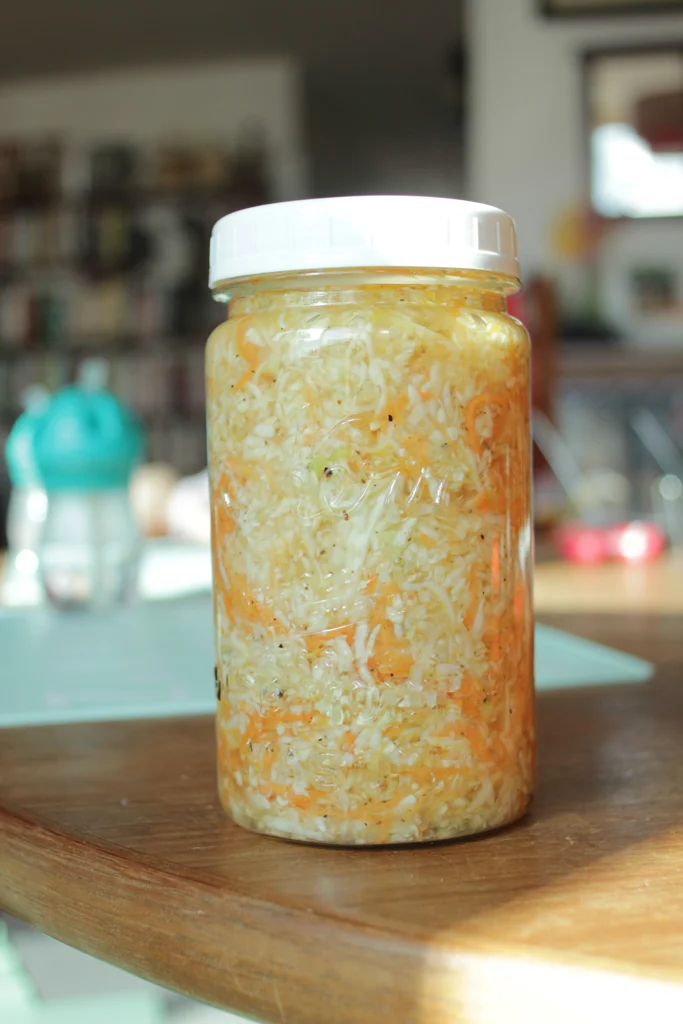
At its heart, a classic Health Salad recipe revolves around shredded cabbage, vinegar, and a significant amount of sugar. The proportion of sugar is often surprisingly high, contributing to the dish’s characteristic sweet-and-sour balance. Beyond these core ingredients, variations abound, reflecting regional preferences and individual culinary styles. While the current challenge recipe features green cabbage and carrots, other common additions include thinly sliced bell peppers (both green and red), crisp cucumbers, and even finely shaved radishes. These additions not only enhance the visual appeal but also introduce subtle textural and flavor nuances, from the peppery bite of radish to the mild sweetness of bell pepper.
The preparation of the vegetables is crucial for achieving the desired texture. Fine shredding, whether by hand with a sharp knife or efficiently with a food processor, ensures that the cabbage and carrots can properly absorb the pickling liquid and remain pleasantly crisp. The choice between manual and mechanical shredding often comes down to individual preference for precision versus convenience, with many home cooks opting for the latter to save time on cleanup for larger batches.

The dressing is a deceptively simple yet critical component. A typical formulation includes white vinegar, granulated sugar, a neutral oil, salt, black pepper, and a key spice: celery seed. The dressing is gently warmed, not boiled, to facilitate the dissolution of the sugar, ensuring a smooth, uniform brine. This warm liquid is then poured over the prepared vegetables, initiating the quick-pickling process. The salad is then allowed to macerate, allowing the flavors to meld and the vegetables to soften slightly while retaining their crunch. Once packed into a clean jar and refrigerated, the salad develops its full flavor profile over 24 hours and remains a vibrant accompaniment for at least two weeks, provided proper sanitation practices are observed.
The Community Canning Challenge: A Platform for Preservation and Learning
The Community Canning Challenge, now in its latest monthly installment, serves as a vital hub for individuals passionate about food preservation. Each month, the challenge introduces a specific theme, encouraging participants to explore various methods of extending the shelf life of produce, from traditional canning to quick pickling and fermentation. This month’s focus on brassicas and root vegetables is particularly relevant given their seasonality in many regions and their versatility in preservation.

The challenge aims to demystify food preservation, making it accessible to a broad audience, from seasoned canners to complete novices. By providing structured themes and fostering a supportive online community, it addresses common barriers to entry, such as a lack of reliable recipes or the intimidation factor associated with complex techniques. The organizers emphasize the educational aspect, providing resources and guidance to ensure safe and successful preservation outcomes.
"Our goal with the Community Canning Challenge is not just to share recipes, but to build a knowledge base and a community around the timeless practice of preserving food," stated a spokesperson for the challenge organizers, who preferred to remain anonymous to highlight the collective nature of the initiative. "This month’s focus on brassicas and root vegetables allows us to explore robust, versatile produce that offers both nutritional value and excellent potential for preservation. Health Salad is a perfect example of how a simple, flavorful dish can be adapted for extended enjoyment."
The challenge utilizes multiple communication channels to engage participants. Dedicated posts on platforms like Substack provide detailed information and recipes, often offered free of charge to maximize accessibility. Concurrently, a vibrant Facebook community group facilitates real-time interaction, allowing participants to share their progress, troubleshoot issues, and exchange ideas. This multi-platform approach ensures a dynamic and interactive learning environment.

Safety and Scalability: The Canning Conundrum
A frequently asked question within the preservation community regarding recipes like Health Salad pertains to their suitability for long-term, shelf-stable canning. While the quick-pickled Health Salad is an excellent refrigerator pickle, extending its shelf life to pantry stability requires adherence to stringent food safety protocols established by organizations like the National Center for Home Food Preservation (NCHFP) and reputable brands like Ball.
Currently, the presented Health Salad recipe, like many quick-pickle formulations, is not approved for water bath canning. The primary reason lies in the precise balance of acidity (pH level) and the vegetable-to-brine ratio required to inhibit the growth of spoilage microorganisms, particularly Clostridium botulinum. These ratios are critical and must be scientifically tested to ensure safety.

"The art and science of home canning demand precision," explained Dr. Eleanor Vance, a food safety specialist at a leading agricultural extension university. "Recipes developed for water bath canning undergo rigorous testing to determine their exact pH and processing times. Deviating from these tested parameters, especially with low-acid ingredients or insufficient vinegar, can lead to serious health risks. While refrigerator pickles are fantastic for short-term storage, they operate under different safety assumptions—namely, continuous refrigeration."
Dr. Vance highlighted that while the existing Health Salad recipe itself is not canning-safe, the concept of a sweet and sour pickled cabbage is certainly amenable to preservation. She cited examples like the "Spiced Red Cabbage" recipe found in the Ball Complete Book of Home Preserving as a testament to this possibility. Such recipes typically involve significantly larger quantities of vegetables and a much higher vinegar-to-vegetable ratio to ensure adequate acidity for safe water bath processing.
The challenge organizers acknowledge this distinction, emphasizing that while the current Health Salad recipe is designed for refrigeration, there is potential for future development. "If there’s sufficient interest from the community, we could certainly explore developing a thoroughly tested, canning-safe version of Health Salad," the spokesperson noted. "It would require careful re-balancing of ingredients and adherence to NCHFP guidelines, but it’s a worthwhile endeavor for those seeking a shelf-stable option."

Implications for Home Cooks and the Broader Food Landscape
The renewed interest in dishes like Health Salad, particularly within the context of home preservation challenges, carries several significant implications for modern culinary practices and the broader food ecosystem:
-
Revitalization of Traditional Skills: The challenge promotes the resurgence of traditional food preservation methods, empowering individuals to take greater control over their food supply, reduce waste, and connect with culinary heritage. This aligns with a broader trend towards self-sufficiency and mindful eating.

-
Economic and Environmental Benefits: By encouraging the preservation of seasonal produce, the challenge helps households save money by extending the life of ingredients purchased in bulk or harvested from gardens. It also contributes to reduced food waste, a critical environmental concern. The focus on brassicas and root vegetables, often affordable and robust, further amplifies these benefits.
-
Culinary Innovation and Adaptation: Participants are not merely following recipes; they are actively engaging in culinary experimentation, adapting traditional dishes to modern palates and practical needs. This fosters creativity and a deeper understanding of ingredient interactions. The debate over canning Health Salad, for instance, highlights a desire to bridge traditional flavors with contemporary preservation techniques.
-
Community Building and Knowledge Sharing: The online platforms used by the challenge create a vibrant community where knowledge is shared freely, and participants receive support and encouragement. This social aspect is crucial for sustaining interest in home cooking and preservation, transforming individual pursuits into collective endeavors.

-
Re-evaluating "Health" in Food: The name "Health Salad" itself sparks discussion about historical versus modern nutritional perspectives. While the dish offers nutrient-rich vegetables and beneficial probiotics from fermentation (if allowed to develop), its sugar content prompts a contemporary awareness of balanced consumption. This serves as an educational opportunity for participants to consider ingredient choices more critically.
As the Community Canning Challenge continues to inspire home cooks to explore the vast possibilities of brassicas and root vegetables, the spotlight on Health Salad serves as a testament to the enduring appeal of classic dishes and the innovative spirit of modern food preservationists. While the journey from refrigerator staple to shelf-stable canned good may require further scientific validation, the discourse itself underscores a growing appreciation for food provenance, culinary heritage, and the empowerment that comes with knowing how to preserve the bounty of the seasons. The efforts of this community are not just about filling jars; they are about cultivating knowledge, fostering connection, and ensuring that delicious, time-honored traditions continue to thrive in contemporary kitchens.