
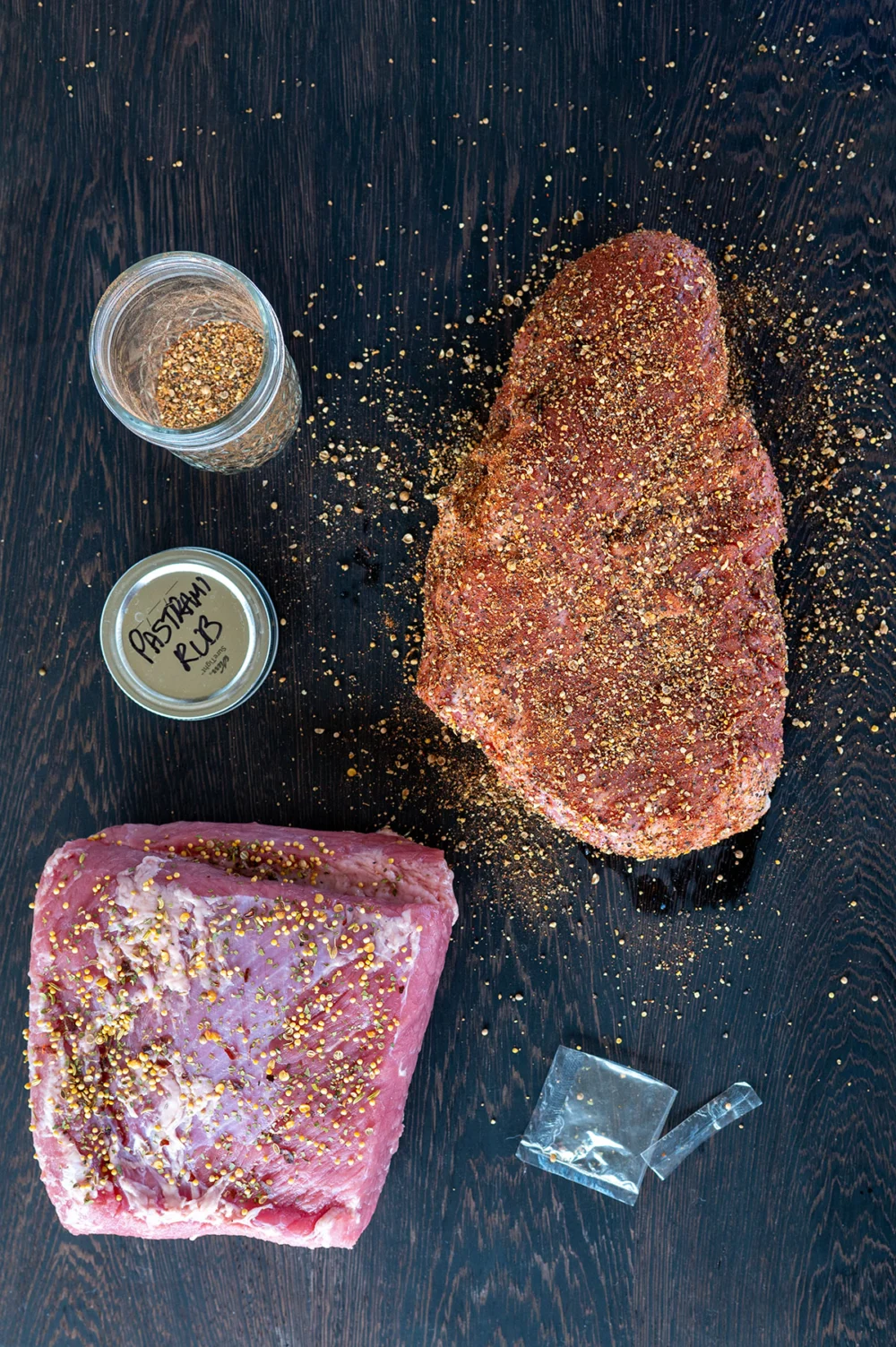
The seemingly straightforward process of creating pastrami—curing, seasoning, smoking, and slicing meat—belies a complex culinary challenge. Minor missteps at any stage can lead to a less-than-ideal final product, leaving home cooks and seasoned pitmasters alike seeking solutions to common issues. This comprehensive guide delves into the most frequent problems encountered during pastrami preparation, offering detailed explanations and practical remedies to ensure a perfectly executed batch. Drawing on established culinary principles and expert insights, this analysis aims to demystify the art of pastrami, transforming potential failures into learning opportunities for future cooks.
Common Pastrami Problems and Their Solutions
The journey to achieving succulent, flavorful pastrami is often paved with potential pitfalls. From an overly salty bite to a dry, unappealing texture, these challenges can derail even the most dedicated efforts. Understanding the root causes of these issues is the first step toward correction and improvement.
Pastrami Too Salty
One of the most frequently cited complaints about pastrami is its excessive saltiness. While a well-cured pastrami should have a pronounced, yet balanced, salty flavor that complements its smoky and spiced notes, an over-salted result can render it unpalatable. This issue typically arises during the brining or curing phase, where the concentration of salt in the curing solution or the duration of the cure is misjudged.
Why It Happens:
The primary culprit behind overly salty pastrami is an imbalance in the curing brine. This can occur due to:
- Incorrect Salt Concentration: Using too much salt relative to the liquid volume in the brine. This might stem from misreading a recipe, using a different type of salt with varying density, or failing to account for the weight of the meat.
- Extended Curing Time: Leaving the meat in the brine for longer than recommended. The longer the meat is exposed to the salt solution, the more it will absorb, leading to an intensified salty flavor.
- Insufficient Rinsing: Not adequately rinsing the cured meat before smoking. This step is crucial for removing excess surface salt and allowing the flavors to mellow.
- Type of Salt Used: Different salts have different densities and crystal sizes, which can affect their concentration when measured by volume. For instance, kosher salt crystals are larger than table salt crystals, meaning a cup of kosher salt contains less sodium by weight than a cup of table salt.
How to Fix It:
Addressing saltiness requires a multi-pronged approach, focusing on both immediate salvage and future prevention:
- Soaking: For a batch that is already too salty, the most effective immediate remedy is to soak the cured meat in fresh, cold water. The duration of soaking can range from several hours to overnight, with water changes every few hours. This process draws out excess salt from the meat.
- Blanching: A quicker, though potentially less effective, method is blanching. Briefly boiling the meat in unsalted water for a few minutes can help reduce surface saltiness. However, this can also affect the texture and some flavor compounds.
- Dilution in Serving: If the saltiness is only slightly pronounced, consider serving the pastrami with accompaniments that can balance the flavor, such as mild, unsweetened rye bread, tangy mustard, or a refreshing coleslaw.
- Future Prevention:
- Precise Measurement: Always use a scale to measure salt for brines. This ensures accuracy regardless of salt type.
- Follow Recipes Closely: Adhere strictly to established recipes for brine ratios.
- Monitor Curing Time: Use a timer and track the curing process diligently.
- Thorough Rinsing: Rinse the meat under cold running water for at least 15-30 minutes, or soak as described above.
- Taste Test (Post-Soak): After soaking, it’s advisable to rinse and then briefly cook a small piece of the meat to gauge its saltiness before committing the entire batch to the smoker.
Pastrami Too Dry or Tough
Pastrami, often made from brisket, is renowned for its tender, yielding texture. When the final product emerges dry or tough, it detracts significantly from its appeal, making it difficult to slice and enjoy. This issue is commonly linked to improper cooking temperatures, insufficient moisture during the smoking process, or overcooking.
Why It Happens:
Several factors contribute to dry or tough pastrami:
- Overcooking: Exceeding the optimal internal temperature range. Meat fibers contract and toughen as they reach higher temperatures, leading to moisture loss.
- Insufficient Moisture During Smoking: Smoking at too high a temperature without adequate moisture can cause the meat to dry out. This can be exacerbated by poor smoker insulation or inconsistent heat.
- Leaner Cuts of Meat: While pastrami can be made from various cuts, using a particularly lean brisket without enough of its natural fat can result in a drier final product. The fat renders during cooking, adding moisture and richness.
- Lack of Resting Period: Failing to allow the meat to rest adequately after smoking. The resting period allows the muscle fibers to relax and reabsorb juices, which are essential for moisture and tenderness.
- Improper Slicing: Slicing against the grain is crucial for tenderness. Slicing with the grain will result in tougher, chewier pieces.
How to Fix It:
Salvaging dry or tough pastrami is challenging, but some methods can improve its texture and moisture content:
- Braising or Steaming: After smoking, the meat can be further cooked in a moist environment, such as a low oven or a slow cooker with broth, apple cider, or beer. This process, akin to braising, will reintroduce moisture and break down tough connective tissues.
- Shredding or Chopping: If the pastrami is excessively dry, it may be best suited for applications where texture is less critical, such as in sandwiches where it can be finely chopped or shredded and mixed with sauce.
- Adding Fat: When reheating or serving, consider adding a small amount of rendered beef fat or butter to moisten the meat.
- Future Prevention:
- Internal Temperature Monitoring: Use a reliable meat thermometer to cook the pastrami to the correct internal temperature, typically between 195°F and 205°F (90°C-96°C) for optimal tenderness.
- Low and Slow Smoking: Maintain a consistent, low smoking temperature (around 225°F-250°F or 107°C-121°C).
- Moisture Management: Employ a water pan in the smoker to maintain humidity. Consider spritzing the meat periodically with liquid (apple cider vinegar, water, beef broth) during the smoking process.
- Adequate Resting: Allow the pastrami to rest, loosely tented with foil, for at least 1-2 hours after smoking before slicing.
- Identify the Grain: Before slicing, locate the direction of the muscle fibers (the grain) and slice perpendicularly across it.
Bark Too Soft
The characteristic "bark" of pastrami, a flavorful crust formed by the rub and smoke, is a highly desirable element. A soft or unformed bark can indicate issues with the smoking process, rub application, or the meat itself.
Why It Happens:
A soft bark can result from:
- Insufficient Smoke Time or Temperature: The bark develops through prolonged exposure to smoke at specific temperatures. If the smoking time is too short or the temperature too low, the rub may not adequately adhere and set.
- Excessive Moisture During Smoking: While moisture is generally beneficial, too much steam or liquid can prevent the bark from drying and setting properly. This can happen if the smoker is too wet or if the meat is wrapped too early in foil without allowing the bark to form first.
- Rub Application Issues: Applying the rub too thinly or unevenly can lead to patchy bark formation. The rub needs sufficient surface area and thickness to develop.
- Meat Surface Moisture: If the meat surface is too wet when the rub is applied, the rub may not adhere well and can wash off during the initial stages of smoking.
How to Fix It:
While a soft bark cannot be entirely transformed into a hard crust, some adjustments can improve its texture and flavor:
- Increase Smoking Temperature (Slightly): For the last hour or so of smoking, a slight increase in temperature (e.g., to 275°F or 135°C) can help dry out and firm up the bark, provided it doesn’t overcook the meat.
- Direct Heat (Carefully): In some cases, briefly exposing the meat to higher, direct heat at the very end of the cook, if your equipment allows, can help crisp the bark. This must be done with extreme caution to avoid burning.
- Broiling: After smoking and resting, a brief period under a broiler can help crisp up a soft bark. Watch closely to prevent burning.
- Future Prevention:
- Proper Rub Application: Apply a generous and even layer of the spice rub to a slightly damp (but not wet) meat surface.
- Initial Smoke Phase: Allow the meat to smoke uncovered for the initial phase of the cook, especially if using a water pan, to let the bark set before wrapping.
- Temperature Management: Maintain consistent temperatures within the recommended range for bark development.
- Avoid Over-Wrapping: If wrapping in foil or butcher paper, ensure the bark has had sufficient time to form before doing so.
Not Smoky Enough
Pastrami’s identity is intrinsically linked to its robust smoky flavor, a signature imparted by the smoking process. A lack of smokiness suggests a problem with the smoker’s performance or the wood used.
Why It Happens:
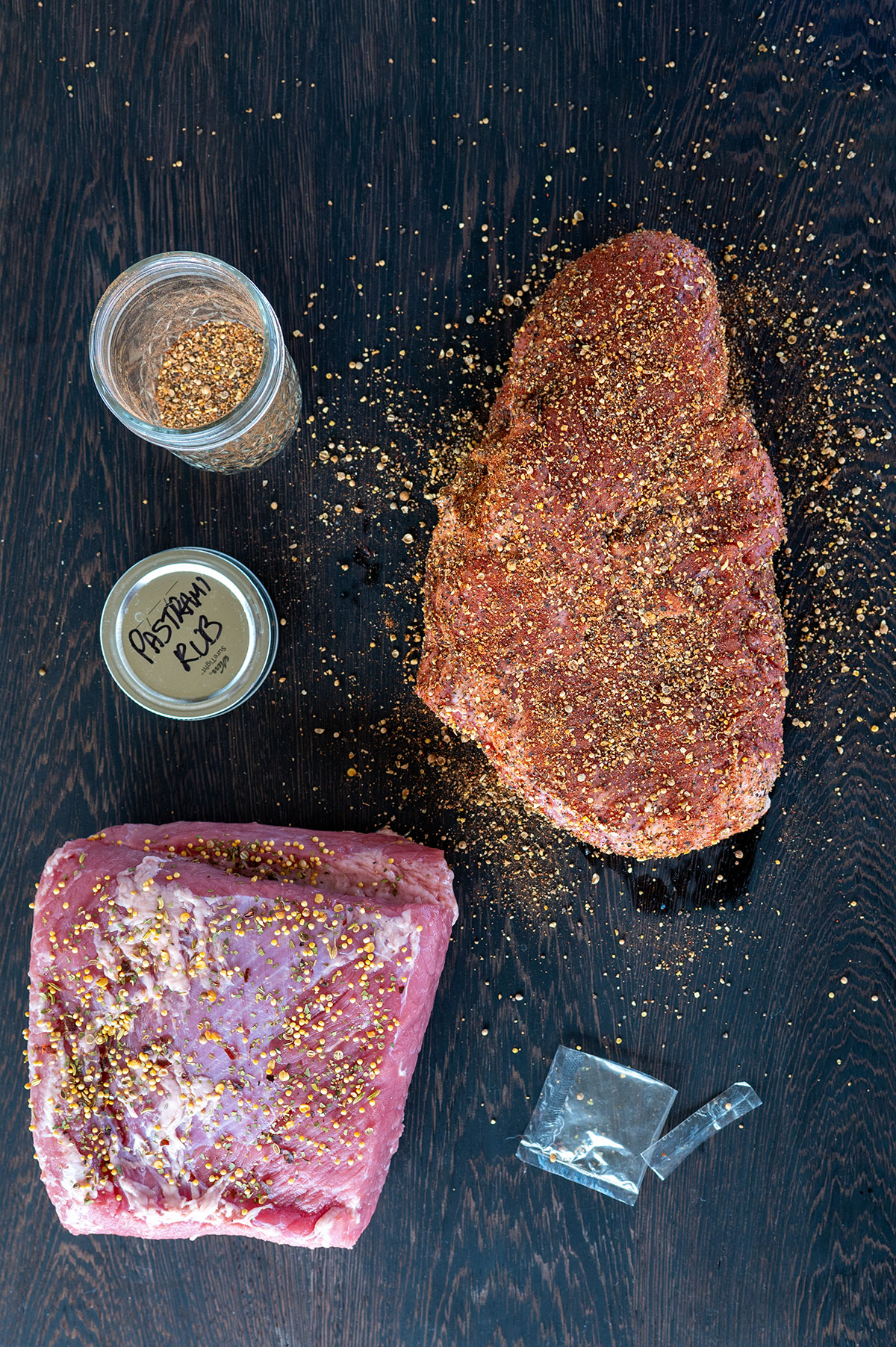
The absence of sufficient smoke flavor can be attributed to:
- Insufficient Wood Usage: Not using enough wood chunks or chips, or not replenishing them during the cook.
- Improper Wood Selection: Using wood that doesn’t produce a significant amount of smoke, or wood that is too dry and burns too quickly without smoldering.
- Smoker Design/Efficiency: Some smokers are less efficient at producing and retaining smoke than others. A leaky smoker can also dissipate smoke rapidly.
- Temperature Too High: Smoking at temperatures above 275°F (135°C) can burn off the smoke too quickly, leading to a less pronounced flavor.
- Lack of Airflow: Insufficient airflow can starve the fire and prevent the wood from smoldering effectively, thus producing less smoke.
How to Fix It:
Boosting the smoke flavor in an already cooked pastrami is difficult, but some strategies can be employed for future cooks:
- Smoking Pouches/Foil Packets: For a final boost, you can place wood chips or chunks in a foil packet with holes poked in it and place it directly on the coals or heat source for the last 30-60 minutes of cooking, or even during the resting phase if using a heat source.
- Liquid Smoke (Use Sparingly): A very small amount of high-quality liquid smoke can be added to a spritz or sauce, but this should be a last resort and used with extreme caution to avoid an artificial taste.
- Future Prevention:
- Generous Wood Usage: Use an adequate amount of smoking wood, typically 2-4 ounces of wood per hour of smoking, depending on the smoker and desired intensity.
- Proper Wood Selection: Opt for hardwoods like hickory, mesquite, oak, or fruitwoods, which are known for their smoke production. Ensure the wood is properly seasoned (dried) but not bone dry.
- Smoker Maintenance: Ensure your smoker is in good working order and properly sealed to retain smoke.
- Optimal Temperature: Maintain smoking temperatures between 225°F and 250°F (107°C-121°C) for sustained smoke production.
- Airflow Control: Manage the smoker’s vents to ensure adequate airflow for smoldering.
Too Smoky
Conversely, an overwhelming, acrid smoky flavor can be as undesirable as a lack of smoke. This typically results from too much smoke produced for too long, or the wrong type of smoke.
Why It Happens:
Over-smoking can occur due to:
- Excessive Wood Usage: Using too much wood, or adding wood too frequently, leading to a dense, acrid smoke.
- "Dirty" Smoke: Burning wood at too high a temperature or with insufficient airflow creates a bitter, creosote-laden smoke. This is often referred to as "white" or "blue" smoke. True flavorful smoke is typically thin and blue.
- Prolonged Smoking: Smoking the meat for an excessive amount of time, allowing it to absorb too much smoke.
- Using Wood Too Early: Starting with a very heavy smoke right from the beginning of the cook, before the meat has had a chance to develop its own flavors.
How to Fix It:
Mitigating an over-smoked flavor requires a delicate touch:
- Resting Period: Allowing the pastrami to rest for an extended period, perhaps even overnight loosely wrapped in butcher paper in the refrigerator, can sometimes help the smoke flavor mellow and integrate.
- Serving with Balancing Flavors: Serve the over-smoked pastrami with ingredients that can cut through or balance the intense smokiness, such as a bright, acidic mustard, pickled onions, or a creamy slaw.
- Use in Mixed Dishes: Incorporate the over-smoked meat into dishes where the smoke flavor can be part of a larger flavor profile, such as in hearty stews or chili, where it won’t be the sole dominant taste.
- Future Prevention:
- Moderate Wood Usage: Use wood judiciously. Start with a moderate amount and add more only if necessary.
- Aim for "Clean" Smoke: Ensure your smoker is producing thin, blue smoke, which is indicative of a clean burn. Avoid thick, white, or grey smoke.
- Monitor Smoking Time: Be mindful of the duration of the smoke. Often, the most intense smoke flavor is absorbed in the first few hours.
- Temperature Control: Maintain consistent smoking temperatures to prevent the wood from burning too hot and creating bitter smoke.
Slices Crumble
The hallmark of expertly prepared pastrami is its ability to be sliced thinly and evenly, revealing its tender, moist interior. When slices crumble and fall apart, it suggests issues with the meat’s structure or the slicing technique.
Why It Happens:
Crumbling slices are often a result of:
- Overcooking: As mentioned previously, overcooking can break down the meat’s connective tissues too much, leading to a mushy texture that cannot hold its form when sliced.
- Undercooking: Conversely, if the meat is not cooked to the proper temperature, it may not have undergone the necessary breakdown of collagen into gelatin, leaving it tough and unable to slice cleanly.
- Improper Resting: Insufficient resting time means the juices have not redistributed throughout the meat, leading to a drier, more crumbly texture.
- Slicing Technique: Using a dull knife or slicing with excessive force can tear the meat rather than create clean cuts. Slicing incorrectly against the grain can also contribute to crumbling.
- Meat Quality: The inherent quality and fat content of the brisket can play a role. Briskets with a lower fat content or a less defined grain may be more prone to crumbling.
How to Fix It:
While crumbling slices indicate a structural issue, they can still be salvaged for consumption:
- Use for Sandwiches: Finely chop or shred the crumbled pastrami and use it as a filling for sandwiches. The texture will be less noticeable when mixed with other ingredients.
- Add to Sauces or Stews: Incorporate the crumbled meat into dishes where its texture is not paramount, such as in savory sauces, casseroles, or stews.
- Future Prevention:
- Cook to Temperature: Accurately monitor the internal temperature, aiming for the tender range of 195°F-205°F (90°C-96°C).
- Adequate Resting: Ensure a sufficient resting period after smoking to allow juices to redistribute.
- Sharp Knife and Proper Technique: Use a very sharp slicing knife and slice against the grain with smooth, deliberate motions.
- Meat Selection: Choose brisket with good marbling and a well-defined grain for easier slicing.
Meat Isn’t Pink
The characteristic pink hue of pastrami, often seen in cured meats, is a visual cue that many expect. However, the absence of this pink color is not necessarily an indicator of a spoiled or improperly prepared product.
Why It Happens:
The pink color in cured meats is primarily due to the presence of sodium nitrite, a curing agent, reacting with myoglobin, the protein in meat responsible for its red color. The degree of pinkness can vary based on several factors:
- Type and Amount of Curing Salt: Different curing salts (e.g., Prague Powder #1 or #2) and their concentrations can affect the intensity of the pink color. Some recipes may use less curing salt, resulting in a more natural meat color.
- Meat Type and Cut: The natural myoglobin content varies between different types of meat and even within different muscles of the same animal.
- Smoking Temperature and Time: Higher smoking temperatures or longer smoking times can sometimes cause the pink color to fade.
- Reaction Time: The curing process needs sufficient time for the sodium nitrite to react with the myoglobin. If the curing time is too short, the color may not fully develop.
- Absence of Curing Salt: Some pastrami recipes may omit curing salts altogether, opting for a purely salt-cured and smoked product. In this case, the meat will naturally revert to its cooked color.
How to Fix It:
The color of the meat is largely a cosmetic aspect and does not inherently affect taste or safety. Therefore, "fixing" the lack of pinkness after the fact is generally not necessary or advisable, as it would require altering the curing process.
- Future Prevention:
- Use Curing Salts: If a pink color is desired, ensure the recipe includes an appropriate curing salt like Prague Powder #1 (which contains 6.25% sodium nitrite and 6.25% sodium nitrate) and follow the recommended ratios precisely.
- Adequate Curing Time: Allow the meat sufficient time in the curing brine for the color to develop.
- Smoking Technique: Be mindful of how smoking temperatures might affect the color. While some fading is normal, extreme heat can accelerate it.
- Understand Natural Variations: Recognize that not all pastrami will have the same vibrant pink hue, and this variation is often a sign of a more natural curing process. The absence of pink does not mean the meat is unsafe to eat, provided it has been properly cured and cooked.
The pursuit of perfect pastrami is an ongoing culinary adventure. By understanding the common challenges and their underlying causes, cooks can approach each step with greater confidence, ensuring a delicious and satisfying outcome. Whether troubleshooting a current batch or refining future preparations, this detailed guide provides the knowledge necessary to elevate the art of pastrami making.


