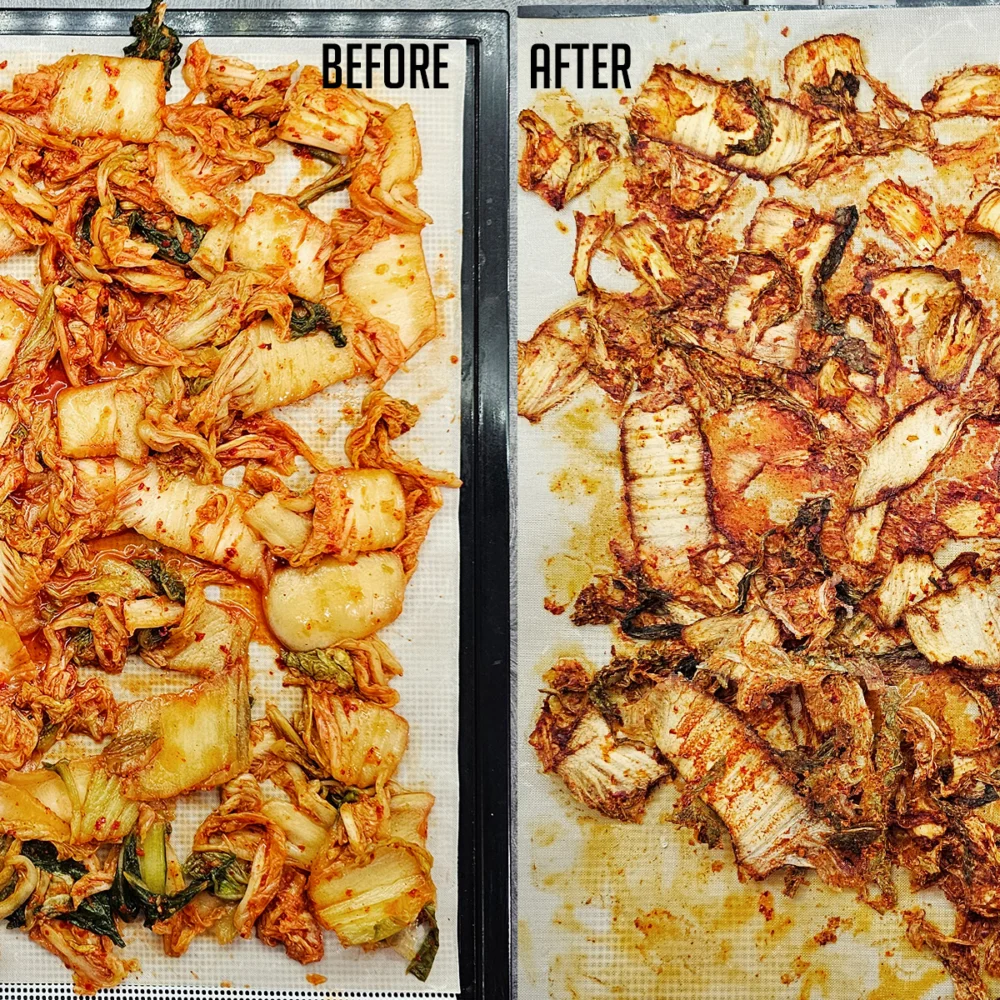
The intersection of ancient fermentation traditions and modern food preservation technology has reached a new milestone as culinary experts and home preservationists increasingly adopt dehydration as a primary method for extending the shelf life of kimchi. This Korean staple, a product of complex lacto-fermentation, is traditionally consumed fresh or in stews; however, the application of controlled desiccation offers a solution to the common logistical challenge of managing large batches of fermented vegetables. By removing moisture while maintaining enzymatic integrity, enthusiasts can transform a perishable probiotic powerhouse into a shelf-stable ingredient suitable for snacks, seasonings, and lightweight travel rations.
The Cultural and Biological Significance of Kimchi
To understand the necessity of preservation, one must first examine the nature of kimchi. At its core, kimchi is a traditional Korean dish consisting of salted and fermented vegetables, most commonly napa cabbage and Korean radishes. The flavor profile is a sophisticated balance of spicy, sour, and umami, derived from a seasoning paste that typically includes gochugaru (chili powder), spring onions, garlic, ginger, and various salted seafood products.
The fermentation process is driven by lactic acid bacteria (LAB), primarily of the genera Lactobacillus, Leuconostoc, and Weissella. These microorganisms are responsible for the distinct tang of the dish and are widely recognized for their role in promoting gut health. In 2013, "Kimjang," the traditional process of preparing and sharing kimchi, was added to the UNESCO Representative List of the Intangible Cultural Heritage of Humanity. As global interest in fermented foods surges, the challenge for many modern households remains the "big jar" dilemma—the inability to consume large quantities of fermented vegetables before they become over-fermented and overly acidic for raw consumption.
The Science of Dehydration and Probiotic Retention
The primary concern when dehydrating fermented foods is the survival of beneficial bacteria. Most probiotics are sensitive to heat; temperatures exceeding 115°F (46°C) can denature the proteins and enzymes essential to the bacteria’s survival. Consequently, the methodology for dehydrating kimchi differs significantly from the high-heat drying used for jerky or standard vegetables.
According to technical specifications provided by food preservation experts like Darcy Baldwin of The Purposeful Pantry, maintaining a temperature below the 115°F threshold is critical for preserving the "live" nature of the food. If the kimchi is commercially jarred and shelf-stable (meaning it has been pasteurized or pressure-treated), higher temperatures of up to 140°F are permissible, as the probiotic benefit has already been neutralized during the industrial canning process. For home-fermented or refrigerated varieties, the low-and-slow approach is the gold standard for nutritional density.
Technical Methodology: A Chronological Approach to Preservation
The process of transitioning kimchi from a wet, fermented state to a dry, stable state requires precision and specific equipment. The following chronology outlines the industry-standard procedure for home-scale dehydration.
Preparation and Layout
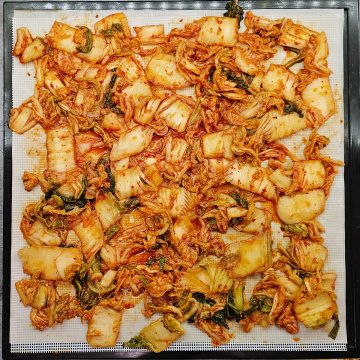
Because kimchi is a "wet" ingredient with a high vinegar and brine content, preparation begins with the selection of appropriate liners. Experts recommend the use of parchment paper or silicone fruit leather sheets. This serves a dual purpose: it prevents the liquid components from dripping through the dehydrator trays and protects the equipment from the potent pigments in the gochugaru, which are notorious for staining plastic components.
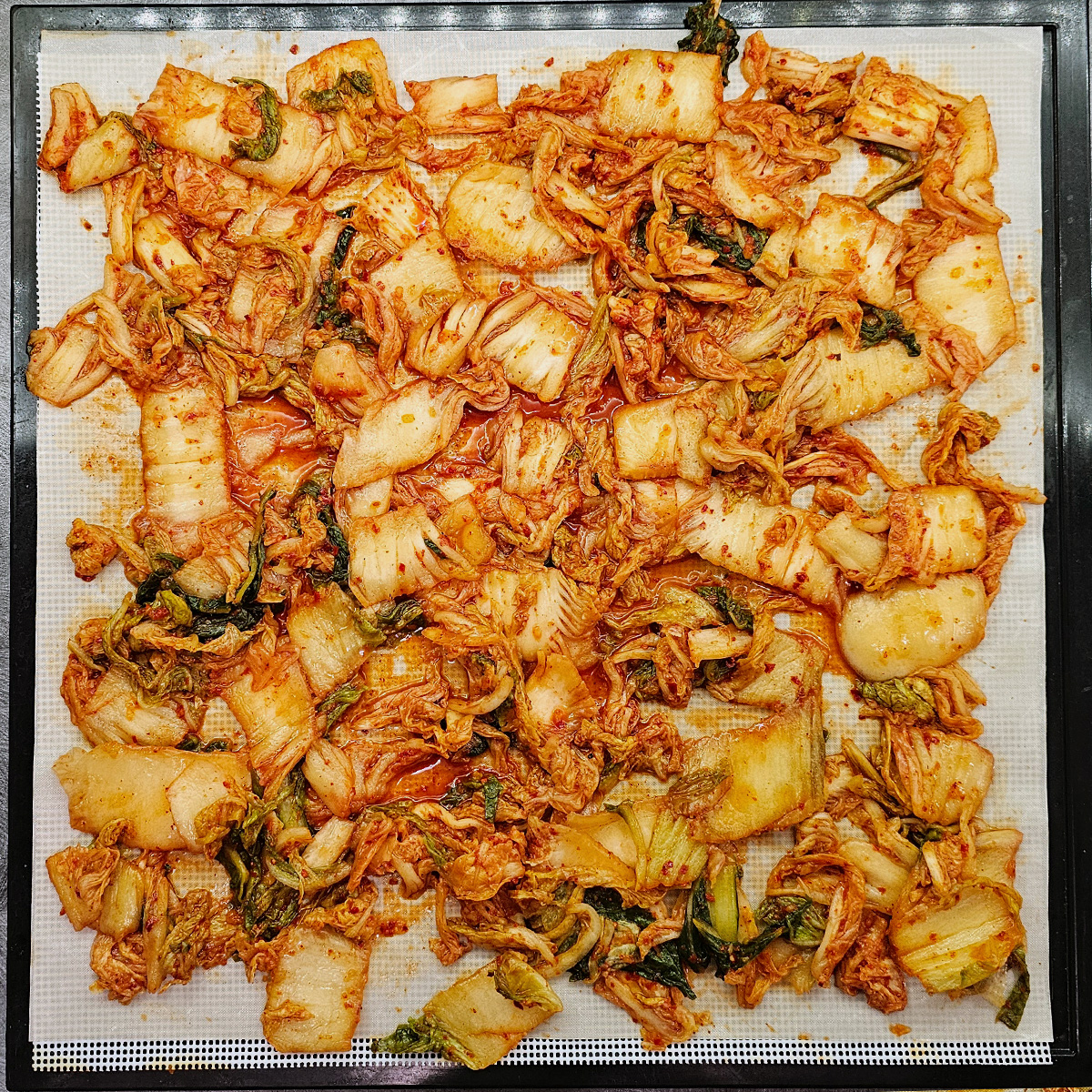
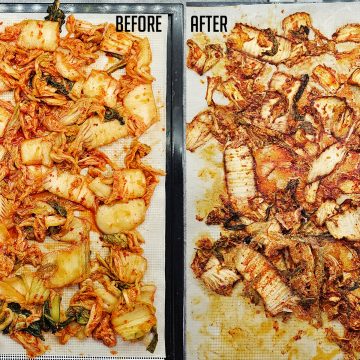
When spreading the material, density management is paramount. While the cabbage will shrink significantly as moisture evaporates, over-piling the leaves can create "cold spots" where moisture remains trapped, leading to potential spoilage. A thin, even distribution ensures uniform airflow.
The Desiccation Phase
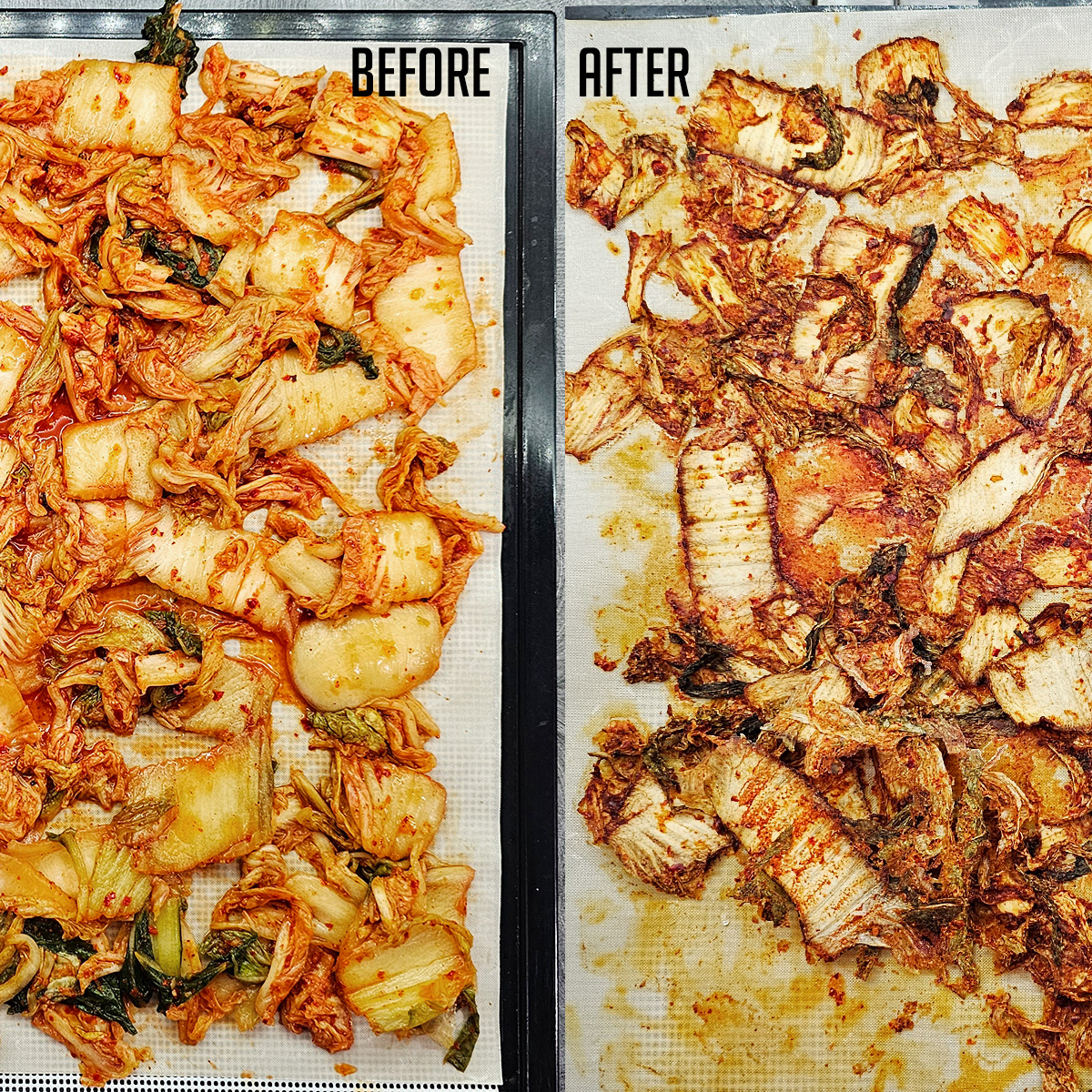
The dehydrator is set to a temperature between 95°F and 105°F for maximum nutrient retention. The duration of this phase is highly variable, typically ranging from 12 to 24 hours. Factors influencing this timeline include the ambient humidity of the room, the specific water content of the cabbage, and the thickness of the vegetable cuts. The goal is to reach a state where the pieces are brittle or slightly pliable but devoid of any internal moisture.
The Conditioning Protocol
A critical, yet often overlooked, step in the dehydration process is "conditioning." Once the kimchi is removed from the dehydrator and cooled, it is placed into airtight glass jars. For a period of five days, these jars must be shaken daily and monitored for signs of condensation or clumping.
This phase allows any residual moisture to redistribute evenly among the pieces. If moisture is detected on the glass, the batch must be returned to the dehydrator. This protocol is a vital safety measure to prevent the growth of mold during long-term storage.
Nutritional Analysis and Storage Data
Dehydrated kimchi is a nutrient-dense product. While the volume decreases, the concentration of certain elements increases. Based on nutritional estimates, a single serving of dehydrated kimchi (roughly equivalent to one cup of fresh product) contains approximately:
- Calories: 17 kcal
- Sodium: 573 mg
- Potassium: 174 mg
- Carbohydrates: 3 g
- Fiber: 2 g
- Protein: 1 g
The high sodium content, while a concern for those on restricted diets, acts as a secondary preservative. When stored in an airtight container—such as a vacuum-sealed Mylar bag or a canning jar with a moisture absorber—dehydrated kimchi can maintain its quality for up to two years. This represents a significant improvement over refrigerated kimchi, which, while safe to eat for many months, eventually loses its textural integrity.
Culinary Applications and the Rise of Kimchi Powder
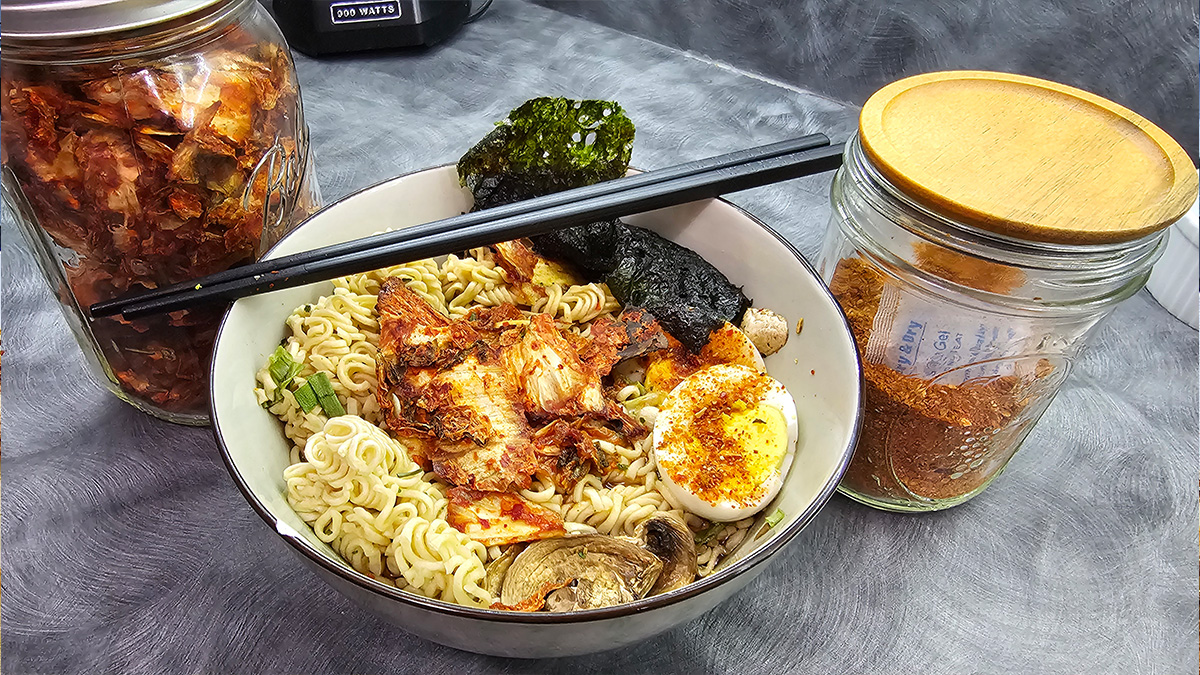
The implications of dried kimchi extend beyond simple preservation into the realm of culinary innovation. One of the most significant trends in fusion cuisine is the creation of "Kimchi Powder." By grinding the fully dried cabbage and seasonings in a high-speed blender, chefs create a potent, shelf-stable spice.
This powder is being utilized as a "flavor bomb" in various applications:
- Gourmet Seasoning: Dusting over popcorn, dehydrated vegetable chips, or french fries.
- Protein Rubs: Adding a spicy, fermented kick to grilled meats and tofu.
- Instant Flavoring: Enhancing the broth of ramen or stews without adding the bulk of fresh vegetables.
- Dry Mixes: Incorporating into "just-add-water" meals for backpackers and hikers.
For those using the whole dried pieces, rehydration is a straightforward process. Adding the dried leaves directly to boiling water in soups or ramen allows them to absorb liquid and return to a texture similar to cooked cabbage within minutes.
Broader Impact on Food Waste and Sustainability
The move toward dehydrating fermented foods reflects a broader shift in consumer behavior toward sustainability and waste reduction. Global food waste is a multi-billion dollar issue, and fermented foods, despite their long shelf life, are frequently discarded when they become too pungent for the average palate.
Dehydration provides a "reset button" for these ingredients. By converting a pungent, liquid-heavy jar into a compact, dry seasoning, households can significantly reduce their waste footprint. Furthermore, the reduction in weight and volume has implications for the carbon footprint associated with shipping and storage. For the outdoor industry, dehydrated kimchi offers a way to bring high-nutrition, flavorful probiotics into the backcountry without the weight of water or the risk of leaks in a backpack.
Expert Perspectives and Future Outlook
Industry observers note that the interest in specialized food preservation tools—such as dehydrator temperature magnets and specialized liners—is at an all-time high. Darcy Baldwin, a prominent figure in the food preservation community and author of "Dehydrating Basics & Journal," emphasizes that education is the key to successful pantry management. Her work focuses on empowering consumers to move away from "emergency" food storage toward a "purposeful" pantry where ingredients are used and rotated regularly.
Looking ahead, the market for fermented powders and dried probiotic snacks is expected to grow. As more consumers prioritize gut health, the ability to incorporate the flavors and benefits of kimchi into everyday meals—without the need for constant refrigeration—will likely move from a niche hobby to a mainstream culinary practice.
In conclusion, the dehydration of kimchi is more than a simple kitchen hack; it is a sophisticated intersection of microbiology, culinary art, and sustainable living. By adhering to strict temperature controls and conditioning protocols, individuals can preserve the heritage and health benefits of Korea’s national dish in a format that meets the demands of modern, fast-paced lifestyles. Whether used as a crunchy snack or a concentrated seasoning, dried kimchi represents the future of functional, shelf-stable food.