The holiday season traditionally ushers in a heightened appreciation for thoughtful, handmade gifts, and in recent years, gourmet edible treats have taken center stage. Among these, sweet, crunchy spiced nuts have emerged as a highly acclaimed and versatile option, lauded for their straightforward preparation and universal appeal. These delectable confections not only serve as an elegant addition to cheese boards and hearty winter salads but also function as a standalone snack that garners enthusiastic reception from recipients. This trend is further amplified by strategic partnerships, such as the collaboration with Ball® home canning products, which positions their festive Snowflake Keepsake Jars as ideal vessels for such artisanal offerings. The emphasis on homemade culinary delights reflects a broader societal shift towards personalized gifting, sustainability, and the enjoyment of high-quality, handcrafted goods during festive periods.

The Resurgence of Artisanal Holiday Gifting
The contemporary gifting landscape is witnessing a notable resurgence in the popularity of homemade and artisanal products, particularly during the holiday season. Consumers are increasingly seeking unique, personal touches over mass-produced items, driven by a desire to convey genuine sentiment and thoughtfulness. This cultural shift is underpinned by several factors, including a growing interest in culinary arts, a heightened awareness of food origins, and an economic climate that encourages cost-effective yet high-value gifting solutions. Homemade gourmet items, like spiced nuts, align perfectly with these evolving preferences. They offer a perceived higher value due to the effort and care invested in their creation, often at a lower monetary cost than comparable store-bought alternatives. For instance, a 2022 survey by the National Retail Federation indicated that a significant portion of consumers prioritize unique and personalized gifts, with edible gifts consistently ranking high in popularity due to their consumable nature and broad appeal. Moreover, the act of preparing and gifting food taps into deeply rooted traditions of hospitality and generosity, strengthening social bonds and creating memorable experiences. This movement also intertwines with a broader lifestyle trend embracing mindfulness, craftsmanship, and a return to simpler, more authentic pleasures, making handcrafted edibles a powerful statement in modern gifting etiquette. The ability to customize ingredients and presentation further enhances their appeal, allowing givers to tailor gifts to individual tastes and dietary considerations, thereby maximizing their impact and perceived thoughtfulness.
Crafting the Perfect Spiced Nut Medley: A Detailed Approach
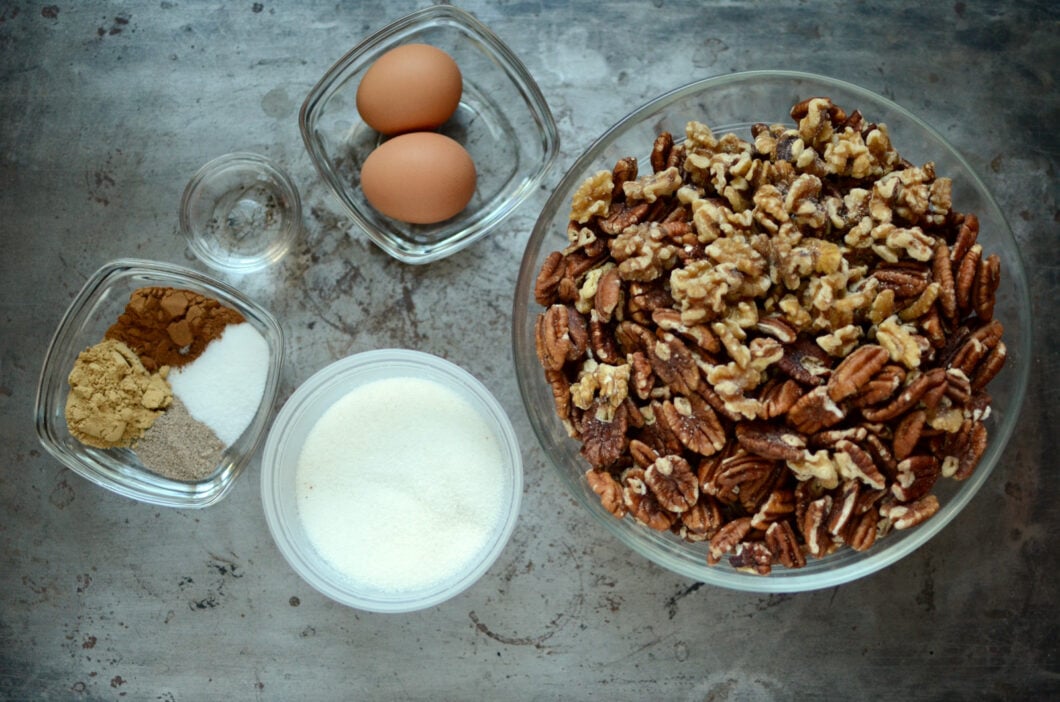
The preparation of these sweet, crunchy spiced nuts is characterized by its simplicity and the forgiving nature of the recipe, making it accessible to home cooks of varying skill levels. The core components typically involve a blend of nuts, a binding agent, and a carefully selected mix of spices and sweeteners. A common and highly effective method begins with preparing the nuts to ensure optimal coating and texture. This involves whisking together two egg whites with two tablespoons of water until lightly frothy. The chosen nuts, often a harmonious blend of pecans and walnuts, are then added to this mixture and thoroughly stirred to ensure each piece is evenly coated. This egg white wash serves a dual purpose: it acts as an adhesive for the spice mixture and contributes to the nuts’ characteristic crunch upon baking. The protein in the egg whites denatures during baking, creating a crisp, airy shell around the nuts.

Following the initial coating, the nuts are transferred to a colander to allow any excess liquid to drain away. This step is crucial for preventing a soggy outcome and ensuring that the subsequent spice mixture adheres perfectly without clumping. While the nuts are draining, the dry ingredients are prepared. This typically involves combining sugar, salt, and a selection of warming spices in a large bowl. The specific spices can be adjusted to personal preference, but common choices include cinnamon, nutmeg, cloves, and ginger, which evoke classic holiday aromas. A blend of allspice, cardamom, or a hint of cayenne pepper can also be incorporated for added complexity or a subtle kick, respectively. Once the nuts have adequately drained, they are introduced to the dry spice mixture and tossed meticulously until every nut is uniformly coated. This ensures a consistent flavor profile and a visually appealing finish, indicative of a well-executed recipe.
The final stage of preparation involves the baking process. The coated nuts are divided evenly between two parchment-lined baking sheets, ensuring they are spread in a single layer to facilitate even roasting. Baking is conducted at a moderate temperature, typically 300°F (approximately 150°C), for a duration of 35 to 40 minutes. Critical to achieving the desired crispness and preventing uneven cooking is the rotation of the baking sheets at least once during the baking period. This ensures that all nuts are exposed to consistent heat, promoting uniform caramelization and spice activation, and preventing any part from burning or remaining undercooked. Upon completion of baking, the nuts are allowed to cool completely on the baking sheets. This cooling phase is essential as it allows the sugary coating to harden and crystallize, resulting in the distinct crunchy texture. Once cooled, the nuts are gently broken apart to separate any pieces that may have clumped together during the baking process, yielding individual, perfectly spiced morsels ready for consumption or gifting.

The Role of Customization and Culinary Influence
The recipe for spiced nuts exemplifies culinary adaptability, allowing for significant personalization to suit diverse palates and preferences. The original inspiration for this particular rendition stemmed from an Instagram friend, Heather, showcasing the powerful influence of social media platforms in disseminating and evolving culinary trends. Online communities and food bloggers have become significant drivers of recipe sharing and adaptation, democratizing access to diverse culinary techniques and inspiring home cooks globally. The recipe, while robust in its original form, underwent thoughtful modifications to enhance its flavor profile and appeal. These adjustments included a change in one of the primary spices, a slight reduction in sugar content to achieve a more balanced sweetness, and the incorporation of a mixed nut blend—specifically pecans and walnuts—instead of a single nut variety. This demonstrates the inherent flexibility of such recipes, encouraging home cooks to experiment with different spice combinations (e.g., adding star anise or black pepper for an unexpected twist), nut types (almonds, cashews, hazelnuts could also be used), and sweetness levels. The ability to make such small yet impactful changes without compromising the overall success of the outcome underscores the recipe’s forgiving nature and its potential for creative interpretation. This iterative process of culinary development, where recipes are shared, adapted, and personalized, is a hallmark of modern cooking, fostering a sense of community and individual expression within the kitchen.
Practicality and Preservation: Ensuring Lasting Enjoyment
Beyond their immediate appeal, the practical aspects of these spiced nuts contribute significantly to their status as an ideal holiday gift. The relatively long shelf life at room temperature—typically 3-4 weeks when stored in an airtight container—makes them an excellent choice for advance preparation, alleviating holiday season stress. For extended preservation, storing the nuts in the refrigerator can further prolong their freshness, extending their usability to several weeks beyond the initial period, while freezing them offers an even longer storage solution, ensuring their crunch and flavor remain intact for several months. This extended shelf life is a crucial consideration for anyone planning to make a large batch for multiple recipients or to enjoy over an extended period. The natural preservative qualities of sugar and salt, combined with proper baking and airtight storage, contribute to this longevity. A well-sealed container protects the nuts from moisture and air, which are primary factors in spoilage and loss of crispness.
Furthermore, their versatility extends beyond mere snacking. As suggested, these spiced nuts are an exceptional complement to a sophisticated cheese board, providing a sweet and savory counterpoint to various cheeses, from sharp cheddars to creamy brie. Their textural contrast and spiced notes also make them a delightful addition to hearty winter salads, adding an unexpected layer of flavor and crunch. They can also be crushed and used as a topping for yogurt, oatmeal, or even ice cream, demonstrating their broad culinary application. This multi-functional utility enhances their value as a gift, as recipients can enjoy them in various contexts, from casual snacking to elegant entertaining. The convenience of their preparation combined with their lasting quality and diverse applications solidifies their position as a holiday staple, offering a superior alternative to more perishable homemade treats.
The Enduring Appeal of Branded Seasonal Packaging
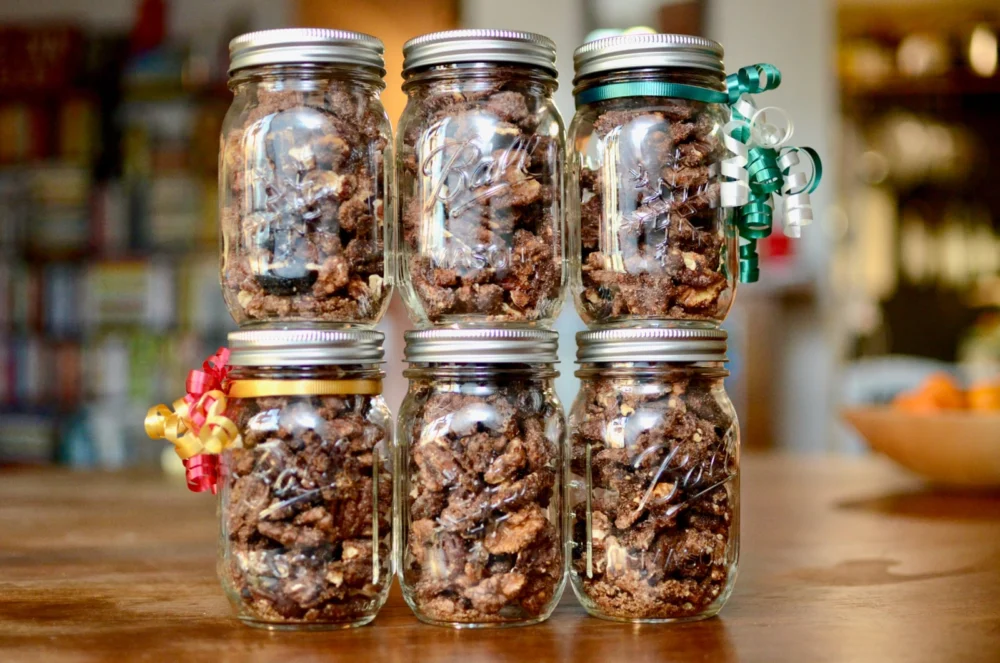
The presentation of homemade gifts plays a pivotal role in their perceived value and overall impact. In this context, the partnership with Ball® home canning products, specifically featuring their festive Ball® Snowflake Keepsake Pint Jars, highlights the importance of appropriate packaging. Ball® jars have long been synonymous with home preservation and quality, and their seasonal designs elevate them from mere containers to integral parts of the gift itself. The Snowflake Keepsake Jars, with their distinctive holiday motif, instantly imbue the gift with a celebratory and traditional feel, enhancing the aesthetic appeal and making the offering more special. This strategic branding aligns the product with holiday traditions and emotional connections.

A spokesperson for Ball® home canning products might highlight how their seasonal product lines are designed to inspire creativity and facilitate cherished holiday traditions, connecting consumers with the joy of homemade goods. "Our Snowflake Keepsake Jars are crafted not just for preservation, but to become a part of the gifting experience itself," a representative might state, emphasizing the blend of functionality and festive design. The jars are not only practical for storage but also serve as a reusable keepsake, further adding to the gift’s sustainability and long-term value. While the focus remains on the delicious contents, a subtle decorative touch, such as curling ribbon tied around the jar’s neck in seasonal colors, can further amplify the festive and celebratory nature of the gift. This thoughtful presentation underscores the care and effort invested, transforming a simple culinary creation into a memorable and highly appreciated present. The strategic integration of branded, aesthetically pleasing packaging reinforces the message that homemade gifts can be both deeply personal and elegantly presented, aligning with contemporary consumer expectations for quality and style.
Broader Implications for Consumer Trends and Gifting Culture
The phenomenon of gourmet spiced nuts as a popular holiday gift, particularly when packaged in distinctive containers like Ball® jars, carries broader implications for consumer trends and gifting culture. Economically, it signifies a robust market for specialized ingredients, artisanal spices, and high-quality kitchenware during peak gifting seasons. Manufacturers of nuts, spices, and packaging materials likely experience significant demand fluctuations tied to these seasonal gifting trends. For instance, the market for specialty nuts like pecans and walnuts often sees a spike around the holidays, driven by both professional bakeries and home cooks engaging in gift preparation. According to agricultural reports, pecan and walnut consumption typically surges in the last quarter of the year. Similarly, the demand for aesthetically pleasing and functional canning jars, especially limited-edition seasonal designs, illustrates how brands can successfully tap into emotional consumer connections and holiday traditions, often leading to increased sales for such niche product lines.
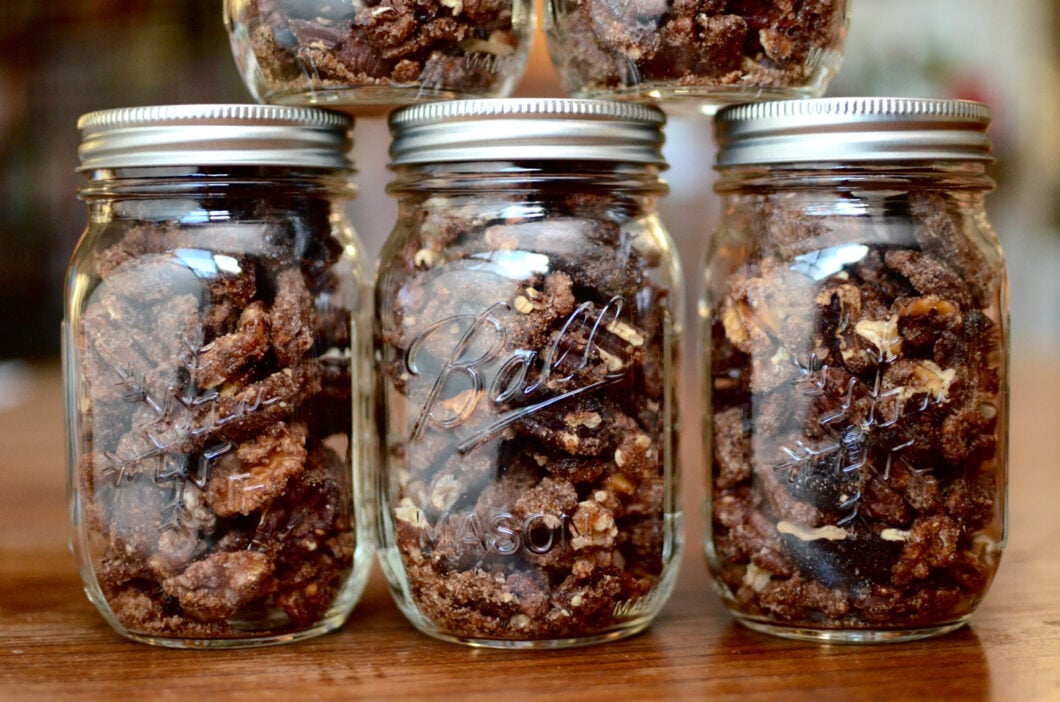
Socially, the act of gifting homemade food contributes to a culture of personal connection and mindfulness. In an increasingly digital world, tangible, handmade gifts offer a refreshing counterpoint, emphasizing human connection and the value of time and effort. This practice can foster a deeper sense of community and appreciation among friends, family, and colleagues, reinforcing social bonds through shared culinary experiences. From a sustainability perspective, the use of reusable Ball® jars promotes eco-conscious gifting. Instead of disposable wrapping or containers, recipients receive a functional item that can be repurposed for various uses long after the nuts have been enjoyed, contributing to a reduction in waste. This aligns with growing consumer demand for environmentally friendly products and practices, as consumers become more aware of the environmental impact of their purchases. Overall, the trend towards elevated homemade edible gifts reflects a sophisticated evolution in consumer preferences, blending tradition with modern values of personalization, quality, and sustainability. It underscores the enduring power of food as a medium for expressing care and celebrating shared experiences, solidifying the spiced nut medley’s place as a cherished holiday offering.
In conclusion, the simple yet sophisticated spiced nut recipe stands as a testament to the enduring appeal of homemade holiday gifts. Its ease of preparation, versatility, and adaptability, combined with the charm of festive packaging, make it an exemplary choice for thoughtful seasonal giving. As consumers continue to prioritize personalized, high-quality, and sustainably presented offerings, gourmet edibles like these spiced nuts are poised to remain a cherished tradition, embodying the true spirit of generosity and culinary craftsmanship during the holidays.