
In the dynamic world of culinary innovation, a captivating new appetizer has emerged, blending the savory richness of pastrami with the beloved crispiness of Filipino lumpia. This fusion dish, often described as "pastrami lumpia," offers a unique and irresistible twist on a traditional favorite, making it an ideal choice for gatherings, parties, and casual entertaining. The concept reimagines the classic Filipino egg roll by incorporating a hearty pastrami and melty cheese filling, fried to a perfect golden-brown crisp.

Understanding the Foundation: What is Lumpia?
Before delving into the specifics of the pastrami variant, it’s essential to understand the essence of lumpia itself. Lumpia is a savory pastry, originating from the Philippines, that closely resembles an egg roll. However, lumpia wrappers are distinct from their Western counterparts. Typically made from a simple mixture of flour and water, these wrappers are notably thin and devoid of egg. This composition contributes to their signature characteristic: an exceptionally smooth and satisfyingly crisp texture when fried. Traditionally, lumpia fillings consist of finely chopped vegetables and a choice of ground meat, such as pork, chicken, or shrimp. This recipe, however, boldly departs from tradition by introducing the robust flavors of pastrami and the creamy indulgence of cheese.
The Culinary Genesis: A Fusion of Flavors
The creation of pastrami lumpia represents a thoughtful culinary fusion, drawing inspiration from both Eastern and Western culinary traditions. While the exact origin story of this specific iteration is not a matter of historical record, its appeal lies in the seamless integration of contrasting yet complementary flavors and textures. Pastrami, a deli staple known for its smoky, peppery, and often slightly sweet profile, offers a depth of flavor that pairs remarkably well with the mild, slightly salty character of melted cheese. Encasing this rich filling within the delicate, shatteringly crisp shell of a lumpia wrapper creates a bite-sized explosion of taste and texture that is both familiar and excitingly novel.

Crafting the Pastrami Lumpia: A Step-by-Step Guide
The preparation of pastrami lumpia, while requiring attention to detail, is an accessible culinary endeavor, perfect for home cooks looking to impress. The process can be broken down into distinct, manageable steps.
Step 1: Preparing the Irresistible Filling
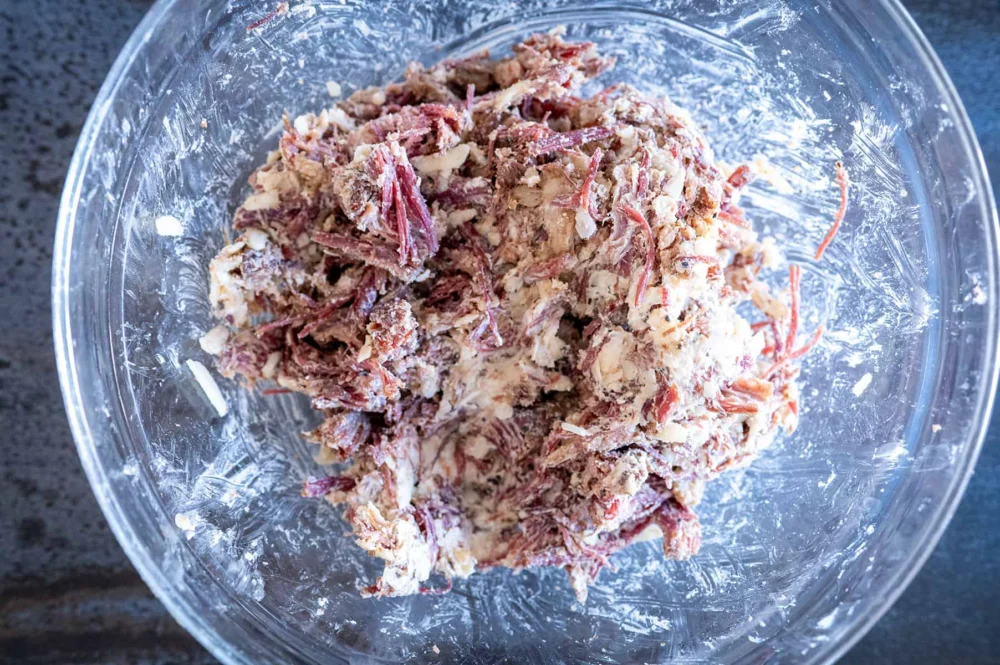
The heart of the pastrami lumpia lies in its flavorful filling. This is achieved by combining finely chopped pastrami with a generous amount of shredded cheese and a touch of cream cheese. The cream cheese acts as a binder, ensuring the filling remains cohesive during the rolling and frying process, while also contributing to a luxurious, melty texture. A pinch of salt is added to taste, enhancing the overall flavor profile. Many find that mixing these ingredients by hand is the most effective method, allowing for an even distribution of all components.

Step 2: The Art of Rolling the Lumpia
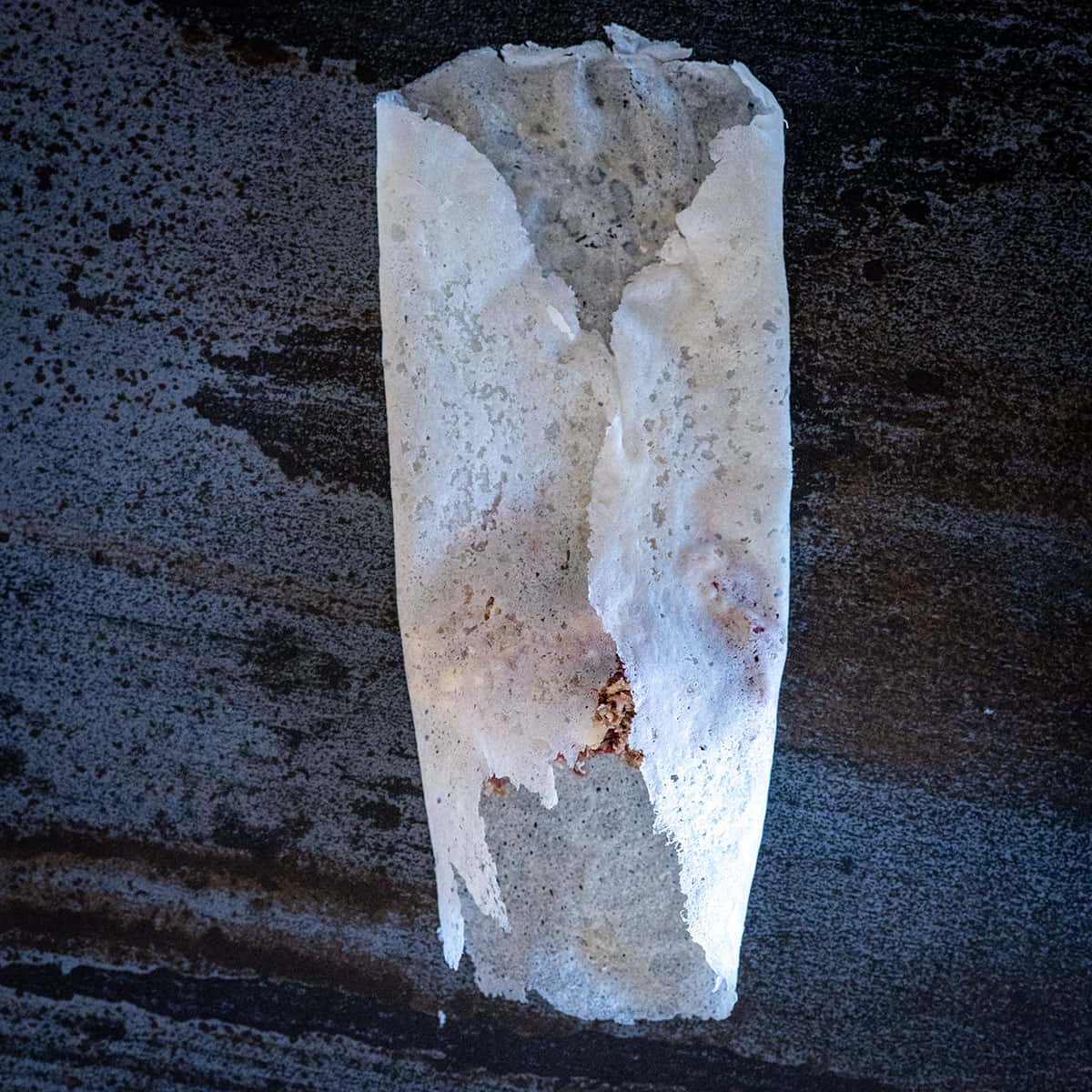
Once the filling is prepared, the next crucial step is to expertly roll the lumpia. This involves placing approximately two tablespoons of the pastrami and cheese mixture onto a lumpia wrapper. The wrapper is then strategically folded: the sides are folded inward to enclose the filling, followed by folding up the bottom edge to create a secure pocket. The lumpia is then shaped into a cigar-like form. To ensure a tight seal, a small amount of water is used to moisten the top edge of the wrapper, allowing it to adhere firmly as the lumpia is rolled to completion. This meticulous rolling technique prevents the filling from leaking out during frying.
Step 3: Achieving Golden Perfection Through Frying
The signature crispiness of lumpia is achieved through deep-frying. The oil is heated in a pot over medium heat to a precise temperature of 375°F (190°C). This temperature is critical; too low, and the lumpia will absorb excess oil and become soggy; too high, and the wrappers may burn before the filling is heated through. A few lumpia are carefully added to the hot oil and fried for approximately two minutes, or until they achieve a beautiful, even golden-brown hue. This short frying time is sufficient to cook the filling and crisp the wrapper to perfection.
Step 4: Draining for Optimal Crispness
Immediately after frying, the golden-brown lumpia are removed from the oil and placed on a wire rack set over a baking sheet lined with paper towels. This allows any excess oil to drain away, preserving the crispiness of the wrappers. A light sprinkle of salt while the lumpia are still hot further enhances their flavor.
Step 5: Complementing Flavors with a Dipping Sauce
To elevate the culinary experience, an optional yet highly recommended dipping sauce can be prepared. This flavorful accompaniment is a simple yet effective blend of mayonnaise, tomato paste, Worcestershire sauce, and a touch of "Girls Can Grill Brisket Rub." The brisket rub, with its complex blend of spices, adds a unique smoky and savory dimension to the sauce. For the best flavor integration, it is advised to refrigerate the sauce for at least 30 minutes before serving, allowing the ingredients to meld.

Nutritional Considerations: A Snapshot
For those mindful of nutritional intake, an approximate breakdown of the pastrami lumpia reveals a calorie count of around 459 kcal per serving. This includes approximately 13g of carbohydrates, 13g of protein, and a notable 40g of fat. The fat content comprises 8g of saturated fat, 20g of polyunsaturated fat, and 9g of monounsaturated fat. Cholesterol content is around 41mg, with sodium at 723mg. The recipe also provides approximately 0.4g of fiber and 1g of sugar, along with modest amounts of Vitamin A, Vitamin C, Calcium, and Iron. It is important to note that these figures are automatically calculated and serve as an approximation.
Serving and Presentation: A Crowd-Pleasing Appetizer
Pastrami lumpia are best served immediately after frying to ensure maximum crispness. They are typically arranged on a platter and accompanied by the prepared dipping sauce. For larger gatherings, each lumpia can be conveniently cut in half, making them easier to share and allowing guests to sample more of this delightful appetizer. Their inherent appeal makes them a star attraction at parties and celebrations, offering a unique flavor profile that is sure to be a conversation starter.

Storage and Make-Ahead Strategies
While lumpia is undeniably best enjoyed fresh, the recipe offers practical solutions for advance preparation. The un-fried lumpia can be prepared and frozen for up to three months or refrigerated for one to two days. For optimal freezing, it is recommended to arrange them in a single layer on a baking sheet until frozen solid, then transfer them to an airtight container to prevent sticking. When ready to cook from frozen, they can be fried directly, although they may require a slightly longer cooking time. Leftover fried lumpia can be stored in an airtight container in the refrigerator for 1-2 days. To restore their crispiness, reheating in an oven or air fryer is the preferred method.
Expert Insights and Culinary Tips
Seasoned culinary professionals often offer valuable insights to enhance the preparation and enjoyment of dishes like pastrami lumpia. For instance, maintaining the correct oil temperature during frying is paramount for achieving the desired crispness without greasiness. Utilizing lumpia wrappers specifically designed for frying is recommended, as they are formulated to achieve optimal texture. When preparing the filling, ensuring the pastrami is finely chopped prevents large chunks that could compromise the wrapper’s integrity. Furthermore, the make-ahead tip regarding freezing is a practical strategy for hosts who wish to reduce day-of-event preparation stress.
Frequently Asked Questions: Addressing Common Queries
Several common questions arise when exploring the preparation and ingredients of pastrami lumpia.
-
What’s the difference between pastrami and corned beef?
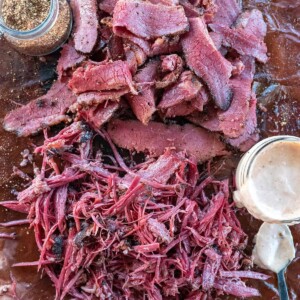
The primary distinction lies in their preparation. Corned beef is typically cured and then boiled or braised without smoke. Pastrami, on the other hand, undergoes a curing process followed by smoking, resulting in a distinct smoky flavor and often a drier, more intensely flavored product.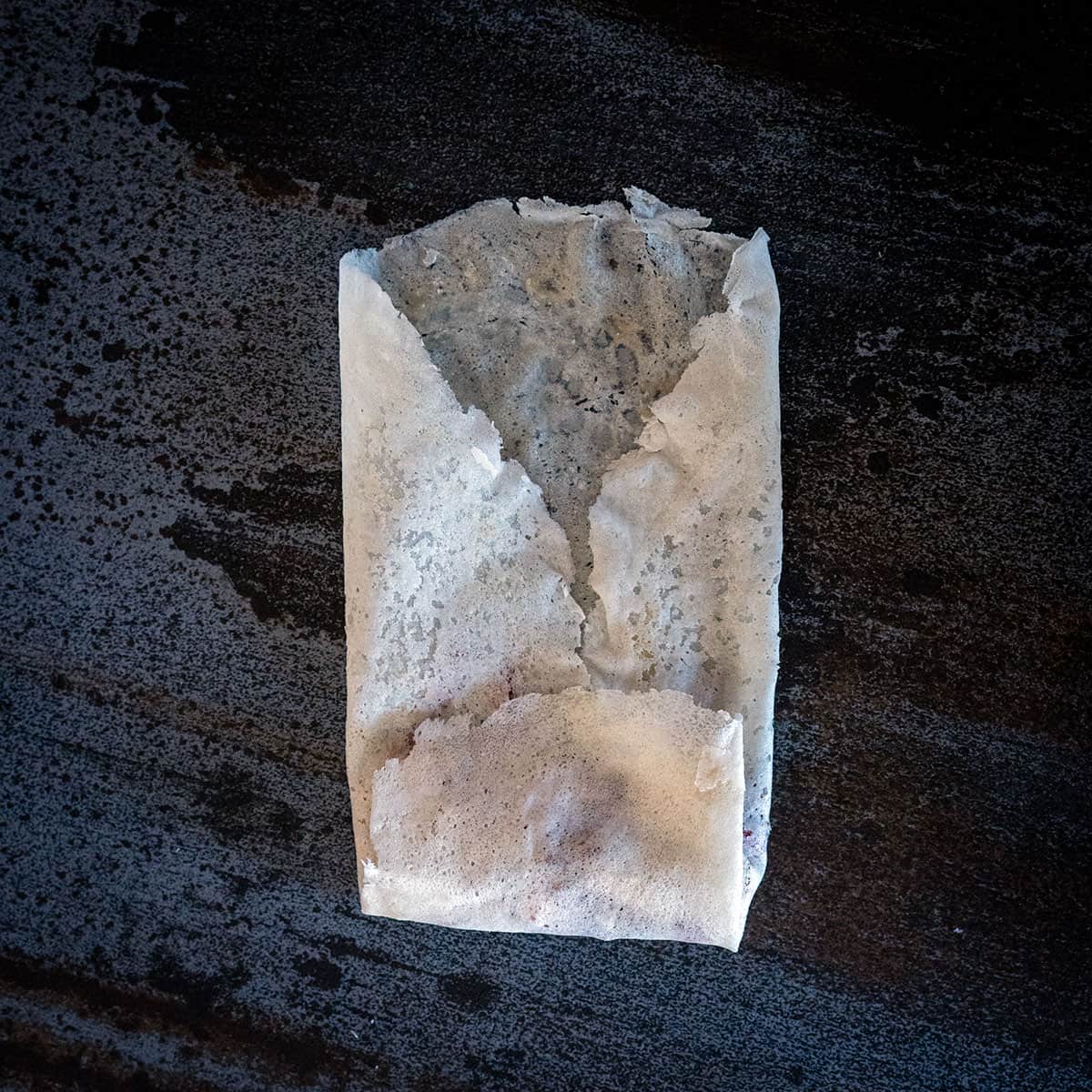
-
Can lumpia be made with other meats?
Absolutely. The versatility of lumpia allows for various protein substitutions. Shredded beef, chicken, or pork can be used interchangeably with pastrami in this recipe, offering a range of flavor profiles to suit different preferences. -
What oil temperature is best for frying lumpia?
A consistent oil temperature of 375°F (190°C) is ideal for frying lumpia. This temperature ensures that the wrappers become golden and crisp without becoming greasy or burnt, while also adequately heating the filling.
Broader Implications and Culinary Trends
The emergence of dishes like pastrami lumpia highlights a growing trend in global cuisine: the fusion of traditional dishes with international flavors. This culinary approach not only introduces novel taste experiences but also fosters a greater appreciation for diverse food cultures. As consumers become more adventurous in their palates, fusion dishes like this one are likely to gain further traction, demonstrating the boundless creativity possible within the culinary arts. This particular fusion appeals to a broad audience, bridging the gap between familiar comfort foods and exciting new taste sensations, making it a valuable addition to any appetizer repertoire. The adaptability of the lumpia wrapper as a vessel for diverse fillings, from traditional to innovative, underscores its enduring appeal and potential for continued culinary exploration.


