Coprinus comatus, commonly known as the shaggy mane, shaggy ink cap, or lawyer’s wig, represents one of the most distinctive and easily recognizable species within the fungal kingdom. Predominantly found throughout the Northern Hemisphere, as well as parts of Australia and New Zealand, this mushroom is celebrated by mycologists and foragers alike for its unique life cycle and culinary versatility. Unlike many other wild fungi that require expert-level scrutiny to distinguish from toxic look-alikes, the shaggy mane possesses a set of morphological characteristics that make it a "choice edible" for those who understand its rapid developmental timeline. However, the species is also defined by a fleeting existence; its transition from a pristine white spire to a pool of black, inky fluid is one of nature’s most dramatic examples of deliquescence.
Botanical Classification and Evolutionary Context
The shaggy mane was historically grouped with a wide variety of "ink cap" mushrooms under the genus Coprinus. However, molecular phylogenetic research conducted at the turn of the 21st century revealed that the genus was polyphyletic. While many ink caps were moved to the genera Coprinopsis, Coprinellus, and Parasola within the family Psathyrellaceae, Coprinus comatus remains the type species of the original genus Coprinus, which is now placed in the family Agaricaceae. This reclassification is significant for foragers because it separates the shaggy mane from other ink caps, such as the common ink cap (Coprinopsis atramentaria), which contains coprine—a compound that causes a toxic reaction when consumed with alcohol. Coprinus comatus does not contain coprine, making it safe for consumption alongside alcoholic beverages, provided the identification is certain.
Morphological Characteristics and Identification
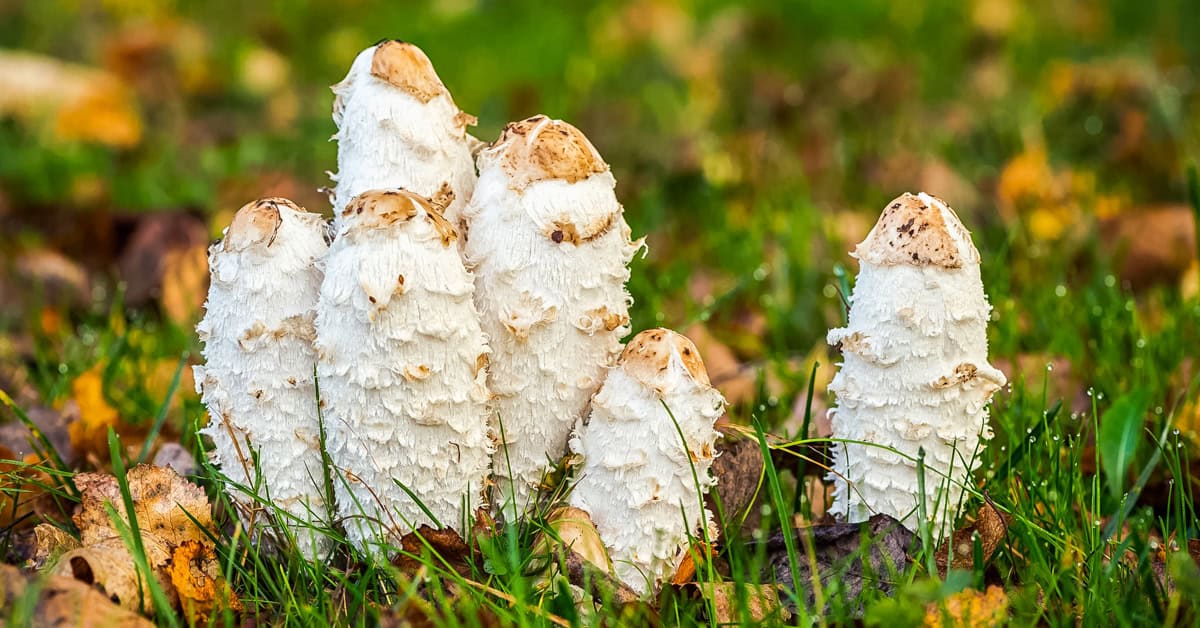
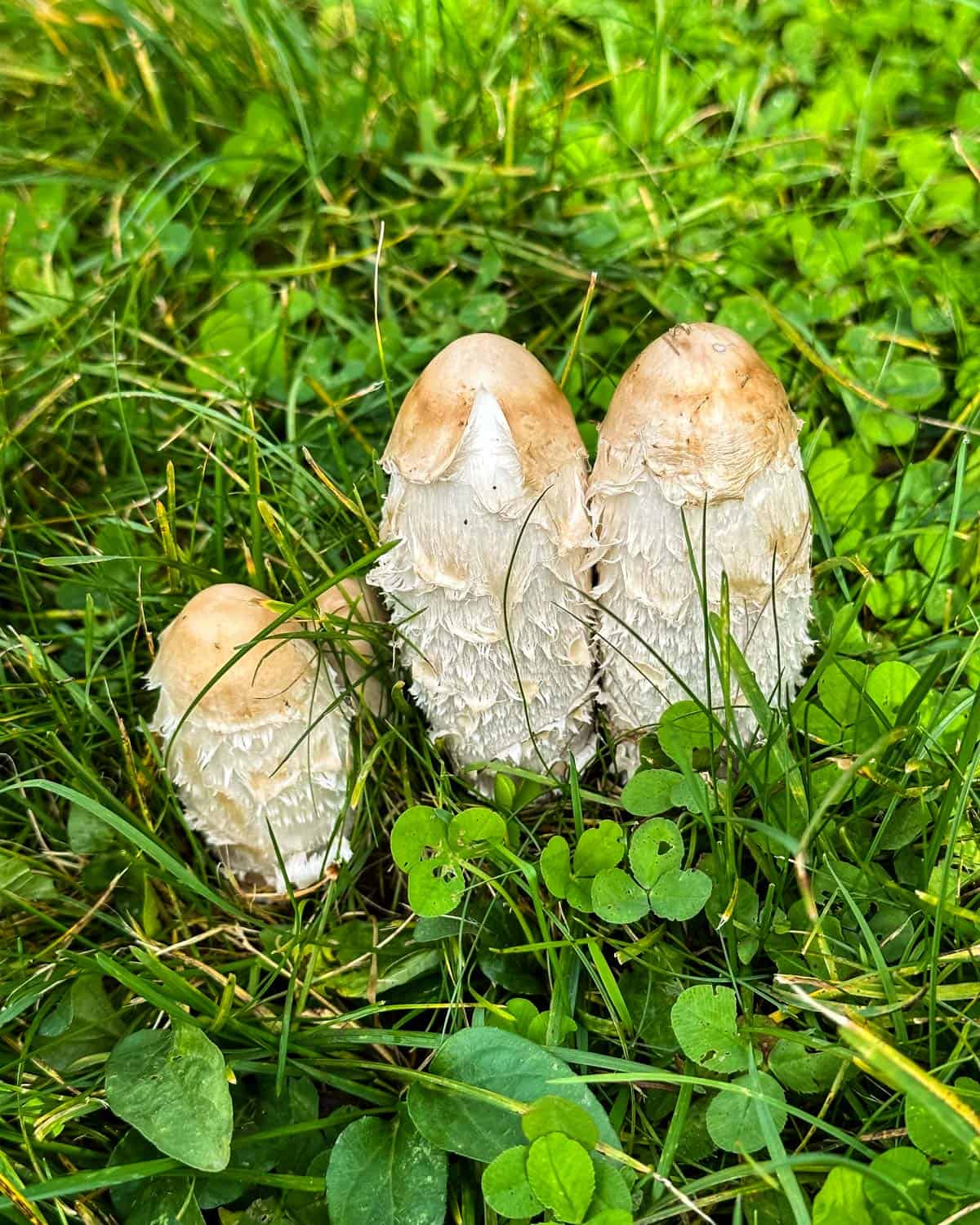
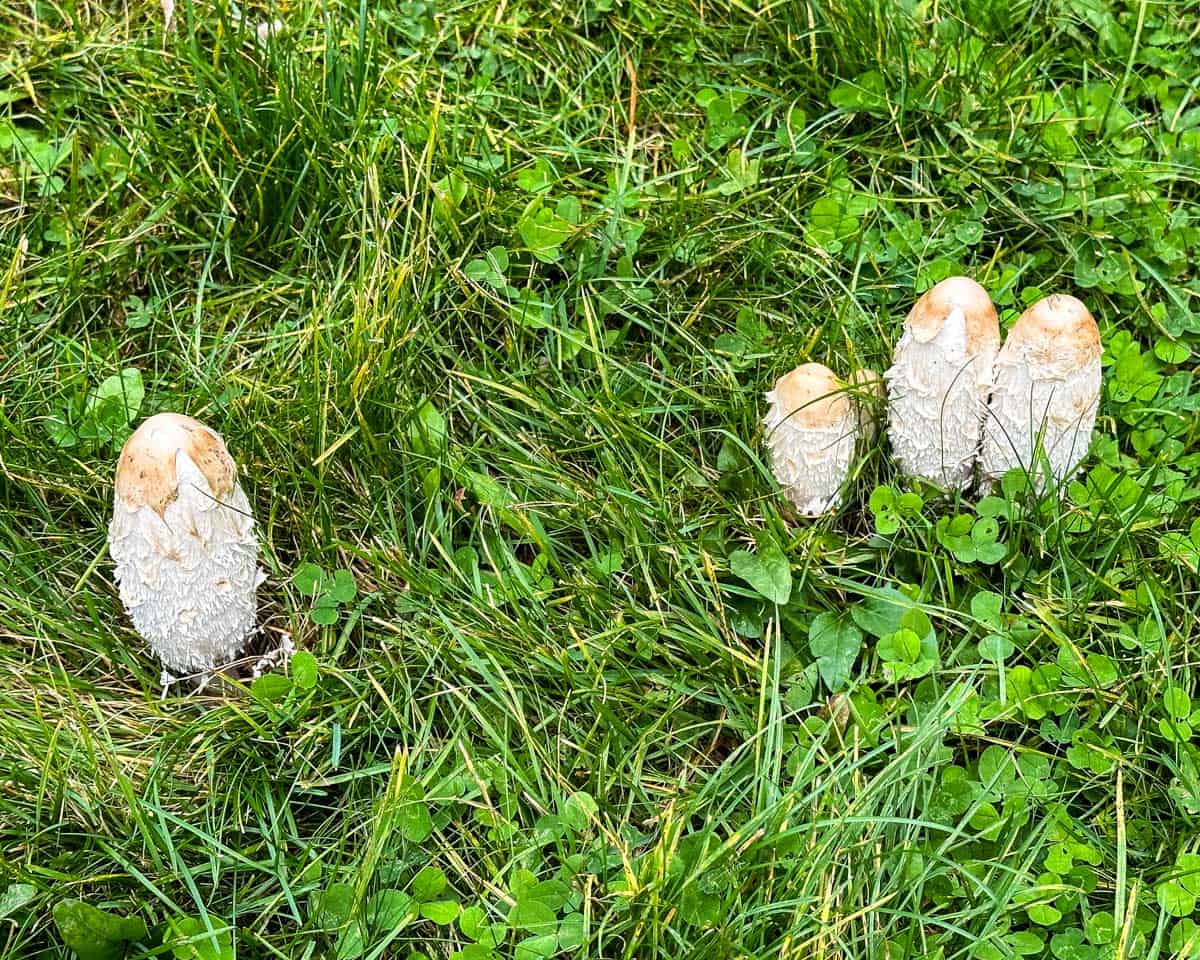
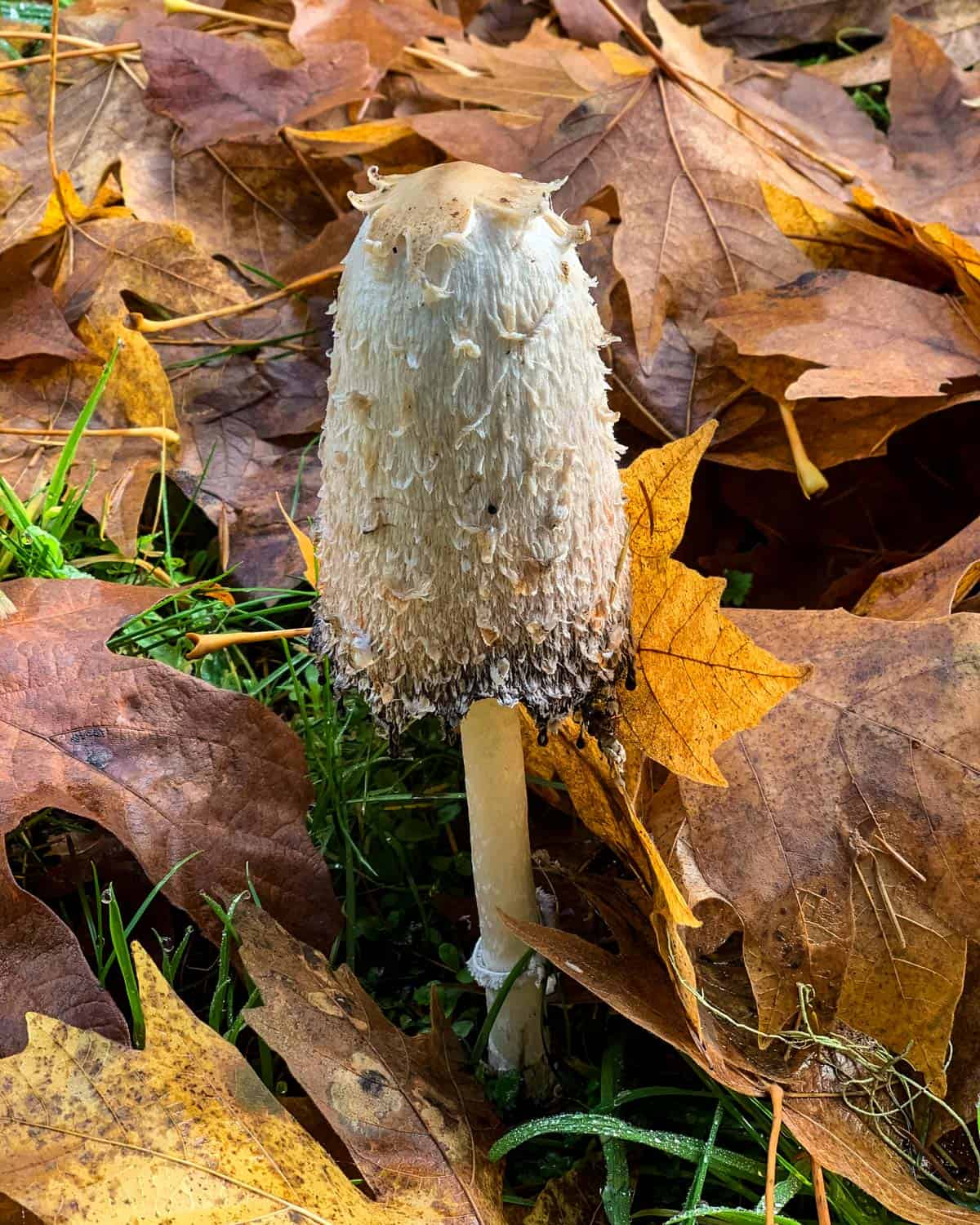
The identification of Coprinus comatus relies on several key physical features that evolve rapidly as the mushroom matures. In its early stages, the mushroom appears as a white, cylindrical column emerging from the ground.
The Cap and Scales
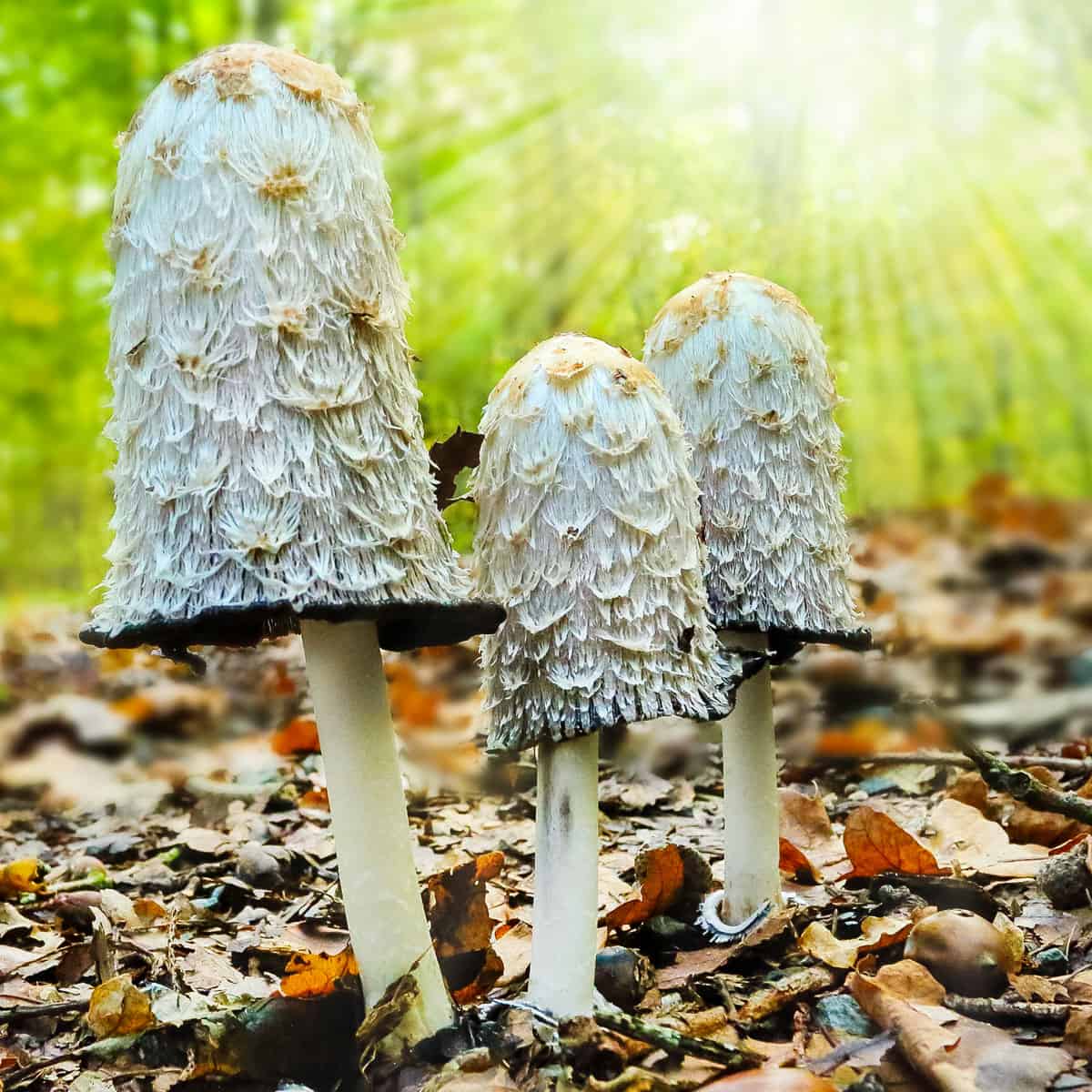
The cap of a young shaggy mane is typically 4 to 15 centimeters tall and 2 to 5 centimeters wide. It is initially white and covered with large, brownish, upturned scales that give it a "shaggy" or "feathery" appearance. This texture is the source of its common names, "shaggy mane" and "lawyer’s wig." As the mushroom ages, the cap expands slightly into a narrow bell shape, and the margins begin to lift away from the stem.
Gills and Spore Production
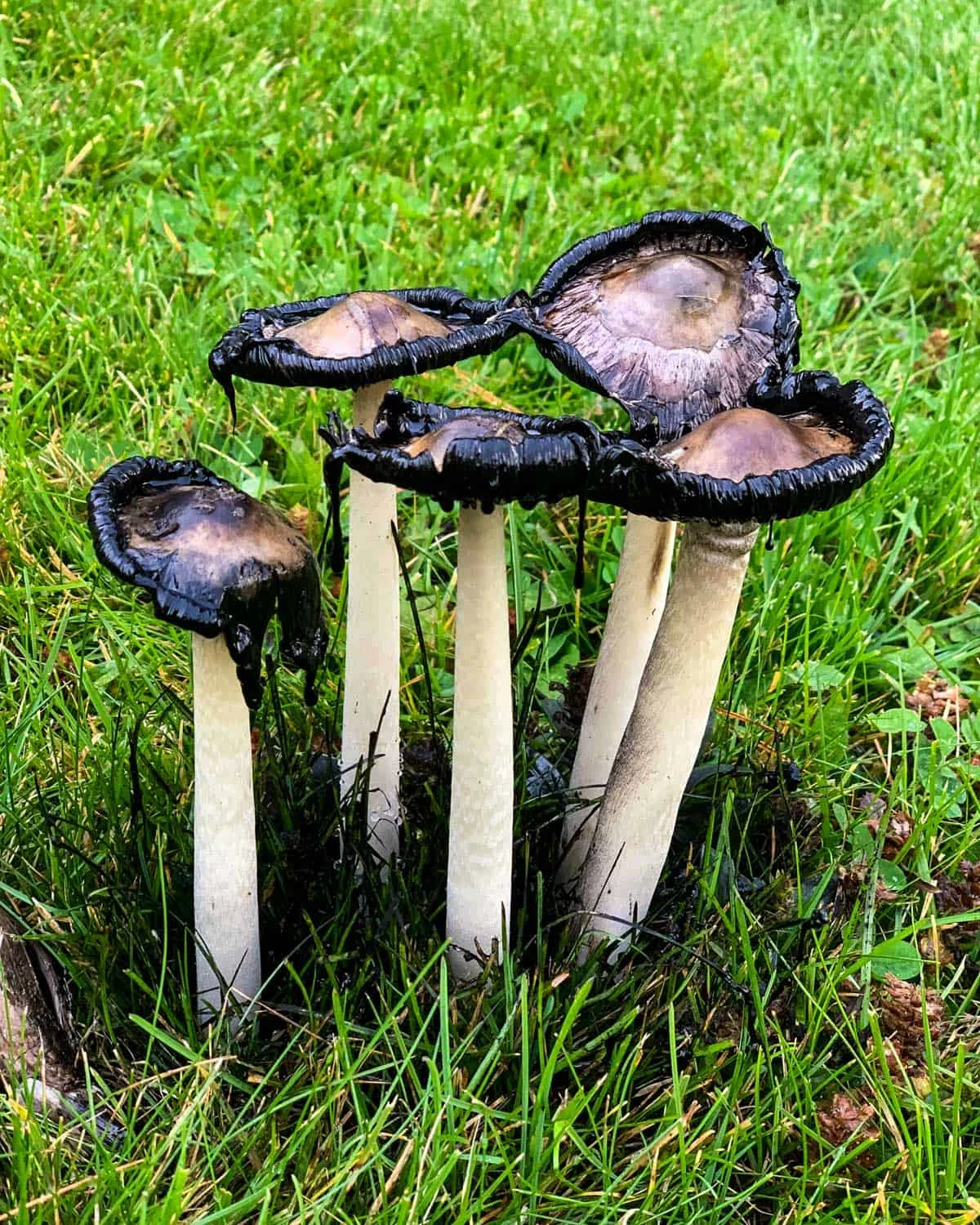
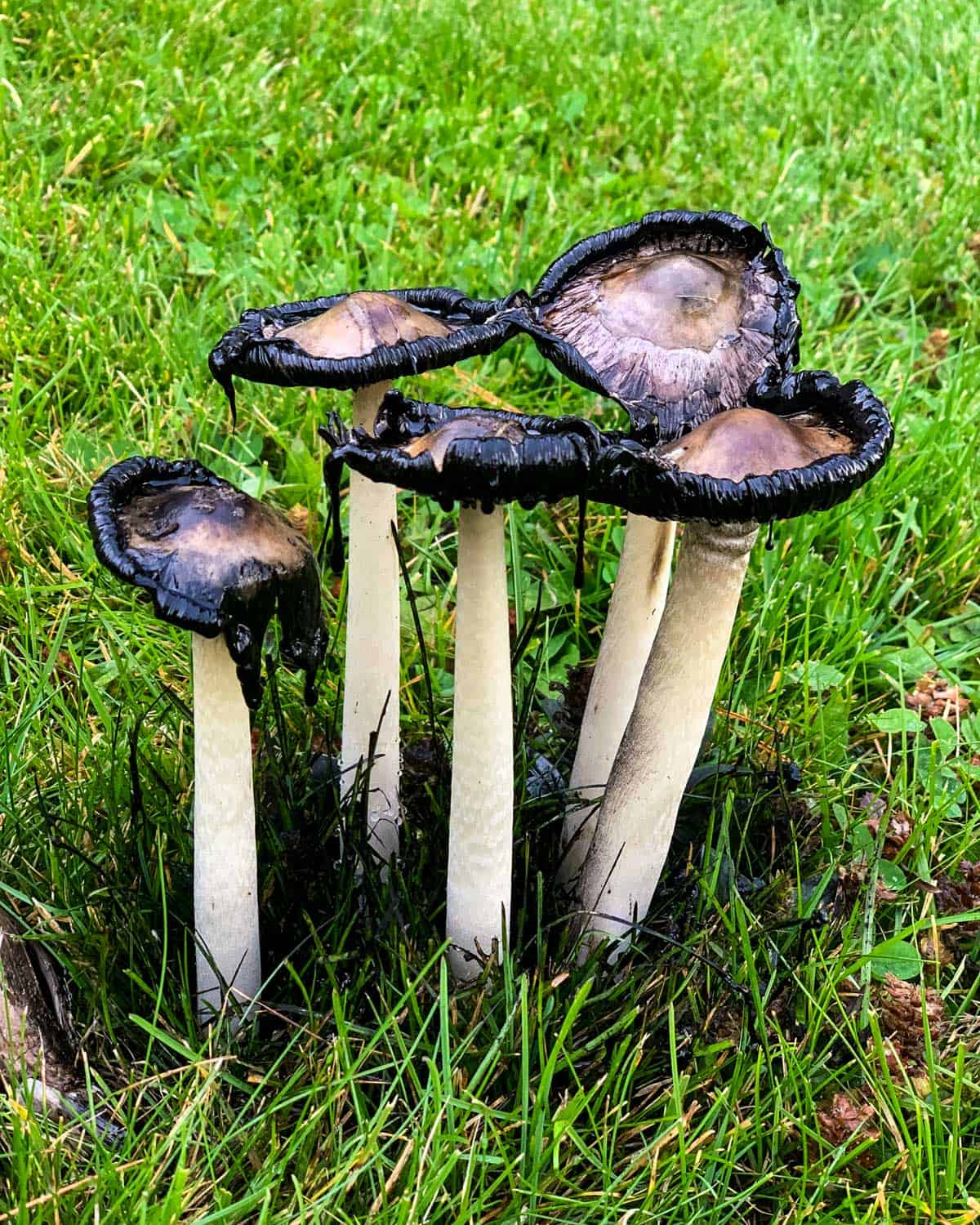
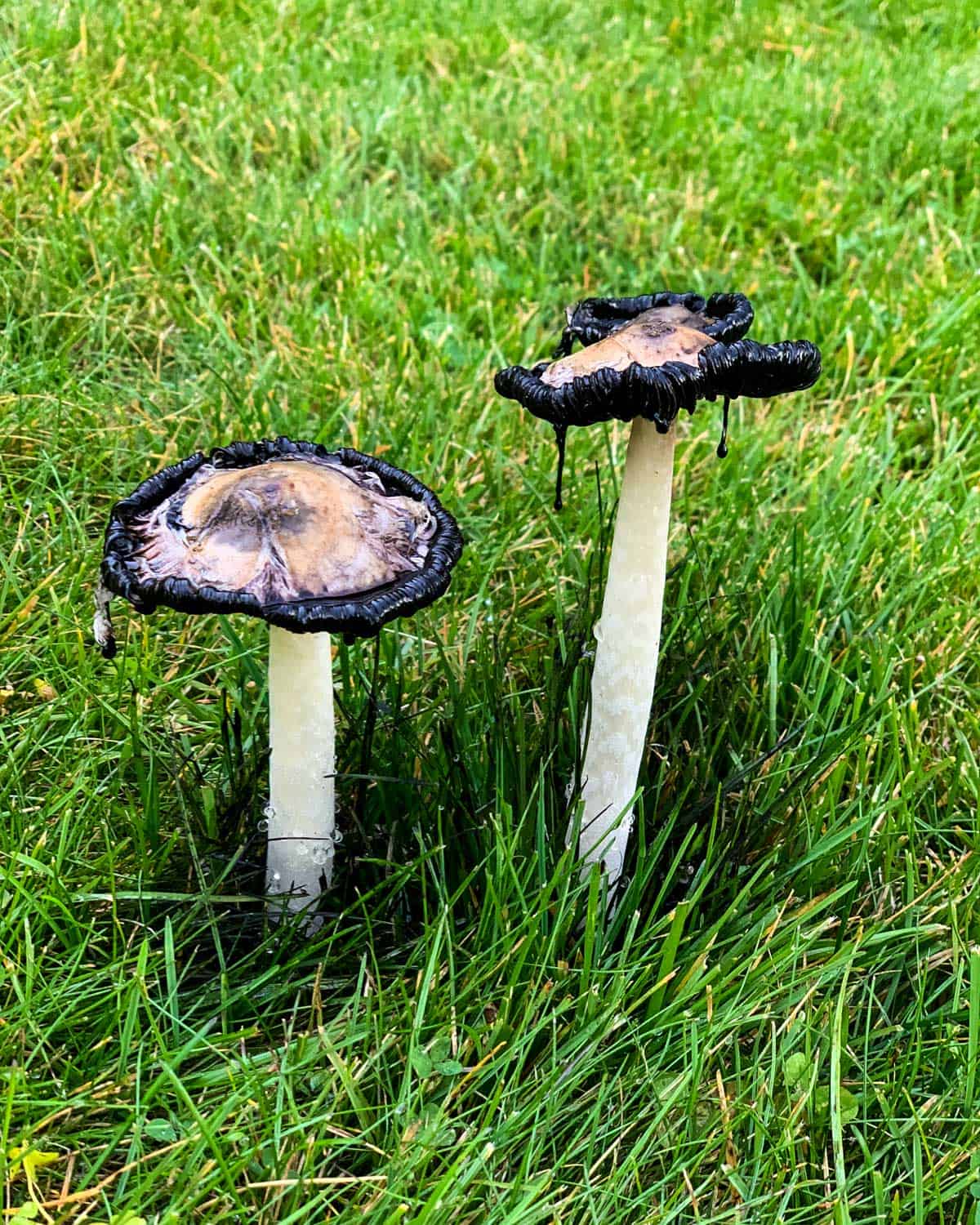
The gills of the shaggy mane are extremely crowded and are not attached to the stem. In the mushroom’s youth, these gills are white, but they quickly transition to a pinkish hue before turning black. This color change is a precursor to the process of deliquescence, or autodigestion, where the mushroom’s own enzymes begin to break down the gill tissue to facilitate spore dispersal. The resulting fluid is a thick, black ink containing the spores.
The Stem and Ring
The stem, or stipe, is hollow, white, and can reach heights of up to 20 centimeters. A distinguishing feature of the shaggy mane is its movable ring (annulus), which is located on the lower half of the stem. This ring is a remnant of the partial veil that protected the gills during the mushroom’s initial growth. If the ring is missing or firmly attached, the specimen may be a different species.
Chronology of Development: The Process of Deliquescence
The life cycle of a shaggy mane fruiting body is remarkably brief, often lasting no more than 24 to 48 hours from emergence to dissolution. This rapid timeline is a specialized reproductive strategy.
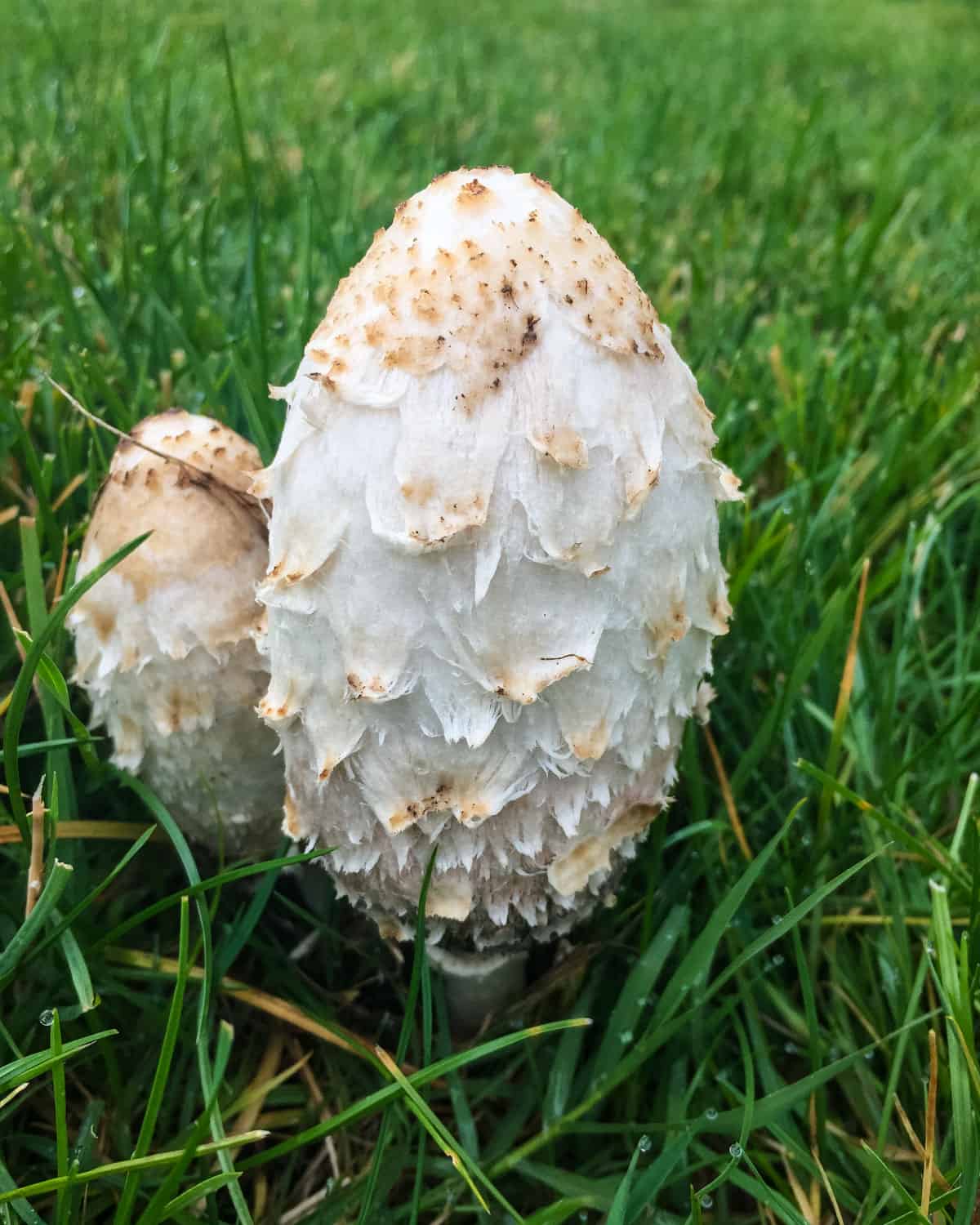
- Emergence: Following significant rainfall, particularly in the late summer and autumn months, the mycelium produces primordia that quickly swell into the cylindrical "wig" stage.
- Maturation: Within hours, the gills begin to darken from the bottom edge upward. This is the optimal window for culinary harvesting.
- Autodigestion: As the spores mature, the cap begins to curl outward and dissolve into a black liquid. Unlike most agarics, which rely on wind to carry spores from beneath the cap, the shaggy mane uses this liquid to carry spores away or allows them to be dispersed as the fluid evaporates or is transported by insects.
- Expiration: The process concludes when only the white stem remains, topped by a small, tattered remnant of the cap, often referred to as a "ghostly" remains.
Habitat and Ecological Role
Coprinus comatus is a saprobic species, meaning it derives its nutrients from decaying organic matter. It is frequently found in "disturbed" soils—areas where the earth has been moved, compacted, or enriched with nitrogen. Common locations include:
- Lawns and Meadows: They are a common sight in suburban yards and parklands.
- Roadsides: The compacted soil along gravel paths and paved roads provides an ideal substrate.
- Gardens and Compost Heaps: Their presence in gardens often indicates soil rich in decomposing wood or manure.
Ecologically, the shaggy mane plays a vital role in nutrient cycling. Furthermore, research has indicated that Coprinus comatus possesses nematophagous properties. The mycelium can produce specialized structures that sense and consume soil-dwelling nematodes, providing the fungus with an additional source of nitrogen in nutrient-poor environments.
Toxicological Comparisons and Safety Protocols
While Coprinus comatus is safe for most people, foragers must be aware of two primary look-alikes that can cause adverse reactions.
Coprinopsis atramentaria (Tippler’s Bane)
The common ink cap is smaller, lacks the shaggy scales of C. comatus, and has a smooth, gray-brown cap. Its primary danger lies in the presence of coprine. If a person consumes this mushroom and drinks alcohol within a 48-to-72-hour window, they will experience "Coprine Syndrome." Symptoms include intense flushing, palpitations, headache, nausea, and vomiting. While rarely fatal, the experience is profoundly distressing.
Coprinopsis picacea (Magpie Fungus)
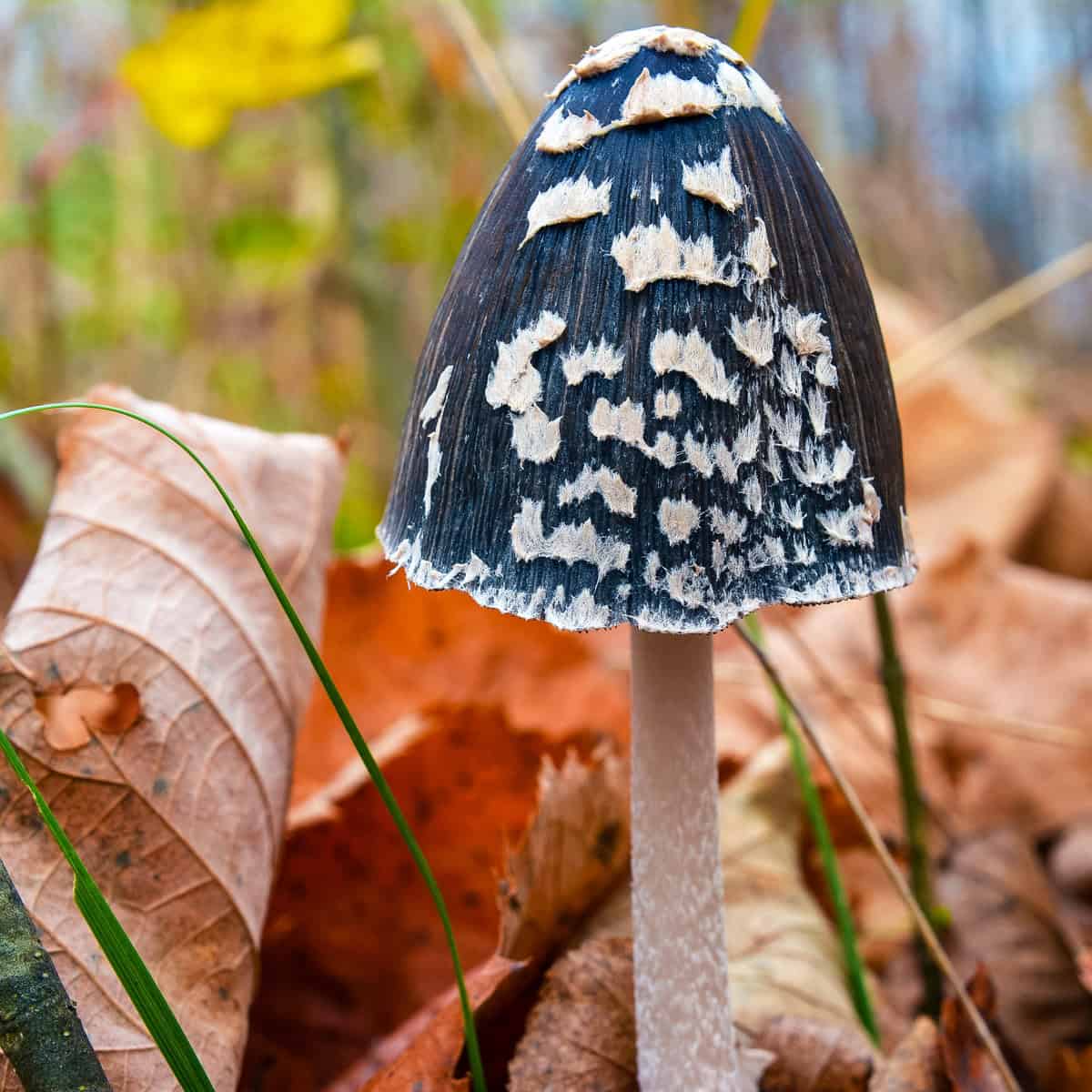
This species features a dark brown or black cap with white, felt-like patches. It is generally considered toxic and can cause significant gastrointestinal upset. It is easily distinguished from the shaggy mane by its dark base color and the lack of upturned, shaggy scales.
Environmental Toxins
Because shaggy manes thrive in disturbed soils and along roadsides, they are prone to bioaccumulating heavy metals and pollutants. Journalistic investigations into urban foraging often highlight the risk of lead or cadmium contamination in mushrooms harvested near high-traffic areas or industrial sites. Expert consensus recommends harvesting only from clean, "wild" locations far from chemical runoff.
Nutritional Profile and Culinary Application
The shaggy mane is highly regarded in the culinary world for its delicate texture and mild, earthy flavor. Nutritionally, it is a significant source of protein, dietary fiber, and essential minerals such as potassium and magnesium. It also contains high levels of antioxidants, including ergothioneine, which has been studied for its potential neuroprotective properties.
Harvesting and Storage
The primary challenge with shaggy manes is their perishability. Once harvested, the enzymes responsible for deliquescence continue to work, even under refrigeration. To prevent the mushroom from turning into ink, it must be cooked or processed within hours of collection. Some foragers suggest submerging the mushrooms in cold water to slow the enzymatic process, though immediate cooking remains the standard recommendation.
Culinary Preparation
Shaggy manes should always be cooked before consumption. Their high water content makes them ideal for soups and stews, where they contribute a silky texture. A popular preparation method involves sautéing them in butter with garlic or breading and frying them to create a "parmesan-crusted" delicacy. The inky fluid produced during the later stages of growth, while unappetizing to some, is edible and can be used to darken sauces or create compound butters with a deep, savory profile.
Broader Impact and Industrial Utility
Beyond the kitchen, Coprinus comatus has found utility in art and industry. The black fluid produced during deliquescence was historically used as writing ink. In fact, some historical documents were signed with shaggy mane ink to prevent forgery; the presence of microscopic spores served as a biological "fingerprint" that could verify the authenticity of the ink under a microscope.
In the realm of bioremediation, the shaggy mane is being studied for its ability to break down environmental pollutants. Its robust enzymatic system, capable of dissolving its own cellular structure, shows promise in degrading certain types of plastics and industrial dyes in controlled settings.
Conclusion and Future Outlook
The shaggy mane mushroom stands as a testament to the complexity and efficiency of the fungal kingdom. From its role as a "lawyer’s wig" decorating autumn lawns to its potential as a tool for environmental cleanup, Coprinus comatus is far more than a simple edible fungus. For the modern forager, it offers a lesson in timing and observation. As mycological research continues to evolve, it is likely that the shaggy mane will reveal even more secrets regarding its unique biochemistry and its role in the global ecosystem. For now, it remains a seasonal highlight for those who can catch it in its brief, pristine window before it melts back into the earth.