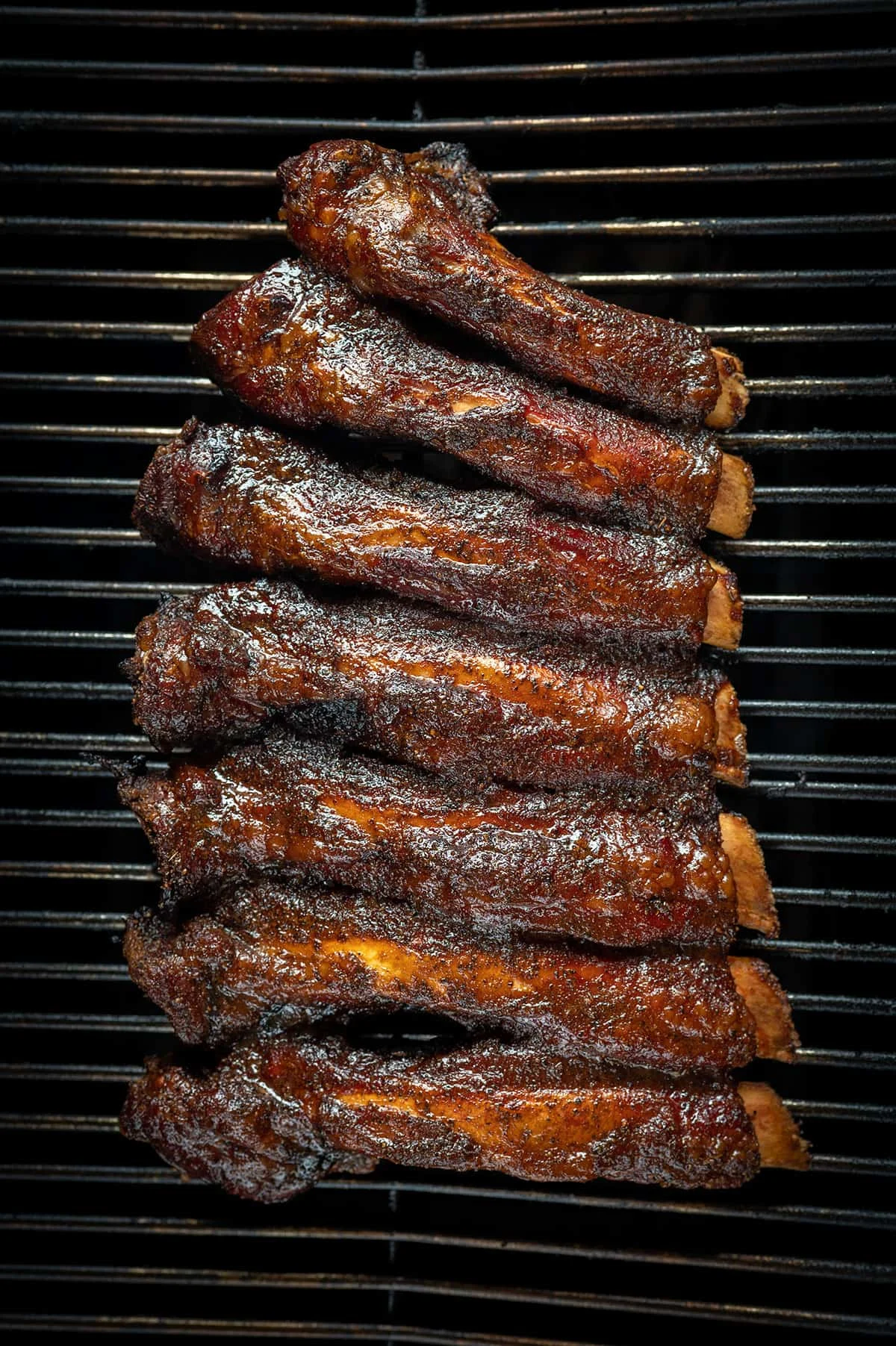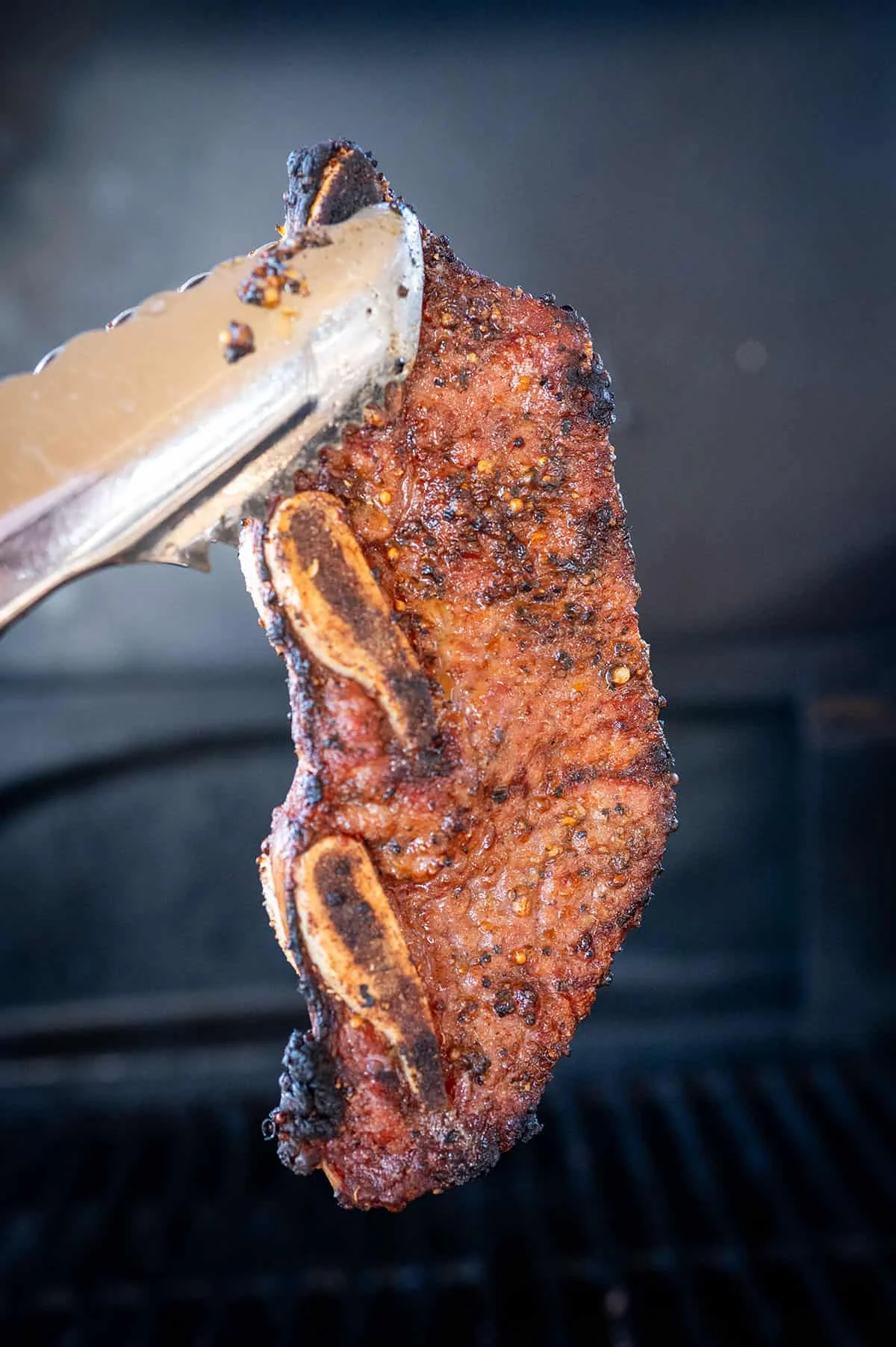
For aficionados of the iconic pastrami sandwich, the quest for that distinctively spiced, smoky, and tender beef experience often conjures images of lengthy brisket smoking sessions. However, a culinary innovation is redefining this classic flavor profile, offering a faster yet equally satisfying pathway to pastrami perfection: pastrami short ribs. This innovative approach takes Korean-style beef ribs, subjects them to a meticulous brining process, coats them in a robust pastrami rub, and then grills them over high heat. The result is a bold, smoky flavor with delightfully crispy edges, capturing the essence of traditional deli pastrami in a fraction of the time.
The appeal of pastrami short ribs lies in their accessibility and speed, making them an ideal option for home cooks seeking a sophisticated yet manageable culinary project. Unlike the multi-day commitment required for smoking a full brisket, short ribs, particularly the flanken-cut variety, lend themselves to a more condensed preparation timeline. This makes the rich, complex flavors of pastrami achievable for weeknight meals or impressive weekend gatherings without demanding an all-day smoke.
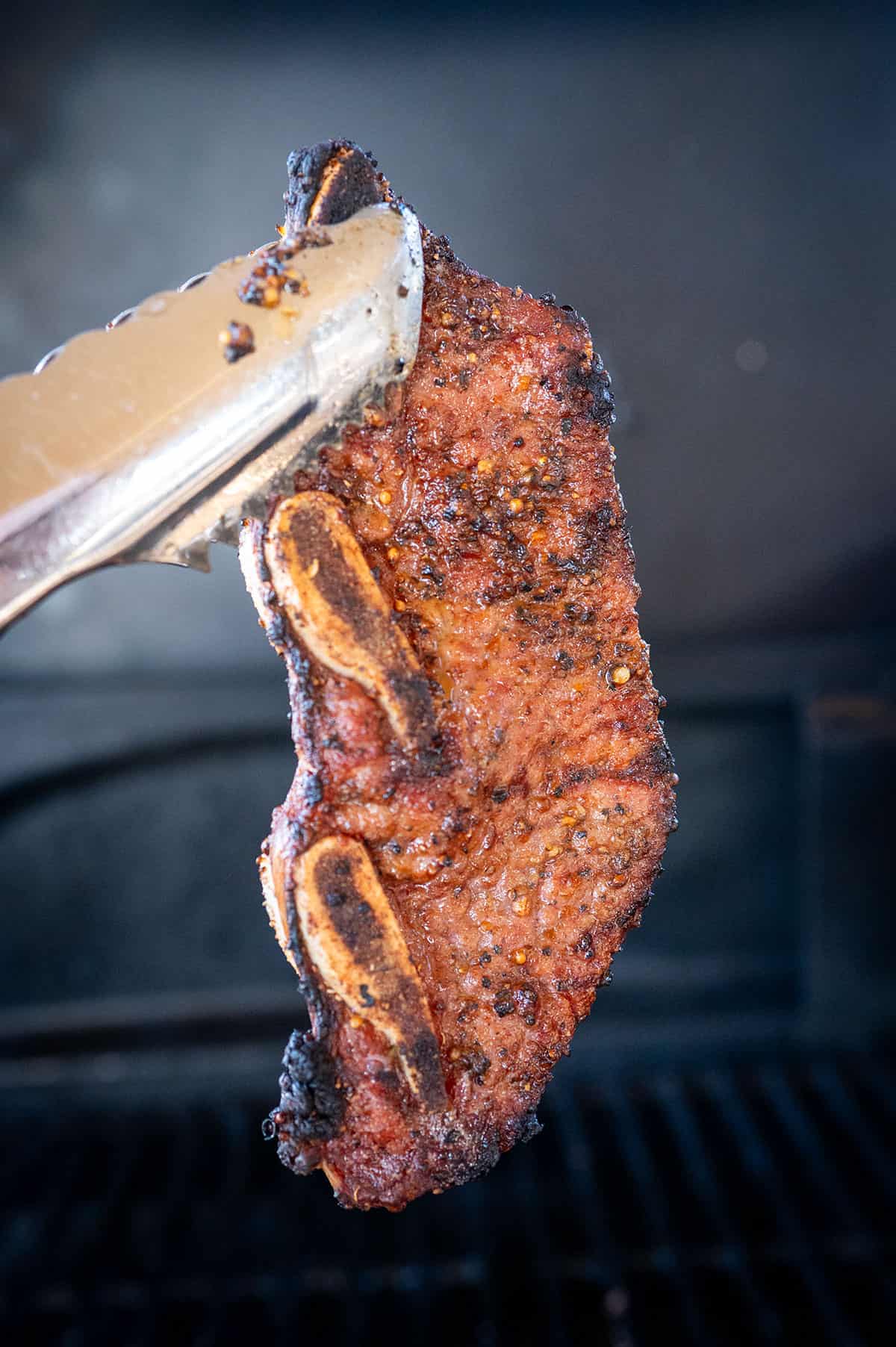
Understanding the anatomy of short ribs is key to appreciating this recipe. Beef short ribs are typically sourced from the plate, rib, or chuck primals of the cow. The "English cut" refers to thicker, bone-in portions, while "flanken-cut" ribs are thinner strips, often featuring three to four small, oval bones. It is these flanken-cut ribs that are ideally suited for the pastrami short rib preparation due to their thinner profile, which allows for more rapid brine penetration and quicker cooking.
The process of transforming these ribs into pastrami-inspired delights mirrors the foundational steps of traditional pastrami production. It begins with brining, a crucial stage that infuses the meat with moisture, salt, and the characteristic curing spices. This is followed by a seasoning phase, where a carefully crafted pastrami rub is applied to create a flavorful crust. Finally, the grilling stage imparts a smoky char and tenderizes the meat, culminating in a dish that evokes the beloved deli staple.
For those new to the intricacies of pastrami making, a comprehensive "1-Page Pastrami Game Plan" is available, guiding users through the essential stages of brining, seasoning, and smoking. This downloadable resource is designed for easy reference, akin to a kitchen cheat sheet, and serves as an excellent starting point for understanding the fundamental techniques involved. Further in-depth knowledge and tips can be found in the "Ultimate Pastrami Guide," offering a deeper dive into the nuances of this culinary art form.

The Genesis of Pastrami Short Ribs: A Culinary Evolution
The evolution of pastrami short ribs can be seen as a natural progression in barbecue and grilling culture, driven by a desire for accessible yet authentic flavor experiences. Traditionally, pastrami is made from beef brisket, a large, tough cut that requires a long, slow cooking process—often involving days of brining, smoking, and steaming—to achieve its signature tenderness and flavor. This dedication to the craft has historically positioned pastrami as a delicacy, typically enjoyed in specialized delis.
However, as grilling and smoking techniques have become more democratized and home cooks have sought to replicate restaurant-quality flavors in their own backyards, innovative chefs and pitmasters began exploring alternative cuts and methods. The inherent richness and marbling of beef short ribs, combined with their relatively faster cooking time compared to brisket, made them a prime candidate for adaptation. By applying the core principles of pastrami preparation—brining for moisture and cure, and a specific spice blend for flavor—to short ribs, a compelling new dish emerged.
The "Korean-style" designation in this context refers to the flanken cut of the ribs, a style commonly used in Korean barbecue. While the cut may be inspired by Korean culinary traditions, the flavor profile of the resulting pastrami short ribs is decidedly classic deli-style, a testament to the universality of the pastrami spice blend. This fusion of cut and flavor profile represents a clever culinary marriage, offering a novel way to experience a cherished taste.
The Brining Process: Laying the Foundation for Flavor
The journey to exceptional pastrami short ribs begins with a meticulously prepared brine. This liquid bath is more than just salty water; it’s a carefully balanced mixture designed to tenderize the meat, introduce moisture, and begin the curing process. A typical pastrami brine incorporates kosher salt, brown sugar, and a medley of pickling spices, often including coriander, mustard seeds, peppercorns, and bay leaves. For those pursuing a truly authentic pastrami flavor, the inclusion of pink curing salt (sodium nitrite) is essential for both color and preservation, though its use requires careful measurement.
The Girls Can Grill Pastrami Brine offers a convenient solution for home cooks, providing a pre-portioned blend of these essential ingredients. When preparing the brine, a general guideline suggests using approximately 4 cups of water for every 4 short ribs. To this water, 1/2 cup of the Girls Can Grill Pastrami Brine is added. This ratio can be scaled up or down as needed to accommodate larger or smaller quantities of ribs, ensuring a consistent flavor profile across batches.
The brining process itself is straightforward yet critical. The short ribs are submerged in the cooled brine, typically within a meat preparation bag to ensure complete coverage and minimize potential leaks. After removing excess air from the bag, it is sealed and refrigerated. The recommended brining period is two days. This duration allows sufficient time for the salt and spices to penetrate the meat, altering its texture and infusing it with the foundational flavors of pastrami. This patient waiting period is a testament to the adage that good things come to those who wait, especially in the realm of slow-cooked and cured meats.

Seasoning and Curing: Building the Pastrami Crust
Following the brining period, the short ribs are removed from the brine and thoroughly rinsed under cold water. This step is crucial to wash away any excess salt from the surface of the meat, preventing an overly salty final product. The ribs are then patted dry with paper towels, a step that is vital for allowing the pastrami rub to adhere properly and for developing a good "bark" during the grilling process.
The pastrami rub is the next layer of flavor development. Unlike the brine, which focuses on internal moisture and cure, the rub is applied to the exterior of the meat. A high-quality pastrami rub typically features a robust blend of spices, often including coarse black pepper, coriander seeds, mustard seeds, paprika, and garlic powder. The Girls Can Grill Pastrami Rub is noted for being salt-free, allowing for greater control over the final saltiness of the dish, especially when combined with a brined meat. This rub is generously applied to all surfaces of the short ribs, ensuring an even coating that will transform into a flavorful crust during cooking.
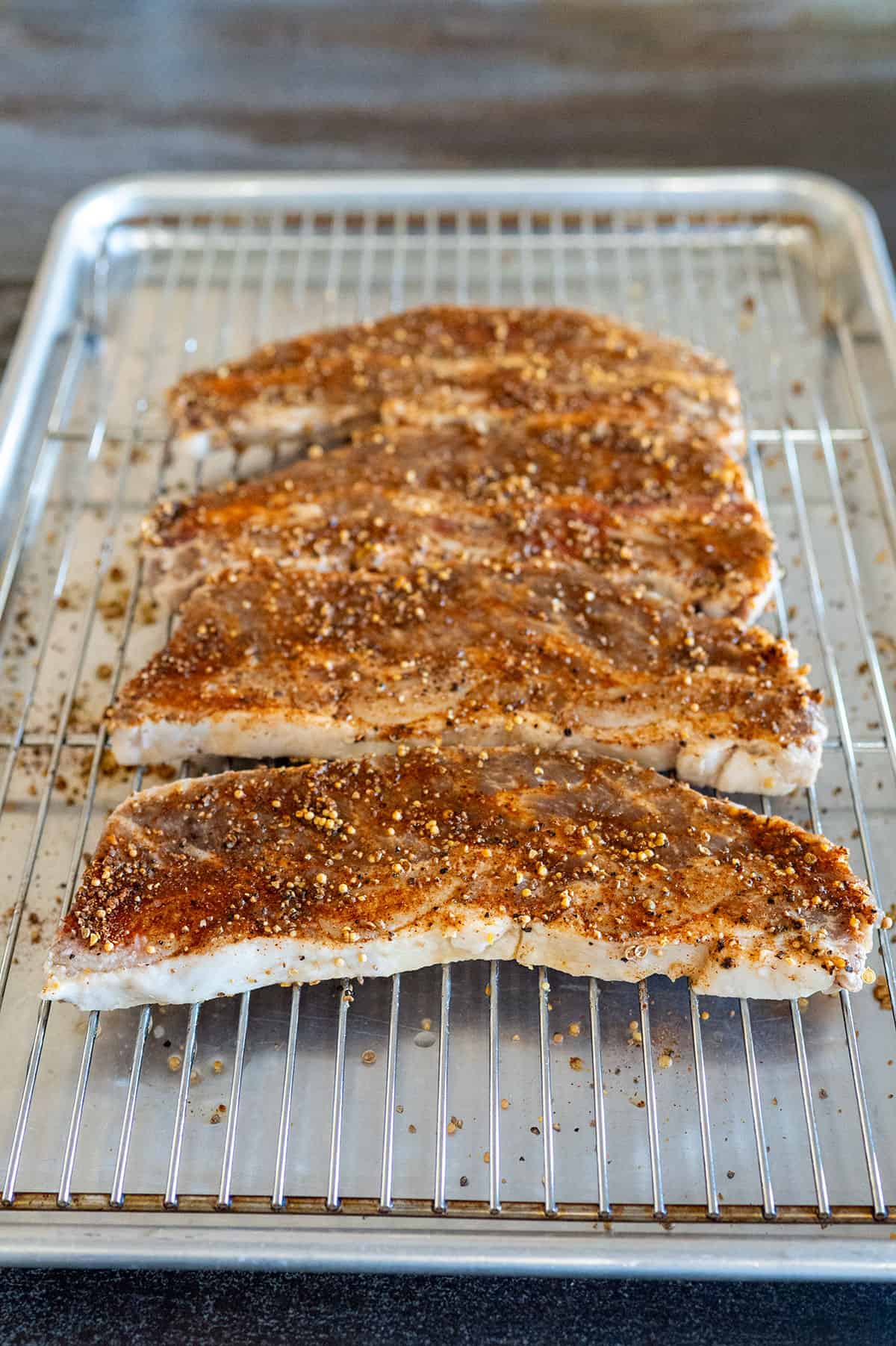
After seasoning, the ribs are placed on a wire rack set over a baking sheet. This arrangement allows for air circulation around the meat. The uncovered ribs are then refrigerated for a few hours, or ideally, overnight. This period of dry curing in the refrigerator serves a dual purpose. Firstly, it allows the seasonings to meld with the meat. Secondly, and perhaps more importantly, it further dries the surface of the meat, which is essential for achieving a superior crust or "bark" when the ribs hit the grill. This dry surface helps the rub adhere and caramelize, contributing significantly to the overall texture and flavor complexity.
The Grilling Stage: Achieving Smoky Perfection
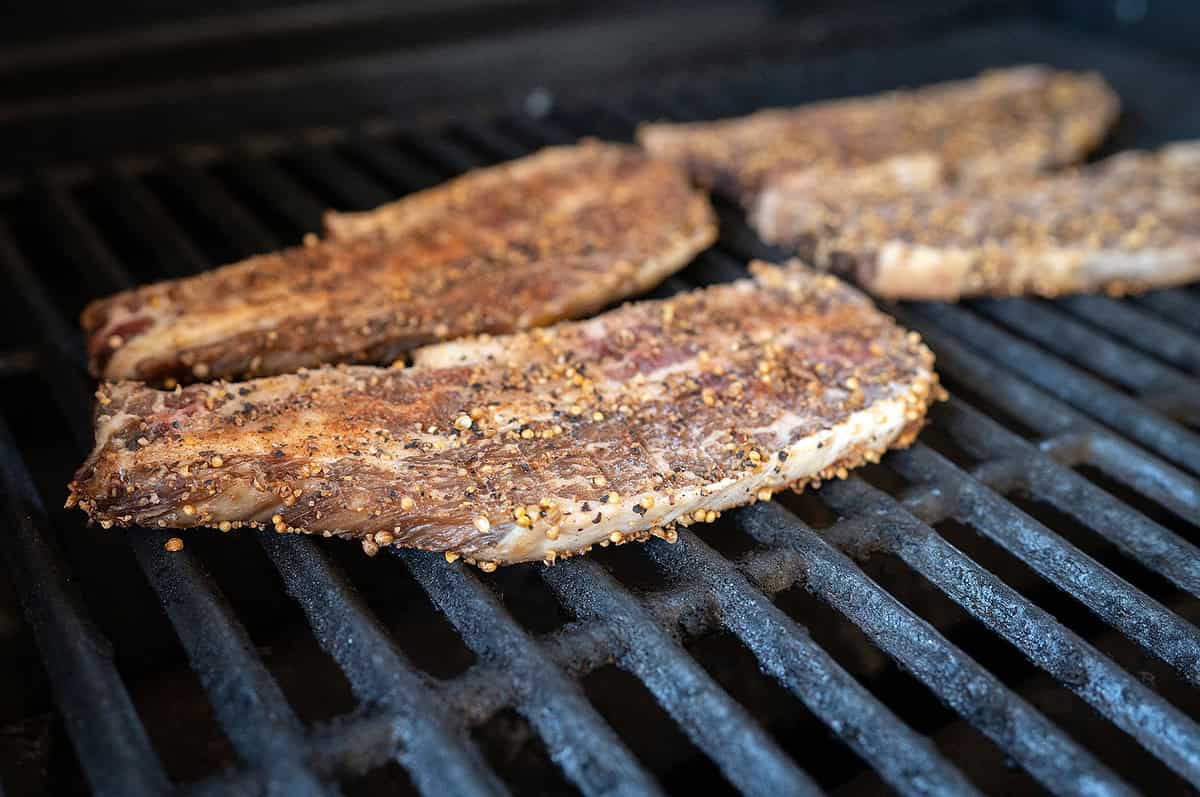
With the brining and seasoning complete, the pastrami short ribs are ready for their transformation on the grill. The key to achieving that desirable smoky flavor and tender, yet slightly crispy, exterior lies in high-heat grilling. The grill should be preheated to a high temperature, typically between 400°F and 425°F (204°C to 218°C). This intense heat is necessary to quickly sear the exterior of the short ribs, developing a rich char and the coveted pastrami bark.
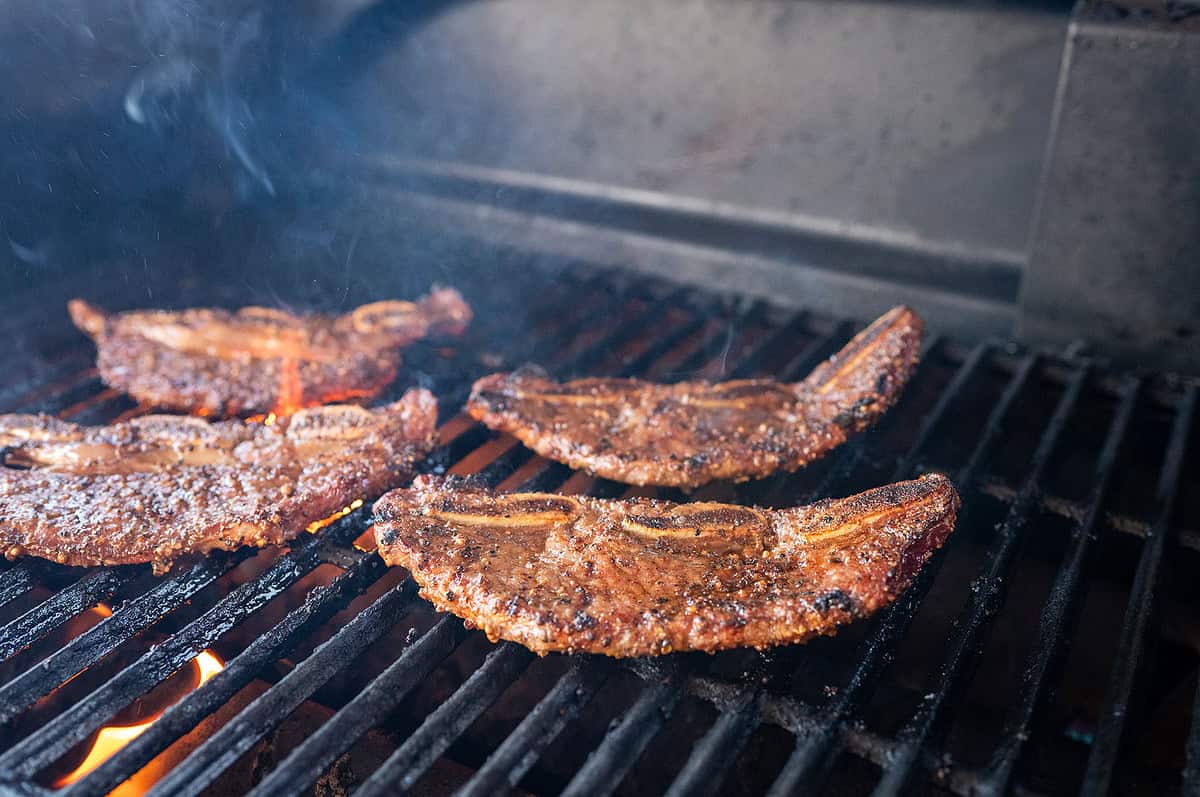
The ribs are placed directly over the heat source and cooked for approximately 5 to 7 minutes per side. During this time, it’s important to monitor the ribs closely. The goal is to achieve a deep, caramelized crust and a slightly smoky aroma. The high fat content in short ribs means that flare-ups can occur. To manage this, keeping the grill lid closed as much as possible helps to control the flames and ensure even cooking. The high heat also helps to render some of the fat, contributing to the succulence of the finished product.
The short cooking time at high heat is a significant advantage of this method compared to traditional brisket smoking. While a brisket might spend 12-18 hours at a lower temperature, pastrami short ribs are typically ready for serving within a matter of hours from the start of the grilling process, making them a far more time-efficient option for achieving a similar flavor profile.
Serving and Storage: Enjoying the Pastrami Short Ribs
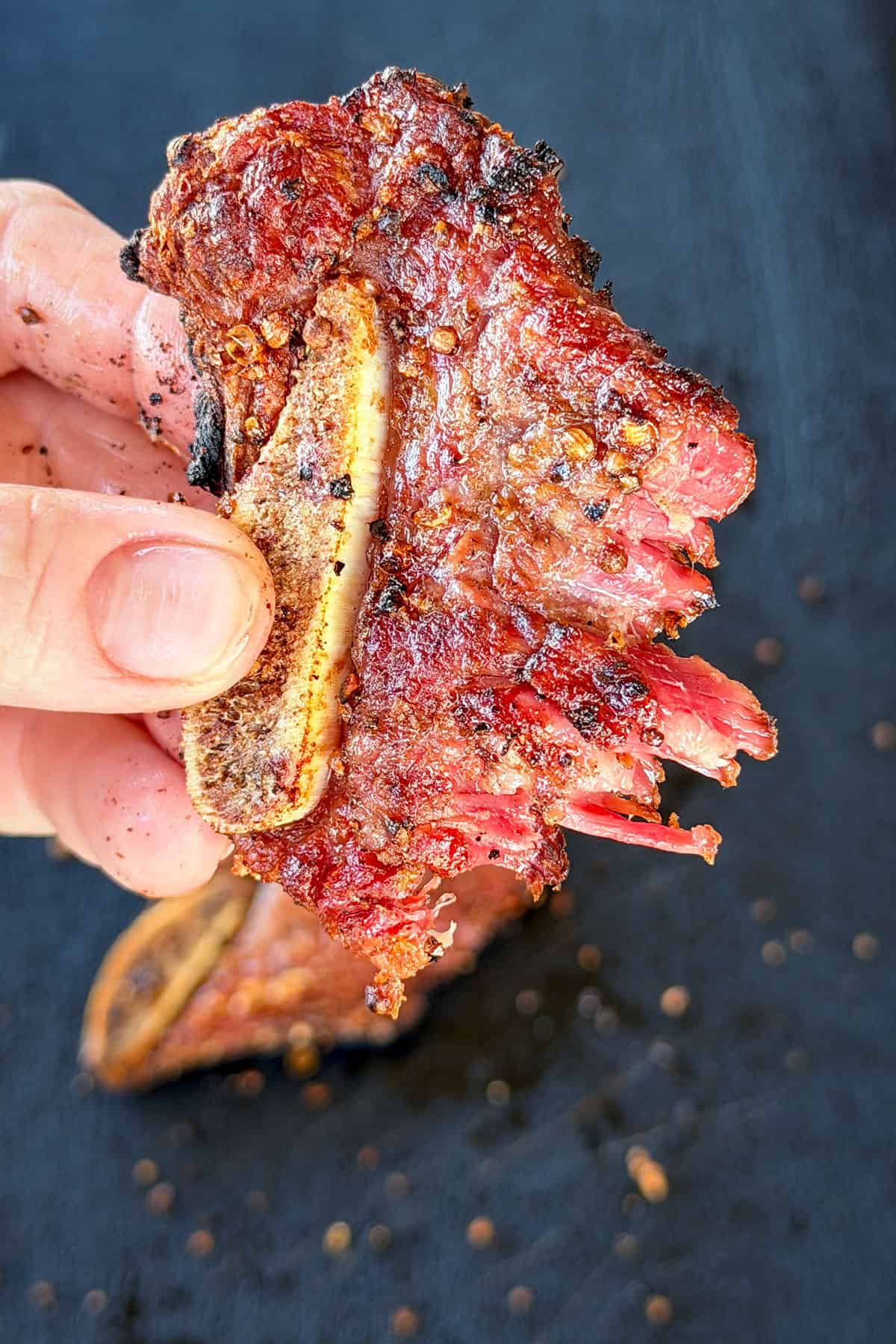
Once the pastrami short ribs have achieved their perfect char and tender texture, they are removed from the grill. They can be served whole, showcasing their impressive size and presentation, or they can be cut between the bones into individual portions for easier serving and sharing. A garnish of sliced green onions is a popular choice, adding a fresh, bright counterpoint to the rich, savory flavor of the ribs.
Leftover pastrami short ribs can be stored in an airtight container in the refrigerator for approximately 4 to 5 days. For longer storage, they can be frozen for several months. Reheating is best done gently to preserve the texture, perhaps in a low oven or on a stovetop with a splash of liquid.
Nutritional Considerations
While the culinary appeal of pastrami short ribs is undeniable, it’s worth noting their nutritional profile. A typical serving of pastrami short ribs, as calculated by recipe analysis software, provides approximately 298 calories, 3g of carbohydrates, 32g of protein, and 17g of fat, with 7g of saturated fat. They also contain notable amounts of sodium (1847mg) due to the brining process, potassium (651mg), and iron (4mg). These figures highlight that while delicious, these ribs are a rich dish and are best enjoyed in moderation as part of a balanced diet.
Broader Implications and Community Engagement
The popularity of recipes like pastrami short ribs signifies a broader trend in home cooking: the democratization of gourmet flavors. By breaking down complex dishes into more manageable steps and utilizing readily available ingredients and equipment, culinary influencers and recipe developers empower a wider audience to experiment with sophisticated cuisines. The emphasis on community engagement, through social media tagging and recipe ratings, further fosters a collaborative environment where enthusiasts can share their successes and learn from one another. The invitation to tag @girlscangrill on social media platforms exemplifies this interactive approach, turning individual cooking experiences into a shared culinary adventure.
Frequently Asked Questions
To further demystify the process and ingredients, several frequently asked questions address common inquiries:
- What is pastrami brine? Pastrami brine is a specific mixture of kosher salt, brown sugar, pickling spices, and often pink curing salt, used to cure and tenderize beef for pastrami.
- What is pastrami rub? A pastrami rub is a blend of dry spices, typically salt-free in this context, designed to create a flavorful crust on the meat. Common ingredients include black pepper, coriander, mustard seeds, paprika, and garlic.
- Are these Korean ribs? The term "Korean cut" refers to the flanken cut of the ribs, a style common in Korean barbecue. However, the flavor profile of these ribs is classic pastrami, not Korean.
The development and popularization of recipes like pastrami short ribs underscore a dynamic shift in the culinary landscape, making complex and cherished flavors more accessible than ever before. This innovation not only satisfies cravings for traditional tastes but also inspires new approaches to beloved dishes, proving that delicious, deli-style pastrami can indeed be a weeknight possibility.