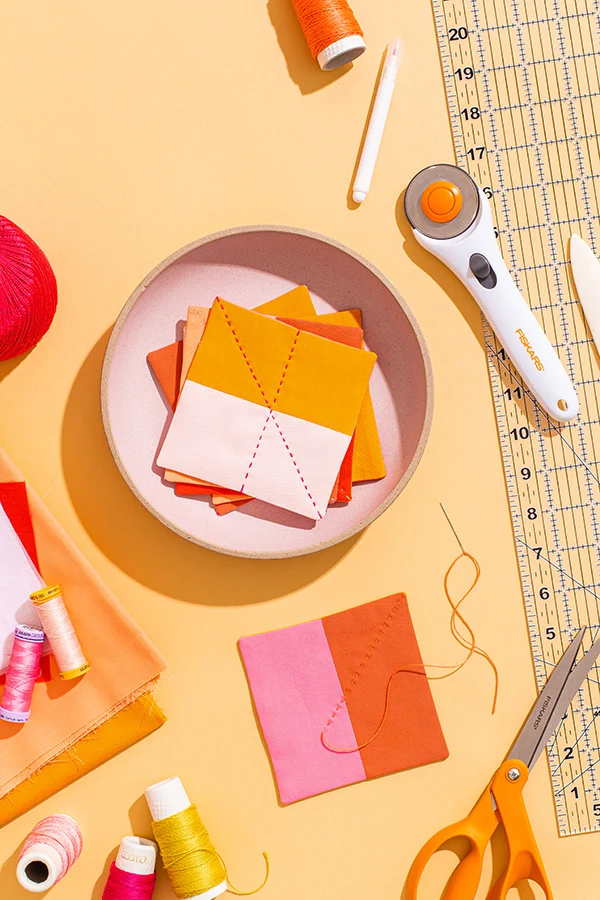
The transition into the autumn season traditionally signals a shift in consumer behavior toward home-centric activities, interior decoration, and the "nesting" phenomenon. In a recent collaborative initiative, lifestyle creators and the global tool manufacturer Fiskars have introduced a specialized guide for producing modern patchwork coasters. This project, while designed for accessibility to novice crafters, highlights the intersection of traditional textile techniques and contemporary aesthetic preferences. By utilizing a specific suite of fabric-cutting tools, the project emphasizes the importance of precision in domestic craft, serving as both a functional home accessory and an entry point into the broader world of quilting and textile arts.
The Resurgence of Domestic Textile Arts in the Modern Economy
The DIY (Do-It-Yourself) and craft industry has experienced significant growth over the last decade, a trend that accelerated sharply during the global pandemic and has maintained momentum in the subsequent years. According to data from the Association for Creative Industries (AFCI), the creative products industry is valued at over $36 billion in the United States alone. This growth is driven largely by a demographic shift, as younger consumers—particularly Millennials and Gen Z—seek out tactile, "slow" hobbies as a counterbalance to digitized professional lives.
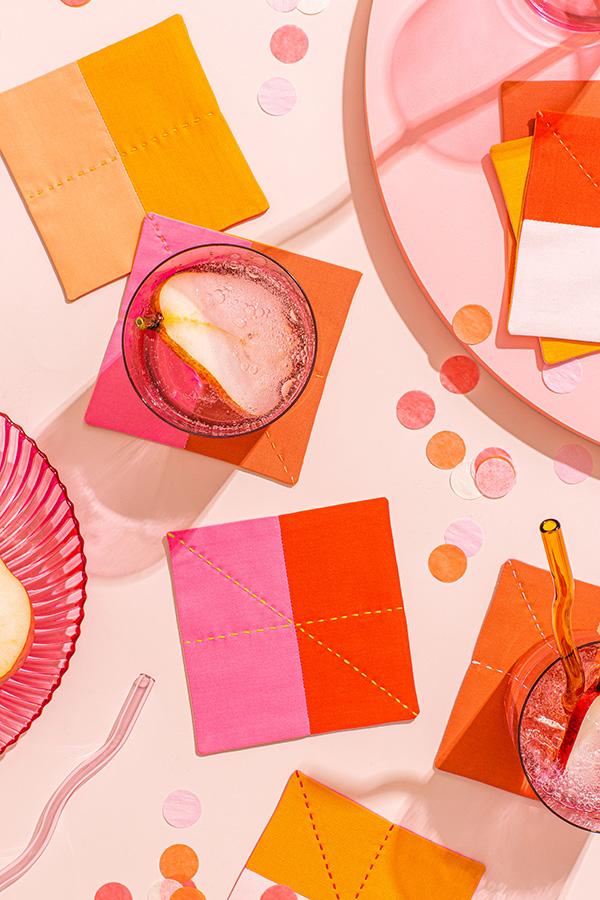
The modern patchwork coaster project sits at the center of this movement. Unlike traditional large-scale quilting, which can take months or years to complete, small-scale textile projects offer immediate gratification and practical utility. The project utilizes quilting cotton in a curated autumnal palette—including shades of orange, terracotta, light pink, apricot, and deep pink—reflecting current interior design trends that favor "warm minimal" aesthetics. This color selection is designed to complement the seasonal transition, providing a visual warmth that mirrors the cooling external environment.

The Technical Foundations of Precision Crafting
A critical component of the collaboration is the emphasis on high-quality instrumentation. The project specifies the use of the Fiskars 45mm Stick Rotary Cutter, an 18” x 24” Cutting Mat, and a 6” x 24” Acrylic Ruler. The shift from traditional fabric shears to rotary cutting systems represents a professionalization of the home craft space.
Rotary cutters, which were first introduced to the quilting world in the late 1970s, allow for greater accuracy and the ability to cut through multiple layers of fabric simultaneously. For a project involving 5-inch squares, the use of a self-healing mat and a clear acrylic ruler is essential for ensuring that all components are perfectly squared. In textile construction, a deviation of even an eighth of an inch can result in misaligned seams, a common frustration for beginners that high-quality tools are designed to mitigate.
Chronological Methodology of the Patchwork Coaster Construction
The construction of the modern patchwork coaster follows a logical six-step progression that integrates machine sewing with traditional hand-finishing techniques.
Phase I: Preparation and Linear Cutting
The process begins with the preparation of the raw materials. Each coaster requires three 5-inch squares of quilting cotton and one 5-inch square of lightweight interfacing. The use of cotton organdy as an interfacing material provides necessary structural integrity without adding excessive bulk, ensuring the coaster remains flat enough to safely support glassware. The rotary cutter and acrylic ruler are employed here to ensure geometric precision.
Phase II: Primary Assembly and Seam Management
Two squares of quilting cotton are stacked and joined with a straight machine stitch down the center. This creates the "patchwork" effect that defines the modern aesthetic. Following the stitch, the seam must be pressed open with an iron. In professional tailoring and quilting, pressing is considered as vital as the sewing itself, as it flattens the fibers and allows the fabric to lay correctly in subsequent steps.
Phase III: Layering and Structural Stitching
The third square of quilting cotton is placed on top of the joined piece, followed by the interfacing. The layers are secured with pins to prevent shifting during the sewing process. A 1/8-inch seam allowance is maintained as the perimeter is stitched. A 1.5-inch gap is intentionally left unsewn along one edge to allow the fabric to be turned "right side out."
Phase IV: Corner Refinement and Final Finishing
To achieve sharp, professional corners, the excess fabric at the seam intersections is trimmed. The coaster is then inverted through the 1.5-inch gap. Tools such as a point turner or a bamboo skewer are utilized to push the corners into crisp right angles. After a final press, the coaster is ready for the "Sashiko" inspired hand-quilting.
Integration of Sashiko Techniques and Hand-Finishing
A notable feature of this project is the inclusion of Sashiko thread for hand-quilted details. Sashiko is a form of traditional Japanese folk embroidery that originated in the Edo period (1603-1867). Originally used for reinforcing or patching garment areas prone to wear, it has evolved into a decorative art form characterized by the running stitch.
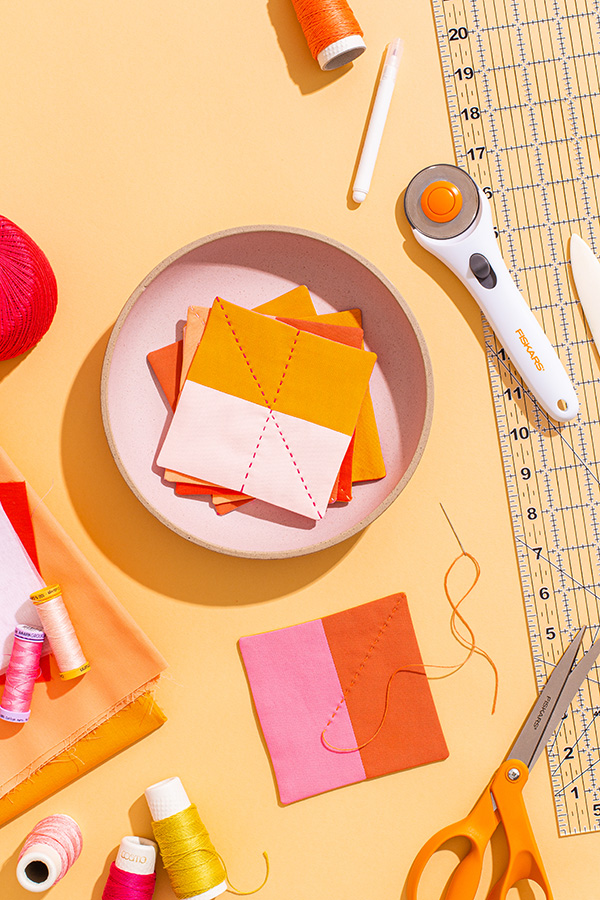
By adding a running stitch down the center of the coaster, the crafter adds a layer of texture and "hand-feel" that distinguishes handmade items from mass-produced alternatives. This step also serves a functional purpose, as the quilting stitches hold the internal layers together, preventing the fabric from shifting or "ballooning" during use or washing. The final closure of the turning gap is achieved through invisible hand stitches (the ladder stitch) or fabric glue, though the former is preferred for durability and craftsmanship.
Strategic Marketing and the Influencer Partnership Model
The partnership between Fiskars and lifestyle creators represents a sophisticated model of content commerce. Rather than relying on traditional display advertising, Fiskars integrates its products into a "value-add" context. By providing a free tutorial, the brand positions its tools as the necessary catalysts for a successful creative outcome.
Market analysts note that this form of "educational marketing" builds significant brand loyalty. When a consumer successfully completes a project using a specific set of tools, they are more likely to remain within that brand’s ecosystem for future, more complex endeavors. Fiskars, a company with roots dating back to 1649 in Finland, has successfully pivoted its branding to remain relevant in the digital age by focusing on the "ergonomics of creativity"—designing tools that reduce hand fatigue and increase the precision of the amateur crafter.
Economic and Psychological Implications of the "Handmade Movement"
Beyond the immediate utility of the coasters, the promotion of such DIY projects has broader societal implications. There is a growing body of research suggesting that "creative flow" states—achieved during repetitive, tactile tasks like sewing or hand-quilting—can significantly reduce cortisol levels and improve mental well-being.

Furthermore, the "handmade movement" aligns with increasing consumer interest in sustainability. While these coasters are small, the practice of making one’s own home goods encourages a move away from "disposable culture." A well-made fabric coaster is washable and durable, potentially lasting for years, whereas paper or cheap plastic alternatives contribute to household waste.
The "Fall Economy" also plays a role here. In the United States, seasonal spending on home decor during the autumn months is a multi-billion dollar driver. By encouraging consumers to "make" rather than "buy," brands like Fiskars tap into the desire for personalization. A handmade coaster is a unique artifact that reflects the specific color choices and stitch work of its creator, offering a level of bespoke luxury that mass-market retailers cannot replicate.
Conclusion: The Future of Domestic Craftsmanship
The modern patchwork coaster project is more than a simple craft tutorial; it is a micro-study in the modern DIY landscape. It combines historical techniques like quilting and Sashiko with modern tools and aesthetic sensibilities. As the days shorten and the "nesting" season begins, the demand for activities that combine utility, beauty, and psychological comfort is expected to rise.
Through strategic partnerships and a focus on precision, the craft industry continues to evolve, proving that even in a high-tech world, the simple act of joining two pieces of fabric remains a powerful expression of human creativity and seasonal celebration. The success of such initiatives suggests a permanent place for artisanal domesticity in the modern consumer’s life, where the value of an object is measured not just by its price, but by the time and care invested in its creation.