
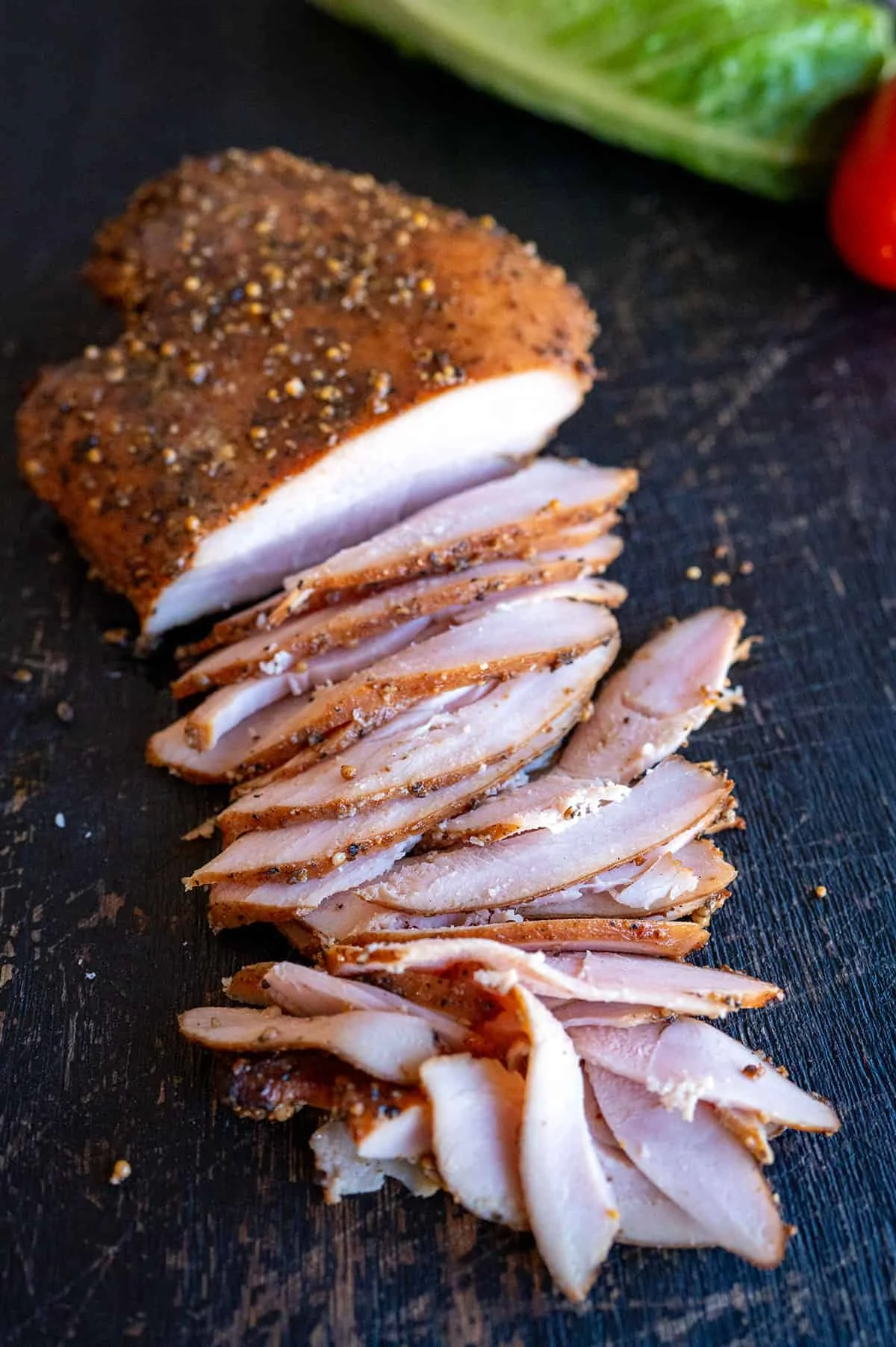
Turkey pastrami offers a delightful and lighter alternative to traditional beef pastrami, presenting a versatile option for a variety of culinary applications, from stacked sandwiches and savory snacks to an effortlessly prepared main course. This innovative recipe transforms humble turkey breast into a flavorful delicacy through a meticulous three-day brining process, followed by a robust pastrami rub and a slow smoking technique that yields a tender, juicy, and distinctly peppery finished product.
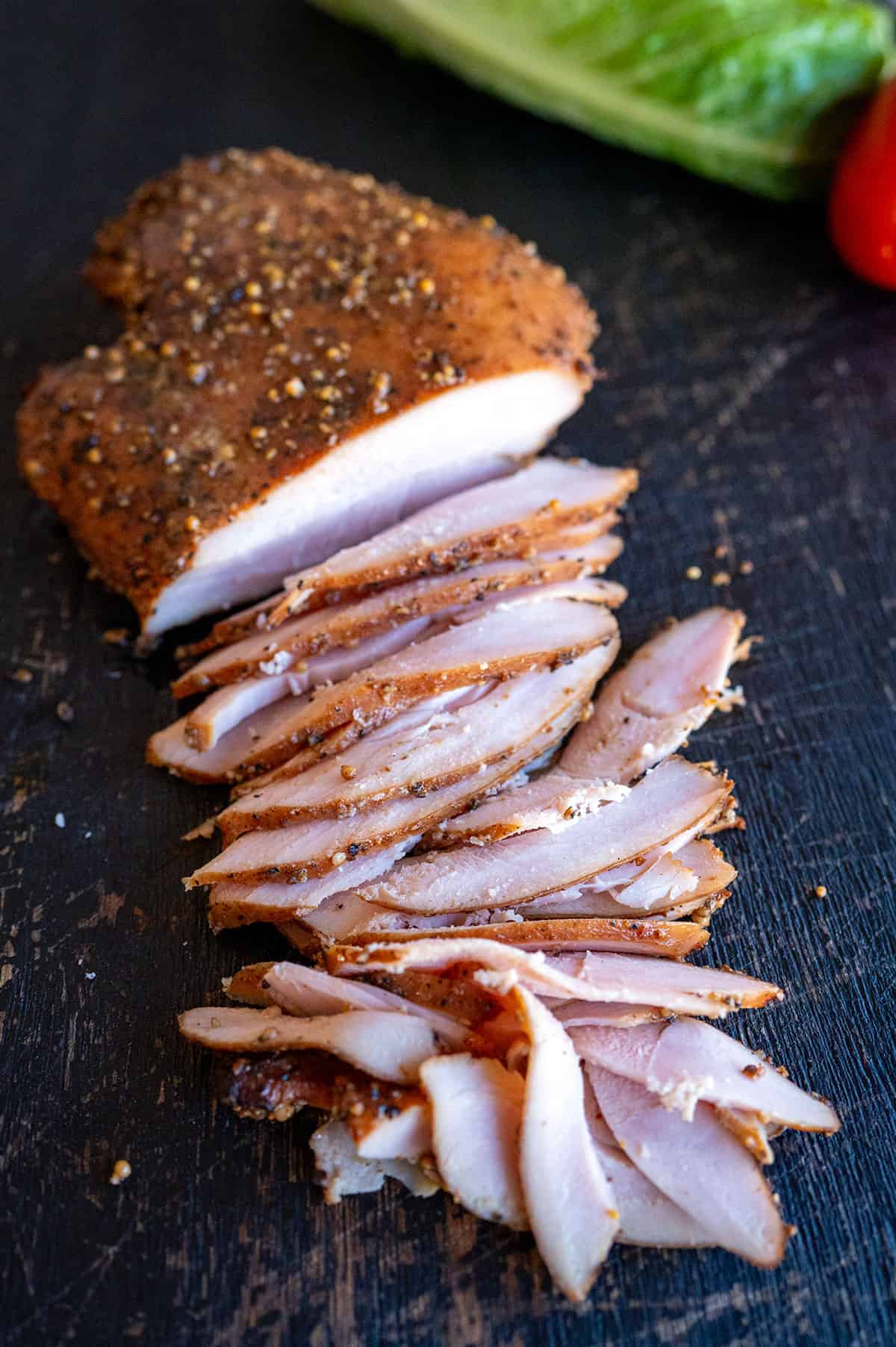
The journey to creating this flavorful turkey pastrami is a testament to the art of slow cooking and flavor infusion. Unlike its beef counterpart, which often undergoes a more extensive curing and steaming process, this turkey version focuses on a carefully controlled brine and smoke. The initial three-day brine is crucial for both tenderizing the turkey breast and infusing it with the foundational savory notes that are characteristic of pastrami. This stage is followed by a generous coating of a specially formulated pastrami rub, designed to impart those signature spicy and aromatic qualities. The final smoking process, typically at a moderate temperature, allows these flavors to meld beautifully while ensuring the turkey remains moist and succulent.
For those new to the intricacies of pastrami preparation, a comprehensive one-page "Pastrami Game Plan" is available, outlining the essential steps of brining, seasoning, and smoking. This guide serves as a quick reference, perfect for displaying on a refrigerator for easy access during the multi-day process. For a deeper dive into the nuances of pastrami making, an "Ultimate Pastrami Guide" is also provided, offering further insights and techniques.
While beef pastrami has long held the spotlight in the deli world, poultry, particularly chicken and turkey, has emerged as an excellent canvas for pastrami-style preparations. These lighter meats readily absorb the complex flavors associated with the traditional pastrami spice blend, resulting in a delicious and satisfying outcome. The fundamental process remains consistent: a multi-day brine, a flavorful seasoning rub, and a period of smoking to achieve the desired texture and taste.
The preparation of turkey pastrami is a process that spans approximately four days. The initial three days are dedicated to the brining stage, followed by one day for curing before the meat is introduced to the smoker. This extended timeline ensures that the turkey breast is thoroughly permeated with flavor and achieves the optimal texture for pastrami.
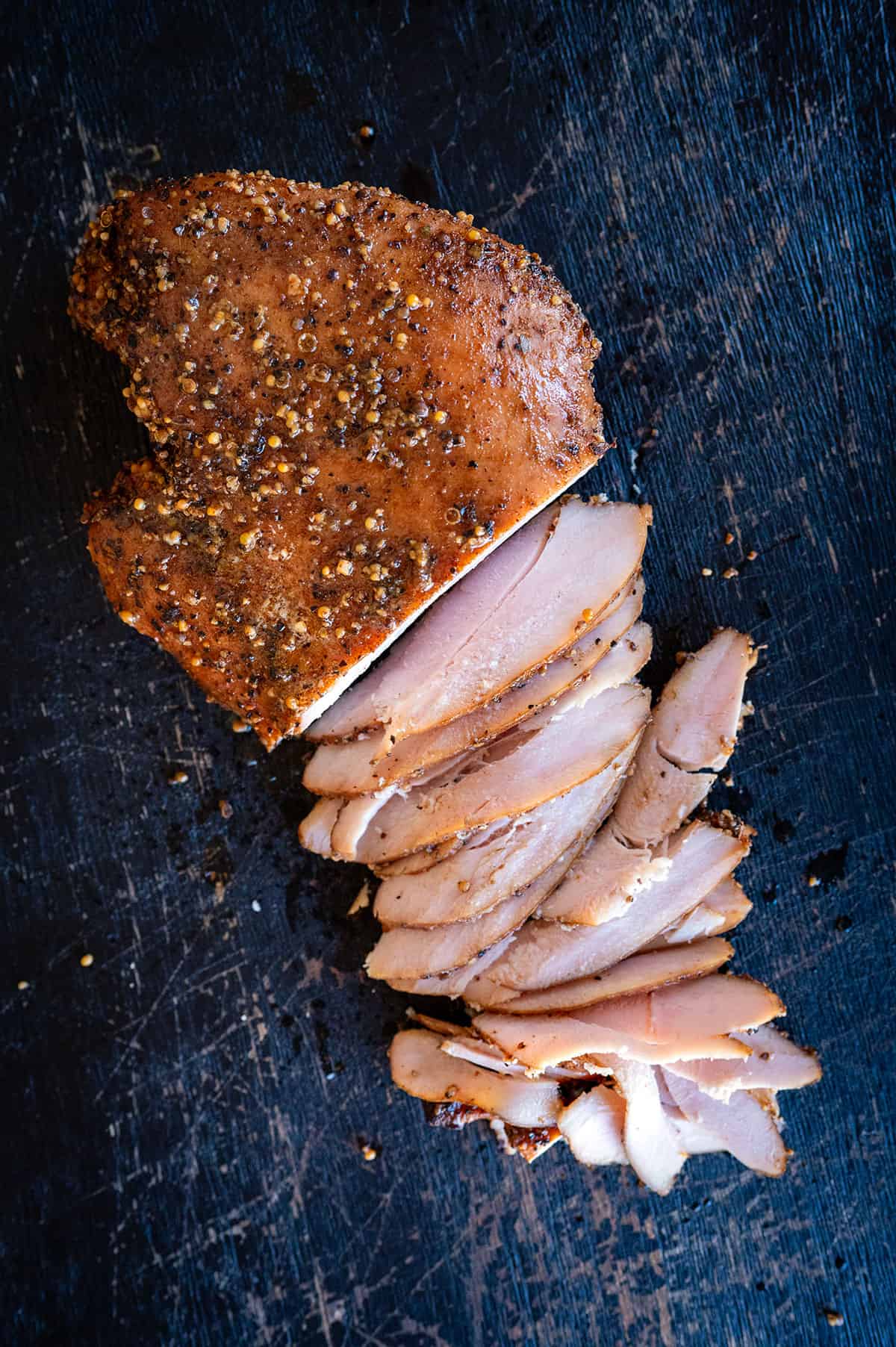
Step 1: The Brine
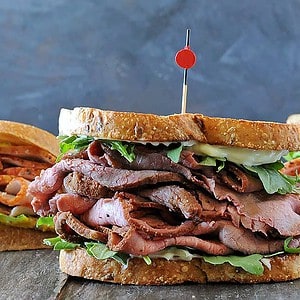
The foundational step in creating exceptional turkey pastrami is the brine. This mixture typically includes kosher salt, brown sugar, a blend of pickling spices, and pink curing salt, which contributes to both preservation and the characteristic subtle pink hue, though this color development can vary significantly in poultry compared to beef. The brine is prepared by dissolving these ingredients in water and then allowing the mixture to cool completely. The turkey breast is then placed in a specialized meat preparation bag, ensuring a watertight seal. The cooled brine is poured over the turkey, the bag is sealed to remove as much air as possible, and then refrigerated for a duration of three days. This prolonged submersion in brine is essential for tenderizing the meat and developing its inherent flavor profile.
Pro Tip: It is strongly advised against using pre-brined or frozen turkey breast roasts, as these often contain added solutions that can interfere with the intended brining process and result in an overly salty or undesirable texture. Opting for a fresh, unadulterated turkey breast is key to achieving the best results.
Step 2: Seasoning and Curing
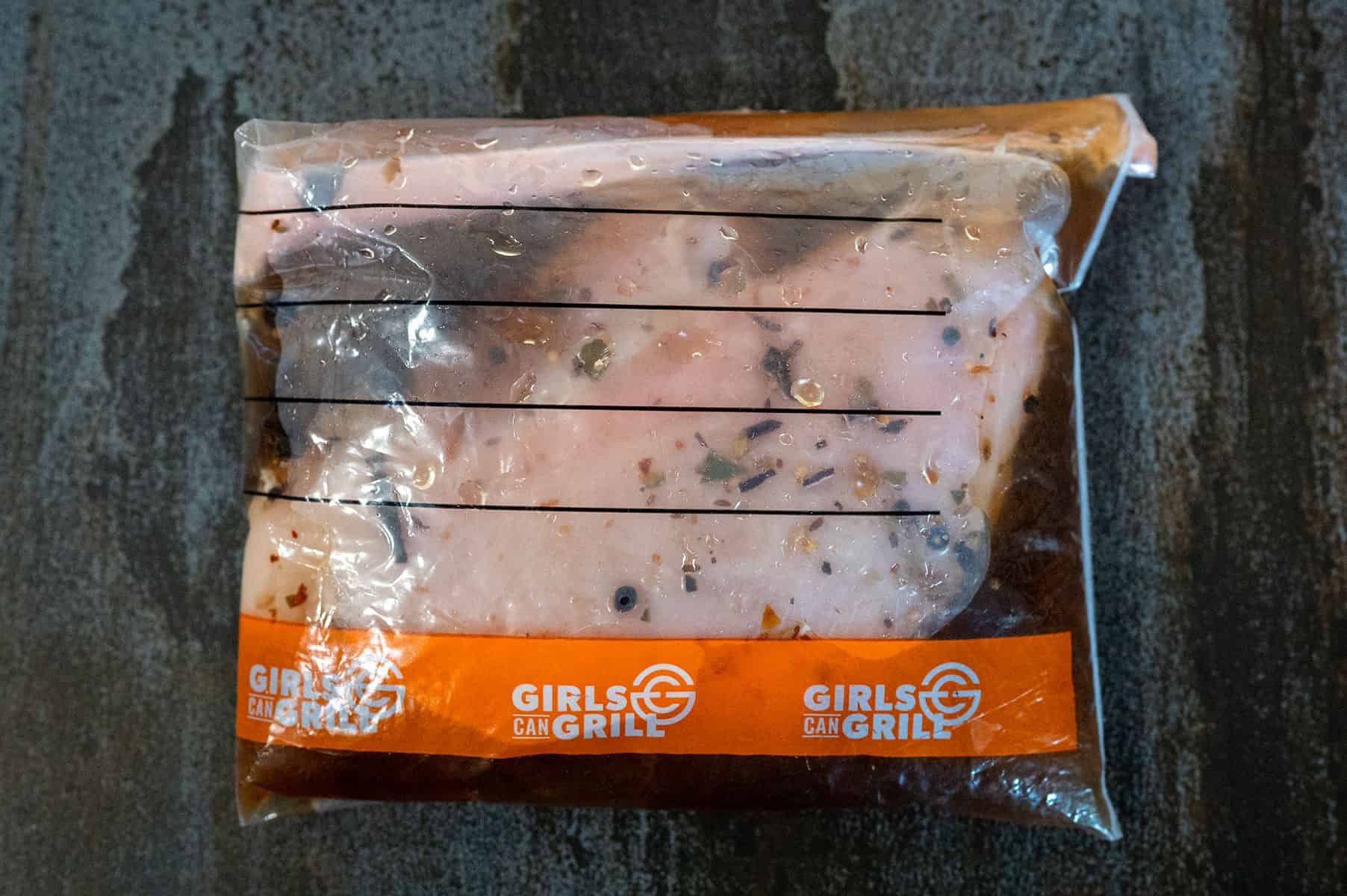
Following the three-day brining period, the turkey breast is removed from the brine. It is then thoroughly rinsed under cold water to remove any excess salt from the surface. After rinsing, the turkey is patted dry with paper towels. This drying step is important for allowing the pastrami rub to adhere effectively. The entire surface of the turkey breast is then coated generously with the pastrami rub. This rub, often a salt-free blend featuring ingredients such as black peppercorns, coriander seeds, mustard seeds, sugar, paprika, and garlic, provides the distinctive peppery and aromatic notes of pastrami. The seasoned turkey breast is then placed uncovered in the refrigerator for a period of several hours, or preferably overnight. This uncovered resting period allows the rub to meld with the meat and encourages a slight drying of the surface, which can contribute to a better smoke ring formation.
Step 3: The Smoking Process
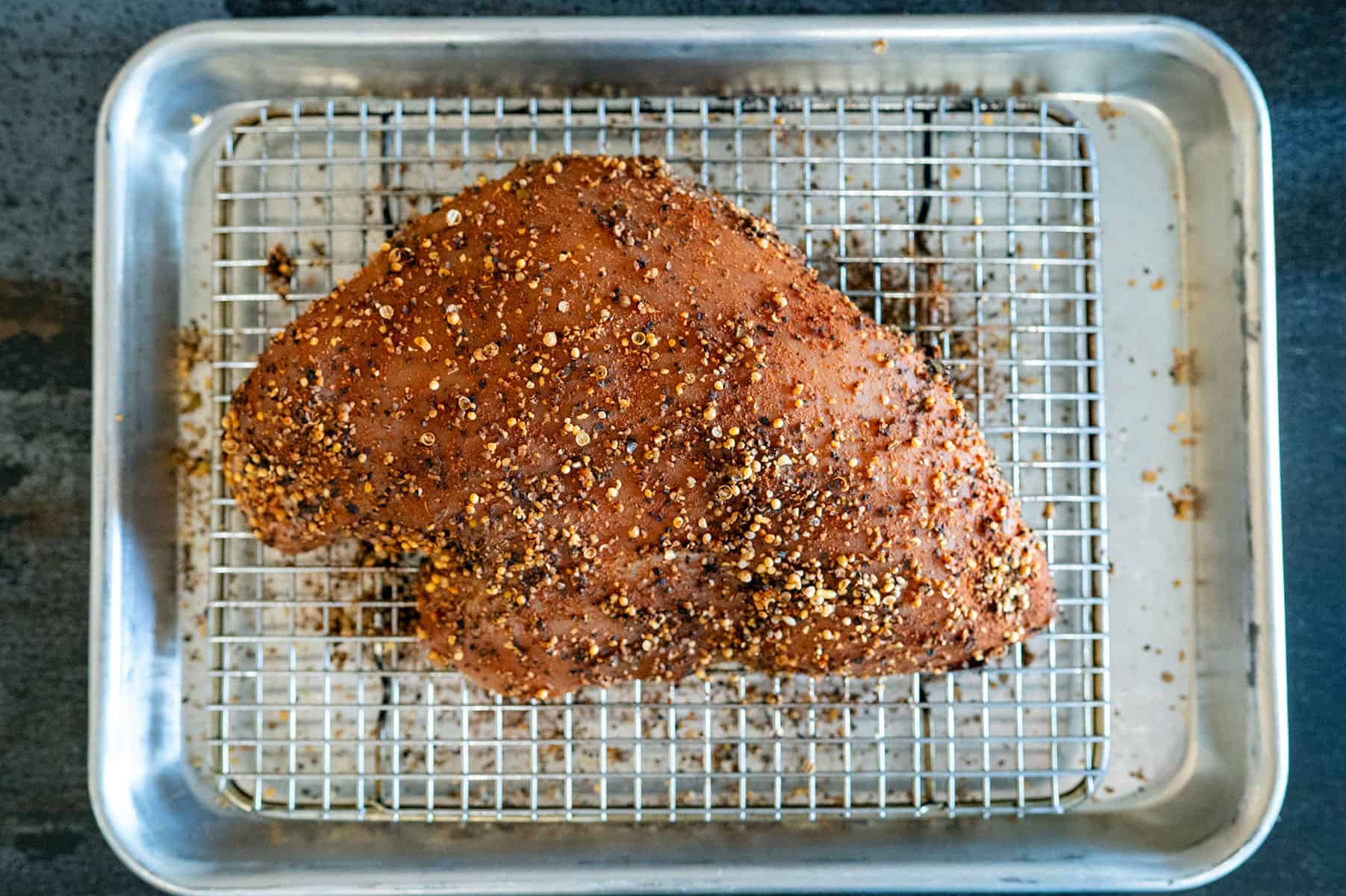
The smoking stage is where the turkey pastrami truly begins to take on its signature character. The smoker is preheated to a consistent temperature of 275°F (135°C). The seasoned turkey breast is then placed on the smoker grates, typically breast-side up, over indirect heat. This indirect heat setup ensures that the turkey cooks evenly without direct exposure to the flames or heating element, preventing scorching and promoting a gentle, even cooking process. The turkey is smoked until its internal temperature reaches between 140°F and 145°F (60°C – 63°C). This initial smoking phase usually takes approximately one hour, depending on the size and thickness of the turkey breast.
Step 4: Wrapping for Tenderness
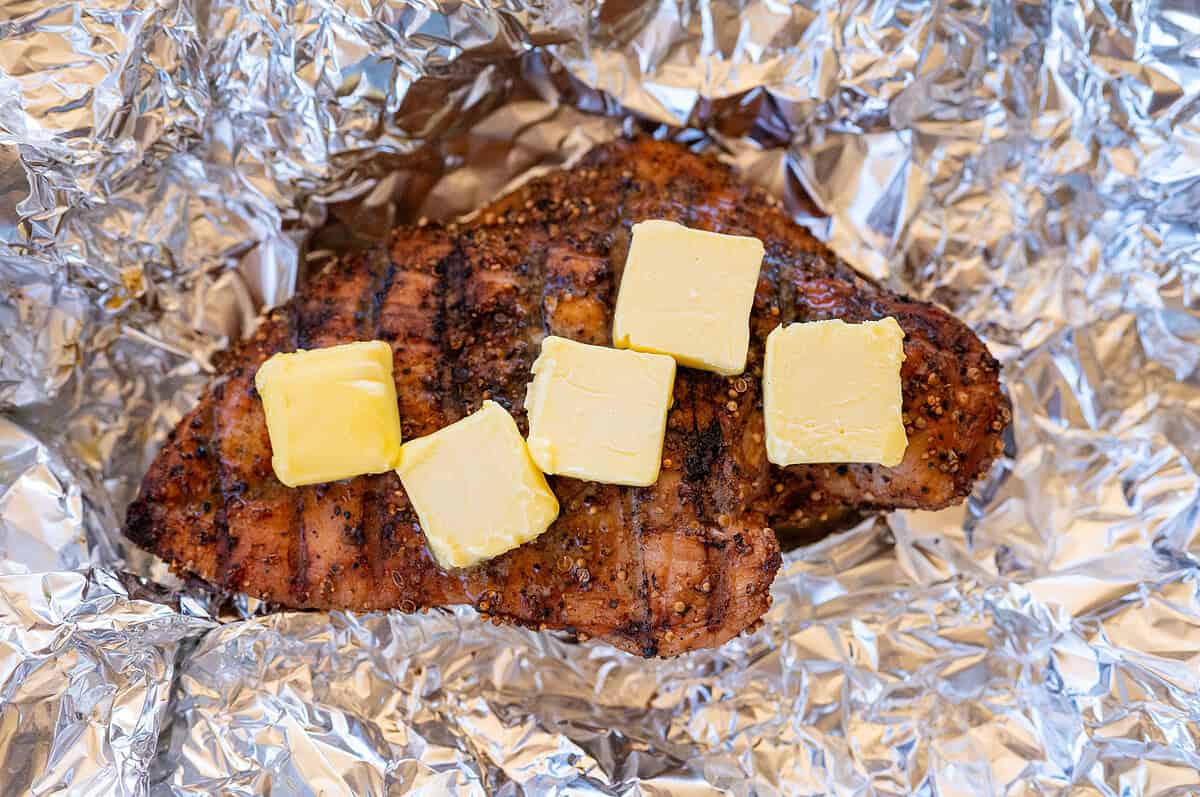
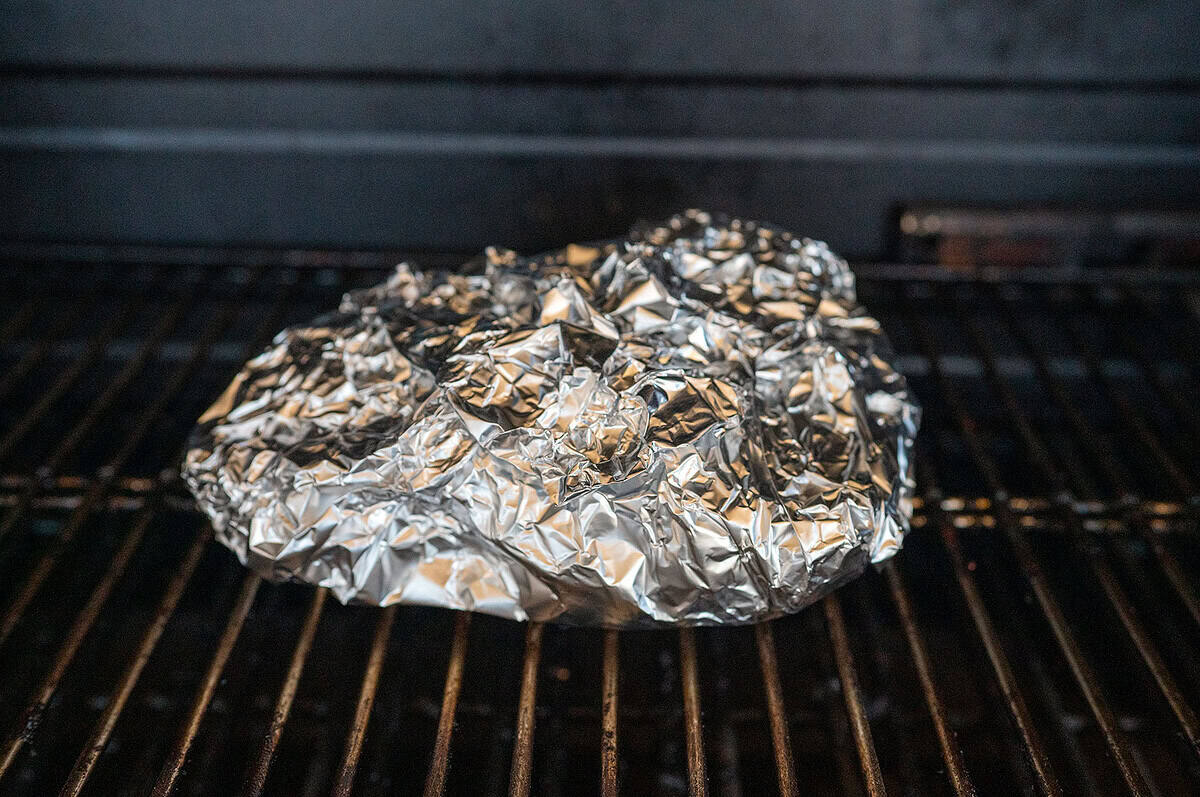
Once the turkey breast reaches the target internal temperature, it undergoes a wrapping process to further enhance its tenderness and moisture content. A sheet of heavy-duty aluminum foil is laid out, and approximately half of the butter cubes are placed in the center. The partially smoked turkey breast is then placed on top of the butter, usually breast-side down. The remaining butter cubes are arranged on top of the turkey. The foil is then wrapped tightly around the turkey breast, creating a sealed packet. This method effectively steams the turkey in its own juices and the rendered butter, contributing significantly to its final succulence. The wrapped turkey breast is then returned to the smoker. The cooking continues until the internal temperature of the turkey reaches between 155°F and 160°F (68°C – 71°C). This second phase of smoking, after wrapping, typically takes an additional 30 to 45 minutes.
Step 5: Resting and Slicing for Perfection
After reaching the final internal temperature, the turkey pastrami is removed from the smoker. It is crucial to allow the meat to rest for at least 30 minutes. This resting period is vital for allowing the juices within the meat to redistribute. If the turkey is sliced too soon, these flavorful juices will escape, resulting in a drier final product. Once rested, the turkey pastrami can be served immediately. For those aspiring to achieve the delicate, deli-thin slices characteristic of authentic pastrami, it is recommended to refrigerate the turkey for a few hours. Chilling the meat firms it up, making it much easier to slice thinly, ideally with the aid of a meat slicer.
Serving Smoked Turkey Pastrami
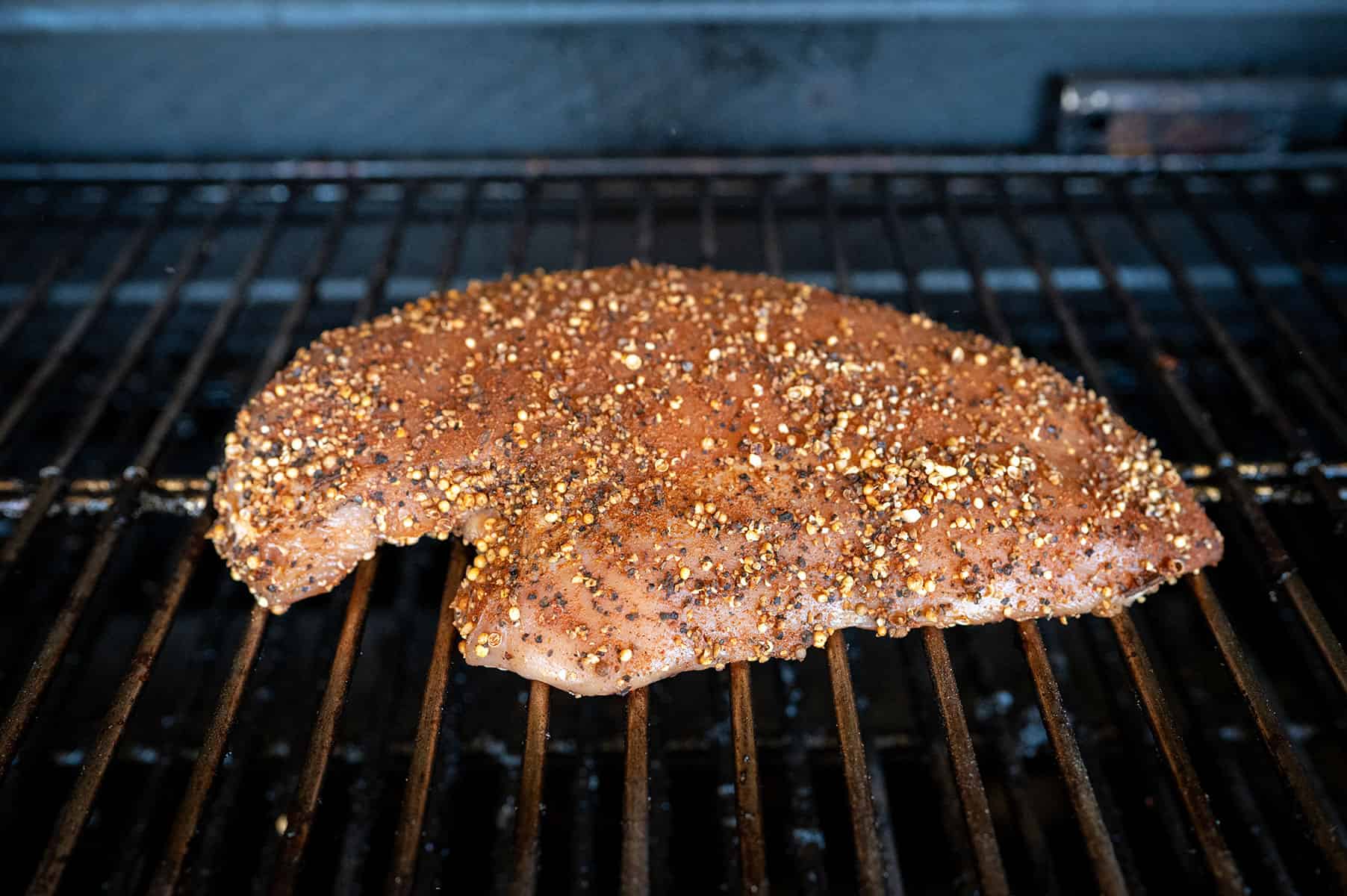
The versatility of smoked turkey pastrami shines through in its serving options. It can be enjoyed warm as a centerpiece entree, complemented by classic side dishes such as potato salad or macaroni salad. Alternatively, it excels as a premium ingredient in sandwiches. To construct an outstanding turkey pastrami sandwich, the meat should be sliced thinly and layered onto toasted bread with fresh lettuce, ripe tomatoes, and a spread of mayonnaise. The distinct peppery flavor and tender texture of the turkey pastrami elevate a simple sandwich into a gourmet experience.
Storage Guidelines
Leftover smoked turkey pastrami can be stored in an airtight container in the refrigerator for approximately 4 to 5 days. For longer storage, it can be frozen for several months. Proper sealing is essential to maintain its quality and prevent freezer burn.
Nutritional Considerations
A serving of this turkey pastrami, typically around 4 ounces, provides approximately 293 calories. It is a good source of protein, with about 33 grams per serving, while containing a moderate amount of fat (18g) and a relatively low carbohydrate count (1g). The sodium content is notable, at 1012mg per serving, which is characteristic of brined and cured meats. It also contributes valuable nutrients such as Vitamin A and potassium. It is important to note that nutritional information is automatically calculated and should be considered an approximation.
Frequently Asked Questions
What is pastrami brine?
Pastrami brine is a carefully formulated mixture typically comprising kosher salt, brown sugar, a medley of pickling spices, and pink curing salt. This solution is essential for the preservation, tenderization, and flavor development of the meat.
What is pastrami rub?
Pastrami rub is a seasoning blend designed to impart the characteristic flavors of pastrami. The Girls Can Grill Pastrami Rub, for example, is a salt-free formulation that includes ground spices like black peppercorns, coriander seeds, mustard seeds, sugar, paprika, and garlic, creating a robust and aromatic coating.
How long do you need to brine turkey to make pastrami?
For a turkey breast, a brining period of three days is generally sufficient. If you are preparing a whole turkey, the brining time may need to be extended to 5 to 7 days, depending on the size of the bird.
Why isn’t turkey pastrami always pink?
The pink color often associated with pastrami comes from the myoglobin present in beef. While curing salts contribute to color development, poultry and pork proteins naturally contain different levels and types of myoglobin. Consequently, turkey or chicken pastrami may appear a lighter pink or even a pale tan, and will not achieve the vibrant pink hue of beef pastrami. The absence of a bright pink color does not indicate a lack of proper curing or flavor.
Conclusion
The creation of turkey pastrami is a rewarding culinary endeavor that results in a delicious and lighter alternative to traditional pastrami. By following a structured process of brining, seasoning, and smoking, home cooks can achieve a flavorful, tender, and versatile meat that is perfect for a wide array of dishes. The meticulous steps involved, from the initial brine to the final rest and slice, ensure a high-quality outcome that is sure to impress.


