The 2025 holiday season marks a significant pivot in global consumer behavior as the "handmade holiday" movement gains unprecedented momentum. Emerging from a decade defined by hyper-commercialization and rapid-delivery e-commerce, a growing demographic of consumers is opting for "presence over presents." This shift, characterized by a return to 1990s-style festivities—emphasizing simplicity, craft-based activities, and low-pressure social interactions—reflects a broader societal move toward sustainability and financial prudence.
The Socio-Economic Drivers of the DIY Resurgence
The resurgence of do-it-yourself (DIY) gifting is not merely a stylistic choice but a response to complex economic and environmental pressures. According to recent retail analysis, the cost of traditional consumer goods has risen by an average of 12% over the last two fiscal years, leading many households to seek more affordable alternatives. Simultaneously, the environmental toll of the holiday season has become a focal point for climate-conscious shoppers.
Data from environmental protection agencies suggests that household waste in developed nations typically increases by 25% between Thanksgiving and New Year’s Day. This surplus includes approximately 1 million tons of additional waste per week, comprising gift wrap, packaging, and discarded low-quality plastic goods. The transition toward DIY gifts, particularly those that are consumable or zero-waste, serves as a direct intervention in this cycle of consumption and disposal.
A Taxonomy of Modern Handmade Gifts
The scope of contemporary DIY gifting has expanded beyond simple crafts to include high-quality artisanal products that rival retail alternatives. These gifts are generally categorized into four primary sectors: consumables, wellness and beauty, home utility, and upcycled children’s items.
1. Culinary and Consumable Gifts
Consumables remain the gold standard for zero-waste gifting, as they are designed to be used entirely, leaving behind minimal environmental footprints.
- Artisanal Pantry Staples: Homemade vanilla extract, aged over several months, and custom nut butters represent high-value gifts that require minimal technical skill but significant forethought.
- Preservation Crafts: Small-batch jams and seasoned salt blends (such as rosemary-infused sea salt) offer a personalized touch to the recipient’s kitchen.
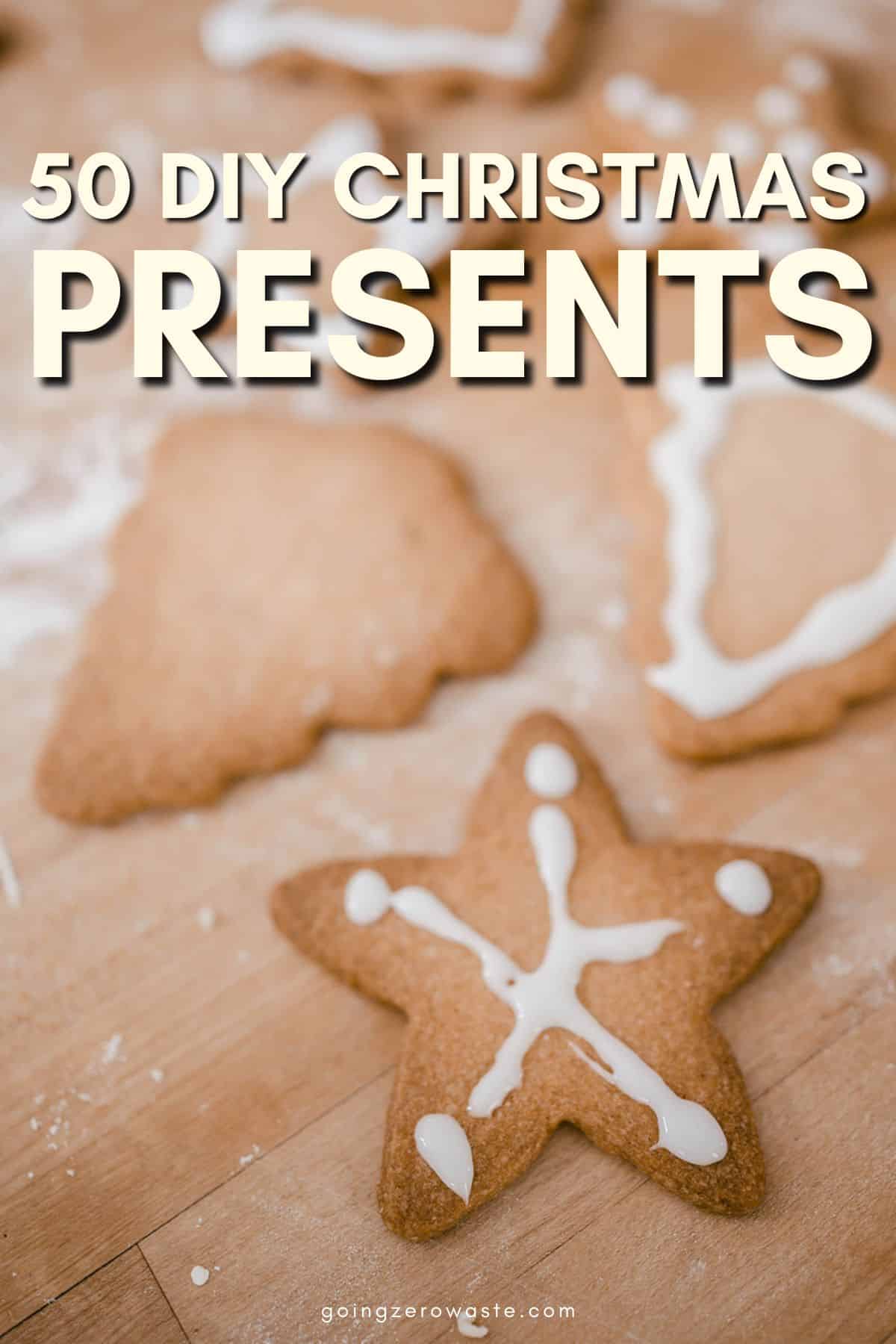
- Confectionery: Traditional baked goods, including vegan sugar cookies and chocolate chip varieties, continue to be staples of the handmade movement, often packaged in reusable glass jars or upcycled tins.
2. Wellness, Beauty, and Self-Care
The DIY beauty sector has grown as consumers become more wary of synthetic fragrances and microplastics found in commercial personal care products.
- Bath and Body: Scented bath salts, utilizing Epsom salts and essential oil blends, provide a luxury experience at a fraction of the retail cost.
- Skin Care: Hand-mixed body scrubs and lip scrubs made from sugar or coffee grounds offer exfoliating benefits without the use of plastic microbeads.
- Atmospherics: Hand-poured soy or beeswax candles and custom-molded bath bombs allow for complete control over ingredient transparency.
3. Practical Home Utility and Textiles
For those with higher technical proficiency, the 2025 season has seen a rise in "functional gifting."
- Sustainable Kitchenware: Beeswax wraps, which serve as a reusable alternative to plastic cling film, have become a popular entry-level textile project.
- Advanced Craftsmanship: There is a notable increase in interest in woodworking (e.g., tablet holders and floating shelves) and ceramics (e.g., hand-thrown mugs and jewelry dishes).
- Fiber Arts: Knitted or crocheted blankets, scarves, and hats remain enduring symbols of the "slow holiday" movement, requiring hours of dedicated labor that many perceive as more valuable than monetary expenditure.
4. Upcycled and Educational Toys
The children’s toy market is seeing a shift toward "cardboard engineering." Parents and gift-givers are increasingly utilizing high-quality cardboard packaging to create elaborate dollhouses, pirate ships, and vehicle models. This practice not only reduces plastic waste but encourages imaginative play and teaches the principles of upcycling to the younger generation.
Chronology of the 2025 Gifting Shift
The movement toward 50 DIY Christmas presents began to take shape in early Q3 2025, as social media trends moved away from "unboxing" luxury hauls toward "process videos" of handmade goods.
- September 2025: Interest in fermentation and long-term infusions (like vanilla and flavored vinegars) spiked as early planners began their gift preparations.
- October 2025: Community centers and local libraries reported a 40% increase in attendance for "crafting circles" and DIY workshops.
- November 2025: Supply chains for raw materials such as beeswax, essential oils, and bulk Epsom salts saw a localized surge in demand, mirroring the traditional retail rush for electronics.
Environmental and Psychological Impact Analysis
Experts in consumer psychology suggest that the shift toward DIY gifting significantly reduces "holiday stress," a phenomenon often linked to the financial burden of gift-giving and the logistical challenges of last-minute shopping. By focusing on the act of creation, individuals report a higher sense of satisfaction and a stronger emotional connection to the recipient.
From an environmental perspective, the implications are profound. A gift made from upcycled materials or sourced from a local thrift store has a carbon footprint that is estimated to be 80-90% lower than a mass-produced item shipped internationally. Furthermore, the use of "Furoshiki"—the Japanese art of fabric wrapping—and the repurposing of old newspapers or scarves for gift wrap are projected to save millions of tons of paper waste globally this year.
Statements from Sustainability Advocates
"We are seeing a democratization of the holiday season," says Elena Rodriguez, a consultant for the Global Sustainability Initiative. "When people choose to make a gift, they are reclaiming their time and their values from a retail machine that often prioritizes profit over planet. The ’50 DIY Gifts’ list is not just a collection of projects; it is a manifesto for a more intentional way of living."
Similarly, financial analysts note that the DIY trend is a sign of "resilient celebrations." By decoupling the joy of the holidays from high-interest credit card debt, consumers are entering the new year with greater financial stability, which has long-term positive effects on the broader economy.
Strategic Implementation for the Last-Minute Giver
For those operating on a shorter timeline, the movement emphasizes that quality does not always require weeks of preparation. The "last-minute DIY" has been refined into a disciplined practice:

- The Upcycled Jar Strategy: Utilizing glass jars from the kitchen, cleaned and decorated, to house bath salts or pre-mixed dry ingredients for cookies ("Cookies in a Jar").
- The Thrift Store Basket: Curating a themed collection of high-quality secondhand items—such as a "Tea Lover’s Basket" with a vintage teapot and a handmade sachet of loose-leaf tea.
- The Cardboard Revolution: Utilizing shipping boxes from earlier in the season to create storage containers or organized shoe racks for the home.
Future Outlook: The Permanence of the Handmade Movement
As the 2025 holiday season concludes, the data suggests that the handmade movement is not a fleeting trend but a fundamental shift in the "gift economy." The infrastructure for DIY—ranging from online tutorials to local maker spaces—has matured, making these 50 DIY presents accessible to individuals regardless of their previous crafting experience.
The legacy of this year’s Christmas will likely be defined by a reduction in landfill contributions and an increase in community-based skill sharing. By choosing "presence over presents," the modern consumer is redefining what it means to give, ensuring that the holiday spirit is measured not by the price tag, but by the creativity and care invested in each gesture. As society continues to grapple with the realities of climate change and economic volatility, the DIY Christmas stands as a scalable, replicable model for sustainable joy.