

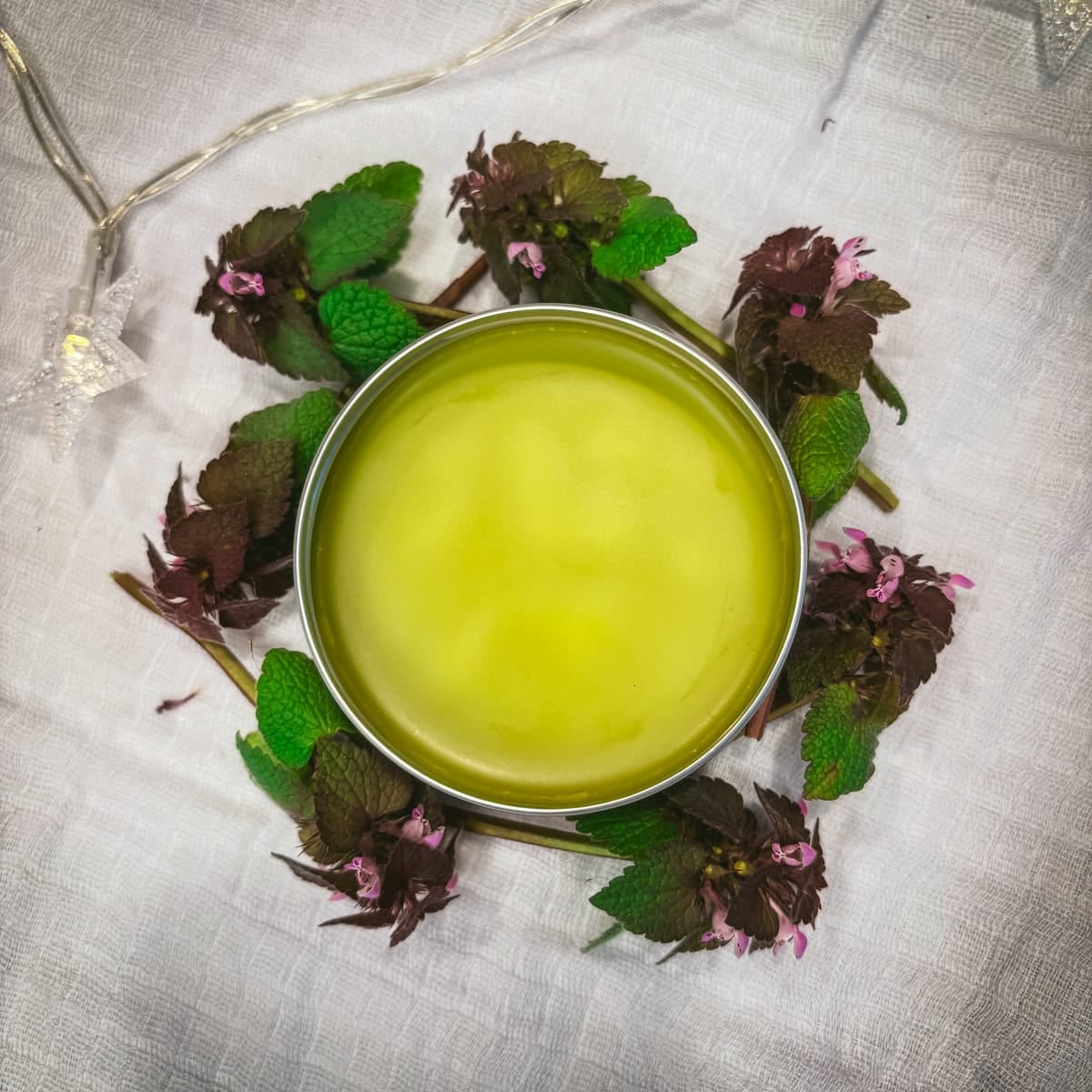
As the northern hemisphere transitions from the dormancy of winter to the vitality of early spring, the emergence of Lamium purpureum, commonly known as purple dead nettle, marks a significant period for both foragers and traditional herbalists. While often dismissed as a common garden weed, this member of the Lamiaceae (mint) family is increasingly recognized for its multifaceted utility in both culinary and dermatological applications. The preparation of purple dead nettle salve represents a convergence of ancient botanical knowledge and modern interest in sustainable, self-sufficient wellness. This guide provides an exhaustive analysis of the plant’s properties, the methodology for creating an infused topical treatment, and the broader ecological and health implications of its use.
Botanical Profile and Identification of Lamium Purpureum
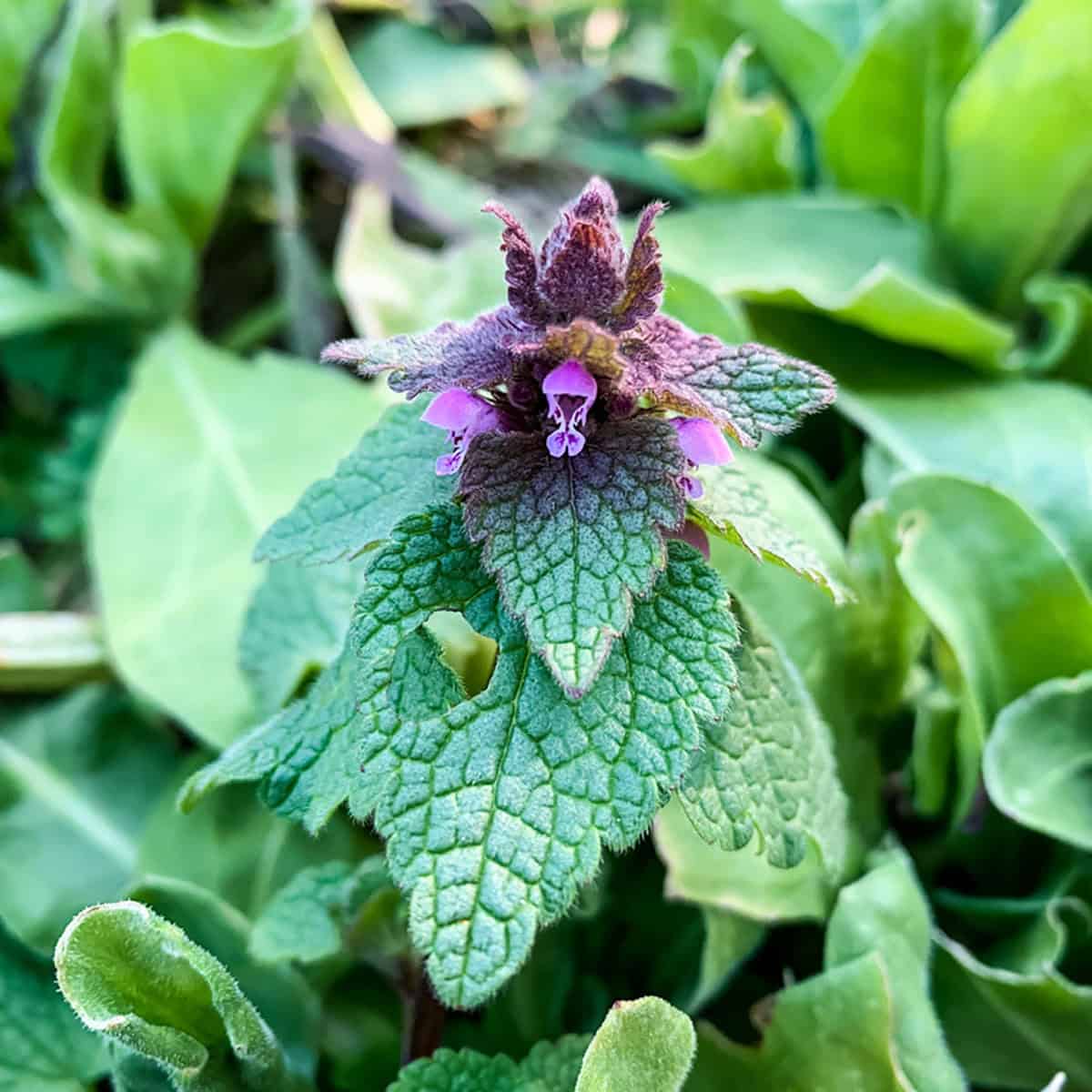
Purple dead nettle is an annual herbaceous plant native to Europe and Asia but has become naturalized throughout North America, particularly across the United States. It is among the first plants to appear in the spring, often providing a critical early food source for pollinators such as honeybees and bumblebees.
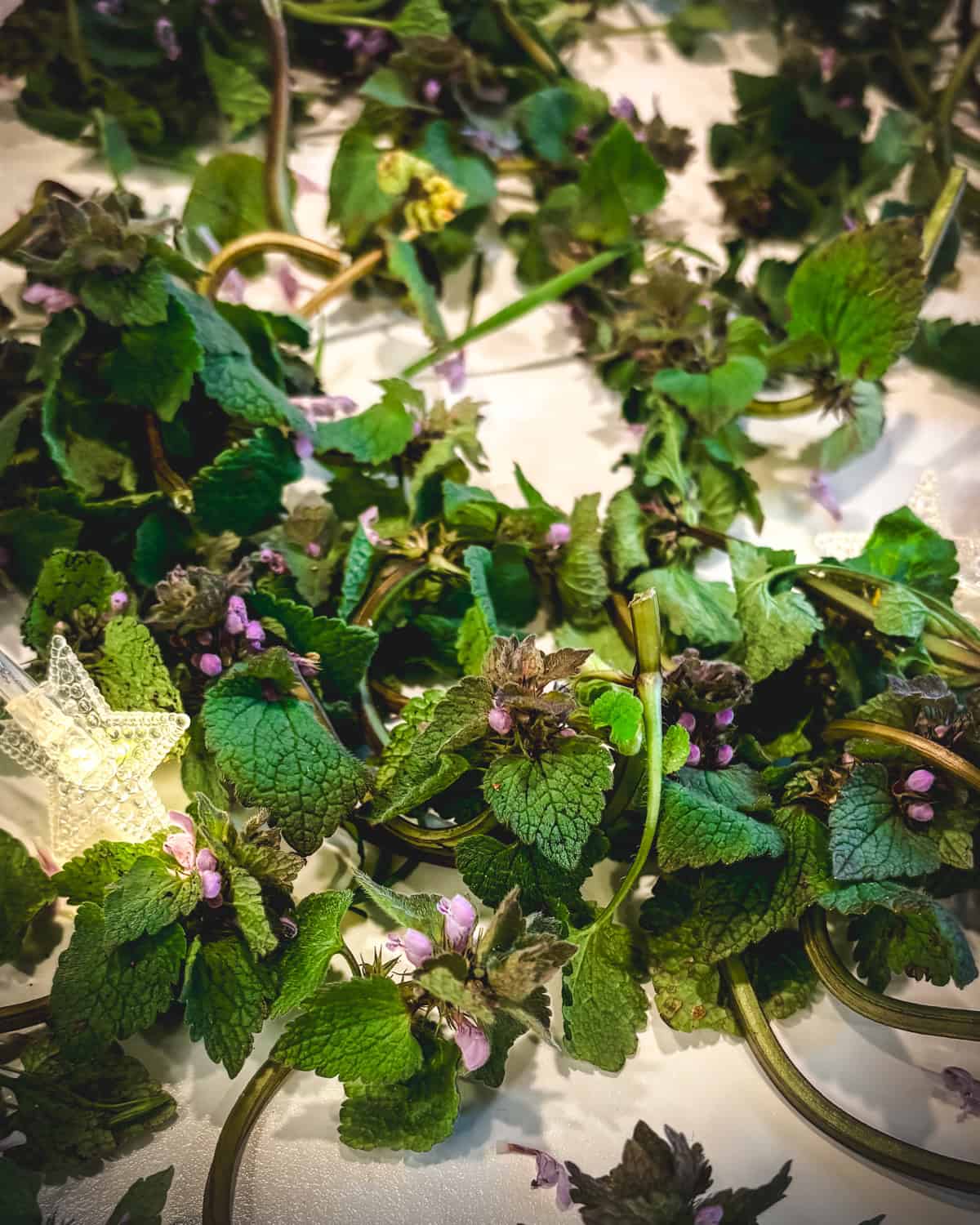
Identification is straightforward, making it an ideal entry point for novice foragers. The plant features the characteristic square stem of the mint family. Its leaves are heart-shaped, finely haired, and deeply veined. The most distinguishing feature is the coloration of the upper leaves, which transition from a vibrant green to a deep, reddish-purple hue near the top of the stalk. Small, tubular pink or purple flowers emerge from these upper leaf axils. Unlike the stinging nettle (Urtica dioica), the purple dead nettle does not possess trichomes (stinging hairs), earning it the name "dead" nettle, as it is harmless to the touch.
Phytochemical Composition and Therapeutic Properties
The therapeutic value of purple dead nettle is rooted in its complex chemical profile. According to various ethnobotanical studies and recent pharmacological research, Lamium purpureum contains several bioactive compounds that contribute to its medicinal efficacy:
- Flavonoids and Phenolic Acids: These compounds provide significant antioxidant properties, which help neutralize free radicals and reduce oxidative stress on the skin.
- Iridoid Glycosides: Specifically, compounds such as lamioside are noted for their anti-inflammatory effects.
- Essential Fatty Acids: The seeds and leaves contain lipids that support the skin’s barrier function.
- Antimicrobial Agents: Research suggests that the plant exhibits antibacterial and antifungal activity, making it a viable option for managing minor skin infections and irritations.
In traditional folk medicine, the genus Lamium has been utilized for its astringent, diaphoretic, and diuretic properties. When applied topically, it serves as a vulnerary—an agent used for healing wounds.
The Chronology of Salve Production: From Field to Finish
The process of creating a medicinal salve is a meticulous sequence that requires patience and attention to detail. The timeline typically spans several weeks if using traditional infusion methods, or a few hours if employing accelerated heat techniques.
Phase I: Harvesting and Preparation
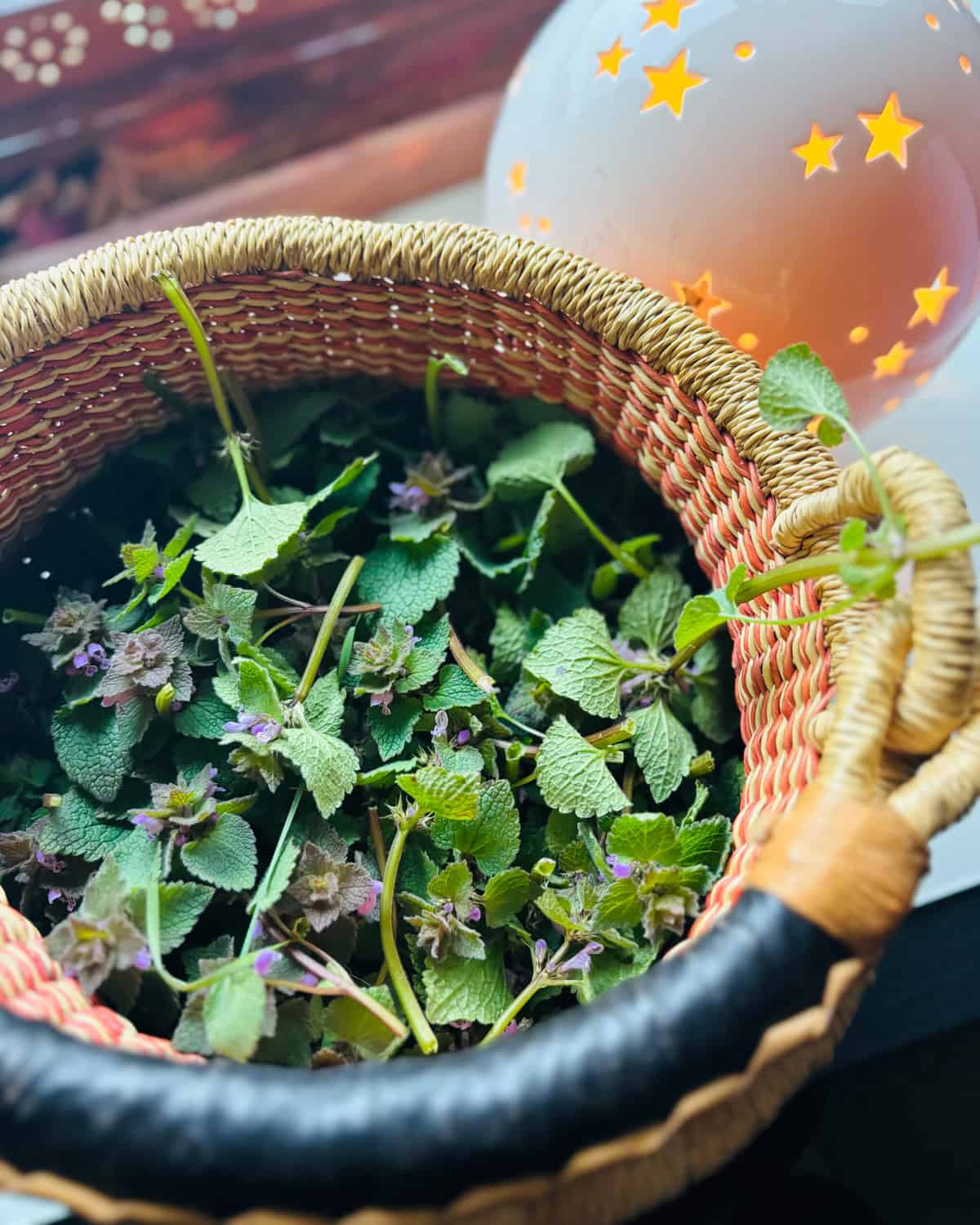
Foraging should occur in mid-to-late spring when the plant is at its peak potency. It is imperative to harvest from areas free of chemical pesticides, herbicides, and heavy metal contamination, which is often a concern in urban foraging. Once harvested, the plant material must be dried. Using fresh plants in oil infusions introduces moisture, which significantly increases the risk of mold and bacterial growth, potentially spoiling the batch.
Phase II: The Infusion Process
The infusion is the most critical stage, where the fat-soluble compounds of the plant are transferred into a carrier oil. There are two primary methods:
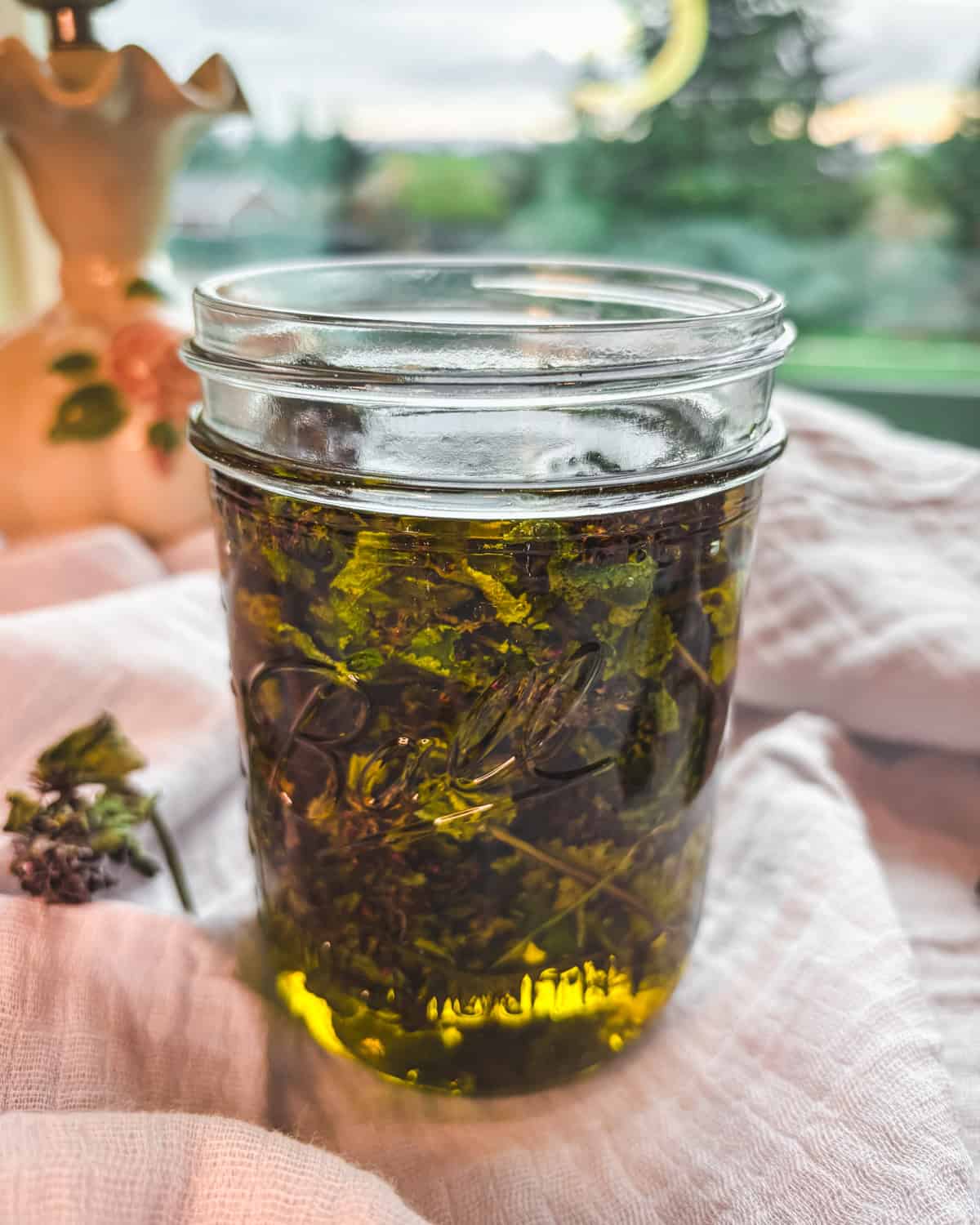
- The Solar/Cold Method: Dried herbs are submerged in oil and left in a cool, dark place for four to six weeks. This slow process is favored by traditionalists for preserving the most delicate volatile oils.
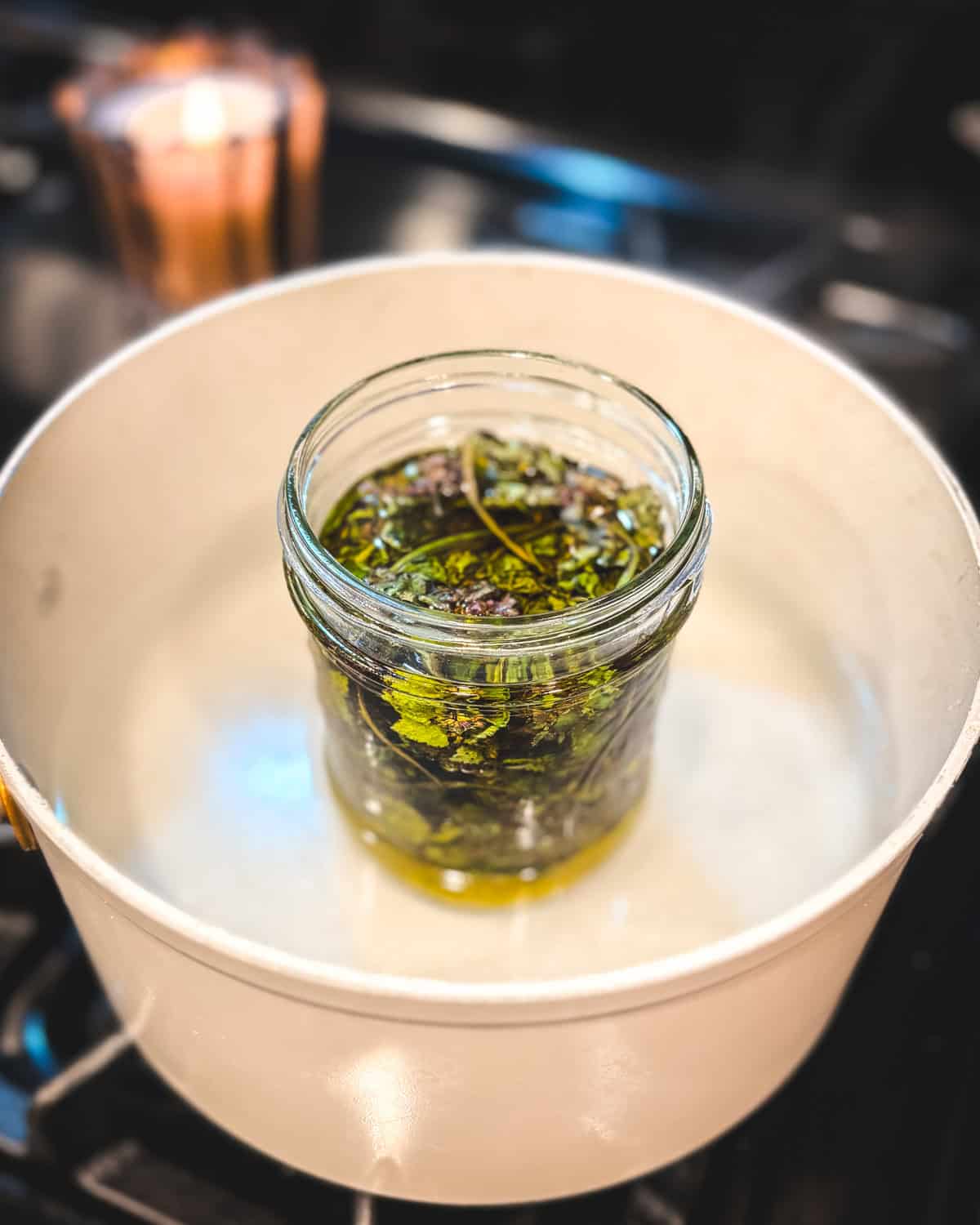
- The Heat-Accelerated Method: Using a double boiler, the herbs and oil are heated at a low temperature (approximately 100-110°F) for several hours. This is the preferred method for those requiring immediate results or when the herb material is not fully desiccated.
Phase III: Emulsification and Setting
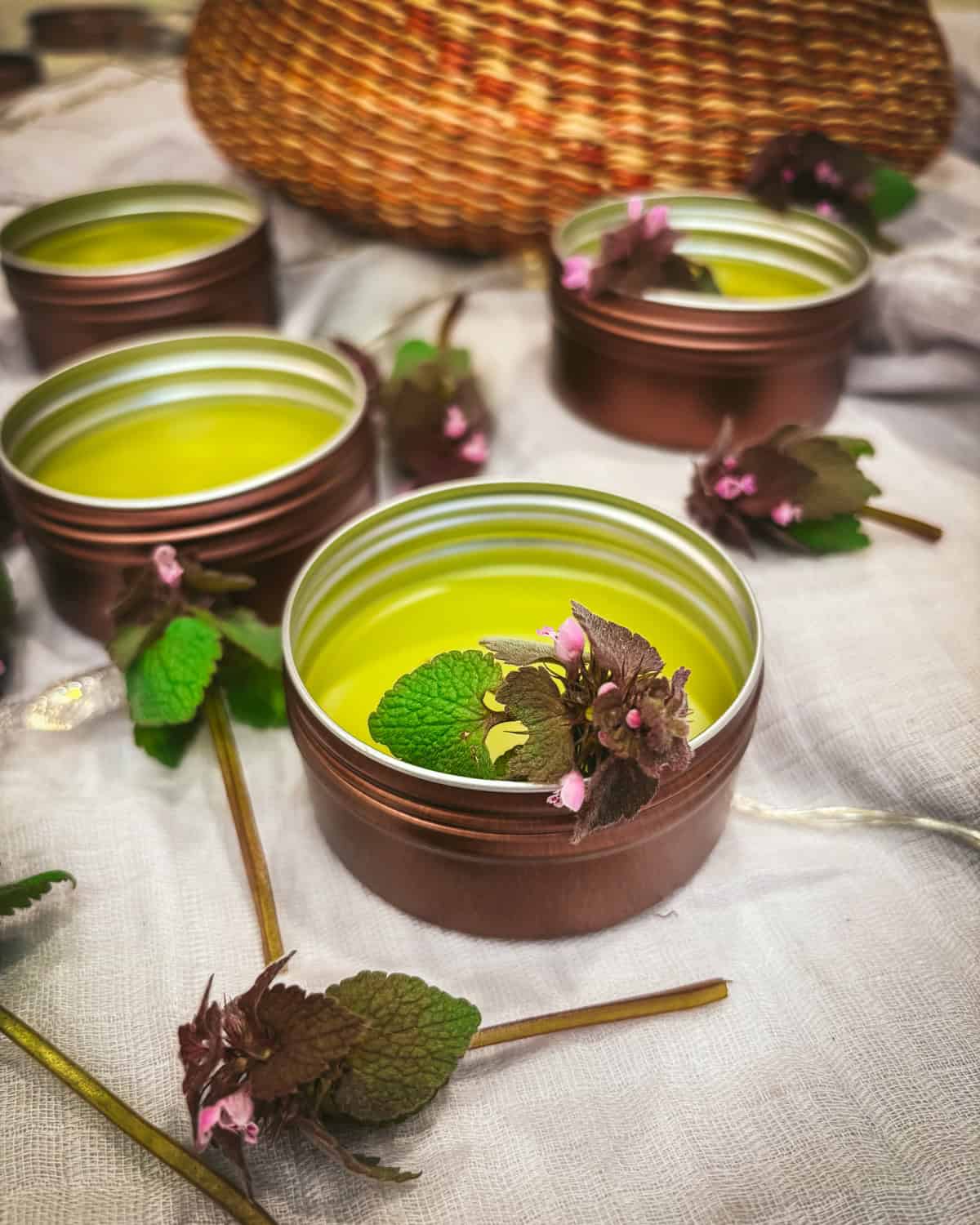
After straining the plant matter, the infused oil is combined with a hardening agent—typically beeswax—to create the salve consistency. This final stage involves melting the wax into the oil and adding optional essential oils for aromatic or additional therapeutic benefits before the mixture cools and solidifies.
Technical Requirements: Ingredients and Equipment
To produce a high-quality purple dead nettle salve, the following components are required:
Ingredients
- Dried Purple Dead Nettle (1 cup): The primary botanical active ingredient.
- Carrier Oil (1 cup/240ml): Olive oil is the industry standard due to its stability and skin-permeability. However, a blend of 50% olive oil, 25% coconut oil (for antimicrobial properties), and 25% sweet almond oil (for vitamin E content) is often used for a superior skin feel.
- Beeswax Pastilles (1-2 ounces): Acts as the thickening agent and provides a protective barrier on the skin.
- Essential Oils (Optional): Peppermint and lavender are frequently selected for their soothing scents and complementary anti-inflammatory properties.
Equipment
- Sterilized Glass Jars: For infusion and final storage.
- Double Boiler: To ensure even heating without scorching the oils.
- Fine Mesh Strainer or Cheesecloth: For removing all plant particulates.
- Wooden Stirrers: To maintain the purity of the mixture during the melting process.
Methodology: Step-by-Step Production
- Oil Infusion: Place one cup of dried purple dead nettle into a clean pint jar. Cover completely with the chosen carrier oil. If using the cold method, seal and store for 4-6 weeks. If using the heat method, place the jar in a water bath or use a double boiler on low heat for 3-5 hours.
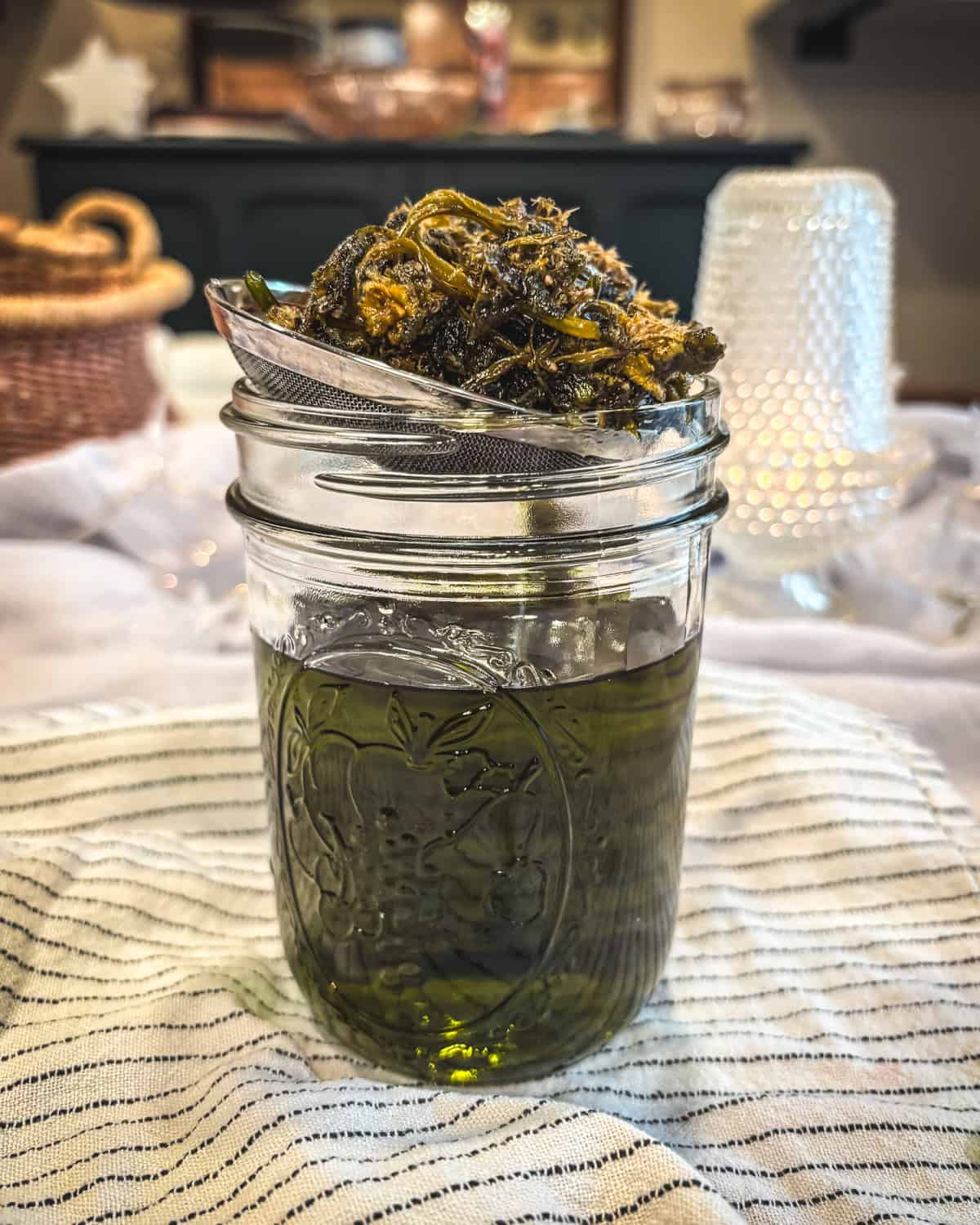
- Straining: Using a cheesecloth, strain the oil into a clean bowl, squeezing firmly to extract every drop of the infused lipids. Discard the spent plant material.
- Melting: Measure the infused oil and return it to the double boiler. Add beeswax pastilles (typically a 1:4 or 1:8 ratio of wax to oil, depending on the desired firmness). Heat until the wax is entirely translucent.
- Aromatherapy Integration: Remove from heat and immediately stir in 10-20 drops of essential oils.
- Canning: Pour the liquid mixture into small metal tins or glass jars.
- Solidification: Allow the containers to sit undisturbed at room temperature for several hours. The salve is ready for use once it has transitioned from a liquid to an opaque solid.
Clinical Applications and Dermatological Benefits
The resulting salve is a versatile addition to a natural first-aid kit. Its primary applications include:
- Minor Abrasions and Cuts: The astringent properties help "knit" the skin together while the antibacterial compounds prevent infection.
- Insect Bites and Stings: The anti-inflammatory iridoids quickly reduce swelling and pruritus (itching).
- Eczema and Dry Skin: The beeswax creates a breathable occlusive layer that locks in moisture, while the oil-based infusion delivers deep hydration.
- Fungal Irritations: Preliminary data suggests that the antifungal properties of Lamium can assist in soothing minor topical fungal issues.
Supporting Data and Market Context
The resurgence of interest in herbal salves is reflected in the growing "Green Wellness" market, which is projected to expand significantly over the next decade. According to market analysis, consumers are increasingly wary of synthetic preservatives and petroleum-based products found in commercial ointments.
A study published in the journal Molecules highlighted that Lamium purpureum contains significant levels of phenolic acids, including caffeic acid and chlorogenic acid. These substances are well-documented for their ability to promote tissue regeneration and protect against UV-induced damage. Furthermore, the cost-benefit analysis of home-produced salve is compelling; a batch yielding 10 ounces of product can be produced for approximately $12.00, whereas a comparable organic commercial product often retails for $15.00 to $20.00 per two-ounce tin.
Safety, Ethics, and Environmental Impact
While purple dead nettle is non-toxic and lacks look-alikes that are dangerous, professional foragers emphasize several safety protocols. First, one must distinguish it from henbit (Lamium amplexicaule), which is also edible and medicinal but has different leaf structures. Second, individuals with known allergies to the Lamiaceae family should perform a patch test before widespread application.
From an ecological perspective, foragers are encouraged to follow the "one-third rule"—never harvesting more than a third of a patch to ensure the local ecosystem and pollinator populations remain undisturbed. Because purple dead nettle is an invasive or "opportunistic" grower in many regions, responsible harvesting can actually assist in managing its spread in sensitive garden areas without the use of chemicals.
Broader Implications and Conclusion
The production of purple dead nettle salve is more than a simple DIY project; it is a manifestation of the "slow medicine" movement. By utilizing a plant that is widely available and often overlooked, individuals can reduce their reliance on complex global supply chains for basic dermatological care.
This practice fosters a deeper connection to local phenology—the study of cyclic and seasonal natural phenomena. As more people turn toward traditional botanical solutions backed by modern scientific understanding, the purple dead nettle stands as a testament to the hidden value within the common landscape. Its transformation from a "weed" into a soothing, medicinal salve exemplifies the potential for sustainable, localized health solutions in the 21st century.


