The modern residential environment has undergone a silent chemical transformation over the last half-century, with synthetic polymers replacing natural fibers in nearly every category of home decor. Recent environmental health assessments reveal that a significant majority of contemporary area rugs are manufactured using polyester, a petroleum-based plastic that contributes to indoor air pollution and microplastic shedding. As consumer awareness regarding indoor air quality and long-term health increases, the demand for non-toxic, sustainable flooring alternatives has reached a critical inflection point. This shift is driven not only by environmental concerns but by emerging medical research linking synthetic textile degradation to systemic health issues.
The Health Implications of Synthetic Textiles and Microplastics
The primary concern regarding synthetic rugs is the liberation of microplastics into the home environment. Unlike natural fibers, polyester and nylon rugs are prone to mechanical wear that releases microscopic plastic fragments. These particles, often invisible to the naked eye, become airborne or settle into household dust, where they can be inhaled or ingested.
A 2025 landmark study conducted by Stanford University has provided a sobering look at the biological impact of these materials. Researchers discovered that individuals with detectable levels of microplastics in their arterial plaque faced a significantly higher risk of experiencing heart attacks, strokes, or premature death compared to those without such contamination. Furthermore, microplastics have been identified in human blood, feces, and even the placenta, suggesting that the "shedding" from common household items like rugs has profound implications for human physiology.
For households with infants and young children, the risks are amplified. Infants spend a disproportionate amount of time on the floor, placing them in direct contact with the primary source of these microfibers. The inhalation of synthetic dust during critical stages of pulmonary development remains a primary concern for pediatric environmental health specialists.
Environmental Crisis: The Lifecycle of a Synthetic Rug
The ecological footprint of the rug industry is substantial, contributing to a growing waste management crisis in the United States. Current data suggests that approximately 5 billion pounds of rugs and carpets are discarded annually, accounting for roughly 2% of the total U.S. landfill volume.
The core of the issue lies in the durability—or lack thereof—of synthetic materials in a biological context. While a polyester rug may remain functional for only five to ten years, the plastic fibers from which it is constructed will not biodegrade for centuries. As these rugs sit in landfills, they slowly break down into microplastics that leach into groundwater and local ecosystems, extending the cycle of pollution far beyond the walls of the home.
Assessing the Chemical Landscape: PFAS and VOCs
Beyond microplastics, the presence of "forever chemicals," or Per- and Polyfluoroalkyl Substances (PFAS), has long been a point of contention in the textile industry. These chemicals are frequently applied as stain or water repellents. However, recent regulatory scrutiny has prompted a shift in manufacturing. A compliance report from the Department of Toxic Substances Control (DTSC) analyzed 201 carpet and rug samples and found that only four contained PFAS levels exceeding 100 parts per million, indicating that intentional addition of these chemicals is becoming less common in the industry.
Nevertheless, synthetic rugs often utilize adhesives and backings that emit Volatile Organic Compounds (VOCs). These gases can cause "new carpet smell," which is frequently an indicator of off-gassing chemicals such as formaldehyde or benzene. Non-toxic alternatives mitigate these risks by utilizing mechanical weaving techniques or natural latex adhesives derived from rubber trees.
Criteria for Selecting Non-Toxic Flooring
To navigate the market effectively, consumers and interior designers are increasingly looking for specific certifications and material compositions that guarantee safety. A truly non-toxic rug is defined by the absence of synthetic polymers, harsh chemical treatments, and toxic dyes.
Key indicators of a high-quality, sustainable rug include:
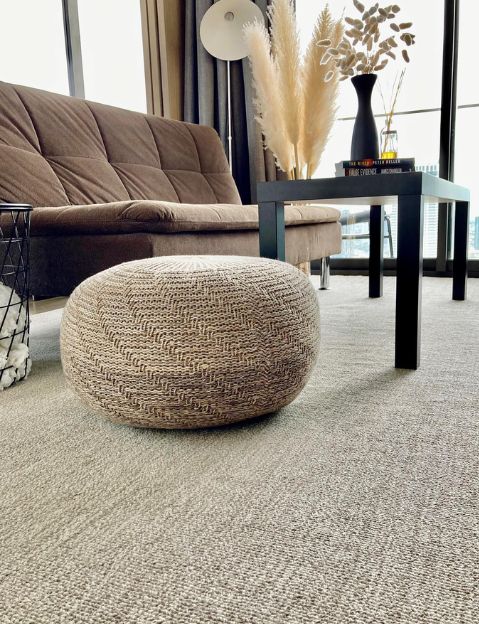
- Natural Fiber Composition: Prioritizing organic cotton, wool, jute, sisal, or seagrass.
- Natural Backing: Utilizing natural rubber or felt rather than synthetic styrene-butadiene rubber (SBR) or PVC.
- Third-Party Certifications: Looking for the Global Organic Textile Standard (GOTS), OEKO-TEX Standard 100, or Greenguard Gold certification.
- Low-Impact Dyes: Utilizing vegetable-based dyes or undyed fibers to avoid heavy metal contamination.
Market Analysis: Leading Brands in Sustainable Rug Production
The following brands have been identified by industry analysts as leaders in the transition toward non-toxic home textiles. Each company utilizes distinct manufacturing processes to eliminate the need for synthetic plastics and hazardous chemicals.
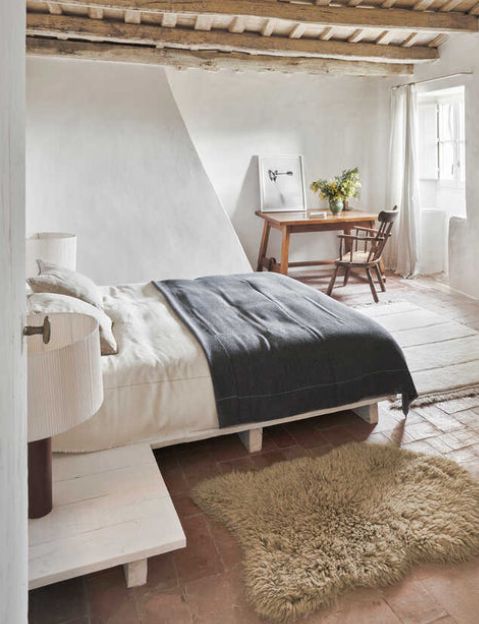
1. Hook and Loom
Hook and Loom has gained recognition for its commitment to undyed wool and recycled cotton. By utilizing the natural colors of sheep’s wool, the company eliminates the chemical dyeing process entirely. Their rugs are typically woven without the use of latex or glues, relying on traditional looming techniques to ensure structural integrity.
2. Lorena Canals
Specializing in machine-washable natural rugs, Lorena Canals has become a staple for households with children and pets. Their products are handmade using 100% natural cotton and non-toxic dyes. The brand’s focus on washability addresses a common hygiene concern with natural fibers without resorting to synthetic "performance" coatings.
3. Sabai
Originally known for sustainable furniture, Sabai has expanded into flooring with a focus on closed-loop production. Their rugs often incorporate recycled materials and natural fibers, designed to be disassembled or recycled at the end of their lifecycle, thereby reducing the burden on municipal landfills.

4. Quince
Quince has disrupted the luxury market by offering high-quality wool and cotton rugs at lower price points through a transparent supply chain. Their wool rugs are often GOTS or OEKO-TEX certified, ensuring that the textiles are free from harmful substances and produced under ethical labor conditions.
5. West Elm
As one of the larger retailers in the space, West Elm has made significant strides in sustainability. A substantial portion of their rug collection is Fair Trade Certified and crafted from natural materials like wool and jute. Their commitment to these standards helps bring non-toxic options to a broader mainstream audience.
6. Nestig
Nestig focuses on the nursery market, where the demand for non-toxic materials is highest. Their rugs are handmade in Brazil using 100% organic cotton. By avoiding synthetic backings and chemical flame retardants, they provide a safer environment for infant development.
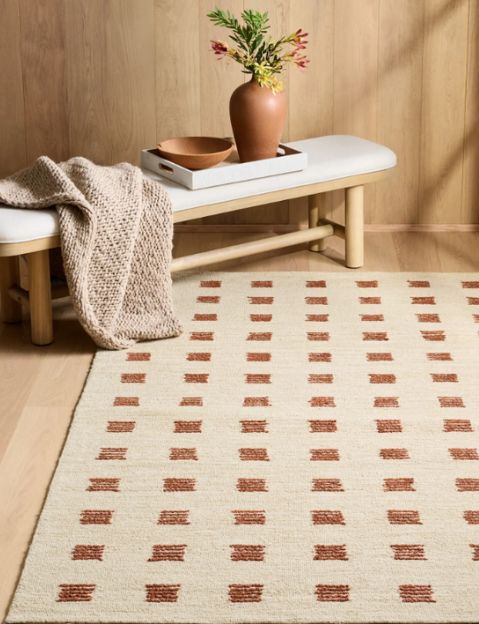
7. Cold Picnic
Cold Picnic blends contemporary design with sustainable manufacturing. Their rugs are typically made from 100% wool or organic cotton, featuring bold, artistic patterns. This demonstrates that choosing non-toxic materials does not require a sacrifice in aesthetic variety.
8. Loomy
Loomy operates as a curated marketplace for eco-friendly rugs, emphasizing artisan-made products. Their selection process prioritizes biodegradable materials and ethical production, often featuring rugs made from innovative fibers like recycled silk or banana fiber alongside traditional wool and cotton.
Chronology of the Sustainable Home Movement
The shift toward non-toxic rugs is part of a broader timeline of consumer awareness regarding the "indoor exposome"—the total amount of environmental exposures an individual encounters within their home.

- 2000s: Initial concerns regarding VOCs and formaldehyde in cabinetry and flooring begin to enter the mainstream.
- 2015-2020: The "Zero Waste" movement gains traction, highlighting the environmental impact of synthetic textiles in landfills.
- 2021-2024: Major retailers begin phasing out PFAS in response to state-level bans in California and New York.
- 2025: Medical research, including the Stanford microplastic study, reinforces the physiological necessity of reducing indoor plastic exposure.
Broader Impact and Industry Outlook
The movement toward non-toxic rugs is expected to influence the broader textile industry, forcing manufacturers to reconsider the use of cheap synthetic polymers. As regulatory bodies continue to investigate the health impacts of microplastics, there is a strong possibility of future legislation mandating clearer labeling for synthetic fibers and their shedding potential.
Furthermore, the economic impact of this shift is visible in the growing valuation of the "Green Home" market. Sustainable flooring is no longer a niche luxury but a standard expectation for health-conscious consumers. By prioritizing natural fibers and transparent manufacturing, the rug industry is slowly moving toward a circular economy model where products are designed to return to the earth rather than persist as pollutants for centuries.
In conclusion, the transition to non-toxic rugs represents a vital step in mitigating the health risks associated with microplastic exposure and reducing the environmental burden of textile waste. As research continues to validate the dangers of synthetic indoor environments, the adoption of natural, sustainable alternatives serves as a proactive measure for both public health and ecological preservation.