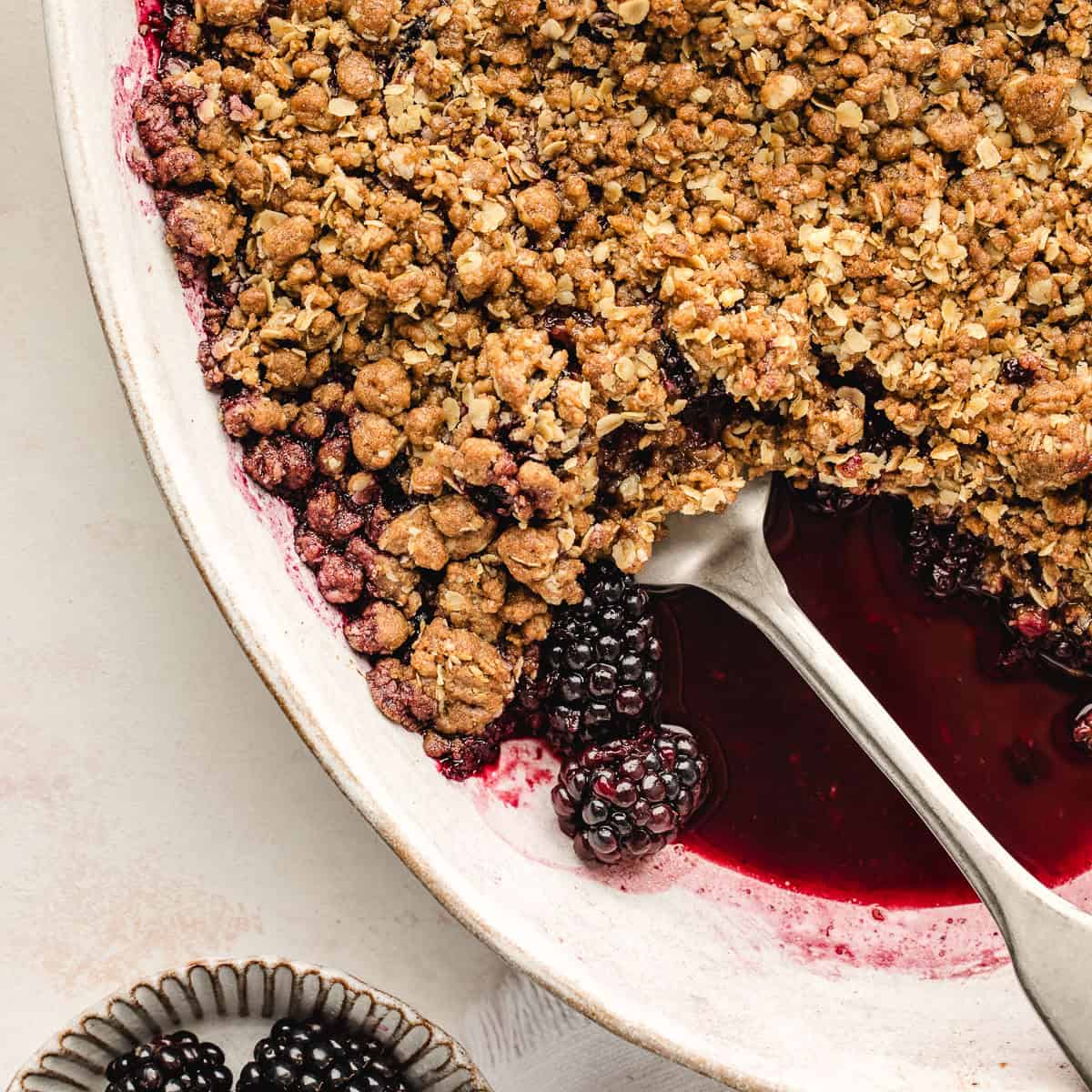
The blackberry crisp represents a cornerstone of seasonal American confectionery, utilizing the peak harvest of the Rubus genus to create a textured contrast between macerated fruit and a tempered oat-based crumb. As agricultural cycles reach their zenith in the mid-to-late summer months, the utilization of blackberries in baked desserts has evolved from a necessity of preservation into a sophisticated culinary tradition. Unlike its relative, the cobbler, which features a leavened biscuit or cake-like batter, the crisp is defined by its streusel-like topping, traditionally composed of oats, flour, fats, and sugars. This structural difference is not merely aesthetic; it dictates the thermodynamic interaction between the fruit’s moisture and the topping’s ability to maintain a dehydrated, crunchy state during the 35-minute baking process.
The Evolution of the Seasonal Fruit Crisp
The lineage of the fruit crisp can be traced back to the broader category of British "crumbles," which gained significant popularity during the Second World War. Food historians note that the crumble served as a resource-efficient alternative to traditional double-crust pies, which required significantly more flour and lard—ingredients that were strictly rationed during the mid-20th century. By the time the recipe migrated and adapted within American kitchens, the addition of rolled oats became a defining characteristic, leading to the nomenclature of the "crisp."
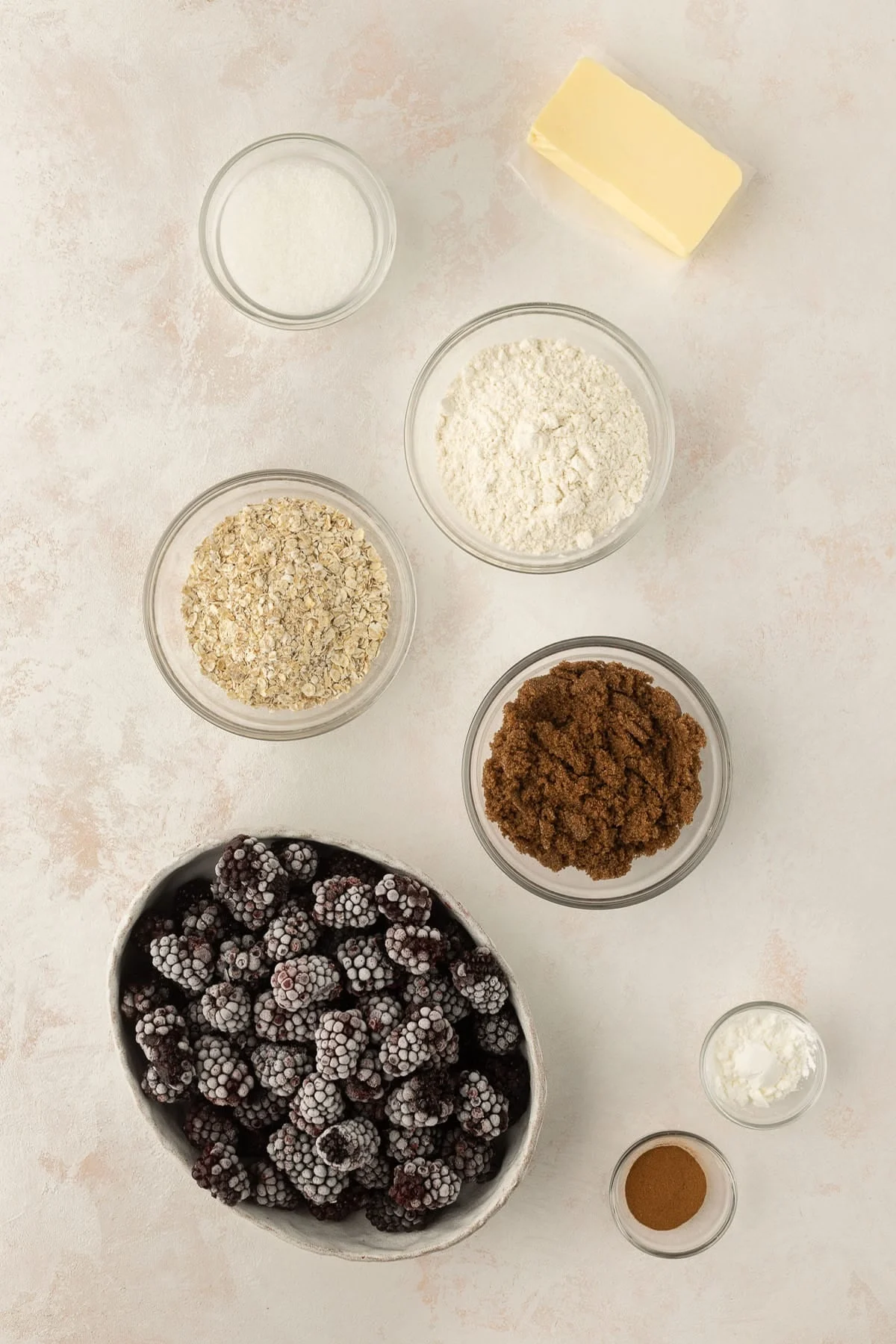
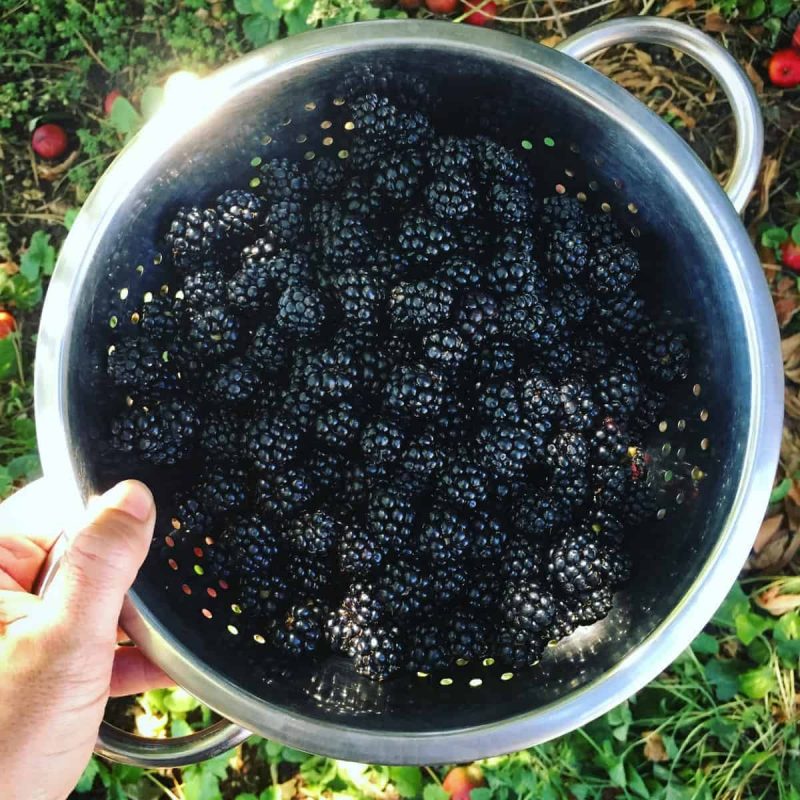
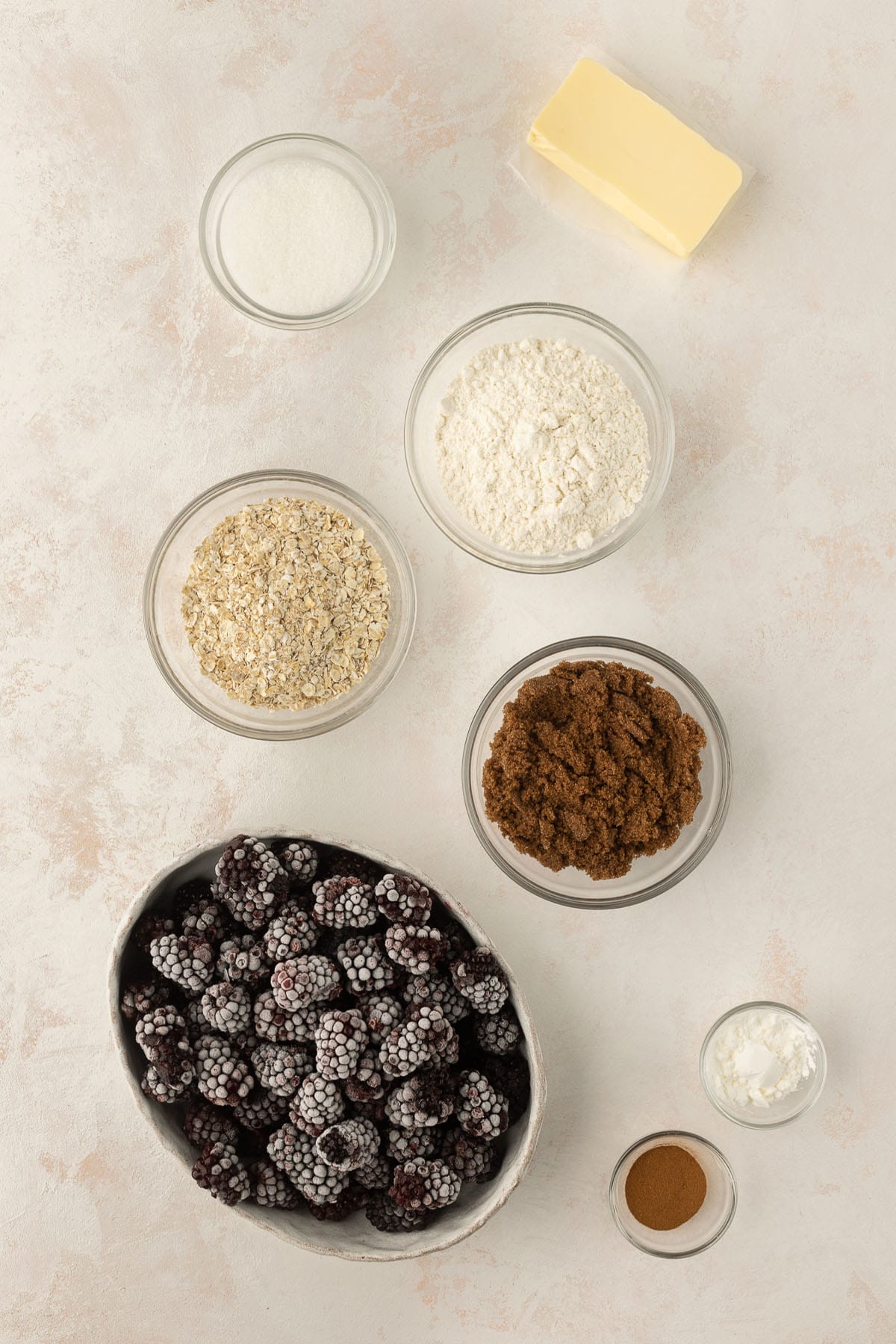
In the contemporary culinary landscape, the blackberry crisp is viewed through the lens of "slow energy" and "whole-ingredient" cooking. The process typically begins with the procurement of 24 ounces of berries, whether foraged from wild thickets or sourced from commercial cultivars. The transition from field to table follows a specific chronological sequence: harvest, cleaning, maceration with thickening agents like cornstarch or arrowroot, the application of a cold-butter-based topping, and a controlled bake at 350°F (175°C).
Botanical and Economic Context of Blackberry Production
The blackberry is a nutrient-dense aggregate fruit, characterized by its deep purple-to-black hue, which is a visual indicator of high anthocyanin content. According to data from the United States Department of Agriculture (USDA), the majority of commercial blackberry production in the U.S. is concentrated in the Pacific Northwest, particularly Oregon, which benefits from the temperate climate required for high-yield harvests.
Agricultural analysts observe that the blackberry market has seen a steady increase in consumer demand, driven by the fruit’s reputation as a "superfood." Blackberries are a significant source of Vitamin C, Vitamin K, and dietary fiber. A single serving of blackberry crisp, roughly 0.75 cups, contains approximately 340 calories, while providing the antioxidant benefits inherent in the fruit. The use of organic cane sugar and organic cornstarch in modern iterations of the recipe reflects a broader consumer shift toward non-GMO and minimally processed ingredients.
The Chemistry of the Crisp: Ingredient Interaction
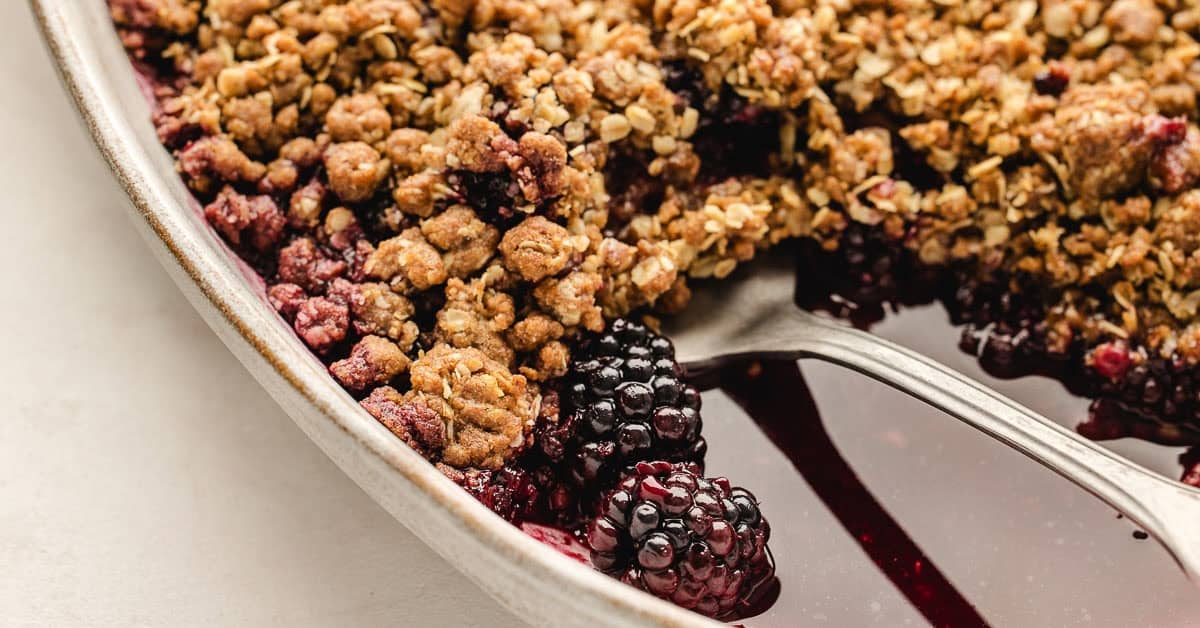
The success of a blackberry crisp is dependent on the precise interaction of its components. The fruit base requires a stabilizer—typically cornstarch or arrowroot powder—to manage the release of juice during the heating process. As the blackberries reach their boiling point, the starch granules gelatinize, thickening the liquid into a viscous syrup that prevents the topping from becoming submerged or soggy.
The topping itself relies on the "rubbing-in" method, a technique where cold, cubed butter is integrated into a mixture of all-purpose flour, brown sugar, and ground cinnamon. Journalistic observation of professional pastry techniques suggests that the temperature of the butter is the most critical variable; if the butter is too warm, it integrates into a dough rather than forming the discrete crumbs necessary for a "crisp" texture. The inclusion of old-fashioned rolled oats provides the structural integrity. Unlike quick oats, which are pre-steamed and rolled thinner, old-fashioned oats retain their shape and provide a fibrous resistance that complements the softness of the baked fruit.
A Chronological Guide to Preparation and Execution
The preparation of a standard blackberry crisp follows a disciplined timeline of approximately 50 minutes from inception to completion.
- Phase I: Preparation and Maceration (0–15 Minutes): The oven is preheated to 350°F (175°C). The 24 ounces of fruit are placed in a 9×13-inch baking vessel. The introduction of sugar and starch at this stage initiates an osmotic process, drawing out a small amount of juice to create a consistent base.
- Phase II: The Topping Synthesis (15–25 Minutes): The dry ingredients—flour, brown sugar, and cinnamon—are combined. The mechanical action of rubbing cold butter into the mix creates a sandy texture. Finally, the oats are folded in. This layer is scattered evenly over the fruit without compression, allowing for air circulation and heat penetration.
- Phase III: The Thermal Transformation (25–50 Minutes): The dish is placed on the middle rack of the oven. During this 35-minute window, the Maillard reaction occurs in the topping, where sugars and amino acids react under heat to produce a golden-brown color and complex nutty flavors. Simultaneously, the berries undergo cellular breakdown, releasing their juices and reaching a simmer.
- Phase IV: Cooling and Stabilization: Upon removal from the heat, the crisp requires a brief cooling period. This allows the pectin and added starches to fully set, ensuring the dessert maintains its structure when served.
Nutritional Profile and Health Considerations
From a nutritional standpoint, the blackberry crisp offers a more complex profile than many refined-flour desserts. The berries contribute roughly 8 grams of fiber per cup, which aids in digestion and helps to mitigate the glycemic impact of the added sugars. Furthermore, the use of cinnamon provides more than just flavor; the spice is noted in several clinical studies for its potential to improve insulin sensitivity.
However, the caloric density remains a factor for health-conscious consumers. With 340 kcal per serving, the dish is frequently categorized as a "comfort food." Dietitians often suggest modifications for those with specific requirements, such as substituting all-purpose flour with almond flour for a gluten-free alternative, or utilizing honey or maple syrup as glycemic-conscious sweeteners, though these changes can alter the traditional "crisp" texture.
Market Trends: The Resurgence of Domestic Baking
Industry reports from the retail sector indicate a significant uptick in the sale of home-baking supplies during the summer months, a trend that experts attribute to the "homesteading" movement and a renewed interest in foraging. The ability to utilize either fresh or frozen blackberries makes the crisp a versatile year-round option, though its peak cultural relevance remains tied to the summer harvest.
"The blackberry crisp is a bridge between the wild and the domestic," states a representative from a national horticultural society. "It encourages the preservation of local ecosystems where these berries grow wild, while also supporting the domestic agricultural economy." This sentiment is echoed by environmentalists who argue that the foraging of wild berries fosters a deeper connection to local biodiversity, encouraging the protection of hedgerows and public lands.
Storage, Longevity, and Broader Culinary Impact
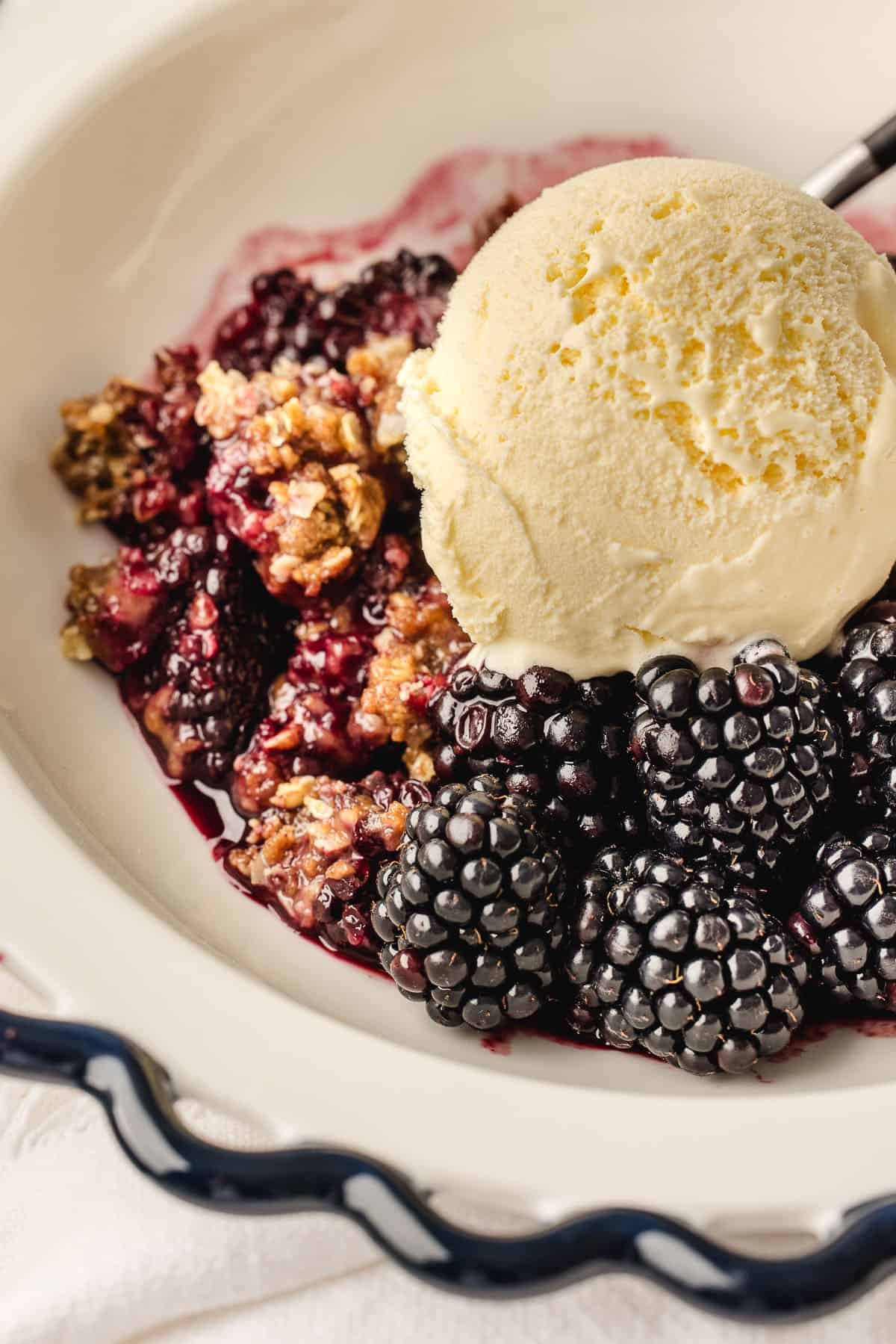
The durability of the blackberry crisp is one of its most practical features. When stored in an airtight container under refrigeration, the dessert retains its quality for four to five days. While often served warm with a scoop of vanilla ice cream to create a temperature-based sensory contrast, the dish has also found a place in the "breakfast-dessert" category, often paired with Greek yogurt to provide a protein balance to the carbohydrate-heavy topping.
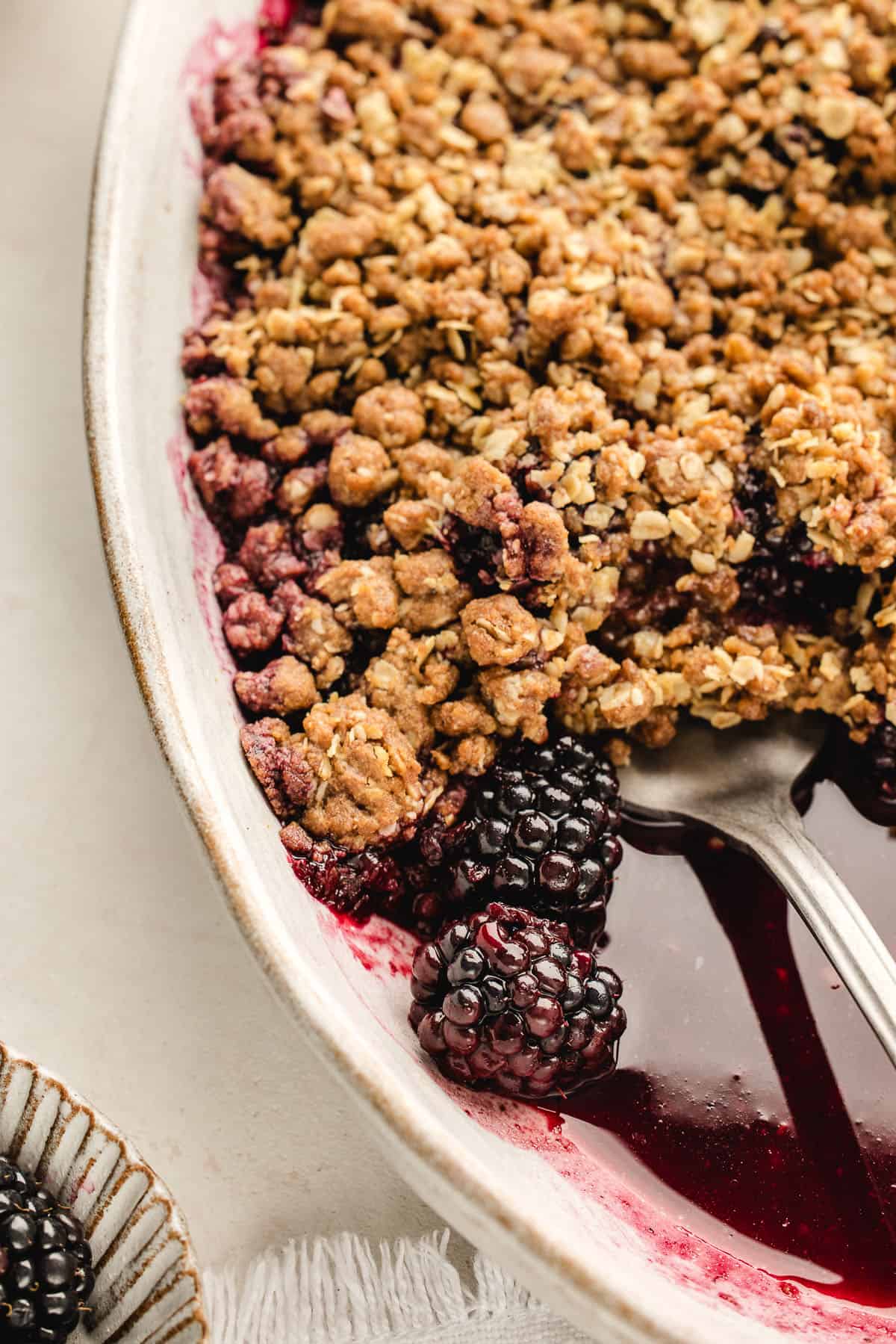
The broader impact of the blackberry crisp lies in its simplicity and accessibility. It requires no specialized equipment—such as stand mixers or blowtorches—making it a staple for amateur bakers and professional chefs alike. Its presence on menus across the United States, from rural diners to high-end bistros, underscores its status as a quintessential American dessert.
As the culinary world continues to move toward seasonal transparency and ingredient-driven menus, the blackberry crisp remains a benchmark of how simple components—fruit, grain, and fat—can be transformed through basic thermal application into a complex, multi-textured experience. Whether viewed as a nostalgic relic of childhood foraging or a calculated exercise in food science, the dish continues to define the sensory experience of the American summer.