
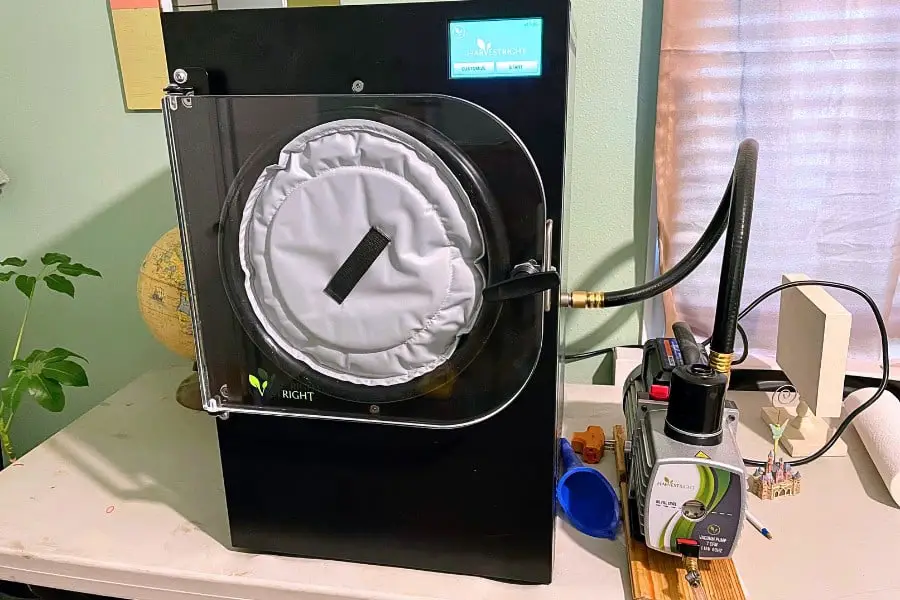
The landscape of home food preservation has shifted significantly over the last decade, moving beyond traditional canning and dehydration toward the more technologically advanced process of freeze-drying. Once a method reserved for military rations and space exploration, home freeze-drying has become a focal point for consumers seeking food security, waste reduction, and long-term storage solutions. As global supply chains remain volatile and food inflation continues to impact household budgets, the question of whether a home freeze dryer is a "worthwhile investment" has moved from the niche prepping community into the mainstream.
To determine the viability of these machines, which typically range in price from $2,300 to $5,000, one must analyze the intersection of initial capital expenditure, operational costs, and the comparative value of homemade versus commercially produced freeze-dried meals.
The Rise of Home Freeze-Drying Technology
Freeze-drying, scientifically known as lyophilization, involves freezing food and then reducing the surrounding pressure to allow the frozen water in the material to sublimate directly from the solid phase to the gas phase. This process preserves the cellular structure of the food, retaining up to 97% of its nutritional value and nearly all of its original flavor and color.
Historically, the high cost of vacuum pumps and refrigeration systems kept this technology out of the average kitchen. However, the entry of companies like Harvest Right into the consumer market approximately ten years ago changed the trajectory of the industry. Today, these appliances are marketed as a way to create a 25-year shelf-stable pantry, providing a level of food security that traditional canning—which generally offers a 1-to-2-year optimal shelf life—cannot match.
Initial Capital Expenditure and Model Specifications
The primary barrier to entry for most households is the upfront cost. Current market leader Harvest Right offers several tiers of machines designed for different household needs. As of late 2023 and early 2024, the pricing structure and capacity for these units are as follows:
- Small Units: Priced at approximately $2,295, these units can process 6 to 10 pounds of fresh food per batch, with an annual capacity of up to 1,800 pounds.
- Medium Units: Often cited as the most popular size, these retail for $2,895 and handle 10 to 15 pounds per batch, totaling up to 3,000 pounds per year.
- Large Units: Priced at $3,595, these accommodate 18 to 27 pounds per batch, with a 5,000-pound annual capacity.
- Extra-Large Units: Aimed at small farms or large families, these $4,995 units can process 40 to 50 pounds per batch, reaching up to 10,000 pounds annually.
These prices often include a vacuum pump and an initial starter kit (Mylar bags, oxygen absorbers, and a sealer). However, potential buyers must also factor in the cost of accessories, such as additional trays, silicone mats, and oil filters, which can add $200 to $500 to the total initial investment.
Comparative Economic Analysis: DIY vs. Commercial Meals
The most compelling argument for the "worth" of a freeze dryer lies in the cost-per-meal comparison. Commercial freeze-dried meals, produced by brands such as Mountain House or Backpacker’s Pantry, are staples for hikers and emergency planners. On average, a single 4-ounce serving of a commercial omnivore meal costs between $9.00 and $15.00.
In contrast, the cost of producing a similar meal at home is significantly lower. Based on current grocery averages, an omnivore meal (containing meat, starch, and vegetables) produced in a home freeze dryer costs approximately $3.50. For vegetarian meals, the cost drops to roughly $1.50 per serving.
The Break-Even Point
To recoup the cost of a medium-sized unit ($2,895), a consumer would need to produce a specific volume of food to offset the "premium" they would otherwise pay for commercial goods. If the average savings per meal is $6.50 (the difference between a $10 commercial meal and a $3.50 DIY meal), the break-even point occurs at approximately 445 meals. For a family of four using the machine to build a one-year emergency supply (1,460 meals), the machine pays for itself within the first five to six months of active use.
Operational Costs and Maintenance
Beyond the purchase price, a freeze dryer incurs ongoing operational expenses, primarily electricity and vacuum pump maintenance.
1. Electricity Consumption:
A standard home freeze dryer run lasts between 20 and 40 hours, depending on the water content of the food. On average, a machine uses about 20 kWh per cycle. At the United States national average electricity rate of $0.10 to $0.16 per kWh, each run costs between $2.00 and $3.20. When distributed across a batch of 8 to 10 meals, the energy cost per meal is negligible, typically under $0.30.

2. Pump Maintenance:
Traditional oil-based vacuum pumps require regular oil changes—sometimes as often as every 5 to 10 cycles—to ensure the longevity of the equipment. While oil can be filtered and reused, it remains a recurring cost. High-end "oil-free" pumps are available but carry a significantly higher upfront price tag (often $1,500 more than standard pumps).
3. Space and Environment:
The physical footprint and environmental requirements of the machine are often overlooked. These units are heavy (90 to 260 lbs) and generate significant heat and noise (roughly 60–65 decibels). Analysts suggest that the "worth" of the machine also depends on whether the homeowner has a suitable location, such as a garage or a dedicated utility room with a dedicated 20-amp circuit for larger models.
Chronology of Usage and Long-Term Utility
The utility of a freeze dryer often follows a specific timeline for the average owner:
- Phase 1: The Learning Curve (Months 1–2): Users typically begin with simple items like fruits (strawberries, bananas) and candy. This phase involves understanding the sensors and the "dryness" of different materials.
- Phase 2: Preservation of Excess (Months 3–12): Owners begin freeze-drying garden harvests and leftovers. This stage is where food waste reduction becomes a primary driver of value.
- Phase 3: Strategic Stockpiling (Year 2 and Beyond): The focus shifts to full meal preparation and bulk buying. Users purchase half-cows or bulk produce when prices are at their seasonal lowest, freeze-drying the surplus to lock in the price for years to come.
Broader Impact: Dietary Control and Emergency Preparedness
While the economic data is central to the decision-making process, qualitative factors play a significant role in the appliance’s perceived value.
Dietary Customization:
Commercial freeze-dried meals are notoriously high in sodium and often contain preservatives or allergens that may not suit all consumers. A home unit allows for total control over ingredients, making it invaluable for individuals with celiac disease, dairy allergies, or those following low-sodium diets.
Food Waste Mitigation:
According to the USDA, approximately 30–40% of the food supply in the United States is wasted. A freeze dryer allows households to preserve leftovers that would otherwise be discarded. For example, a surplus of eggs from a backyard flock or a large pot of chili can be preserved for decades, transforming potential waste into a future asset.
Emergency Readiness:
The psychological value of "peace of mind" is difficult to quantify but remains a top reason for purchase. In the event of natural disasters, power outages, or economic instability, having a diversified, lightweight, and easily rehydratable food supply provides a level of autonomy that traditional grocery-store-dependent lifestyles lack.
Expert Analysis of Implications
Industry experts suggest that the home freeze-drying trend is part of a larger "de-globalization" of the dinner table. As consumers become more wary of centralized food systems, the ability to process and store food locally becomes a form of "household infrastructure."
However, analysts also warn that the machine is only "worth it" if it is utilized consistently. Like a high-end treadmill, the ROI of a freeze dryer drops to zero if it sits idle. The machine requires a commitment of time—not just for the processing, but for the preparation of food and the subsequent packaging in Mylar bags with oxygen absorbers.
Final Verdict
The data indicates that a home freeze dryer is a financially sound investment for specific demographics: those who currently spend significant amounts on commercial freeze-dried food, large families looking to hedge against inflation, and individuals with specific dietary needs that commercial products do not meet.
For the casual user or those with limited space and a tight immediate budget, the high entry cost and maintenance requirements may outweigh the benefits. Ultimately, the "worth" of the device is found in its ability to turn a depreciating asset (fresh food) into a long-term store of value (25-year shelf-stable nutrition). If a household intends to process at least 300 to 400 meals over the lifespan of the machine, it effectively pays for itself, providing both economic savings and a robust safety net in an uncertain global climate.


