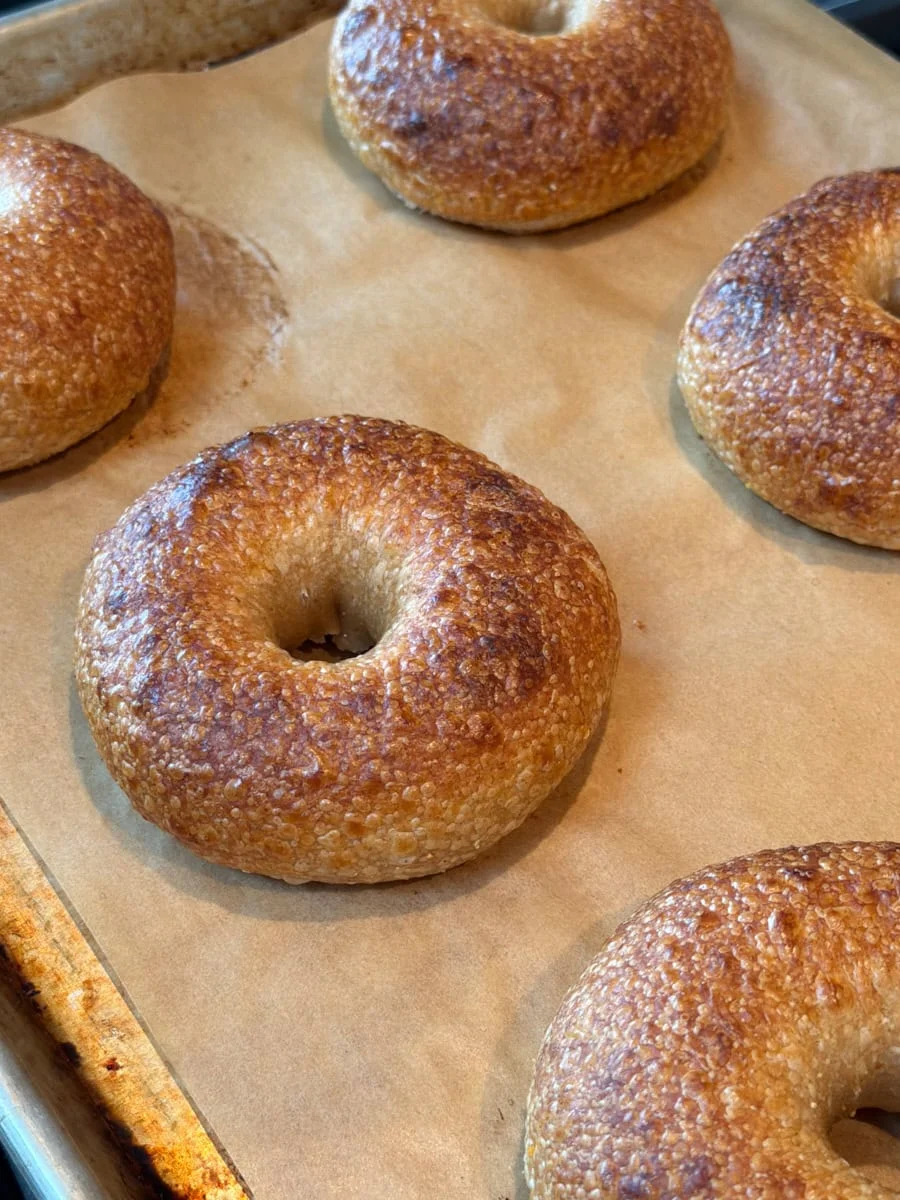
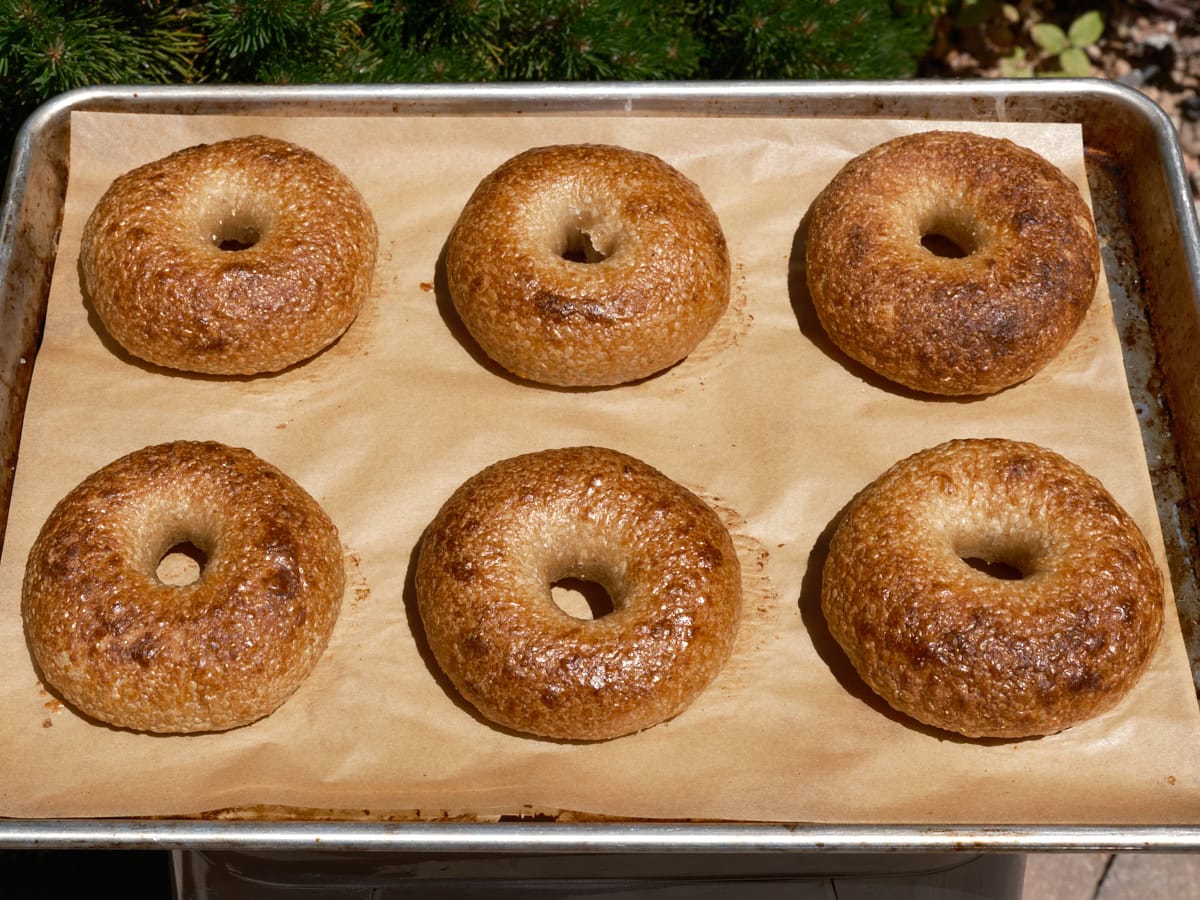
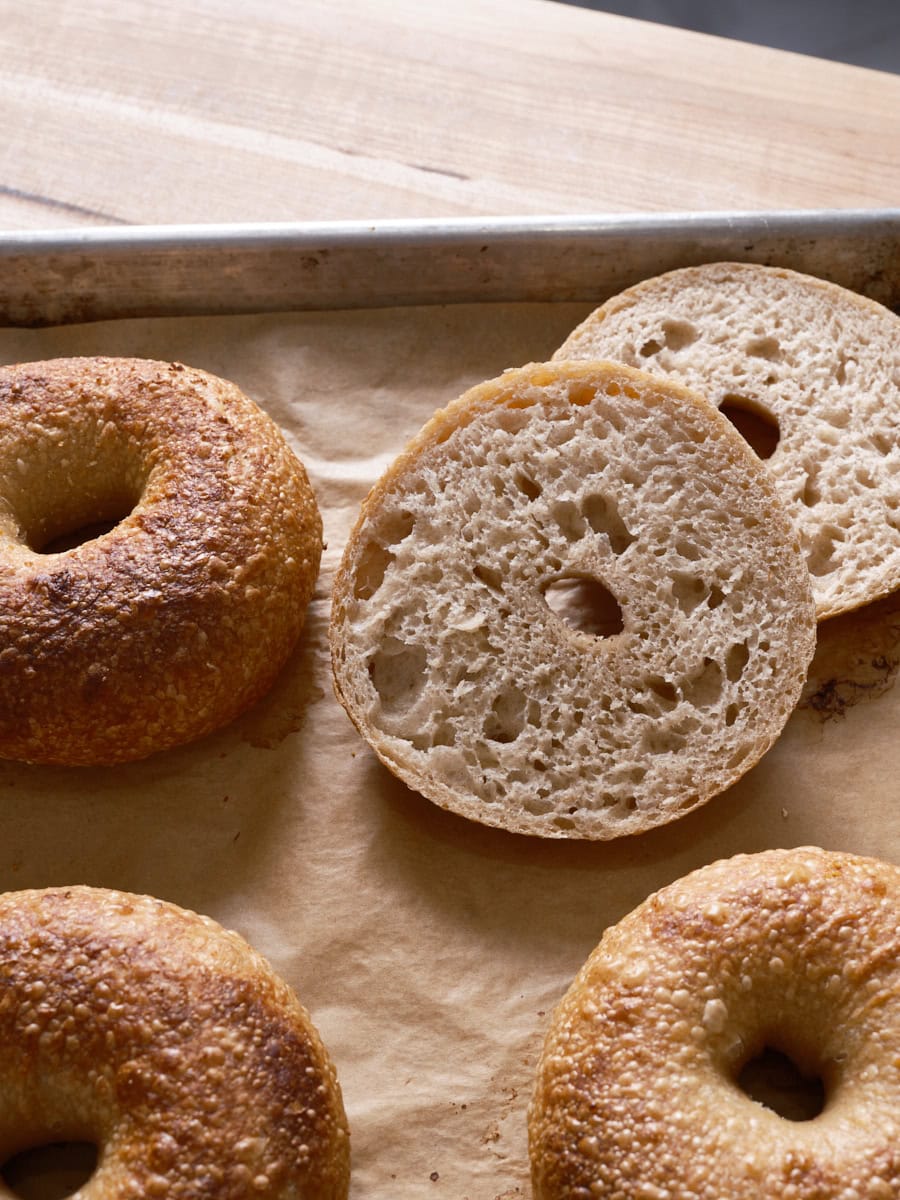
A meticulously refined sourdough bagel recipe, dubbed "new wave," has emerged, offering a distinct departure from traditional New York-style bagels. This updated formula, the culmination of an iterative development process, focuses on achieving a lighter, glossier bagel characterized by a blistered, slightly crispy crust and a remarkably open, tender crumb. The innovations span across flour selection, levain preparation, shaping methodology, and a specialized boiling and baking regimen, representing a significant advancement for both artisanal bakers and home enthusiasts.
The Evolution of the Bagel: From Tradition to "New Wave"
The bagel, a staple of global breakfast tables, boasts a rich history tracing back to 17th-century Eastern Europe. Traditionally, the New York-style bagel set the benchmark: dense, chewy, with a thick crust and a tight, closed crumb. These characteristics are typically achieved through high-gluten flour, a cold fermentation period, and a specific boiling and baking process.
However, recent years have witnessed the rise of a "new wave" bagel movement, particularly prominent in culinary hubs like Los Angeles with establishments such as Courage Bagels. This modern interpretation prioritizes a lighter texture, a more pronounced crispness in the crust, and an airy, open interior. The "new wave" philosophy embraces a less uniform appearance, celebrating the artisanal imperfections that speak to handcrafted quality. This shift reflects evolving consumer preferences for nuanced textures and complex flavor profiles, moving beyond the sole pursuit of density and chewiness. The recently unveiled sourdough bagel recipe meticulously addresses these contemporary desires, marrying the depth of sourdough fermentation with innovative techniques to achieve these coveted attributes.
A Deep Dive into the Recipe’s Innovations
The development of this "new wave" bagel was not a singular stroke of genius but a methodical exploration of variables, each carefully adjusted to contribute to the final product’s unique profile. The process mirrors scientific inquiry, where hypotheses about ingredient interactions and procedural modifications are tested and refined.
Flour Blend for Character and Tenderness
One of the foundational changes involved a strategic overhaul of the flour blend. Traditional bagels often rely almost exclusively on high-protein white flour to develop the robust gluten structure necessary for chewiness. This new formula, however, employs a sophisticated blend:
- High-protein white flour (45%): Still essential for the bagel’s structural integrity and characteristic chew, typically in the 12-14% protein range.
- Medium-protein white flour (40%): Such as Central Milling Artisan Bakers Craft, contributing to a more tender and open crumb. Flours with around 11% protein content help balance the strength of higher-protein varieties.
- Whole wheat flour (10%): Adds a warm, nutty depth of flavor, enriching the bagel’s sensory profile beyond simple carbohydrates.
- Whole rye flour (5%): Introduced not for bulk, but for its subtle earthiness and its beneficial impact on fermentation activity and crust color. Rye flour, even in small quantities, can significantly alter dough rheology and enzyme activity.
This multi-grain approach elevates the bagel from a simple bread product to a complex culinary experience, providing layers of flavor that a single-flour recipe cannot achieve, without rendering the bagel overly heavy.
The Sweet Levain Strategy
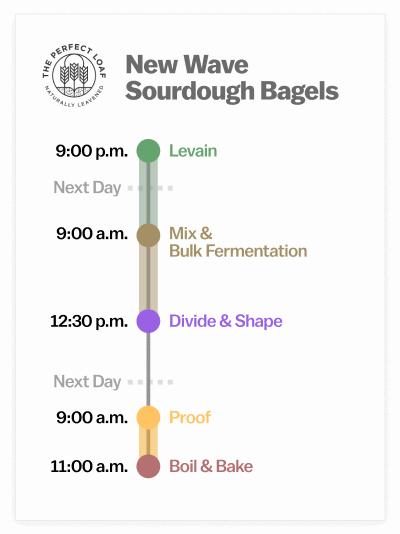
A critical innovation lies in the preparation of the levain, or sourdough starter. Unlike many sourdough recipes where the levain is designed for maximum acidity, this "sweet levain" incorporates a small amount of superfine (caster) sugar. This deliberate addition skews the microbial balance towards a more yeast-heavy culture. The primary implication of this is a reduction in the sourness typically carried through to the finished bagel, allowing other flavors to shine. The levain is prepared 12-14 hours in advance, fermenting at a moderate temperature of 74-76°F (23-24°C) until it is significantly risen, bubbly, and distinctly sweet-smelling, indicating peak yeast activity. This method ensures a robust rise and an open crumb without the overwhelming tang often associated with sourdough.
Refined Shaping and Fermentation: The Poke Method and Cold Retard
The article details two pivotal procedural adjustments:
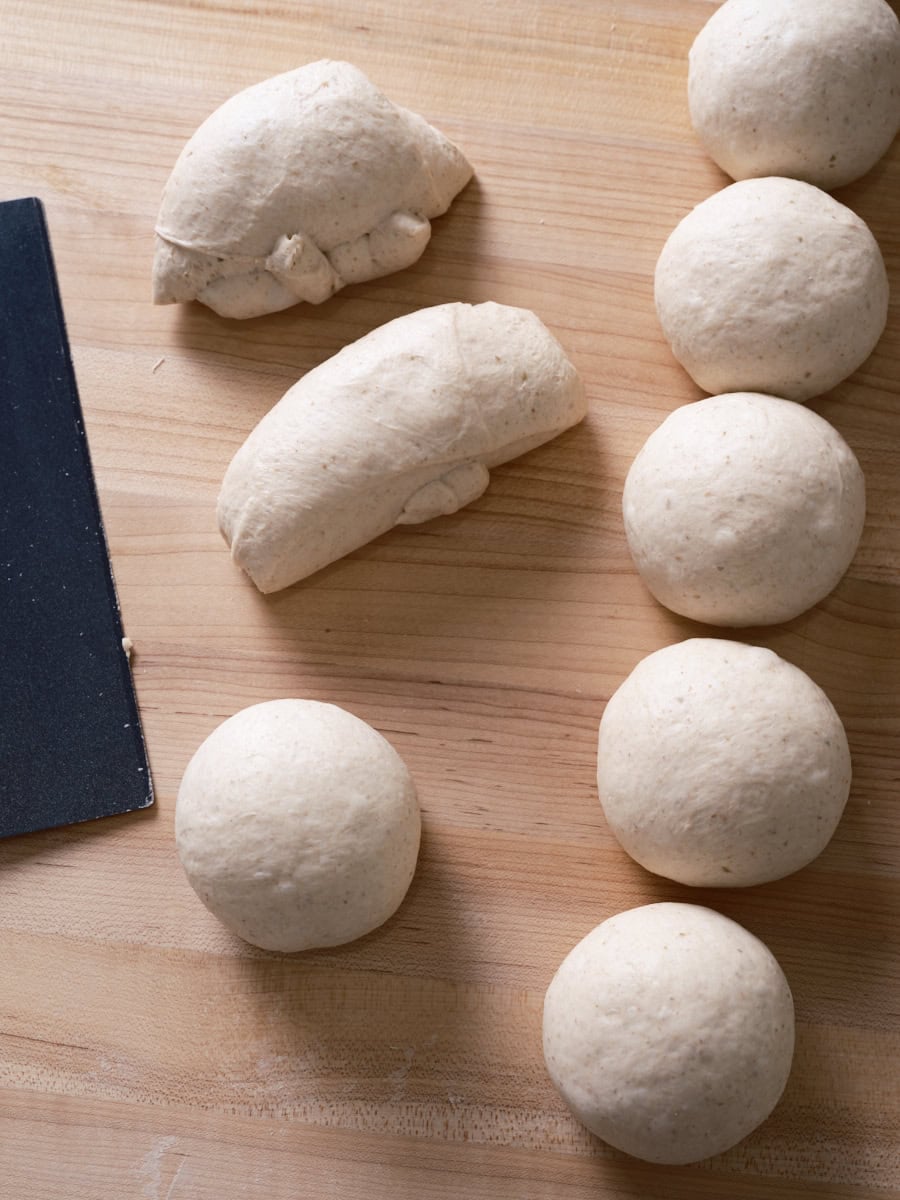
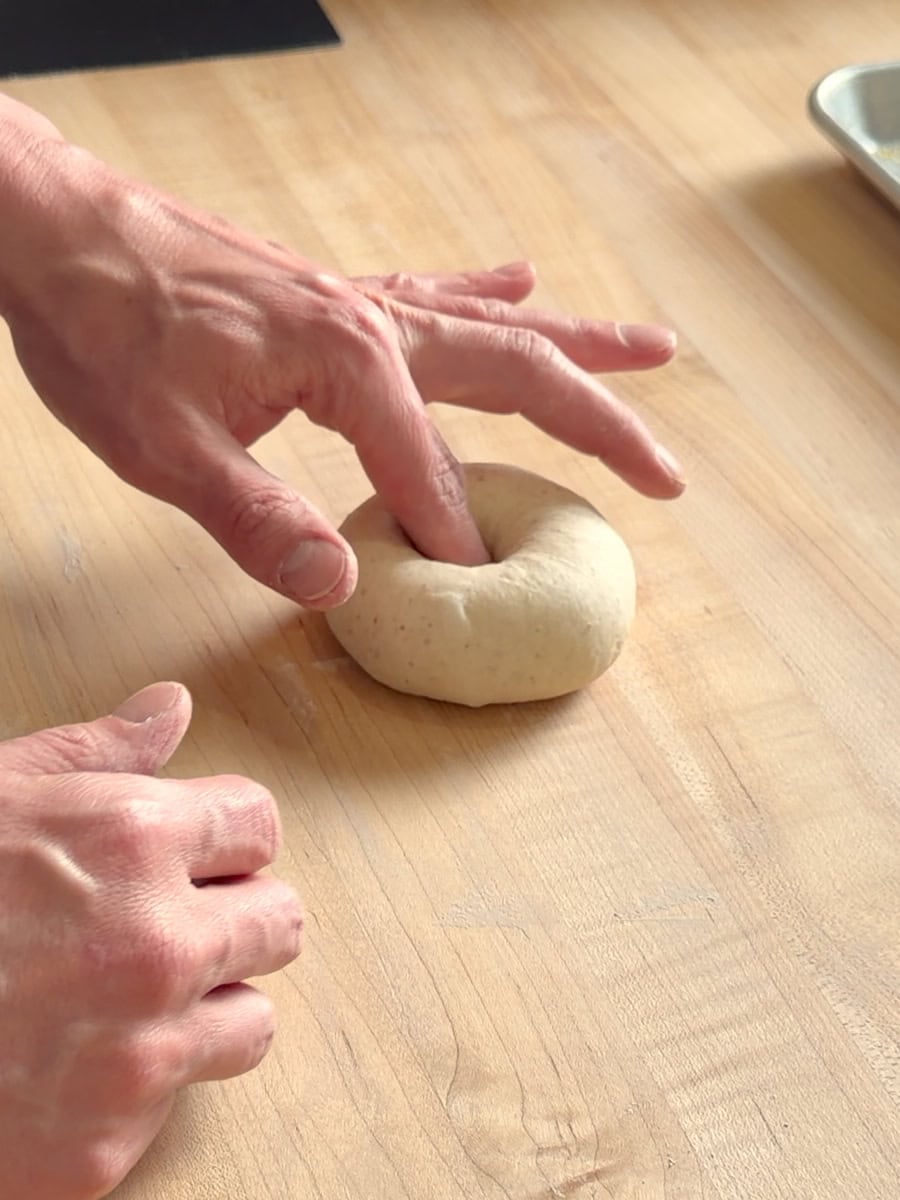
- The "Poke Method" for Shaping: Moving away from the traditional "rope and join" method, this recipe advocates for simply poking a hole through a balled piece of dough and gently stretching it. This technique is particularly advantageous for higher-hydration doughs, which can be more challenging to manipulate into a perfect rope. The poke method is simpler, more forgiving, and consistently produces an even ring, minimizing the risk of seams opening during boiling. The goal is a 2 to 2.5-inch diameter hole, anticipating shrinkage during subsequent proofing and baking.
- Overnight Cold Retard: This step involves refrigerating the shaped bagels for 18-20 hours. While the recipe offers a same-day option, the overnight cold proof is deemed crucial for the "new wave" characteristics. The extended cold fermentation significantly deepens the flavor profile, allowing complex aromatic compounds to develop. Moreover, it contributes to a thinner, crispier crust with desirable blistering and a more open crumb structure. From a practical standpoint, it also offers a flexible baking schedule, allowing bakers to prepare dough one evening and bake fresh bagels the following morning.
Mastering the Boil and Bake: Techniques for Superior Texture
The transformation from dough to "new wave" bagel hinges on a precise boiling and baking protocol, each element contributing to the desired crust and crumb.
The Art of the Boil
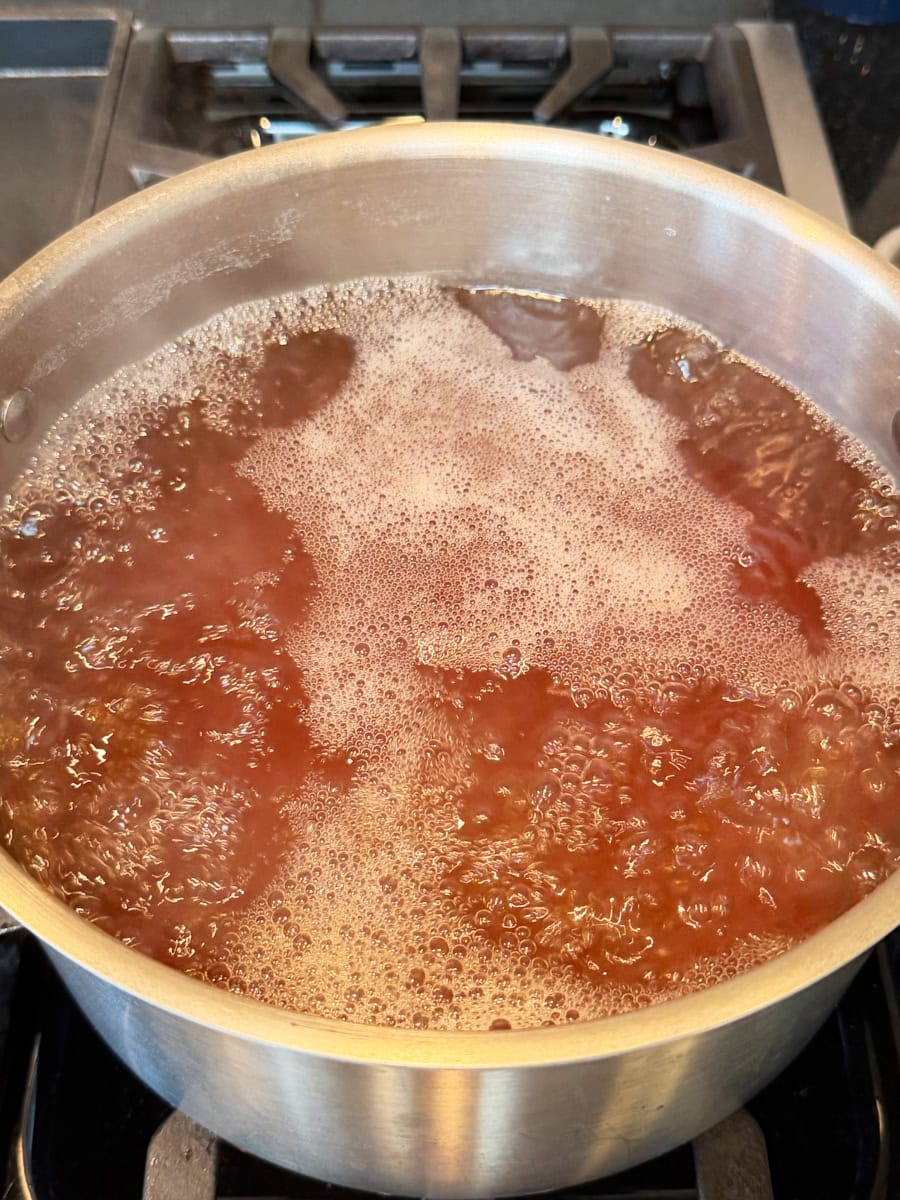
The boiling process is critical for setting the crust and achieving the characteristic sheen. This recipe emphasizes a specific malt bath:
- Barley Malt Syrup and Baking Soda: Adding a generous amount of barley malt syrup (5 tablespoons per gallon of water) is a classic technique that imparts the signature malty, slightly sweet, and savory flavor. Chemically, the sugars in the malt syrup contribute to accelerated Maillard reactions during baking, resulting in a rich, deep golden-brown crust. A teaspoon of baking soda is also added to the boiling water to increase its alkalinity. This higher pH environment promotes greater gelatinization of the starch on the bagel’s surface, enhancing crust development and contributing to a glossier finish.
- Boil Time and Intensity: The recommended boil time is short: 20 to 25 seconds per side in vigorously boiling water. This shorter duration, compared to the 30-60 second boils for chewier, denser bagels, is intentional. It ensures a thinner, crispier crust that is less leathery, aligning perfectly with the "new wave" aesthetic. The vigor of the boil is paramount; lukewarm water will cause the bagels to spread and flatten.
Optimized Baking Environment
Post-boil, the baking environment is tailored to maximize oven spring and crust development:
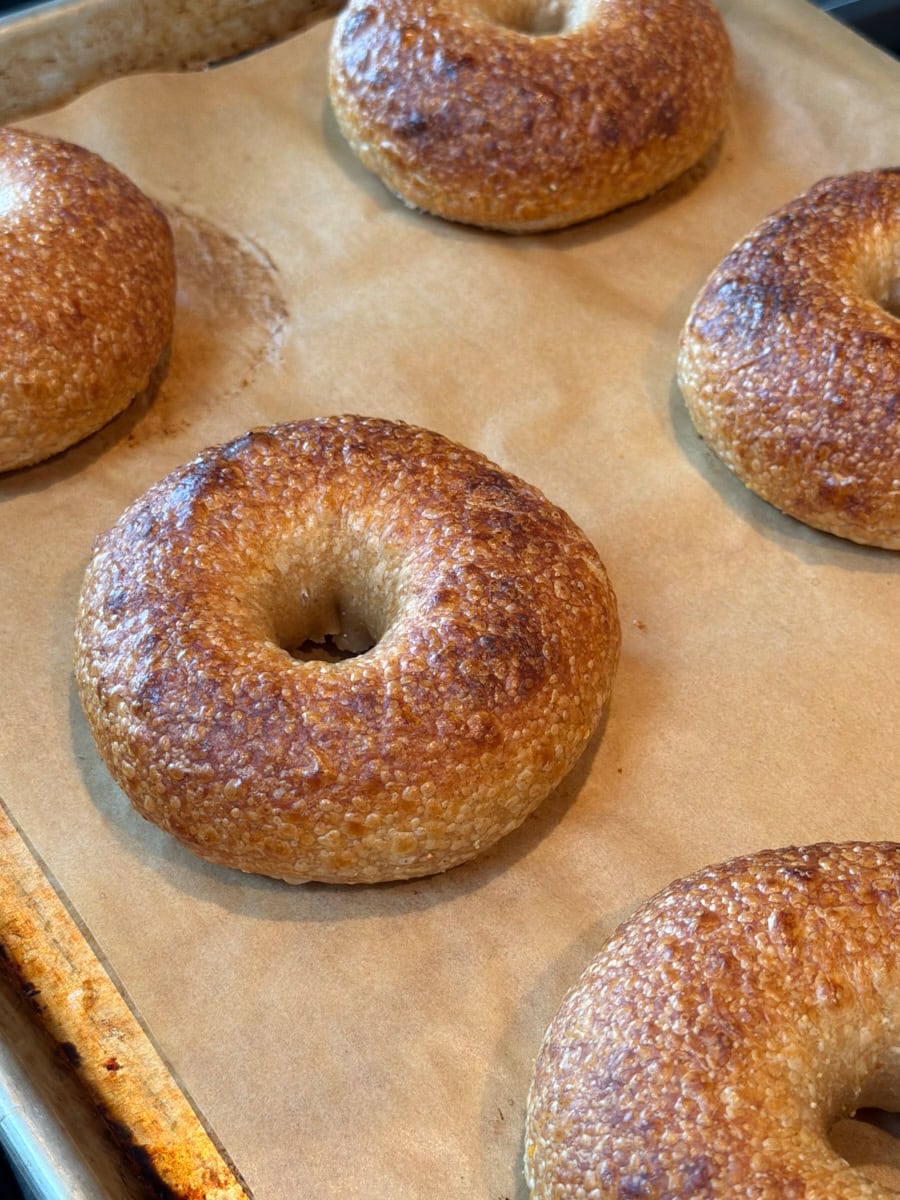
- Preheated Stone or Steel: Baking bagels on a preheated baking steel (or a thick baking stone) is crucial. Similar to pizza or artisanal bread, the intense, direct heat from below delivers an "oven spring" that rapidly expands the dough and sets the bottom crust, contributing to an overall lighter texture. An hour of preheating to 500°F (260°C) with convection (or 525°F/270°C without) is advised.
- Oven Steaming: Introducing steam into the oven immediately after loading the bagels is a technique often used for hearth breads. The steam delays the setting of the crust, allowing the bagel to expand further and promoting the formation of desirable micro-blisters on the surface, which contribute to the glossy, crispy texture.
The Role of Sweeteners and Diastatic Malt
The recipe employs a sophisticated approach to sweeteners, each serving a distinct purpose:
- Barley Malt Syrup: Integrated into the final dough (2.5% of total flour weight) and the boiling water, it is the primary source of the bagel’s signature malty flavor and its rich brown color. It is a non-diastatic malt, meaning its enzymes are deactivated, so its contribution is primarily flavor and browning via caramelization.
- Diastatic Malt Powder: Included at 1% of total flour weight, this is a powerful enzymatic additive. Diastatic malt contains active alpha and beta-amylase enzymes that break down complex starches in the flour into simpler sugars during fermentation and baking. This enzymatic action provides more fuel for yeast, enhances oven spring, promotes superior crust color (due to increased sugars for Maillard reactions), and contributes to a slightly more open crumb structure. While optional, its inclusion is strongly recommended for achieving the recipe’s intended results.
- Superfine (Caster) Sugar: Used exclusively in the levain (20% of levain flour weight), its role is to encourage robust yeast activity, leading to maximum rise while minimizing the transfer of sour notes to the final dough.
Implications for Home Bakers and Culinary Trends
This "new wave" sourdough bagel recipe signifies more than just a new way to bake; it represents a convergence of artisanal baking principles with accessible home kitchen techniques. It empowers home bakers to achieve results previously associated with professional bakeries, bridging the gap between sophisticated culinary art and everyday practicality. The detailed explanation of each step, from flour selection to the science of boiling, democratizes advanced baking knowledge.
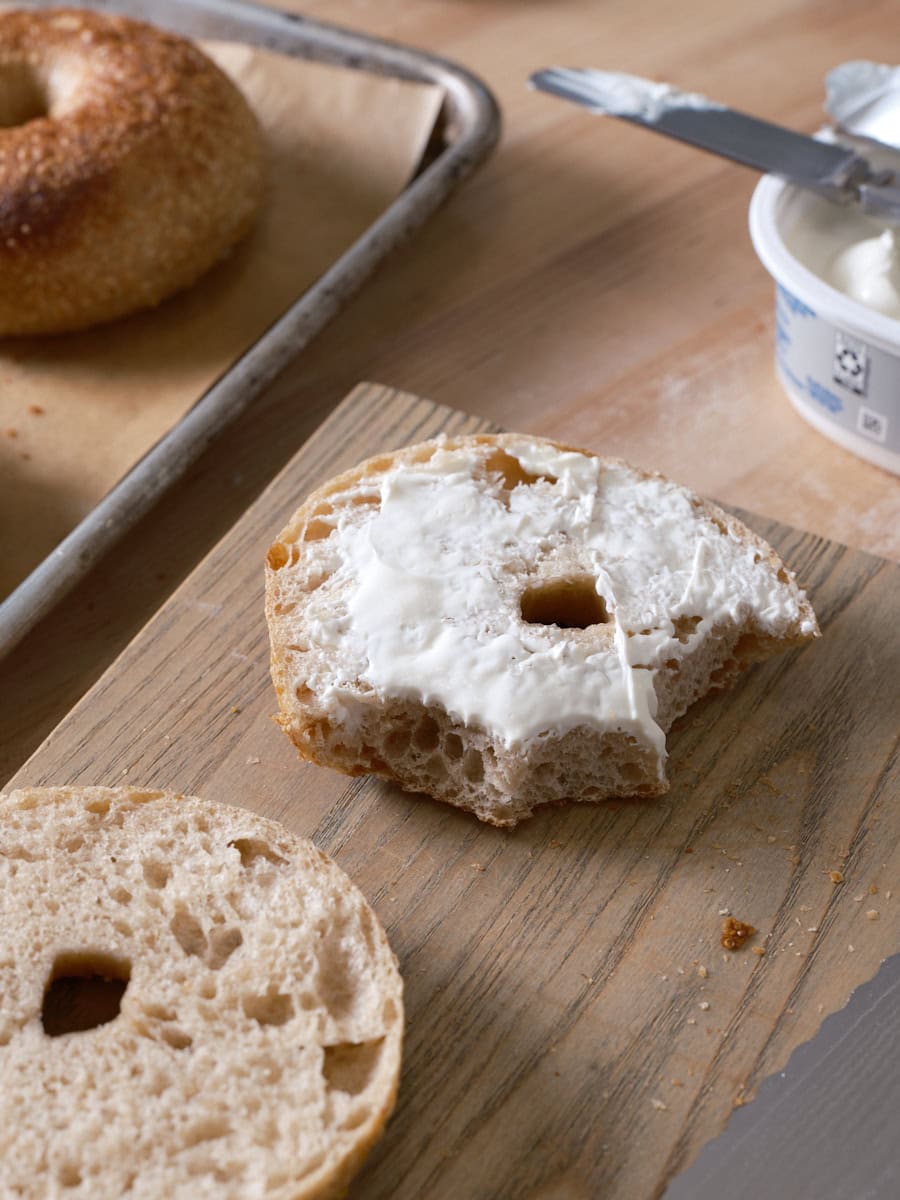
The recipe’s focus on nuanced texture and complex flavor also reinforces a broader trend in modern gastronomy: a move towards quality over quantity, and a celebration of ingredients and processes that deliver depth. It encourages experimentation and a deeper understanding of the science behind baking, inviting enthusiasts to fine-tune aspects like hydration or boil time to suit their personal preferences. The ability to produce a bagel that is light, subtly chewy, crispy on the outside, malty, and rich with whole grain character, yet not overly sour, underscores a demand for sophisticated yet comforting food experiences.
Expert Perspectives and Future Outlook
Culinary experts suggest that such detailed and innovative recipes are vital for pushing the boundaries of home baking. The iterative development, as highlighted by the recipe’s creator, underscores a commitment to continuous improvement and a deep understanding of ingredient functionality. Baking enthusiasts are likely to appreciate the granular methodology and the clear focus on achieving specific textural and flavor outcomes. The structured, multi-day schedule, though initially perceived as complex, is celebrated for its flexibility and the superior results it yields, transforming the baking process into an engaging culinary journey.
The contribution of baking professionals like Josh Fairbanks, acknowledged in the recipe’s genesis, further validates the quality and innovation embedded within this formula. His expertise in crafting "gorgeous sourdough bread and bagels" provides an external benchmark for the recipe’s aspirations.
Looking ahead, this "new wave" approach is poised to influence a generation of home bakers, encouraging them to explore the delicate balance between tradition and innovation. It stands as a testament to the enduring appeal of the bagel, constantly evolving while maintaining its status as a beloved culinary icon. The quest for the "perfect" bagel, it seems, is an ongoing journey of refinement and discovery.