The art of confectionery offers a dazzling array of techniques for transforming simple ingredients into edible masterpieces. Among these, the creation of edible sugar glass stands out as a method to imbue desserts with a captivating visual appeal, mimicking the delicate yet striking appearance of real glass. This comprehensive guide delves into the intricacies of crafting this versatile ingredient, exploring its applications, the science behind its formation, and practical tips for achieving flawless results.
The Allure of Edible Sugar Glass
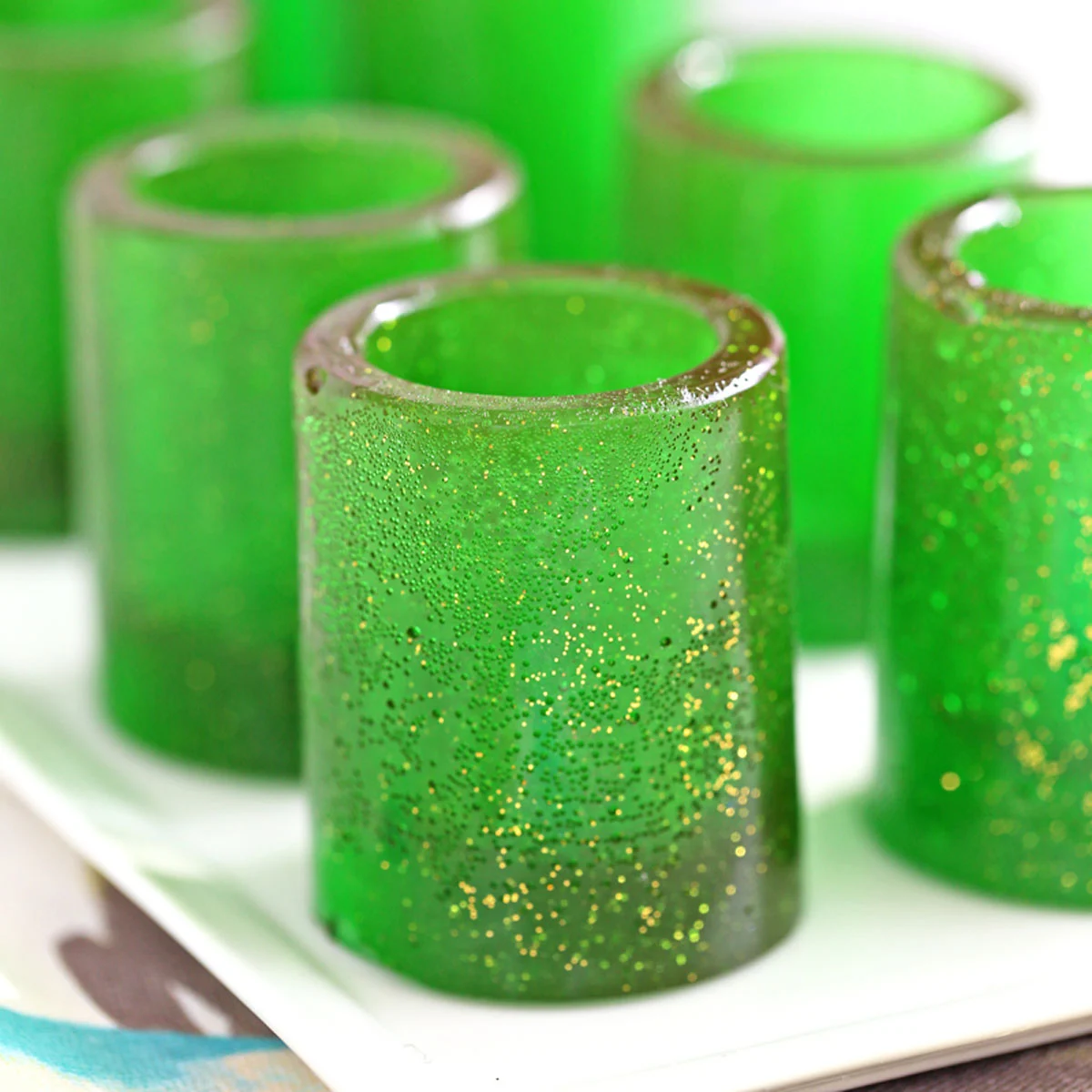
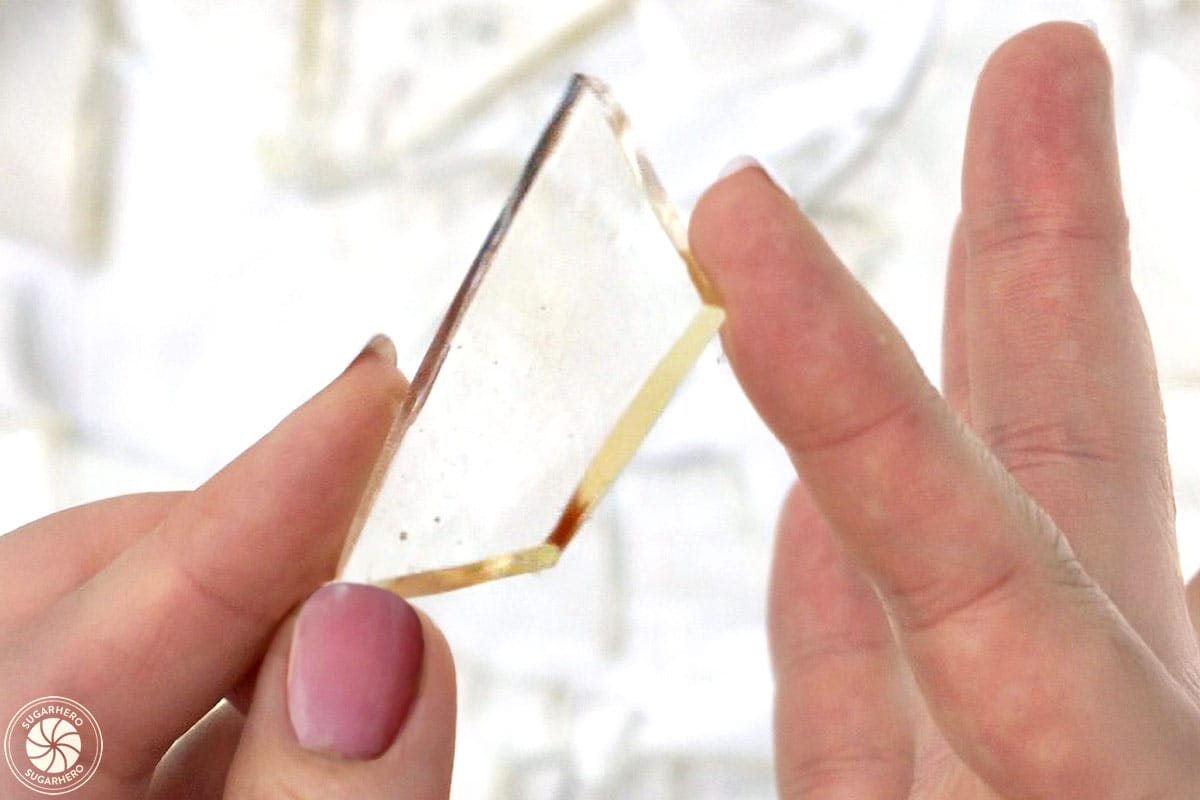
Edible sugar glass has become a favored element in the repertoire of both amateur bakers and professional pastry chefs. Its ability to mimic shattered glass, crystal-clear windows, or even vibrant, jewel-like shards makes it ideal for a multitude of decorative purposes. From crafting realistic windows for intricate gingerbread houses to designing dramatic, avant-garde dessert presentations, the possibilities are as boundless as a baker’s imagination. This ingredient’s versatility extends beyond its visual impact; it can be infused with a spectrum of colors and flavors, further enhancing its appeal and allowing for seamless integration into diverse dessert themes.
The historical context of sugar confectionery is rich, with early forms of hardened sugar dating back centuries. However, the modern iteration of sugar glass, particularly its clear and brittle form, gained traction with advancements in candy-making techniques and the increasing demand for visually appealing baked goods. The early 20th century saw a surge in elaborate cake decorations, and sugar work, including the creation of sugar sculptures and glass-like elements, became a hallmark of high-end patisserie. Today, with the proliferation of online tutorials and accessible ingredients, this technique is no longer confined to professional kitchens but is readily achievable in home settings.
Mastering the Technique: A Foolproof Recipe
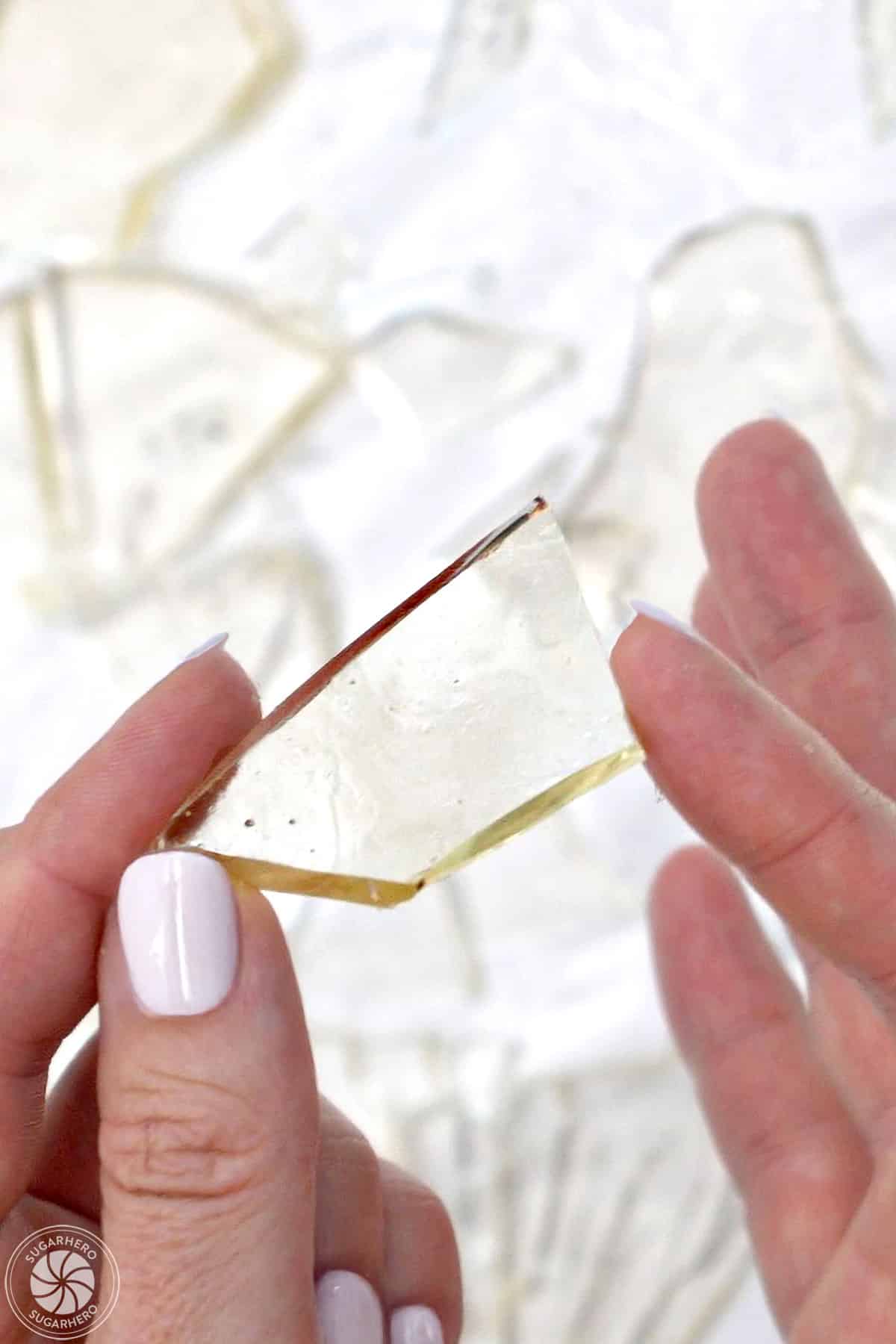
Achieving the perfect sugar glass requires a precise understanding of ingredient ratios and temperature control. The fundamental recipe for edible sugar glass typically involves a combination of sugar, corn syrup, and water, boiled to a specific temperature known as the "hard crack" stage. This stage, generally around 300-310°F (149-154°C), is critical as it signifies that the syrup has lost most of its moisture, resulting in a brittle, glass-like candy.
The inclusion of corn syrup is paramount in preventing crystallization. Corn syrup, being an invert sugar, interferes with the natural tendency of sucrose molecules to bond and form crystals. Without it, the sugar mixture would likely become cloudy and granular, rather than achieving the desired clear, glassy texture. The balance of ingredients is crucial; too little corn syrup can lead to crystallization, while an imbalance in sugar or water can affect the final texture and setting time.
Essential Ingredients and Equipment
To embark on the journey of creating edible sugar glass, a few key ingredients and tools are necessary.
Ingredients:
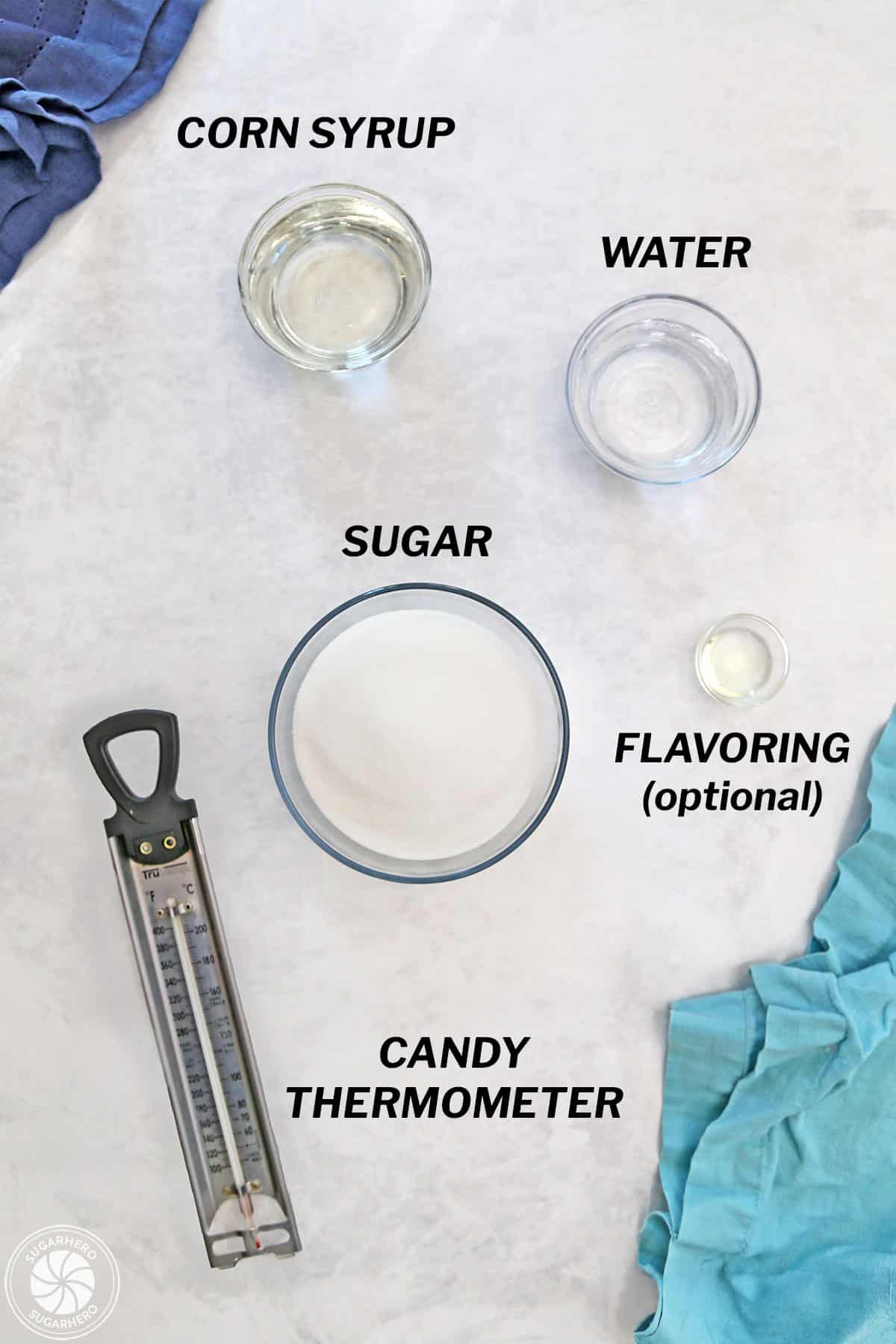
- Granulated Sugar: The primary structural component of the sugar glass. High-quality granulated sugar is essential for a clear final product.
- Corn Syrup: Crucial for preventing crystallization and ensuring a smooth, glass-like texture. Light corn syrup is typically used for its neutral flavor and color.
- Water: Acts as a solvent for the sugar, facilitating the boiling process.
- Optional Flavorings and Colorings: Food-grade extracts (like vanilla, peppermint, or citrus) can be added for flavor, while liquid or gel food colorings can impart vibrant hues. It’s important to note that certain colorings, particularly oil-based ones, may not mix well with the water-based sugar syrup.
Equipment:
- Heavy-Bottomed Saucepan: A good quality, heavy-bottomed saucepan is vital for even heat distribution, preventing scorching.
- Candy Thermometer: An indispensable tool for accurately measuring the syrup’s temperature. A digital candy thermometer offers precision, while a clip-on analog thermometer is also effective. Calibration of the thermometer is recommended to ensure accuracy.
- Heat-Resistant Spatula or Spoon: For stirring the initial mixture. Once boiling, stirring should be minimized.
- Baking Sheet: Lined with parchment paper or a silicone baking mat. This provides a non-stick surface for pouring and cooling the sugar glass.
- Silicone Baking Mat (Silpat): Highly recommended for its superior non-stick properties and even heat distribution, making it easier to work with the hot sugar.
- Pastry Brush and Water: For washing down the sides of the saucepan to prevent sugar crystals from forming.
- Heat-Resistant Gloves: For safety when handling the hot sugar.
The Process: A Step-by-Step Guide
Creating flawless sugar glass is an exercise in precision and patience. The process can be broken down into several key stages:
Preparation is Key:
- Gather Ingredients and Equipment: Ensure all ingredients are measured accurately and all necessary equipment is readily accessible.
- Prepare the Baking Surface: Line a baking sheet with parchment paper or a silicone baking mat. For added security against sticking, a light greasing of the mat or paper can be beneficial, though often unnecessary with high-quality silicone mats.
- Set Up the Candy Thermometer: Securely attach the candy thermometer to the side of the saucepan, ensuring the tip is submerged in the liquid but not touching the bottom of the pan.
The Cooking Phase:
- Combine Ingredients: In the heavy-bottomed saucepan, combine the granulated sugar, corn syrup, and water.
- Initial Stirring: Stir the mixture over medium heat until the sugar is completely dissolved. This is the only stage where vigorous stirring is recommended.
- Boiling and Crystal Prevention: Once the mixture begins to boil, cease stirring. If sugar crystals form on the sides of the pan, use a pastry brush dipped in water to gently wash them down. This step is crucial for preventing premature crystallization.
- Reaching the Hard Crack Stage: Continue to boil the syrup without stirring until it reaches the hard crack stage, typically 300-310°F (149-154°C). Monitor the temperature closely with the candy thermometer. The syrup will become increasingly viscous and a deeper amber color as it approaches this stage.
Adding Color and Flavor (Optional):
- Incorporate Additives: Once the syrup reaches the hard crack stage, carefully remove the pan from the heat. If using, stir in food coloring and flavorings quickly but gently. Be aware that adding cold ingredients can cause the hot syrup to seize or steam vigorously. Work swiftly to maintain the integrity of the sugar glass.
Cooling and Shaping:
- Pouring the Syrup: Carefully and slowly pour the hot sugar syrup onto the prepared baking sheet. Work in a well-ventilated area, as the steam can be intense.
- Cooling and Hardening: Allow the sugar to cool completely and harden without disturbance. This process can take anywhere from 30 minutes to a couple of hours, depending on the thickness of the pour and ambient temperature.
- Breaking the Glass: Once fully hardened, the sugar glass can be broken into desired shapes. Place the sheet of hardened sugar between two pieces of parchment paper and gently tap it with a rolling pin or mallet. Alternatively, for cleaner breaks, use a sharp knife or a pastry wheel to score the glass before it fully hardens, then break along the scored lines once cooled. For more controlled shapes, the still-warm, pliable sugar can be stretched or molded with heat-resistant gloves.
Troubleshooting Common Issues
Despite careful adherence to the recipe, challenges can arise. Understanding these common issues and their solutions is key to consistent success.
Stickiness: The Battle Against Humidity
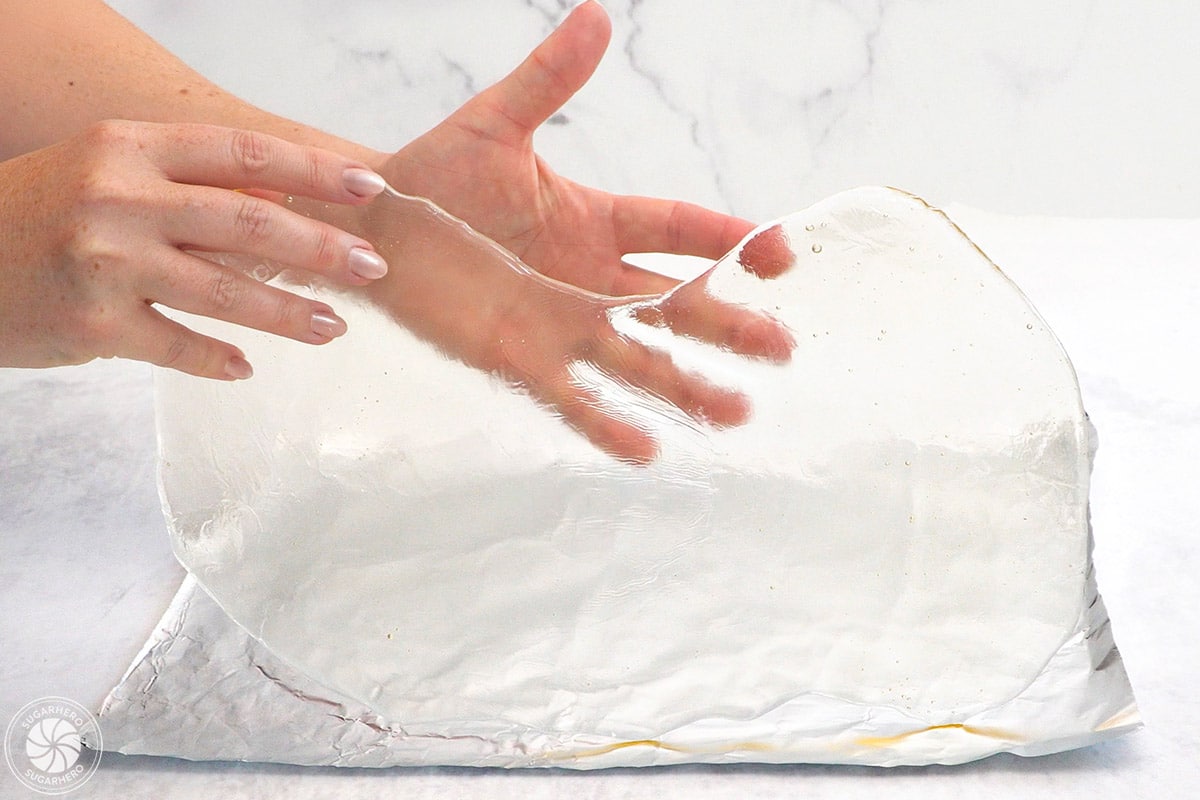
One of the most frequent complaints is sticky sugar glass. This is almost invariably due to humidity. Sugar is hygroscopic, meaning it readily absorbs moisture from the air. On humid or rainy days, sugar glass can become tacky and eventually gooey.
- Solution: The most effective solution is to make sugar glass on a dry day. If this is not possible, consider investing in a dehumidifier for your kitchen. When storing, always use an airtight container. For particularly humid climates, including silica gel packets within the storage container can help absorb excess moisture.
Softness: The Unreached Hard Crack Stage
If the candy remains soft or pliable and fails to harden, it indicates that it was not cooked to a high enough temperature.
- Solution: Ensure your candy thermometer is accurate and calibrated. Double-check that you have reached the correct temperature range for the hard crack stage. If unsure about the thermometer’s accuracy, it’s better to err on the side of cooking slightly longer to ensure proper hardening.
Opacity or Crystallization: The Crystallization Conundrum
Opaque or crumbly sugar glass is a sign of crystallization. This occurs when sugar crystals form prematurely during the cooking process.
-
Causes:
- Stirring after boiling: Once the syrup boils, avoid stirring.
- Undissolved sugar crystals: Not thoroughly dissolving the sugar initially or not washing down the sides of the pan can introduce crystals.
- Contamination: Even a single stray sugar crystal on a spatula, thermometer, or the pan can initiate crystallization.
- Ingredient substitution: Replacing corn syrup with other ingredients may increase the likelihood of crystallization.
-
Solution: Adhere strictly to the no-stirring rule once boiling. Ensure all sugar is dissolved before boiling. Use a clean pastry brush and water to meticulously wash down the pan’s sides. A clean environment and precise technique are paramount.
Applications and Creative Uses
The applications of edible sugar glass are vast and continually expanding within the culinary world.
- Architectural Elements in Baking: As mentioned, gingerbread houses are a prime example, where clear sugar glass panes can represent windows, adding realism and charm.
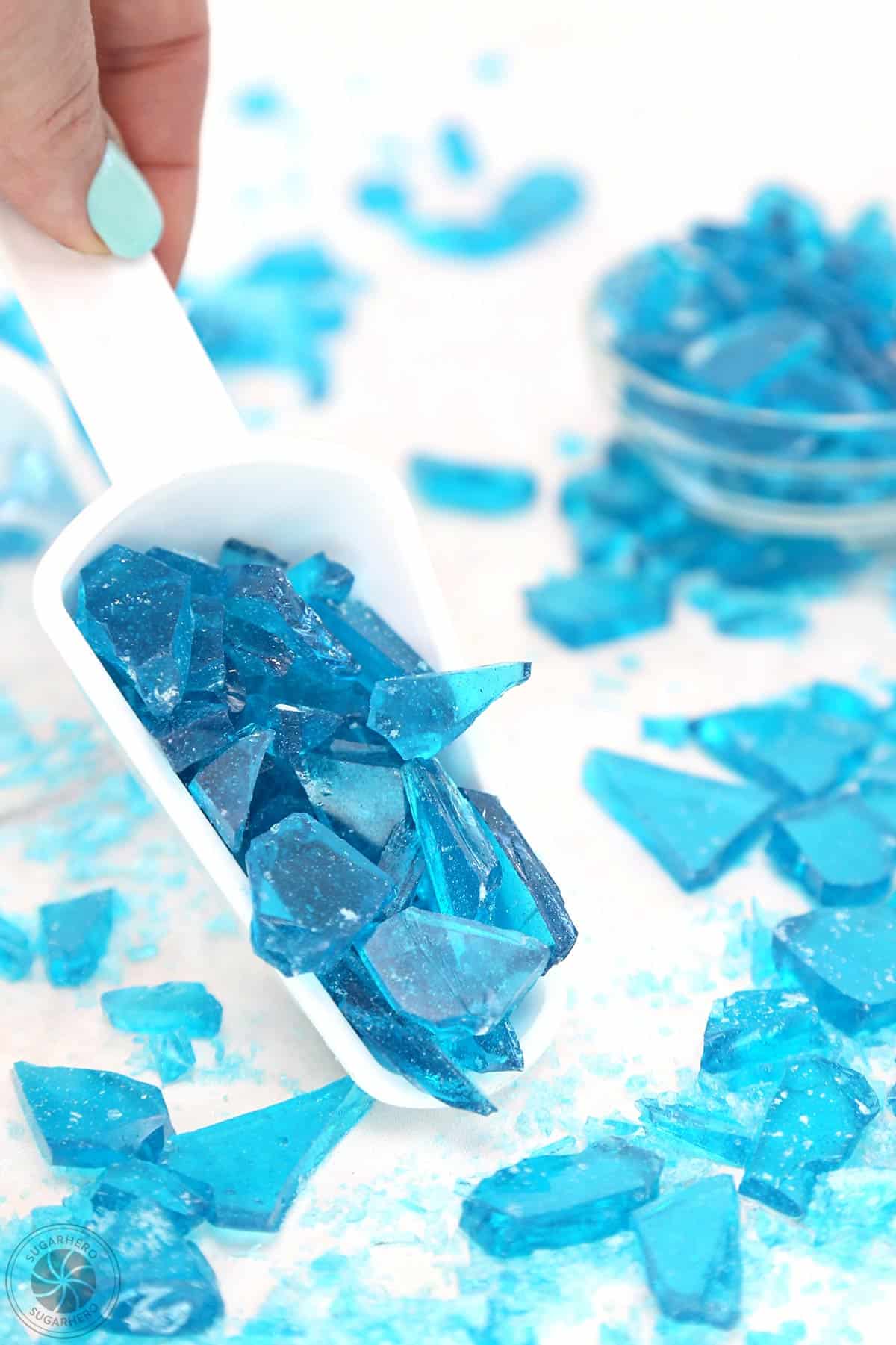
- Dramatic Dessert Garnishes: Shards of colored sugar glass can be used to create a "shattered" effect on cakes, cupcakes, and pastries, adding a modern and edgy aesthetic.
- Themed Decorations: For events or holidays, sugar glass can be colored and shaped to represent specific motifs. For instance, blue sugar glass can evoke ice or water, while red can mimic flames or precious gems.
- Candy Creations: Beyond simple shards, sugar glass can be molded into various shapes or used as a base for other candy creations, such as rock candy structures inspired by popular culture.
- Edible "Gems" and Jewels: By using vibrant food colorings and carefully shaping the cooled sugar, bakers can create stunning edible gems that elevate the presentation of any dessert.
Safety Considerations
Working with molten sugar at high temperatures presents inherent risks. It is crucial to prioritize safety throughout the process.
- Heat Protection: Always wear oven mitts or heat-resistant gloves when handling hot pans or sugar syrup.
- Ventilation: Work in a well-ventilated area, as the steam generated during cooking can be intense.
- Keep Children and Pets Away: Ensure that children and pets are kept at a safe distance from the cooking area to prevent accidental burns.
- Cooling Time: Allow the sugar glass to cool completely before attempting to break or handle it, as it will remain extremely hot for an extended period.
- Emergency Preparedness: Keep a bowl of ice water nearby in case of accidental contact with hot sugar. Submerging the affected area in ice water immediately can help minimize the severity of a burn.
The Broader Impact
The accessibility and relatively straightforward nature of creating edible sugar glass have democratized a formerly specialized baking technique. This allows home bakers to achieve professional-level aesthetics, fostering creativity and engagement with the culinary arts. Furthermore, the trend of visually striking desserts, often amplified through social media, continues to drive interest in such decorative elements. The ability to personalize desserts with unique, homemade sugar embellishments contributes to a growing appreciation for artisanal baking and the artistry involved in food presentation. As culinary trends evolve, sugar glass is likely to remain a relevant and cherished tool in the baker’s arsenal, offering a touch of magic and brilliance to countless sweet creations.