The profound significance of masa, the specially processed corn flour central to countless dishes in Mexican and Central American cuisine, extends far beyond its culinary versatility. It represents a sophisticated ancient food technology known as nixtamalization, a process that not only transforms the texture and flavor of corn but critically enhances its nutritional value. This traditional method, recently highlighted by Austin Durant, founder of Fermenters Club, underscores a growing appreciation for age-old food preparation techniques that offer superior health benefits and cultural authenticity.
Nixtamalization is a meticulous, multi-step process involving cooking and steeping dried corn kernels in an alkaline solution, typically made with food-grade slaked lime (calcium hydroxide) or wood ash. This seemingly simple treatment triggers a cascade of chemical and physical changes essential for masa’s unique properties. During the cooking and subsequent steeping phases, the corn kernels undergo significant hydration, absorbing calcium or potassium from the alkaline liquid. This absorption is vital, as it gelatinizes starches, softens the pericarp (outer skin) of the kernel, and facilitates the release of specific nutrients from the corn germ. The softened kernels, now known as nixtamal, are then rinsed, dried, and ground into masa harina, the finely textured corn flour.
The Scientific Imperative: Unlocking Corn’s Nutritional Potential
The most critical outcome of nixtamalization from a nutritional standpoint is the significant increase in the bioavailability of niacin (Vitamin B3). Untreated corn contains niacin in a bound form, rendering it largely inaccessible for human absorption. Historically, populations heavily reliant on un-nixtamalized corn as a staple often suffered from pellagra, a severe deficiency disease characterized by dermatitis, diarrhea, dementia, and eventually death. The adoption of nixtamalization by Mesoamerican civilizations thousands of years ago effectively prevented pellagra, illustrating a remarkable, empirically derived understanding of food science long before modern biochemistry.
Beyond niacin, nixtamalization also enhances the availability of essential amino acids, particularly tryptophan, which is a precursor to niacin. The process also boosts the absorption of calcium, a critical mineral for bone health and numerous bodily functions, due to the calcium hydroxide used in the cooking solution. Furthermore, the alteration of the corn’s protein matrix during nixtamalization improves protein digestibility and overall nutrient assimilation. This makes nixtamalized corn a far more nutritionally complete food source than raw or simply ground corn.
A Timeline of Innovation: Millennia of Mesoamerican Wisdom
The origins of nixtamalization are deeply rooted in Mesoamerican history, with archaeological evidence suggesting its practice dates back as far as 1500–1200 BCE, potentially even earlier. The Olmec civilization, considered one of the earliest complex societies in Mesoamerica, is believed to have been among the first to develop and utilize this technology. Subsequent civilizations, including the Maya and Aztec, refined and propagated nixtamalization across the region, making it an indispensable component of their agricultural and culinary systems.
- Circa 1500-1200 BCE: Earliest evidence of nixtamalization in Mesoamerica, possibly by the Olmec.
- Pre-Columbian Era (until 1492 CE): Nixtamalization becomes a widespread and foundational practice across diverse Mesoamerican cultures, integrated into daily life, religious ceremonies, and economic structures. Corn, transformed into masa, forms the caloric and nutritional backbone of civilizations.
- 16th Century: Spanish conquistadors introduce corn to Europe, but initially without the nixtamalization process. This leads to outbreaks of pellagra in European and later African populations that adopted corn as a staple without understanding the traditional processing.
- 19th-20th Centuries: Scientific understanding of pellagra and the role of niacin emerges. Scientists later "rediscover" the nutritional benefits of nixtamalization, confirming the ancient wisdom.
- Late 20th Century – Present: Increased interest in traditional foodways, ethnic cuisines, and the health benefits of whole, minimally processed foods leads to a resurgence of artisanal nixtamalization and wider availability of quality masa harina globally. Austin Durant’s emphasis on "properly processed corn flour" aligns with this modern appreciation.
The Artisanal Craft of Masa: From Kernel to Culinary Masterpiece
The transformation of nixtamal into masa harina is a crucial step. Traditionally, nixtamal was ground using a metate and mano, a stone grinding tool. Modern methods often employ mechanical grinders, but the principle remains the same: to produce a fine, consistent flour that, when rehydrated, forms a pliable dough.
Making tortillas from masa harina is an art form, emphasizing precision and technique. A simple dough typically consists of masa harina, water, and a pinch of salt. The mixing and kneading process is essential to achieve the right consistency – a dough that is firm but not crumbly, elastic but not sticky. This dough is then portioned into small balls, ready for pressing.
The tortilla press is an indispensable tool in this process. Its primary function is to apply even pressure to flatten the dough balls into uniformly thin, round tortillas. The material of the press significantly impacts its performance and longevity. Cast iron presses are widely favored by enthusiasts and professionals alike for their weight, durability, and ability to distribute pressure evenly. Wooden presses, often antique and well-loved like the one described by Austin Durant from his housemate’s abuela, also offer excellent results and often carry a rich patina of culinary history. Conversely, aluminum presses are generally advised against due to their lighter weight and tendency to bend or warp, leading to uneven tortillas and a shorter lifespan. The quality of the press directly influences the success of the tortilla, ensuring the desired thinness and structural integrity.
Once pressed, tortillas are cooked on a hot griddle (comal) until they puff up, indicating they are fully cooked and possess the characteristic soft, pliable texture. This rapid cooking process also contributes to their distinctive flavor and aroma.
Beyond the Tortilla: The Versatility of Masa in Global Cuisine
While tortillas are arguably the most iconic application of masa, its versatility extends to a vast array of other cherished dishes, showcasing the ingredient’s adaptability and foundational role in various culinary traditions.
- Tamales: Steamed packets of masa dough, often filled with meats, cheeses, or vegetables, and wrapped in corn husks or banana leaves.
- Sopes and Gorditas: Thick, hand-formed masa cakes, fried or griddled, and typically topped with various savory ingredients.
- Pupusas: A staple of Salvadoran cuisine, these are thick, handmade corn tortillas filled with cheese, beans, or chicharrón, then griddled.
- Atole: A warm, thick beverage made from masa, water, piloncillo (unrefined whole cane sugar), and often cinnamon or other flavorings.
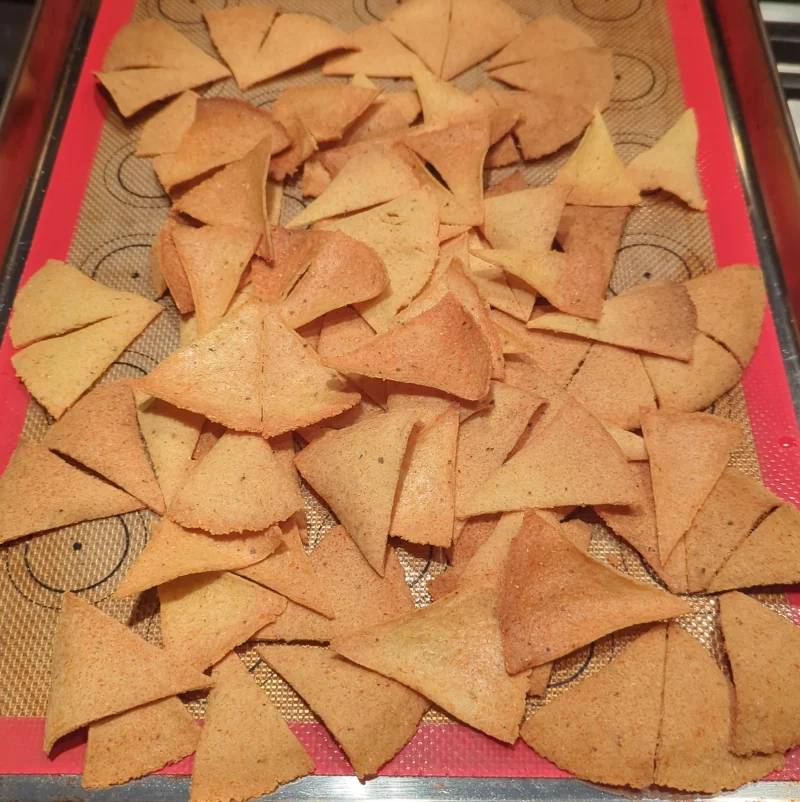
- Totopos (Tortilla Chips): As highlighted by Durant, fresh tortillas can be easily cut and fried or baked to create superior tortilla chips, offering a profound difference in flavor and texture compared to mass-produced varieties. The ability to dedicate a single batch of masa to both fresh tortillas and chips exemplifies the ingredient’s flexible utility.
Broader Impact and Implications
The enduring legacy of masa and nixtamalization carries significant implications across several domains:
- Public Health: The historical eradication of pellagra through nixtamalization stands as a testament to the power of traditional food processing in preventing widespread nutritional deficiencies. In contemporary contexts, promoting nixtamalized corn can contribute to better nutrition, especially in regions where corn remains a dietary staple.
- Cultural Preservation: The continued practice of nixtamalization and masa-making is crucial for preserving indigenous culinary heritage and cultural identity. It connects modern generations to ancestral knowledge and traditions, fostering a deeper appreciation for food origins.
- Economic Impact: The masa industry, from traditional small-scale producers to large commercial manufacturers, represents a significant economic sector. The growing demand for authentic, high-quality masa harina and related products also supports agricultural economies that cultivate specific corn varieties suitable for nixtamalization.
- Sustainable Food Systems: Traditional practices like nixtamalization often align with principles of sustainable food systems, emphasizing local ingredients, minimal processing, and nutrient optimization. As consumers increasingly seek transparent and health-conscious food choices, the market for traditionally processed masa is likely to expand.
- Culinary Innovation: The fundamental qualities of masa continue to inspire chefs and home cooks to experiment, pushing the boundaries of traditional dishes while honoring the ingredient’s roots. The "fresh-corn-tasting tortillas" described by Austin Durant are a direct result of using properly processed masa, a quality often sought by discerning palates.
Expert Perspectives on the Masa Renaissance
Leading food scientists, anthropologists, and culinary experts frequently weigh in on the importance of masa. Dr. Patricia Colunga-GarcíaMarín, a renowned ethnobotanist, often emphasizes nixtamalization as a prime example of ancient scientific innovation that fundamentally shaped human civilization in Mesoamerica. Nutritionists, like those at the National Institute of Nutrition in Mexico, consistently advocate for nixtamalized corn products due to their superior nutrient profiles compared to industrially processed corn. Culinary figures globally recognize the unparalleled flavor and textural characteristics that only authentic masa can provide, driving a movement towards sourcing high-quality, traditionally prepared masa for their kitchens.
In conclusion, masa is far more than just corn flour; it is a foundational ingredient embodying thousands of years of scientific understanding, cultural heritage, and culinary artistry. The traditional process of nixtamalization elevates corn from a simple grain to a nutrient-dense superfood, underscoring the wisdom embedded in ancient foodways. As global interest in authentic, healthy, and culturally rich foods continues to grow, the enduring legacy of masa ensures its continued prominence on plates and in kitchens worldwide, a testament to its timeless significance.