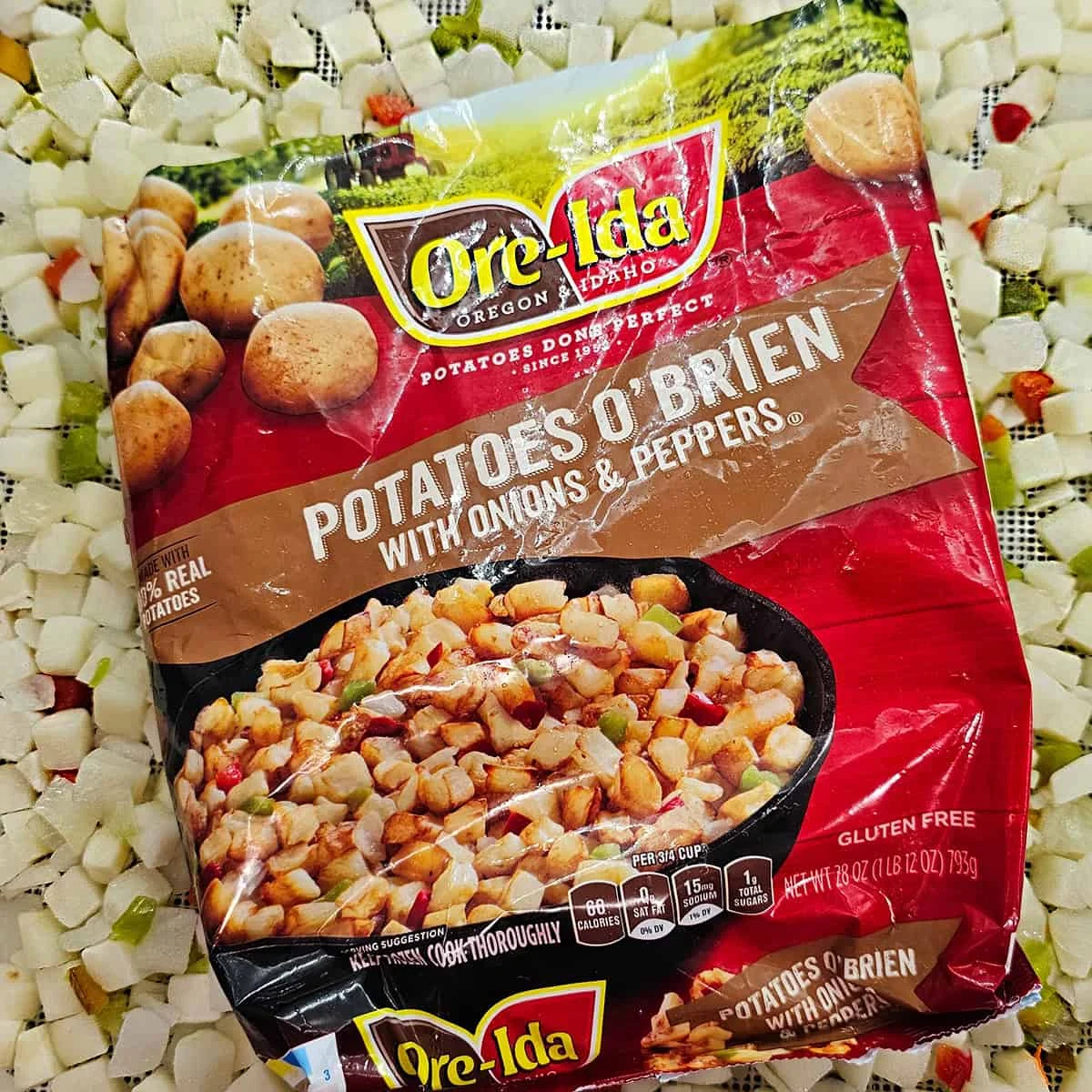
The practice of dehydrating frozen potato products, such as Potatoes O’Brien, has emerged as a strategic method for homeowners to optimize freezer capacity and enhance long-term food security. By converting perishable frozen goods into shelf-stable pantry staples, consumers can mitigate the risks associated with prolonged power outages and freezer failures while simultaneously creating a more efficient kitchen inventory. This process, while seemingly modern, draws upon fundamental food preservation principles that have been refined by both industrial food processors and domestic preservation enthusiasts. The transition from frozen to dried state involves a series of calculated steps designed to remove moisture while maintaining nutritional integrity and culinary versatility.
The Evolution of Home Food Preservation
The surge in home food preservation over the last decade reflects a broader shift in consumer behavior toward self-reliance and waste reduction. According to data from the National Center for Home Food Preservation (NCHFP), interest in dehydration and canning has increased significantly since 2020, driven by supply chain instabilities and rising grocery costs. Potatoes, a caloric staple in the Western diet, are particularly well-suited for these efforts.
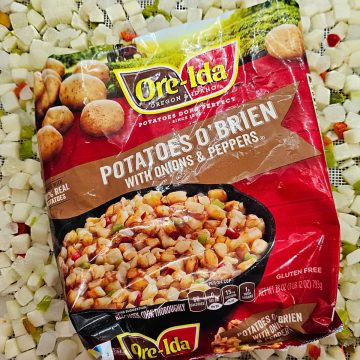
Frozen potato products like Potatoes O’Brien—which typically consist of diced potatoes, onions, and bell peppers—offer a unique advantage for the home preservationist: they are pre-processed. In industrial settings, these potatoes are washed, peeled, diced, and, crucially, blanched. Blanching is a heat treatment that halts enzymatic activity, which would otherwise cause the potatoes to turn grey or black during the drying process. By utilizing frozen products, the home cook bypasses the labor-intensive preparation stages, moving directly to the dehydration phase.
Procedural Chronology: From Freezer to Pantry
The dehydration of frozen potatoes follows a strict chronological workflow to ensure safety and quality. Unlike fresh produce, frozen potatoes do not require thawing prior to dehydration, a factor that minimizes the risk of bacterial growth during the transition period.
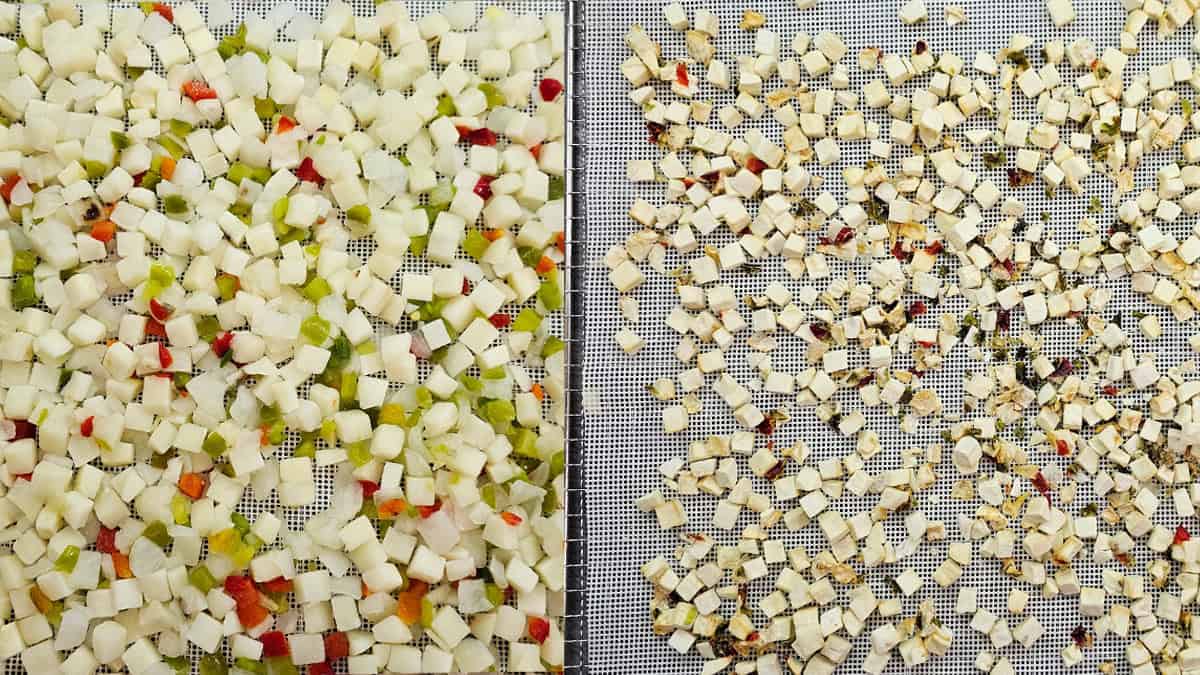
- Equipment Preparation: The process begins with the sterilization of dehydrator trays. For diced potatoes, mesh liners are essential to prevent the pieces from falling through the trays as they shrink—a phenomenon where the product can lose up to 80% of its original volume.
- Loading the Dehydrator: Frozen potatoes are spread in a single layer. Overcrowding the trays can lead to "case hardening," where the exterior dries too quickly, trapping moisture inside and leading to eventual mold growth in storage.
- Temperature Regulation: The dehydrator is typically set between 125°F and 135°F (52°C to 57°C). While some vegetables require lower temperatures to preserve vitamins, potatoes require a steady heat to ensure the starch remains stable.
- The Drying Duration: The cycle generally lasts between 8 to 12 hours. Factors such as ambient humidity and the specific moisture content of the frozen brand can influence this timeline.
- Testing for Doneness: A potato is considered fully dehydrated when it is hard, brittle, and translucent. If a piece retains any "give" or feels leathery, it requires additional time.
- Conditioning: Once removed from the heat, the potatoes must undergo "conditioning." This involves placing them in a sealed jar for 7 to 10 days, shaking daily to check for condensation. If moisture appears, the batch must return to the dehydrator.
Technical Analysis of Moisture Removal
The science of dehydration relies on the relationship between air temperature, humidity, and airflow. As the dehydrator circulates warm air, the vapor pressure on the surface of the potato increases, causing moisture to evaporate. Industrial frozen potatoes often contain a slight sodium or preservative coating to maintain color; during dehydration, these elements become concentrated.
Supporting data from food science journals indicates that dehydrated potatoes retain approximately 90% of their original mineral content, including potassium and Vitamin C, provided they are stored away from direct light and heat. However, the caloric density shifts dramatically. One cup of frozen potatoes may yield only a quarter-cup of dehydrated product, allowing for high-density caloric storage in a fraction of the original space.
Economic and Logistical Implications
The decision to dehydrate frozen goods carries measurable economic implications. A standard upright freezer consumes between 300 and 600 kWh of electricity per year. By moving "low-priority" items like potatoes out of the freezer and into a room-temperature pantry, consumers can reduce the mechanical load on their appliances.
Furthermore, the logistical benefits for emergency preparedness are significant. Dehydrated potatoes have a shelf life of 10 to 15 years when vacuum-sealed with oxygen absorbers, compared to the 12-month maximum recommended for frozen potatoes to avoid freezer burn. In the event of a catastrophic power failure, a pantry full of dehydrated goods remains viable, whereas a freezer’s contents would begin to spoil within 24 to 48 hours.
Culinary Versatility and Rehydration Protocols
Reconstitution is the final phase of the dehydration lifecycle. To return the potatoes to a culinary-ready state, they must be submerged in boiling water for approximately 15 to 20 minutes.
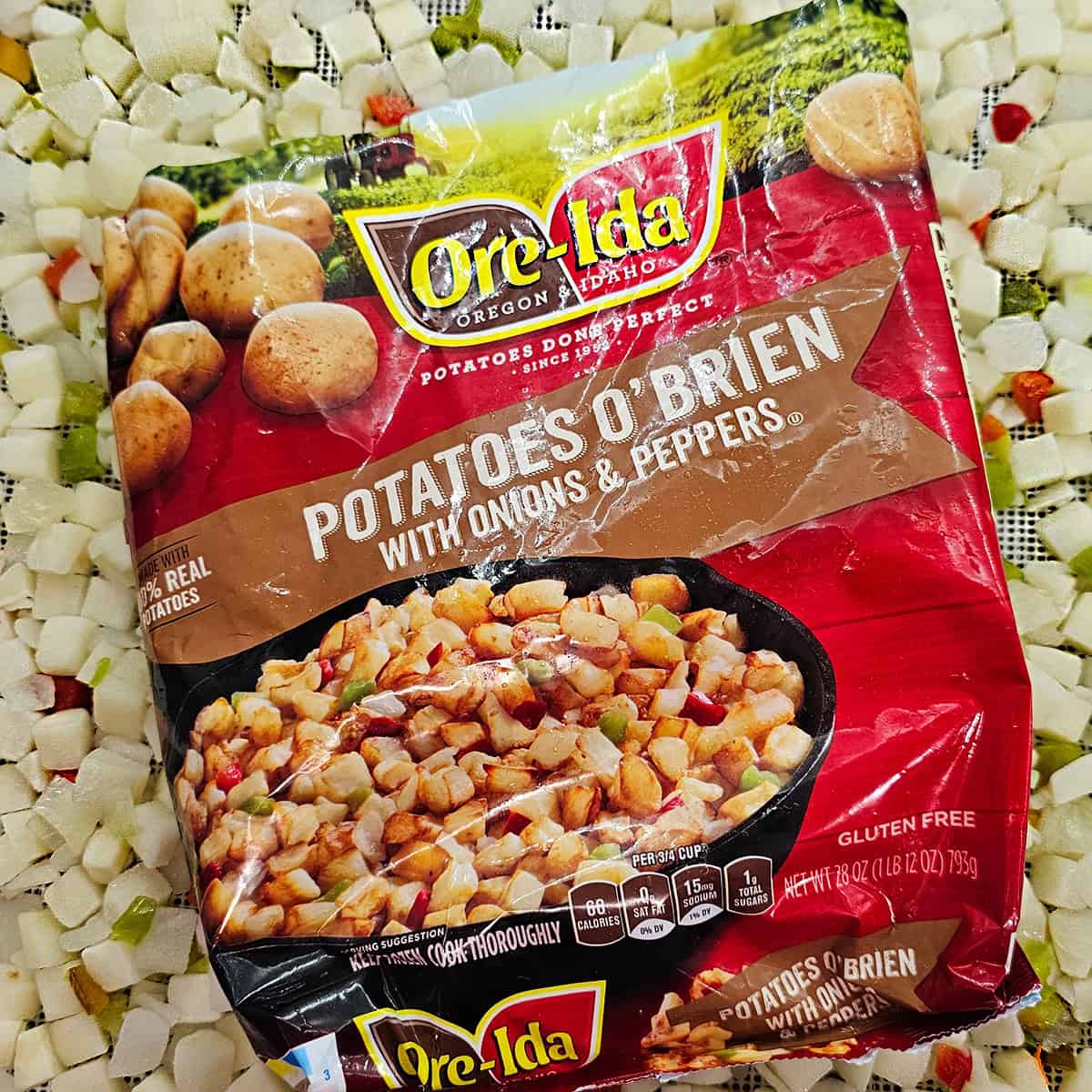
Journalistic observation of professional kitchens reveals that dehydrated potatoes are often preferred for specific dishes. For instance, in stews and soups, the dehydrated pieces can be added directly to the simmering liquid, where they act as a natural thickener as they release starches while rehydrating. For applications such as breakfast hashes or casseroles, the potatoes must be fully rehydrated and then patted dry to ensure a crisp exterior when fried. This versatility makes them an ideal "fast-food" ingredient for hikers, campers, and busy households.
Safety Constraints and Product Selection
While many frozen vegetables are candidates for dehydration, certain potato products must be avoided. Industry experts and food safety advocates warn against dehydrating frozen French fries, tater tots, or any potato product that has been pre-fried or contains added oils.
The presence of fats is the primary limiting factor in dehydration. Oils do not dehydrate; instead, they undergo oxidative rancidity when exposed to air at room temperature. This process creates off-flavors and potentially toxic compounds. Therefore, only "clean" frozen potatoes—those containing only potatoes, peppers, and onions—should be processed for long-term storage.
Broader Impact on Food Waste Mitigation
The enrichment of the home pantry through dehydration also addresses the global issue of food waste. According to ReFED, a national nonprofit dedicated to ending food loss, households are responsible for nearly 40% of all food waste in the United States. Frozen potatoes that are approaching their "best-by" date or are taking up space intended for more perishable proteins are often discarded.
Dehydration provides a "reset button" for these products. By converting a bag of frozen potatoes that might have been forgotten at the bottom of a chest freezer into a jar of shelf-stable dice, the consumer effectively captures the energy and resources used to produce that food, extending its utility by a decade or more.
Conclusion: A Strategic Component of the Modern Pantry
The transition toward dehydrating frozen potatoes represents a sophisticated intersection of convenience and traditional wisdom. It is a response to the modern need for space efficiency and the timeless requirement for a resilient food supply. By understanding the technical requirements of the process—from the initial selection of oil-free products to the final conditioning of the dried dice—individuals can significantly enhance their domestic logistics.
As grocery prices continue to fluctuate and the stability of the electrical grid remains a concern for many, the ability to transform a volatile frozen asset into a stable pantry staple is more than a kitchen hack; it is a fundamental skill in the architecture of modern self-sufficiency. The result is a pantry that is not only well-stocked but also intelligently organized, ensuring that essential nutrients are available regardless of the status of the freezer’s power supply.