Dehydrating Parmesan cheese represents a specialized intersection of culinary tradition and modern food preservation technology, offering a method to transform a perishable dairy product into a versatile, shelf-stable ingredient suitable for short-term storage and outdoor recreation. While cheese is historically a method of preserving milk, home dehydration further refines this process by removing residual moisture, thereby inhibiting the growth of spoilage-causing microorganisms. However, the efficacy of this method is inherently tied to the chemical composition of the cheese, particularly its lipid profile, which necessitates a precise technical approach to ensure safety and quality.
The Technical Foundations of Cheese Dehydration
The process of dehydrating cheese is fundamentally different from dehydrating fruits or vegetables due to the high fat and protein content of dairy products. Parmesan, a hard, aged cheese, is an ideal candidate for this process because it possesses a lower moisture content and lower lactose levels compared to soft cheeses like mozzarella or brie. In a professional food preservation context, the goal is to reduce the water activity (aw) of the cheese to a level where bacterial pathogens cannot proliferate.
Unlike industrial freeze-drying, which can render dairy products stable for decades by removing moisture through sublimation in a vacuum, home dehydration relies on heated air circulation. This method is effective for short-term shelf stability—typically ranging from six months to one year—but it does not remove the fats. Because fats remain in the product, they are susceptible to oxidation, a chemical reaction where oxygen molecules break down fatty acid chains, resulting in rancidity. Consequently, the dehydration of Parmesan is categorized as a high-utility preservation method for specific applications such as backpacking, emergency kits, and "meals in a jar," rather than a permanent long-term storage solution.
Operational Chronology: From Fresh Wedge to Shelf-Stable Shred
The successful dehydration of Parmesan cheese follows a strict chronological workflow designed to maximize moisture extraction while managing oil perspiration.
-
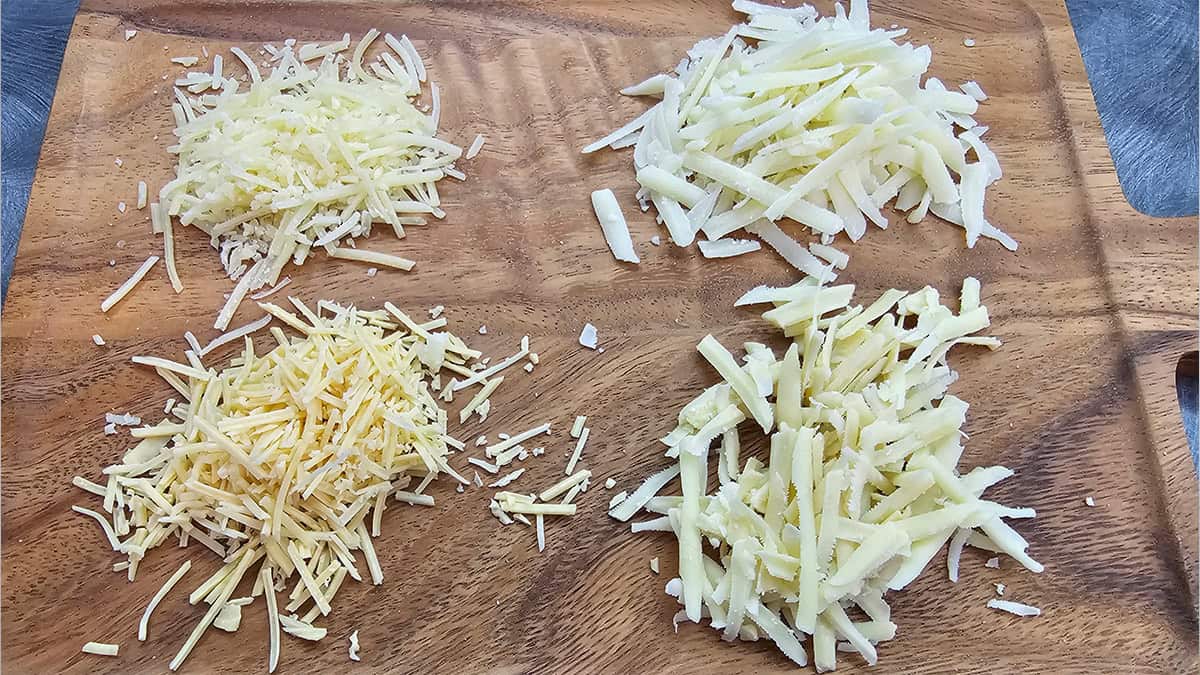
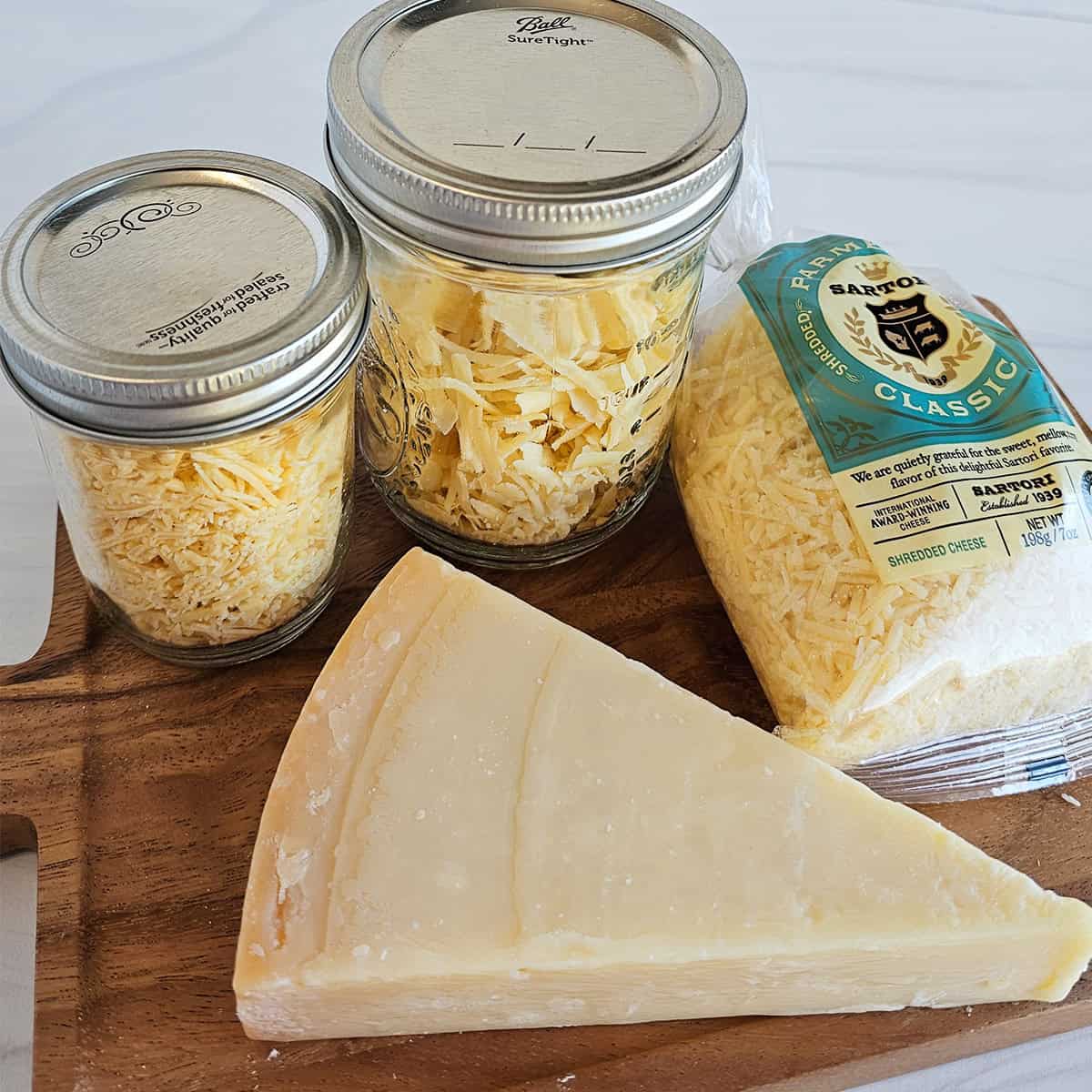
Preparation and Grating: The process begins with the selection of high-quality Parmesan. While pre-shredded commercial varieties are often used for convenience, many preservationists prefer grating fresh wedges to avoid the anti-caking agents, such as cellulose, found in bagged products. The cheese must be shredded into uniform, thin pieces to ensure even airflow and consistent drying times.
-
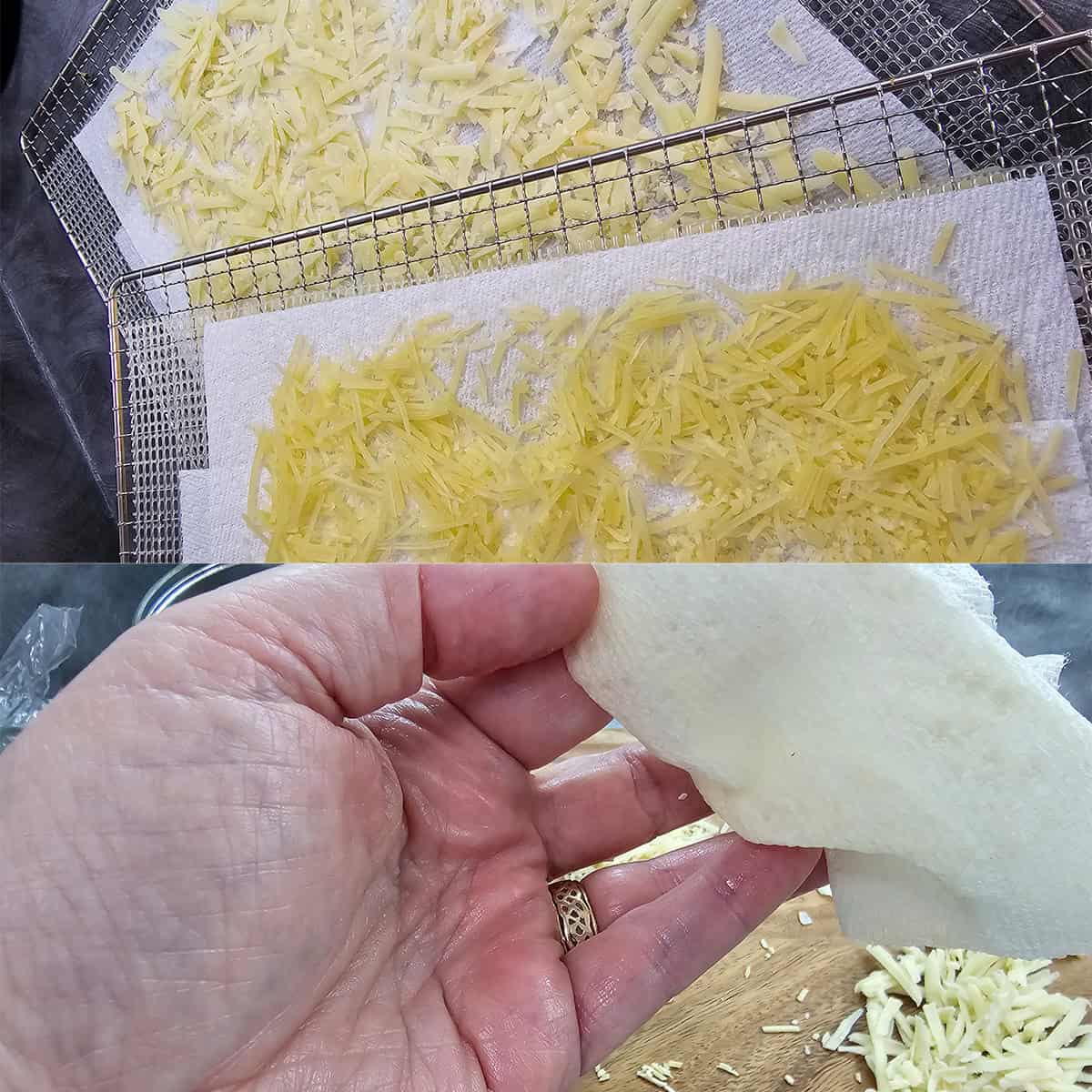
Tray Configuration: The shredded cheese is spread in a single, thin layer on dehydrator trays. To manage the fat content, practitioners often line the trays with parchment paper or high-quality paper towels. This "wicking" technique is critical; as the cheese warms, the fats begin to liquefy and rise to the surface. The lining material absorbs this excess oil, which significantly reduces the risk of early rancidity during storage.
-
The Thermal Cycle: The dehydrator is typically set to a temperature between 125°F and 135°F (52°C to 57°C). Setting the temperature too high can cause the cheese to melt and "case harden," where the exterior traps moisture inside; setting it too low extends the drying time into a range where bacterial growth could potentially occur before the product is sufficiently dry.
-
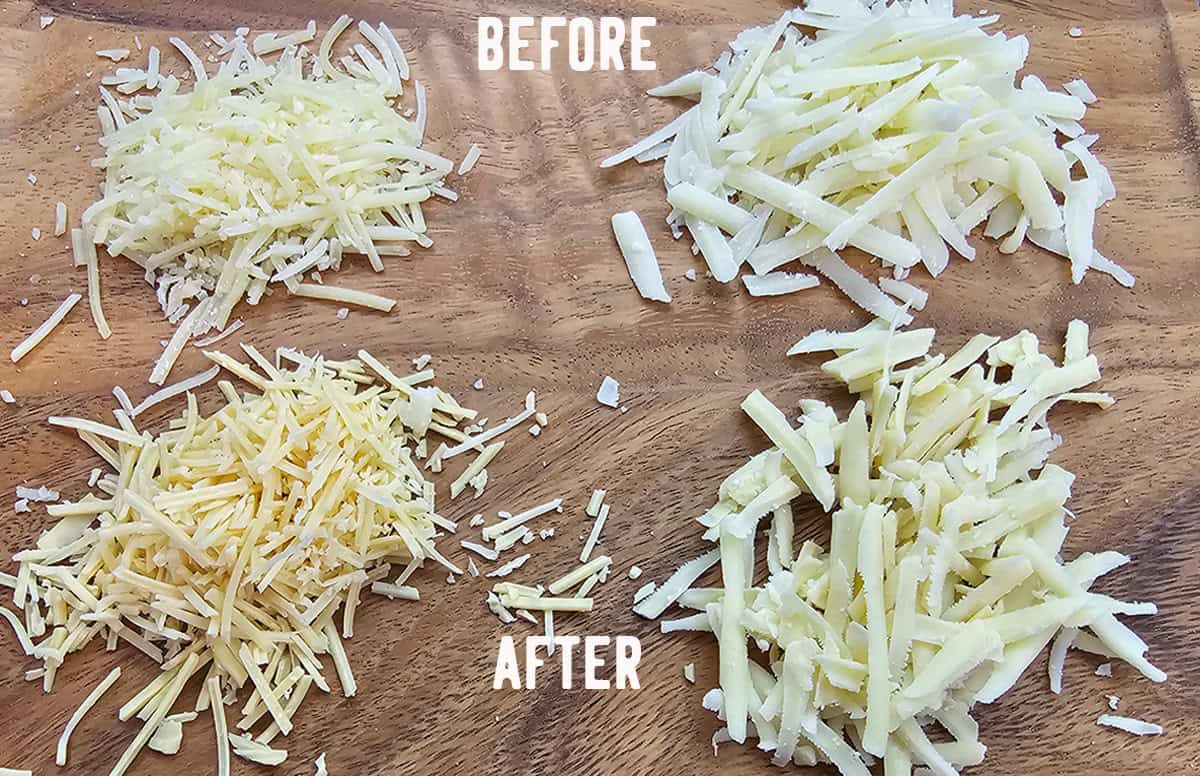
Monitoring and Fat Management: Approximately two to three hours into the cycle, the cheese is inspected. At this stage, a "fat exchange" is often performed, where the oil-soaked paper towels are replaced with fresh ones. This step is a defining characteristic of the home dehydration process for high-fat foods.
-
Final Desiccation and Cooling: The process is complete when the cheese shreds are brittle and "snap" when bent, rather than bending or feeling oily. Once the target texture is achieved, the cheese must be allowed to cool completely at room temperature. Packaging warm cheese can lead to condensation inside the storage container, which introduces moisture and invites mold growth.
The Fat Oxidation Challenge: Understanding Shelf-Life Constraints
The primary hurdle in making Parmesan truly shelf-stable at home is the presence of lipids. Data from food science research indicates that while moisture removal stops most microbial activity, lipid oxidation is a non-biological process that continues even in dry environments. When fats are exposed to heat, light, and oxygen, they undergo a sensory transformation. The cheese may develop a "soapy" or "stale" aroma and a bitter aftertaste.
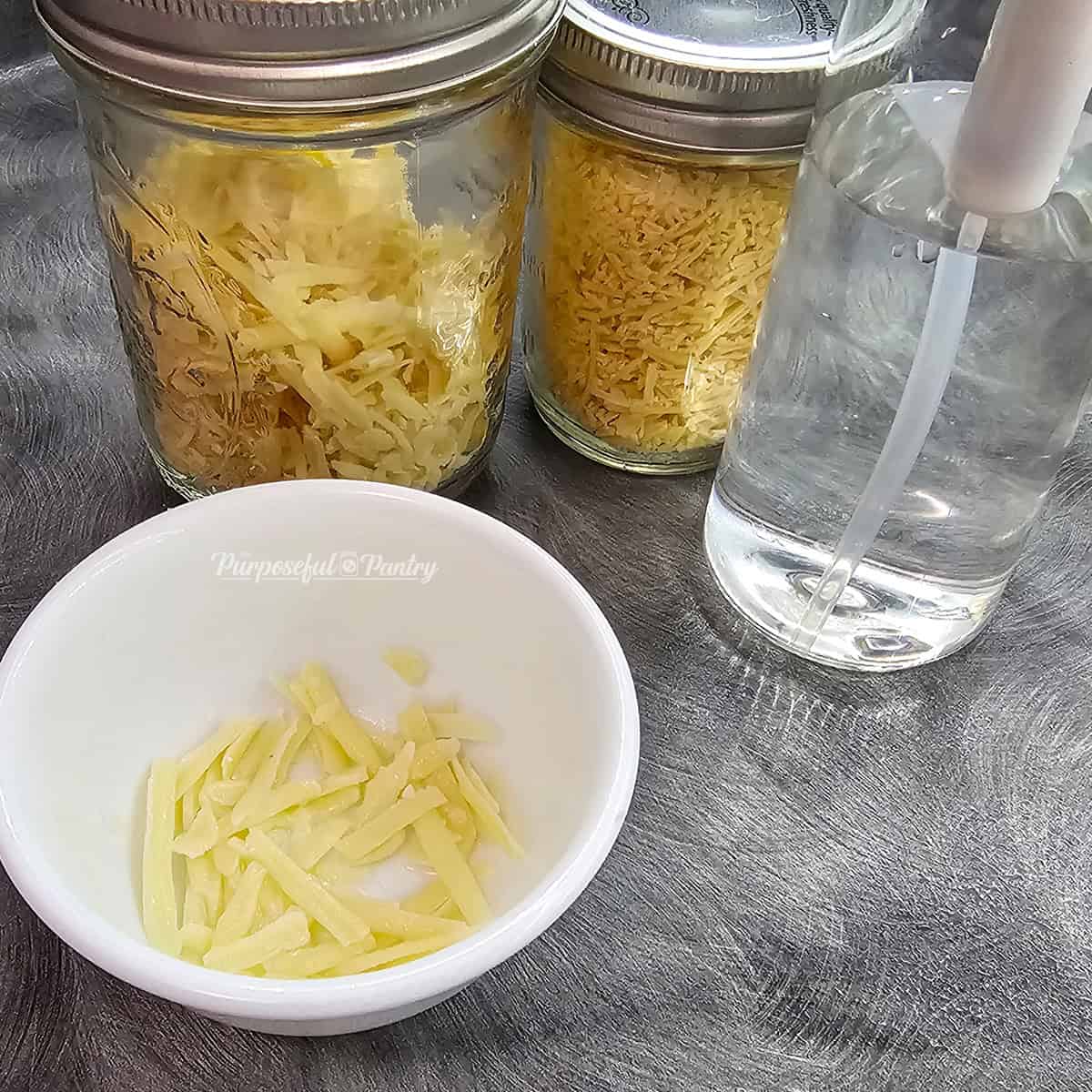
Observers of the dehydration process often note the visible transfer of oils during the drying phase. This residual fat is why expert preservationists, including Darcy Baldwin of The Purposeful Pantry, emphasize that dehydrated cheese should be treated as a medium-term asset. While some users report success keeping dehydrated Parmesan on a pantry shelf for up to a year, the consensus among food safety advocates is that the freezer or refrigerator remains the optimal storage environment to retard the oxidation process. For those intending to use the cheese in "shelf-stable" camping meals, the inclusion of an oxygen absorber in a vacuum-sealed Mylar bag or glass jar is a recommended mitigation strategy to extend the window of freshness.
Nutritional Density and Comparative Data
Dehydrated Parmesan is a nutritionally dense product. Because the water is removed, the nutrients become concentrated. According to nutritional estimations, a single ounce of dehydrated Parmesan contains approximately 105 calories, 7 grams of protein, and 7 grams of fat. It is also high in sodium (438 mg per ounce), which acts as a secondary preservative.
When calculating nutritional intake for recipes, a 4:1 ratio is generally applied. This means that 1/4 cup of dehydrated cheese provides roughly the same caloric and protein value as 1 cup of fresh shredded cheese. This concentration makes it an exceptionally efficient protein source for hikers and long-distance backpackers who must minimize pack weight without sacrificing caloric density.
Strategic Applications in Modern Food Storage
The utility of dehydrated Parmesan extends beyond simple preservation; it serves as a foundational component for various culinary applications:
- Seasoning Blends: Dehydrated Parmesan is a key ingredient in "umami" seasoning mixes, such as Mushroom Parmesan blends. When pulverized into a powder, it provides a salty, savory kick to popcorn, roasted vegetables, and soups.
- Outdoor Nutrition: For the backpacking community, dehydrated cheese provides a lightweight way to add high-quality protein to dehydrated pasta or risotto dishes. Unlike fresh cheese, which can sweat and spoil in a backpack, the dehydrated version remains stable through fluctuating temperatures.
- Snacking: The "crunchy" texture of fully dehydrated Parmesan has made it a popular high-protein snack. When paired with dried fruits, it offers a balanced macronutrient profile for quick energy.
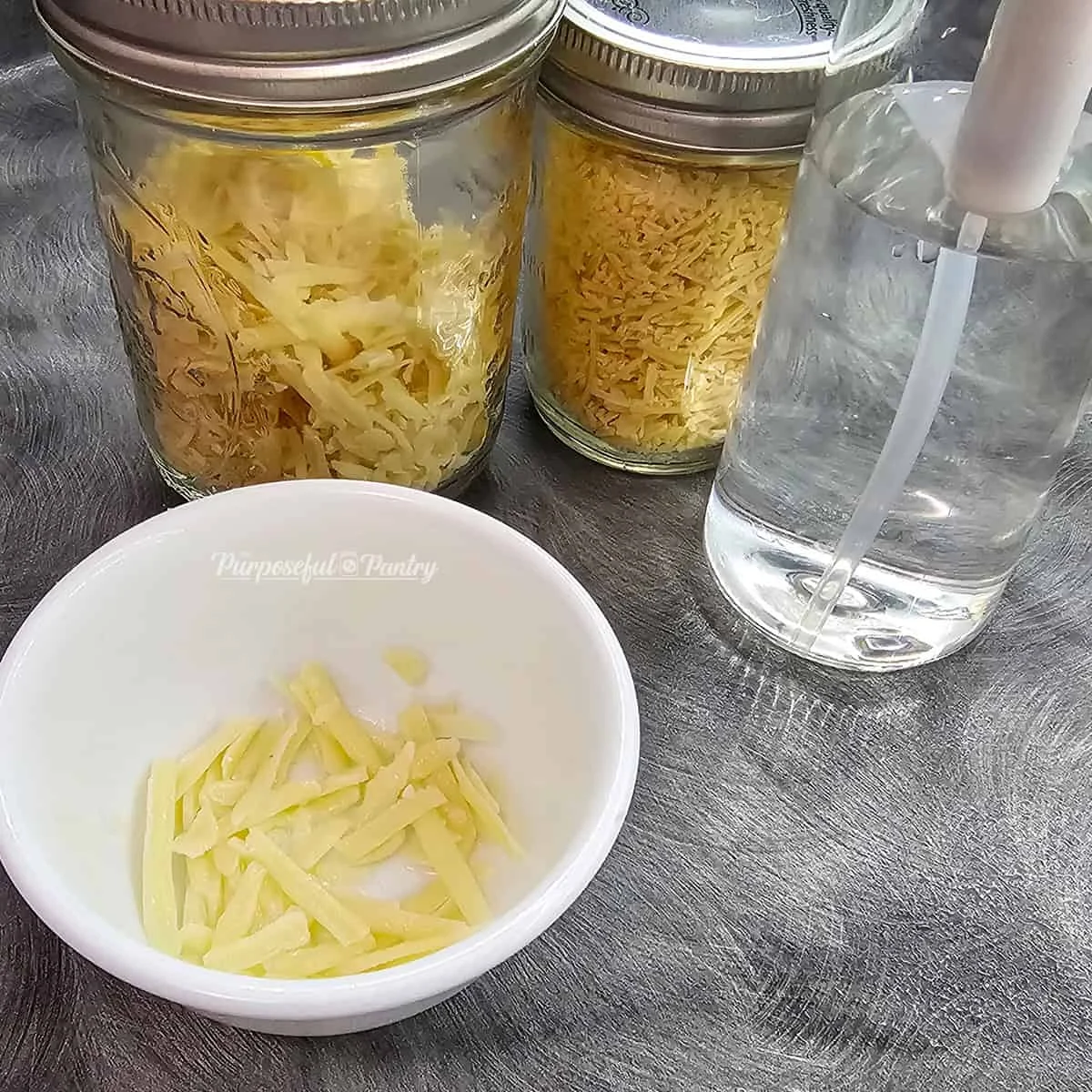
- Rehydration for Hot Meals: In liquid-based dishes like stews or sauces, the cheese rehydrates almost instantly. For applications requiring a more traditional texture, it can be rehydrated using a 1:1 or 2:1 ratio of cheese to warm water, allowing it to sit for several minutes before use.
The Future of Domestic Food Preservation
The rise in popularity of home dehydration reflects a broader societal trend toward food self-sufficiency and waste reduction. By dehydrating Parmesan that might otherwise expire in the refrigerator, consumers are able to extend their food budget and reduce domestic waste.
Experts in the field, such as Darcy Baldwin, author of "Dehydrating Basics & Journal," suggest that while hard cheeses like Parmesan, Romano, and Asiago are the most successful candidates for this process, the methodology is continually being refined. The community of "preppers" and "homesteaders" serves as a decentralized laboratory, testing storage variables and sharing results.
In conclusion, while home-dehydrated Parmesan cheese does not meet the strict definitions of long-term shelf stability found in commercially processed "astronaut food," it is a highly effective tool for the modern pantry. By understanding the limitations imposed by fat oxidation and following a disciplined dehydration chronology, individuals can create a high-value, nutrient-dense ingredient that enhances both daily cooking and emergency preparedness. The process demonstrates that with the right technical knowledge, even complex dairy products can be adapted for a more resilient and versatile food supply.