
The blackberry crisp stands as a quintessential fixture of the North American summer culinary landscape, representing a intersection of seasonal foraging traditions and classical pastry techniques. Defined by its contrast between macerated Rubus fruticosus drupelets and a textured, oat-based streusel topping, this dessert has moved beyond simple domestic preparation to become a subject of interest for culinary historians and agricultural analysts alike. As the peak of the summer harvest approaches, the preparation and consumption of the blackberry crisp serve as a primary indicator of seasonal shifts in consumer behavior and domestic food preservation practices.
Historical and Botanical Context of the Blackberry Harvest
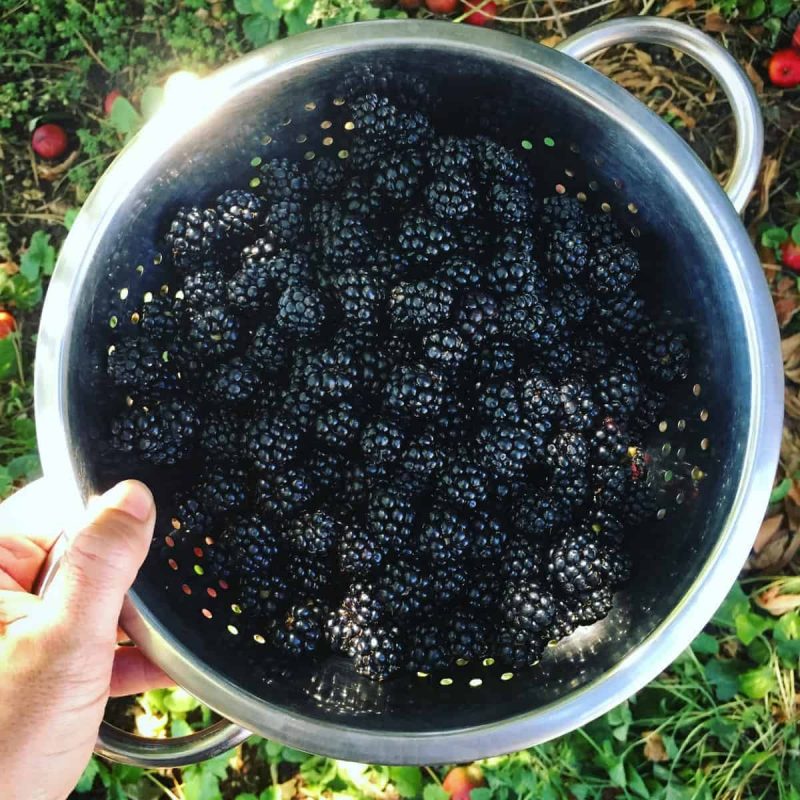
The blackberry, a member of the Rosaceae family, has a long-standing history in the temperate regions of the Northern Hemisphere. Unlike many commercially produced fruits, blackberries maintain a robust presence in the wild, facilitating a culture of foraging that predates modern agricultural systems. For many, the act of harvesting wild blackberries represents an initial foray into botanical engagement, often characterized by the collection of fruit from roadside thickets and forest edges during the late summer months.
Historically, the transition of blackberries from a wild-foraged staple to a cultivated crop occurred as domestic cooks sought ways to preserve the fruit’s ephemeral sweetness. The "crisp" itself is a relatively modern evolution in the lineage of deep-dish fruit desserts, following the more established traditions of the cobbler, the slump, and the grunt. While the cobbler utilizes a leavened, biscuit-style dough, the crisp emerged as a lighter, more textured alternative, utilizing the accessibility of rolled oats and refined sugars that became prevalent in the 19th and early 20th centuries.
The Anatomy of the Contemporary Blackberry Crisp
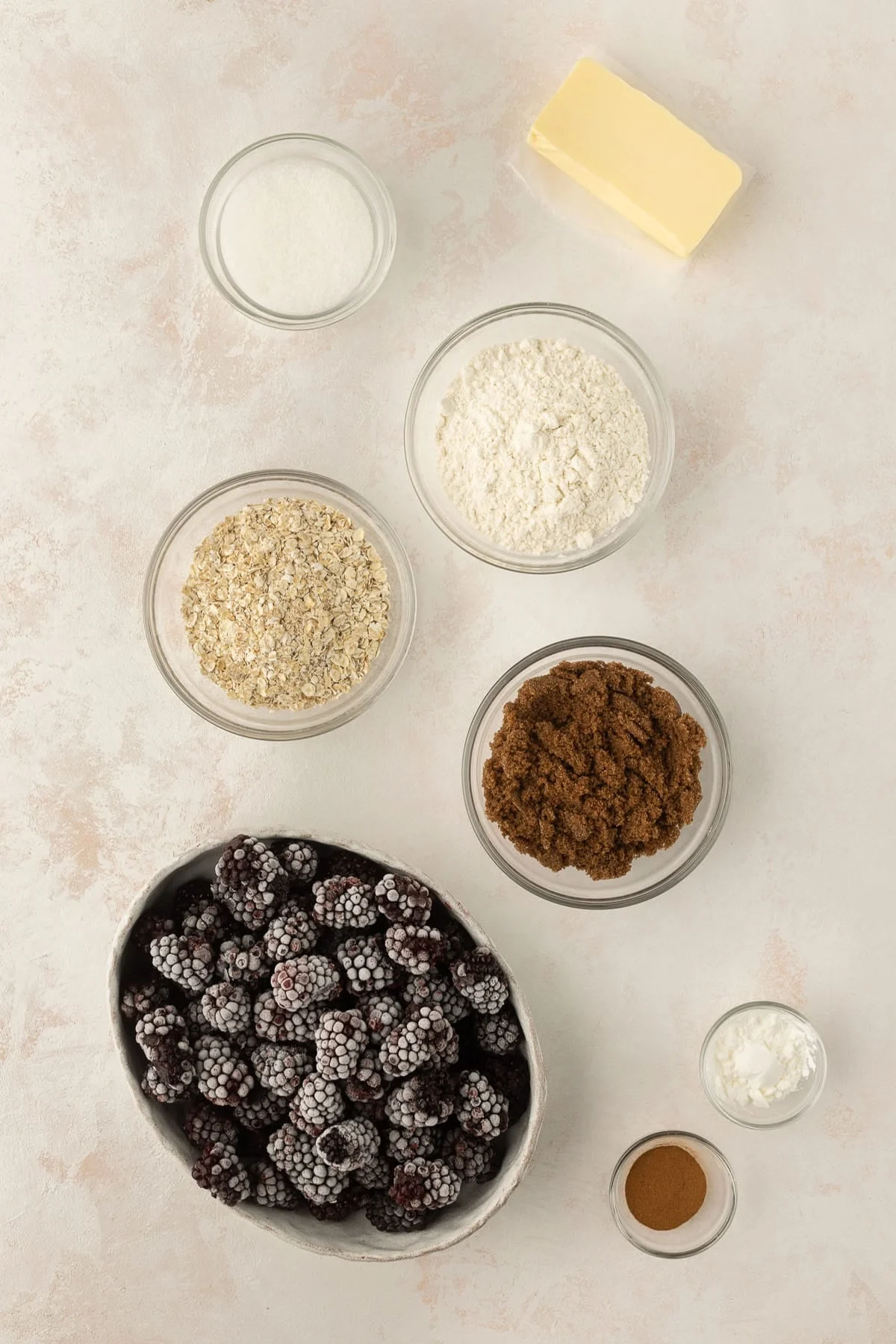
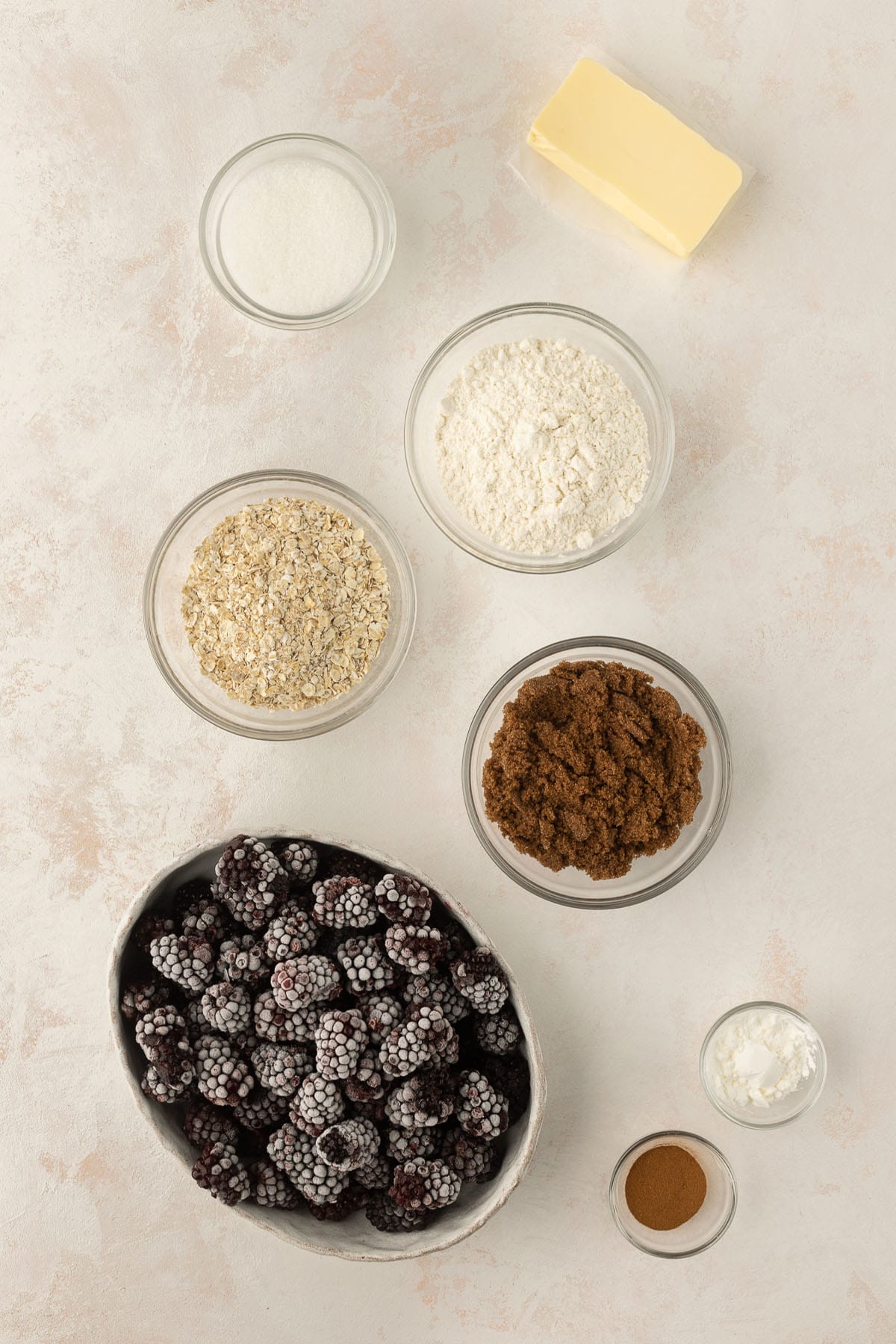
The structural integrity of a successful blackberry crisp relies on a precise balance of moisture, acidity, and thermal application. The process begins with the selection of the fruit. In contemporary culinary standards, approximately 24 ounces of blackberries are required to provide the necessary volume for a standard 9×13-inch baking vessel. While fresh berries are preferred for their structural firmness, frozen berries are frequently utilized, particularly during the off-season. Agricultural data suggests that frozen berries retain a high percentage of their nutritional value, though they release a higher volume of juice upon thawing, necessitating a robust thickening agent.
Chemical Composition and Thickening Agents
A critical component of the fruit base is the integration of a stabilizer, typically organic cornstarch or arrowroot powder. When combined with organic cane sugar, these starches undergo gelatinization during the baking process. As the internal temperature of the fruit reaches approximately 203°F (95°C), the starches absorb the natural juices released by the blackberries, creating a viscous, glossy sauce that prevents the dessert from becoming overly aqueous. This ensures that the sweet and tart flavor profile remains concentrated rather than diluted.
The Streusel Architecture
The "crisp" designation is derived from the topping, a mixture of all-purpose flour, brown sugar, ground cinnamon, and cold, unsalted butter. The use of cold butter is scientifically significant; by cutting the fat into the flour and sugar to create large crumbs, the baker ensures that the fat remains distinct within the mixture. Upon exposure to the oven’s heat, the water content in the butter evaporates, creating steam pockets that contribute to a flaky, aerated texture.
The addition of old-fashioned rolled oats is what distinguishes the crisp from a standard crumble. Unlike quick oats, which are pre-steamed and rolled thinner, old-fashioned oats maintain their fibrous structure under heat. This provides the "crunchy, buttery" topping that is considered the hallmark of the dish. The inclusion of cinnamon serves as a bridge between the earthy notes of the oats and the bright acidity of the berries.
Chronology of Preparation and Thermal Processing
The production of a blackberry crisp follows a standardized chronological sequence designed to optimize texture and flavor extraction.
- Thermal Priming: The oven is preheated to a consistent 350°F (175°C). This moderate temperature allows for the gradual breakdown of the fruit’s cellular walls while ensuring the topping reaches a golden-brown state without burning the sugars.
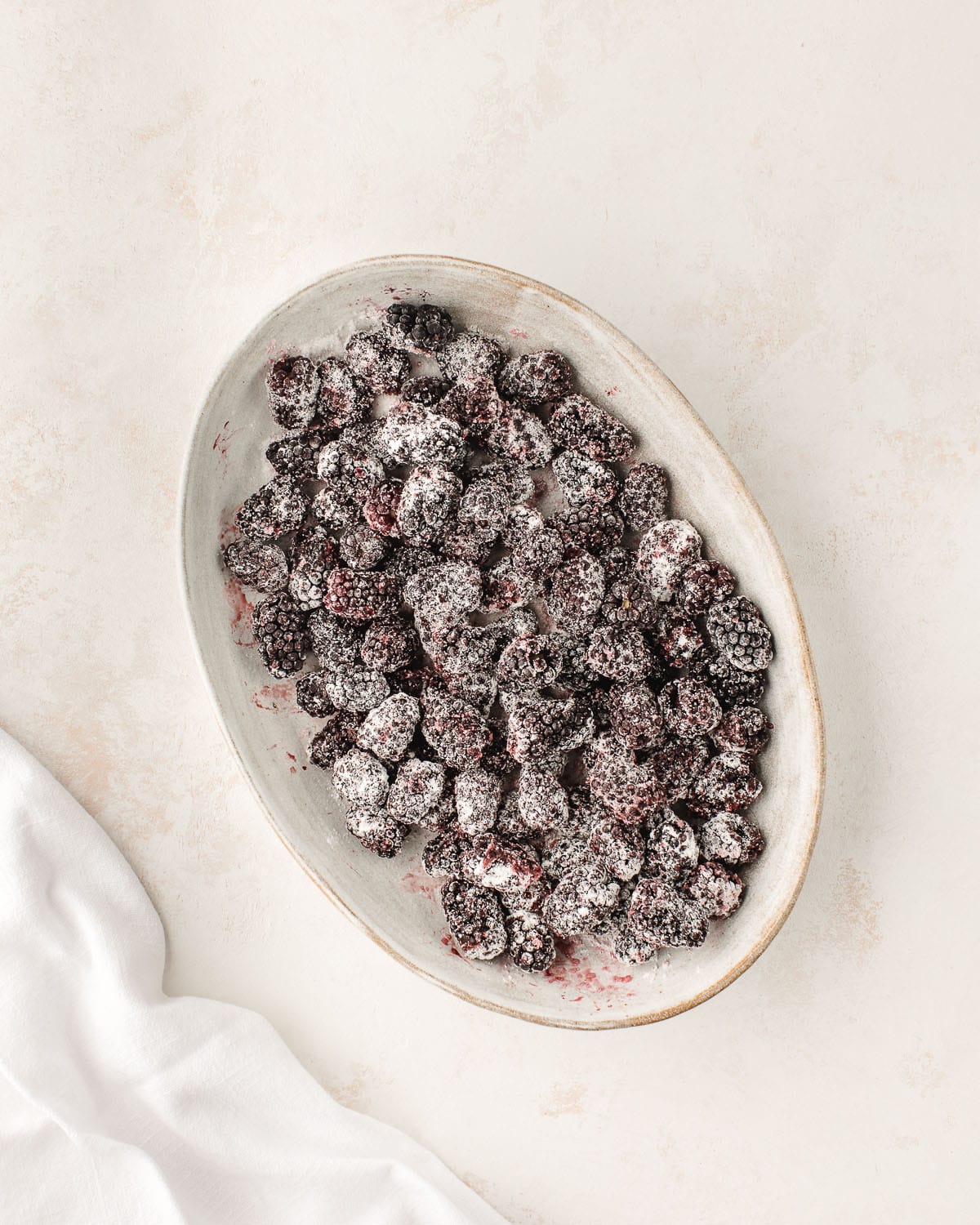
- Fruit Stabilization: The blackberries are placed in an ovenproof dish and tossed with cornstarch and sugar. This step is vital for ensuring even distribution of the thickening agent before the topping is applied.
- Topping Integration: The dry ingredients are combined with cold, cubed butter. Culinary professionals emphasize the use of fingertips to rub the butter into the mixture, a manual technique that prevents the over-development of gluten while achieving the desired crumb size.
- Assembly: The oat mixture is scattered evenly over the fruit base. Industry standards dictate that the topping should not be pressed down, as this would impede the circulation of hot air and result in a dense, rather than crisp, finish.
- Baking Duration: The dish is baked on the middle rack for approximately 35 minutes. This duration is sufficient for the fruit to bubble and the starches to set, while the Maillard reaction browns the topping.
- Stabilization Period: Post-baking, the crisp must cool for several minutes. This allows the juices to further thicken as the temperature drops slightly, ensuring the dessert holds its shape when served.
Comparative Analysis: Crisp vs. Cobbler
Within the lexicon of American desserts, the distinction between a crisp and a cobbler is often misunderstood by the general public. However, the differences are foundational to the eating experience. A cobbler features a "dropped" dough topping, resulting in a cake-like or biscuit-like texture. This creates a heavier, more substantial dessert that absorbs the fruit juices into the crumb.
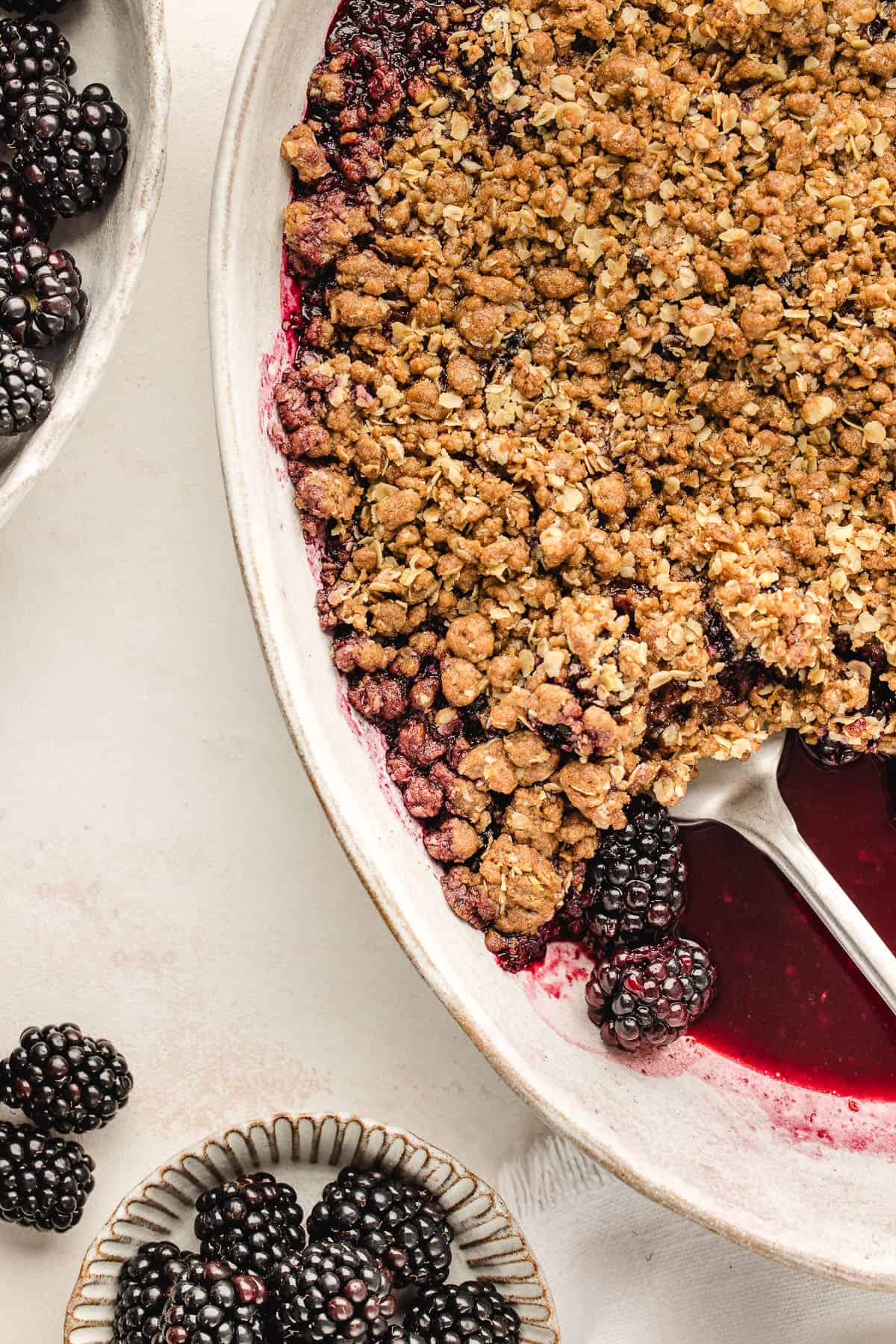
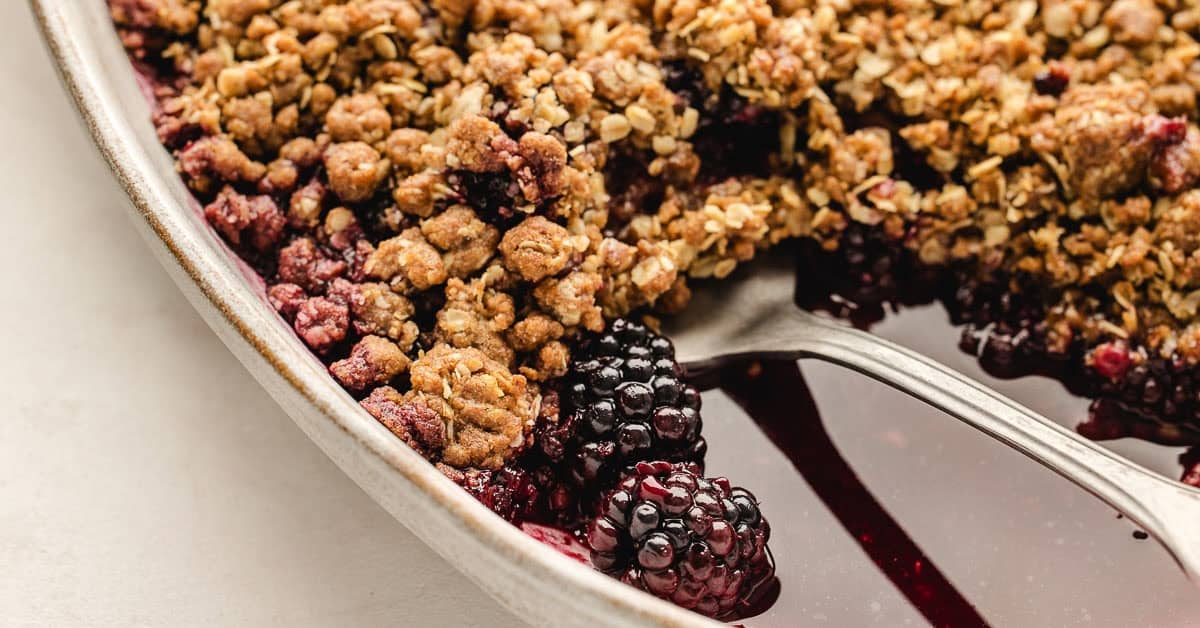
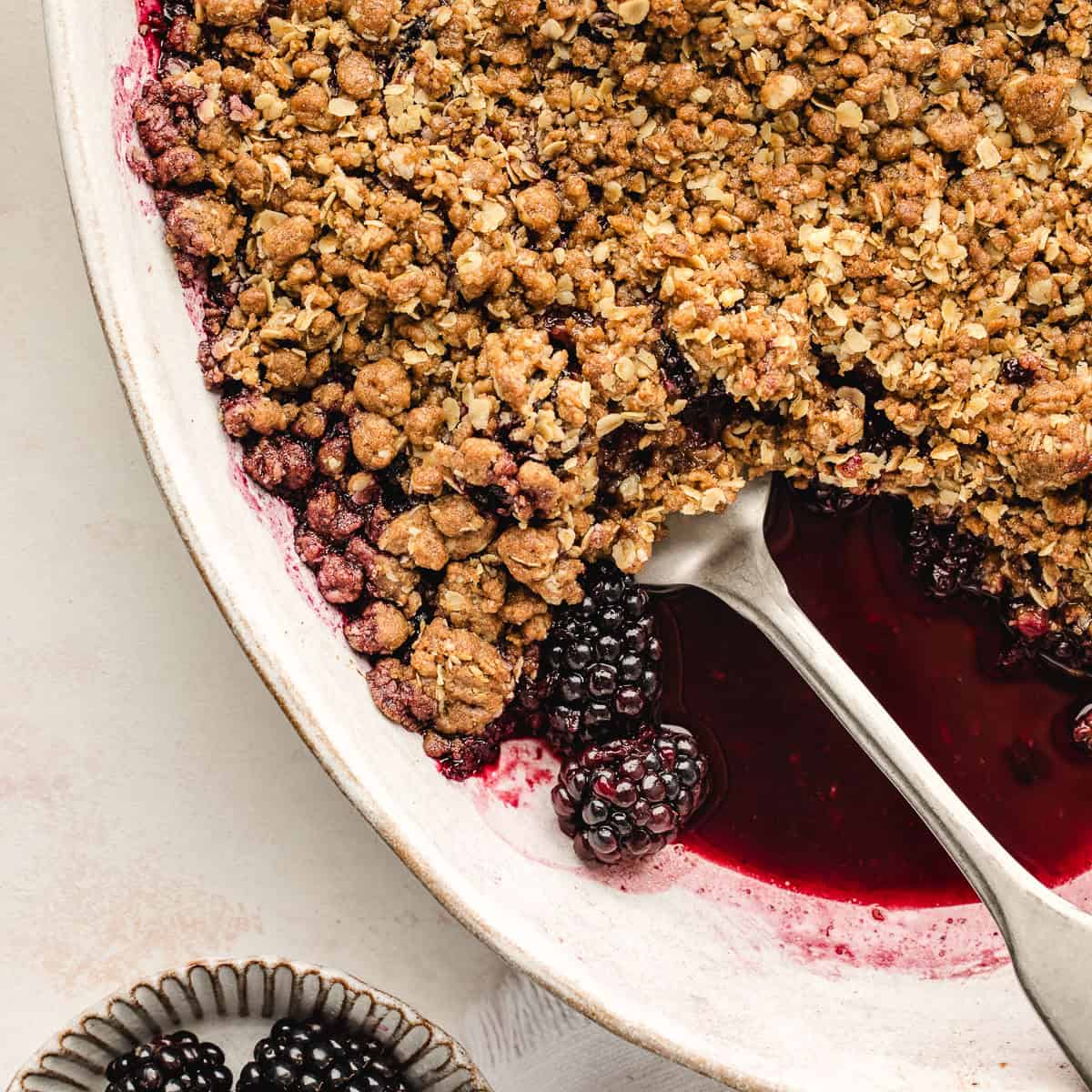
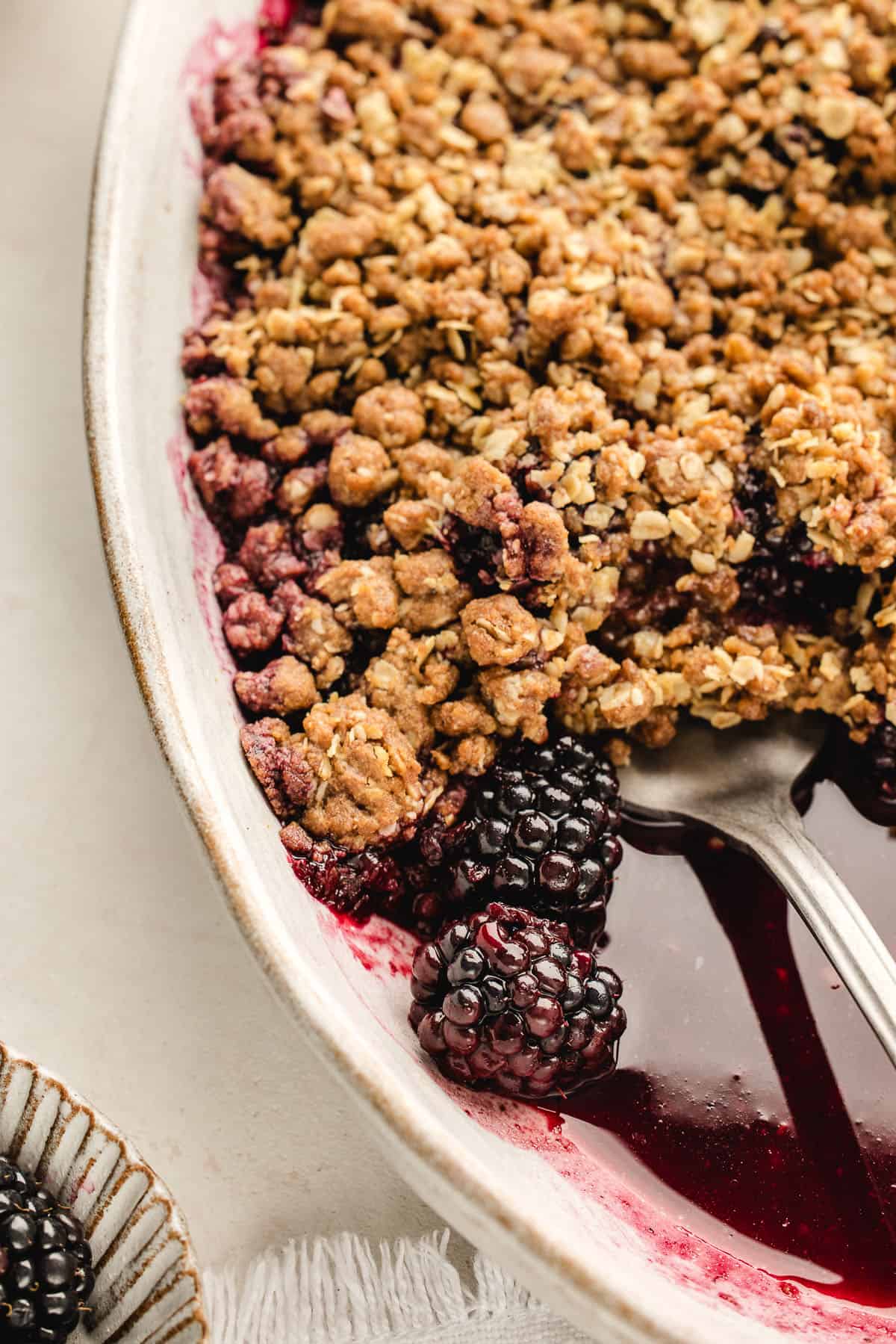
In contrast, the crisp focuses on textural duality. The goal is to maintain a sharp distinction between the soft, gooey fruit layer and the rigid, crunchy topping. This contrast is highly valued in sensory analysis, as it provides multiple points of engagement for the palate. The "lazy summer vibe" often associated with the crisp is, in part, a result of its lighter profile, making it suitable for consumption across various times of the day, including breakfast when paired with yogurt.
Agricultural Impact and Economic Trends
The blackberry industry has seen significant growth in recent years, driven by a consumer shift toward "superfoods" high in antioxidants and dietary fiber. According to agricultural reports, the demand for blackberries—both fresh and frozen—has influenced a rise in "u-pick" farming operations across the United States. These operations allow consumers to engage directly with the harvest, reinforcing the seasonal tradition of the blackberry crisp.
Furthermore, the versatility of the recipe allows for the substitution of other berries (such as raspberries or blueberries) as long as the weight ratio remains consistent. This adaptability makes the crisp a resilient menu item for both home cooks and commercial bakeries facing fluctuations in crop yields. The ability to use frozen fruit also extends the economic viability of the blackberry beyond the traditional July and August window, allowing for the production of "warming winter desserts" that utilize summer surpluses.
Storage, Preservation, and Food Safety
From a food safety and preservation perspective, the blackberry crisp is a relatively stable product. When stored in an airtight container under refrigeration (40°F or below), the dessert maintains its quality for four to five days. While the topping may lose some of its initial crispness due to moisture migration from the fruit, the flavor profile remains intact.
For long-term storage, the individual components—specifically the berries—can be flash-frozen. Industry experts recommend freezing berries in a single layer before transferring them to bags to prevent clumping. This preservation method ensures that the "sunshine sweet taste" of summer blackberries can be accessed year-round, providing a consistent supply for domestic and professional kitchens.
Broader Cultural Implications
The blackberry crisp represents more than a mere end-of-meal course; it is a symbol of the "Slow Food" movement and a rejection of the highly processed snack culture. The emphasis on "whole ingredients"—fresh fruit, oats, and butter—aligns with modern dietary trends favoring transparency and minimal processing.
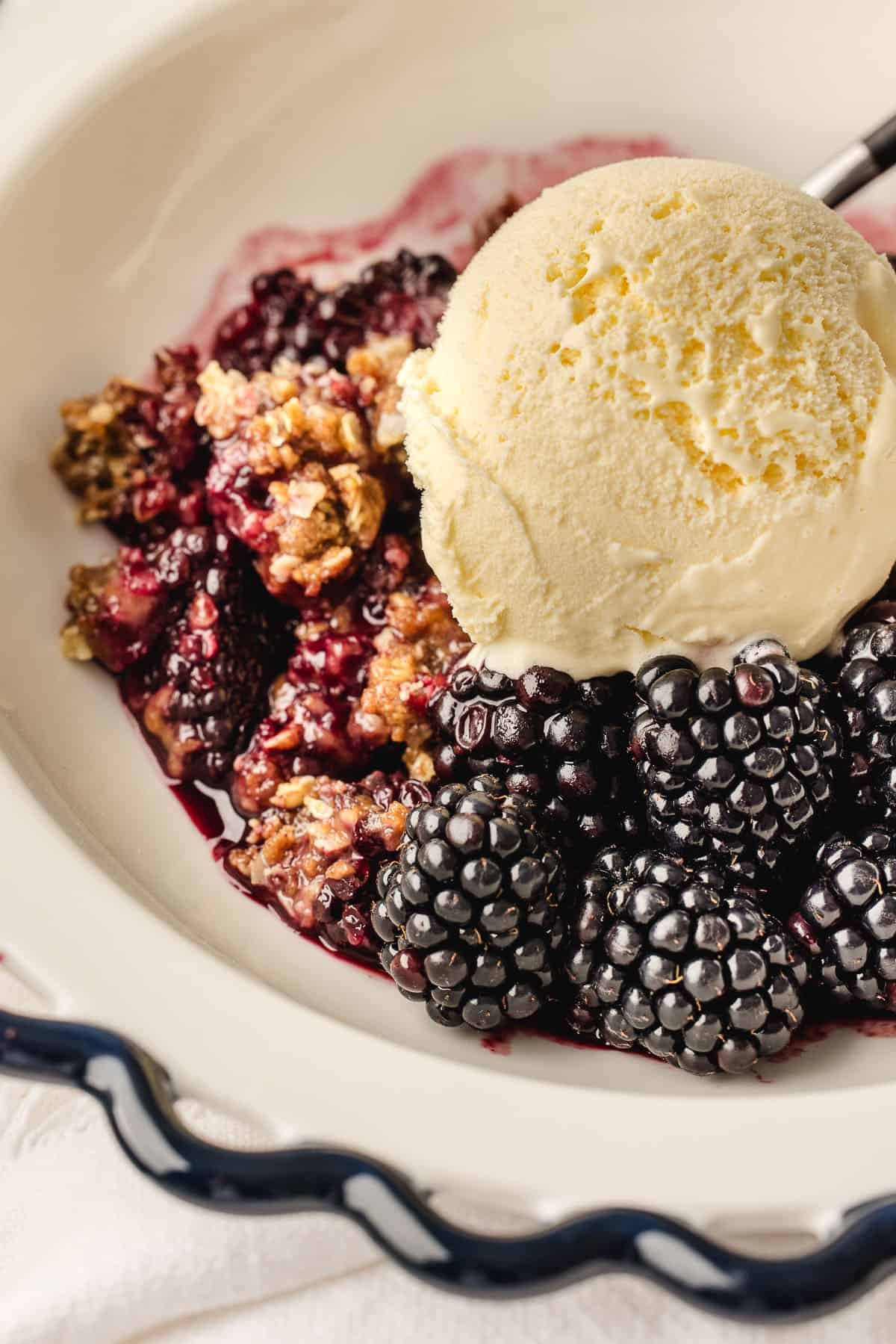
In a broader social context, the dessert is often associated with the relaxation of formal "food rules" during the summer months. The ability to serve the crisp warm with ice cream for a late-night dessert, or chilled for a mid-afternoon snack, reflects a seasonal shift in domestic rhythms. As a staple of summer gatherings, the blackberry crisp continues to facilitate social cohesion and the continuation of culinary heritage through shared recipes and communal foraging efforts.
In conclusion, the blackberry crisp is a masterclass in culinary balance. By combining the botanical richness of the summer harvest with a scientifically sound approach to baking, it remains a resilient and beloved component of the American diet. Whether served in a professional setting or a domestic kitchen, its enduring popularity is a testament to the timeless appeal of simple, high-quality ingredients prepared with care.


