
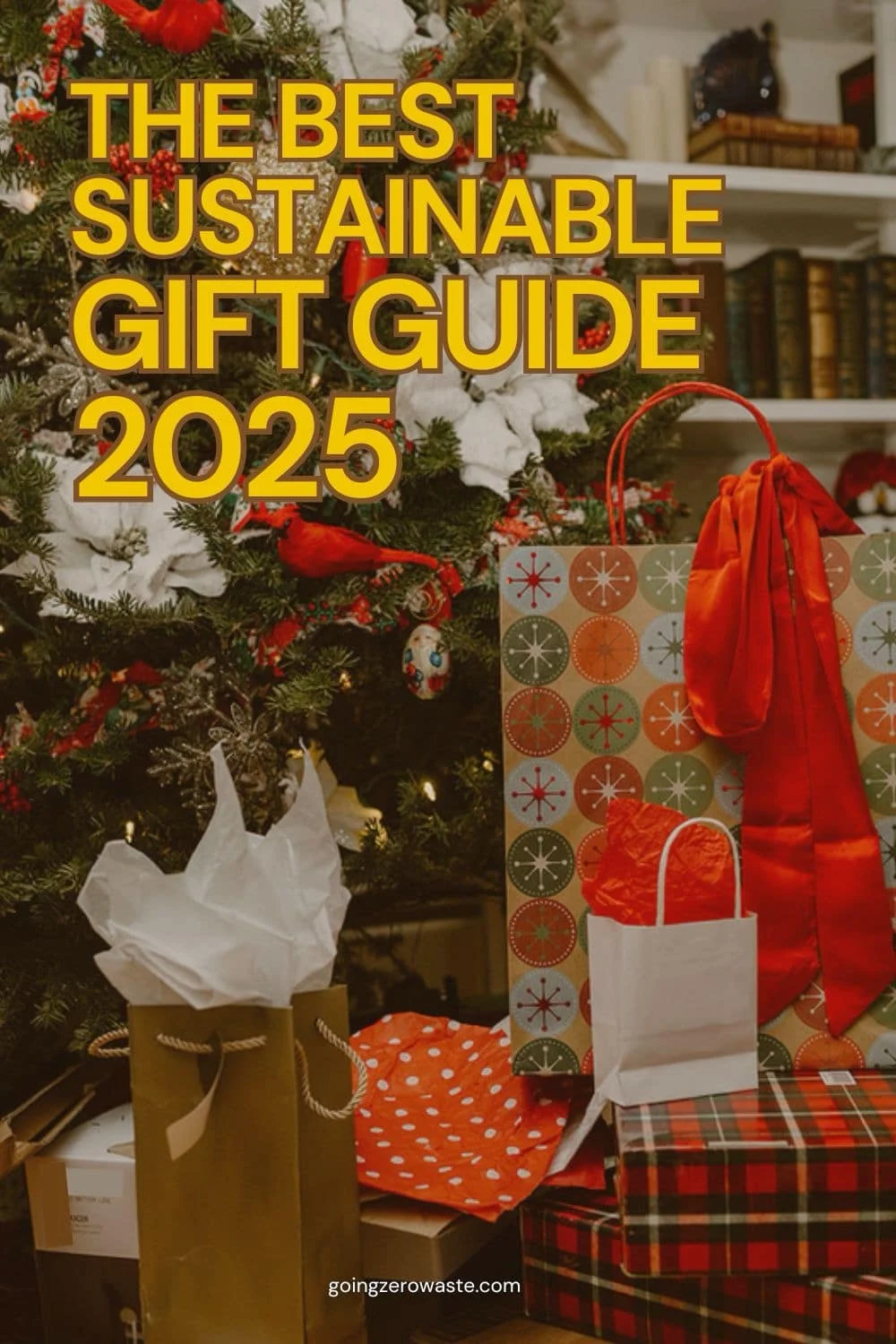
The practice of gift-giving, traditionally a cornerstone of holiday celebrations, has historically contributed to a massive surge in municipal solid waste. In the United States alone, household waste increases by approximately 25% between Thanksgiving and New Year’s Day, amounting to an additional one million tons of trash per week. This includes discarded packaging, non-recyclable wrapping paper, and low-quality plastic items that inevitably end up in landfills. The 2025 sustainable gift guide addresses this ecological challenge by curating a selection of products designed to reduce the carbon footprint of the holiday season while supporting small-scale artisans and ethical corporations.
The Economic and Environmental Context of 2025 Gifting
Market data from the early 2020s indicated a steady rise in "conscious consumerism," but 2025 represents a peak in this movement. According to recent retail analytics, over 60% of consumers now report that they are willing to pay more for products with sustainable packaging or ethical sourcing. This shift has forced major retailers to reconsider their inventory, but the most significant innovations continue to emerge from the niche "zero waste" sector.
The 2025 landscape is characterized by three primary pillars: carbon sequestration, waste elimination, and social equity. Gifts are no longer judged solely by their aesthetic or utility but by their entire lifecycle—from the extraction of raw materials to their eventual decomposition or recyclability. This holistic approach ensures that the act of giving does not come at the expense of the planet’s future resources.

A Chronology of the Sustainable Gifting Movement
The evolution of eco-friendly gifting has progressed through several distinct phases over the last decade. Understanding this timeline provides context for the sophisticated options available in 2025:

- 2015–2018: The Awareness Phase. Early adoption was driven by the "Zero Waste" movement on social media. Gifting focused on basic reusables, such as stainless steel straws and cotton tote bags.
- 2019–2022: The Certification Era. Consumers began looking for third-party validations, such as B-Corp certification, Global Organic Textile Standard (GOTS), and Fair Trade labels. The focus shifted to the ethics of the companies themselves.
- 2023–2024: The Circularity Boom. Brands began implementing "take-back" programs and designing products for easy repair. Upcycled materials became a luxury standard rather than a novelty.
- 2025: The Integrated Lifestyle. Sustainability is now a default expectation. The current guide reflects a market where high-performance technology, luxury textiles, and artisanal crafts are seamlessly integrated with environmental restorative practices.
Strategic Gift Categories for the Modern Environmentalist
To facilitate a more organized approach to sustainable shopping, the 2025 guide categorizes gifts based on the recipient’s lifestyle and needs, ensuring that each item serves a practical purpose while minimizing environmental impact.
Essential Swaps for the Budding Environmentalist
For individuals beginning their journey toward a zero-waste lifestyle, the most effective gifts are those that replace common single-use items. These "gateway" gifts provide an immediate reduction in daily waste production.

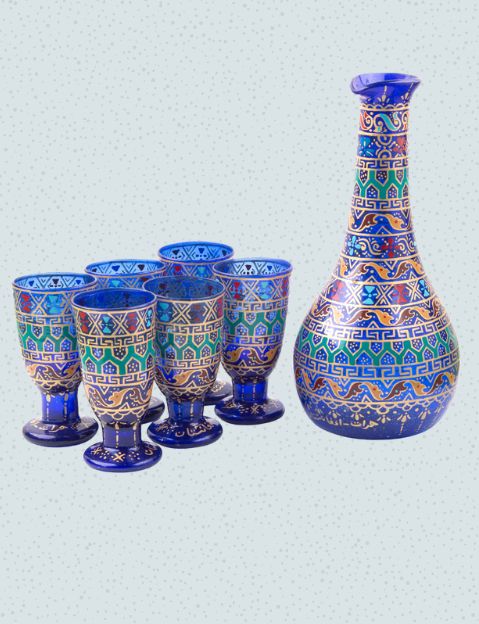
- Artisanal Glassware (Aseel Herati Glass): Hand-blown glassware from regions like Herat represents a fusion of cultural preservation and sustainability. By utilizing traditional techniques, these products support local economies and offer a durable, plastic-free alternative for the home.
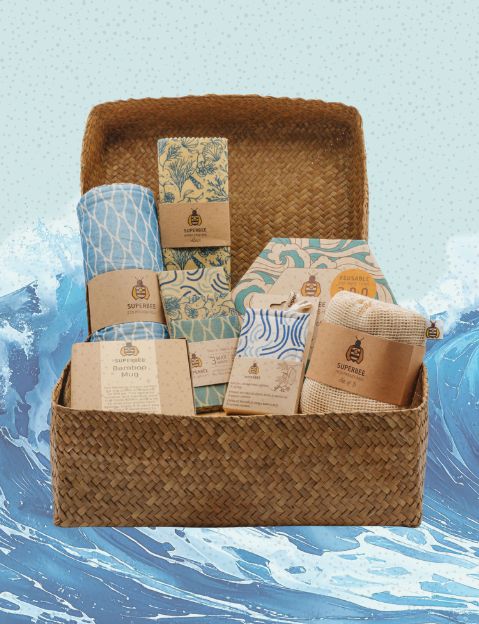
- Ocean Action Bundles (SuperBee): These sets typically include wax wraps and plastic-free kitchen tools. Brands like SuperBee have focused on "Ocean Action," where a portion of proceeds supports marine conservation, creating a dual-impact gift.
- Manual Brewing Systems (Pure Over French Press): The coffee industry is a major source of waste due to paper filters and plastic pods. All-glass or ceramic manual brewers eliminate the need for disposable filters, offering a waste-free ritual for the daily coffee consumer.
- Regenerative Forestry (Trees for a Change): Moving beyond physical goods, the gifting of a "grove of trees" provides a direct counter-measure to carbon emissions. These programs often provide the recipient with a certificate and the coordinates of the newly planted trees, emphasizing long-term ecological restoration.
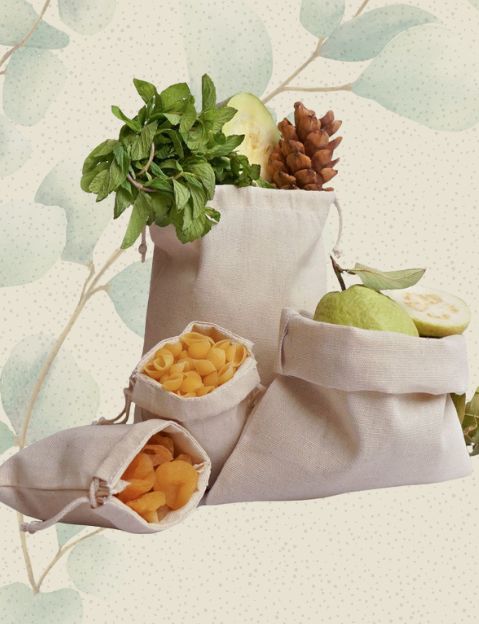
- Bulk Shopping Accessories (BigLotBags Muslin Bags): High-quality organic cotton muslin bags are essential for zero-waste grocery shopping, allowing consumers to bypass plastic produce bags.
Sustainable Textiles and Cozy Living
The "cozy living" sector has seen a revolution in 2025, with a focus on organic fibers and non-toxic dyes. Indoor environments are increasingly viewed through the lens of wellness, where the materials we touch daily—sheets, towels, and loungewear—must be free from harmful chemicals.

- Organic Cotton Bath Linens: Brands like Delilah Home have set a standard for GOTS-certified organic cotton, which uses significantly less water than conventional cotton and avoids synthetic pesticides.
- Ethical Loungewear and Basics: Companies such as Pact and Organic Basics have popularized the use of organic cotton and Tencel for everyday wear. Their 2025 collections emphasize "no-show" designs and high-durability knits to reduce the frequency of replacement.
- Regenerative Bedding: Linen, derived from the flax plant, is a standout material for 2025. Brands like Piglet in Bed utilize linen because it requires fewer resources to grow and is naturally biodegradable and temperature-regulating.
- Conscious Kitchenware: The Caraway tea kettle and similar non-toxic ceramic-coated items represent a shift away from "forever chemicals" (PFAS) commonly found in traditional non-stick cookware.
Low-Impact Gear for the Traveler
Sustainable travel in 2025 focuses on "leave no trace" principles, even in urban environments. This requires gear that is lightweight, durable, and free from plastic packaging.

- Upcycled Luggage: The Coalatree Quest duffle bag, often made from recycled plastic bottles or industrial scrap, demonstrates how waste can be diverted from landfills into high-performance travel gear.
- Solid Personal Care: Ecoroots shampoo bars and solid deodorants eliminate the need for plastic travel bottles and reduce the carbon emissions associated with transporting liquid products (which are mostly water).
- Precision Grooming: The Leafshave razor kit is a prime example of returning to classic, durable metal designs. By replacing disposable plastic razors with recyclable steel blades, users can prevent hundreds of pieces of plastic from entering the waste stream over a lifetime.
- Biodegradable First Aid: Patch travel kits utilize bamboo fibers and natural adhesives, offering a compostable alternative to traditional plastic bandages.
Industry Reactions and Expert Analysis
Industry analysts suggest that the 2025 holiday season will be a turning point for the retail sector. "We are seeing a move away from ‘greenwashing’ toward verifiable impact," states Dr. Aris Thorne, a senior analyst in sustainable supply chains. "Consumers are no longer satisfied with a ‘natural’ label. They are looking for carbon-neutral shipping, plastic-free packaging, and transparency regarding where their money is going."

Official statements from B-Corp certified entities emphasize that the holiday season is their most critical window for educating the public. Many ethical brands are now using their platforms to discourage "panic buying" and instead promote the "quality over quantity" mantra. This is reflected in the 2025 guide’s emphasis on items with lifetime warranties or those made from materials that improve with age.

Broader Implications of Sustainable Gifting
The implications of a widespread shift toward sustainable gifting extend far beyond the holiday season. By supporting ethical brands, consumers are essentially voting for a more equitable global economy. When a gift is purchased from a small business or a certified fair-trade organization, it ensures that workers are paid a living wage and work in safe conditions.

Furthermore, the environmental benefits are cumulative. The reduction in plastic waste, the support for organic farming, and the investment in carbon-offsetting programs contribute to global climate goals. As more people receive sustainable gifts, they are introduced to eco-friendly alternatives they might not have purchased for themselves, creating a ripple effect of behavioral change that persists long after the holiday decorations are put away.

In conclusion, the Sustainable Gift Guide 2025 serves as more than a shopping list; it is a blueprint for a more responsible way of celebrating. By choosing items that are hand-blown, organically grown, upcycled, or restorative, consumers can transform the holiday season from a period of peak waste into a celebration of innovation, preservation, and planetary care. The transition to a zero-waste holiday is not only possible but, through the curated selections of 2025, it is becoming the new standard for the modern, informed citizen.


