A new initiative designed to foster both culinary skill and community engagement, "The Community Canning Challenge," has been launched by the popular food preservation platform Food in Jars. This year-long program aims to re-energize participants in the art of home food preservation while simultaneously encouraging the development of robust in-person community connections. Breaking from previous formats, the 2024 challenge introduces a dual-track approach, presenting participants with one monthly topic focused on food preservation and another dedicated to community building.
Genesis and Evolution of a Community-Focused Culinary Movement
The Food in Jars platform, known for its extensive resources and recipes on home canning and preserving, has a history of engaging its audience through structured, long-term challenges. In prior years, the platform hosted "Mastery Challenges" that guided participants through a series of monthly food preservation topics, fostering a shared learning environment. These challenges garnered significant interest, demonstrating a growing public appetite for practical skills related to food self-sufficiency and sustainable living. The renewed enthusiasm for home food preservation can be attributed to several factors, including increased awareness of food waste, a desire for healthier eating habits, economic considerations, and a general trend towards rediscovering traditional skills. The COVID-19 pandemic, in particular, saw a surge in interest in home cooking and preservation as supply chains faced disruptions and individuals sought greater control over their food sources.
Building upon this foundation, the 2024 Community Canning Challenge represents an evolution, incorporating a crucial social dimension. The organizer’s stated goal is to move beyond individual skill development to cultivate broader community networks, acknowledging that shared knowledge and mutual support are integral to a resilient and sustainable lifestyle. This shift reflects a broader societal recognition of the importance of local connections and collective action in an increasingly globalized world.

The Dual Imperative: Preservation Skills and Community Bonds
At the core of the Community Canning Challenge is its innovative dual-topic structure. Each month, participants are presented with two distinct yet complementary objectives. The first topic delves into a specific aspect of food preservation, encompassing a wide array of techniques from traditional water bath canning and pressure canning to freezing, drying, and fermenting. These topics are designed to progressively build participants’ skill sets, encouraging them to experiment with different produce and methods throughout the year. For instance, January focuses on "Root Veg & Brassicas," aligning with seasonal availability, while May targets "Berries" and June explores "Jam," reflecting the progression of harvests.
The second, equally significant, aspect of the challenge is dedicated to fostering in-person community engagement. This track encourages participants to step beyond their kitchens and actively connect with their neighbors and local communities. Examples include "Share a jar" in January, prompting acts of culinary generosity; "Contribute to a community fridge or pantry" in March, addressing food insecurity; and "Host a swap" in September, facilitating resource sharing. These community-focused tasks are not merely supplementary but are intended to be integral to the overall challenge experience, transforming individual efforts into collective impact. The organizer emphasizes that participants have the flexibility to engage with one or both topics each month, allowing for varying levels of commitment and accommodating diverse lifestyles and seasonal contexts. The underlying philosophy is that the "pleasure is in the doing," highlighting the intrinsic rewards of participation over strict adherence to rules.
Operational Mechanics and Digital Integration for Widespread Engagement
To ensure accessibility and leverage established communication channels, the Community Canning Challenge will operate across three key digital platforms: the Food in Jars blog, the Food in Jars Facebook Community group, and the organizer’s Substack newsletter. This multi-platform approach is strategically designed to maximize reach and facilitate different modes of engagement without overcomplicating the logistical framework.
The Food in Jars blog will serve as a primary hub for announcing monthly challenges, providing introductory posts, rounding up relevant recipes, and offering general guidance. A few days after the initial announcement, the blog will also feature a new, fresh recipe specifically tailored to the month’s preservation theme. This ensures a consistent flow of valuable content for participants.
The Substack newsletter, titled "Food in Jars Fam," will play a crucial role in deeper discussions, check-ins, and the aggregation of collective experiences. Importantly, all challenge-related posts on Substack will be entirely free to read and comment on, removing any financial barrier to participation and encouraging broad engagement. This platform will be used for mid-month check-in posts, soliciting feedback around the 25th of each month, and reporting back on the collective insights and achievements of the community. This strategic use of Substack for non-recipe content is also driven by the organizer’s need to optimize blog traffic for Google algorithms, as the website is a primary source of income.
The Food in Jars Facebook Community group provides an interactive forum for real-time discussions, troubleshooting, sharing successes, and fostering direct connections among participants. This social media component is vital for building the "in-person communities" aspect, as online interactions can often pave the way for real-world meetups and collaborations. By utilizing these pre-existing and familiar platforms, the challenge aims to create a seamless and integrated experience for participants, minimizing technical hurdles and focusing instead on the core objectives of skill-building and community development.
A Detailed Monthly Chronology of Preservation and Connection
The annual challenge is meticulously structured across twelve months, with each offering a unique pairing of preservation and community themes:

- January: Root Veg & Brassicas / Share a Jar. Kicking off the year, this month focuses on hearty winter vegetables, promoting techniques for preserving produce like carrots, potatoes, cabbage, and kale. The community task encourages participants to prepare a preserved item and share it with a neighbor, friend, or family member, fostering goodwill and demonstrating the practical application of their skills.
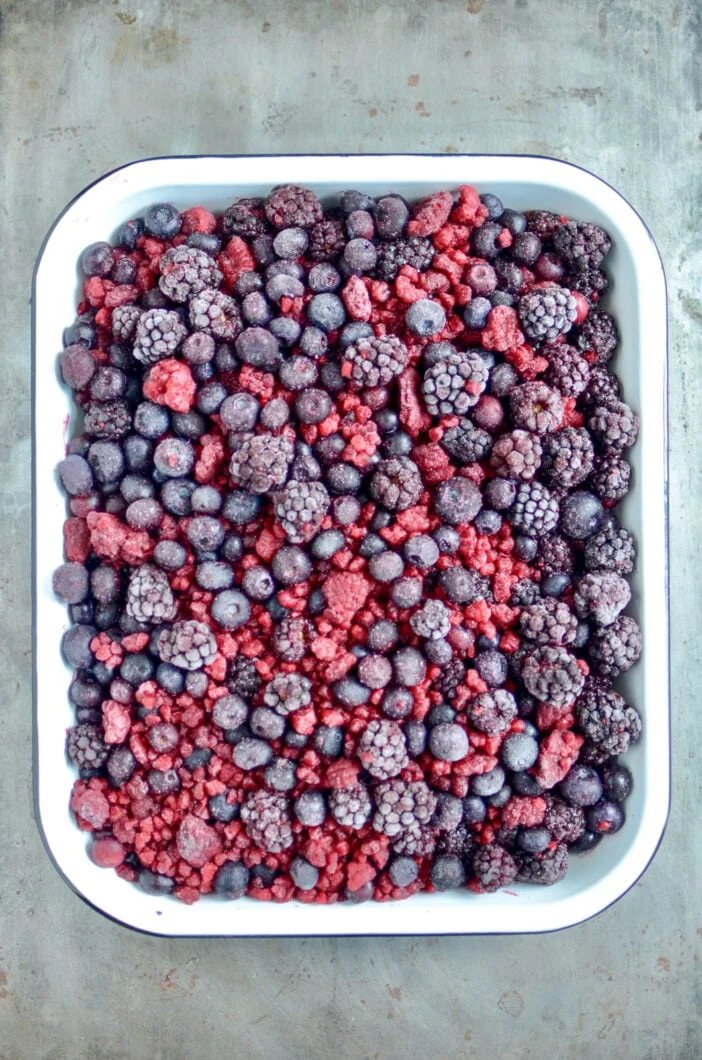
- February: Frozen Fruit / Freezer Excavation. As winter persists, the preservation theme shifts to maximizing the utility of frozen fruits, emphasizing methods for proper freezing and subsequent use in recipes. The community aspect, "Freezer Excavation," encourages participants to organize and utilize existing frozen stores, reducing potential food waste and promoting efficient resource management within their own homes.
- March: Make a Mix / Contribute to a Community Fridge or Pantry. This month challenges participants to create shelf-stable mixes, such as soup starters or muffin mixes, utilizing preserved ingredients. The community task involves donating preserved goods or other food items to local community fridges or food pantries, directly addressing local food insecurity and supporting vulnerable populations.
- April: Herbs and Alliums / Plant Something. With the arrival of spring, the focus shifts to preserving fresh herbs and alliums (onions, garlic). This might involve drying, freezing, or making herbal vinegars. The community task, "Plant Something," encourages gardening, whether a small herb pot or a vegetable patch, connecting participants to the source of their food.
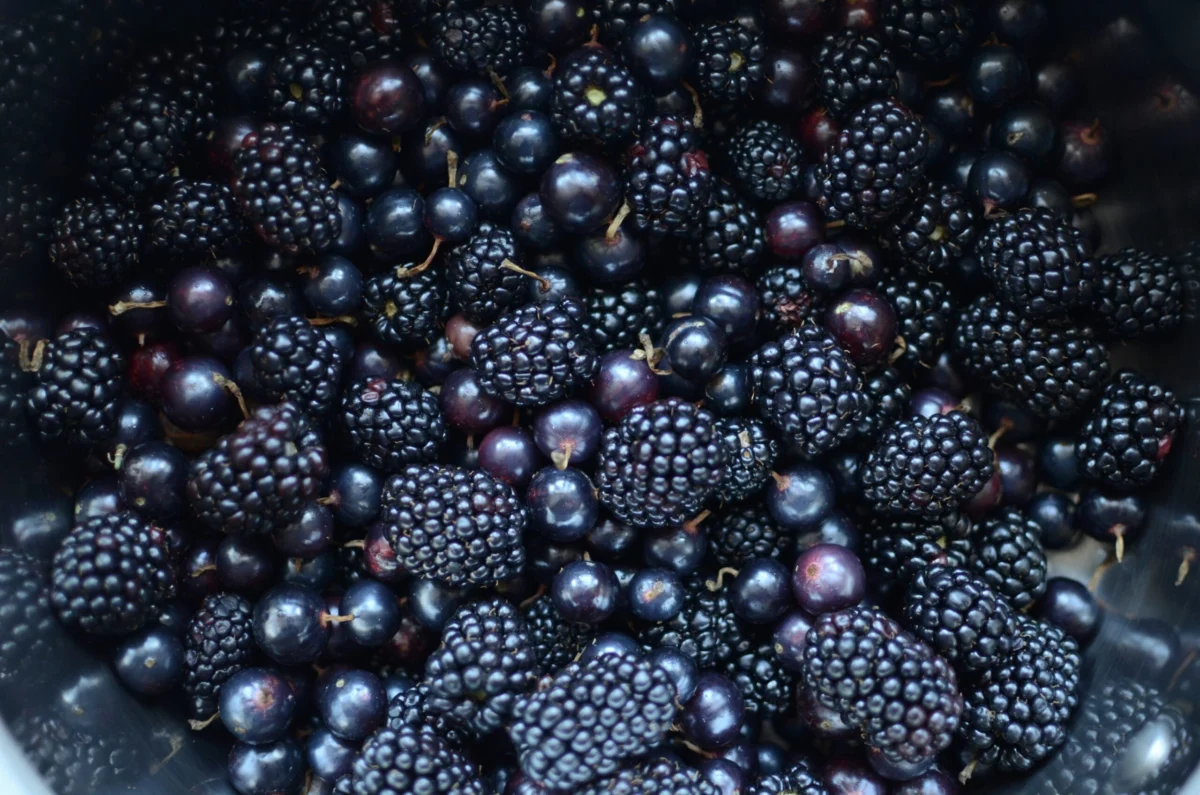
- May: Berries / Learn from a Friend. As berries come into season, preservation methods like jam-making, freezing, or canning whole berries are explored. The community challenge promotes knowledge exchange by encouraging participants to learn a new skill or recipe from a friend, fostering intergenerational or peer-to-peer learning.
- June: Jam / Attend a Potluck. This month is dedicated to the quintessential preserving art of jam-making, utilizing peak seasonal fruits. The community task, "Attend a Potluck," encourages social gathering and shared meals, providing an opportunity to bring a homemade preserved item and connect with others.
- July: Pickles (Quick, Processed, or Fermented) / Support a Local Farmer/Grower. The height of summer brings an abundance of vegetables perfect for pickling, encompassing quick pickles, water bath canned pickles, and fermented options. The community focus highlights supporting local agriculture through farmers’ markets, farm stands, or CSA subscriptions, strengthening local food systems.
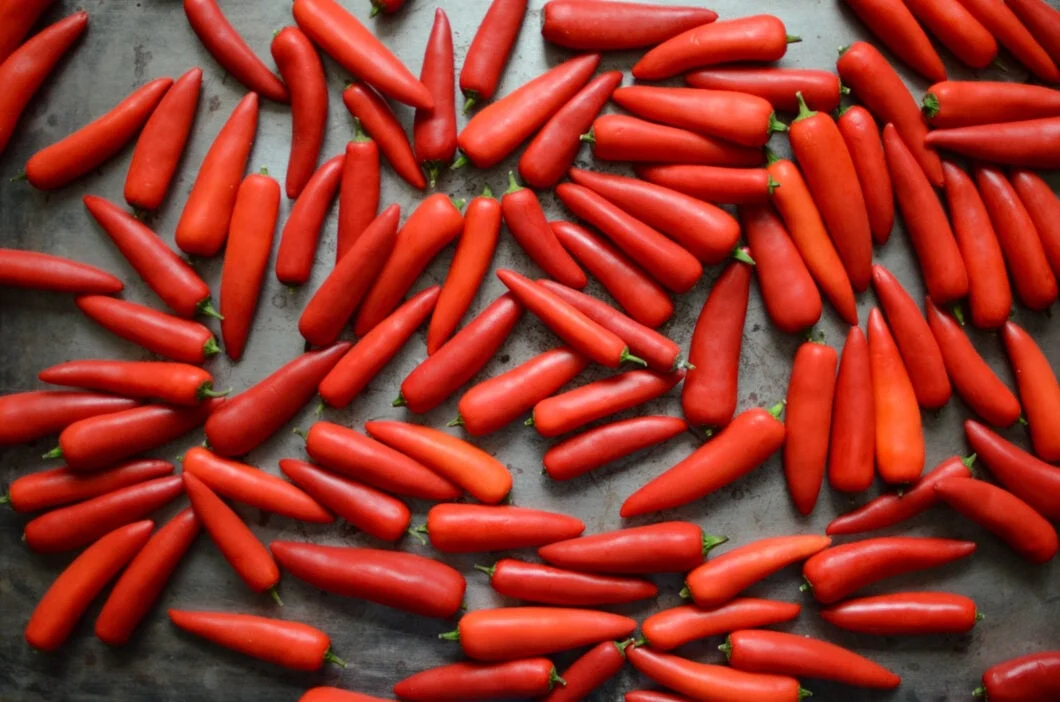
- August: Sauces (Apple, Chili, Tomato, Hot, etc.) / Gather or Glean. This month centers on creating various sauces from abundant summer produce, such as apple sauce, chili sauce, or tomato passata. The community task, "Gather or Glean," encourages participants to responsibly collect excess produce from gardens, orchards, or farms (with permission), reducing waste and utilizing available resources.
- September: Condiments (Ketchup, Relish, Mustard, etc.) / Host a Swap. As the harvest season continues, the challenge moves to crafting homemade condiments. The community aspect, "Host a Swap," promotes resourcefulness and connection by organizing an exchange of preserved goods, garden produce, or other household items with friends or neighbors.
- October: Drying and Dehydration / Share Your Knowledge. This month explores the ancient preservation method of drying, suitable for fruits, vegetables, and herbs. The community task, "Share Your Knowledge," encourages participants to teach a skill, offer advice, or demonstrate a preservation technique to someone else, perpetuating valuable traditions.
- November: Apples / Barter with a Friend or Neighbor. With apples in abundance, the focus is on diverse apple preservation methods beyond sauce, such as apple butter, dried apples, or canned pie filling. The community challenge, "Barter with a Friend or Neighbor," promotes a non-monetary exchange of goods or services, strengthening local economies and personal relationships.
- December: Use It Up! / Bake for Others. The final month encourages participants to creatively utilize their pantry of preserved goods, reducing waste and maximizing their year-long efforts. The community task, "Bake for Others," offers a festive way to share homemade treats, often incorporating preserved ingredients, spreading joy and strengthening holiday connections.
Expected Outcomes and Broader Societal Implications
The Community Canning Challenge is poised to deliver a multitude of benefits, extending beyond individual skill acquisition to broader societal implications. On an individual level, participants will gain practical food preservation skills, enhancing their self-reliance, promoting healthier eating habits through seasonal produce, and potentially reducing household food budgets. The act of preserving can also be a deeply satisfying and empowering experience, fostering a sense of accomplishment and connection to food.
From a community perspective, the challenge aims to combat social isolation and strengthen local networks. By encouraging activities like sharing, swapping, and learning from neighbors, it fosters a sense of mutual aid and collective well-being. This can lead to more resilient local food systems, where knowledge and resources are shared, and food waste is minimized. The focus on supporting local farmers and contributing to food pantries directly addresses critical issues of food security and agricultural sustainability. The program implicitly promotes environmental stewardship by advocating for reduced food waste, seasonal eating, and less reliance on industrially processed foods, thereby lessening carbon footprints associated with food production and distribution.
The organizer’s strategic decision to make all challenge content free on Substack underscores a commitment to inclusivity, ensuring that financial constraints do not hinder participation. This democratic approach aligns with the challenge’s broader goal of making valuable skills and community connections accessible to as wide an audience as possible. The initiative reflects a growing trend towards localized, sustainable, and community-driven approaches to food, offering a practical model for how individuals can contribute to a more connected and resilient society.
Participation and Engagement
Prospective participants are encouraged to officially register their interest via a provided Google Form. Furthermore, active engagement with the Substack newsletter and the Food in Jars Facebook Community group is essential, as these platforms will serve as the primary venues for interaction, discussion, and feedback throughout the year. With January already underway, the initial timeline is compressed, with an introductory post and recipe scheduled for immediate release, setting the stage for what promises to be an engaging and impactful year of preservation and community building. The initiative invites questions and comments, signaling an open and responsive approach from the organizer.