The Evolution of the Home Fermentation Market
The resurgence of home fermentation is rooted in a decades-long trajectory that began with the counterculture movements of the 1970s and accelerated during the "probiotic revolution" of the early 2010s. According to market analysis, the global fermented food and beverage market was valued at approximately $575 billion in 2022 and is projected to grow at a compound annual rate of over 5% through 2030. This growth is mirrored in the domestic sphere, where "homesteading" skills have transitioned from necessity to a form of culinary craft.
The COVID-19 pandemic served as a major catalyst for this industry, as lockdowns prompted millions of households to experiment with sourdough starters, kombucha, and lacto-fermented vegetables. Industry experts note that while the initial "panic-fermenting" phase has subsided, it has left behind a dedicated demographic of hobbyists who are now seeking professional-grade equipment to refine their techniques. Consequently, the holiday season represents a critical period for specialized retailers like Cultures for Health, Kombucha Kamp, and Masontops, as enthusiasts look to upgrade their setups from makeshift jars to precision-engineered fermentation vessels.
Essential Infrastructure for Vegetable Fermentation
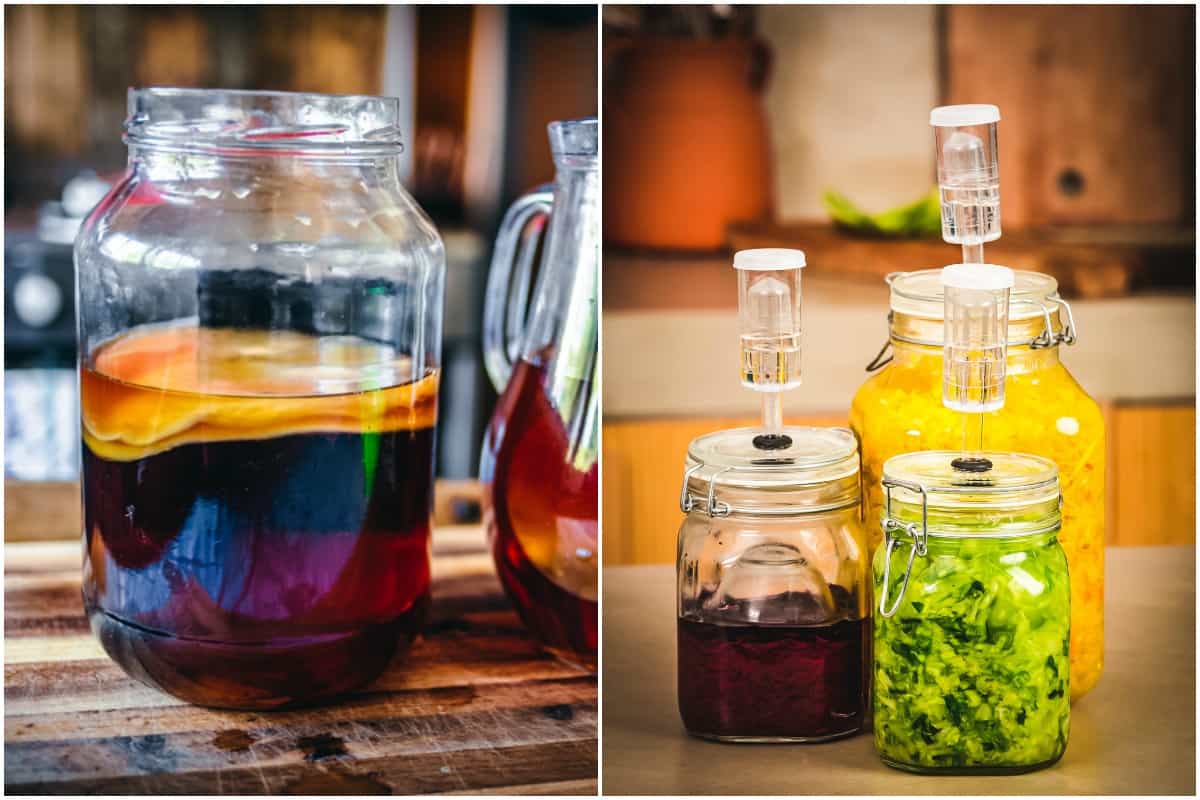
At the foundational level of the hobby lies vegetable fermentation, a process that relies on Lactobacillus bacteria to preserve produce through the creation of lactic acid. While the process is ancient, modern technology has introduced tools designed to minimize the risk of spoilage and mold, which are the primary hurdles for beginners.
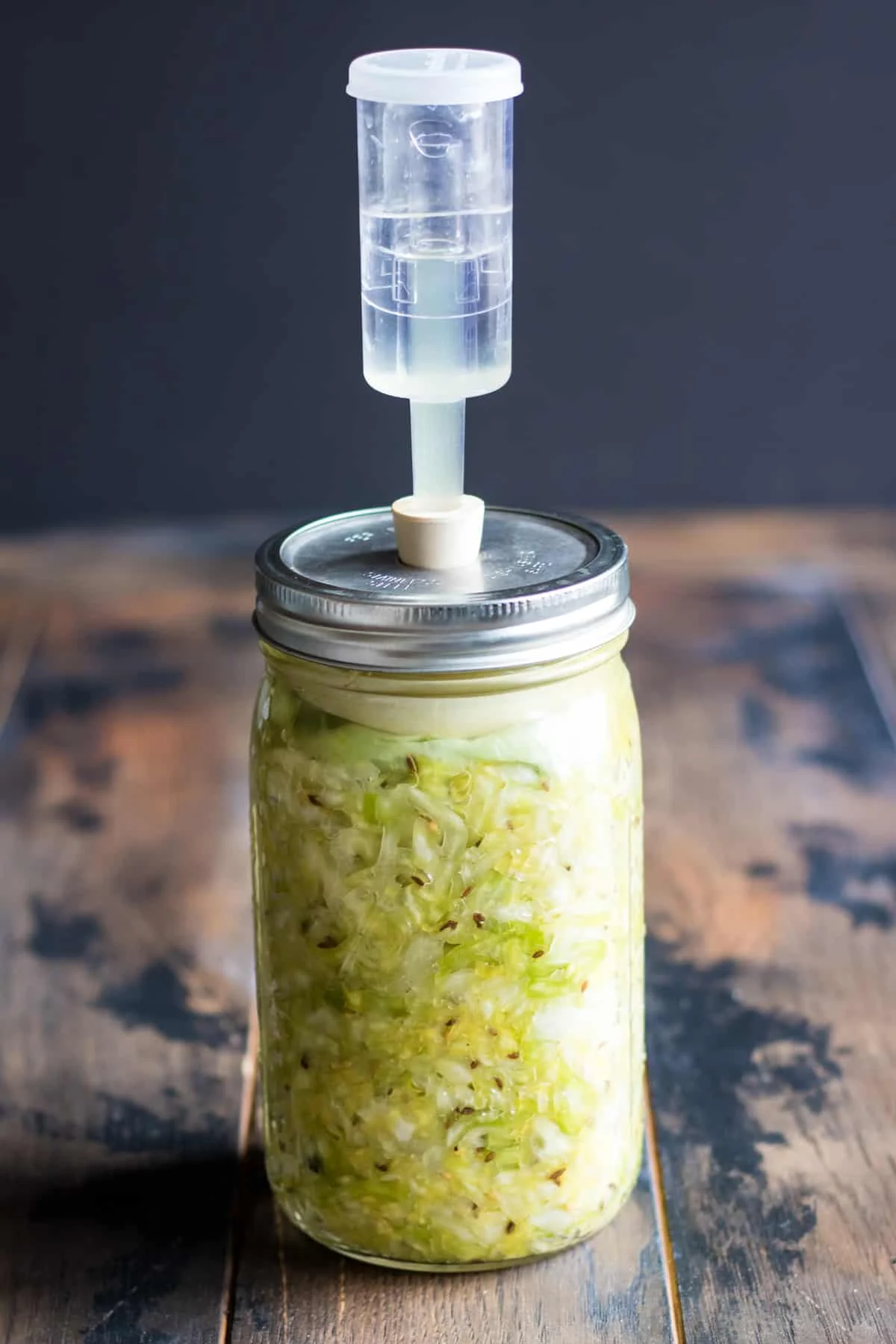
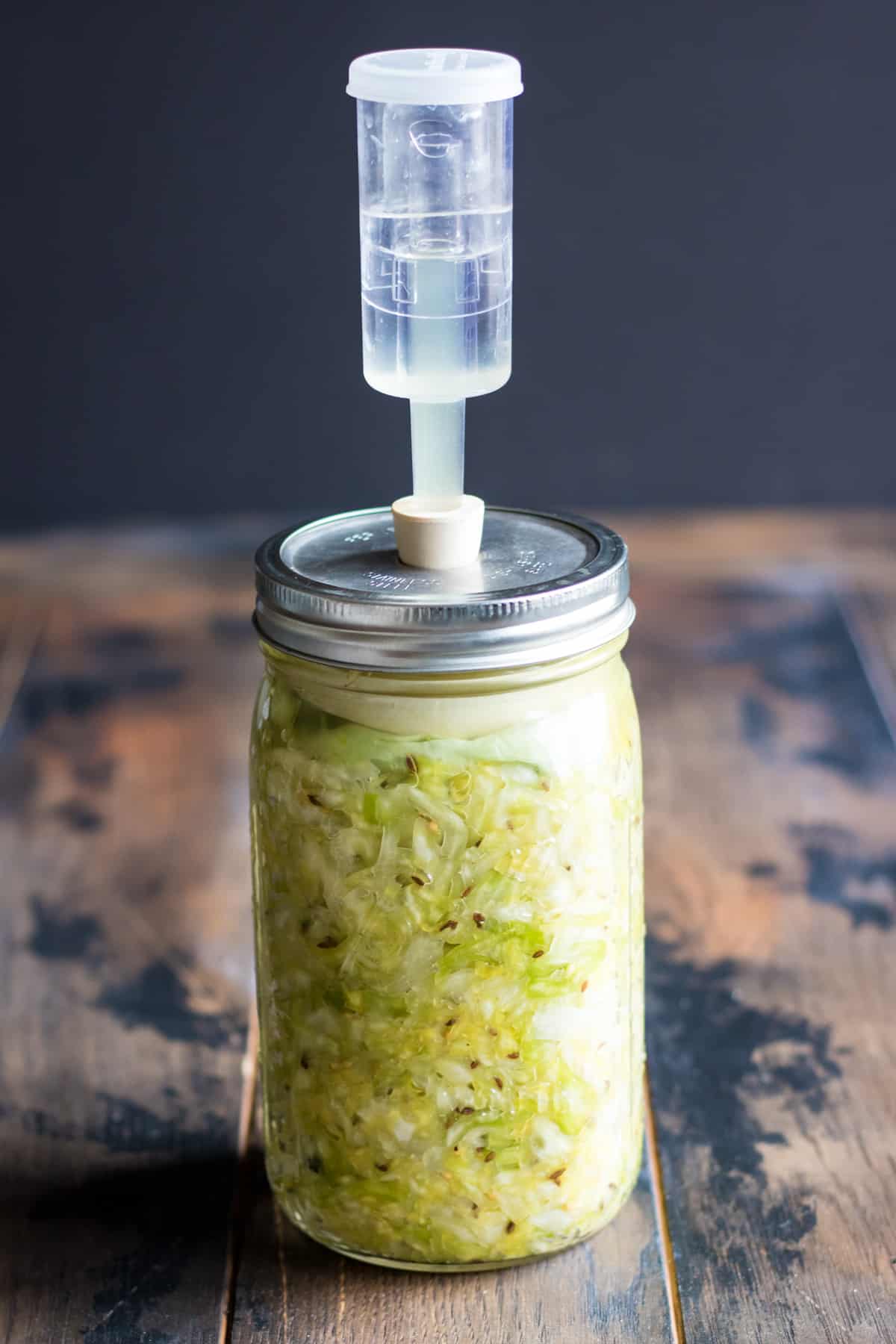
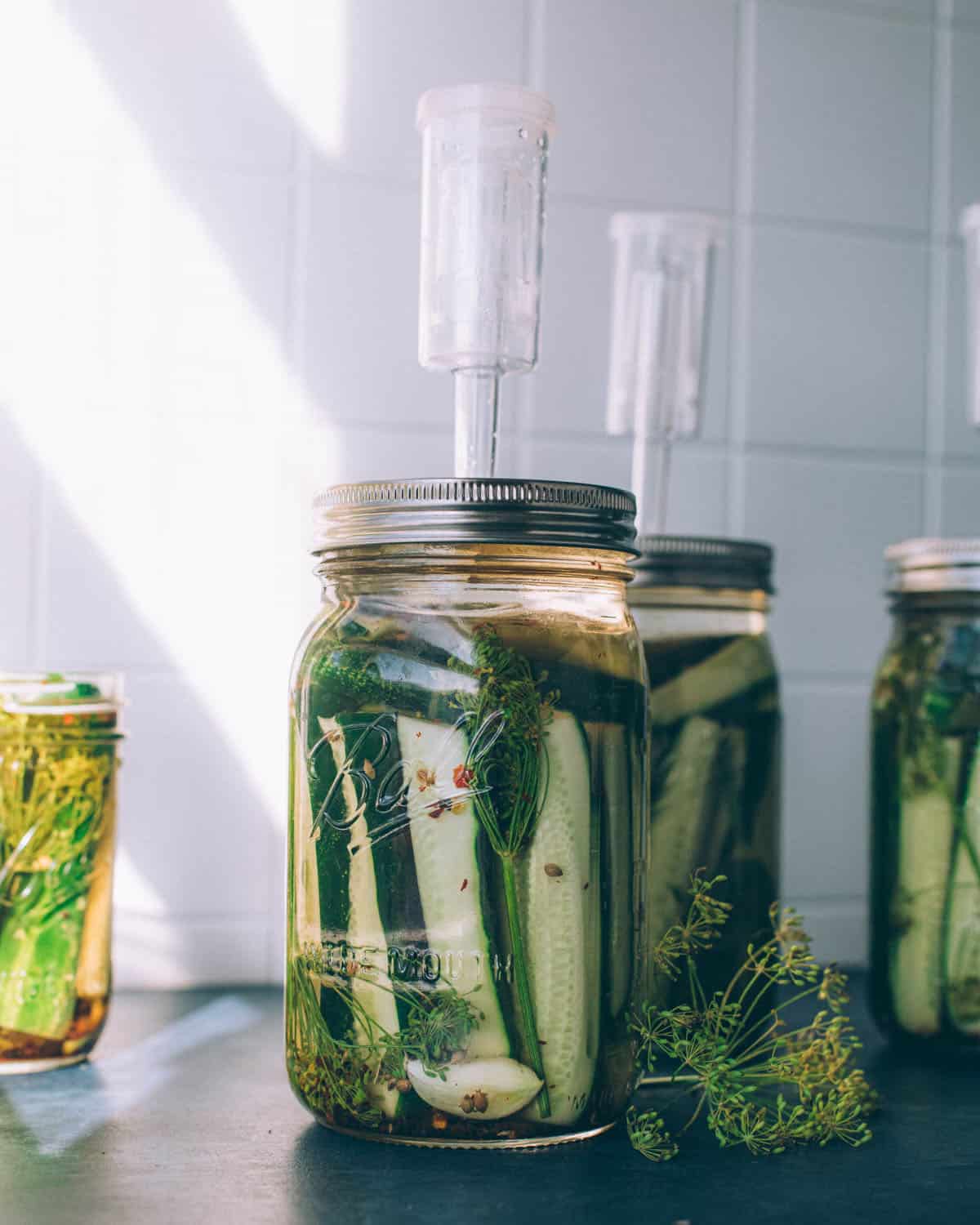
The transition from "open crock" fermentation to "closed system" fermentation is a significant trend in the 2024 gift market. Kits such as the Easy Fermenter system utilize specialized lids equipped with one-way waterless airlocks. These devices allow carbon dioxide to escape while preventing oxygen—and the aerobic molds it supports—from entering the vessel. Data suggests that beginners using airlock systems report a 40% higher success rate in their first year compared to those using traditional "burping" methods.
Supporting hardware for these systems includes:
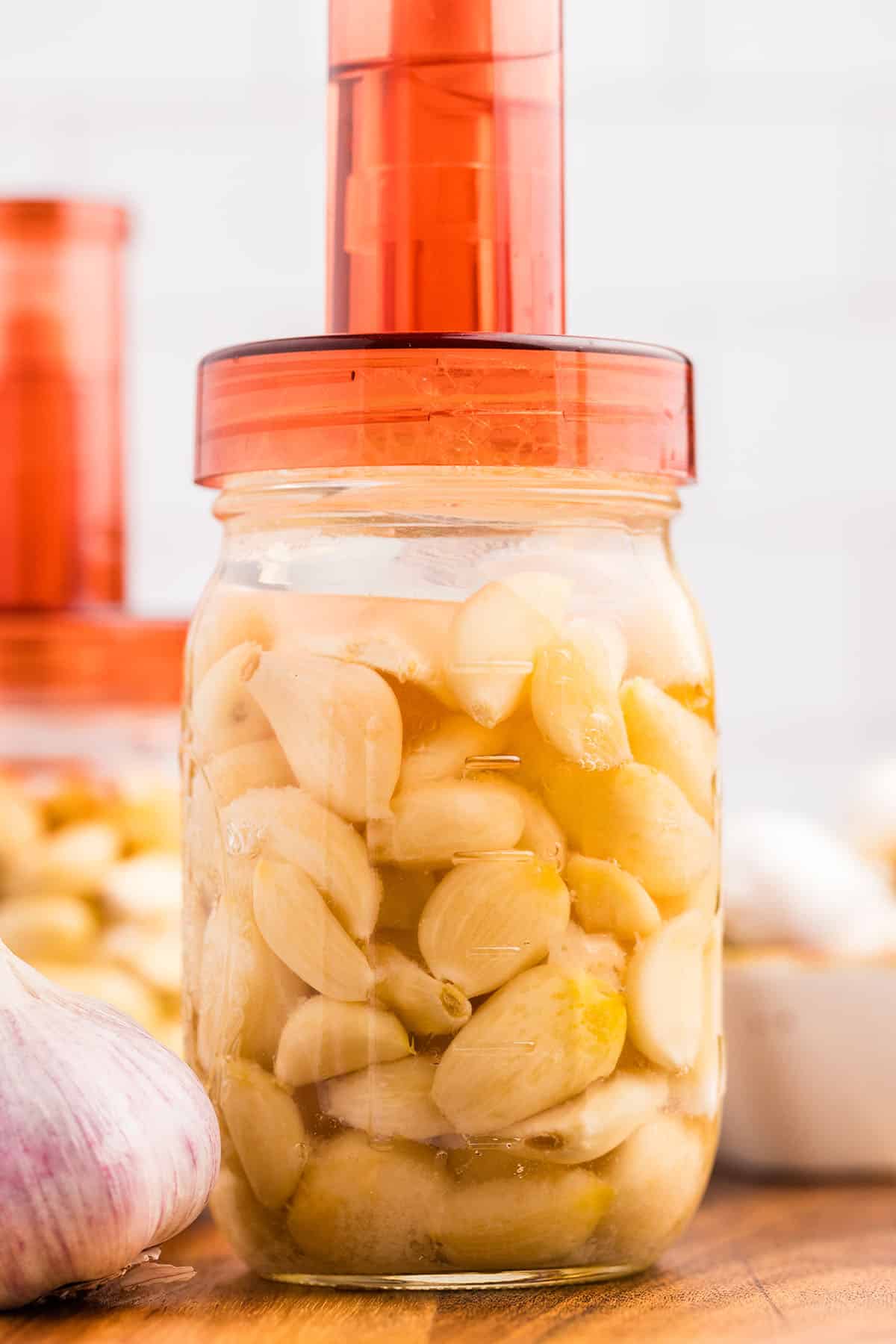
- Precision Weights: Glass or ceramic weights, such as those produced by Sienna Ceramics, are essential for keeping organic matter submerged beneath the brine, ensuring an anaerobic environment.
- Specialized Packing Tools: The "Pickle Packer," a blunt wooden dowel designed by Masontops, has become a staple for enthusiasts making sauerkraut or kimchi, as it allows for the efficient bruising of cabbage to release necessary juices without damaging the cellular structure of the vegetable.
- Large-Scale Ceramic Crocks: For seasoned fermenters, the three-gallon stoneware crock remains the gold standard. Manufacturers like Ohio Stoneware continue to see high demand for these heavy-duty vessels, which provide the thermal mass and volume required for large-batch seasonal preservation.
The Liquid Revolution: Trends in Probiotic Beverages
Kombucha, kefir, and jun represent the "liquid" side of the fermentation hobby, and their popularity is driven largely by the functional beverage trend. Market research indicates that the home-brewed kombucha segment is particularly robust among Millennials and Gen Z consumers, who prioritize low-sugar, probiotic-rich alternatives to commercial sodas.
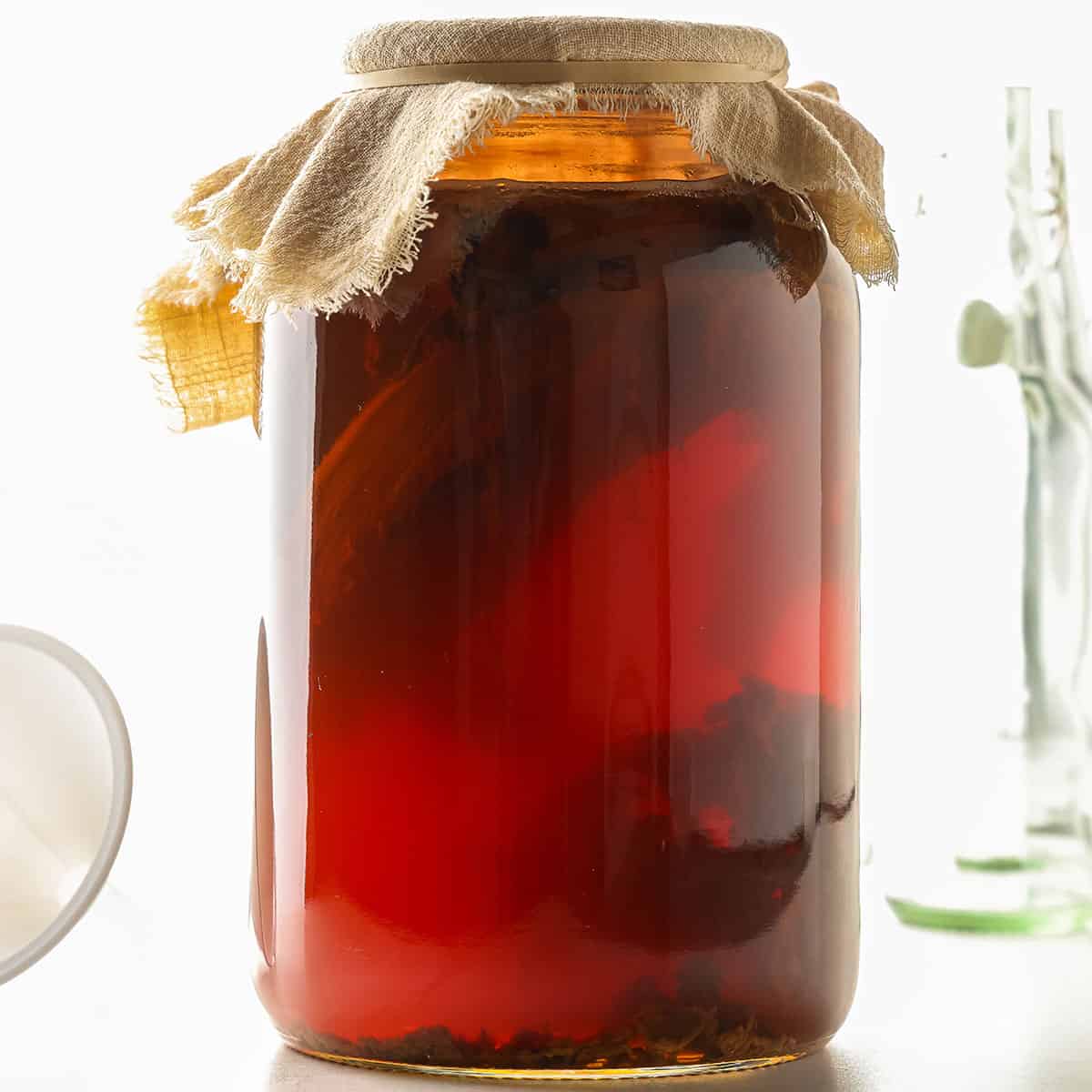
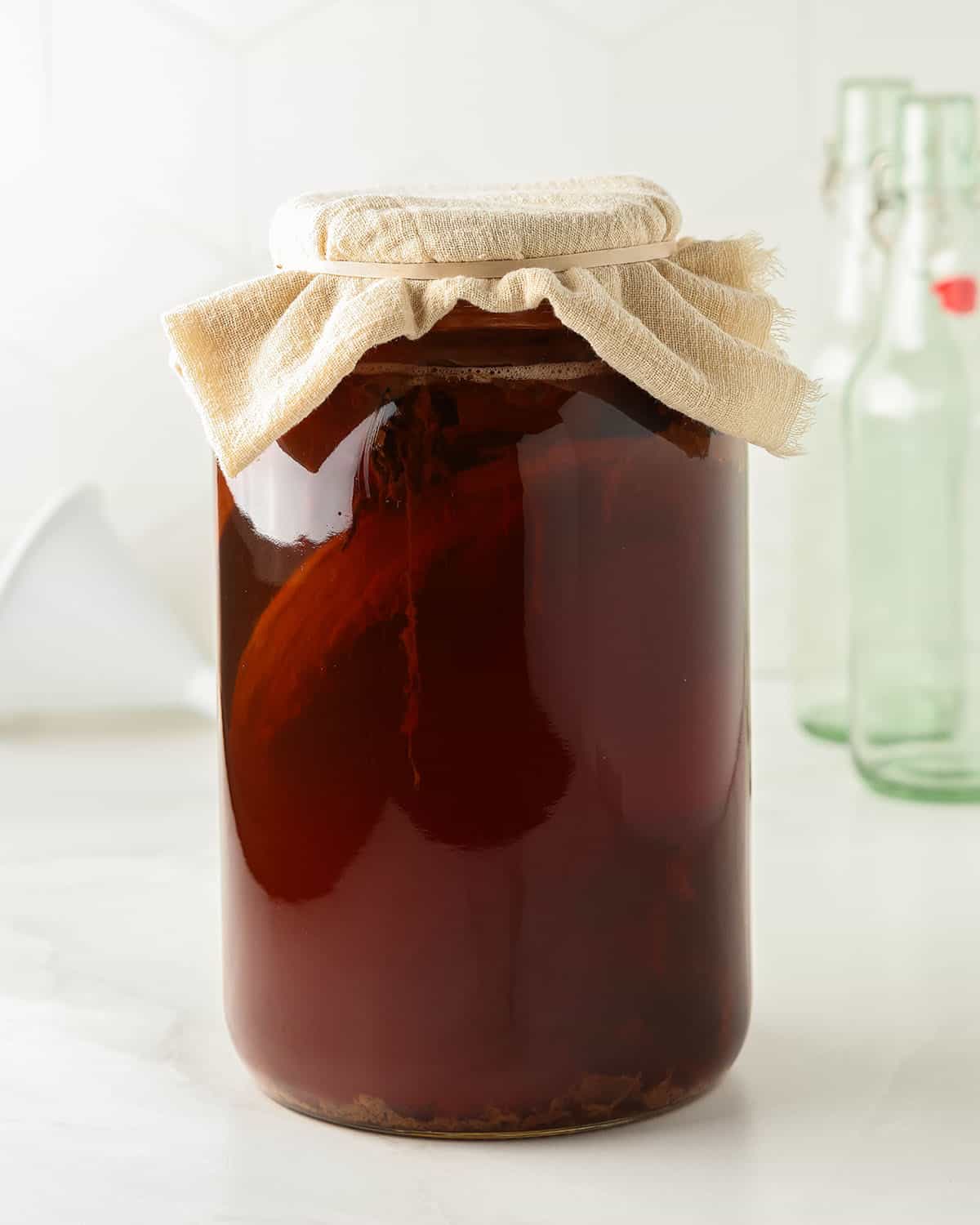
The entry point for this hobby usually involves a one-gallon glass brewing vessel and a SCOBY (Symbiotic Culture of Bacteria and Yeast). Industry leaders like The Kombucha Shop have popularized "all-in-one" starter kits, which include the culture, organic tea, pH strips, and temperature gauges. This "lab-in-a-box" approach has lowered the barrier to entry significantly.

Furthermore, the market for "Jun"—a cousin of kombucha brewed with green tea and honey instead of black tea and cane sugar—is expanding. Known as the "Champagne of Kombucha," Jun requires specific cultures that are increasingly sought after by experienced brewers looking for a more delicate flavor profile. Suppliers such as Kombucha Kamp have reported a steady uptick in Jun SCOBY sales, indicating a diversification of the home-brewing palate.
Homebrewing: Mead, Cider, and Artisanal Ales
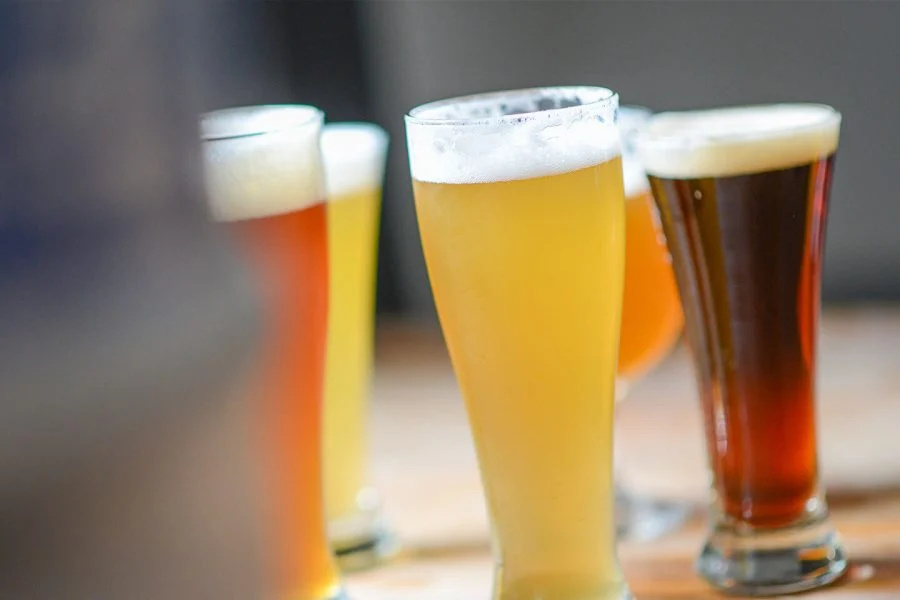
Beyond non-alcoholic ferments, the craft of homebrewing alcohol remains a dominant force in the hobbyist sector. Mead (honey wine) and hard cider have seen a particular resurgence due to their relatively simple equipment requirements compared to complex all-grain beer brewing.
A standard "starter" setup for these beverages typically involves:
- Fermentation Vessels: One-gallon glass carboys or jugs are the preferred starting point, allowing for experimental batches without the high cost of large-scale ingredients.
- Specialized Yeasts: The move away from generic bread yeast toward specific strains, such as Champagne yeast or wine yeast sample packs, allows brewers to control alcohol content and residual sweetness with greater precision.
- Sourcing Raw Ingredients: The demand for high-quality honey for mead production has created a symbiotic relationship between homebrewers and local apiaries. A three-pound jug of raw honey is now considered a premium "ingredient gift" within the community.
For those interested in the more technical aspects of beer, the market has shifted toward compact, high-efficiency kits that include brewing pots and pre-measured recipe packs. This "micro-brewing" approach caters to urban dwellers with limited space who still desire the complexity of traditional brewing.

The Role of Literature and Educational Resources
Despite the availability of digital tutorials, physical books remain the primary source of authority in the fermentation world. This is attributed to the "slow food" nature of the hobby, which encourages deep reading and meticulous record-keeping.
The literary landscape is dominated by Sandor Ellix Katz, whose works The Art of Fermentation and Wild Fermentation are considered the "bibles" of the movement. Katz’s focus on the cultural and biological history of fermentation has provided a philosophical framework for the hobby that resonates with modern consumers seeking a deeper connection to their food.
Other influential texts that have shaped the 2024 market include:
- Fermented Vegetables by Kirsten and Christopher Shockey: This text is praised for its innovative recipes that move beyond basic krauts into spicy fermented sauces and pastes.
- The Big Book of Kombucha by Hannah Crum: This serves as a technical manual for large-scale and continuous brew systems.
- Fermenting Made Simple by Emillie Parrish: A newer entry that caters to the "busy professional" demographic, focusing on low-maintenance ferments.
Impact and Implications of the Fermentation Trend
The broader implications of the fermentation movement extend beyond individual kitchens. There is a clear economic impact on the glass manufacturing and specialty food sectors. Companies like Ball and Kerr have seen sustained demand for wide-mouth jars, while the "flip-top" amber bottle market has grown due to its necessity in the "second fermentation" phase of kombucha and cider, where carbonation is naturally trapped.
From a health perspective, the rise of home fermentation is a grassroots response to the industrialization of the food supply. By controlling the fermentation process, consumers are able to avoid the pasteurization and preservatives found in many commercial "probiotic" products, which often kill the live cultures before they reach the consumer.
Furthermore, the "gift of fermentation" often carries a social component. The sharing of SCOBYs, sourdough starters, and kefir grains creates informal "culture communities." This social aspect is a powerful driver of the holiday market, as many gifts are intended to initiate friends and family into these communal sharing networks.

As the 2024 holiday season progresses, the data suggests that the "fermenter" is no longer a fringe character but a central figure in the modern culinary landscape. The tools and resources outlined in this guide represent more than just hobbyist equipment; they are the instruments of a broader cultural return to artisanal, biologically active, and sustainable food systems. Whether through a high-end ceramic crock or a simple book on wild yeast, these gifts reflect a growing societal investment in health, tradition, and the science of the microscopic world.