

Planned obsolescence, a manufacturing strategy where products are intentionally designed with a limited functional lifespan or an artificially short aesthetic relevance, has evolved from a niche industrial tactic into a cornerstone of the modern global economy. While consumers often experience this phenomenon as a frustrating technical failure—such as a smartphone battery that degrades after two years or a washing machine that becomes unrepairable due to a lack of spare parts—it is a systematic approach designed to ensure cyclical consumption. By guaranteeing that products will eventually fail or appear outdated, manufacturers secure a continuous stream of revenue, though often at a significant cost to both the consumer’s wallet and the global environment.
The Economic Logic of Systematic Failure
The primary driver behind planned obsolescence is the pursuit of perpetual profit growth. In a perfectly efficient market where goods are built to last decades, the replacement market shrinks, leading to stagnation for manufacturers. To counter this, companies integrate "death dates" into their product designs. This can manifest in several ways: technical obsolescence, where a component is designed to fail; systemic obsolescence, where software updates render older hardware sluggish or incompatible; and psychological or style obsolescence, where marketing convinces consumers that their perfectly functional items are socially "out of date."

The economic impact on households is substantial. According to various consumer advocacy reports, the average household spends thousands of dollars annually replacing items that could have lasted longer with better engineering or modular designs. Furthermore, the environmental toll is staggering. The Global E-waste Monitor reported that the world generated 62 million metric tonnes of electronic waste in 2022, a figure that is rising five times faster than documented e-waste recycling.
A Chronology of Engineered Durability Degradation
The history of planned obsolescence is not a modern accident but a documented industrial strategy dating back a century.
1924: The Phoebus Cartel
The most cited origin of planned obsolescence is the Phoebus Cartel, an agreement between major lightbulb manufacturers including Osram, General Electric, and Associated Electrical Industries. Before 1924, lightbulbs had a life expectancy of roughly 2,500 hours. The cartel members colluded to artificially limit the lifespan of bulbs to 1,000 hours, imposing fines on members who produced more durable products. This ensured consumers had to purchase bulbs 2.5 times more frequently.

1932: Bernard London’s Proposal
During the Great Depression, real estate broker Bernard London proposed "Ending the Depression Through Planned Obsolescence." His pamphlet suggested that the government should impose a legal expiration date on consumer goods to stimulate spending and create jobs. While his mandatory proposal was never enacted, the philosophy took root in the private sector.
1954: Brooks Stevens and the "Desire" to Own
Industrial designer Brooks Stevens popularized the term in a speech at an advertising conference. He defined it not as building a "shoddy" product, but as "instilling in the buyer the desire to own something a little newer, a little better, a little sooner than is necessary." This shifted the focus toward psychological obsolescence, particularly in the automotive and fashion industries.
2017: The Apple "Batterygate" Controversy
In the digital age, obsolescence moved into software. Apple faced global scrutiny and legal action after admitting it used software updates to throttle the performance of older iPhones. While the company argued this was to prevent unexpected shutdowns due to aging batteries, critics viewed it as a tactic to drive users toward purchasing the newest models. This resulted in a $500 million settlement in the United States and similar penalties in Europe.

Global Legislative Responses and Official Stances
While the United States has historically allowed manufacturers significant freedom in product design, other nations have begun to classify planned obsolescence as a deceptive or illegal practice.
France: A Pioneer in Regulation
In 2015, France became the first country to make planned obsolescence a crime. Under the Energy Transition for Green Growth Act, companies found guilty of intentionally shortening a product’s life can face fines of up to 5% of their annual turnover and their executives can face prison time. France also introduced a "Repairability Index," requiring manufacturers to display a score (out of 10) indicating how easy a product is to fix.
Canada and the Quebec Initiative
In October 2023, the government of Quebec passed Bill 29, which specifically targets planned obsolescence. The law prohibits the sale of any product for which obsolescence is planned and mandates that "common chargers" be used for electronic devices. It also creates a "right to repair," forcing manufacturers to make repair services and spare parts available at a reasonable price.
The United States and the Right to Repair Movement
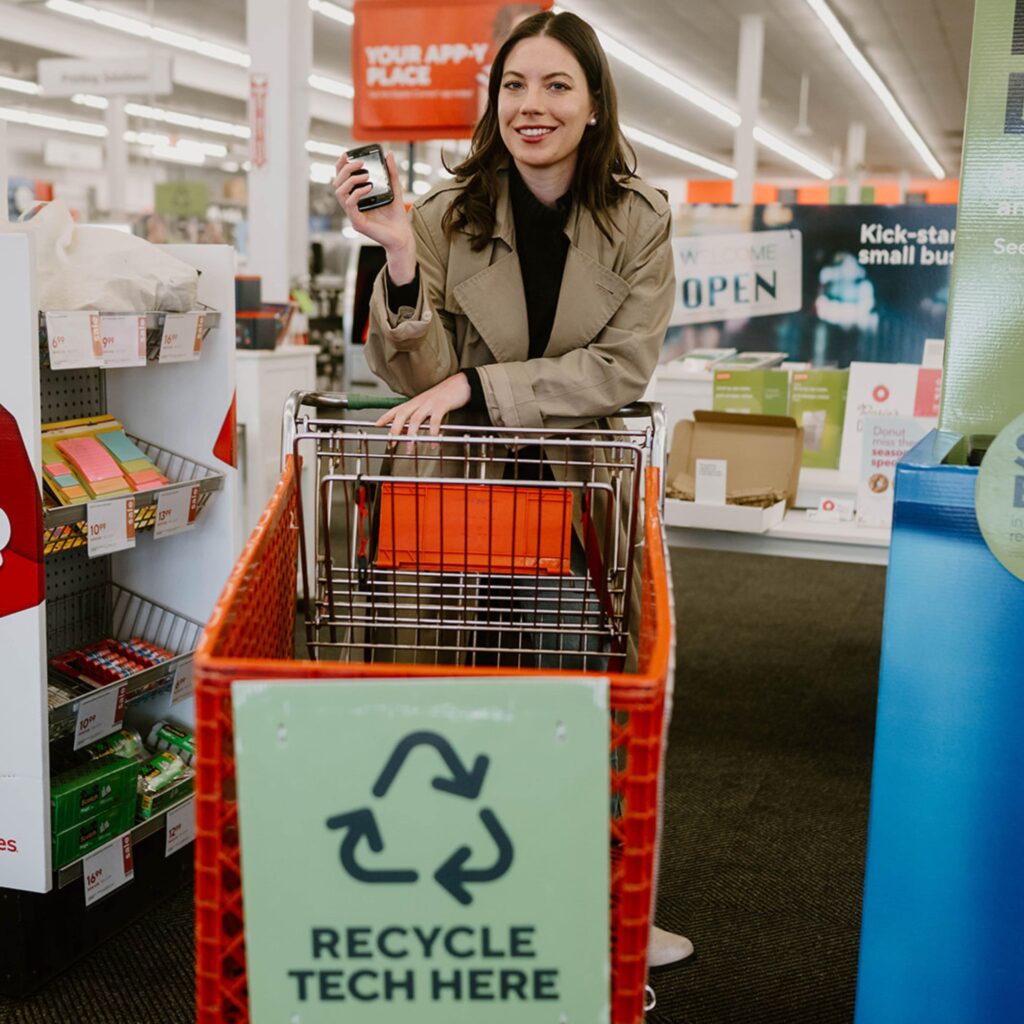
In the U.S., the battle is being fought at the state level. Following a 2021 Executive Order by President Joe Biden urging the Federal Trade Commission (FTC) to limit manufacturers’ ability to restrict independent repairs, several states—including New York, California, Minnesota, Colorado, and Oregon—have passed Right to Repair legislation. These laws generally require manufacturers to provide the same diagnostic tools, manuals, and parts to independent repair shops and consumers that they provide to their authorized dealers.
Supporting Data: The Environmental and Social Cost
The rapid turnover of consumer goods creates a linear "take-make-waste" economy that is increasingly unsustainable.
- Textile Waste: The fashion industry is responsible for 10% of global carbon emissions. The BBC reports that the world currently has enough clothing to clothe the next six generations, yet fast-fashion brands continue to produce garments designed to fall apart after five to ten washes.
- Resource Scarcity: Modern electronics require rare earth minerals like lithium, cobalt, and neodymium. Mining these materials often involves significant environmental degradation and human rights concerns in developing nations. When a device is discarded due to a non-replaceable battery, these finite resources are often lost to landfills.
- The Poverty Premium: Planned obsolescence disproportionately affects low-income consumers. Those who cannot afford high-quality, durable goods are forced to buy cheaper alternatives that fail quickly, leading to a cycle of "buying twice" that costs more in the long run than a single quality purchase.
6 Strategic Ways to Combat Planned Obsolescence
As legislative frameworks slowly catch up to industrial practices, consumers can take immediate action to mitigate the impact of planned obsolescence through informed purchasing and maintenance habits.

1. Prioritize Durable and Repairable Goods
Consumers should research the "Life Cycle Assessment" of products before purchasing. For apparel, this means choosing natural fibers like organic cotton, hemp, or wool, which offer greater longevity than petroleum-based synthetic polyesters. In electronics, brands like Fairphone or Framework (laptops) are gaining traction by offering modular designs where users can easily swap out screens, batteries, or processors.
2. Advocate for and Utilize Right to Repair Laws
Supporting organizations like the Repair Association (The Repair.org) helps push for national legislation. Beyond advocacy, consumers should exercise their existing rights by choosing independent repair shops over manufacturer-authorized centers, which often claim a device is "unfixable" to encourage a new sale.
3. Invest in the Refurbished and Secondhand Market
Purchasing refurbished technology from reputable vendors like Back Market or Gazelle reduces the demand for new resource extraction. Refurbished items are typically tested, repaired, and sold with warranties, providing a "second life" for functional hardware. For furniture and kitchenware, vintage items are often built with superior materials—such as solid wood instead of particle board—that can be refinished or repaired for decades.

4. Develop Essential Repair Skills
The "Maker Movement" encourages the reclamation of traditional skills. Digital platforms like iFixit provide free, step-by-step repair manuals for thousands of devices. Learning basic maintenance—such as sewing a button, replacing a laptop’s RAM, or descaling a coffee maker—can extend the life of household items by several years.
5. Participate in Community Repair Cafes
Repair Cafes are free community events where volunteer experts help neighbors fix broken items. These events serve two purposes: they keep items out of landfills and they foster a "culture of repair." By sharing tools and knowledge, communities can bypass the "proprietary tool" barriers often set up by manufacturers to discourage DIY fixes.
6. Implement Mindful Consumption Practices
The most effective way to fight obsolescence is to reduce the frequency of new purchases. Implementing a "30-day rule" for non-essential items can curb impulse buys driven by psychological obsolescence. Additionally, borrowing specialized tools or equipment from local "tool libraries" or neighbors reduces the total number of underutilized products in circulation.

Broader Implications and the Future of Consumption
The shift away from planned obsolescence is a critical component of the transition to a "Circular Economy." In this model, products are designed for durability, reuse, remanufacturing, and recycling. As resource scarcity increases and climate targets loom, the industrial model of the 20th century—defined by the Phoebus Cartel and the "throwaway society"—is becoming a liability.
The transition will require a fundamental shift in how value is measured. For manufacturers, this may mean moving toward "Product-as-a-Service" (PaaS) models, where customers pay for the use of a product while the manufacturer retains ownership and responsibility for its maintenance and eventual recycling. This aligns the company’s profit motive with product longevity: the longer the item lasts, the more profitable it becomes. Until such systemic changes are universal, the burden of sustainability remains shared between the informed consumer and the legislators fighting for a more durable world.


