
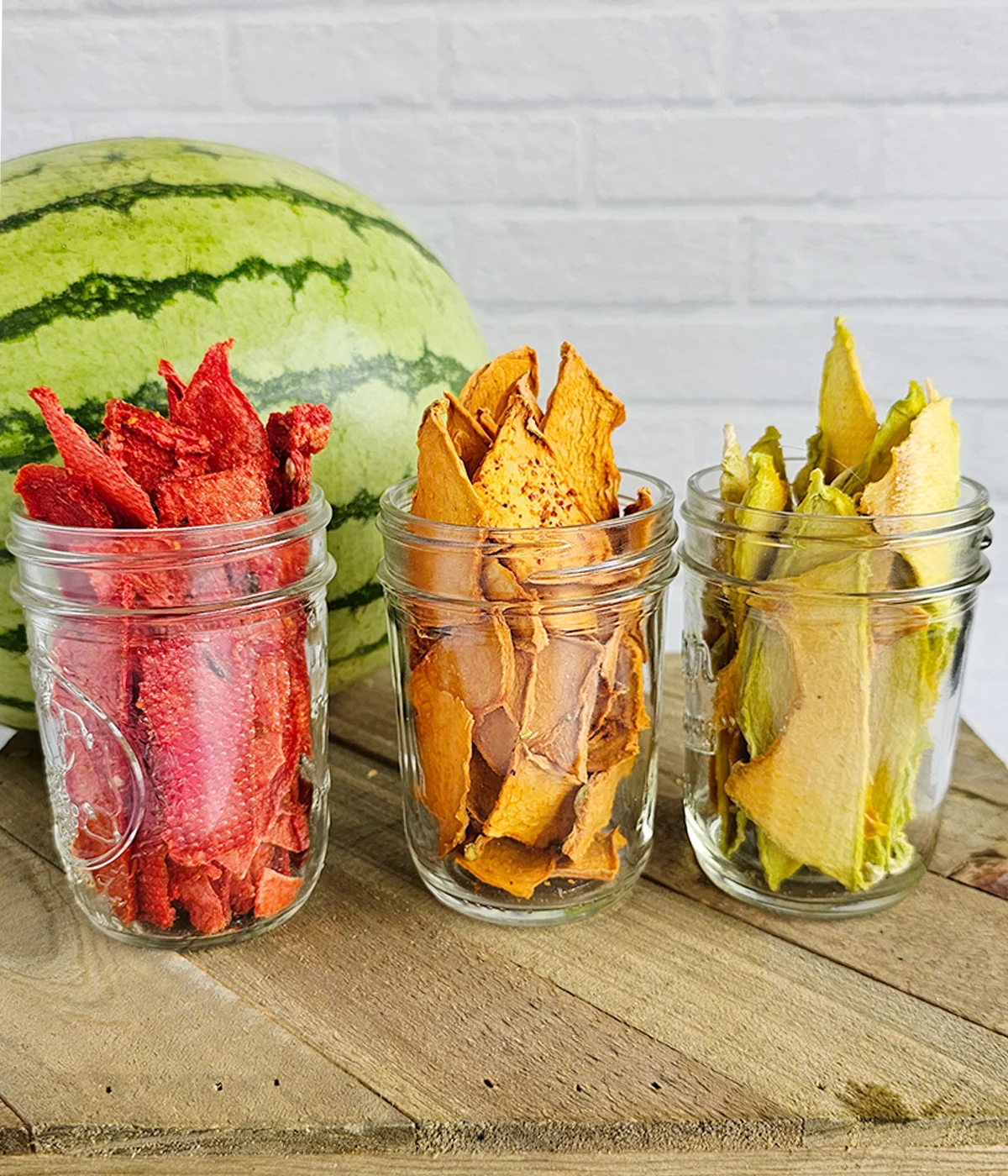
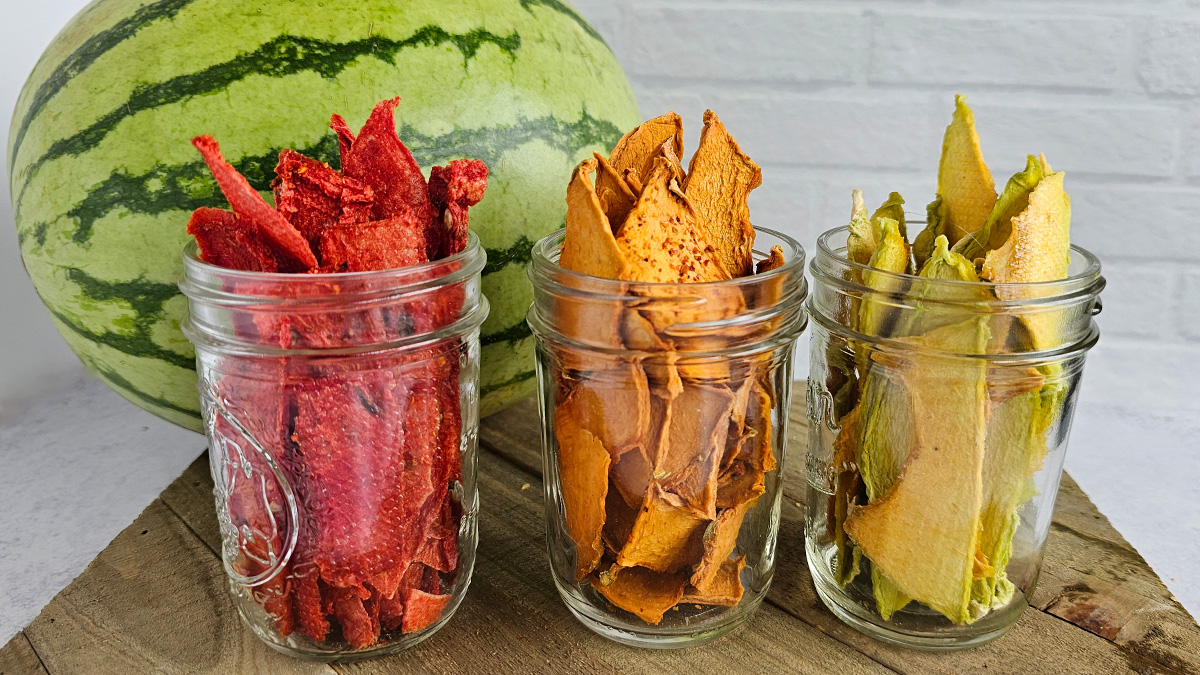
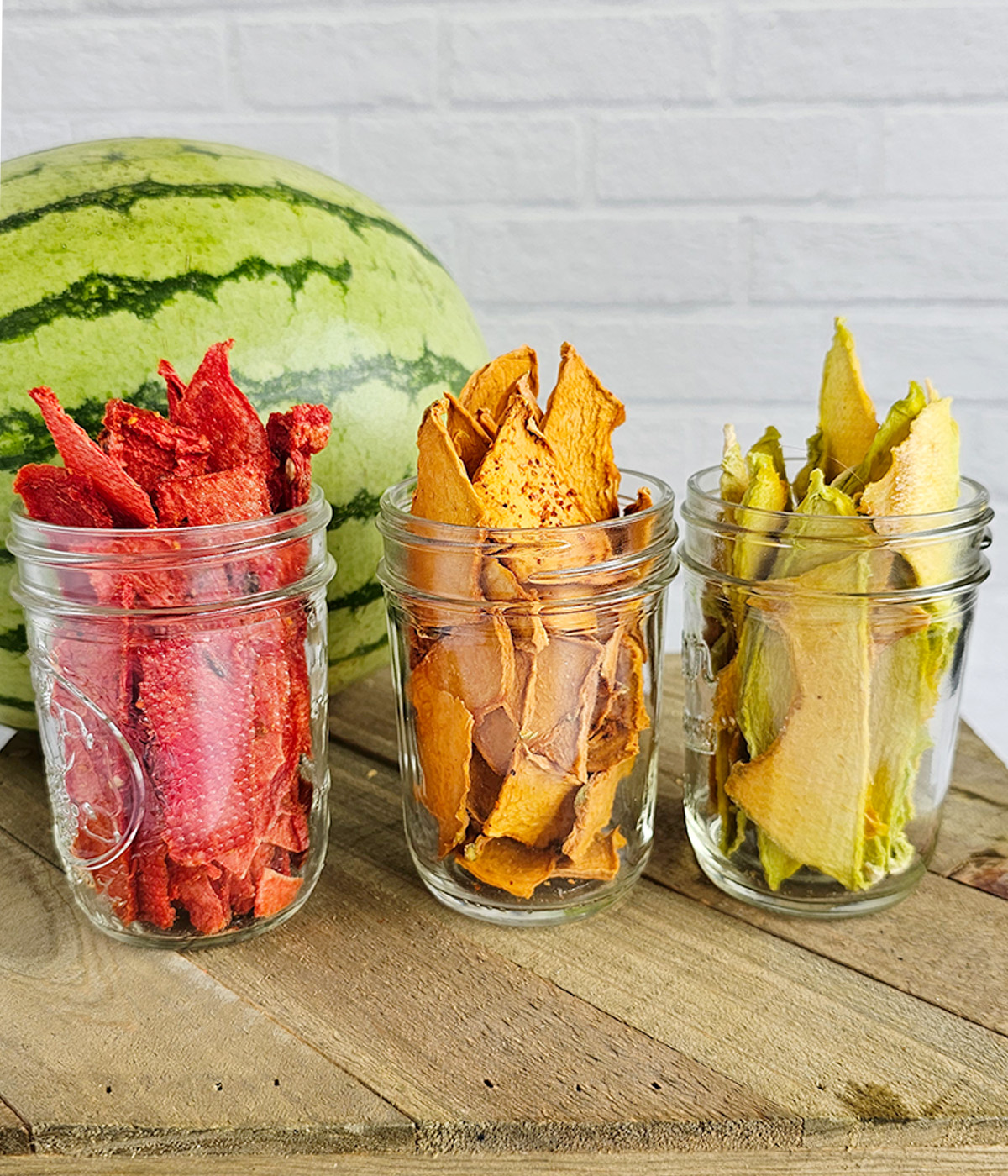
The practice of dehydrating melons has emerged as a vital strategy for reducing domestic food waste while providing nutrient-dense, shelf-stable snacks for outdoor enthusiasts and health-conscious consumers. As food prices continue to fluctuate and interest in sustainable living grows, the transformation of high-water-content fruits like watermelon, cantaloupe, and honeydew into "fruit jerky" represents a convergence of traditional preservation wisdom and modern culinary efficiency. By removing the moisture that facilitates microbial growth, home preservers can extend the life of seasonal produce by up to twelve months, effectively bridging the gap between harvest cycles.
The Economic and Environmental Context of Food Preservation
The urgency of food preservation is underscored by recent data from the United States Department of Agriculture (USDA), which estimates that between 30 and 40 percent of the food supply in the United States is wasted. Melons, characterized by their significant size and rapid rate of senescence once sliced, are primary contributors to post-consumer organic waste. A single large watermelon can weigh upwards of 20 pounds; for many households, consuming such a volume before the fruit loses its structural integrity is a logistical challenge.
Dehydration offers a pragmatic solution to this surplus. By converting fresh melon—which is approximately 90 to 92 percent water—into a concentrated, leathery form, the volume of the food is reduced by nearly 90 percent. This reduction not only saves physical space in the pantry but also prevents the methane emissions associated with decomposing fruit in landfills. From a financial perspective, dehydrating "manager’s special" or end-of-season produce allows consumers to lock in lower prices for year-round consumption.
Technical Methodology: The Dehydration Process
The successful dehydration of melons requires a controlled environment where temperature and airflow are optimized to remove moisture without "case hardening"—a condition where the outside of the fruit dries too quickly, trapping moisture inside and leading to mold.
Preparation and Selection
The quality of the final product is directly proportional to the ripeness of the raw fruit. Experts in food preservation, including Darcy Baldwin, author of Dehydrating Basics & Journal, emphasize that melons should be at their peak sweetness. Overripe melons may become too mushy to slice effectively, while underripe melons lack the sugar concentration necessary for a palatable dried snack.
- Sanitation: The exterior rind must be thoroughly washed to prevent the transfer of soil-borne pathogens to the flesh during slicing.
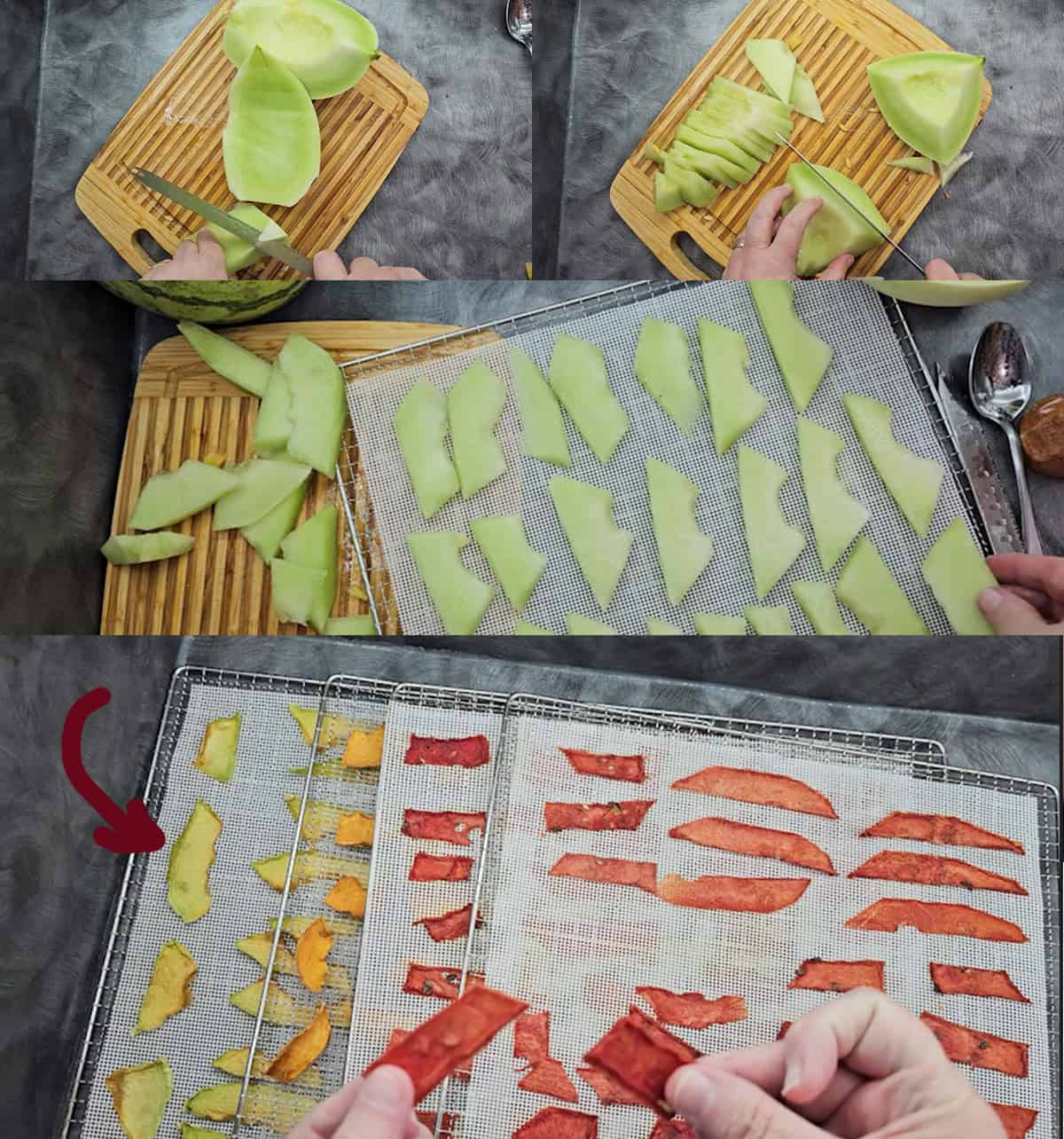
- Slicing: Consistency is the most critical factor in dehydration. Slices should be uniform, ideally between 1/4-inch and 1/2-inch thick. Thicker slices will require significantly longer drying times and may retain a sticky core.
- Pre-treatment: Unlike apples or pears, melons do not require ascorbic acid dips to prevent browning. However, some practitioners apply a light dusting of citric acid or lime juice to enhance the flavor profile and provide a minor antimicrobial barrier.
Dehydrator Parameters
For those utilizing a dedicated food dehydrator, the standard operating temperature is 135°F (57°C). This temperature is high enough to facilitate evaporation but low enough to preserve the fruit’s enzymatic content and vitamins.
- Duration: The process typically spans 10 to 14 hours. Factors influencing this timeline include the ambient humidity of the room, the specific sugar content of the melon, and the efficiency of the dehydrator’s fan system.
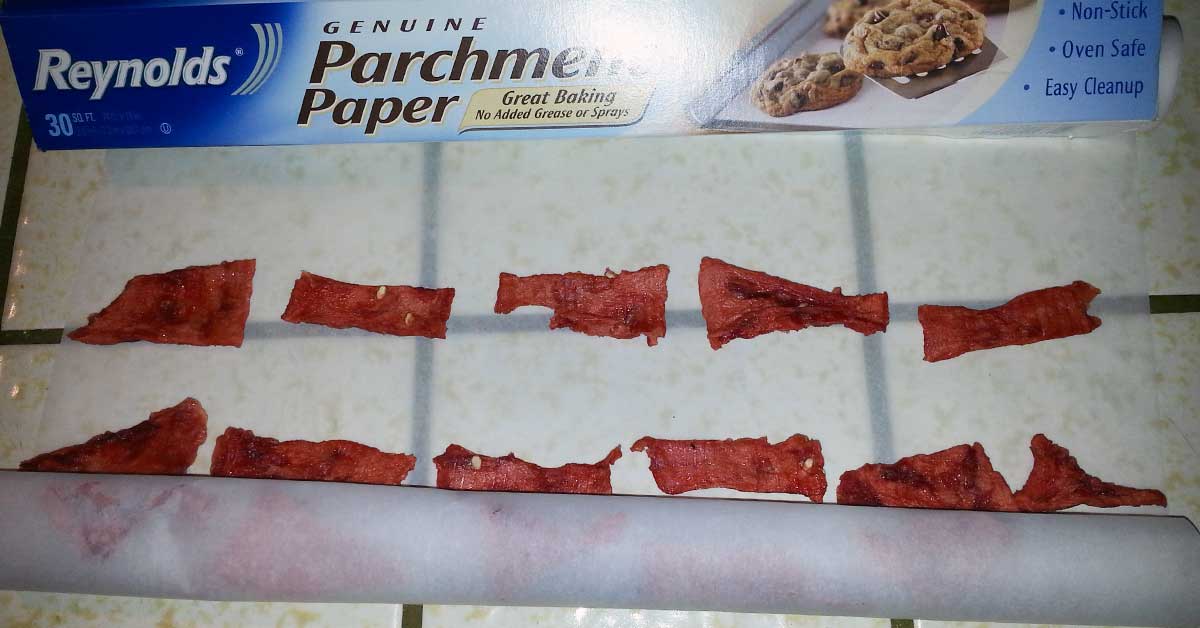
- Testing for Doneness: The fruit is considered "done" when it reaches a leathery, pliable texture. Watermelon, in particular, may take on a consistency similar to salt-water taffy, while cantaloupe and honeydew tend to be slightly more fibrous.
Alternative Method: Oven Dehydration
For households without specialized equipment, conventional ovens can be used, though they are generally less energy-efficient. The oven should be set to its lowest possible temperature, ideally 170°F or lower. To facilitate airflow, the oven door should be propped open slightly with a heat-resistant silicone tool. This method requires closer monitoring to prevent scorching, as ovens often have "hot spots" that dehydrators avoid through circular air distribution.
Nutritional Analysis and Chemical Composition
The dehydration process concentrates the natural sugars and nutrients found in melons. While some heat-sensitive vitamins, such as Vitamin C, may see a marginal decrease, other components remain robust.
- Watermelon: Rich in lycopene, an antioxidant linked to heart health and UV protection. When dried, the concentration of lycopene per gram increases significantly.
- Cantaloupe: An excellent source of Beta-carotene (Vitamin A) and potassium. The dried form provides a dense source of electrolytes, making it an ideal "recovery snack" for hikers and athletes.
- Honeydew: Contains essential minerals such as magnesium and folate.
It is important for consumers to note that the serving size for dried fruit is much smaller than fresh. One cup of fresh melon is nutritionally equivalent to approximately 1/4 cup of the dehydrated version. Consequently, the glycemic load per serving is higher, a factor that individuals with diabetes or those monitoring sugar intake should consider.
The Critical Step: Conditioning and Storage
A common failure point in home food preservation is the omission of the "conditioning" phase. Even when fruit appears dry, internal moisture levels can vary between pieces.
The Conditioning Protocol
Once the melon has cooled to room temperature, it should be placed in a clear, airtight glass jar, filled about two-thirds full. For seven days, the jar should be shaken daily. If any condensation appears on the glass, the fruit must be returned to the dehydrator for further processing. If no moisture is detected after a week, the fruit is considered shelf-stable.
Long-Term Storage Solutions
For maximum longevity, dehydrated melons should be stored in a cool, dark, and dry environment.
- Airtight Containers: Mason jars with vacuum-sealed lids are the gold standard.
- Moisture Absorbers: Including a food-grade silica gel packet can protect against the hygroscopic nature of dried fruit (its tendency to absorb moisture from the air).
- Parchment Wrapping: For particularly sticky items like watermelon "taffy," wrapping individual pieces in parchment paper prevents them from fusing into a single mass.
Historical Context and Evolutionary Trends
The dehydration of fruit is one of the oldest forms of food preservation, dating back to 12,000 B.C. in Middle Eastern and Oriental cultures. While ancient civilizations relied on solar drying, the industrial revolution and the subsequent invention of the electric dehydrator in the 20th century standardized the process.
In recent years, the "Prepper" movement and the rise of "Zero-Waste" kitchens have revitalized interest in these techniques. What was once a necessity for survival in the absence of refrigeration has become a gourmet trend. Modern culinary applications for dried melons have expanded beyond simple snacking to include:

- Infusions: Adding dried melon to water or tea for natural flavoring.
- Salad Garnishes: Using diced dried cantaloupe as a sweet counterpoint to salty feta cheese.
- Powders: Grinding fully dried melon into a powder to use as a natural sweetener in smoothies or baking.
Expert Perspectives and Safety Considerations
Food safety experts urge caution regarding the storage of high-sugar dried fruits. According to the National Center for Home Food Preservation, the primary risk associated with improperly dried fruit is mold growth rather than bacterial pathogens like Salmonella or E. coli, which typically cannot survive in low-moisture environments. However, if the fruit is under-dried and stored in a warm area, mold can produce mycotoxins.
"The key to safety is the ‘snap’ or the ‘leather’ feel," states the consensus among food preservationists. "If there is any doubt about the moisture content, freezing the dehydrated product is a fail-safe way to ensure it remains safe for consumption."
Broader Impact and Implications
The shift toward home dehydration reflects a broader societal move toward food sovereignty. As global supply chains face pressures from climate change and geopolitical instability, the ability of the individual to process and store their own food supply becomes a form of resilience.
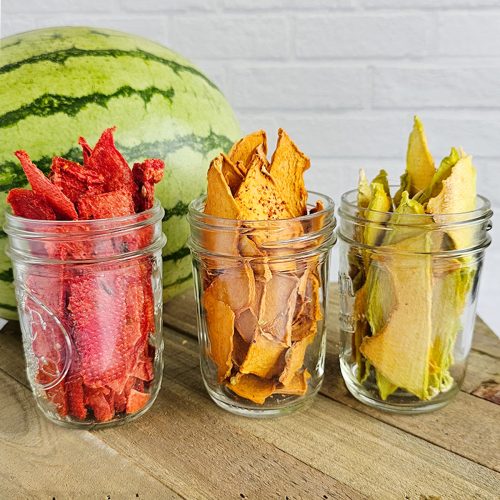
Furthermore, the "clean label" movement has driven consumers away from store-bought dried fruits, which often contain sulfur dioxide as a preservative and added cane sugars. Home-dehydrated melons require no additives, aligning with the growing demand for transparent, single-ingredient food products.
In conclusion, the dehydration of melons is more than a culinary hobby; it is a sophisticated method of resource management. By mastering the variables of temperature, airflow, and conditioning, consumers can significantly reduce their environmental footprint while enhancing their nutritional security. Whether for the purpose of clearing out a refrigerator or preparing for a trans-continental trek, the humble dehydrated melon stands as a testament to the enduring utility of food preservation science.


