The culinary landscape of autumn baking is often characterized by a desire for comforting, seasonal flavors. This year, a particular recipe has emerged as a significant trend, promising a swift and straightforward pathway to achieving those coveted pumpkin and chocolate chip notes: the 3-Ingredient Pumpkin Chocolate Chip Cookies. This dessert, requiring a mere three common pantry staples, offers an appealing solution for individuals seeking a quick yet satisfying treat that captures the essence of fall.
The simplicity of this recipe positions it as an accessible option for bakers of all skill levels, from novice home cooks to experienced professionals looking for a time-efficient dessert. The core appeal lies in its minimal ingredient list, which drastically reduces the barrier to entry for creating a homemade treat. This economic approach to baking is particularly relevant in current consumer trends that prioritize convenience and readily available ingredients.
The Rise of Minimalist Baking
The concept of "3-ingredient" recipes has gained substantial traction in recent years, driven by a confluence of factors including busy lifestyles, a growing interest in simplified cooking, and the desire for accessible baking projects. This trend is not confined to a single demographic; it resonates with students, busy parents, and individuals seeking to reduce their grocery bills without compromising on homemade taste.
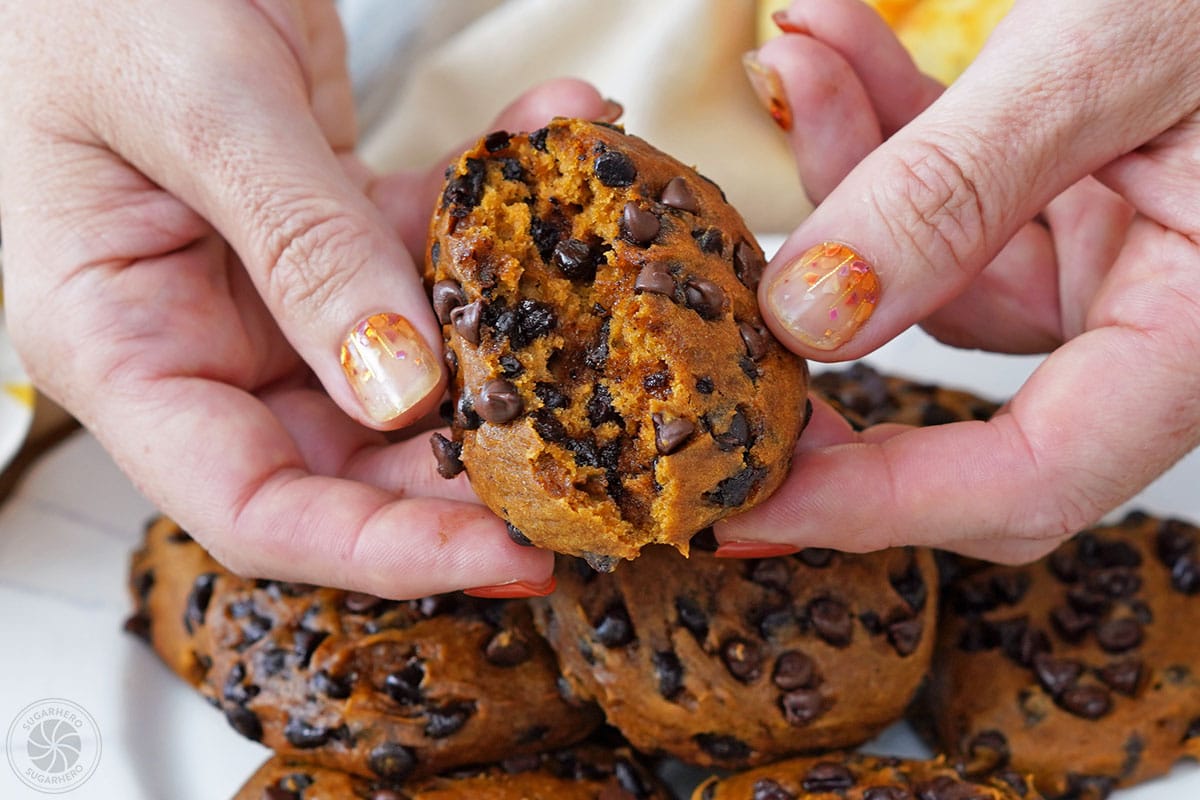
The specific iteration of pumpkin chocolate chip cookies leverages the inherent flavors and textures already present within a cake mix. This ingenious shortcut bypasses the need for multiple traditional baking ingredients such as flour, sugar, eggs, and leavening agents, which are typically combined to create a cookie base. By utilizing a pre-formulated cake mix, the recipe effectively incorporates a significant portion of the flavor profile and structural components into a single item.
Deconstructing the 3-Ingredient Formula
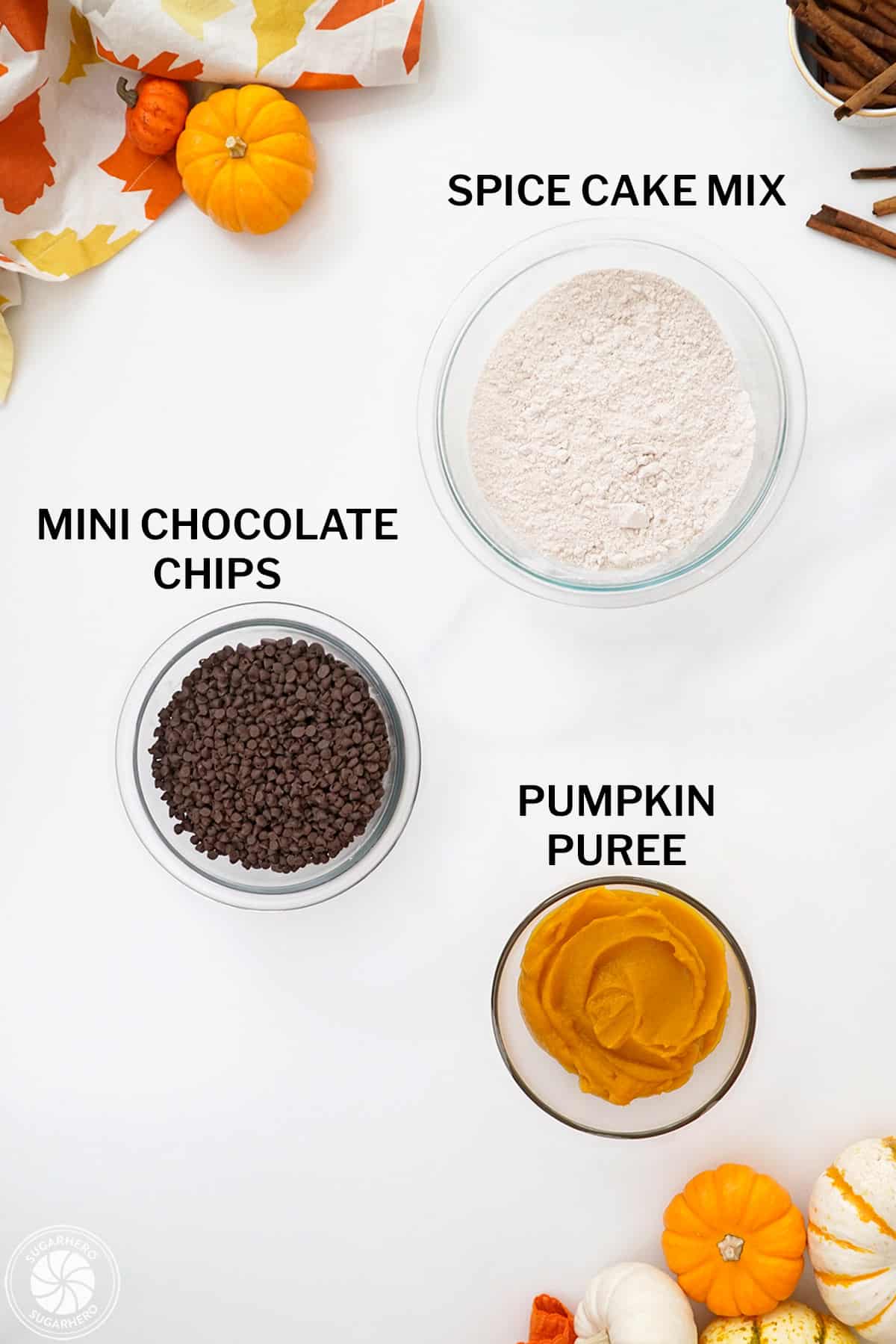
The foundational elements of these cookies are remarkably straightforward, relying on the synergy of three key components:
- Pumpkin Cake Mix: This forms the primary flavor base and contributes to the cookie’s texture. Brands like Duncan Hines are often cited as a recommendation, suggesting a preference for specific formulations that yield a desirable outcome. The inherent spices within a spice cake mix contribute significantly to the "cozy fall spices" mentioned in recipe descriptions. For those unable to find a spice cake mix, the alternative of using a neutral cake mix (vanilla, white, or yellow) and supplementing it with pumpkin pie spice or cinnamon offers a flexible substitution. This adaptability is a hallmark of successful minimalist recipes, allowing for personalization.
- Pumpkin Puree: This ingredient introduces moisture and a distinct, robust pumpkin flavor, essential for evoking the autumnal essence of the cookie. The use of pure pumpkin puree, as opposed to pumpkin pie filling, is crucial for controlling the sweetness and spice levels.
- Chocolate Chips: These provide the classic counterpoint to the pumpkin flavor, adding pockets of melted chocolate that are a staple in many beloved cookie recipes. The type of chocolate chip can be varied, with milk, semi-sweet, or dark chocolate all offering different flavor profiles.
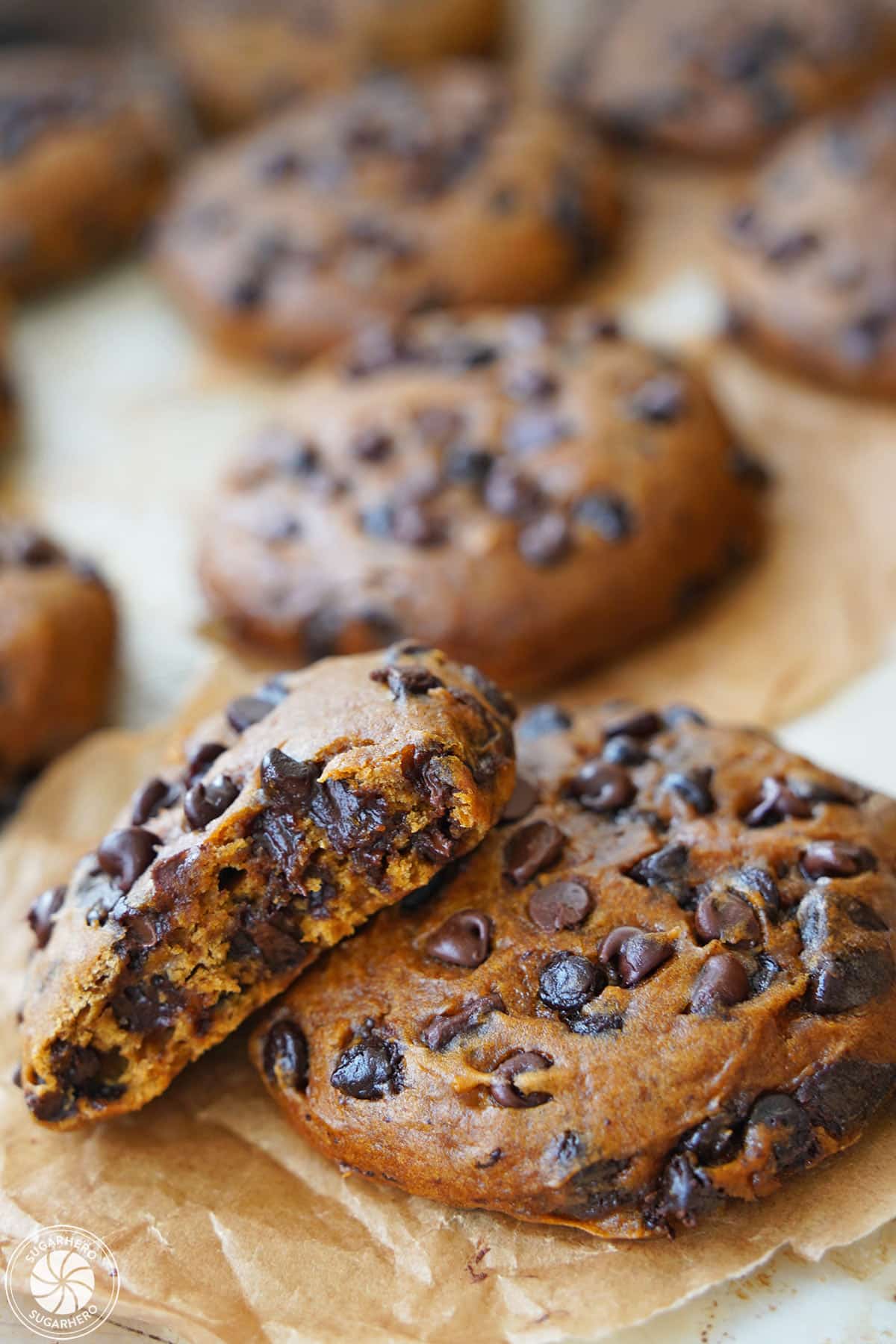
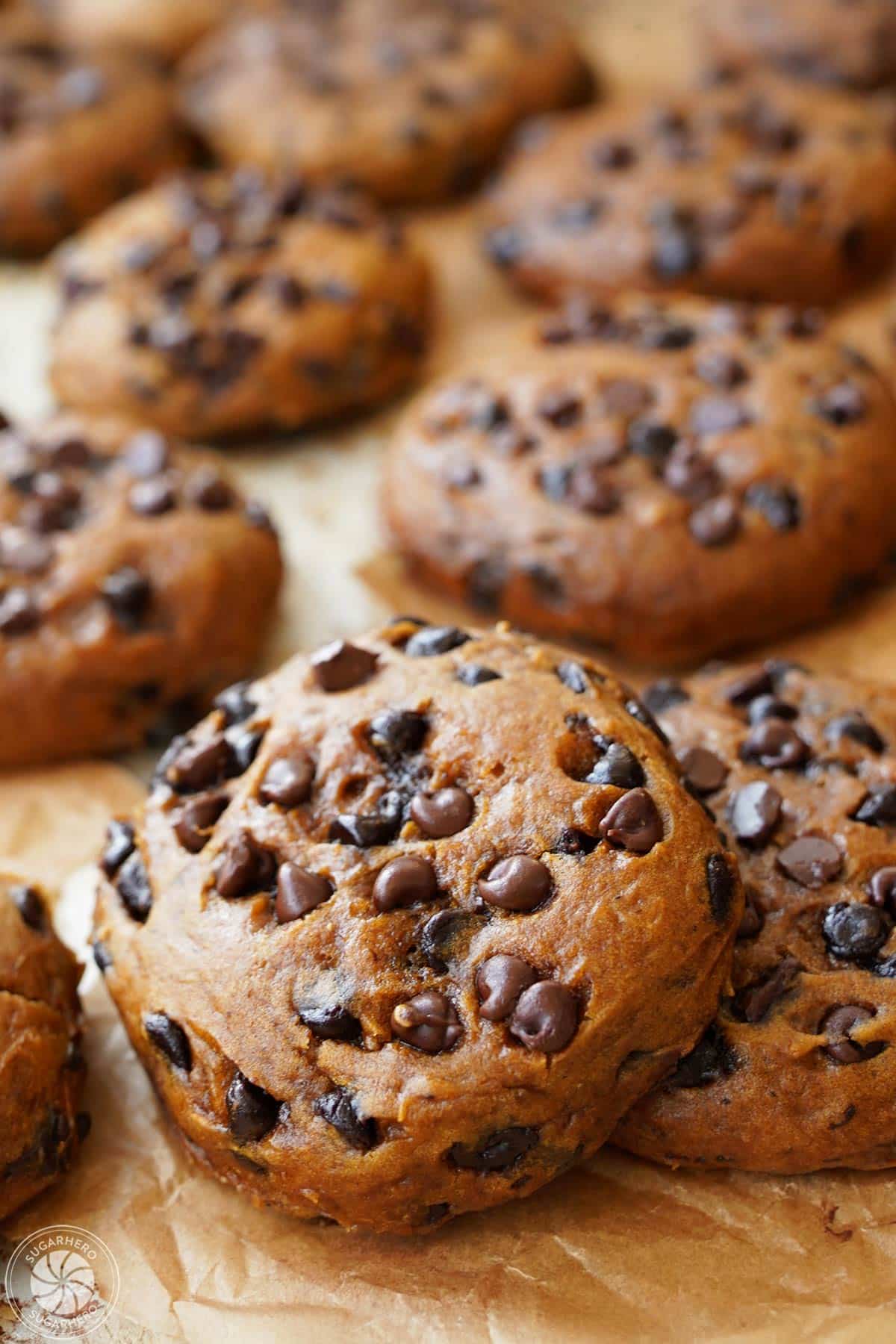
The synergy of these three ingredients, when combined in the correct proportions, transforms into a dough that bakes into soft, tender, and cake-like cookies. The resulting texture is often described as "puffy," a characteristic that differentiates these cookies from flatter, chewier varieties.
Nutritional Considerations and Adaptations
While the primary focus of this recipe is ease and speed, it’s worth noting the nutritional profile. A typical serving, estimated at 1/30th of the recipe, contains approximately 137 calories, with 22g of carbohydrates, 1g of protein, and 5g of fat. The sugar content is relatively high at 16g per serving, which is expected given the cake mix base. However, the recipe also offers beneficial micronutrients like Vitamin A, contributing to its appeal beyond just indulgence.
The recipe’s inherent flexibility extends to accommodating common dietary needs. For individuals with egg allergies, this recipe presents a viable solution as it naturally omits eggs. Furthermore, the possibility of creating dairy-free and gluten-free versions is highlighted. This involves substituting the cake mix with a gluten-free alternative and opting for dairy-free chocolate chips. It’s important to acknowledge that gluten-free cake mixes can sometimes alter cookie texture, suggesting that experimentation may be necessary to achieve the desired outcome.
Baking Process and Equipment
The preparation of these cookies is designed for maximum efficiency. Typically, the process involves combining the three ingredients until a cohesive dough forms. This dough is then dropped onto a baking sheet and baked. The baking time is generally under 30 minutes, reinforcing the recipe’s rapid preparation claim.
The equipment required is standard for most home kitchens, typically including:
- Mixing Bowls: For combining the ingredients.
- Measuring Cups and Spoons: For precise ingredient quantities, though a kitchen scale is often recommended for baking accuracy.
- Baking Sheets: To hold the cookies during baking.
- Parchment Paper or Silicone Baking Mats: To prevent sticking and ensure even baking.
- Oven: For the baking process.
The minimal equipment list further enhances the recipe’s appeal, making it an attractive option for those with limited kitchen space or resources.
Variations and Extended Applications
Beyond the basic cookie form, the recipe’s dough lends itself to several creative variations:
- Cookie Bars: By pressing the dough into a 9×13 inch baking pan and baking, one can create pumpkin chocolate chip cookie bars. This variation offers a different presentation and can be easier to serve in larger quantities.
- Whoopie Pies: Omitting the chocolate chips and using the dough to form whoopie pie shells allows for the creation of a classic dessert. Pairing these with a complementary filling, such as cinnamon cream cheese frosting, adds another layer of flavor and texture.
- Additional Mix-ins: The dough can be enhanced with a variety of other ingredients. Adding ½ to 1 cup of nuts, butterscotch chips, toffee pieces, chopped candy bars, or white chocolate chips can introduce diverse flavor and textural elements, allowing for further customization.
These variations demonstrate the versatility of the base recipe, extending its utility beyond simple cookies and catering to a broader range of dessert preferences.
Storage and Longevity
The 3-Ingredient Pumpkin Chocolate Chip Cookies are best enjoyed fresh. However, they can be stored at room temperature in an airtight container for up to one week. To prevent cookies from sticking together when stacked, parchment paper can be used as a separator. For longer storage, the cookies can be frozen for up to three months. It is recommended to thaw them in the refrigerator before bringing them to room temperature to maintain their optimal texture.
Broader Implications and Consumer Impact
The widespread popularity of recipes like the 3-Ingredient Pumpkin Chocolate Chip Cookies reflects a significant shift in consumer baking habits. In an era where time is a valuable commodity and convenience is highly prized, recipes that deliver maximum flavor with minimal effort are poised for sustained success. This trend democratizes baking, making it more accessible and less intimidating for a broader audience.
Furthermore, the ability to adapt these simple recipes to dietary restrictions, such as egg allergies or dairy-free preferences, speaks to the growing demand for inclusive food options. As consumers become more health-conscious and aware of their dietary needs, recipes that offer straightforward modifications will continue to gain traction.
The "3-Ingredient Pumpkin Chocolate Chip Cookies" exemplify how culinary innovation can be achieved through simplification. By identifying and leveraging the core components of traditional recipes, it’s possible to create beloved treats that are both delicious and remarkably easy to make. This approach not only appeals to busy individuals seeking quick dessert solutions but also highlights a broader trend towards mindful, accessible, and adaptable home baking. The continued proliferation of such recipes suggests a lasting impact on how people approach home baking, prioritizing ease, flavor, and adaptability in equal measure.