
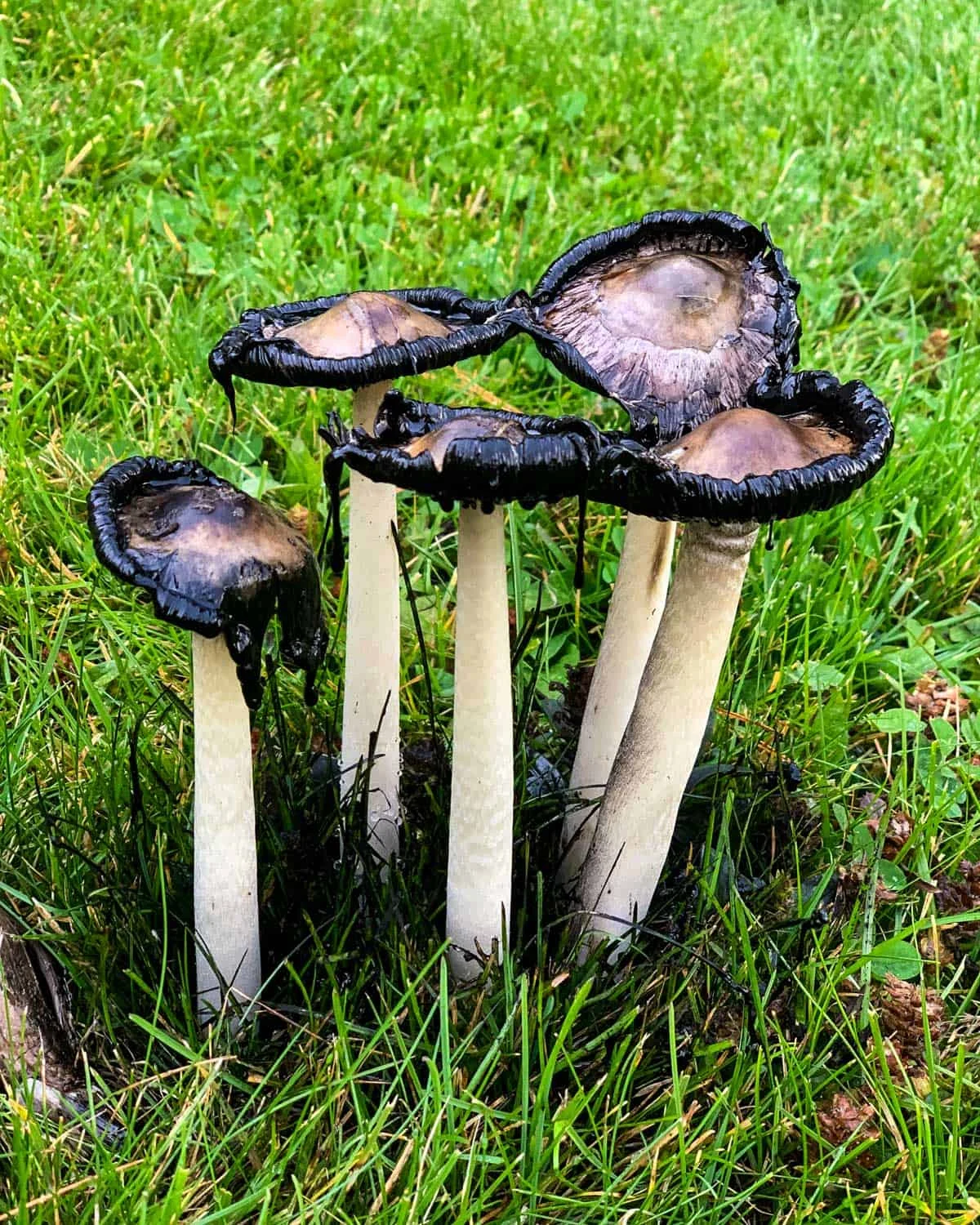
The Shaggy Mane mushroom, scientifically classified as Coprinus comatus, represents one of the most distinctive and biologically intriguing fungi found within the temperate regions of the Northern Hemisphere, as well as parts of Australia and New Zealand. Known colloquially by various names, including the "Shaggy Ink Cap" and "Lawyer’s Wig," this species is a member of the Agaricaceae family and is celebrated by mycologists and foragers alike for its unique life cycle, ease of identification, and culinary versatility. In regions such as the Northeastern United States, particularly Vermont, the emergence of these fungi often coincides with the late autumnal transition, frequently appearing in late October. However, their phenology varies significantly by microclimate, with documented sightings occurring from early spring through late autumn in diverse geographical locations.
Morphological Characteristics and Identification
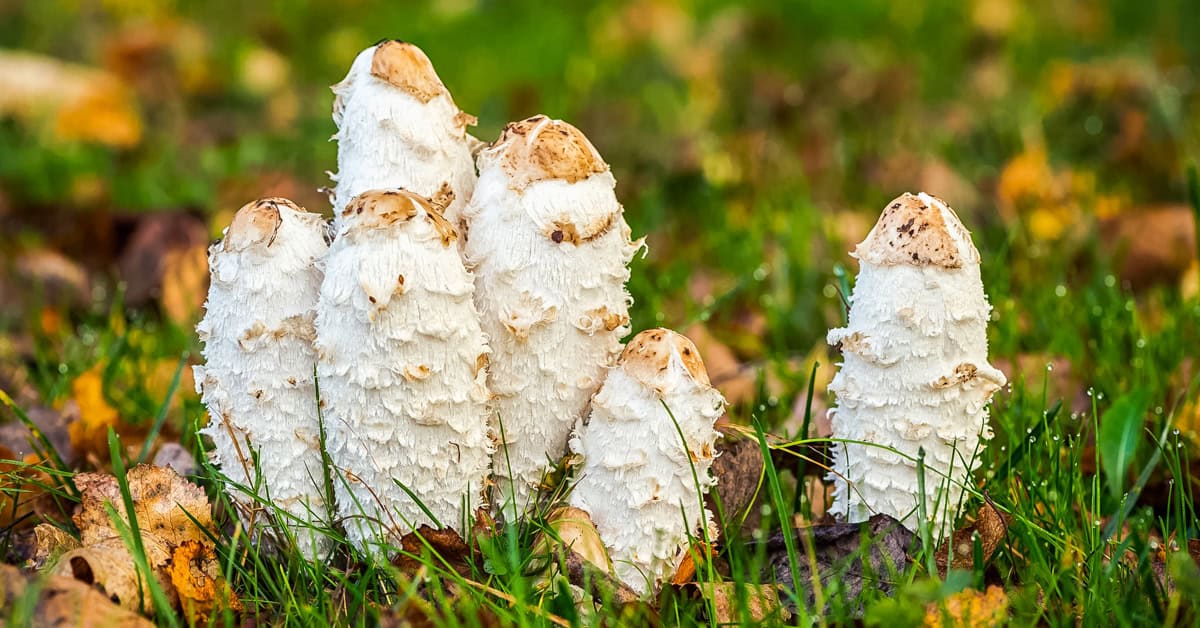
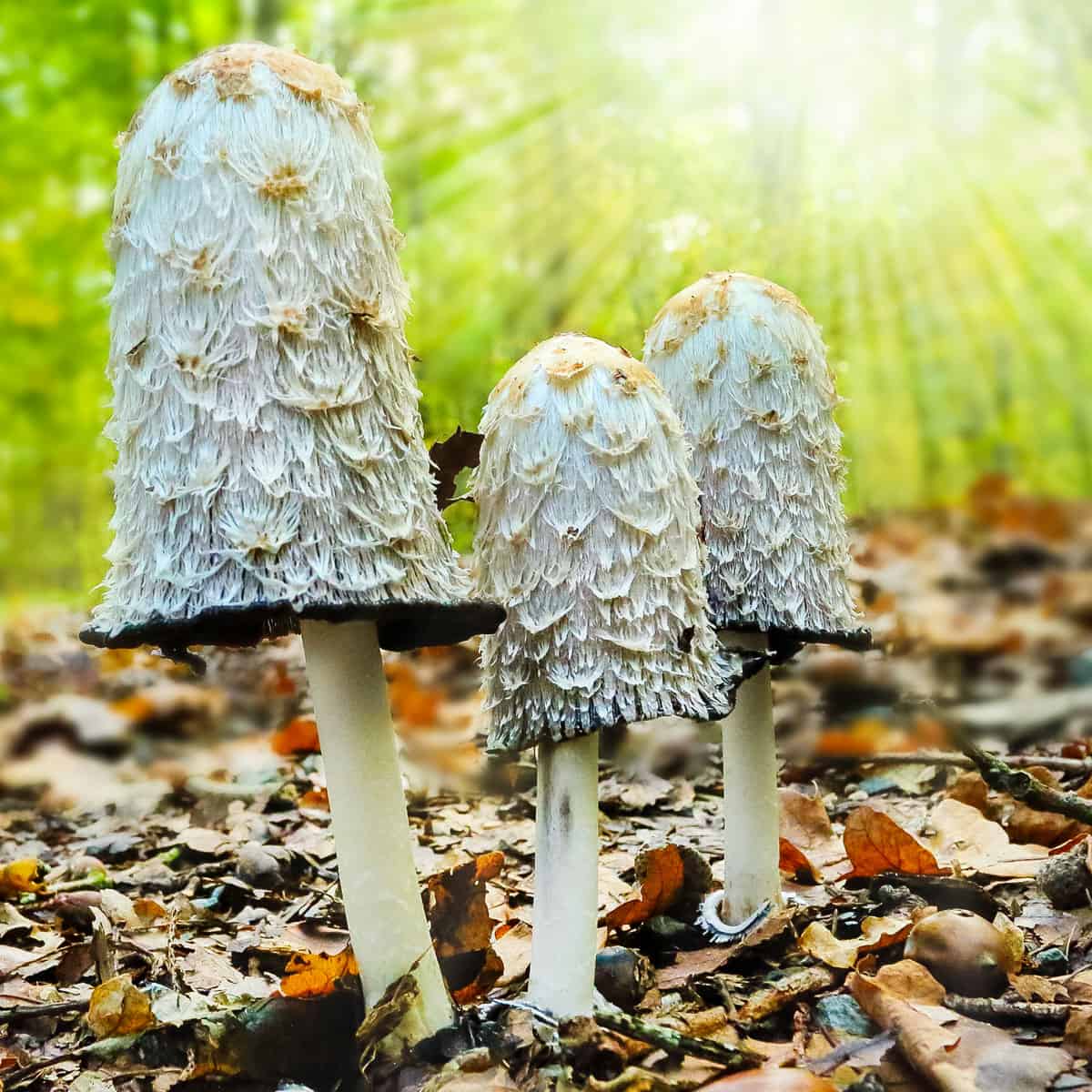
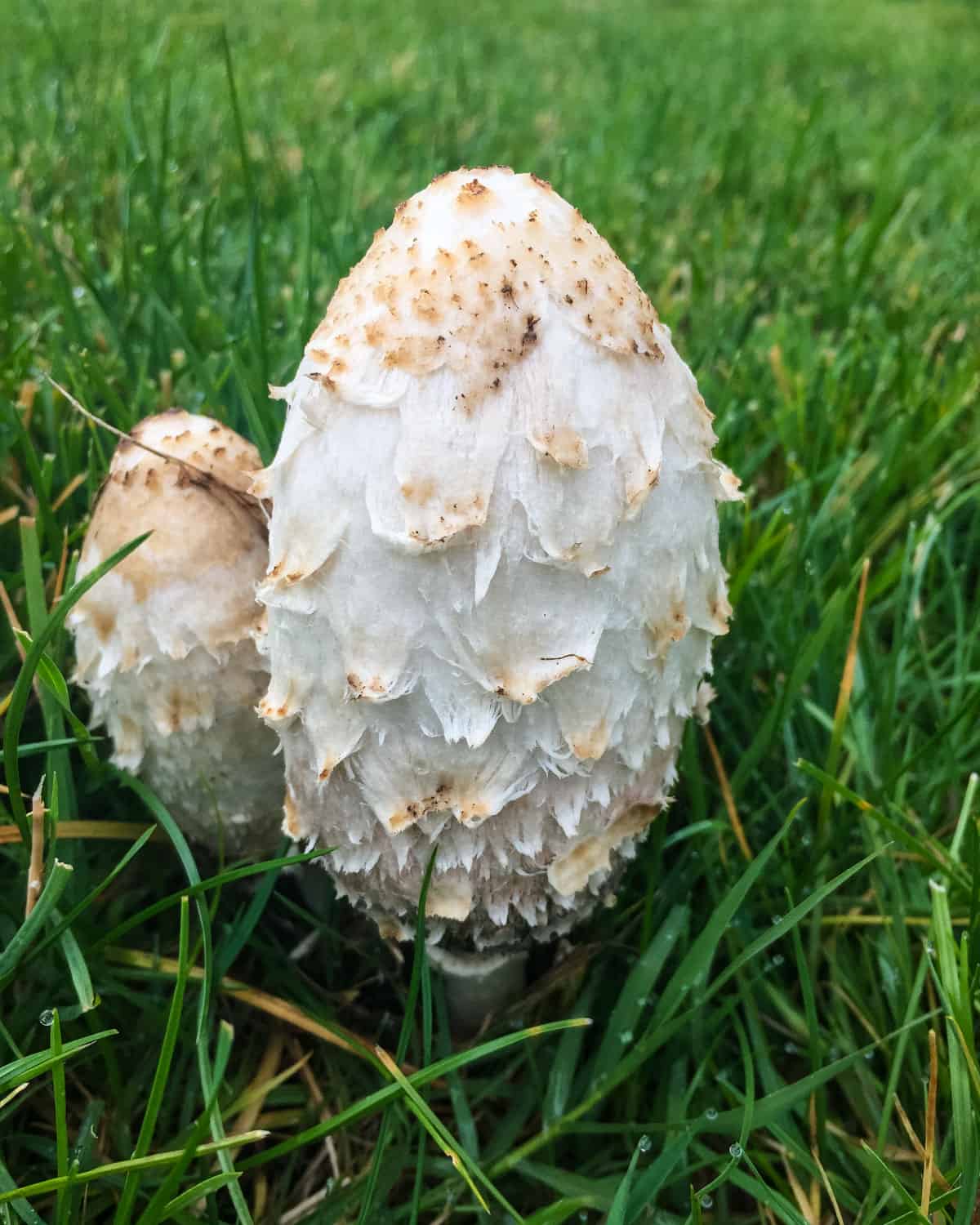
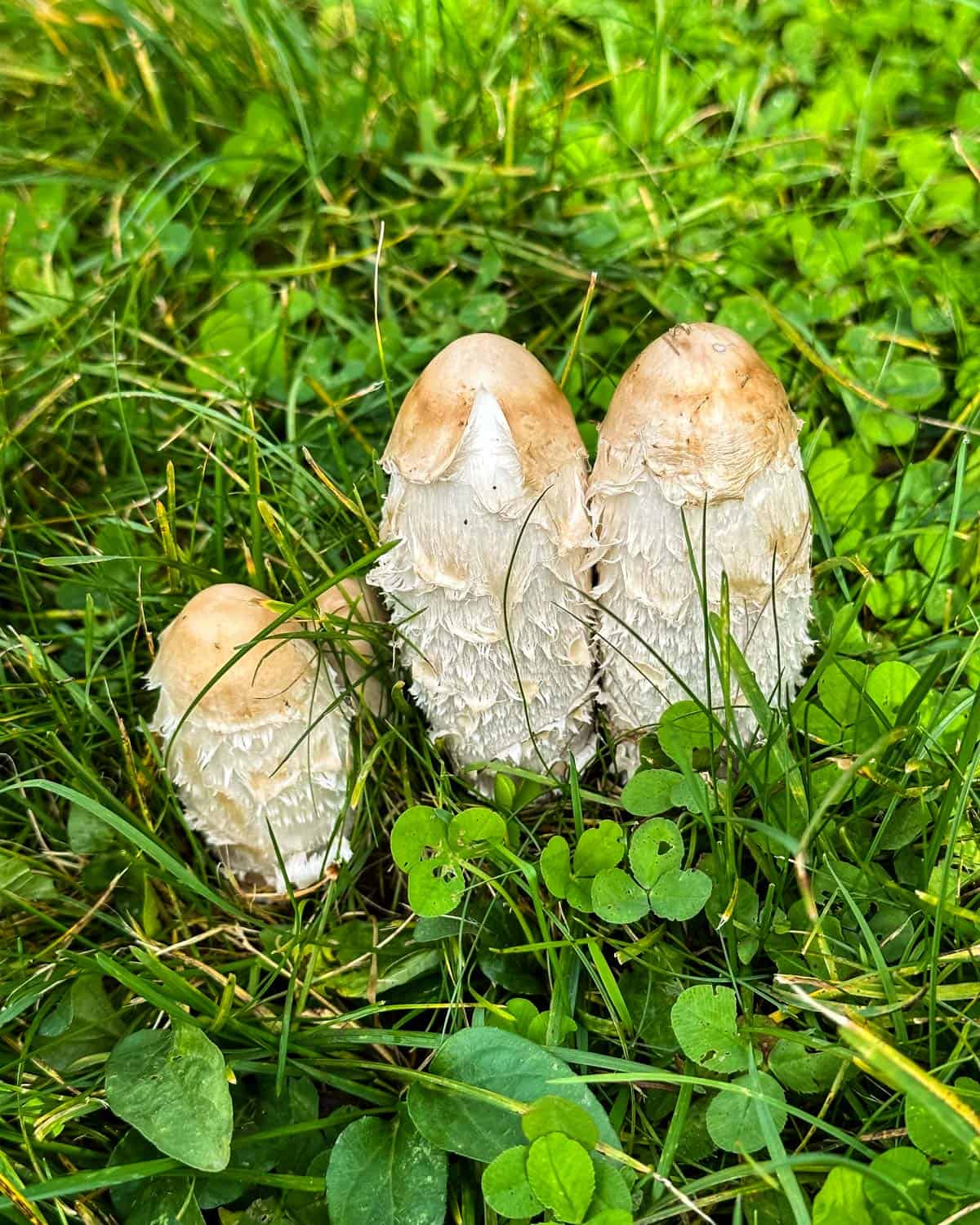
Identification of Coprinus comatus is facilitated by its highly specific physical profile, which distinguishes it from most other terrestrial fungi. The mushroom begins its development as a white, cylindrical column emerging from the soil. As the specimen matures, the cap expands into a narrow, bell-shaped structure. The most defining feature is the presence of "shaggy" scales—recurved, fibrous patches that cover the cap, giving it the appearance of a traditional powdered wig.
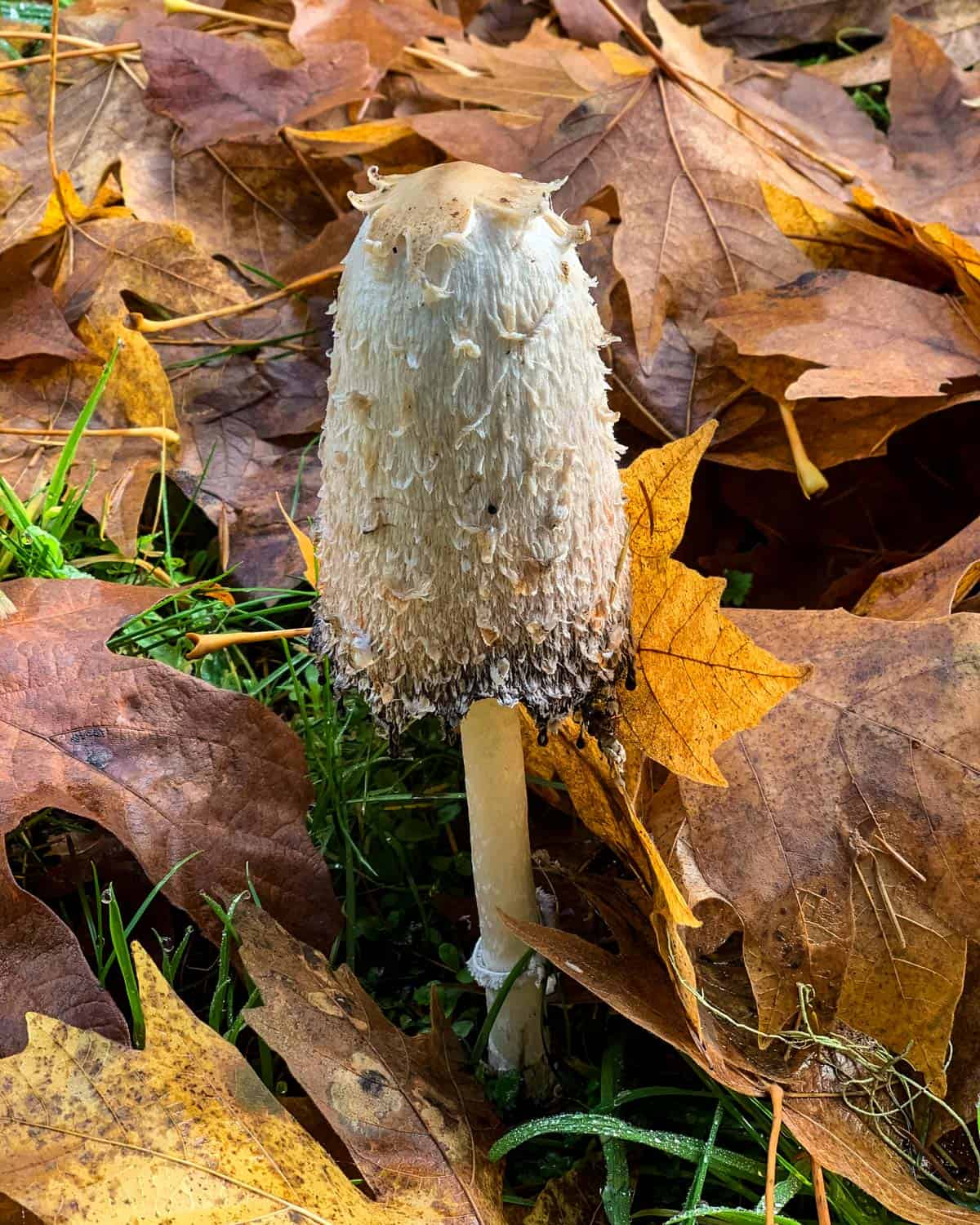
The cap is predominantly white with a cream or light tan center at the apex. Beneath the cap, the gills are densely crowded and initially white, transitioning to a pinkish hue before ultimately turning black. This transition is a precursor to the mushroom’s most famous biological process: deliquescence. The stem, or stipe, is hollow, smooth, and bulbous at the base, often featuring a moveable, narrow ring known as a partial veil. Unlike many other fungi that rely on wind for spore dispersal, the Shaggy Mane utilizes its own liquefaction to release its black spores into the environment.
The Biological Process of Deliquescence
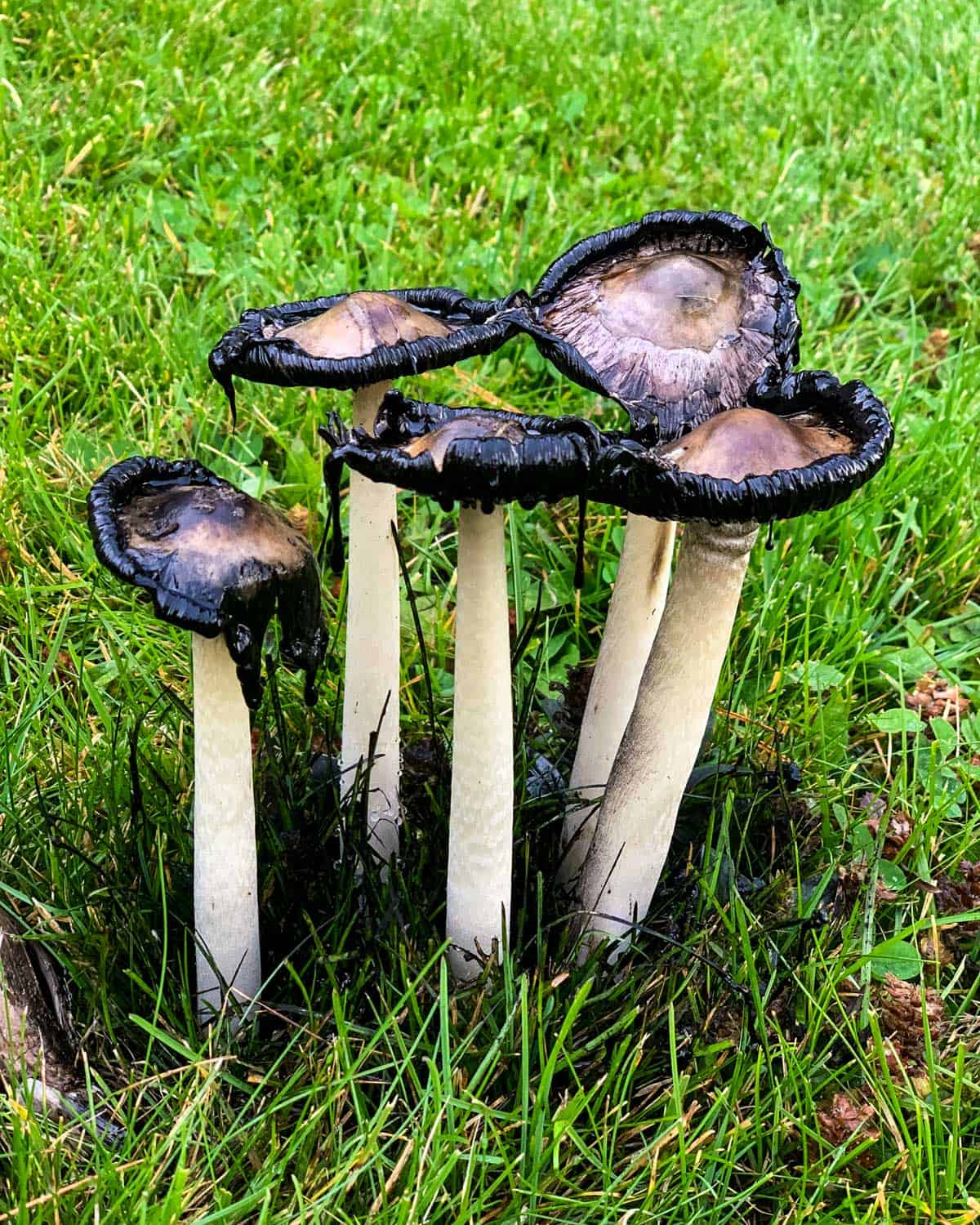
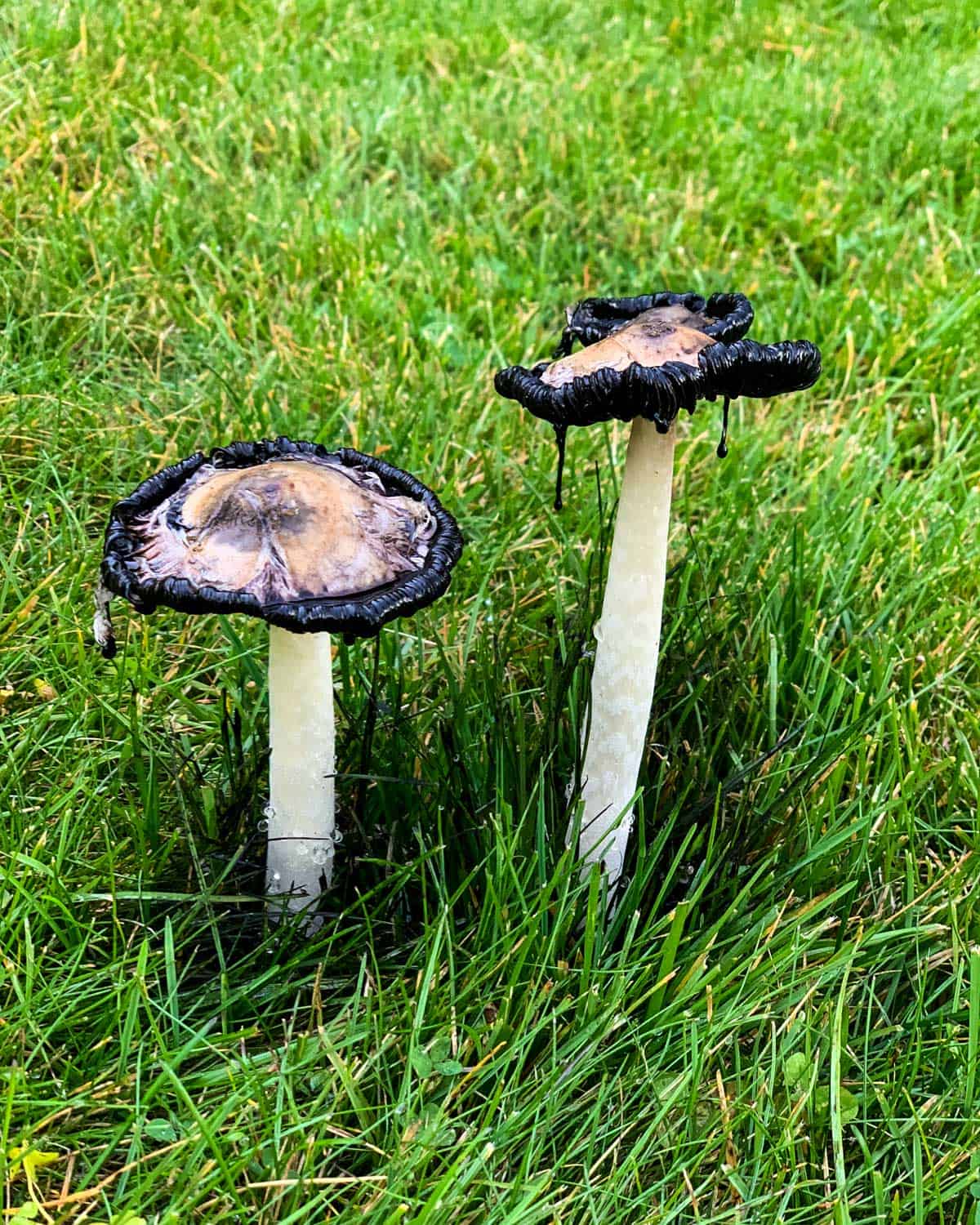
The Shaggy Mane belongs to a group of fungi known as "ink caps." The defining characteristic of this group is the process of auto-digestion, or deliquescence. Once the mushroom reaches maturity and begins the process of spore dispersal, the gills start to dissolve into a thick, black, ink-like fluid. This is not a sign of rot in the traditional sense, but rather a sophisticated biological mechanism. By liquefying the cap from the bottom up, the mushroom ensures that the spores, which are contained within the liquid, are effectively distributed into the soil or carried away by water and insects.
For foragers, this process creates a narrow window of opportunity. From the moment the mushroom emerges from the ground, the clock begins ticking toward its eventual dissolution. Within 24 to 48 hours, a pristine white specimen can transform into a pile of black goo. This rapid lifecycle necessitates immediate processing following a harvest, as the enzymatic breakdown continues even after the mushroom has been picked.
Habitat and Ecological Role
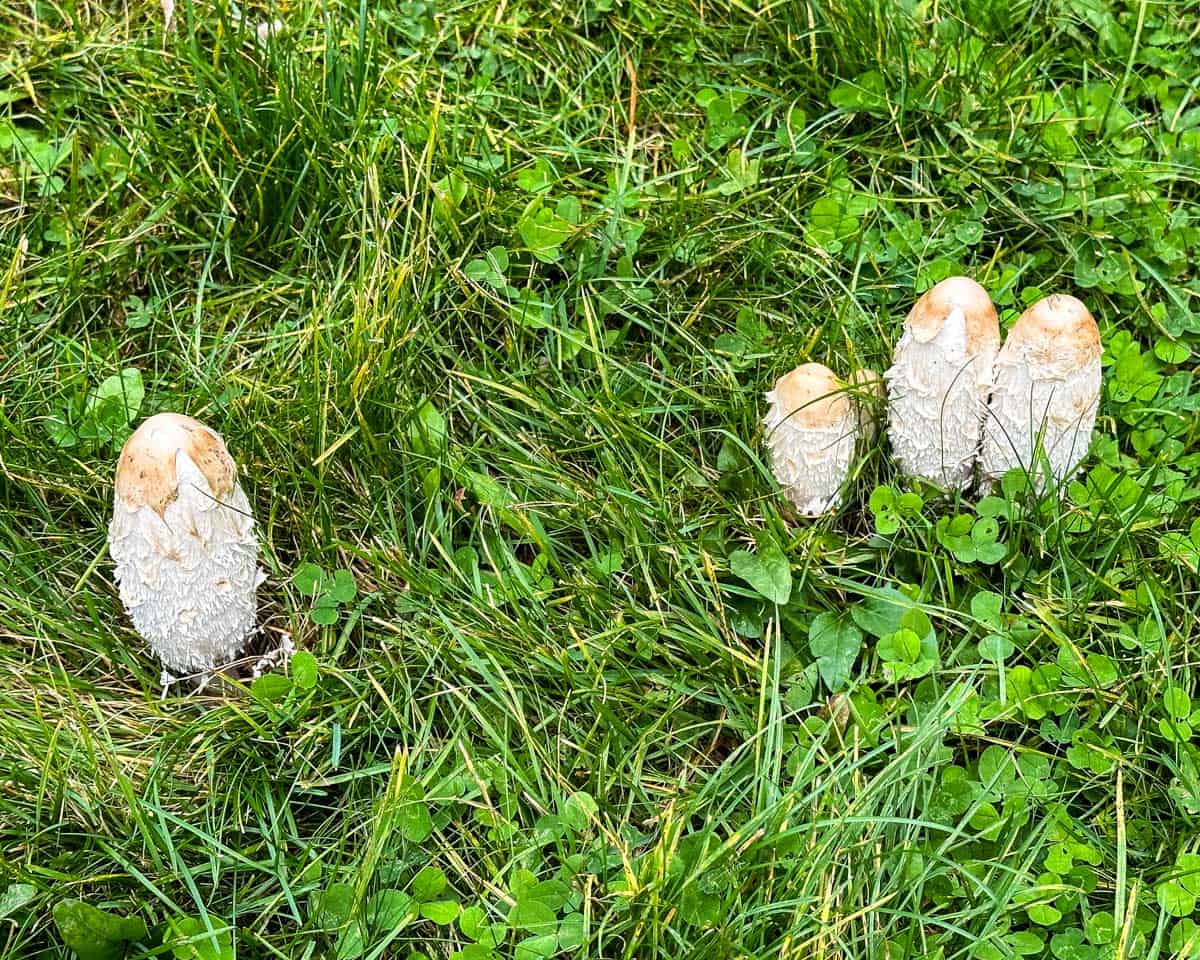
Coprinus comatus is a saprobic species, meaning it derives its nutrients from decaying organic matter. It is particularly well-adapted to disturbed soils—areas where the earth has been turned, moved, or enriched with nitrogen. Common habitats include manicured lawns, meadows, grassy embankments along roadsides, and domestic gardens or compost heaps.
Ecologically, the Shaggy Mane plays a vital role in nutrient cycling. By breaking down complex organic compounds in the soil, it returns essential minerals to the earth, supporting the growth of surrounding flora. In the Northern Hemisphere, they are often found growing in dense clusters rather than as solitary individuals. This gregarious growth habit makes them a high-yield find for those engaged in subsistence foraging.
Nutritional Profile and Culinary Application
Beyond its biological interest, the Shaggy Mane is considered a "choice edible" when harvested in its juvenile stage. Nutritionally, the species is a robust source of protein, dietary fiber, and essential antioxidants. Studies in mycological nutrition indicate that Coprinus comatus contains various bioactive compounds, including ergothioneine, which has been linked to cellular protection against oxidative stress.
In the kitchen, the Shaggy Mane is prized for its mild, earthy flavor and delicate texture. Because of its high water content, it is rarely eaten raw and is best prepared through sautéing, stewing, or incorporation into soups. However, culinary experts emphasize that the mushrooms must be cooked while the gills are still white or only slightly pink. Once the blackening process begins, the texture becomes unappealingly soft, although the resulting "ink" is technically non-toxic and has been used in specialized culinary applications, such as compound butters or as a natural food coloring.
Due to their fragility, Shaggy Manes do not transport well and have a negligible shelf life. Commercial availability is virtually non-existent because the mushrooms would dissolve before reaching market shelves. This makes them a true "forager’s prize," requiring a "field-to-table" timeline of just a few hours.
Safety and Differentiation from Toxic Look-Alikes
While the Shaggy Mane is considered one of the "foolproof four" for beginning foragers due to its unique look, there are several species that require careful differentiation to avoid gastric distress or toxic reactions.
-
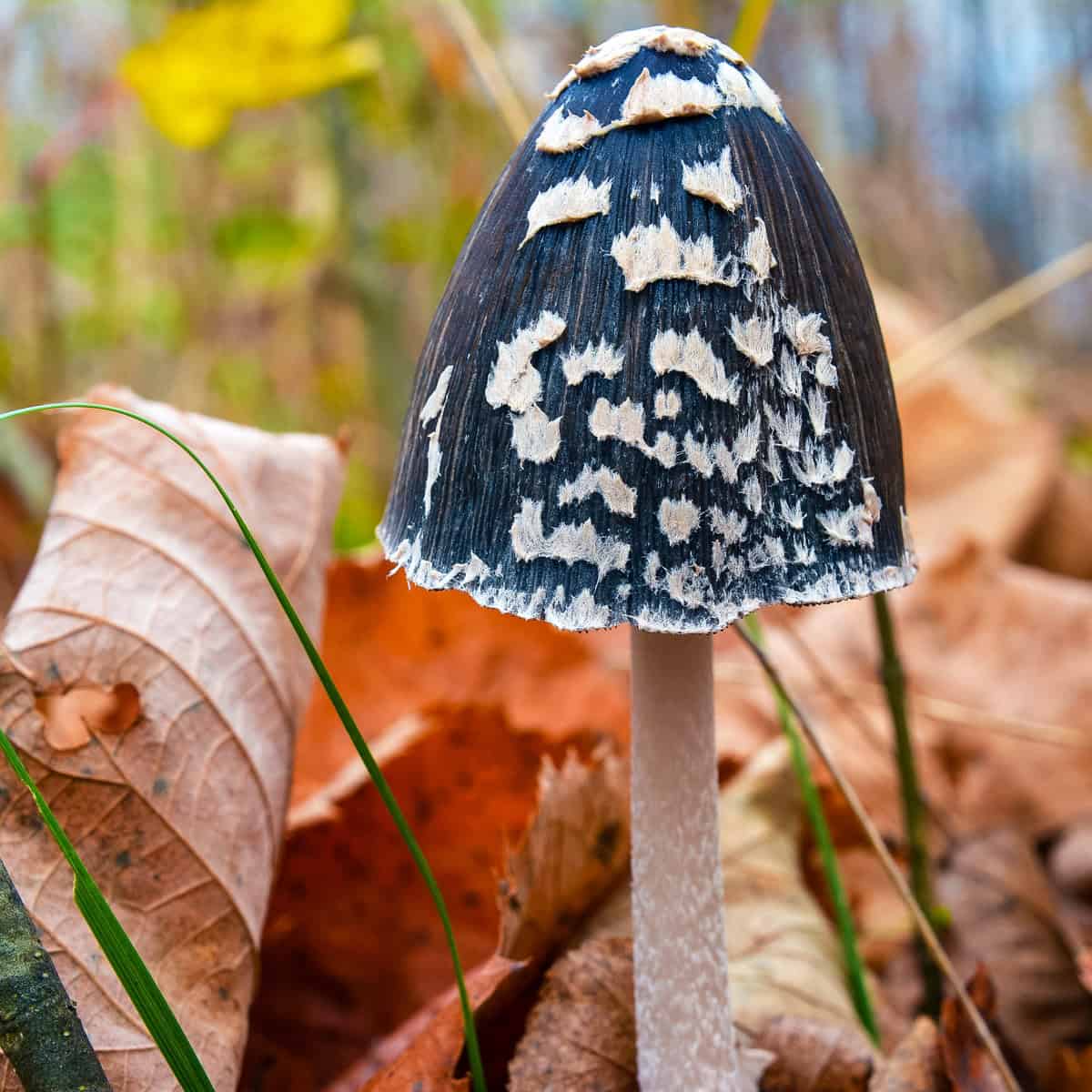
Magpie Fungus (Coprinopsis picacea): Often confused with the Shaggy Mane in its early stages, the Magpie Fungus is toxic. It features a darker, brownish-black cap covered in large, white, veil-like patches rather than the fine, fibrous scales of the Shaggy Mane. Furthermore, the Magpie Fungus typically emits an unpleasant, bitumen-like odor, whereas the Shaggy Mane has a faint, pleasant fungal aroma. Consumption of the Magpie Fungus leads to significant gastrointestinal upset.
-
Tippler’s Bane (Coprinopsis atramentaria): This species is the most critical look-alike for those who consume alcohol. While edible on its own, Tippler’s Bane contains a compound called coprine. When ingested, coprine interferes with the body’s ability to metabolize alcohol, leading to the accumulation of acetaldehyde in the bloodstream. This results in a "disulfiram-like" reaction, characterized by intense nausea, vomiting, palpitations, and headaches. This reaction can occur if alcohol is consumed up to three days after eating the mushroom.
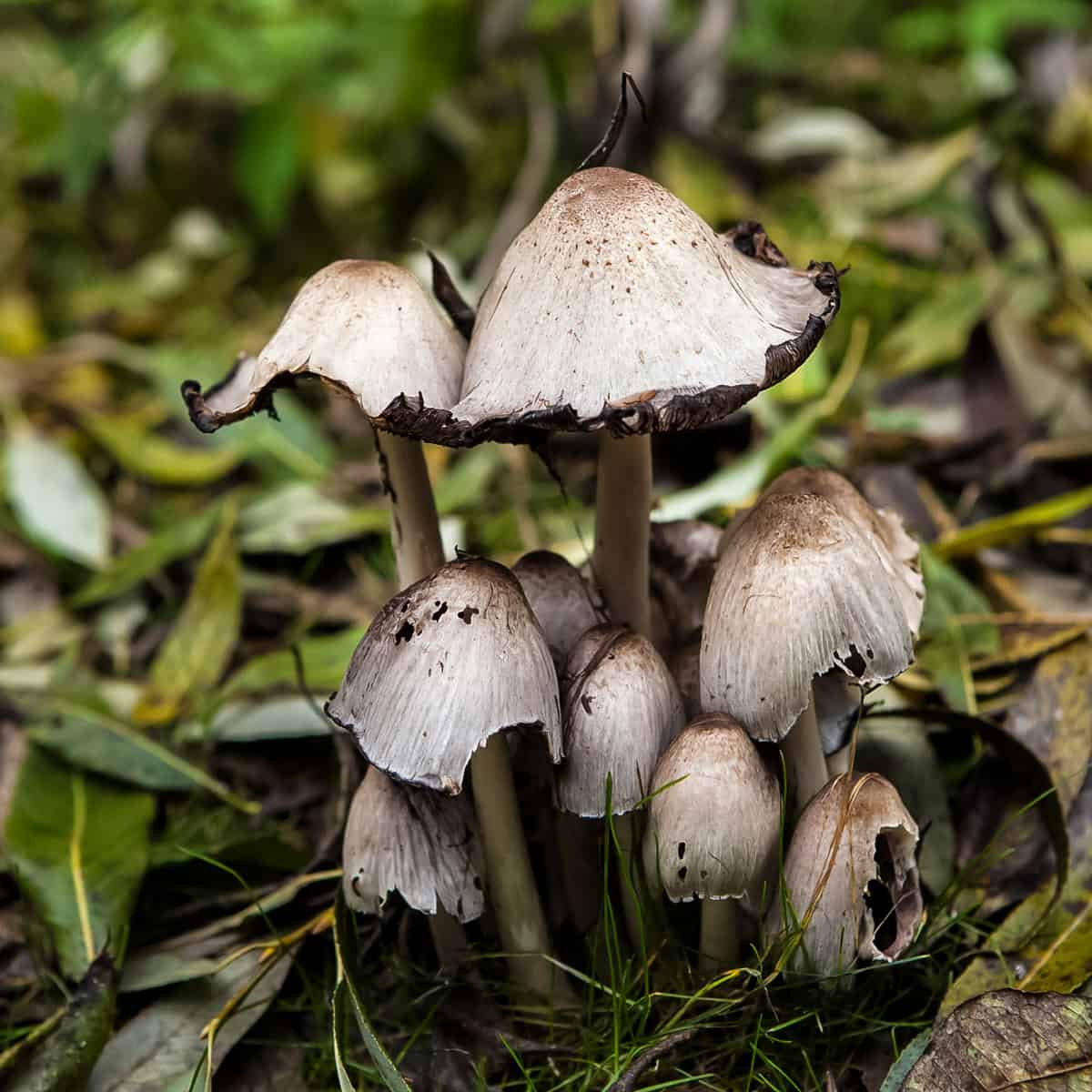
Critically, the true Shaggy Mane (Coprinus comatus) does not contain coprine, making it safe to consume alongside alcohol. However, foragers must be certain of their identification, as Tippler’s Bane often grows in similar habitats. Tippler’s Bane is generally smaller, lacks the prominent shaggy scales, and has a smoother, grey-brown cap.
Historical and Cultural Significance
The "ink" produced by the Shaggy Mane has historical utility beyond the forest floor. Before the advent of synthetic dyes and mass-produced inks, the liquid from deliquescing Coprinus species was used as a writing medium. During the 19th century, it was occasionally mixed with small amounts of cloves or oil to preserve it and mask the fungal scent. Some historical documents were reportedly signed using fungal ink as a security measure; because the ink contains microscopic spores, a document’s authenticity could theoretically be verified under a microscope by identifying the specific fungal species used.
In modern times, the Shaggy Mane has seen a resurgence in interest due to the growing "slow food" and foraging movements. It serves as an entry point for many into the world of mycology, illustrating the fascinating, albeit brief, cycles of nature.
Broader Implications and Environmental Analysis
The prevalence of Shaggy Manes in urban and suburban environments carries implications for environmental safety. Because fungi are known to bioaccumulate heavy metals and toxins from the soil, mycologists warn against harvesting Shaggy Manes from roadsides or industrial sites. The disturbed soil they prefer is often the same soil that may contain runoff from asphalt, lead from old paint, or pesticides from lawn treatments.
Foraging associations and environmental agencies recommend that those interested in consuming Shaggy Manes focus their efforts on known "clean" sites, such as organic gardens or remote meadows. The presence of these mushrooms in a backyard can be seen as an indicator of healthy, nitrogen-rich soil, but it also serves as a reminder of the fungal kingdom’s role as the "cleansers" of the ecosystem.
As climate patterns shift, the timing of Shaggy Mane emergence is also being monitored by citizen scientists. In some regions, the traditional "Halloween" appearance is shifting later into November or earlier into September, depending on rainfall patterns and soil temperature fluctuations. This makes the species an important subject for phenological studies regarding the impact of climate change on fungal fruiting bodies.
Conclusion
The Shaggy Mane mushroom stands as a testament to the complexity and transience of the natural world. From its "ghostly" appearance in the autumn mists to its dramatic transformation into liquid ink, Coprinus comatus offers a wealth of knowledge for those willing to observe it closely. While it provides a delicious and nutritious addition to the forager’s diet, it also demands respect for its rapid lifecycle and the necessity of precise identification. As interest in foraging continues to grow, the Shaggy Mane remains a focal point of mycological study, culinary exploration, and ecological appreciation.


