The Evolution of Home Food Preservation Technology
Food dehydration is one of the oldest methods of preservation, historically relying on solar exposure and natural airflow. The transition to electric countertop units in the late 20th century revolutionized the practice, allowing for precise temperature control and year-round operation regardless of external climate conditions. Cosori, a brand under the VeSync Co., Ltd umbrella, entered this market by bridging the gap between high-end industrial equipment and affordable plastic-based consumer units.
By utilizing stainless steel construction—a material traditionally reserved for commercial-grade machinery—Cosori addressed growing consumer concerns regarding Bisphenol A (BPA) and other chemicals associated with plastic components. This shift has influenced market competitors to adopt similar material standards, thereby elevating the overall quality of entry-level and mid-range food preservation appliances.
Technical Specifications and Comparative Performance Data
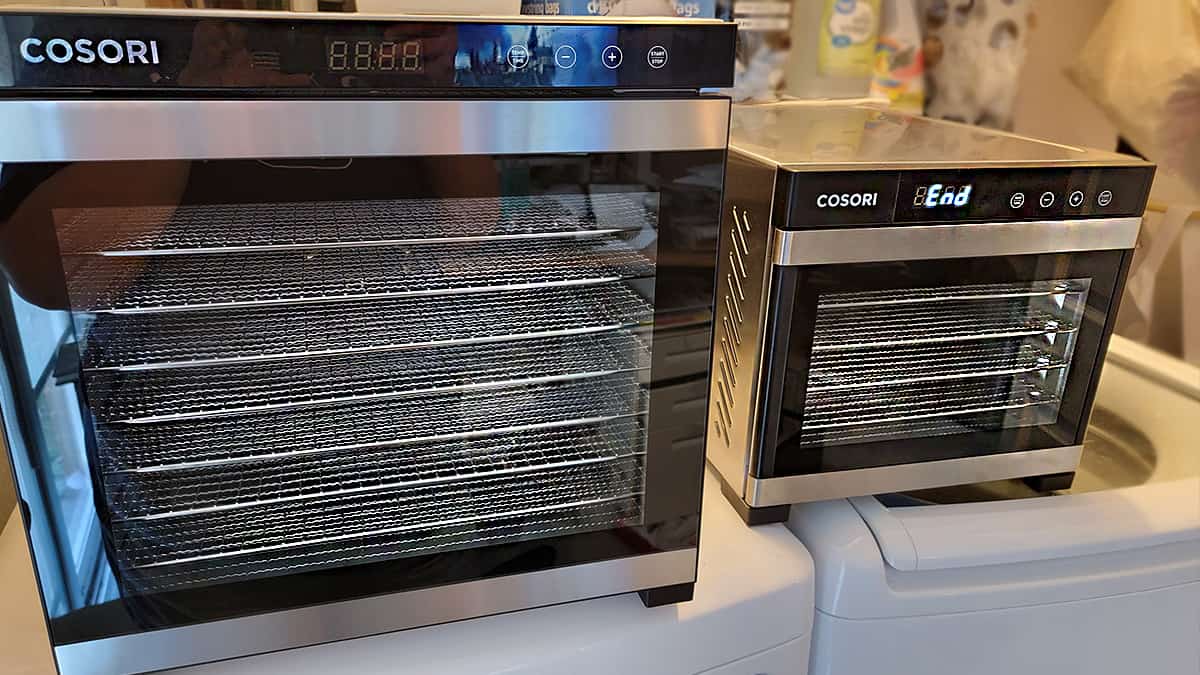
The Cosori product line is headlined by the CP267-FD (6-tray) and the larger 10-tray variant. While both machines share a similar design language and control interface, their performance metrics offer distinct advantages depending on the user’s volume requirements.
The 6-Tray Stainless Steel Dehydrator (Model CP267-FD)
The 6-tray model is frequently cited as the optimal entry point for residential users. Its technical profile includes:
- Power Output: 600 Watts.
- Voltage: 120V, 60Hz (standard North American outlets).
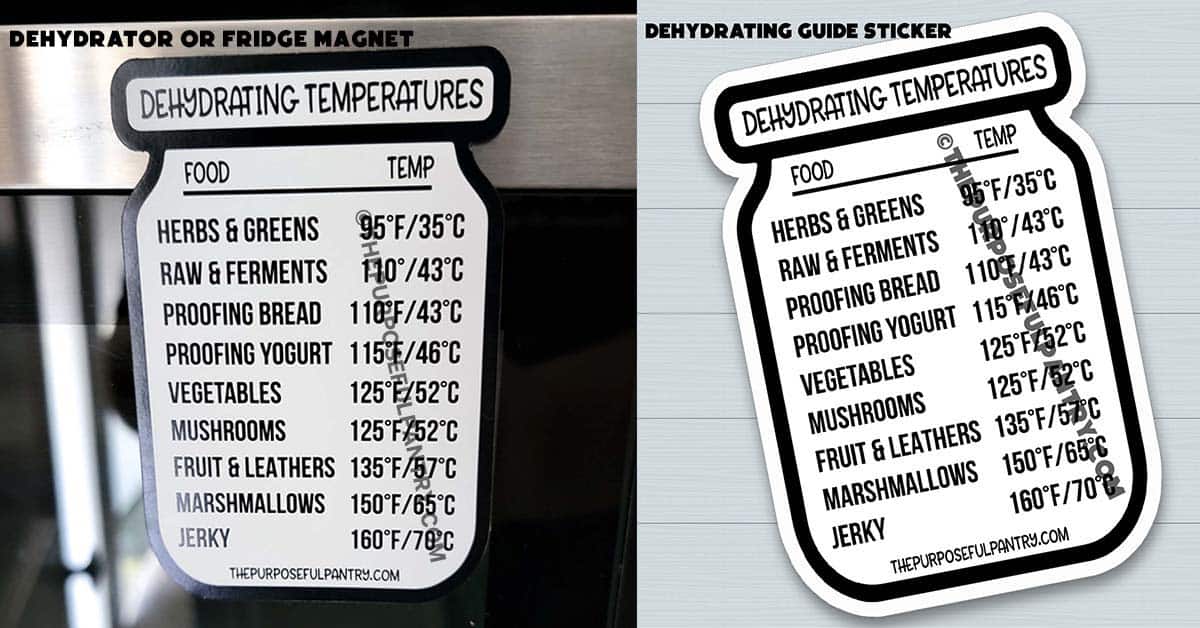
- Temperature Range: 95°F to 165°F (35°C to 73°C), adjustable in 1-degree increments.
- Timer Capacity: Up to 48 hours, adjustable in 30-minute increments.
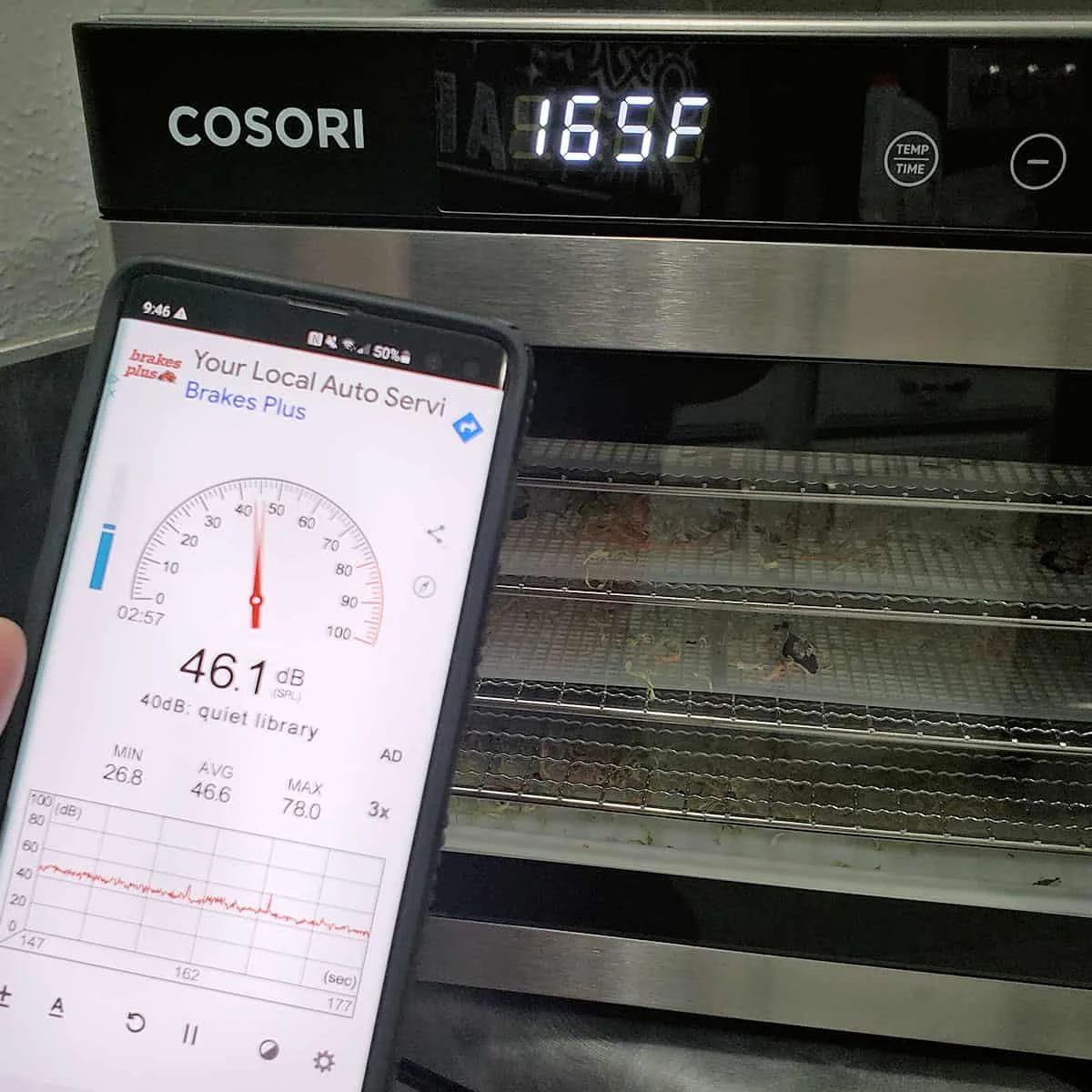
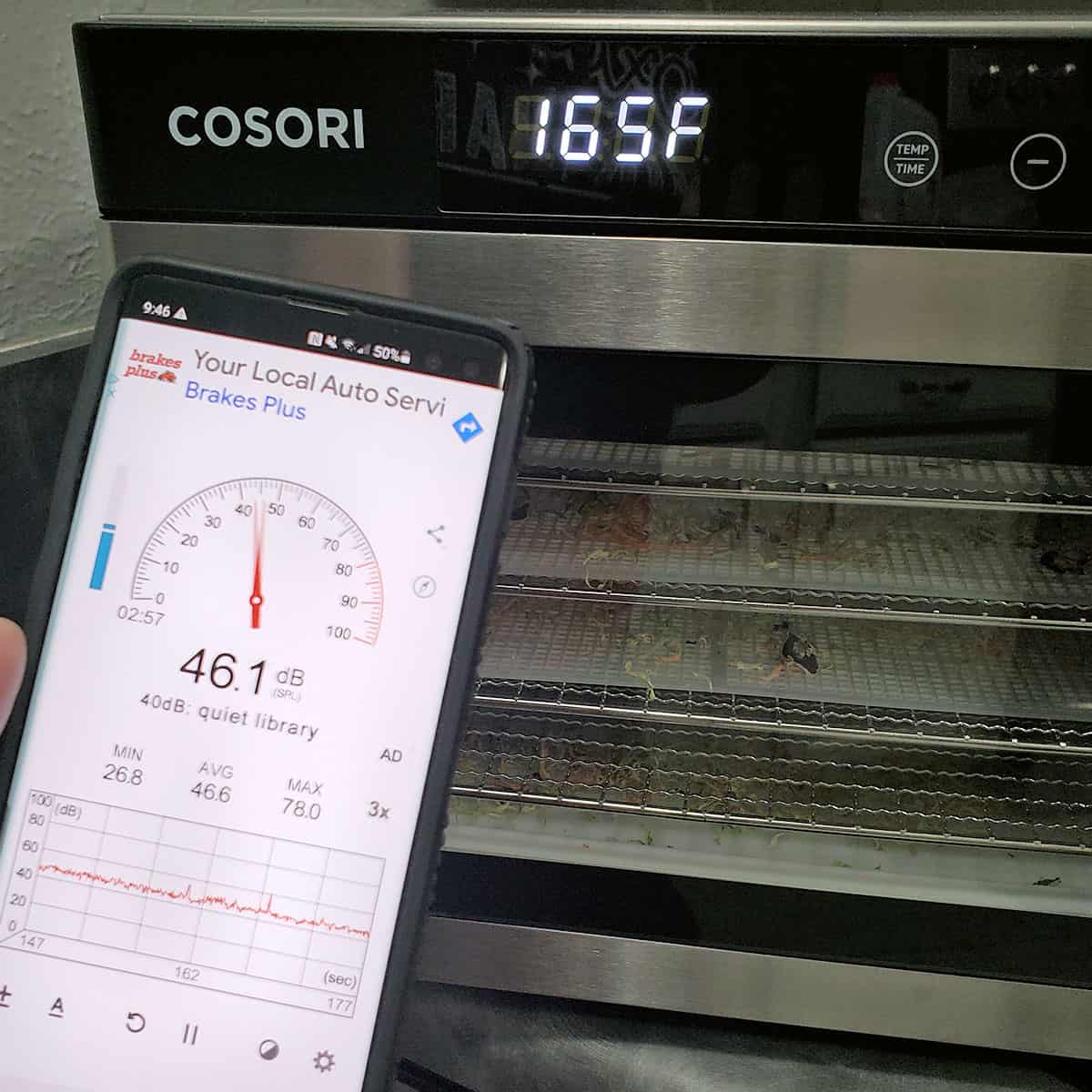
- Noise Level: Approximately 48 to 50 decibels, comparable to a quiet household refrigerator.
- Material Composition: 100% food-grade stainless steel trays and housing, with a tempered glass viewing window and localized plastic elements on the door handle and control panel.
Comparative Analysis: 6-Tray vs. 10-Tray Models
Data analysis indicates that while the 10-tray model features a higher wattage to accommodate its larger internal volume, the actual drying duration for identical food items remains consistent across both machines. The primary differentiator is throughput. The 10-tray model is designed for high-yield harvests, whereas the 6-tray model is tailored for the average household’s supplemental food storage needs.
A critical technical observation in these units is the horizontal airflow system. Unlike vertical flow dehydrators (stackable units where the fan is at the bottom or top), Cosori utilizes a rear-mounted fan. This configuration ensures even heat distribution across all trays, eliminating the need for tray rotation—a common manual requirement in lower-tier models.
Operational Protocol and Maintenance Standards
To maintain the structural integrity and performance of the appliance, specific operational protocols are recommended by industry experts.
Initial Commissioning and Sanitization
Upon procurement, the machine requires a "burn-off" period to eliminate any residual manufacturing lubricants. The standard procedure involves:
- Cleaning all stainless steel trays and liners with warm, soapy water.
- Wiping the interior cabinet with a damp cloth.
- Operating the empty dehydrator at 165°F (73°C) for a minimum of 30 minutes in a well-ventilated area.
- Allowing the unit to cool completely before introducing food products.
The Science of Dehydration and User Variables
A recurring point of discussion among users is the discrepancy between manual-recommended drying times and real-world results. Professional analysis suggests that dehydration is subject to several external variables:
- Ambient Humidity: Higher indoor humidity levels significantly extend drying times.
- Sugar and Fat Content: Foods with higher lipid or glucose concentrations require more careful monitoring to prevent "case hardening," where the exterior dries too quickly, trapping moisture inside.
- Preparation Consistency: Uniform slicing is paramount to ensuring that all items on a tray reach the desired moisture content simultaneously.
Market Reception and Consumer Feedback Analysis
Cosori’s entry into the market has been met with generally positive reception, particularly regarding the "value-to-performance" ratio. However, consumer data highlights several areas of contention and suggested improvements.
The Liner Availability Issue
One of the most frequent criticisms involves the lack of included accessories. While the machines are capable of holding 6 or 10 trays, they often ship with only one mesh liner and one fruit leather sheet. This forces consumers to make secondary purchases to utilize the machine’s full capacity for small items (like herbs) or liquid-based recipes. This "minimalist packaging" strategy has been a point of friction for the brand’s otherwise loyal user base.
Interface and Software Limitations
The digital interface, while intuitive, lacks a "pause" function. If a user opens the door to inspect the progress of the dehydration process, the internal timer continues to run. If the door remains open for an extended period, or if the power is interrupted, the unit may reset. Users have expressed a desire for a dedicated pause button to facilitate more accurate monitoring without losing programmed settings.
Reliability and Manufacturer Support
As with any mass-produced electronic appliance, a small percentage of "dud" units have been reported. These typically manifest as heating element failures or control board malfunctions within the first few months of use. Data suggests that Cosori’s customer service response is generally efficient, often requiring video documentation of the fault before issuing a replacement. The standard warranty period is one year, which is consistent with industry standards for small kitchen appliances, though extended warranties are often available through third-party retailers like Amazon.
Global Availability and Economic Implications
The expansion of Cosori into the Canadian and European markets marks a significant step in the brand’s global strategy. In regions like Canada, where the growing season is shorter, home dehydration is an essential component of the local food culture. The availability of stainless steel units at a lower price point than legacy brands like Excalibur has democratized access to high-quality preservation tools.
Furthermore, the economic impact of home dehydration cannot be overlooked. By allowing consumers to purchase produce in bulk during peak season and preserve it for winter months, these machines contribute to a reduction in household grocery expenditures and a decrease in municipal organic waste.
Implications for Food Security and Sustainability
The broader implications of the widespread adoption of food dehydrators like the Cosori models are tied to sustainability and resilience. In an era of supply chain instability and rising food inflation, the ability to store shelf-stable, nutrient-dense food without the need for refrigeration provides a level of autonomy for the modern household.
Dehydrated foods retain approximately 90% of their nutritional value, making them superior to many commercially canned alternatives which often contain high levels of sodium or preservatives. The shift toward stainless steel appliances also reflects a move away from "disposable" plastic culture, as these units are generally more durable and have a longer operational lifespan.
Conclusion
The Cosori food dehydrator series represents a pivotal shift in the home appliance market, offering professional-grade materials and consistent performance to the domestic consumer. While minor issues regarding accessory inclusion and interface features remain, the technical robustness of the units—specifically the rear-mounted horizontal airflow and precise temperature control—positions them as a leading choice for both beginners and experienced preservationists. As the trend toward self-sufficiency continues to grow, the role of efficient, accessible dehydration technology will likely become a permanent fixture in the modern kitchen landscape. Professional standards in maintenance and a deeper understanding of the science of dehydration will further enhance the utility of these machines, ensuring long-term food security for users worldwide.