
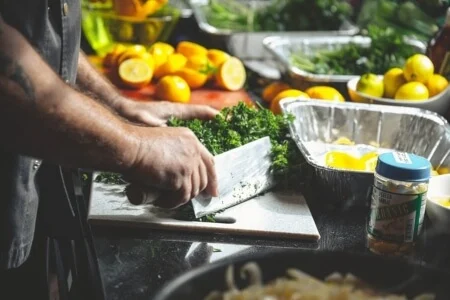
Knives, humanity’s oldest and perhaps most essential tool, have an illustrious history stretching back millions of years to the Stone Age. Far from being a mere implement, the knife represents a cornerstone of human innovation, originally crafted from natural materials such as stone (flint, obsidian), wood, and bone. Its primary functions in prehistoric societies were paramount for survival: hunting, preparing game, processing hides, and rudimentary carpentry. This foundational tool allowed early humans to manipulate their environment and resources in ways previously impossible, fundamentally shaping the course of human development.
Fast forward to the modern era, and the knife has undergone a remarkable metamorphosis. While retaining its core utility, it has evolved into an array of specialized instruments, crafted from advanced materials like various grades of steel (stainless, high-carbon), ceramic, and titanium. The diversity in design now dictates specific applications, from surgical precision to heavy-duty outdoor tasks. Within the culinary world, knives have become symbols of sophistication, artistry, and efficiency, embodying centuries of gastronomic tradition. High-quality knives, such as those often reviewed in culinary blogs and professional kitchens, are considered indispensable for various food preparation techniques, from delicate slicing to robust chopping. These tools are designed for longevity, yet their critical cutting edge inevitably dulls with repeated use, challenging their timeless utility.
Traditionally, maintaining a knife’s sharpness has relied on specialized tools, primarily whetstones or honing steels. While highly effective, these tools are not always readily available, especially in impromptu settings or when unexpected dullness strikes. The absence of a conventional sharpener can render even the finest blade less effective, highlighting the need for alternative solutions. This article delves into several unconventional yet effective methods for restoring a knife’s edge, offering practical hacks for those moments when a dedicated sharpener is out of reach. Understanding the principles behind these methods, along with critical safety considerations, can empower users to maintain their blades’ functionality in diverse circumstances.
The Historical Trajectory of Blade Craftsmanship
The journey of the knife from a crude stone shard to a meticulously engineered culinary instrument is a testament to human ingenuity. The earliest knives, dating back to the Oldowan period (approximately 2.6 million years ago), were simple flakes struck from larger stones, primarily flint or obsidian, chosen for their conchoidal fracture properties which yield incredibly sharp edges. These early tools were multi-functional, essential for butchering animals, scraping hides, and shaping wood.
With the advent of the Bronze Age (circa 3300 BCE), metals like copper and later bronze began to replace stone. Bronze knives, while softer than modern steel, offered superior durability and the ability to be resharpened or recast. This period marked a significant leap in tool technology, allowing for more intricate designs and specialized functions. The Iron Age, beginning around 1200 BCE, brought forth iron and eventually steel, revolutionizing blade making. Iron, and subsequently steel, provided a harder, more resilient, and more enduring edge, paving the way for the sophisticated blades we recognize today. The development of differential hardening techniques, like those seen in ancient Japanese sword-making, further refined the art of blade crafting, allowing for both hard cutting edges and resilient spines.
The Industrial Revolution fundamentally transformed knife production, moving from artisanal blacksmithing to mass manufacturing. Innovations in metallurgy and manufacturing processes in the 19th and 20th centuries led to the development of stainless steel, ceramic, and titanium blades, each offering distinct advantages in terms of corrosion resistance, edge retention, and weight. Modern culinary knives, for instance, often feature high-carbon stainless steel, balancing sharpness, durability, and ease of maintenance. The continuous evolution of materials and manufacturing techniques underscores humanity’s persistent quest for the perfect edge.
Understanding the Mechanics of a Sharp Edge and Its Deterioration
A knife’s effectiveness hinges on the sharpness of its edge, which is essentially a finely tapered wedge designed to minimize resistance as it passes through material. At a microscopic level, a truly sharp edge comes to a single, infinitesimally thin apex. However, with each cut, this delicate apex undergoes stress. Common culprits for dullness include micro-abrasion from contact with cutting boards, micro-chipping from striking hard objects, and the rolling or deforming of the thin metal edge. This rolling is particularly common in softer steels or when cutting resistant materials, where the apex bends over, creating a blunt surface.
Sharpening is the process of restoring this apex. It involves abrading material from the blade’s sides at a consistent angle until the two planes meet again to form a new, keen edge. This process typically removes microscopic amounts of metal, effectively "resetting" the blade. Honing, often confused with sharpening, is a less aggressive process that realigns an already existing, albeit slightly rolled, edge without removing significant material. Most professional chefs use a honing steel frequently to maintain their edge between sharpening sessions. The effectiveness of any sharpening method, conventional or unconventional, depends on its ability to remove material or realign the edge uniformly and at the correct angle. Typical kitchen knife angles range from 15 to 20 degrees per side, creating an inclusive angle of 30 to 40 degrees. Maintaining this angle consistently is crucial for optimal results.
Emergency Sharpening: Unconventional Approaches
When a dedicated sharpener is unavailable, several common household items or natural elements can be repurposed to restore a usable edge. These methods, while effective in a pinch, often lack the precision of specialized tools and should be approached with extreme caution.
1. Blade-to-Blade Honing: The Chef’s Quick Fix
This technique, often observed in professional kitchens, involves using the spine of one knife to hone the edge of another. While it appears dramatic, its effectiveness primarily lies in honing a slightly dulled edge rather than performing a full sharpening on a truly blunt blade. The principle is similar to using a ceramic honing steel. The spine of a knife, particularly one with a harder steel or a rougher finish, can abrade or realign the rolled edge of another blade.
Methodology:
Select two knives of similar size, though larger knives can offer more surface area for control. Hold one knife (the "sharpener") firmly with its spine facing upwards, away from your body. Take the knife to be sharpened and, maintaining a consistent angle (typically 15-20 degrees, matching the original blade angle), slide its dull edge against the spine of the sharpener knife. Apply light, even pressure and perform a swift, controlled stroke, moving from the heel of the blade to the tip. Repeat this motion on the other side of the blade, then alternate sides. A common rhythm involves 10-15 strokes per side.
Analysis and Caveats:
This method is most effective for blades that are only slightly dull, where the edge has merely rolled over. It is less effective for blades with significant chips or severe bluntness, as it removes minimal material. The primary risk is loss of control, leading to cuts or blade damage. The blades can slip, or excessive force can cause them to chip. Ensuring no one is in close proximity during this operation is paramount due to the swift, potentially erratic motions. From a metallurgical perspective, repeatedly grinding two steel edges against each other can cause micro-abrasions on both, potentially degrading the edge quality over time if done excessively or incorrectly.
2. Harnessing Nature’s Abrasives: The Smooth Stone Method

In outdoor or emergency situations, a smooth, dense stone can serve as an improvised sharpening surface. This method harks back to humanity’s earliest sharpening techniques, utilizing natural abrasives. The key is to select a stone with a fine, uniform texture, free from significant irregularities or large grit particles that could damage the blade. River stones, worn smooth by water erosion, are often ideal candidates.
Methodology:
Locate the smoothest, flattest stone available. Prior to use, thoroughly wet the stone, or even submerge both the stone and the knife in water. Water acts as a lubricant, reducing friction and carrying away swarf (metal particles), which prevents the stone’s surface from becoming clogged. Hold the knife at the correct sharpening angle against the stone. Unlike using a whetstone, where you might push and pull, with an improvised stone, it’s often safer and more effective to glide the blade consistently in one direction, as if trying to slice a thin layer off the stone. Work one side of the blade until a burr (a tiny wire edge) forms on the opposite side, then flip the blade and repeat.
Analysis and Caveats:
The "grit" of natural stones is highly variable and often coarse, meaning they will quickly remove material but may leave a rough edge. The key challenge is maintaining a consistent angle across the irregular surface of a natural stone. Inconsistent angles will result in a poorly formed edge or even further dulling. Avoid rough, porous, or crumbly stones, as these can chip the blade or transfer impurities. This method is a legitimate last resort, especially in survival or camping scenarios where traditional sharpeners are impractical to carry. However, proper storage and maintenance of knives after such use are crucial to prevent accidents, as the edge might be less refined and more prone to catching.
3. The Versatility of Sandpaper: A DIY Sharpening Surface
Sandpaper, readily available in hardware and department stores, offers a surprisingly effective and budget-friendly alternative to a whetstone. It consists of abrasive particles (like aluminum oxide or silicon carbide) bonded to a paper or cloth backing, providing a controlled abrasive surface. Sandpaper is categorized by grit size, offering a range from very coarse to extremely fine.
Methodology:
To use sandpaper effectively, it must be affixed to a perfectly flat, stable surface, such as a piece of glass, a marble slab, or a sturdy wooden block. This ensures that the sharpening surface remains consistent. Start with a medium-grit sandpaper (e.g., 200-400 grit) if the knife is very dull, then progress to a finer grit (e.g., 600-1000 grit) for refinement. If available, very fine grits (2000+) can be used for polishing the edge. Maintain the correct sharpening angle and apply light, even pressure, gliding the blade across the sandpaper as if shaving a thin layer off the surface. Alternate strokes on each side of the blade, or work one side until a burr forms, then switch. Wetting the sandpaper (if it’s wet/dry type) can improve lubrication and prevent clogging.
Analysis and Caveats:
Sandpaper’s primary advantage is its accessibility and the ability to choose specific grit levels, allowing for a more controlled sharpening process than natural stones. However, it wears out relatively quickly, especially coarser grits, and can tear if not handled carefully. It’s not ideal for knives with significant curves, as it’s difficult to maintain contact across the entire blade profile. Safety precautions include wearing gloves to protect hands from the abrasive surface and securing the sandpaper firmly to prevent it from slipping. While more precise than a random stone, it still requires practice to maintain a consistent angle, which is the cornerstone of effective sharpening.
4. The Last Resort: Concrete and Cement Surfaces
In extreme circumstances, when no other option presents itself, a clean, unpainted concrete or cement surface can be used to sharpen a knife. This is by far the coarsest and most aggressive method, suitable only as a last resort for truly desperate situations where a functional edge is absolutely critical, and blade aesthetics are secondary. The abrasive nature of concrete, composed of aggregates like sand and gravel bound by cement, can quickly remove material.
Methodology:
Identify a clean, flat section of concrete or cement, preferably one that is not coated in paint or sealant, as these can tarnish or gum up the blade. Holding the knife at a consistent, shallow angle (15-20 degrees), draw the blade across the concrete surface in one direction, much like using a coarse whetstone. Apply minimal pressure; the inherent abrasiveness of concrete does most of the work. Work one side until a burr is felt, then switch to the other side. A lighter touch for a few finishing strokes can help to deburr the edge.
Analysis and Caveats:
This method is incredibly harsh and will create a very coarse, toothy edge, often with visible scratches on the blade’s surface. It removes material very quickly, making it easy to damage the blade by removing too much metal or creating an inconsistent angle. The resulting edge will not be refined and may not hold its sharpness for long. Furthermore, performing this outdoors might draw unwanted attention, and the unevenness of concrete surfaces makes consistent angle maintenance exceptionally difficult. The paramount safety concern is the high risk of slippage, leading to severe injury. This hack should be considered an absolute emergency measure and undertaken with extreme caution, prioritizing personal safety above all else. It is not recommended for expensive or cherished knives.
Expert Perspectives and Safety Protocols
While these unconventional methods can provide a temporary solution for a dull blade, it is crucial to understand that they are generally inferior to dedicated sharpening tools like whetstones, ceramic rods, or guided sharpening systems. Professional chefs and metallurgists consistently advocate for proper tools for several reasons: precision, blade longevity, and safety. Dedicated sharpeners allow for precise angle control, finer grit progression, and minimize material removal, thereby extending the life of the knife.
Safety remains the overriding concern with any sharpening activity. Knives are inherently dangerous tools, and a dull knife can be more dangerous than a sharp one due to the increased force required for cutting, raising the risk of slippage. When attempting any of these hacks:
- Always maintain focus: Distractions can lead to accidents.
- Secure your grip: A firm, non-slip grip on the knife handle is essential.
- Work away from your body: Directing the blade’s edge away from your hands and body minimizes injury risk if you slip.
- Stabilize the sharpening surface: Ensure the stone, sandpaper, or concrete surface is stable and won’t move during the process.
- Use light, consistent pressure: Excessive force can lead to blade damage or loss of control.
- Be aware of your surroundings: Ensure no one is close enough to be injured by a slipping knife or abrasive dust.
- Consider gloves: For abrasive methods like sandpaper or concrete, sturdy gloves can protect hands from cuts and abrasions.
For high-value knives or when significant damage has occurred, professional sharpening services are highly recommended. These experts possess the tools and expertise to restore a blade to its optimal condition without compromising its integrity.
Beyond the Edge: The Broader Implications of Knife Maintenance
The ability to maintain a sharp knife, even with unconventional methods, speaks to a broader principle of resourcefulness and preparedness. While knives are a necessity in many aspects of modern life, particularly in the kitchen, their effectiveness diminishes significantly with wear. The constant demand placed on blades, from preparing ingredients to opening packages, inevitably leads to dullness. Knowing these simple hacks ensures that functionality can be restored when traditional means are absent, preventing frustration and enhancing efficiency.
Ultimately, the lifecycle of a knife involves not just its initial purchase but also its ongoing care. This continuum of care, encompassing proper cleaning, storage, and sharpening, ensures that this ancient tool continues to serve its purpose effectively. Whether one opts for sophisticated sharpening systems or relies on ingenuity and unconventional materials, the goal remains the same: to preserve the enduring edge of humanity’s most timeless instrument. These emergency hacks, though not ideal for long-term maintenance, underscore the adaptability required to keep our essential tools performing optimally, reflecting the same innovative spirit that first forged the knife millions of years ago.


