
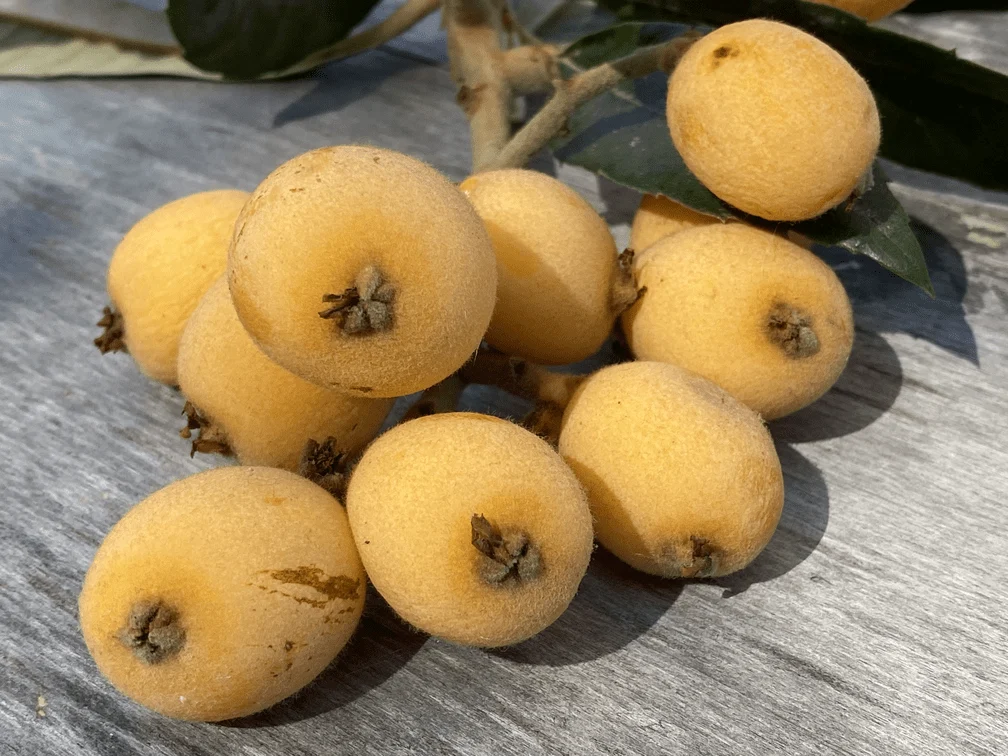
The loquat tree, scientifically known as Eriobotrya japonica, stands as a testament to nature’s seasonal bounty, particularly during the transitional months of spring. For many, its robust growth and generous yield make it a highly valued botanical asset, transforming yards into vibrant orchards. Unlike its more commonly known relative, the kumquat, the loquat offers a distinct profile that is gaining increasing recognition among horticulturists, culinary enthusiasts, and health-conscious individuals alike.
Characterized by its substantial size, a mature loquat tree can reach impressive heights, with some specimens soaring up to 25 feet. This significant stature contributes to its prolific leaf production, providing a continuous source of organic matter that is highly beneficial for enriching compost piles, thereby contributing to sustainable gardening practices. Beyond its utility as a carbon source, the leaves of the loquat tree possess notable medicinal properties, historically utilized in traditional remedies. Brewed into a simple tea, these leaves have been traditionally employed for their potential therapeutic benefits, a practice that continues to intrigue researchers studying natural pharmacopoeia.
The fruit itself is a delicate marvel, featuring a fuzzy skin that ripens to a beautiful blush, reminiscent of certain stone fruits. Its interior holds a succulent, pear-like flesh, housing anywhere from one to five glossy, dark seeds. This unique combination of texture, flavor, and visual appeal makes the loquat a distinctive fruit, albeit one that requires prompt attention once harvested due to its inherent perishability.
A Rite of Spring: The Annual Loquat Harvest
Every spring, typically spanning from mid-March through mid-May, loquat branches become heavily laden with clusters of this unique fruit. This period marks an annual ritual for many growers, transforming a simple garden task into a significant harvesting endeavor. The sheer volume of fruit produced can be staggering, often yielding dozens, if not hundreds, of pounds from a single mature tree. This abundance presents both a joyous opportunity and a practical challenge: the need to process and preserve the delicacy swiftly before its fleeting freshness fades.
The window for optimal ripeness is relatively short, making immediate action crucial for maximizing the enjoyment and utility of the harvest. This urgency has historically driven innovation in preservation techniques, from simple fresh consumption to more complex culinary preparations. The ephemeral nature of the loquat underscores its value as a truly seasonal delight, compelling enthusiasts to embrace its limited availability.
Botanical Origins and Global Spread
The loquat’s journey from its native East Asian origins to gardens worldwide is a fascinating chapter in botanical history. Indigenous to southeastern China, the loquat has been cultivated for over a thousand years in various parts of Asia, including Japan, where it is highly esteemed. Its introduction to other regions, particularly the Mediterranean basin and parts of the Americas, occurred through trade routes and colonial expansion. Spanish missionaries are credited with bringing the loquat to California in the 18th century, where it quickly adapted to the mild climate. Today, it thrives in subtropical and warm temperate zones across the globe, including parts of the United States (California, Florida, Gulf Coast), Australia, New Zealand, India, and various European countries like Spain, Italy, and Greece.
This widespread adoption is largely due to the tree’s resilience and adaptability. Loquats prefer well-drained soil and full sun but can tolerate a range of conditions, making them a popular choice for home gardens and municipal landscaping. While commercial cultivation exists, it remains somewhat niche compared to other fruit crops, primarily due to the fruit’s delicate nature and short shelf life, which pose logistical challenges for large-scale distribution.
Culinary Applications: Beyond Fresh Consumption
Given the generous yield and delicate nature of loquats, developing effective preservation strategies is paramount. While the fresh fruit offers a delightful balance of sweetness and tartness, its rapid perishability necessitates creative culinary approaches. Traditional methods of preservation have centered on transforming the fruit into more stable forms, extending its enjoyment beyond the spring season.
One of the most popular and straightforward methods is the creation of loquat jam. The fruit’s natural pectin content often facilitates a good set, resulting in a vibrant, flavorful spread that captures the essence of spring. This jam can be enjoyed on toast, as a filling for pastries, or paired with cheeses.
Beyond sweet preparations, loquats lend themselves exceptionally well to savory applications, particularly fermented condiments. A prime example is a savory/sweet loquat chutney, drawing parallels to popular peach-mango chutneys. This type of condiment, often enhanced through fermentation, introduces a complex flavor profile with notes of spice, acidity, and umami, making it a versatile accompaniment to a wide array of dishes. Fermented chutneys not only preserve the fruit but also introduce beneficial probiotics, adding a health dimension to the culinary experience. Such chutneys can elevate grilled meats, curries, sandwiches, or even serve as a vibrant spread for crackers.
Other less common but equally delicious uses for loquats include:
- Pies and Tarts: The fruit’s pear-like texture holds up well to baking, creating delectable desserts.
- Sauces: Pureed loquats can form the base for savory sauces for poultry or pork, or sweet dessert sauces.
- Wine and Vinegar: The fruit’s sugar content makes it suitable for fermentation into unique wines or artisanal vinegars.
- Juices and Smoothies: Fresh loquat juice is refreshing, and the fruit can be incorporated into various smoothie recipes.
- Dried Fruit: While more labor-intensive, dried loquats offer a concentrated flavor and extended shelf life.
The versatility of the loquat in the kitchen highlights its potential for broader culinary adoption, particularly in local food movements where seasonal and unique produce is celebrated.
Nutritional and Medicinal Profile
The appeal of the loquat extends beyond its taste and versatility; it also boasts a commendable nutritional profile and a history of medicinal use.
Nutritional Benefits of the Fruit:
Loquats are a good source of dietary fiber, which is crucial for digestive health. They also contain a range of vitamins and minerals, including:
- Vitamin A (Beta-carotene): Important for vision, immune function, and skin health. The fruit’s orange-yellow hue is indicative of its beta-carotene content.
- Vitamin C: A powerful antioxidant that supports immune health and collagen production.
- Potassium: An essential mineral vital for maintaining fluid balance, nerve signals, and muscle contractions.
- Manganese: Plays a role in bone health, metabolism, and antioxidant defense.
- Other Antioxidants: Loquats contain various polyphenolic compounds that help combat oxidative stress in the body.
The fruit’s relatively low calorie count and high water content also make it a hydrating and guilt-free snack.
Medicinal Properties of the Leaves:
Perhaps even more intriguing are the medicinal properties attributed to loquat leaves. In traditional Chinese medicine, loquat leaves (known as Pi Pa Ye) have been used for centuries to treat various ailments, particularly those related to the respiratory system. Research into these traditional uses has identified several bioactive compounds:
- Triterpenes: Compounds like tormentic acid and corosolic acid have been studied for their potential anti-inflammatory and anti-diabetic effects. Corosolic acid, in particular, has shown promise in regulating blood glucose levels.
- Polyphenols and Flavonoids: These antioxidants contribute to the leaves’ anti-inflammatory and immune-boosting properties.
- Expectorant Properties: Loquat leaf tea is often consumed to soothe coughs, clear phlegm, and alleviate symptoms of bronchitis and other respiratory conditions.
While traditional use is widespread, ongoing scientific research continues to explore and validate these purported benefits, contributing to a growing appreciation for the holistic value of the loquat plant.
Expert Insights and Agricultural Outlook
The loquat’s unique characteristics and potential are increasingly drawing the attention of agricultural experts, food scientists, and culinary professionals.
Dr. Eleanor Vance, a horticulturalist specializing in subtropical fruits, notes, "The loquat is an incredibly resilient and productive tree, often overlooked in commercial agriculture due to its delicate nature. However, its suitability for home gardens and local food systems is unparalleled. It requires relatively low input once established and provides an abundant harvest that can significantly contribute to food security in temperate and subtropical climates." Dr. Vance emphasizes the need for increased public awareness regarding the loquat’s benefits and how to effectively utilize its yield.
From a culinary perspective, Chef Antoine Dubois, known for his innovative use of seasonal ingredients, states, "The loquat offers a flavor profile that is truly its own – a delicate balance of apricot, pear, and citrus notes. Its versatility in both sweet and savory dishes is remarkable. I’ve experimented with loquat glazes for roasted duck, fermented loquat hot sauces, and even a delicate loquat sorbet. It challenges chefs to think creatively about how to incorporate underutilized fruits into modern cuisine."
The challenge of perishability is often highlighted by food scientists. Dr. Lena Khan, a food preservation specialist, explains, "The short shelf life of loquats is their primary commercial hurdle. This is where traditional methods, re-evaluated through a modern lens, become critical. Fermentation, in particular, offers a fantastic solution. It not only extends shelf life significantly but also enhances flavor complexity and nutritional value by introducing beneficial microbes. Techniques like canning, freezing, and drying also play vital roles in ensuring none of this valuable harvest goes to waste." Organizations like the Fermenters Club, known for their expertise in sustainable food preservation, actively promote such methods for fruits like the loquat, transforming a perishable bounty into shelf-stable culinary treasures.
Broader Impact and Implications
The growing appreciation for the loquat has several broader implications, touching upon local economies, environmental sustainability, and evolving culinary trends.
Local Food Systems: The loquat’s prolific nature and ease of cultivation make it an ideal candidate for strengthening local food systems. Backyard growers and small-scale farmers can contribute significantly to local markets, providing fresh, seasonal produce that might otherwise be unavailable. This fosters community resilience and reduces reliance on long-distance food supply chains.
Environmental Benefits: From an environmental standpoint, the loquat tree offers numerous advantages. Its large leaves contribute to carbon sequestration, and when incorporated into compost, they enrich soil health, reducing the need for synthetic fertilizers. As a perennial fruit tree, it helps prevent soil erosion and supports local biodiversity.
Culinary Innovation and Health Trends: The loquat fits perfectly within current culinary trends that prioritize fresh, seasonal, and unique ingredients. Its health benefits align with consumer demands for nutrient-dense foods. As chefs and home cooks continue to explore its potential, the loquat is poised to move from a backyard secret to a more celebrated ingredient in mainstream cuisine. Its role in fermented foods also taps into the increasing consumer interest in gut health and probiotic-rich diets.
Challenges and Opportunities: Despite its many virtues, challenges remain. Consumer awareness outside of regions where it is traditionally grown is still relatively low. Education on how to handle, prepare, and preserve loquats is crucial for wider adoption. Furthermore, developing more efficient harvesting and processing technologies could help overcome some of the commercialization hurdles.
In conclusion, the loquat, Eriobotrya japonica, is far more than just a garden tree. It represents a vibrant, seasonal bounty offering a rich tapestry of culinary possibilities and health benefits. Its annual spring harvest is a testament to nature’s generosity, while its versatility, both in fresh consumption and through various preservation methods like fermentation, underscores its potential to enrich local food systems, promote sustainable practices, and inspire culinary innovation. As interest in unique, healthy, and locally sourced foods continues to grow, the loquat is well-positioned to emerge from its niche status and secure its rightful place as a celebrated fruit of the spring season.


