The nuanced flavor profile of sourdough bread, particularly its characteristic tang, is a point of significant discussion and experimentation among bakers worldwide. Far from being an accidental byproduct, the level of sourness in a sourdough loaf is a highly controllable variable, influenced by a complex interplay of microbial activity, environmental conditions, and ingredient choices. This guide delves into the scientific principles and practical techniques that empower bakers to precisely calibrate the acidity of their bread, moving beyond intuition to a data-driven approach.
The Microbial Symphony: Lactic and Acetic Acid
At the heart of sourdough’s distinct flavor lies the fermentation process driven by a symbiotic culture of wild yeasts and Lactic Acid Bacteria (LAB). These microorganisms metabolize sugars in the flour, producing a range of compounds, most notably lactic acid and acetic acid, which are primarily responsible for the bread’s sour taste.
Lactic Acid, a product of homofermentative LAB, imparts a smooth, creamy, and often yogurt-like acidity. It is considered the milder of the two primary acids and contributes to the overall "roundness" of the sourdough flavor. Its presence is often associated with a softer crumb and a less aggressive tang.
Acetic Acid, produced by heterofermentative LAB, is sharper, more volatile, and possesses a distinct vinegar-like aroma and taste. This acid is responsible for the assertive, pungent tang that many associate with traditional sourdough. Its higher vapor pressure means it is readily detectable by smell, making a vinegary aroma in a starter or dough a clear indicator of its prevalence.
The ratio and total quantity of these acids are not fixed but are dynamic, shifting in response to various environmental cues. Understanding these shifts is paramount to mastering sourness control.
The Critical Role of pH in Fermentation
The pH level of the dough—a measure of its acidity—is a fundamental control knob in sourdough baking. As LAB produce acids, the pH of the dough naturally drops. However, bacteria are sensitive to their environment; as the pH falls below a certain threshold (typically around 3.5-4.0), their metabolic activity significantly slows, eventually halting acid production. This self-limiting mechanism means that factors influencing how quickly or slowly the pH drops, and how much buffering capacity the dough possesses, directly impact the total acid accumulated and thus the final sourness. Food science research consistently highlights pH as a primary determinant of fermentation kinetics and flavor development in sourdough systems.
Precision Control: Strategies for Enhancing Sourdough Acidity
For bakers seeking a more pronounced, mouth-puckering tang, several scientifically grounded strategies can be employed throughout the bread-making process:
Optimizing Starter Ripeness for Maximum Acidity
One of the most immediate ways to increase sourness is to utilize a starter that has fermented beyond its peak ripeness. When a starter is allowed to continue fermenting past its highest rise and subsequent slight collapse, it signifies that the yeasts have largely consumed available simple sugars and their activity is waning. However, the LAB continue to metabolize more complex carbohydrates and residual sugars, accumulating a higher concentration of lactic and acetic acids.
A starter past its peak will typically exhibit a pungent, vinegary aroma (indicating high acetic acid), a looser, more frothy consistency, and may have visibly fallen in its container. Incorporating such a highly acidic levain into the main dough inoculates it with a substantial initial dose of acids, setting the stage for a tangier final product. Studies on starter microbiology confirm that longer fermentation times in the starter phase directly correlate with increased acidity.
The Extended Cold Proof: A Reliable Path to Tang
Perhaps the most reliable and widely used method for developing significant sourness is an extended cold proof, also known as retardation. Refrigeration (typically 38-42°F or 3-5°C) dramatically slows metabolic processes, but it does not stop them entirely. Crucially, cold temperatures affect yeasts and bacteria differentially: yeasts tend to be inhibited less severely than many LAB strains. This differential slowing can lead to a shift in the acid profile.
While overall acid production slows, the relatively sustained activity of yeasts continues to release sugars, which heterofermentative LAB (those producing acetic acid) are particularly adept at utilizing under cooler conditions. The result is a gradual accumulation of total acids over 24, 48, or even 72 hours, with a higher proportion of the sharper acetic acid. Professional bakeries often leverage extended cold proofing not only for flavor but also for scheduling flexibility. However, it’s important to note that prolonged cold proofing can also lead to enzymatic degradation of the gluten network, potentially compromising oven spring and crumb structure, a trade-off bakers must manage.
Manipulating Levain Hydration: Stiff vs. Liquid
The hydration level of the levain (or starter) plays a significant role in determining the ratio of lactic to acetic acid. A stiffer levain (typically 50-65% hydration, meaning less water relative to flour) creates an environment that slows microbial activity, particularly that of yeasts, more effectively than some LAB. This slower overall metabolism, especially when coupled with an extended ripening time for the levain itself, tends to favor the production of acetic acid. The reduced water availability can also stress certain microbial populations, pushing them towards alternative metabolic pathways that yield more acetic acid. For example, traditional Lievito Madre, a stiff Italian starter, produces a characteristically mild bread when fed frequently due to constant acid dilution, but if left to ripen extensively, it can become quite sour.
Conversely, a more liquid levain (100% hydration or higher) provides a more hospitable environment for a broader range of LAB, often favoring lactic acid production, resulting in a milder, smoother sourness.
The Influence of Whole Grains and Ash Content
Incorporating whole grain flours, especially rye, is a potent method for increasing sourness. The primary reason lies in their ash content, which refers to the mineral content remaining after combustion. These minerals, such as phosphates and phytates, act as natural buffering agents within the dough.
In a high-ash, whole grain flour, the buffering capacity is significantly greater. This means that as LAB produce acids, the dough’s pH drops more slowly, allowing the bacteria to remain active and produce a larger total quantity of acid before the pH falls to inhibitory levels. Refined white flours, with their low ash content, have less buffering capacity, causing the pH to drop quickly and thus limiting total acid production. Rye flour is particularly rich in these buffering compounds and also contains unique enzymes and microbial populations that contribute to a distinct, often more pronounced, sourness. Research confirms that even small percentages of rye can dramatically impact the final acidity and flavor complexity.
Temperature’s Dual Role in Fermentation
Temperature is a critical variable influencing both the rate of fermentation and the type of acids produced.
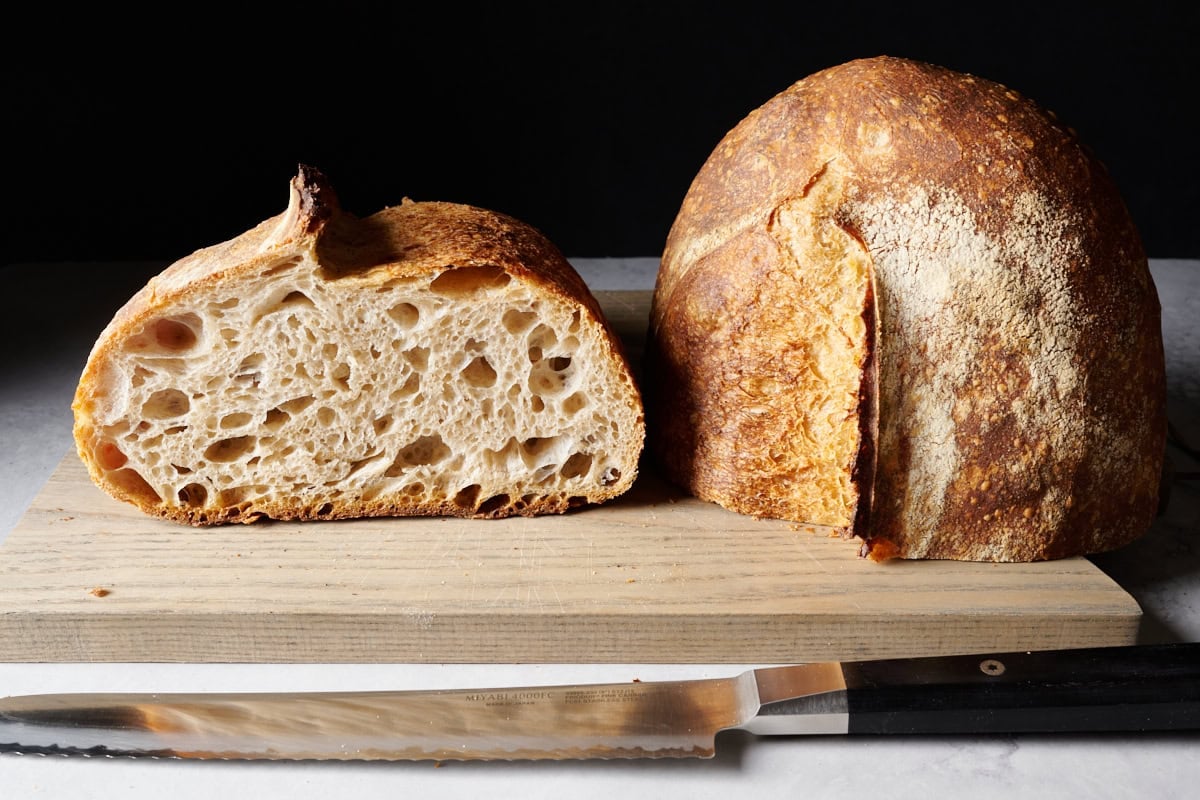
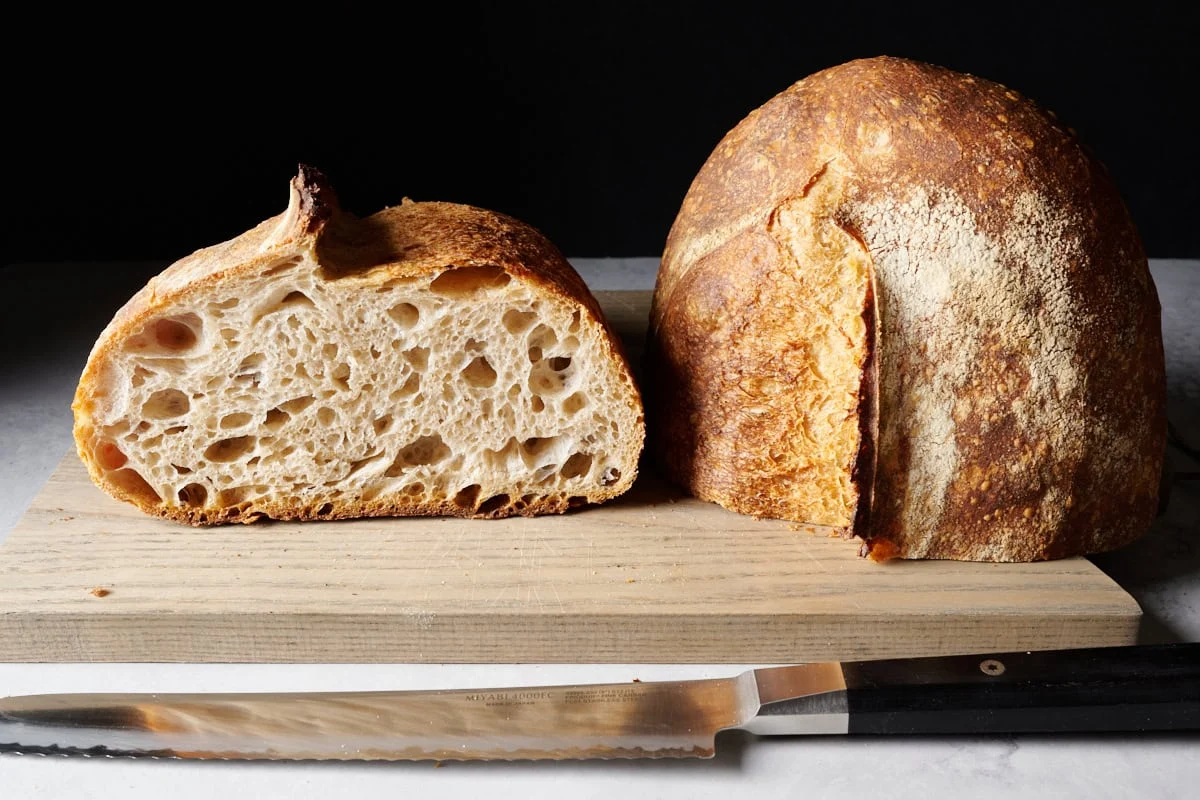
Warmer dough temperatures (e.g., 78-82°F / 25-28°C during bulk fermentation) generally accelerate overall microbial activity. Many common sourdough LAB strains, such as Lactobacillus sanfranciscensis, thrive in this range, leading to faster acid production and a higher total amount of acids. This often favors a more balanced or lactic-heavy sourness due to optimal conditions for a wider range of LAB.
However, cooler temperatures (e.g., 68-72°F / 20-22°C) can paradoxically shift the type of acid towards acetic. While overall fermentation is slower, the relative inhibition of certain LAB strains and yeasts at cooler temperatures can create conditions where heterofermentative LAB preferentially produce acetic acid. Therefore, a moderately warm bulk fermentation followed by a long, cold proof often provides the best of both worlds: robust overall acid development during bulk, followed by a shift towards sharper acetic acid during cold retardation.
The Nuance of Levain Percentage
Counter-intuitively, using a smaller levain percentage (e.g., 10-15% of total flour as pre-fermented flour) can actually lead to a more sour loaf. A smaller inoculum means the main dough starts at a higher pH. This "higher pH runway" allows the bacteria more time to function before the accumulating acids lower the pH to inhibitory levels. The overall fermentation will be slower, requiring extended bulk fermentation times, but the cumulative acid production can be greater. This contrasts with a large, highly acidic levain, which quickly drops the dough’s initial pH, potentially curtailing further bacterial activity and acid development.
Crafting Milder Sourdough: Techniques for Subtlety
Not all bakers desire an aggressive tang. Many prefer a subtle, background acidity that complements the grain flavors. Achieving this gentler profile also requires deliberate control:
Proactive Starter Management: The Key to Mildness
The single most effective way to produce milder sourdough is to maintain a healthy, frequently-fed starter. Regular feeding (e.g., every 12-24 hours) constantly dilutes the acids produced, preventing excessive accumulation. This ensures the starter is always vibrant, with ample fresh food for the microorganisms, and maintains a balanced microbial population. A starter that is consistently fed and used at its peak ripeness—risen, bubbly, and with a mild, yeasty aroma—will contribute minimal pre-formed acids to the dough, resulting in a cleaner flavor.
Leveraging a Young Levain
Timing the levain’s ripeness is crucial for mildness. A young levain is one that has achieved significant leavening power (doubled in volume, bubbly) but has not yet fully ripened or begun to collapse. At this stage, yeast activity is high, providing excellent lift, but acid accumulation is still relatively low. This approach prioritizes leavening over intense flavor development. Bakers often achieve this with a 1:1:1 ratio (flour:water:starter) fermented at moderately warm temperatures (e.g., 78-80°F / 25-27°C) for 3-4 hours, yielding a sweet-smelling, cohesive levain. This technique is particularly favored for applications like sourdough pizza, where a strong tang can be undesirable.
Shortening the Cold Proof
To significantly reduce sourness, bakers can shorten or even eliminate the cold proof. By limiting the time the dough spends in the refrigerator to 10-12 hours, or opting for a room-temperature proof (2-4 hours, depending on ambient temperature), the prolonged, differential acid accumulation is curtailed. This results in a bread that is often more "grain-forward" with a subtle, integrated flavor rather than a pronounced tang.
Embracing Liquid Levains
Using a liquid levain (100% hydration or higher) tends to favor lactic acid production over acetic acid. The higher water content creates an environment where certain homofermentative LAB thrive, leading to the smooth, yogurt-like acidity rather than the sharp, vinegar notes. This approach is common in recipes aiming for a softer crumb and a more delicate flavor profile.
Controlled Cooler Fermentation for Less Total Acid
While cooler temperatures can shift the acid profile towards acetic acid proportionally, they also significantly slow total bacterial activity. If the goal is simply less total acid, a cooler, shorter bulk fermentation, followed by a brief proof, will generally result in a milder loaf. Care must be taken to avoid underproofing, as the slower fermentation requires careful monitoring of dough development.
Strategic Use of Larger Levain Percentages
As discussed, a larger levain percentage (e.g., 25-35% pre-fermented flour) introduces a significant amount of pre-formed acid into the dough from the outset. This rapidly lowers the dough’s initial pH. Because LAB are sensitive to low pH, their subsequent acid production in the main dough is curtailed. Furthermore, a larger levain accelerates overall fermentation, meaning the bulk fermentation and proofing stages are typically shorter, allowing less time for additional acid accumulation. This seemingly counter-intuitive approach can effectively reduce the overall sourness developed during the main dough’s fermentation.
Deciphering Sourdough’s Flavor Profile: Common Challenges and Insights
Bakers often encounter situations where their sourdough either lacks the expected tang or is unexpectedly bland. Understanding the underlying causes is key to troubleshooting:
Why Does My Bread Have No Tang at All?
- Immature Starter: A new starter (less than 2-3 months old) may not have developed the robust, stable bacterial populations necessary for significant acid production. The microbial ecosystem takes time to mature and stabilize.
- Levain Used Too Young: If the levain is incorporated before it has fully ripened and accumulated sufficient acids, the final bread will reflect this lack of initial acidity.
- Insufficient Fermentation Time: Both bulk fermentation and proofing contribute to flavor development. Rushing these stages, or allowing them to proceed too quickly, means there isn’t enough time for acids to develop. Extending fermentation by even 30-60 minutes, or introducing a cold proof, can make a significant difference.
- High Ambient Temperatures: In very warm kitchens (above 80°F / 27°C), fermentation can proceed so rapidly that the dough reaches full proof before adequate flavor-producing acids have accumulated. The bread may be perfectly leavened but lack depth of flavor. Strategies include using cooler mixing water or relying more heavily on extended cold proofing.
- Predominance of Refined White Flour: As noted, low-ash refined flours offer less buffering capacity, limiting total acid production. Incorporating even a small percentage of whole wheat or rye can boost tang.
The "More Starter, More Sour" Misconception Revisited
The assumption that simply increasing the starter or levain percentage automatically leads to more sour bread is a common pitfall. While a larger levain introduces more pre-formed acid, the subsequent impact on the main dough’s pH and the bacteria’s sensitivity to that acidity often means less additional acid is produced during the main fermentation stages. This nuanced relationship underscores the importance of considering the entire fermentation timeline and the dynamic environment of the dough.
The Broader Impact and Expert Consensus
The ability to control sourdough sourness has significant implications across the baking landscape. For commercial bakeries, it allows for product differentiation, catering to diverse consumer preferences ranging from intensely tangy loaves to mild, everyday breads. Food scientists continually research the specific strains of LAB and yeasts responsible for various flavor compounds, offering insights that can be applied to industrial-scale sourdough production for consistent results.
Beyond flavor, the fermentation process, particularly in whole grain sourdoughs, can enhance the nutritional profile of bread by breaking down phytates (which inhibit mineral absorption) and improving digestibility. The control over sourness, therefore, is not merely aesthetic but can also be linked to health benefits.
Culinary experts and baking instructors consistently emphasize the importance of systematic experimentation for home bakers. Changing one variable at a time – such as cold proof duration, levain hydration, or flour composition – and meticulously observing the outcomes allows bakers to develop an intuitive understanding of these complex interactions. This iterative process transforms baking from a mere recipe following to an informed, creative endeavor. There is no universally "correct" level of sourness; the ideal tang is ultimately a matter of personal preference and cultural tradition. The famous Tartine Bread, for instance, is known for its assertive acidity, a characteristic that defines its appeal to many.
Conclusion
The journey to mastering sourdough sourness is a testament to the intricate microbiology at play within a simple mixture of flour and water. By understanding the roles of lactic and acetic acids, the critical influence of pH, and the specific impacts of starter ripeness, fermentation temperature, levain hydration, flour type, and fermentation duration, bakers gain unparalleled control over their loaves. This comprehensive approach transforms the elusive "sour" into a predictable and adjustable dimension of sourdough, empowering every baker to craft bread precisely to their taste. Happy baking.