
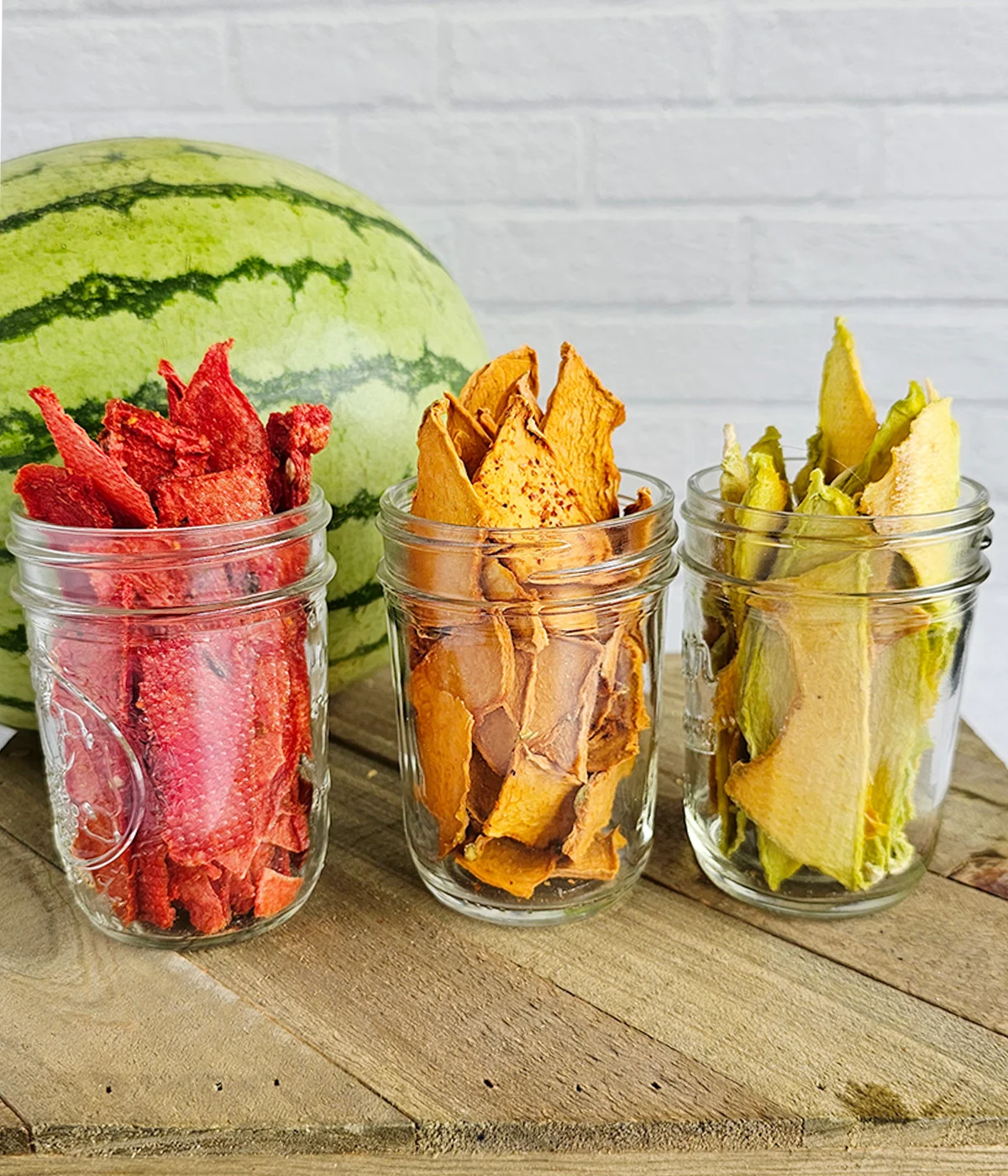
The practice of food dehydration has seen a significant resurgence in recent years as households seek to mitigate food waste and enhance food security through the creation of shelf-stable supplies. While commonly associated with apples, berries, and root vegetables, the dehydration of melons—specifically watermelon, cantaloupe, and honeydew—represents a specialized sector of food preservation that transforms high-moisture fruits into nutrient-dense, portable snacks. This process not only extends the seasonal availability of these fruits but also provides a sustainable solution for managing surplus produce that would otherwise contribute to the estimated 1.3 billion tons of food wasted globally each year.
The Context of Modern Food Preservation
The shift toward home-based food preservation is driven by a combination of economic factors and a growing consumer interest in clean-label snacks. Melons, which typically consist of 90% to 92% water, are historically difficult to preserve through traditional methods like canning due to their low acidity and delicate texture. Dehydration, however, bypasses these challenges by removing the moisture required for microbial growth while concentrating the natural sugars and vitamins.
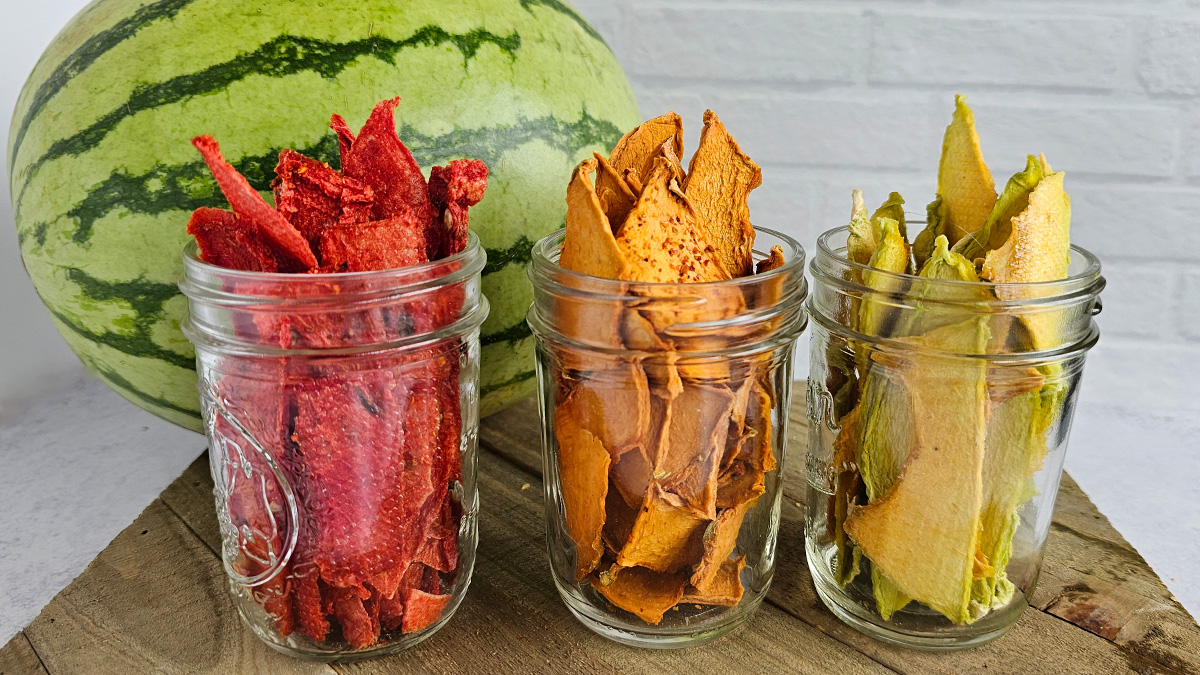
According to agricultural data, melons are among the most frequently discarded fruits in domestic settings due to their large size and relatively short peak ripeness window. By utilizing dehydration, consumers can convert a perishable liability into a shelf-stable asset. This method has gained particular traction among the outdoor recreation community, including hikers and campers, who require lightweight, high-energy caloric intake without the bulk of fresh produce.
Technical Methodology for Melon Dehydration
The process of dehydrating melons requires precision in both preparation and temperature control to ensure a safe and palatable result. The following chronology outlines the standardized procedure for transforming fresh melon into a shelf-stable product.
Selection and Preparation
The quality of the final product is directly proportional to the ripeness of the initial fruit. Melons should be at their peak sugar content; under-ripe melons lack flavor when dried, while over-ripe melons may have a compromised cellular structure that results in an inconsistent texture.
- Sanitization: The exterior rind of the melon must be thoroughly washed to prevent the transfer of soil-borne pathogens to the flesh during slicing.
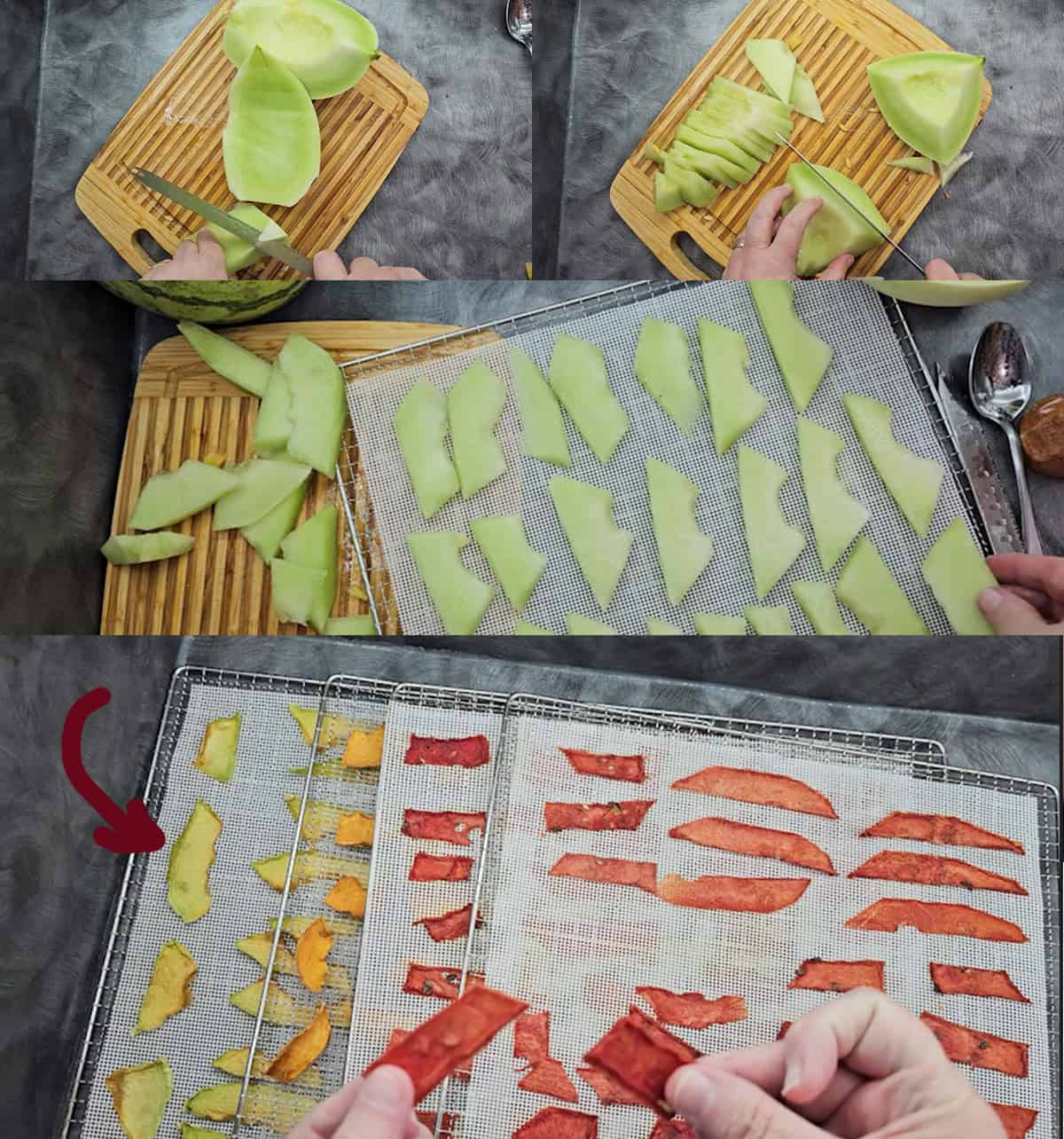
- Slicing: The melon is halved and de-seeded (in the case of cantaloupe and honeydew). The rind is removed, and the flesh is sliced into uniform pieces. Professional standards suggest a thickness of 1/4 inch (approximately 6 millimeters). Uniformity is critical to ensure that all pieces reach the desired dryness simultaneously, preventing the risk of residual moisture in thicker slices.
- Pre-treatment (Optional): While not strictly necessary for safety, some practitioners apply a light coating of lemon juice or citric acid to maintain color vibrancy, particularly in honeydew.
Dehydration Parameters
The use of a dedicated food dehydrator is recommended over a conventional oven due to the need for consistent airflow and low-temperature maintenance.
- Temperature Setting: The industry standard for fruit dehydration is 135°F (57°C). This temperature is high enough to facilitate evaporation but low enough to prevent "case hardening," a phenomenon where the exterior of the fruit dries too quickly, trapping moisture inside and leading to internal spoilage.
- Duration: The process typically spans 10 to 14 hours. Factors influencing this timeline include the ambient humidity of the processing environment, the specific sugar content of the melon, and the efficiency of the dehydrator’s fan system.
- Dryness Test: A properly dehydrated melon slice should feel leathery and pliable but not sticky. It should not exude moisture when pressed or bent.
Nutritional Analysis and Economic Impact
Dehydrating melons significantly alters their physical properties while largely retaining their nutritional profile. Based on nutritional estimations, 1/4 cup of dehydrated melon contains approximately the same caloric and sugar content as one full cup of fresh fruit.
Comparative Data Table: Fresh vs. Dehydrated Melon (Estimated per Serving)
| Metric | Fresh Melon (1 Cup) | Dehydrated Melon (1/4 Cup) |
|---|---|---|
| Calories | 50-60 kcal | 50-60 kcal |
| Carbohydrates | 12-15g | 12-15g |
| Sugars | 10-12g | 10-12g |
| Potassium | 270mg | 260mg |
| Weight | ~160g | ~20g |
The reduction in weight (approximately 85-90%) makes dehydrated melons an ideal candidate for logistical efficiency in food transport and storage. Economically, home dehydration allows consumers to purchase melons in bulk during peak season when prices are lowest, effectively locking in a lower price point for fruit snacks throughout the winter months.
Storage and Conditioning Protocols
The most critical phase of the preservation process occurs after the fruit is removed from the dehydrator. Failure to properly "condition" and store the fruit can lead to mold growth and total loss of the batch.
The Conditioning Process
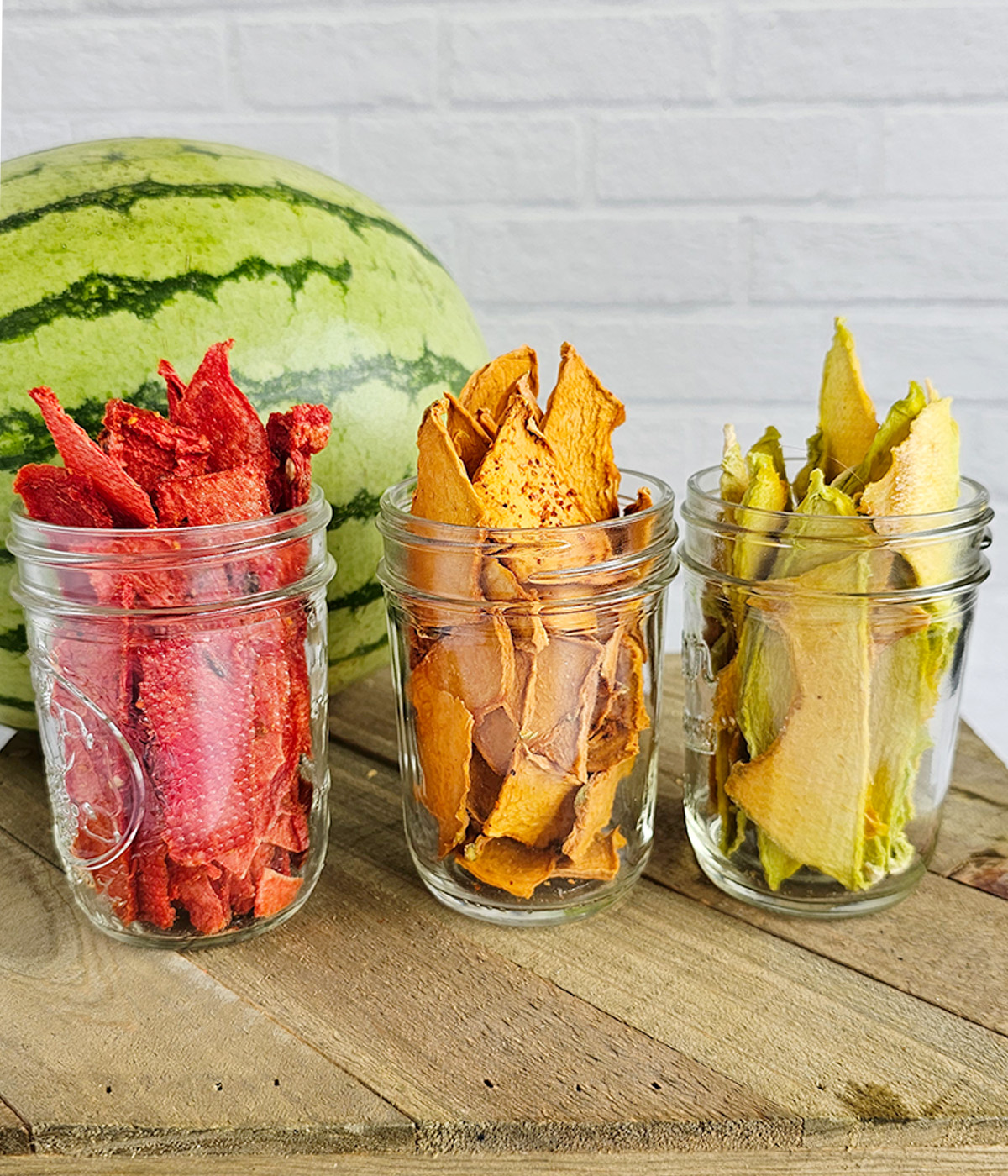
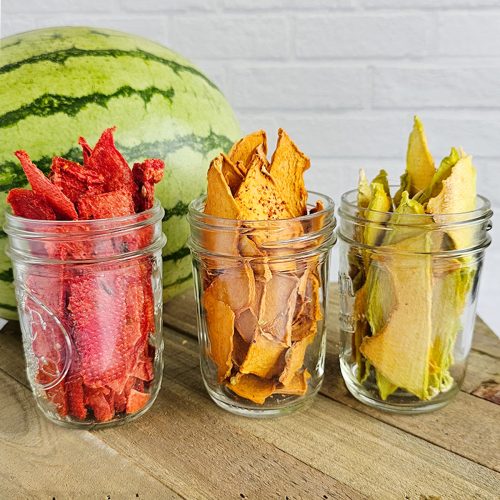
Conditioning is a mandatory safety step for any fruit intended for long-term storage. After the fruit has cooled, it is placed in a transparent, airtight container (such as a glass mason jar). The jar is stored in a cool, dark place and shaken daily for five to seven days.
- Observation: If condensation appears on the interior of the glass, the fruit is insufficiently dry and must be returned to the dehydrator.
- Stability: If no moisture appears after a week, the fruit is considered shelf-stable.
Long-Term Storage Solutions
For maximum longevity, dehydrated melons should be stored in an airtight environment, away from direct sunlight and heat. Vacuum sealing is the preferred method for extended storage, as it removes oxygen which can lead to the degradation of flavor and nutrients over time. Oxygen absorbers or silica gel packets may be included to mitigate the effects of ambient humidity when the container is opened. Under optimal conditions, dehydrated melons can remain viable for up to twelve months.

Culinary Applications and Seasoning Trends
While dehydrated melons are frequently consumed as standalone snacks, they are increasingly being integrated into broader culinary contexts. Dehydrated watermelon, often referred to as "watermelon jerky" or "watermelon taffy," is noted for its intense sweetness and chewy texture.
Flavor Enhancement
To cater to diverse palates, practitioners often apply seasonings prior to the dehydration process. Popular variations include:
- Citrus and Spice: A combination of lime juice and chili powder (often utilizing commercial blends like Tajín) to create a savory-sweet profile.
- Sweet Aromatics: A light dusting of cinnamon or ginger to complement the muskier notes of cantaloupe.
- Acidic Balance: The addition of lemon or orange zest to brighten the flavor of honeydew.
Beyond snacking, these fruits can be rehydrated for use in salads, chopped into granola, or pulverized into a fruit powder for use in baking and smoothie applications.

Safety Considerations for Alternative Equipment
For individuals without a dedicated dehydrator, a conventional oven may be used, though it requires constant monitoring. Most modern ovens do not have a setting as low as 135°F; therefore, users must set the oven to its lowest possible temperature (often 170°F) and prop the door open with a heat-resistant utensil to facilitate airflow and lower the internal temperature.
Experts warn that this method is less energy-efficient and poses a minor safety risk in households with small children or pets due to the open oven door. Furthermore, the risk of scorching the fruit is significantly higher in an oven environment.
Broader Implications for Sustainable Living
The promotion of melon dehydration aligns with global initiatives to foster circular economies within the food system. By empowering individuals with the skills to preserve high-waste produce, the reliance on industrial food processing and long-distance supply chains is reduced.
Furthermore, as climate change impacts crop yields and food prices, the ability to maintain a "purposeful pantry" stocked with home-preserved goods serves as a hedge against market volatility. The dehydration of melons, while a specific niche, exemplifies the broader trend of reclaiming traditional preservation wisdom and marrying it with modern technology to create a more resilient and less wasteful food culture.
In conclusion, the dehydration of watermelon, cantaloupe, and honeydew is a scientifically grounded method of food preservation that offers significant benefits in terms of waste reduction, nutritional density, and economic efficiency. As the practice continues to grow in popularity, it is expected that further innovations in home-scale dehydration technology and storage will continue to refine the process, making it an accessible staple of modern domestic life.


